
If you're pregnant or planning to become pregnant, you've almost certainly come across the promise: use this cream, and stretch marks won't happen to you. It's a comforting claim — and it sells billions of euros' worth of products every year. But here's the reality that most brands don't want to discuss: 55–90% of pregnant women develop stretch marks, regardless of what they apply to their skin. The scientific literature is remarkably clear on this point. A 2012 Cochrane meta-analysis — the gold standard of medical evidence — reviewed all available trials and concluded that no topical preparation has been shown to prevent stretch marks during pregnancy with statistical significance. Does that mean skin care during pregnancy is pointless? Far from it. What it means is that the conversation needs to shift from false promises to honest, science-based guidance about what stretch marks during pregnancy actually are, why they form, and what genuinely helps — even if "helps" looks different from what the adverts suggest.
Key takeaways if you're short on time
- Stretch marks during pregnancy affect 55–90% of women, with genetics, age, and rate of weight gain being the strongest predictors — not which cream you use.
- 84% of women under 20 develop stretch marks, compared with only 24% of those over 30 — younger skin, paradoxically, tears more easily during rapid stretching.
- 45% of stretch marks appear before week 24, meaning prevention efforts need to begin in the first trimester, not the third.
- No cream has been proven to prevent stretch marks in a Cochrane meta-analysis, but consistent hydration improves skin elasticity and significantly reduces itching and discomfort.
- AtopCare Body Oil is free from parabens and synthetic fragrances, making it safe throughout pregnancy while delivering meaningful hydration and elasticity support.
What stretch marks actually are — the biology beneath the surface
Stretch marks — striae distensae in dermatological terminology — are a form of scarring that occurs in the dermis, the thick middle layer of the skin. When skin stretches beyond the elastic capacity of its collagen and elastin fibres, those fibres rupture. The body attempts to repair the damage, but the resulting scar tissue is structurally different from normal dermis: it's thinner, less elastic, and initially suffused with blood vessels that give stretch marks their characteristic reddish-purple colour (striae rubrae). Over months and years, these blood vessels recede, and the marks fade to a silvery-white (striae albae) — less visible but still palpable as slightly indented, textured lines.
During pregnancy, the process is amplified by hormonal changes. Elevated levels of cortisol — which naturally rise during the second and third trimesters — reduce the skin's collagen production. Simultaneously, the dramatic expansion of the abdomen, breasts, hips, and thighs places mechanical stress on skin that is already hormonally weakened. The combination creates a perfect storm for dermal tearing.
Understanding this biology matters because it reveals why topical creams face an inherent limitation: they work on the surface (epidermis), whereas stretch marks form in the layer below (dermis). No cream, however well formulated, can physically reinforce dermal collagen fibres against the forces of a growing uterus. This isn't a product failure — it's an anatomical reality.
The numbers behind stretch marks during pregnancy
Science puts precise numbers on this risk, and the data on pregnancy stretch marks are both extensive and surprisingly consistent across studies. Between 55% and 90% of pregnant women will develop some degree of striae. The wide range reflects differences in study populations, skin types, and diagnostic criteria, but even the lower estimate means that more than half of all pregnant women are affected.
Age is one of the strongest predictors. A study published in the British Journal of Dermatology found that 84% of women under 20 developed stretch marks, compared with just 24% of women over 30. This seems counterintuitive — younger skin is firmer and more elastic, so why would it tear more easily? The answer lies in the speed of stretching relative to the skin's adaptation capacity. Younger women tend to gain weight more rapidly during pregnancy, and their collagen turnover, while high, simply can't keep pace with the abrupt mechanical demands.
Timing matters too. Research indicates that 45% of stretch marks appear before gestational week 24 — well before the third trimester, when most women begin their "prevention" routines. If skin care during pregnancy is to have any meaningful impact, it needs to start in the first trimester, not the last.
Risk factors you cannot control
Genetics dominate the picture. If your mother developed stretch marks during her pregnancies, your probability of developing them increases substantially. Family history of striae is a stronger predictor than any lifestyle factor. Higher pre-pregnancy body mass index (BMI), greater total weight gain, higher birth weight of the baby, and carrying multiples all further elevate risk. Skin phototype also plays a role: lighter skin tones tend to develop more visible striae, though darker skin isn't immune — the marks simply present differently.
The Cochrane evidence — what creams can and cannot do
The Cochrane Collaboration is an independent, non-profit network that conducts systematic reviews of healthcare interventions. Their reviews are regarded as the highest level of evidence in medicine. In their analysis of topical preparations for preventing stretch marks during pregnancy, the conclusion was unambiguous: there is no high-quality evidence that any cream, oil, or lotion prevents the formation of striae gravidarum.
This doesn't mean the reviewed products did nothing. Several trials showed improvements in skin hydration, elasticity, and patient-reported comfort. Some showed reductions in the severity and extent of existing marks. But none demonstrated statistically significant prevention — meaning no product could reliably stop stretch marks from forming in the first place when tested against a control group.
Why does this matter? Because honesty builds trust. Brands that promise "stretch mark prevention" are making a claim the evidence doesn't support. Brands that say "this will hydrate your skin, improve elasticity, reduce itching, and support your skin through the changes of pregnancy" are making claims the evidence does support. The distinction isn't merely semantic — it determines whether you spend your pregnancy disappointed by false expectations or empowered by realistic ones.
What actually helps — the honest approach to pregnancy skin care
If prevention isn't guaranteed, what's the point of pregnancy skin care at all? The answer is substantial: consistent hydration and lipid supplementation genuinely improve skin elasticity, reduce transepidermal water loss (TEWL), minimise the itching and tightness that accompany rapid skin stretching, and may reduce the severity of stretch marks even if they can't eliminate them entirely.
Start early — first trimester, not third
Given that 45% of stretch marks appear before week 24, beginning a skin care routine in the third trimester misses nearly half the window. Start applying a body oil or rich emollient to the abdomen, breasts, hips, and thighs as soon as pregnancy is confirmed. The goal at this stage isn't "prevention" in the absolute sense but preparing the skin — improving its hydration reserve and lipid content so that it's as resilient as possible when the most rapid stretching begins in the second trimester.
Hydration from inside and out
Drinking enough water supports dermal hydration from within. Topical hydration addresses the outermost skin layer from without. The two are complementary, not interchangeable. A body oil with high concentrations of plant-derived fatty acids — oat oil, coconut oil, sunflower oil — creates an occlusive barrier that slows water evaporation from the skin surface, maintaining the suppleness that mechanical stretching demands.
Ingredient safety during pregnancy
Pregnancy imposes strict limits on what you can safely apply to your skin. Retinoids (retinol, tretinoin, adapalene) are absolutely contraindicated. Salicylic acid at high concentrations, certain essential oils (rosemary, clary sage, juniper), and chemical sunscreen filters with endocrine-disrupting potential should all be avoided. Parabens, while their risk during pregnancy is debated, are best eliminated as a precaution. The safest formulations are those with short, transparent ingredient lists — plant oils, vitamin E, natural emollients — and no synthetic fragrances.

Editor's pick
AtopCare Body Oil
A lightweight body oil with oat oil, vitamin E, and ethyl ferulate — formulated without parabens, silicones, or synthetic fragrances. Safe for use throughout pregnancy. It absorbs quickly without a greasy residue, providing long-lasting hydration and supporting skin elasticity during the months of greatest change. We developed this formula in-house because finding a body oil that was both effective and genuinely pregnancy-safe proved harder than it should have been.
32.80 €
View productThe role of massage — more than you might think
Interestingly, several studies suggest that the act of applying a product may matter as much as the product itself. Regular massage of the skin increases local blood circulation, improves lymphatic drainage, and mechanically stimulates collagen remodelling. A small but consistent body of evidence indicates that women who massage their skin daily during pregnancy — regardless of what they use — report fewer and less severe stretch marks than those who apply products without massage. The practical takeaway is straightforward: when you apply your body oil or cream, don't simply spread it on. Take two to three minutes to work it into the skin with gentle, circular motions. This turns passive application into an active treatment.
Stretch marks during pregnancy — managing expectations without losing hope
There's a middle ground between "this cream will prevent everything" and "nothing works, so why bother." That middle ground is where science lives, and it's more useful than either extreme.
Consistent skin care during pregnancy — starting early, using safe products with genuine hydrating and barrier-supporting ingredients, applying them with massage — is unlikely to prevent stretch marks entirely in women who are genetically predisposed. But it is likely to reduce the severity and extent of those marks, to keep the skin more comfortable during the months of rapid change, to minimise the intense itching (pruritus gravidarum) that affects many women, and to support overall skin health at a time when the body is under extraordinary demand.
That's not a small benefit. Pregnancy is physically intense, and anything that makes the skin feel more comfortable, hydrated, and cared for contributes to overall wellbeing. The honest framing — "this won't eliminate stretch marks, but it will meaningfully improve how your skin feels and copes" — is far more empowering than a false promise followed by inevitable disappointment.
Tip: Dry skin on your face during pregnancy — causes and solutions
Tip: Collagen for skin and hair — what actually works
Tip: Vitamin C for flawless skin — 7 proven benefits
After pregnancy — what happens to stretch marks over time
The good news is that stretch marks evolve significantly after delivery. Fresh striae rubrae — the red or purple marks — gradually fade as blood vessels recede. Within six to 12 months, most marks transition to striae albae: paler, less raised, and considerably less visible. The texture may remain slightly different from surrounding skin, but the dramatic appearance of early stretch marks softens substantially with time.
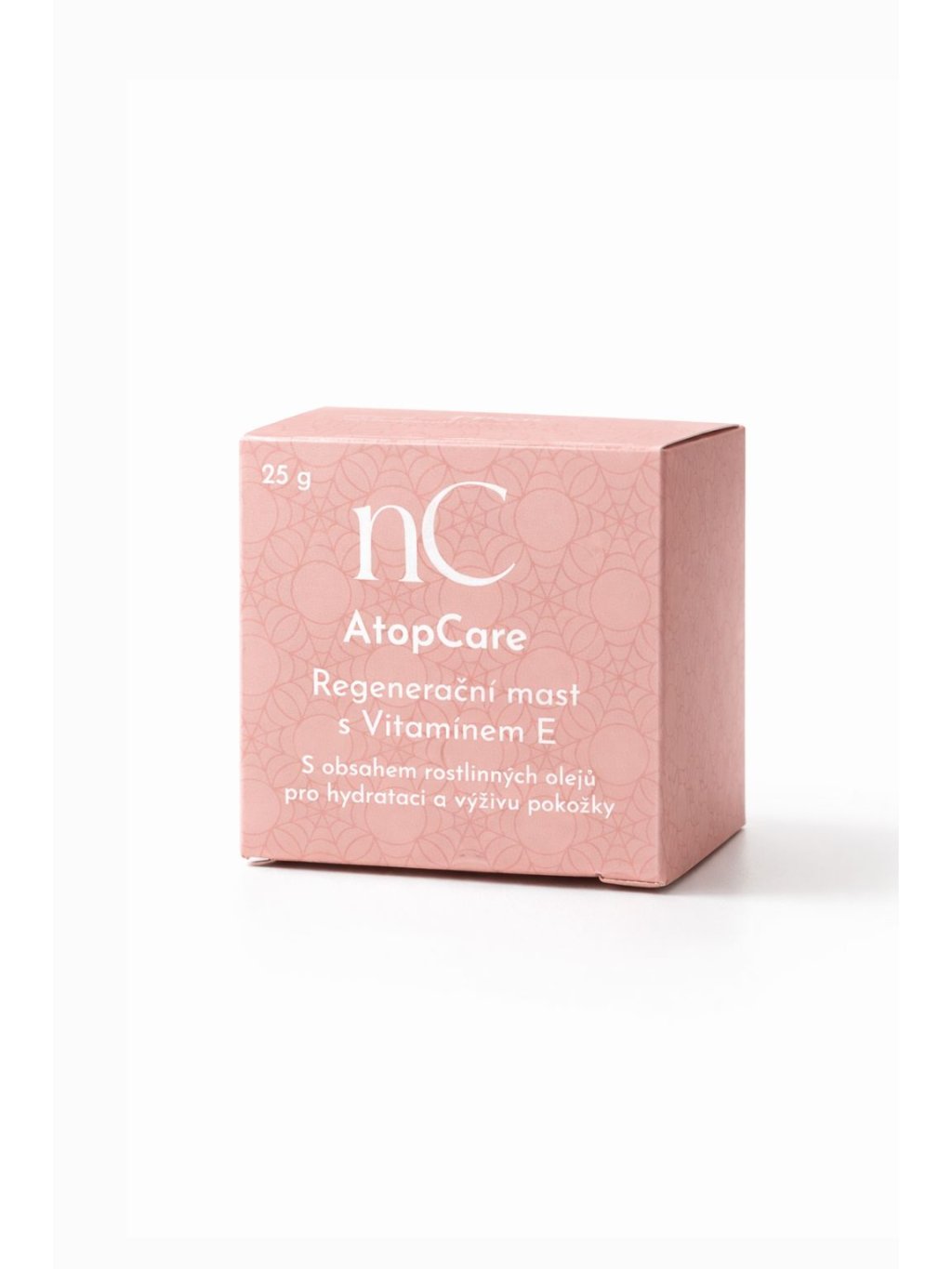
Post-partum skin care can support this natural fading process. Continued use of emollients rich in vitamin E — such as the AtopCare Regenerative Vitamin E Ointment — maintains skin hydration and supports collagen remodelling. Once breastfeeding is complete, retinoids become an option again — prescription tretinoin has the strongest evidence for improving the appearance of mature striae. Laser therapies (fractional CO2, pulsed dye) can further improve texture and pigmentation, though they're costly and typically require multiple sessions.
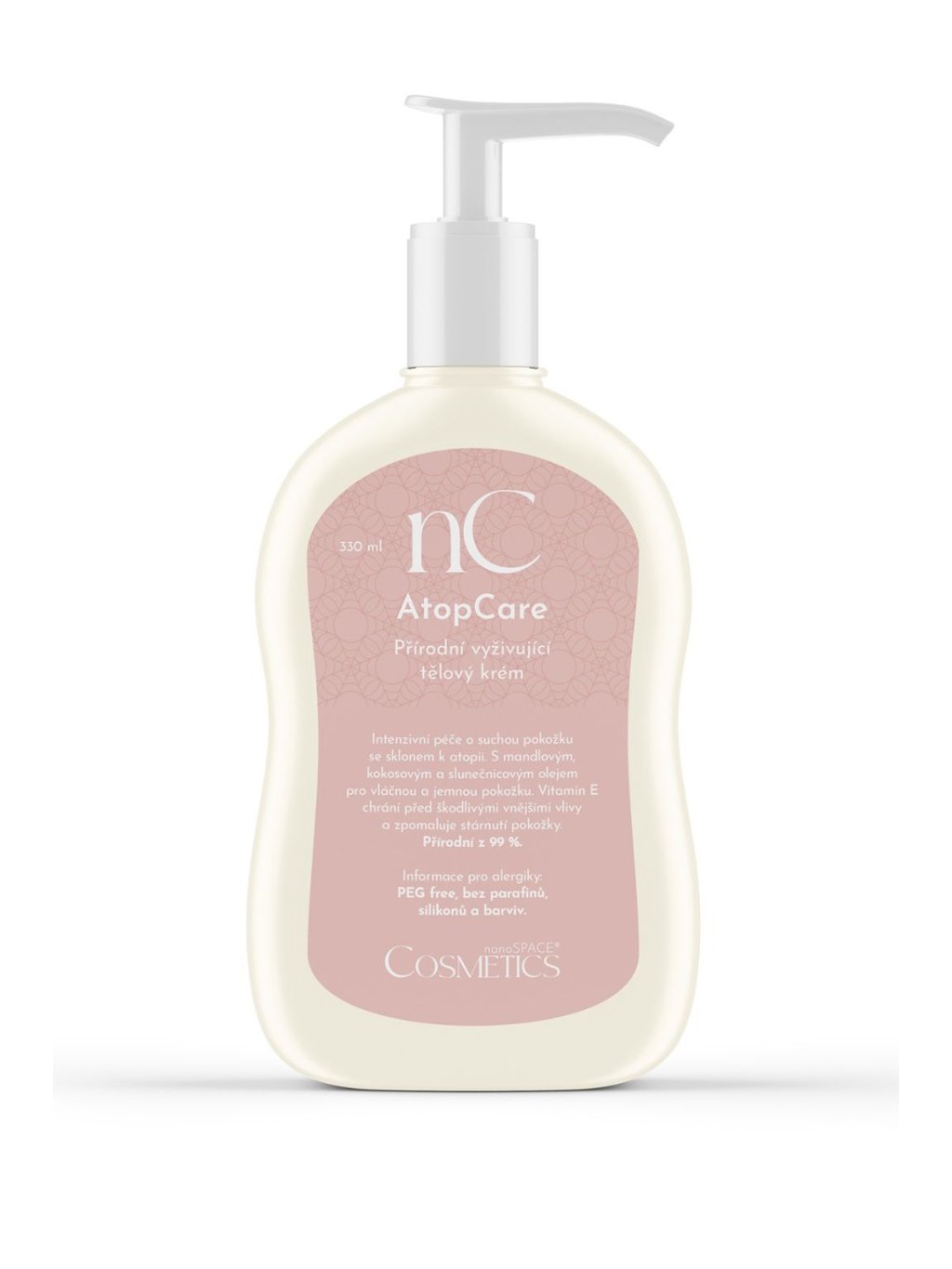
For most women, however, the combination of time and consistent topical care — a rich body cream for daily hydration combined with targeted vitamin E treatment — produces satisfactory results without medical intervention. Patience is, once again, the most effective ingredient.
Products for pregnancy skin care — safe, effective, honest
Pregnancy-safe skin care from nanoSPACE
Conclusion — trust science, not marketing
Stretch marks during pregnancy are common, largely genetically determined, and — according to the highest level of medical evidence — cannot be prevented by any topical product. That isn't a counsel of despair. It's an invitation to approach pregnancy skin care with clear eyes and realistic goals. Consistent hydration with safe, well-formulated products genuinely improves skin comfort, elasticity, and resilience. Starting early, applying with massage, and choosing formulations free from harmful ingredients gives your skin the best possible support during an extraordinary period of change.
Your body is doing something remarkable. Stretch marks, if they come, are evidence of that — not evidence of failure. Care for your skin honestly and generously, accept what science can and cannot promise, and know that the marks themselves will fade significantly with time. That is the truth, and it is enough.
Frequently asked questions
Can any cream actually prevent stretch marks during pregnancy?
According to the Cochrane Collaboration's systematic review, no topical cream, oil, or lotion has been shown to prevent stretch marks with statistical significance. However, regular application of hydrating products improves skin elasticity, reduces itching, and may lessen the severity of marks that do form.
When should I start using body oil during pregnancy?
As early as the first trimester. Research shows that 45% of stretch marks appear before week 24, so starting in the third trimester misses a substantial part of the risk window. Early, consistent application gives the skin the longest possible period to build hydration and resilience.
Are stretch marks genetic?
Genetics are the single strongest predictor. If your mother developed stretch marks during pregnancy, your risk is significantly elevated. Other factors — age, rate of weight gain, baby's birth weight, and skin type — also contribute, but family history is the most reliable indicator.
Is it safe to use body oil throughout the entire pregnancy?
Yes, provided the oil is free from retinoids, high-concentration salicylic acid, harmful essential oils, and endocrine-disrupting chemicals. Products formulated without parabens, silicones, and synthetic fragrances — such as plant oil-based body oils with vitamin E — are considered safe for use from the first trimester through to delivery and beyond.
Do stretch marks from pregnancy ever fully disappear?
Fresh red or purple marks (striae rubrae) fade significantly within 6–12 months, transitioning to paler, less visible lines (striae albae). While they rarely disappear completely, they become substantially less noticeable over time. Post-partum options such as prescription retinoids and laser therapy can further improve their appearance.

Sources
- Brennan, M. et al. (2012) 'Topical preparations for preventing stretch marks in pregnancy', Cochrane Database of Systematic Reviews, Issue 11, Art. No.: CD000066.
- Atwal, G. S. S. et al. (2006) 'Striae gravidarum in primiparae', British Journal of Dermatology, 155(5), pp. 965–969.
- Osman, H. et al. (2007) 'Risk factors for the development of striae gravidarum', American Journal of Obstetrics and Gynecology, 196(1), pp. 62.e1–62.e5.
- Ud-Din, S. et al. (2016) 'Topical management of striae distensae (stretch marks): prevention and therapy of striae rubrae and albae', Journal of the European Academy of Dermatology and Venereology, 30(2), pp. 211–222.
- Korgavkar, K. and Wang, F. (2015) 'Stretch marks during pregnancy: a review of topical prevention', British Journal of Dermatology, 172(3), pp. 606–615.