
Do you ever look in the mirror and feel your complexion looks tired, dull, and lifeless? Perhaps you're bothered by an uneven tone, stubborn sun spots that refuse to fade, or you've started to notice the first fine lines around your eyes and mouth. In our fast-paced modern lives, the skin barrier is under constant pressure. It faces a daily barrage of stress, pollution, exhaust fumes, and UV radiation. As a result, losing that natural, youthful radiance has become a very common concern for people of all ages. The good news is that one cosmetic ingredient can address these exact worries: vitamin C. This potent antioxidant has earned its place as a modern skincare hero, and dermatologists worldwide consider it a staple of any routine. Let's look at exactly how vitamin C works, which forms are the most effective, and why it deserves a permanent spot in your daily regimen.

Key takeaways if you're short on time
- A potent antioxidant: Vitamin C helps protect your cellular DNA from free radicals and environmental aggressors.
- An anti-ageing powerhouse: It's essential for the natural synthesis of collagen, which helps smooth out wrinkles and firm up sagging facial contours.
- Help for hyperpigmentation: By slowing the overproduction of melanin, it helps fade dark spots and evens out your overall complexion.
- The perfect partner for SPF: Applying it in the morning beneath your daily sunscreen boosts your defence against UV radiation.
- Watch out for oxidation: Traditional liquid serums degrade quickly (turning yellow or brown). A more stable alternative is our dry nanofiber masks, where the active ingredients only activate on contact with water.
What is Vitamin C and Why Does Our Skin Need It?
Biologically speaking, vitamin C (also known by its scientific name, ascorbic acid) is a water-soluble nutrient that plays a vital role in maintaining the health, structure, and function of our tissues. In a strange quirk of nature, most mammals can synthesise this vitamin entirely on their own, usually in the liver or kidneys. We humans, however, lost this ability millions of years ago because of a specific genetic mutation. As a result, we depend on outside sources to get it—whether through a varied diet, good-quality supplements, or topical application in the form of cosmetics.
When we get vitamin C from food, the body acts as a strict triage manager. It sends this nutrient first to our most vital internal organs, such as the brain, heart, and immune system. The skin, despite being our largest organ, is left at the back of the queue. So, if we want to make the most of its beautifying properties, we need to deliver vitamin C for skin directly to the surface. In dermatology and cosmetics, it works as one of the most powerful natural antioxidants available. It can neutralise free radicals—unstable, reactive molecules that damage healthy cells, break down structural proteins, and accelerate the visible signs of premature ageing.
7 Proven Benefits of Vitamin C for Skin
1) Brightening and Restoring Lost Radiance
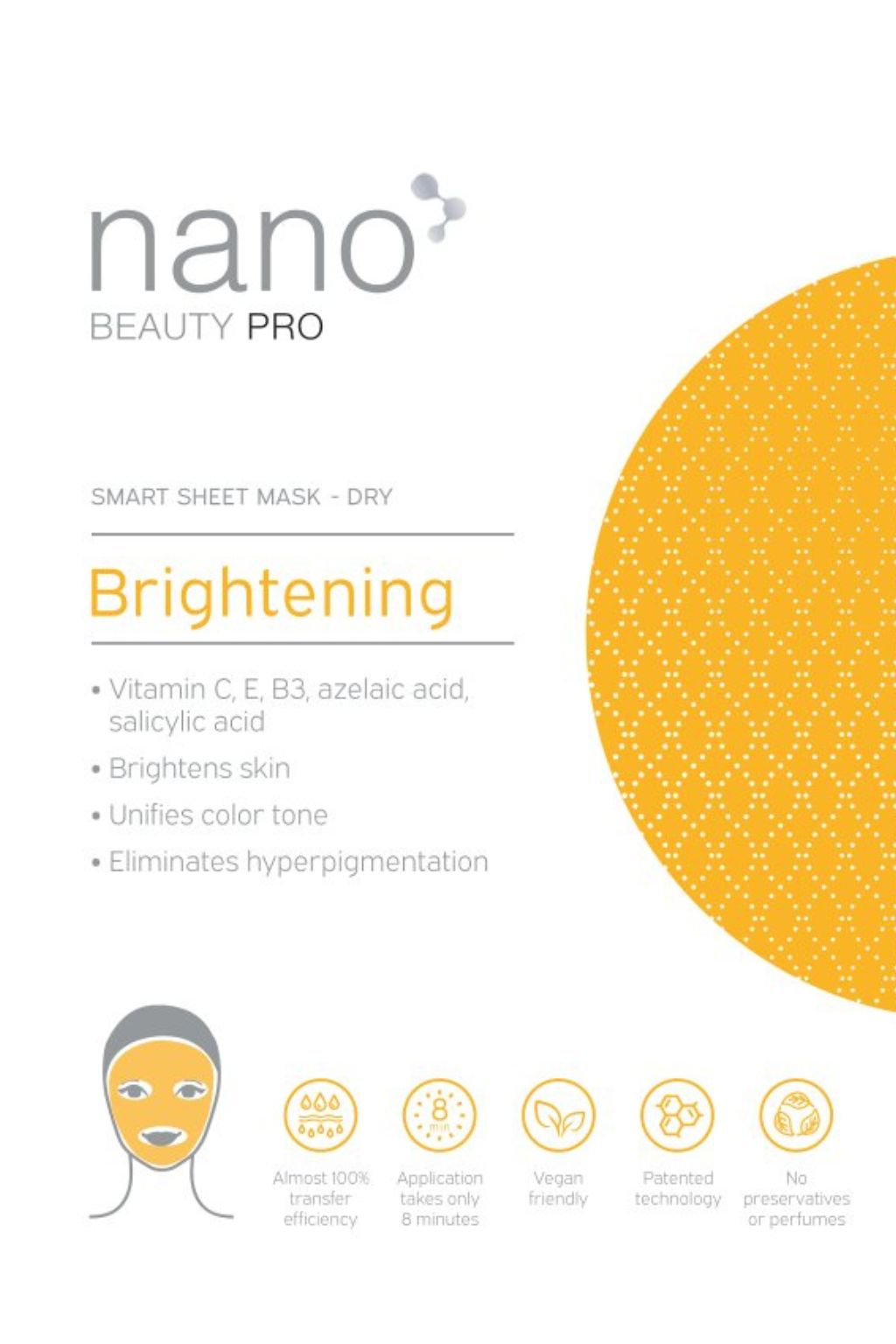
The first effect you're likely to notice when you introduce this ingredient is a clear brightening of your complexion. If your face looks grey, ashen, and tired, vitamin C acts as a morning alarm clock for your cells. It gently supports the natural shedding of dull, dead cells from the surface of the epidermis, which smooths the skin's micro-texture. Because a smoother surface reflects light more evenly, it creates that sought-after healthy, youthful glow. While proper Skin cleansing is the first step to removing daily grime, it's the addition of an antioxidant that turns a flat, lacklustre texture into one that looks fresh and vibrant. For an immediate boost of luminosity, we recommend our Brightening Dry Sheet Nanofiber Face Mask nanoBeauty, which delivers a concentrated dose of radiance right where you need it.
2) Fading Dark Spots and Tackling Hyperpigmentation
Whether you're dealing with age spots, the after-effects of too much sunbathing in your youth, or hormonally driven melasma, hyperpigmentation is a frustrating condition that affects women across all age groups. When you look at the benefits of vitamin C for skin, its effect on uneven pigmentation is perhaps the most thoroughly documented. How does it work? Ascorbic acid inhibits (blocks) an enzyme called tyrosinase, the main catalyst behind the production of melanin, the pigment that gives skin its colour. By interrupting this process, it helps prevent new dark patches forming while gradually and safely fading existing ones. This is what makes the vitamin C serum benefits for hyperpigmentation so valued. A systematic review of dermatological studies (Correia and Magina, 2023) confirmed the high efficacy of topical application in reducing melasma and the visible signs of photoageing.
3) Supporting Collagen Production and Smoothing Wrinkles
Collagen is the main structural protein that acts as the scaffolding of our skin. It's what keeps a youthful face looking plump, firm, and elastic. Unfortunately, as we age, our natural production of this protein steadily declines, and existing collagen fibres begin to break down, leading to fine lines and deeper wrinkles. Vitamin C is an essential cofactor for the specific enzymes (prolyl hydroxylase and lysyl hydroxylase) that synthesise new collagen fibres and cross-link them for strength. Without an adequate supply, the body simply can't produce stable, firm collagen. A well-known double-blind study (Humbert et al., 2003) showed that daily use of a 5% formulation over six months led to a significant improvement in wrinkle depth and overall structure. To get the most from its anti-ageing effects, it helps to first understand your Skin type so you can tailor your routine. For a targeted firming treatment, our Anti-aging Dry Sheet Nanofiber Face Mask nanoBeauty combines this antioxidant with gentle acids to support a smoother, more youthful appearance.
4) Protecting Against Free Radicals and UV Damage
Ultraviolet radiation from the sun is widely recognised as one of the main causes of premature ageing, responsible for up to 80% of visible facial ageing. Although vitamin C doesn't absorb UV rays and can never replace your daily sun protection factor (SPF), applying it underneath your sunscreen adds an extra layer of defence. It acts as a sacrificial molecule—the free radicals generated by UV exposure, smog, and stress attack the antioxidant rather than your cellular DNA and structural proteins. Research points to a useful synergy: when you combine vitamin C with other antioxidants, you reach a higher level of photoprotection than with sunscreen alone. This two-layer approach is considered best practice in preventative dermatology.
5) Evening Out Skin Tone and Soothing Redness
Beyond its brightening effect, vitamin C also has useful anti-inflammatory properties. It helps soothe the micro-inflammation in the deeper layers of the skin that often manifests on the surface as blotchy redness. It also helps strengthen the walls of tiny blood capillaries, reducing the chance of them rupturing and forming red spider veins around the nose and cheeks. With consistent use, the result is a calmer, more balanced, and more even complexion that needs far less heavy foundation or concealer to look flawless.
6) Hydrating and Strengthening the Skin Barrier
While ingredients like hyaluronic acid usually take the spotlight when it comes to moisture, certain derivatives of vitamin C (such as Magnesium Ascorbyl Phosphate) have a proven effect on the skin's ability to retain hydration. They help reduce what dermatologists call Transepidermal Water Loss (TEWL). In practice, this means the moisture held within your cells doesn't evaporate as quickly into the dry surrounding air. A healthy, well-hydrated barrier is naturally more resilient against external aggressors and irritants. This hydrating effect works well alongside other soothing, repairing ingredients, such as Panthenol. If your face feels parched and compromised, treating it to our Vitamin C Rejuvenating Dry Sheet Nanofiber Face Mask nanoBeauty will help restore its natural moisture balance and protective function.
7) Supporting Acne-Prone Skin and Blemish Recovery
While it isn't designed to treat active breakouts, the main reason we use vitamin C for skin in acne-prone individuals is its ability to manage the aftermath. Inflammatory blemishes almost always leave behind red or dark brown marks (medically referred to as post-inflammatory erythema and post-inflammatory hyperpigmentation). Because it both speeds up the natural healing process and helps regulate melanin production, it helps fade these lingering reminders of past breakouts faster than time alone would. If you're currently dealing with active imperfections, you might want to read how ingredients like Salicylic acid can help clear the pores first, so your brightening treatments work on a fresh, clean canvas.
How to Choose the Best Vitamin C Serum for Your Face
If you start looking into ways to achieve a glowing complexion, you'll quickly encounter the juggernaut that is the vitamin C serum. The beauty market is saturated with thousands of options, and finding your way through the marketing jargon can feel impossible. Many people ask dermatologists which specific product is the best. Unfortunately, there's no single universal answer, as the right choice depends on several factors—from the active concentration and the chemical form used, right down to the particular sensitivities of your own skin. Let's break down this process in detail so you know exactly what to look for, and just as importantly, what to avoid when shopping for a vitamin C serum.
The Importance of the Right Concentration
To get visible results, a good-quality vitamin C serum should ideally contain a concentration between 10% and 20%. Clinical studies have repeatedly shown that 15% is the sweet spot for maximum efficacy. If you opt for a product with a concentration below 8%, the visible effects will be subtle, acting more as a mild preventative measure than a corrective treatment. On the other hand, if you're tempted to buy a strong formulation above 20%, the benefits don't increase in proportion. Instead, the risk of irritation, stinging, redness, and a compromised moisture barrier rises sharply. Especially if you have sensitive or reactive skin, it's wisest to start at the lower end and let your face build up a tolerance gradually.
Decoding the Forms: Pure Ascorbic Acid vs. Stable Derivatives
The most famous, most researched, and most biologically active form of this ingredient is pure L-ascorbic acid. Its big advantage is that it needs no conversion; the cells can use it the moment it touches the skin. However, it comes with one major, often deal-breaking flaw: it's notoriously unstable. The moment L-ascorbic acid meets light, heat, or oxygen, it starts to degrade and lose its potency. Because of this instability, the cosmetic industry has invested heavily in developing more stable, user-friendly derivatives. Some of the best alternatives include Sodium Ascorbate, Sodium Ascorbyl Phosphate (SAP), Magnesium Ascorbyl Phosphate (MAP), and Ascorbyl Glucoside. These derivatives are gentler, rarely cause stinging, and have a far longer shelf life. Once they're absorbed into the epidermis, your body's natural enzymes convert them back into active ascorbic acid.
Packaging Matters: Why Clear Glass is a Bad Idea
If your heart is set on buying a traditional liquid vitamin C serum, you need to pay close attention to how it's packaged. A beautiful, transparent glass bottle with an elegant dropper might look lovely on your bathroom shelf, but for pure ascorbic acid, it's the worst possible choice. Every time you unscrew the cap and pull out the dropper, you pump fresh oxygen straight into the formula. On top of that, any daylight passing through the clear glass speeds up the degradation. A well-formulated liquid product should always come in dark, opaque glass (such as amber or dark blue), or, ideally, in a completely airtight, opaque pump dispenser (an airless system) that keeps oxygen and light away from the liquid inside.
The Colour of Truth: When to Throw Your Serum Away
The biggest issue with liquid serums is their rapid oxidation. A fresh, fully functional vitamin C serum should be completely clear, or at most have a very faint, pale champagne tint. If you notice that your liquid has suddenly changed colour to a vivid orange, a dark copper, or a muddy brown, stop applying it to your face. This colour shift is visual proof that the formula has fully oxidised. Not only has it lost its antioxidant properties, but the oxidised ascorbic acid has actually turned into a different chemical compound called erythrulose (which, interestingly, is the same ingredient used in fake tanning lotions to stain the skin brown). Applying an oxidised product can clog your pores, trigger breakouts, and even accelerate ageing by introducing the very free radicals you were trying to fight in the first place.
How to Use Vitamin C: Morning or Evening?
The question of exactly when to apply vitamin C for skin is one of the most debated topics in beauty communities. Although there's no strict biological rule against using it at night, dermatologists around the world almost unanimously agree that its best time to shine is in the morning. Why? Because it's during daylight hours that your face is exposed to the highest levels of oxidative stress—from the sun's UV rays to traffic fumes, urban smog, and even the blue light from your screens. Applying an antioxidant in the morning, directly underneath your moisturiser and SPF, creates an invisible shield of daily protection.
The Correct Order in Your Daily Routine:
The foundation of any good routine is a clean canvas. Begin your morning by washing your face with a gentle, non-stripping cleanser. After that, you can apply a hydrating toner to balance your pH. Next, apply your antioxidant treatment. It's worth giving it a few minutes to fully absorb into the epidermis before you move on. Once it has settled, follow with a nourishing moisturiser to lock in the active ingredients, and always, without exception, finish your morning routine with a generous, even layer of broad-spectrum sunscreen.
What You Should Never Combine It With:
Even though this ingredient does a great deal for the complexion, it doesn't play nicely with everything in your bathroom cabinet. Within the same routine (meaning applied at the same time of day), you should avoid combining it with strong retinoids (retinol). Both of these actives are very potent, and layering them at once can easily overwhelm the skin, leading to irritation, peeling, and a compromised barrier. You should also be careful with strong exfoliating Acids, such as high-concentration glycolic or lactic acid. If you enjoy the resurfacing benefits of these chemical exfoliants, or gentler alternatives like Gluconolactone, it's best to keep them for your evening routine and leave your mornings for antioxidant protection. Finally, if you happen to have Oily skin and use benzoyl peroxide to manage breakouts, be aware that applying it alongside ascorbic acid will instantly oxidise the vitamin, leaving both treatments useless.
The Skincare Revolution: Vitamin C in nanoBeauty Nanofiber Masks
As we've explored above, the traditional liquid vitamin C serum has one major, unavoidable flaw—its chemical instability and rapid oxidation. At nanoSPACE, we spent years looking for a better way to deliver the full benefits of this ingredient directly to the skin, without the constant worry of it degrading in the bottle. We finally found the answer in advanced nanotechnology. We're proud to have developed our nanoBeauty nanofiber masks, which change the way active cosmetic ingredients are preserved and delivered.
The secret lies entirely in the dry form. Our masks contain no water at all. Through a process called electrospinning, the active ingredients—including a stable derivative (Sodium Ascorbate)—are woven directly into a microscopic, invisible web of nanofibers. Because there's no water in the packaging, there's no environment for oxidation to occur. The mask can sit safely in its protective sachet for months, and the active ingredients stay fresh and potent. The magic only happens at the moment of application. When you place the dry mask onto a thoroughly moistened face, the nanofibers dissolve instantly and turn into a fresh serum that is delivered deep into the epidermis, far more effectively than traditional creams or liquids. If the science behind this interests you, we encourage you to read more about how our Nanofiber masks actually work.
Editor's pick
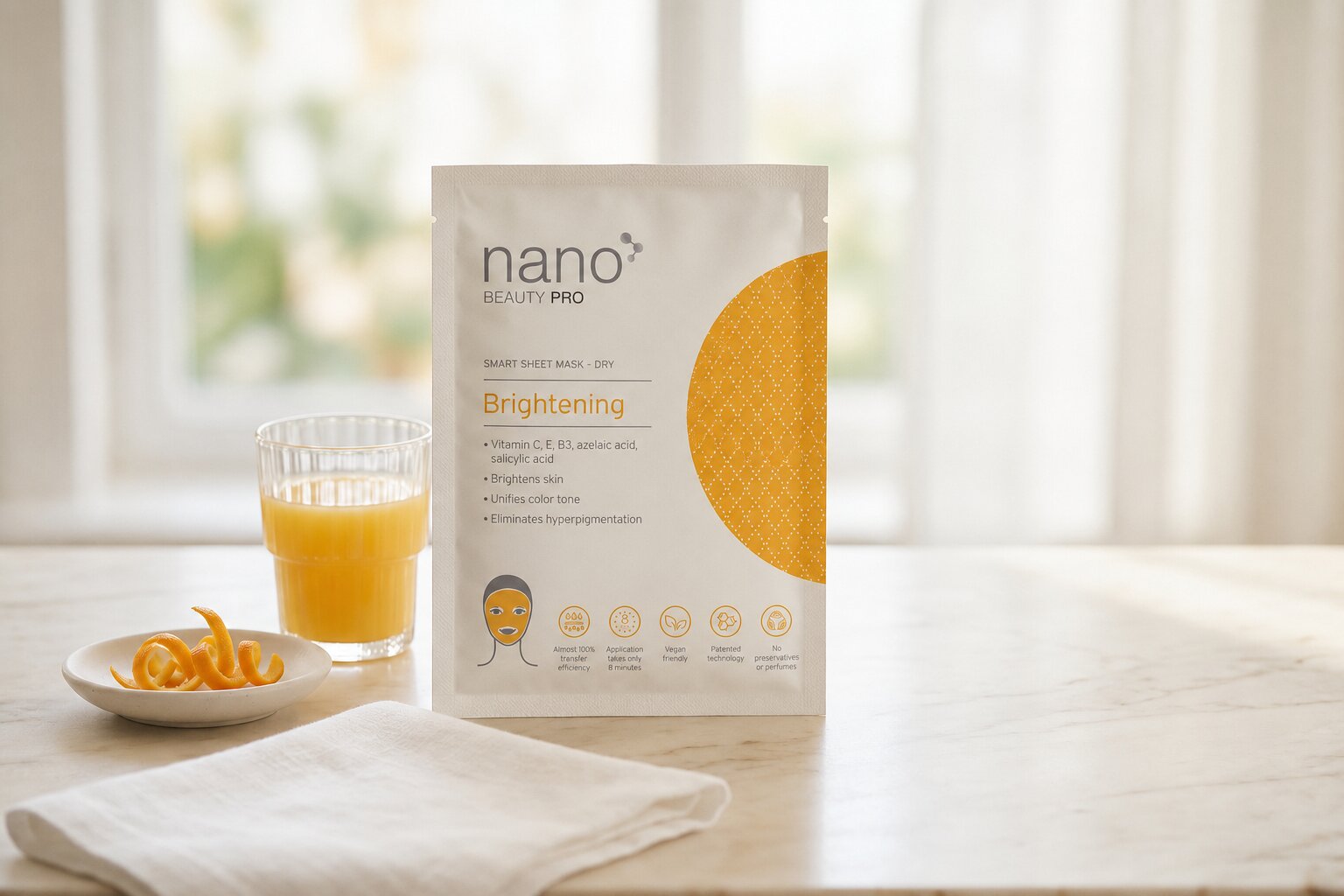
Brightening Dry Sheet Nanofiber Face Mask nanoBeauty
This mask is a genuine rescue treatment for a dull complexion troubled by imperfections. It contains a stable derivative (Sodium Ascorbate) that simply does not oxidise. It helps even out the skin tone, fade post-inflammatory hyperpigmentation, and deliver an immediate glow. Combined with targeted blemish-fighting ingredients, it also helps keep pores deeply cleansed.
€9
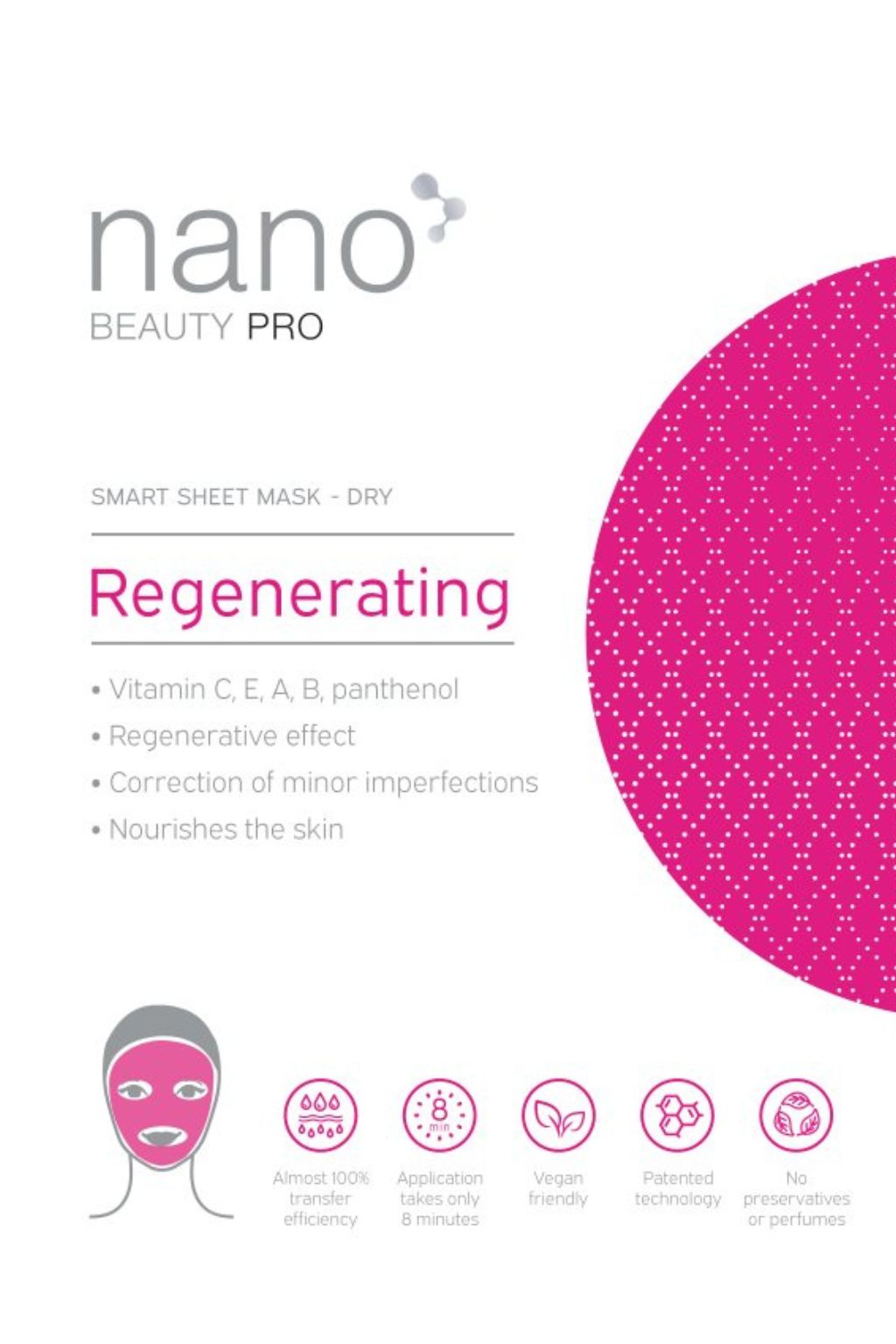
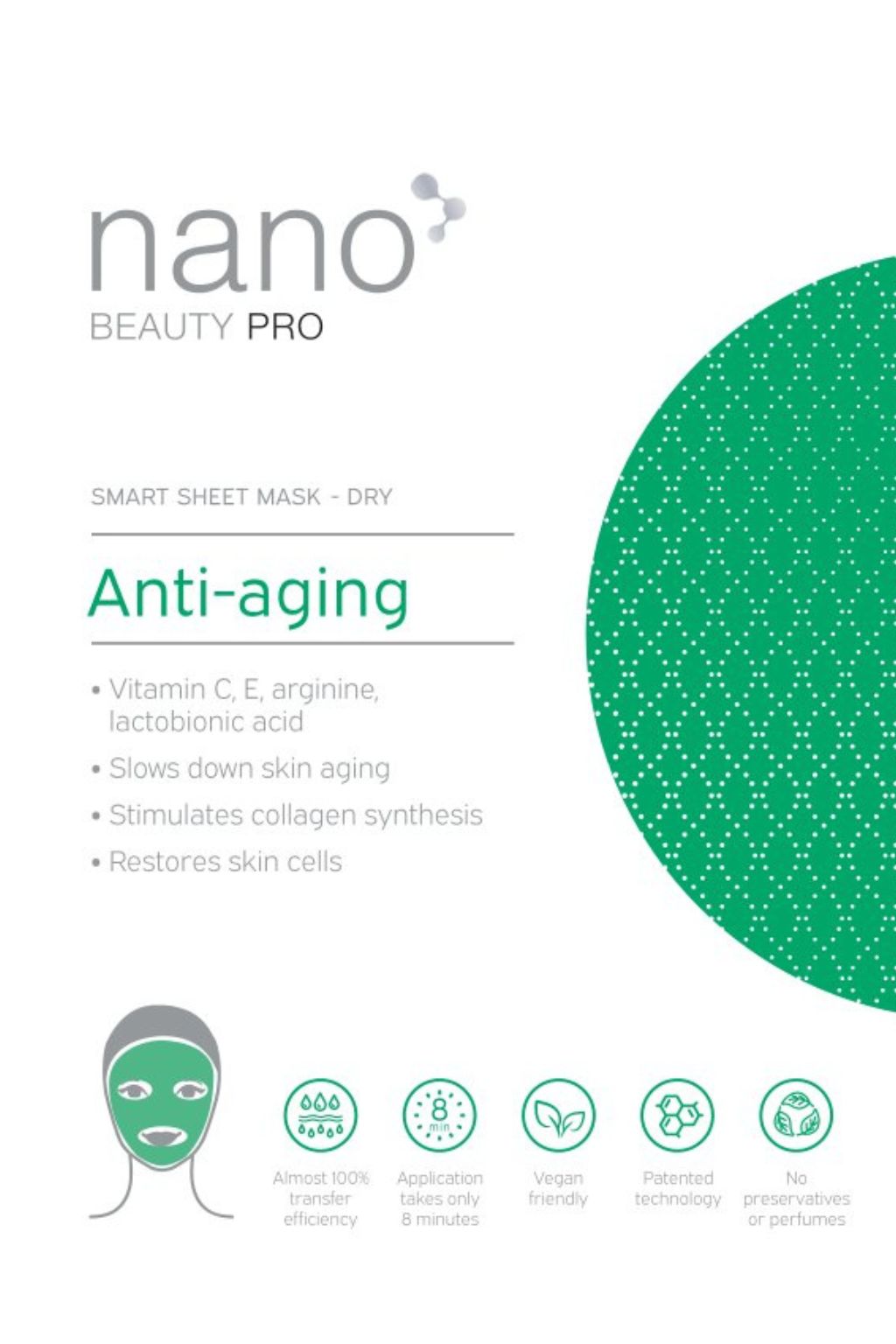
View productBeyond our dedicated brightening variant, we've built this antioxidant into our other specialised masks to offer comprehensive, full-spectrum care. In our rejuvenating option, it works alongside soothing panthenol and nourishing vitamin E to support barrier restoration for stressed, compromised faces. In our anti-ageing version, it pairs with gentle exfoliating acids to help smooth the appearance of fine lines and wrinkles. We invite you to discover the benefits of a dry serum that never oxidises and never lets you down.
Our Nanofiber Masks with Stable Vitamin C
Don't Forget Vitamin C from Within
Although topical application matters a great deal for a flawless, glowing exterior, we should never overlook the importance of nourishing the body from within. A nutrient-rich, balanced diet packed with natural antioxidants is the foundation of overall health and vitality. Where do we find the highest concentrations? It isn't just the popular citrus fruits like oranges and lemons. Excellent, highly concentrated sources include red bell peppers, broccoli, fresh kiwi, strawberries, and even fermented foods like sauerkraut. If you feel your daily diet lacks enough colourful variety, you might consider good-quality supplements. Just remember that the body only absorbs what it currently needs for its internal processes and quickly excretes any excess. So, the surest path to results is a combination of a nutrient-dense diet and stable, well-formulated cosmetics.
Conclusion: Why Give This Antioxidant a Chance?
If you're thinking about adding vitamin C for skin to your daily routine, you can rest assured that it isn't just another passing trend in the ever-changing world of beauty. It's one of the few cosmetic ingredients whose effectiveness has been proven by decades of independent, peer-reviewed studies. Whether you're working on a loss of firmness, struggling with stubborn dark spots, or simply looking for a good preventative measure against the signs of ageing, this antioxidant has a lot to offer. The most important step is choosing a stable form that genuinely works, avoiding the pitfalls of oxidised liquids, and exercising a little patience. Lasting radiance is rarely created overnight, but with consistent, good-quality care, the results will follow.
Frequently asked questions
What does vitamin C do for your skin?
It acts as a defensive shield against the free radicals that cause premature ageing. It improves the look of your complexion by brightening dullness, stimulating the production of new collagen to firm up sagging contours, and fading dark spots by blocking the melanin-producing enzyme, tyrosinase.
How often should you use vitamin C on your face?
For the best visible results, it's recommended to apply it every single day. Consistency matters because the body can't store this water-soluble nutrient for later use. A daily morning application keeps your face under a stable, unbroken layer of antioxidant protection throughout the day.
What should you not mix with vitamin C?
Within the same skincare routine, you should avoid combining it with potent retinoids (retinol) and strong exfoliating acids (such as high-strength AHA and BHA), as layering these together can lead to irritation and a compromised moisture barrier. You should also avoid benzoyl peroxide, which will instantly oxidise and destroy the vitamin.
What concentration of vitamin C is best?
Dermatological studies indicate that the ideal concentration for visible results ranges between 10% and 20%, with 15% widely considered the gold standard. Concentrations above 20% don't offer greater efficacy, but they do sharply raise the risk of stinging, redness, and irritation.
When to apply vitamin C serum – morning or night?
Although it's perfectly safe to use at any time, dermatologists strongly recommend morning application. Applying this antioxidant in the morning, directly underneath your daily moisturiser and SPF, gives your face the strongest protection against the oxidative stress caused by UV rays, urban pollution, and environmental aggressors.

Sources
Correia, G. & Magina, S. (2023) 'Efficacy of topical vitamin C in melasma and photoaging: A systematic review', Journal of Cosmetic Dermatology, 22(7).
Pullar, J. M., Carr, A. C. & Vissers, M. C. M. (2017) 'The Roles of Vitamin C in Skin Health', Nutrients, 9(8), 866.
Humbert, P. G. et al. (2003) 'Topical ascorbic acid on photoaged skin: double-blind study vs. placebo', Experimental Dermatology, 12(3), pp. 237–244.
Enescu, C. D. et al. (2022) 'Ascorbic Acid as a Cosmeceutical to Increase Dermal Collagen for Skin Antiaging Purposes', JID Innovations, 2(4).