
Open any moisturiser in your bathroom, flip to the ingredients list, and you will almost certainly find vitamin E somewhere on it. It is one of the most widely used skincare ingredients on the planet — and one of the most consistently underdosed. The vast majority of commercial creams include vitamin E at concentrations between 0.5% and 2%: enough to print on the label, far too little to deliver the clinical benefits that decades of research have documented. A 1998 study by Thiele et al. showed that a single sub-erythemal dose of UV light depletes up to 50% of vitamin E in the stratum corneum — the outermost layer of your skin. If your cream replaces only a fraction of what the sun destroys in a single afternoon, you are running a deficit that compounds day after day, week after week, until the damage becomes visible as dryness, fine lines, and a barrier that no longer functions properly. This article examines what vitamin E actually does for the skin, why concentration matters more than mere presence, and how to ensure the vitamin E in your routine is doing genuine work rather than occupying label space.
Key takeaways if you're short on time
- UV radiation depletes 50% of skin vitamin E even without visible sunburn (Thiele et al., 1998), making daily topical replenishment essential for barrier integrity.
- Combining vitamin E with ferulic acid quadruples photoprotection — from 4-fold to 8-fold — according to a landmark study by Lin et al. (2005).
- Tocopheryl acetate, the most common form in creams, does NOT prevent photocarcinogenesis — free tocopherol (alpha-tocopherol) is the biologically active form that protects barrier lipids.
- 5% is the upper end of the over-the-counter concentration range, and it is the threshold at which research demonstrates measurable improvements in hydration, TEWL reduction, and antioxidant protection.
- Ethyl ferulate provides sustained release — only 25% in 8 hours compared with 80% for free ferulic acid — extending antioxidant protection throughout the day and night.
What vitamin E actually does in your skin
Vitamin E is not a single molecule. It is a family of eight structurally related compounds — four tocopherols and four tocotrienols — each with distinct biological properties. In the context of skin health, alpha-tocopherol is the most relevant. It is the predominant form found naturally in the stratum corneum, and it serves a function so fundamental that the skin would deteriorate rapidly without it: it protects lipids from oxidation.
The stratum corneum — your skin barrier — is built from a brick-and-mortar architecture. Corneocytes (dead skin cells) form the bricks; a lipid matrix of ceramides, cholesterol, and fatty acids forms the mortar. This matrix must remain structurally intact for the barrier to prevent water loss and block irritants. When exposed to UV radiation, pollution, or even normal metabolic byproducts (reactive oxygen species), the unsaturated bonds in these lipids are vulnerable to oxidation. Oxidised lipids lose their ability to form the tight, ordered lamellar sheets that characterise a healthy barrier. The result is increased transepidermal water loss (TEWL), dryness, roughness, and heightened sensitivity.
Alpha-tocopherol intercepts free radicals before they can attack barrier lipids, donating a hydrogen atom to neutralise the radical and break the chain reaction. It is, in the most literal sense, the skin's built-in shield against oxidative deterioration. But the shield has a finite capacity, and UV exposure drains it with alarming speed.
The Thiele study — why your skin runs out of vitamin E every day
In 1998, Jens Thiele and colleagues at the University of California published research that fundamentally changed our understanding of vitamin E in the skin. They exposed human stratum corneum to UV radiation at sub-erythemal doses — that is, doses below the threshold for visible reddening — and measured the vitamin E content before and after. The result was startling: a single exposure depleted up to 50% of the vitamin E present in the outermost skin layers.
The implications are profound. You do not need to sunburn to lose half of your skin's primary antioxidant defence. A walk in the park on a cloudy day, a drive with UV filtering through the windscreen, an hour of incidental exposure during your daily commute — any of these can substantially reduce vitamin E levels. And once depleted, the skin cannot replenish its stores from the bloodstream fast enough to keep up with daily losses. This creates a chronic deficit that accumulates over weeks and months, progressively weakening the lipid barrier.
This is the central argument for topical vitamin E: the skin needs an external supply to maintain adequate antioxidant levels. Dietary vitamin E reaches the skin via sebaceous glands, but the amount delivered this way is insufficient to compensate for UV-driven depletion in most people, especially as sebum production declines with age.
Not all vitamin E is created equal — tocopherol vs. tocopheryl acetate
Here is where the vitamin E story takes a critical turn. The most common form of vitamin E in commercial skincare products is tocopheryl acetate — an esterified derivative that is more chemically stable and has a longer shelf life than free tocopherol. Stability is important for product formulation, but it comes at a cost: tocopheryl acetate is not biologically active until it is converted to free tocopherol by esterases in the skin. This conversion is slow and incomplete, and — critically — research has demonstrated that tocopheryl acetate does not prevent UV-induced photocarcinogenesis in animal models, whereas free tocopherol does.
The distinction matters for anyone choosing a vitamin E product for skin protection. A cream listing "tocopheryl acetate" at 1% is not equivalent to a cream containing "tocopherol" at 1%. The free form is directly active; the ester form requires enzymatic conversion that may never reach clinically relevant levels in the stratum corneum. When evaluating products for genuine vitamin E benefits for skin, look for tocopherol (or d-alpha-tocopherol) rather than tocopheryl acetate.
Tip: Damaged skin barrier — 7 habits that destroy it and how to repair it
Why concentration defines effectiveness — the problem with vitamin E in most creams
The cosmetics industry operates on the principle that mentioning an ingredient is almost as good as including a meaningful amount of it. Vitamin E is a textbook example. The standard concentration in commercial moisturisers falls between 0.5% and 2%. At these levels, vitamin E functions primarily as a formulation antioxidant — it protects the product from oxidation during shelf life, not the skin after application. There is a critical difference between an ingredient that stabilises a cream and an ingredient that delivers clinical benefit to the person applying it.
Research consistently demonstrates that topical vitamin E becomes clinically meaningful at higher concentrations. At 5% — the upper end of the over-the-counter range — studies show measurable reductions in TEWL, improved hydration in the stratum corneum, and significantly enhanced antioxidant capacity. This is the threshold at which vitamin E transitions from a marketing ingredient to a functional one. Below it, you are essentially applying a product that contains enough vitamin E to claim the benefit but not enough to deliver it.
Why do most brands stop at 1–2%? Cost is one factor — high-quality alpha-tocopherol is expensive. Formulation difficulty is another — vitamin E at 5% requires careful stabilisation to prevent it from oxidising in the jar before it reaches your face. And candidly, marketing incentives favour broad, vague claims over specific concentrations. A product claiming "enriched with vitamin E" at 0.5% sounds identical on the shelf to one containing 5%, despite the fivefold difference in potential efficacy.
The Lin study — ferulic acid as a force multiplier for vitamin E
In 2005, a team led by Jing-Yi Lin at Duke University published a study in the Journal of Investigative Dermatology that reshaped the landscape of topical antioxidant research. They formulated a solution containing vitamins C and E, then added ferulic acid — a plant-derived polyphenol found in grains, fruits, and vegetables. The result: photoprotection jumped from 4-fold to 8-fold, effectively doubling the sun-damage prevention provided by vitamins C and E alone.
This finding has direct relevance for vitamin E skin care. Vitamin E protects barrier lipids from oxidation. Ferulic acid stabilises vitamin E, slowing its own degradation so that it remains active longer. And the combination creates a synergistic antioxidant network that is dramatically more effective than either compound in isolation. For consumers, this means that a product containing vitamin E plus ferulic acid delivers significantly more protection per applied milligram than a product containing vitamin E alone.
Ethyl ferulate — the sustained-release advantage
Free ferulic acid is effective but unstable. It oxidises quickly and releases its active payload rapidly — approximately 80% within 8 hours. This means that the antioxidant boost from a morning application is largely exhausted by mid-afternoon. Ethyl ferulate, a more stable ester form, changes this dynamic fundamentally. It releases only about 25% of its active compound in 8 hours, providing a sustained, low-level antioxidant supply that extends through the day and into the night. For someone applying a product twice daily (morning and evening), ethyl ferulate ensures that antioxidant protection never drops to zero between applications — a meaningful advantage for maintaining uninterrupted barrier defence.
Editor's pick
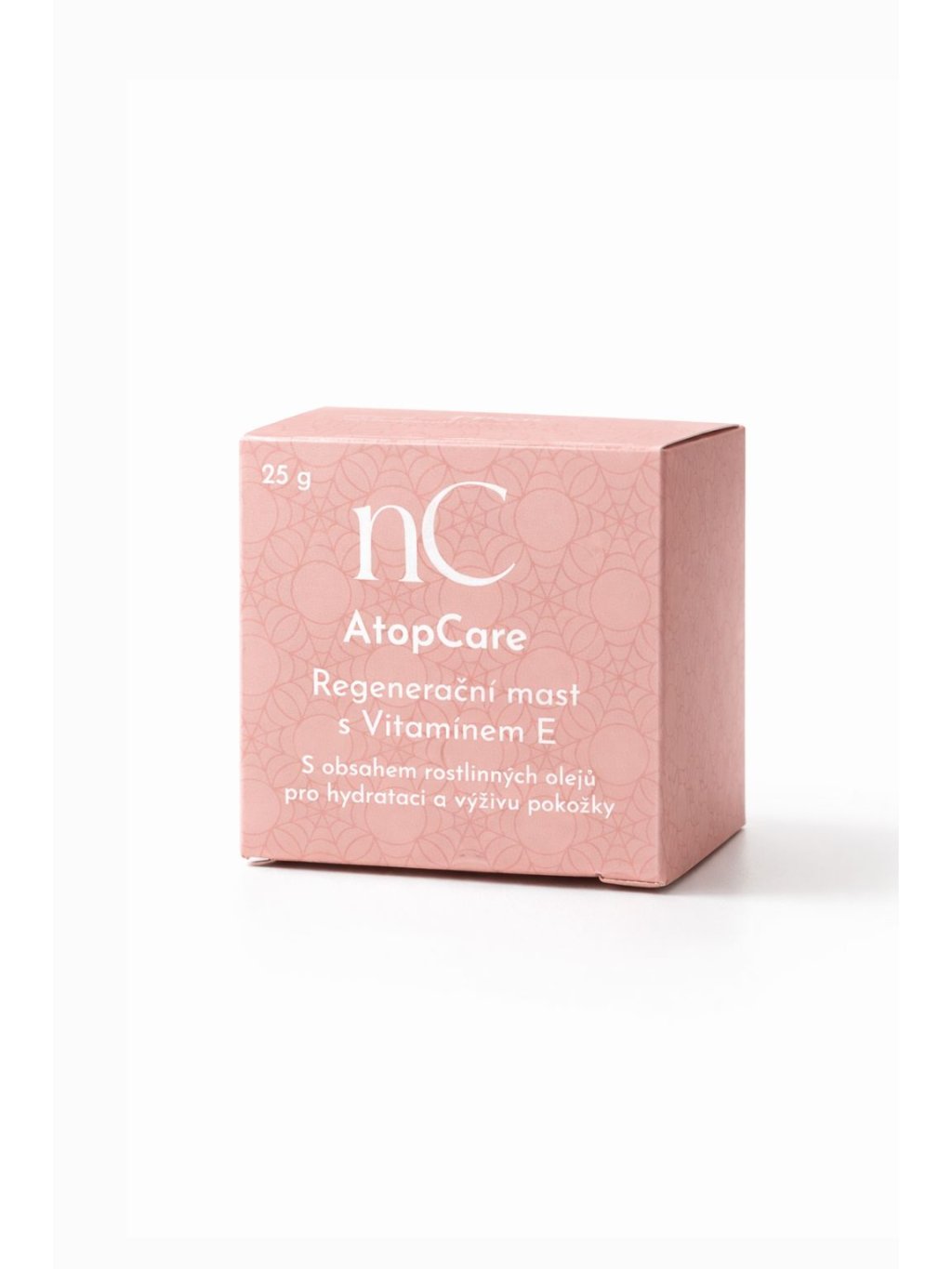
AtopCare Regenerative Vitamin E Ointment — 5% Vitamin E
Formulated at 5% vitamin E (alpha-tocopherol) with oat oil and ethyl ferulate for sustained antioxidant protection. Free from parabens, silicones, and synthetic fragrances. Created in-house after years of research because we refused to settle for the token concentrations that dominate the market.
10.00 €
View productVitamin E and the skin barrier — why hydration follows antioxidant protection
There is a logical chain that connects vitamin E to visible skin hydration, and understanding it explains why a product dosed at 5% vitamin E can outperform a conventional moisturiser containing hyaluronic acid or glycerin alone.
The chain works as follows. UV and pollution generate free radicals. Free radicals oxidise the ceramides and fatty acids in the lipid matrix. Oxidised lipids lose their lamellar structure. A disordered lipid matrix cannot retain water effectively. TEWL rises. The skin dries out. Vitamin E at adequate concentration interrupts this chain at the earliest stage — by neutralising free radicals before they reach the barrier lipids. The lipids remain intact. The lamellar structure is preserved. Water stays where it belongs. The skin stays hydrated.
Conventional moisturisers typically address the end of this chain: they add humectants (hyaluronic acid, glycerin) that pull water into the stratum corneum and occlusives (mineral oil, petrolatum) that slow its escape. These approaches work, but they treat the symptom (dehydration) rather than the cause (lipid oxidation). A product that combines high-dose vitamin E with oat oil (which stimulates new ceramide production) addresses both the cause and the effect simultaneously — and the result is hydration that lasts longer and requires less frequent reapplication.
Vitamin E for the face — practical guidance
The face deserves special attention because it is the most environmentally exposed area of the body. UV hits it directly. Wind strips its surface lipids. Central heating dries it from below while cold air attacks from above. The periorbital area has almost no sebaceous glands and is therefore entirely dependent on external lipid and antioxidant support. If there is one area where vitamin E concentration matters most, it is the face.
When and how to apply
Apply a vitamin E-rich product to the face in the evening, after cleansing. The night-time hours are when the skin's repair processes are most active — and when there is no competing UV exposure to deplete the vitamin E you have just applied. In the morning, use a lighter formulation (serum or light cream with vitamin E) under sunscreen. The combination of topical vitamin E and SPF provides dual-layer protection: the sunscreen blocks UV photons, and the vitamin E neutralises any free radicals that get through.
What to pair it with
Vitamin E works best in partnership. Ferulic acid stabilises it and amplifies its photoprotective effect. Vitamin C (ascorbic acid) regenerates oxidised vitamin E, restoring its radical-scavenging capacity. Oat oil provides the raw materials for new ceramide synthesis, complementing vitamin E's role in protecting existing ceramides. A well-designed formulation includes all three synergistic elements rather than relying on any single ingredient.
Tip: Dry skin on your face — 5 causes most women overlook
Beyond the face — vitamin E benefits for skin across the body
While the face receives the most UV exposure, other areas of the body benefit substantially from topical vitamin E. The hands — constantly washed, exposed to detergents, and subjected to temperature fluctuations — lose barrier lipids at an accelerated rate. The shins and forearms, particularly in older adults, are prone to xerosis (chronic dryness) as sebum production declines. Post-surgical scars, stretch marks, and areas of atopic dermatitis all show improved outcomes with consistent vitamin E application.
A body-wide approach does not require multiple products. A single ointment or body cream containing 5% vitamin E can serve as both facial and body care, simplifying the routine while ensuring that every vulnerable area receives adequate antioxidant support. This is particularly relevant during winter, when cold outdoor air and dry indoor heating subject the entire body to accelerated TEWL.
Vitamin E skin care products that deliver clinical concentrations
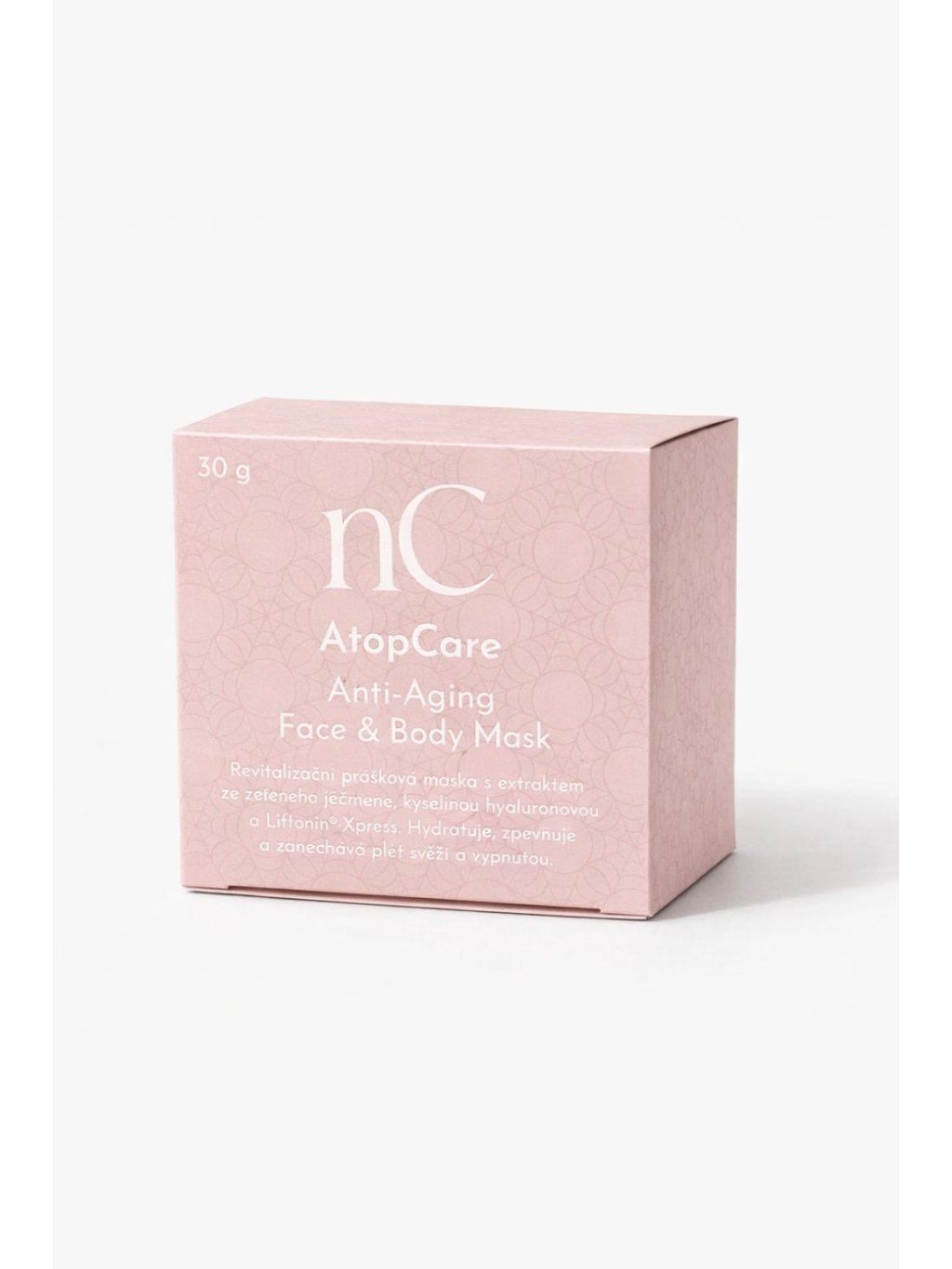
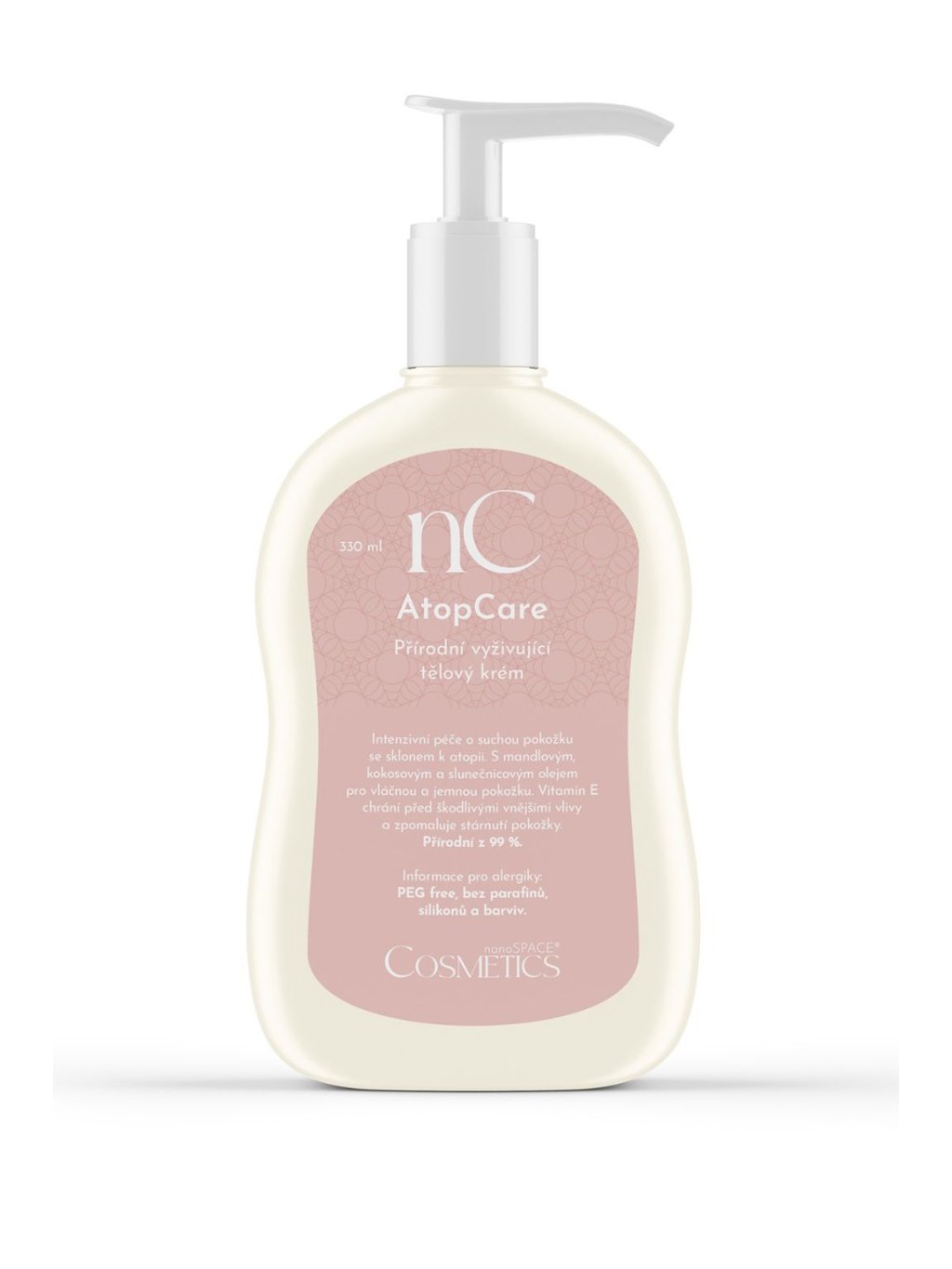
Complete vitamin E skin care range

Common myths about vitamin E and skin
Despite decades of research, misconceptions about vitamin E persist. Addressing the most common ones saves time and prevents misguided product choices.
Myth: "Vitamin E prevents wrinkles"
This is an oversimplification. Vitamin E protects the structural lipids and collagen-supporting matrix of the skin from oxidative damage, which slows the accumulation of photoageing. It does not reverse wrinkles that have already formed. Its role is protective and preventive, not corrective. For existing lines, retinoids remain the gold standard.
Myth: "You can get enough vitamin E for your skin from your diet"
Dietary vitamin E (from almonds, avocados, olive oil, sunflower seeds) reaches the skin via sebum. However, the amount delivered by this route is insufficient to replenish what UV radiation destroys daily. Topical application delivers vitamin E directly to the stratum corneum, where it is needed most, at concentrations that dietary intake alone cannot achieve.
Myth: "All vitamin E products are the same"
As discussed above, the form (tocopherol vs. tocopheryl acetate), concentration (0.5% vs. 5%), and supporting ingredients (presence or absence of ferulic acid, oat oil) create enormous differences in efficacy. Reading the ingredient list carefully is not optional — it is the only way to distinguish a genuinely effective vitamin E product from one that merely uses the name for marketing appeal.
Conclusion — demand more from your vitamin E
Vitamin E for skin is not a novel ingredient. It is one of the most thoroughly researched antioxidants in dermatology, with a body of evidence spanning decades. The science is clear: at adequate concentrations (5%), in the right form (alpha-tocopherol), supported by synergistic partners (ferulic acid, oat oil, vitamin C), topical vitamin E measurably protects the skin barrier, reduces water loss, and slows oxidative photoageing. At the token concentrations found in most commercial creams (0.5–2%), it does little more than stabilise the formulation.
The next time you evaluate a vitamin E product, ask three questions. What form of vitamin E does it contain? At what concentration? And what supporting ingredients amplify its effect? If the answers are alpha-tocopherol, 5%, and ferulic acid plus a ceramide-boosting oil, you are looking at a product designed to work. If the answers are tocopheryl acetate, unlisted concentration, and nothing else of note, you are paying for a label claim. Your skin deserves better.
Frequently asked questions
Is vitamin E good for the face?
Yes. The face is the most UV-exposed area of the body and loses vitamin E fastest. Topical application at 5% concentration replenishes antioxidant reserves, protects barrier lipids, and reduces transepidermal water loss. It is particularly beneficial when combined with ferulic acid, which doubles photoprotection.
What is the difference between tocopherol and tocopheryl acetate?
Tocopherol (alpha-tocopherol) is the biologically active form of vitamin E that directly scavenges free radicals. Tocopheryl acetate is a stabilised ester that must be enzymatically converted to tocopherol in the skin — a process that is slow and incomplete. Research shows that tocopheryl acetate does not prevent UV-induced photocarcinogenesis, whereas free tocopherol does.
How much vitamin E should a skincare product contain?
Most commercial moisturisers contain 0.5–2%, which functions primarily as a formulation stabiliser. Clinical studies demonstrate measurable skin benefits at 5% concentration — the upper limit of the over-the-counter range. Look for products that declare the percentage or list tocopherol high on the ingredient list.
Can I use vitamin E products every day?
Yes, daily use is both safe and recommended. UV exposure depletes skin vitamin E every day, so daily replenishment is necessary to maintain protective levels. Apply in the evening after cleansing for maximal absorption, and use a lighter vitamin E formulation under sunscreen in the morning for daytime protection.
Does vitamin E help with scars and stretch marks?
Vitamin E supports the skin's healing environment by protecting new collagen from oxidative damage and maintaining barrier hydration. While it does not erase established scars or stretch marks, consistent application has been shown to improve the texture and appearance of healing skin. For mature scars, retinoids and professional treatments offer stronger corrective results.

Sources
- Thiele, J. J. et al. (1998) 'Depletion of human stratum corneum vitamin E: an early and sensitive in vivo marker of UV induced photo-oxidation', Journal of Investigative Dermatology, 110(5), pp. 756–761.
- Lin, J. Y. et al. (2005) 'Synthesis of a topical antioxidant formulation containing vitamin C, vitamin E, and ferulic acid', Journal of Investigative Dermatology, 125(4), pp. 826–832.
- Nachbar, F. and Korting, H. C. (1995) 'The role of vitamin E in normal and damaged skin', Journal of Molecular Medicine, 73(1), pp. 7–17.
- Gensler, H. L. and Magdaleno, M. (1991) 'Topical vitamin E inhibition of immunosuppression and tumorigenesis induced by ultraviolet irradiation', Nutrition and Cancer, 15(2), pp. 97–106.
- Burke, K. E. et al. (2000) 'Effects of topical and oral vitamin E on pigmentation and skin cancer induced by ultraviolet irradiation in Skh:2 hairless mice', Nutrition and Cancer, 38(1), pp. 87–97.