
Are your fingernails or toenails constantly splitting, peeling, or snapping off at the worst possible moments? Perhaps they feel paper-thin, or you're dealing with unsightly ridges that make applying polish a nightmare. Whatever the symptom, you're not alone. Brittle nails are an incredibly common complaint that can cause both physical discomfort and cosmetic frustration. Often, we blame genetics or simply accept that we have "bad nails". However, the truth is usually much more straightforward. Your nails are a window into your overall health. When they deteriorate, it's frequently a sign that your body lacks essential vitamins and minerals, or that you're exposing your hands to harsh chemicals daily. Whether the root cause is internal or external, you have the power to fix it. In this guide, we'll explore exactly what your nails need and how you can restore them to a strong, healthy state.
Key takeaways if you're short on time
If you're short on time, here is a quick summary of what you need to know about combating brittle nails:
- Nourish from within: A lack of essential nutrients—especially biotin, iron, zinc, and collagen—is the primary culprit behind weak nails. Supplementing your diet is a vital first step.
- Protect your hands: Constant exposure to water, harsh household cleaning products, and acetone-based nail polish removers strips your nails of their natural oils. Always wear protective gloves when doing chores.
- Hydrate consistently: Just like your skin, your nails require moisture. Ingredients like urea, glycerin, and natural oils are paramount for maintaining flexibility and preventing breakage.
- Reassess your routine: Filing your nails back and forth with a harsh emery board causes micro-tears. Switch to a glass file and only file in one direction.
- Look at the bigger picture: Sometimes, brittle nails are a symptom of broader issues like hormonal imbalances or severe dehydration. Treating your body holistically will yield the best results for your nails.
The Fascinating Anatomy of Your Nails
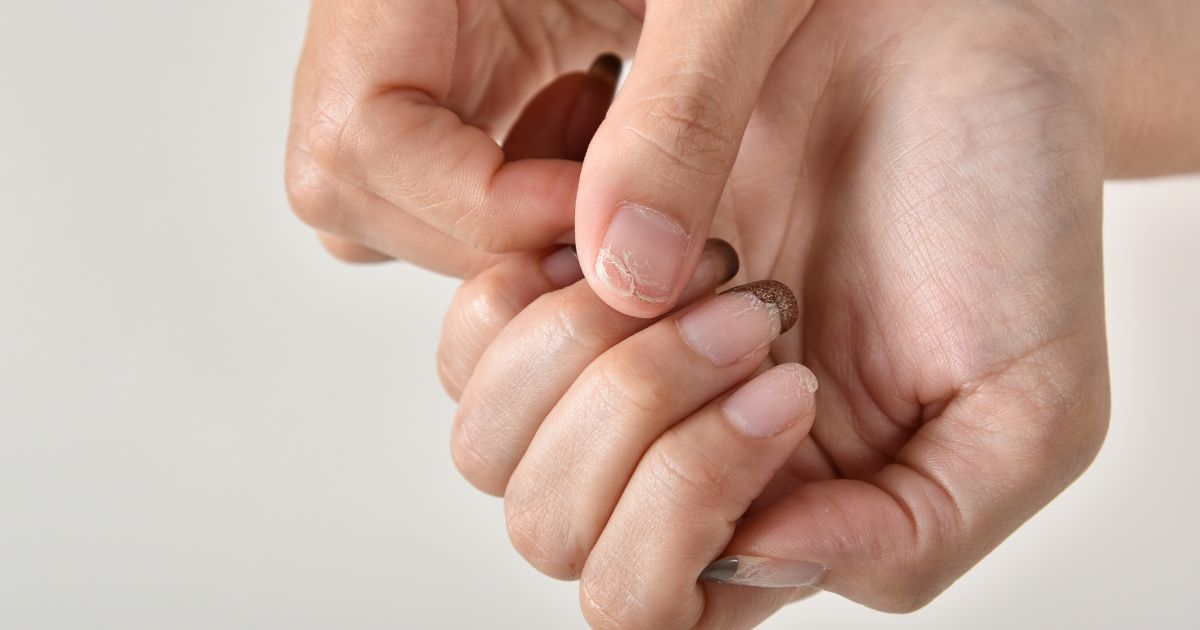
To understand why your nails break, it helps to know what they're made of. Your nails are composed primarily of a hardened protein called keratin. This is the same structural building block that makes up your hair and the outer layer of your skin. The visible part of the nail is called the nail plate, which sits on top of the nail bed. The nail plate isn't just one solid shield; it consists of dozens of microscopic layers of keratin cells stacked on top of one another. When your nails are healthy, these layers are tightly bound together by natural lipids (oils) and moisture. This intercellular glue gives the nail its flexibility, allowing it to bend slightly upon impact rather than snapping. However, when those natural oils are stripped away, or when your body fails to produce strong keratin cells due to a lack of nutrients, the layers begin to separate. This is when you experience peeling, flaking, and ultimate breakage. Understanding this delicate balance of moisture and protein is essential for formulating a recovery plan.
Why Do Nails Break? The Most Common Causes
Brittle nails rarely happen overnight. They are usually the result of sustained habits, environmental exposure, or prolonged dietary deficiencies. Let's delve into the most common culprits behind fragile nails.
A Lack of Vital Vitamins and Minerals
Healthy nails require a diverse and abundant supply of nutrients to grow strong. Because your body prioritises essential organs, your hair and nails are often the last to receive nutrients and the first to suffer during a deficit. If your diet is lacking in specific vitamins, minerals, and proteins, your nails will inevitably begin to weaken. The most critical nutrients for nail health include biotin (Vitamin B7), iron, zinc, and collagen. Without these, the keratin structure is compromised from the moment it begins growing beneath the cuticle.
Excessive Use of Chemical Products
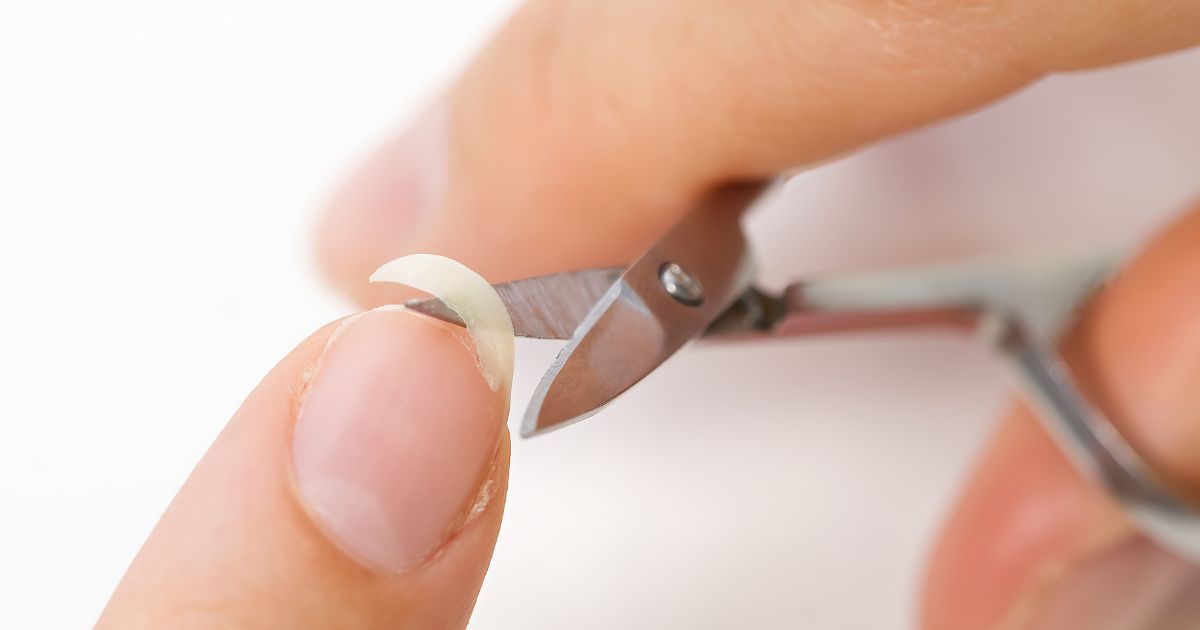
Many of us love the look of a fresh manicure, but the products we use to achieve it can be highly damaging. Frequent application of nail polish, combined with the use of aggressive, acetone-based removers, severely dehydrates the nail plate. Acetone is a powerful solvent that strips away not just the polish, but also the natural lipids that hold your nail layers together. Additionally, artificial nail enhancements like acrylics or hard gels require intense buffing, which physically thins and weakens the natural nail.
Excessive Exposure to Water and Detergents
It might sound contradictory, but too much water is terrible for your nails. Nails are highly hygroscopic, meaning they absorb water easily. When you submerge your hands in water—such as when washing up, taking long baths, or swimming—your nails swell. As they dry, they shrink back down. This constant swelling and shrinking cycle puts immense mechanical stress on the keratin layers, eventually causing them to split. Add harsh household detergents and washing-up liquids—which dissolve natural oils—and you create a perfect storm for nail destruction.
Hormonal Fluctuations and Underlying Health Issues
Sometimes, the state of your nails reflects systemic changes within your body. Major hormonal shifts, such as those experienced during pregnancy or menopause, can drastically alter nail growth and quality. If your nails have been breaking severely for an extended period, it could be a warning sign of an underlying medical condition. Thyroid disorders (both overactive and underactive) and anaemia (iron deficiency) are notorious for causing brittle, ridged nails. If you're also suffering from skin conditions on your hands, such as dyshidrotic eczema, the inflammation can directly affect the nail matrix, leading to distorted and fragile nail growth.
Internal and External Dehydration
Hydration isn't just about applying hand cream; it's also about how much water you drink. If your body lacks water, every cell suffers, including those responsible for generating your nails. Chronic internal dehydration leads to dry, brittle nails that lack the necessary flexibility to withstand daily tasks.
What Actually Helps Brittle Nails?
Now that we've identified the culprits, it's time to focus on the solutions. Fixing brittle nails requires a two-pronged approach: nourishing your body from the inside out and protecting your nails from the outside in. Here are the most effective strategies to restore your nails to their former glory.
Vitamins and Minerals for Ultimate Nail Strength
Before applying topical treatments, you must address your internal nutrient stores. You can obtain these nutrients through a balanced diet, but high-quality food supplements are often necessary to correct a long-standing deficiency. The most effective vitamins and minerals for fortifying your nails include:
- Biotin (Vitamin B7): This is the undisputed champion of nail health. Biotin is essential for the metabolism of amino acids, which are the building blocks of keratin. Clinical studies have shown that regular biotin supplementation significantly increases nail thickness and helps prevent splitting.
- Vitamin E: Known for its powerful antioxidant properties, Vitamin E protects the nail matrix from oxidative stress and free radical damage. It also provides deep hydration, helping prevent the nail bed from drying out.
- Zinc: This vital mineral is required for cell division and growth. Because nails grow constantly, a steady supply of zinc helps ensure new nail tissue forms correctly without weak spots.
- Calcium: While calcium is famous for bone health, it also plays a significant role in the structural integrity of your nails. A lack of calcium can lead to dry, brittle nails that snap at the slightest pressure.
Interestingly, the nutrients that support your nails are the same ones that support your hair. If you're struggling with your nails, you might also find value in exploring 13 tips for hair growth, as the internal remedies are remarkably similar.
Editor's pick
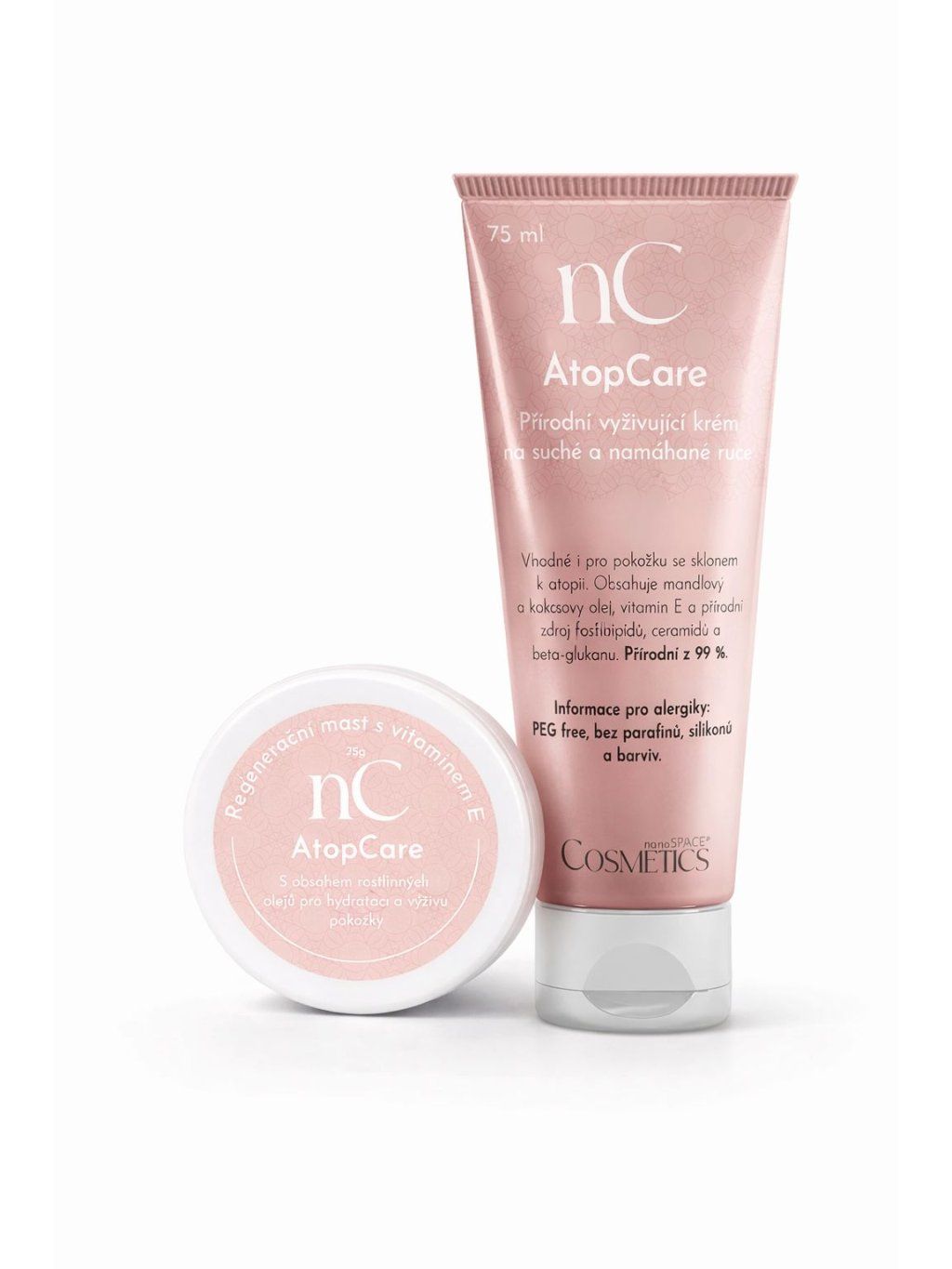
Set for Dry Hands AtopCare
A comprehensive care set designed to deeply moisturise and repair dry, cracked hands and brittle nails, restoring your skin's natural protective barrier.
17.00 €
View productTargeted Products for Nail and Hand Care
The cosmetic products you apply to your hands have an enormous impact on the resilience of your nails. Since our founding in 2012, we've always advocated for formulations that respect the body's natural chemistry. When shopping for hand creams, cuticle oils, and nail treatments, you should actively seek out the following highly effective ingredients:
- Urea: Urea is an exceptional humectant, meaning it draws moisture from the air into the nail and surrounding skin. It also has gentle keratolytic properties, helping to soften rough skin around the cuticles and prevent hangnails.
- Glycerin and Aloe Vera: These ingredients provide deep hydration. They penetrate beyond the surface layer of the skin and nail, helping maintain long-lasting moisture that prevents the keratin layers from drying out and separating.
- Antimicrobial Ingredients: Fungal infections can be a hidden cause of brittle, crumbling nails. Products containing clotrimazole, alongside natural antimicrobial oils like rosemary and lavender, can help protect nails from infections while supporting regeneration.
- Natural Oils: Sweet almond oil, jojoba oil, and sunflower oil are excellent for softening the nail plate and surrounding skin. They mimic the skin’s natural sebum, delivering essential fatty acids that lock in moisture and promote a healthy appearance.
- Niacinamide (Vitamin B3): This versatile vitamin helps strengthen the skin barrier, improve the nail surface structure, and support regeneration of the delicate skin around the nail bed.
If you're also dealing with age spots on your hands, a product like the [n]Pigment Depigmenting Cream can help even out your skin tone while providing essential moisture.
The Importance of Protective Gloves
This is perhaps the simplest yet most ignored piece of advice: wear protective gloves. Whenever you're washing the dishes, scrubbing the bathroom, or doing any heavy cleaning, you must shield your hands. The harsh surfactants in cleaning products are designed to cut through grease and grime; imagine what they do to the delicate natural oils on your hands and nails. Wearing rubber or nitrile gloves prevents the devastating swell-and-shrink cycle caused by water and keeps chemical damage at bay. It's a preventative measure that will save you endless frustration.
Mastering the Art of the Perfect Manicure
How you handle your nails has a major impact on their strength. To help prevent breakage, it’s important to trim and file your nails correctly. Always use sharp nail scissors or clippers. Dull tools can crush the nail plate instead of cutting it cleanly, causing tiny fractures that may lead to peeling later on. Try not to cut your nails too short, and aim for a relatively straight shape across the top. This helps support the nail bed and reduces the risk of ingrown nails. If you prefer a softer, rounded shape, use a file gently instead of aggressively trimming the corners. When it comes to filing, it’s often better than clipping for maintaining healthy nails — but the type of file matters. Cheap cardboard emery boards are usually too rough and can damage the keratin layers of the nail. Instead, choose a high-quality glass or crystal nail file. Most importantly, only file in one direction. Filing back and forth can fray the keratin layers and increase the likelihood of splitting. Be sure to gently smooth any sharp edges as well, since they can easily catch on clothing and tear. If you also struggle with dry hands, which often go hand in hand with brittle nails, you may find our 10 tips for dry hands helpful for building a complete hand care routine.
ULTIMATE HAND & SKIN CARE
![[n]Pigment Depigmenting Cream](https://cdn.myshoptet.com/usr/www.nanospace.store/user/shop/big/4666_5860-n-pigment-cream.jpg?69e9d41c)
View all →
What to Eat to Fortify Your Nails
You can't out-manicure a poor diet. What you put on your plate directly translates to the strength of your nails. As mentioned, biotin is highly recommended for strengthening nails. You can find abundant natural sources of biotin in eggs (especially the yolk), a variety of nuts (such as almonds and walnuts), whole grains, and avocados. If you notice that your nails are not only breaking but also developing noticeable vertical ridges (lines running from the cuticle to the tip), you're likely deficient in iron or zinc. To remedy this, incorporate more red meat, dark leafy greens like spinach, pumpkin seeds, and legumes into your meals. Collagen is also an absolute necessity. It contributes to the health and elasticity of your nails, hair, and skin. Consuming rich bone broths, wild-caught salmon, and lean chicken can boost your body's collagen production. You can also opt for high-quality dietary supplements, available in powder or capsule form, to ensure you're getting an adequate daily dose. Remember, vitamin C is required for your body to synthesise collagen effectively, so pair your protein intake with plenty of citrus fruits or bell peppers. Looking after your keratin structures doesn't stop at diet. Using gentle, waterless beauty routines, like our Waterfree Natural Powder Shampoo, can help reduce your overall exposure to hard water, benefiting both your hair and the hands that wash it.
Old Wives' Tales That Actually Work: DIY Nail Treatments
Sometimes, the best remedies are the simplest ones, found right in your kitchen cupboard. Natural, homemade masks and wraps can significantly improve the overall appearance and flexibility of your nails. Here are a few tried-and-tested DIY treatments:
- Olive Oil and Lemon Soak: Mix two tablespoons of high-quality, cold-pressed olive oil with a few drops of freshly squeezed lemon juice. Massage the mixture into your nails and cuticles, leave it on for about 15 minutes, then rinse gently. Olive oil provides deep moisture and Vitamin E, while lemon juice helps brighten yellowing nails and adds natural shine.
- Coconut Oil and Honey Mask: Combine one tablespoon of unrefined coconut oil with a teaspoon of raw honey. Apply the mixture to your nails and cuticles. Honey acts as a natural humectant and antibacterial ingredient, while coconut oil deeply hydrates and helps support nail strength.
- Pure Aloe Vera: If you have an aloe vera plant at home, apply the fresh gel directly from the leaf onto your nails. Leave it on for 10–15 minutes before rinsing. Aloe vera contains vitamins and minerals that help restore flexibility to brittle nails and reduce breakage.
Frequently asked questions
What vitamin is missing when nails break?
When your nails become brittle and break easily, it's most frequently due to a deficiency in biotin (Vitamin B7). However, a lack of iron, zinc, Vitamin A, Vitamin C, Vitamin D, Vitamin E, and collagen can also be major contributing factors. These specific nutrients are absolutely essential for supporting the structural integrity, flexibility, and steady growth of the nail plate.
What helps brittle nails in children?
Brittle nails in children are very common and are usually linked to a diet lacking in essential vitamins, frequent soaking of their hands in water (during bath time or play), or the habit of nail-biting. To help improve their nail health, ensure they consume a balanced diet rich in biotin, iron, and zinc. Additionally, get into the habit of regularly moisturising their hands and nails with gentle, natural oils to restore lost hydration.
What does it mean when your nails keep breaking?
Continuous nail breakage is a clear signal from your body. It usually points to a lack of proper nutrients, excessive exposure to water and harsh cleaning chemicals, or improper nail care routines. However, if you've improved your diet and habits but the breakage persists or worsens, it could indicate underlying health issues such as anaemia (iron deficiency) or a thyroid disorder. If you're concerned about a long-term deterioration in your nail quality, it's always wise to consult a medical professional.
What is the root cause of splitting nails?
The primary root cause of splitting and peeling nails is a severe lack of moisture and natural oils within the keratin layers. This dehydration is typically brought on by a poor diet, frequently having wet hands, using aggressive acetone-based nail polish removers, or underlying health conditions. Furthermore, mechanical damage from improper filing (using harsh emery boards or sawing back and forth) and the frequent application and removal of heavy gel polishes will severely weaken the nail structure.
How can I rescue severely damaged, flaking nails?
To rescue severely damaged nails, you must adopt a holistic approach. Start by enriching your diet with foods high in biotin, iron, and collagen. Commit to a rigorous hydration routine, applying thick creams containing urea or natural oils to your cuticles multiple times a day. Cease the use of all nail polishes and harsh removers immediately to give your nails time to breathe and regenerate. Finally, always wear protective rubber gloves when cleaning or washing up to shield your recovering nails from further chemical and water damage.