
Dark brown spots on the face, commonly known as hyperpigmentation, are a widespread skincare concern affecting people of all skin types, particularly as they age. These patches result from an overproduction of melanin, the pigment responsible for our skin's natural colour. The main triggers include unprotected sun exposure, hormonal fluctuations (such as during pregnancy), post-inflammatory trauma (like acne scars), and the natural ageing process. While hyperpigmentation can be incredibly stubborn, modern dermatological advances—particularly in nanotechnology—offer highly effective solutions. Ingredients such as niacinamide, hyaluronic acid, and gluconolactone, delivered through innovative nanofibre technology, can significantly fade these marks. What's more, strict daily application of broad-spectrum SPF and a consistent skincare routine are essential for preventing new spots from forming.

If you've noticed uneven, dark brown patches appearing on your face, forehead, cheeks, or upper lip, you're certainly not alone. Dark brown spots on the skin are hallmarks of a condition dermatologists call hyperpigmentation. To truly understand how to tackle these marks, we need to look at the biological mechanisms that create them.
Your skin contains specialised cells called melanocytes. Their sole job is to produce melanin, the complex polymer that gives your skin, hair, and eyes their distinct colour. Melanin is actually your body's natural defence mechanism; it absorbs harmful ultraviolet (UV) rays and protects the DNA within your skin cells from mutating. When your skin is exposed to a trigger—be it sunlight, a hormonal surge, or physical trauma—these melanocytes go into overdrive. They produce excess melanin, which is bundled into parcels called melanosomes and distributed to the surrounding skin cells. When this melanin is deposited unevenly or in concentrated clusters, it appears on the surface of your skin as a dark brown spot.
While these spots are generally harmless from a medical perspective, they can be profoundly frustrating. They can make your complexion appear uneven, dull, and prematurely aged. Fortunately, understanding the root cause is the first vital step in determining what helps with hyperpigmentation and restoring your skin's natural, luminous clarity.
The Primary Triggers: What Causes Dark Brown Spots on the Skin?
Hyperpigmentation is rarely random. It's almost always a targeted response to a specific internal or external stressor. The most common culprits include:
1. Unprotected Sun Exposure and UV Radiation
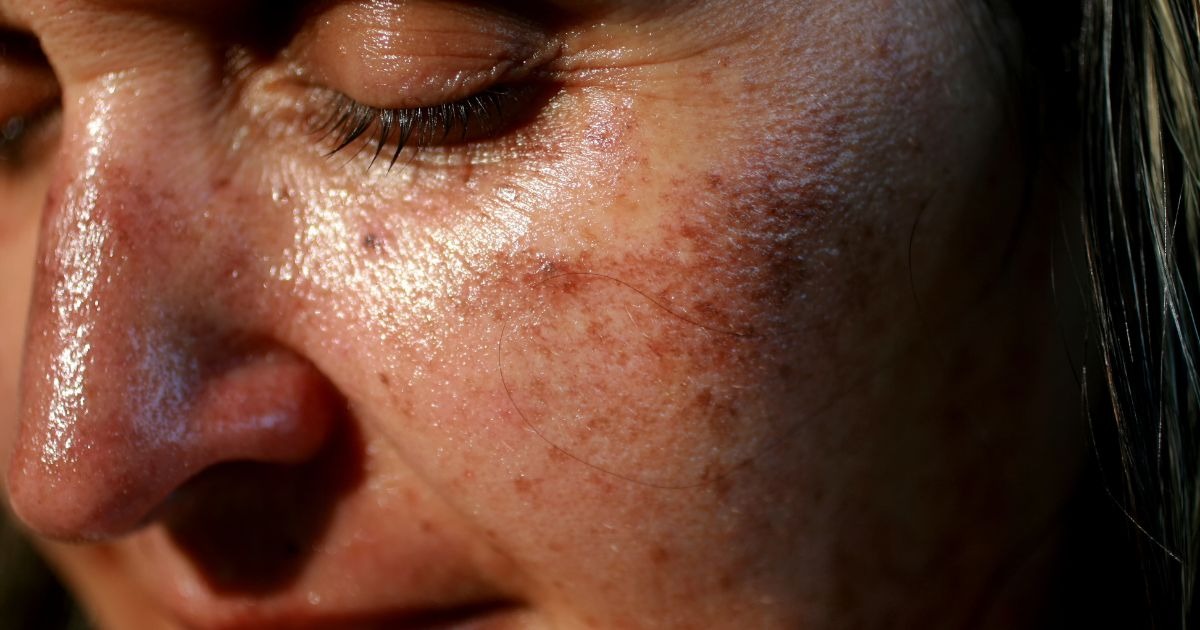
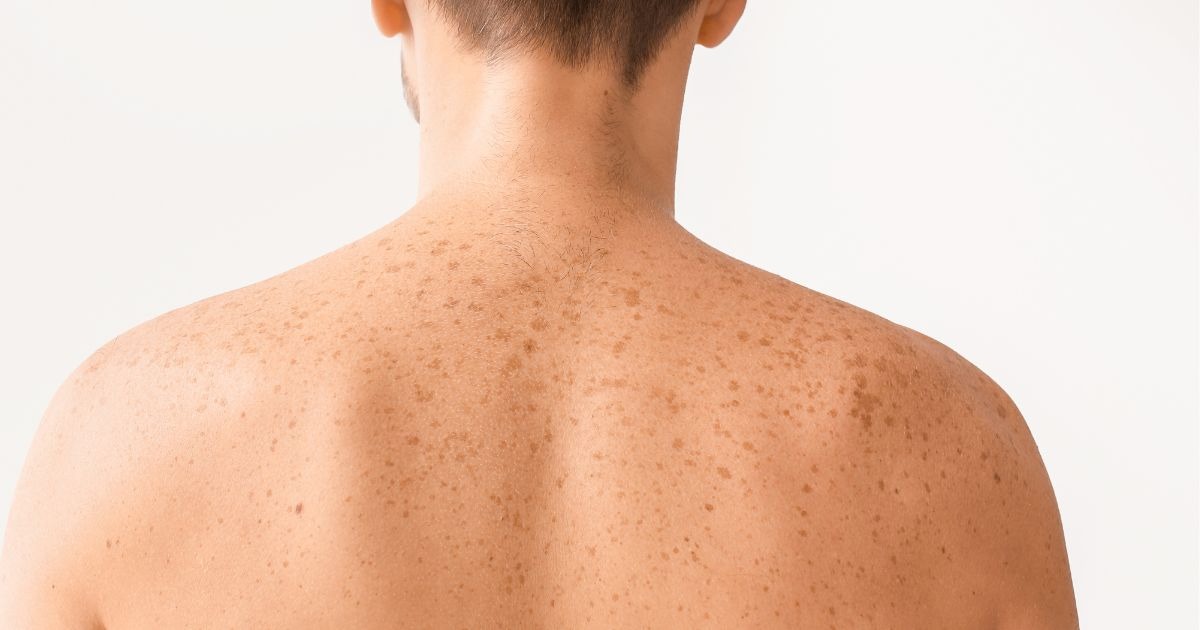
The sun is undeniably the most significant contributor to dark brown spots. Ultraviolet (UV) radiation—specifically UVA rays, which penetrate deeply into the dermis—stimulates melanocytes to produce more melanin as a protective shield. Over years of incidental sun exposure (such as walking to the shops, driving, or sitting by a window), this melanin accumulates. The result is the formation of solar lentigines, frequently called sun spots, age spots, or liver spots. These appear predominantly on the areas most exposed to the elements: the face, neck, décolletage, and backs of the hands.
2. Hormonal Fluctuations and Melasma
Hormones wield incredible influence over our skin's behaviour. Significant hormonal shifts can trigger a specific, highly stubborn form of hyperpigmentation known as melasma (or chloasma). This condition is frequently linked to elevated levels of oestrogen and progesterone, which is why it so commonly affects women during pregnancy (often dubbed the "mask of pregnancy"). However, melasma can also be triggered by oral contraceptives, hormone replacement therapy, or thyroid imbalances. Melasma typically presents as large, symmetrical brown or greyish patches on the cheeks, bridge of the nose, forehead, and upper lip.
3. Post-Inflammatory Hyperpigmentation (PIH)
If you've ever had a severe breakout, a burn, an insect bite, or a harsh allergic reaction, you may have noticed a dark mark left behind long after the initial wound healed. This is post-inflammatory hyperpigmentation (PIH). When skin experiences trauma or severe inflammation, the healing process triggers excess melanin production. This is incredibly common for those battling adult acne. The darker your natural skin tone, the more susceptible you are to PIH, as your melanocytes are naturally more active and reactive to inflammation.
4. The Natural Ageing Process
As we age, our skin's natural cellular turnover rate slows down drastically. In our twenties, skin cells renew themselves roughly every 28 days. By the time we reach our fifties, this process can take 45 days or more. This sluggish turnover means that melanin-rich, damaged cells linger on the surface much longer. Furthermore, decades of cumulative oxidative stress and environmental damage begin to show, leading to uneven pigment distribution and a loss of overall radiance.
Modern Solutions: How Nanotechnology Is Transforming Skincare
For decades, the standard approach to treating dark spots involved harsh chemical peels, aggressive lasers, or controversial bleaching agents like hydroquinone. However, the skincare landscape has evolved dramatically, with nanotechnology emerging as a highly effective, non-invasive alternative.
The fundamental challenge with traditional topical creams and serums is penetration. The skin's outermost layer (the stratum corneum) is designed to keep foreign substances out. Consequently, many active ingredients simply sit on the surface, unable to reach the deeper layers where melanin is actually synthesised. Nanofibre technology overcomes this barrier.
Nanofibres are microscopically thin threads—thousands of times thinner than a human hair. When formulated into dry skincare patches, these fibres boast a massive surface area. Because they're completely water-free, they don't require the harsh preservatives or stabilisers found in liquid cosmetics. When applied to dampened skin, the nanofibres instantly dissolve, creating a highly efficient delivery system that transports active ingredients deep into the epidermis, precisely where they're needed most.
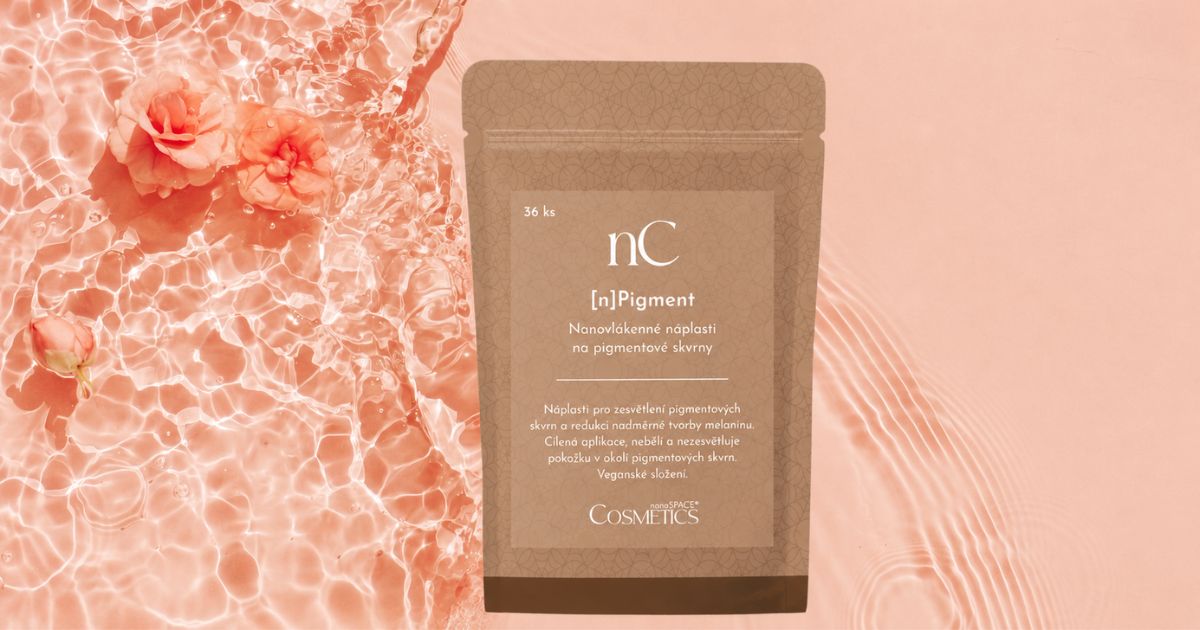
If you want to experience the benefits of this targeted delivery system, the Set for Pigment Spots [n]Pigment offers a comprehensive approach, combining the deep-penetrating power of nanofibres with carefully selected, scientifically proven ingredients to break down excess melanin and prevent future discolouration.
TARGETED SOLUTIONS FOR HYPERPIGMENTATION
![Set for Pigment Spots [n]Pigment](https://cdn.myshoptet.com/usr/www.nanospace.store/user/shop/big/4669_5881-2-sada-na-pigmentove-skvrny.jpg?69e9d41c)
![[n]Pigment Depigmenting Cream](https://cdn.myshoptet.com/usr/www.nanospace.store/user/shop/big/4666_5860-n-pigment-cream.jpg?69e9d41c)
The Science of Brightening: Essential Ingredients to Look For
When selecting skincare to combat dark spots, the formulation is everything. The best products use a multi-pronged approach: inhibiting melanin production, preventing its transfer, and accelerating the shedding of already pigmented cells. Here are the most effective ingredients to incorporate into your routine:
Hyaluronic Acid: The Ultimate Hydrator
While primarily celebrated for its plumping and moisturising capabilities, hyaluronic acid plays a foundational role in treating hyperpigmentation. When the skin barrier is compromised and dehydrated, it becomes highly susceptible to inflammation and environmental damage—both of which trigger melanin production. By drawing moisture deep into the dermis and locking it there, hyaluronic acid creates a resilient, healthy environment. Well-hydrated skin also has a much more efficient cellular turnover rate, meaning those dark, pigmented cells are shed far faster. If you struggle with a compromised skin barrier, understanding what works for extremely dry skin is a vital preliminary step before tackling pigmentation.
Niacinamide (Vitamin B3): The Melanin Blocker
Niacinamide is undeniably one of the most versatile and extensively researched ingredients in modern dermatology. When it comes to hyperpigmentation, niacinamide works through a fascinating mechanism. It doesn't stop melanocytes from producing melanin; rather, it inhibits the transfer of melanosomes (the melanin parcels) into the surrounding keratinocytes (skin cells). If the pigment can't be transferred, it can't appear on the surface of your skin. Regular use of a potent niacinamide treatment, such as the [n]Pigment Depigmenting Cream, can significantly fade existing spots while actively preventing new ones from forming. Furthermore, niacinamide is incredibly gentle, making it suitable for even the most sensitive, rosacea-prone complexions.
Gluconolactone: The Gentle Exfoliator
Exfoliation is absolutely vital for removing the upper layers of dead, pigmented skin cells. However, harsh physical scrubs or aggressive Alpha Hydroxy Acids (AHAs) like glycolic acid can sometimes cause irritation, which paradoxically leads to more post-inflammatory hyperpigmentation. This is where gluconolactone, a Polyhydroxy Acid (PHA), excels. Gluconolactone has a much larger molecular structure than AHAs, meaning it penetrates the skin more slowly and gently. It dissolves the "glue" holding dead skin cells together without causing redness or stinging. Additionally, gluconolactone functions as a potent antioxidant, scavenging the free radicals generated by UV exposure and pollution, thereby halting the pigmentation cycle in its tracks.
A Holistic Approach: Prevention Is Better Than Cure
Treating existing dark spots is only half the battle. If you don't actively prevent new ones from forming, you'll be trapped in an endless cycle of treating and retreating. A holistic approach encompasses topical protection, lifestyle adjustments, and internal support.
The Non-Negotiable Rule: Broad-Spectrum SPF
Let's be absolutely clear: no depigmenting serum, nanofibre patch, or brightening cream will work if you're not wearing sunscreen every single day. UV radiation will instantly reactivate your melanocytes, undoing months of careful skincare in a matter of hours. You must apply a broad-spectrum sunscreen with an SPF of at least 30 (ideally 50) every morning, regardless of the weather. UVA rays, which cause pigmentation and ageing, can penetrate thick cloud cover and standard glass windows. Reapplication is equally important; if you're spending time outdoors, you must reapply every two hours.
Internal Defence: Diet and Supplementation
Your skin reflects your internal health. Supporting your body's natural defence mechanisms from the inside out is highly effective. Antioxidants are essential here, as they neutralise the oxidative stress that triggers melanin overproduction. Ensure your diet is rich in vitamins C and E (found in citrus fruits, berries, nuts, and leafy greens). Supplementing with a high-quality complex containing vitamin D3, vitamin C, and zinc can provide your skin with the foundational building blocks it needs to repair cellular damage and maintain a bright, even complexion.
Interestingly, reducing systemic inflammation can also benefit your skin. Ensuring you get adequate, restorative sleep is vital, as cortisol (the stress hormone) can exacerbate inflammatory skin conditions. If you struggle with restorative rest, exploring the anti-ageing benefits of oat oil and other natural calming ingredients can be a wonderful addition to your evening wind-down routine.
Traditional Wisdom: Do Home Remedies Actually Work?
When faced with sudden skin discolouration, many people instinctively turn to their kitchen cupboards. Traditional "home remedies" have been passed down through generations, and whilst some are grounded in genuine botanical science, others carry significant risks.
Green Tea: The Antioxidant Powerhouse
Green tea is exceptionally rich in polyphenols, particularly Epigallocatechin Gallate (EGCG). Research has shown that EGCG can inhibit the tyrosinase enzyme—the very enzyme required to produce melanin. Applying cooled, freshly brewed green tea to the face as a makeshift toner can provide a soothing, antioxidant-rich boost. Whilst it won't yield overnight miracles, it's a gentle, supportive addition to a brightening routine.
Aloe Vera: Nature's Soothing Gel
Aloe vera is renowned for its exceptional healing properties, particularly for burns and irritated skin. However, it also contains an active compound called aloesin. Similar to green tea, aloesin has been shown in clinical studies to inhibit tyrosinase activity. Applying pure, high-quality aloe vera gel to dark spots can help gently fade them over time whilst simultaneously flooding the skin with soothing hydration.
Apple Cider Vinegar: The Natural Acid
Apple cider vinegar contains acetic acid, which acts as a mild chemical exfoliant. In theory, applying a diluted solution of apple cider vinegar can help slough off dead, pigmented cells, revealing brighter skin underneath. However, the pH of undiluted vinegar is far too acidic for delicate facial skin and can severely damage the skin barrier. If you choose to try this, it must be heavily diluted with water and patch-tested first.
Lemon Juice: Proceed with Extreme Caution
Lemon juice is perhaps the most famous DIY remedy for dark spots, owing to its high vitamin C and citric acid content. It acts as a natural bleaching agent. However, dermatologists strongly advise against putting raw lemon juice on your face. Lemon juice is highly acidic and can cause severe chemical burns. Furthermore, it contains compounds called psoralens, which make the skin violently reactive to sunlight—a condition known as phytophotodermatitis. Applying lemon juice and then stepping outside can result in severe blistering and, ironically, massive, permanent hyperpigmentation. It's far safer and more effective to use a professionally formulated vitamin C serum.
Frequently asked questions
What Do Brown Spots on the Face Mean?
Brown spots on the face indicate that your skin has produced an excess amount of melanin in a concentrated area. This is usually a defensive response to a trigger, most commonly UV damage from the sun, hormonal changes (like pregnancy or medication), or inflammation from a previous skin injury or acne breakout. They're generally a cosmetic issue rather than a medical one, but they do indicate that the skin has experienced some form of stress or damage.
Are Dark Spots on the Skin Dangerous?
Most dark spots on the skin, such as sun spots or melasma, are harmless and mainly a cosmetic concern. However, any new spot that changes in colour, shape, size, or appearance should be checked by a dermatologist to rule out serious conditions such as melanoma. It is important to monitor warning signs like asymmetry, irregular borders, uneven colour, increasing size, or visible changes over time.
What Do Brown Spots on the Face Mean?
Brown spots on the face indicate that your skin has produced an excess amount of melanin in a concentrated area. This is usually a defensive response to a trigger, most commonly UV damage from the sun, hormonal changes (like pregnancy or medication), or inflammation from a previous skin injury or acne breakout. They're generally a cosmetic issue rather than a medical one, but they do indicate that the skin has experienced some form of stress or damage.
What Really Works on Pigment Spots?
The most effective treatment is a combination of targeted topical ingredients and rigorous sun protection. Ingredients that inhibit melanin production and transfer—such as niacinamide, vitamin C, and specific acids like gluconolactone—are highly effective. Advanced delivery systems, like nanofibre technology, can significantly improve the penetration and effectiveness of these ingredients. Daily application of broad-spectrum SPF is essential, otherwise pigment spots can quickly return.
How Long Does It Take to Fade Hyperpigmentation?
Treating hyperpigmentation requires patience and consistency. Since pigment is often located deep within the skin, it takes time for the natural skin renewal process to gradually fade the discoloration. With regular use of effective active ingredients and proper sun protection, visible improvements usually appear within eight to 12 weeks. Deeper pigmentation, such as melasma, may require several months of consistent care.
Can I Prevent Brown Spots from Coming Back?
Yes, but prevention depends mainly on consistent sun protection. Once the skin has developed excess pigmentation, it becomes more sensitive to UV exposure and dark spots can easily reappear. Using SPF every day, wearing protective clothing or hats outdoors, and maintaining a skincare routine with antioxidants and brightening ingredients can help keep the skin tone even and reduce the risk of new spots forming.