
Your hands are often the first thing people notice about you, and your nails serve as a fascinating window into your overall wellbeing. Far from just being a hard surface to paint or a tool for scratching an itch, your nails are complex structures made of a tough protein called keratin. When you're thriving, your nails typically look smooth, consistent in colour, and free of spots or ridges. However, unhealthy nails can signal a wide array of underlying issues, ranging from straightforward fungal infections to more severe systemic complications that require medical attention.
In this comprehensive guide, we'll explore exactly what sick or damaged nails on your hands and feet look like, delve into the main causes behind these changes, and provide actionable, science-backed advice on how to resolve these issues permanently. Whether you're dealing with brittle tips, strange discolouration, or painful cuticles, understanding the root cause is the first step towards restoring your nails to their natural, resilient state.
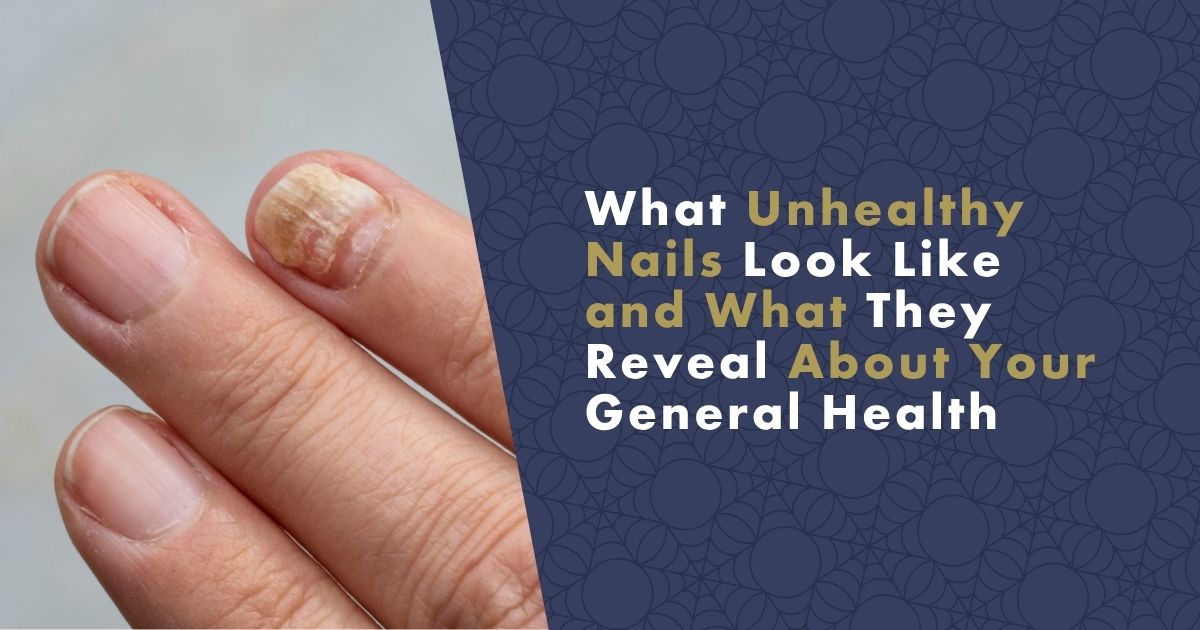
Key takeaways if you're short on time
- Listen to your body: Changes in nail colour, texture, or shape are often the first visible signs of nutritional deficiencies, infections, or underlying systemic conditions.
- Colour matters: Yellowing usually indicates a fungal infection, whilst white spots are typically the result of minor past trauma. Blue or purple tints can point to poor circulation.
- Texture tells a story: Vertical ridges are a normal part of the ageing process, but horizontal ridges (Beau's lines) might suggest severe illness or periods of intense stress.
- Protect and nourish: Proper hygiene, a balanced diet rich in iron, zinc, and biotin, and adequate hydration are essential for maintaining strong, healthy nails.
- Gentle care is vital: Avoid harsh chemicals, wear protective gloves during household chores, and opt for high-quality, deeply hydrating skincare products to protect your nail beds and cuticles.
- When in doubt, seek help: If your symptoms persist despite your best efforts, or if you experience significant pain and inflammation, consult a dermatologist.
How to Spot Unhealthy Nails
Nails that are struggling rarely keep quiet about it; they broadcast clear, visible signals. When something's amiss, the changes are rarely subtle. You'll likely notice alterations not just in the pigmentation of the nail plate, but also in its structural integrity, its shape, and the condition of the surrounding skin and cuticle. Let's break down the most common visual indicators that your nails are crying out for help.
1) Changes in Nail Colour
A healthy nail bed typically has a consistent pinkish hue, with a white crescent (the lunula) at the base. When the colour shifts dramatically, it's time to pay attention.
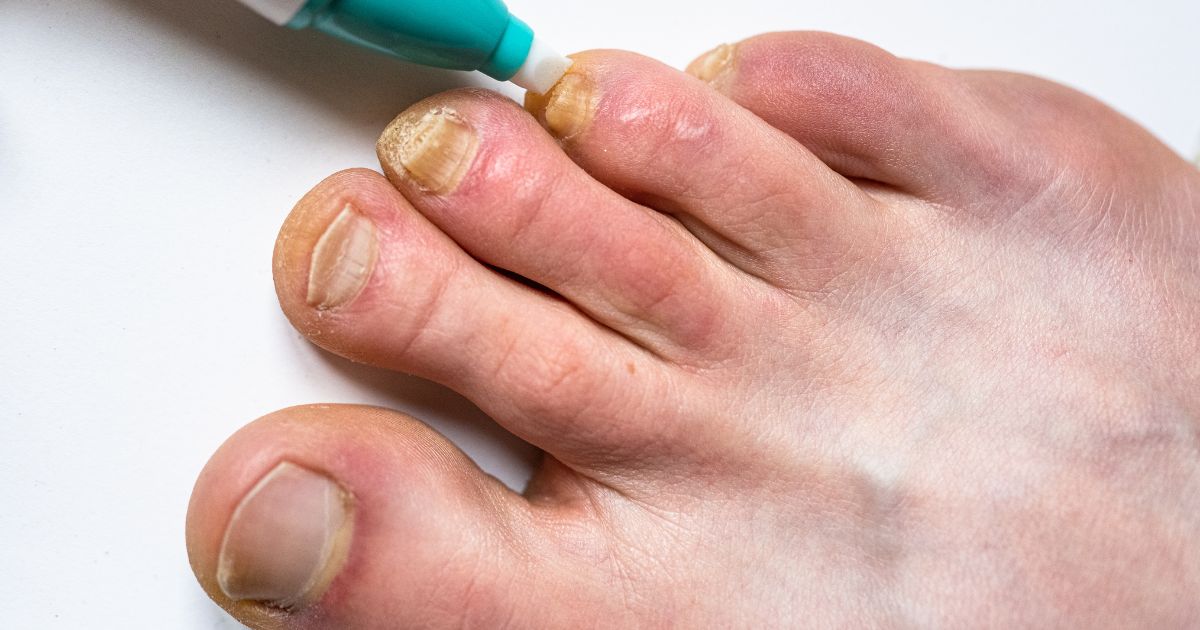
Yellow or brown nails are incredibly common and are most frequently the hallmark of a fungal infection (onychomycosis). As the fungus takes hold, the nail may also become thick and crumbly. However, yellowing can also be caused by heavy smoking, frequent use of dark nail varnishes without a protective base coat, or, in rarer cases, respiratory conditions like chronic bronchitis.
White spots or streaks (known medically as leukonychia) are often blamed on a lack of calcium, thanks to an old wives' tale. In reality, these little white marks are usually a souvenir from a minor injury to the nail matrix—perhaps you trapped your finger in a drawer or tapped your nails too hard on a desk weeks ago. Occasionally, widespread white bands can indicate a zinc deficiency or lack of other essential minerals, but trauma is the most frequent culprit.
Bluish or purple nails should always be taken seriously. This discolouration usually reflects poor blood circulation or a lack of oxygen in your bloodstream (cyanosis). If your nails frequently turn blue, especially in normal temperatures, consult a medical professional to rule out cardiovascular or respiratory issues.
2) Changes in Texture and Shape
The surface of your nails should ideally be relatively smooth. Whilst minor imperfections are normal, profound changes in texture or shape are significant diagnostic clues.
Vertical ridges running from the cuticle to the tip are incredibly common and generally harmless. Think of them as the nail equivalent of wrinkles on your skin; they tend to become more pronounced as we age. However, horizontal ridges (known as Beau's lines) are a different story. These deep grooves indicate that nail growth was temporarily halted by a severe illness, a high fever, poorly managed diabetes, or a period of profound psychological strain. The body essentially redirects its energy away from growing nails to focus on healing.
If your nails begin to curve outwards and upwards, taking on a concave shape like a tiny spoon (koilonychia), this is a classic sign of iron-deficiency anaemia. It can affect both fingernails and toenails. On the other hand, if your nails thicken and crumble at the edges, you're likely dealing with a stubborn fungal infection or severe dehydration of the nail plate.
3) The Nail Separates from the Nail Bed
This condition, known as onycholysis, is as uncomfortable as it sounds. The nail begins to lift and detach from the pink nail bed underneath, creating a white or opaque space. This separation can be triggered by aggressive manicures (such as vigorously cleaning under the nails with a sharp tool), repetitive trauma, or the frequent use of harsh chemicals. For instance, cleaning your bathroom with strong detergents without wearing protective gloves can severely weaken the bond between the nail and the skin. In some instances, it can also be a symptom of thyroid disease or psoriasis.
4) The Surrounding Skin Is Painful and Inflamed
Your nail health is intrinsically linked to the health of the surrounding skin. Redness, throbbing pain, or swelling around the cuticle are classic signs of inflammation or infection, typically paronychia. This painful condition usually arises when bacteria or fungi enter broken skin. The most common causes are biting your nails, picking at hangnails, or a poorly executed manicure where the cuticles have been aggressively cut back rather than gently pushed back.
The Main Causes of Nail Diseases
We've touched upon a few triggers in the previous section, but to truly understand how to heal your nails, we must look closer at the root causes. Modern lifestyles, dietary habits, and environmental factors all play a massive role in the health of our hands and feet.
- Fungal Infections (Onychomycosis): Fungi thrive in warm, dark, and damp environments. When nails lose their natural colour, become unnaturally thick, or start crumbling, fungus is usually the culprit. Toenails are particularly vulnerable due to sweaty, poorly ventilated footwear, walking barefoot in public swimming pools, or inadequate foot hygiene.
- Bacteria and Inflammation: If the skin around your nail becomes red, swollen, and tender to the touch, a bacterial infection is highly likely. Paronychia often develops after an ingrown toenail, excessive cuticle trimming, or simply having your hands submerged in water for extended periods, which breaks down the skin's natural barrier.
- Nutrient Deficiencies: Your nails require a steady supply of vitamins and minerals to grow strong. Splitting, peeling, or extreme brittleness frequently points to a lack of B-complex vitamins, iron, zinc, or calcium. A diet lacking in fresh, whole foods will inevitably show up on your fingertips.
- Psoriasis and Skin Conditions: Psoriasis is a non-infectious, inflammatory autoimmune disease that affects the skin but often extends to the nails. Psoriatic nails can become pitted (covered in tiny dents), thickened, and discoloured, sometimes mimicking a fungal infection. Other skin conditions, such as seborrhoeic dermatitis or severe eczema, can also impact the nail matrix.
- Mechanical and Chemical Damage: We often subject our hands to tremendous abuse. Continuous use of acrylics or gel varnishes, harsh acetone-based nail polish removers, and exposure to household cleaning chemicals without gloves strip the nails of their natural oils, leaving them weak and prone to snapping.
- Underlying Medical Conditions: Systemic issues such as diabetes, thyroid disorders, or anaemia can drastically alter nail growth and appearance. Always remain vigilant regarding any sudden, unexplained changes in your nails, as they can be the first warning sign of a broader health issue.
GENTLE CARE FOR SENSITIVE SKIN & HYGIENE
What Actually Helps Heal Unhealthy Nails
If you're staring at your hands and feeling uncertain about why your nails look the way they do, your very first step should be to consult a dermatologist or your GP. A medical professional can accurately diagnose whether you're dealing with a stubborn fungal infection, a nutritional deficiency, or a more complex dermatological issue.
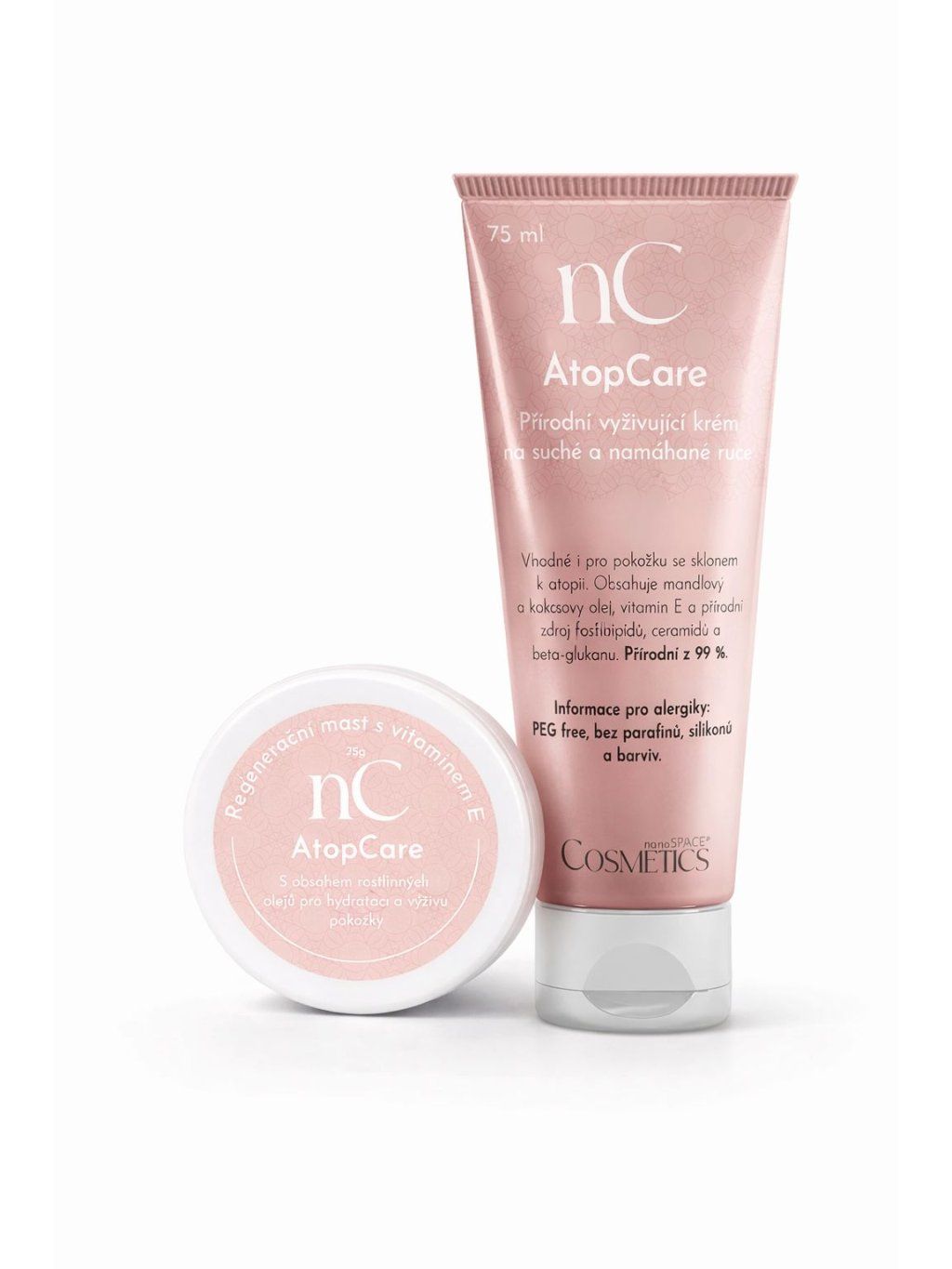
For milder cases of dryness, brittleness, or minor cuticle damage, focusing on intense hydration and barrier repair is essential. Since nanoSPACE was founded in 2012, we've championed the use of advanced, gentle formulations for skin and body care. Ensuring your hands and cuticles are deeply moisturised is non-negotiable. Using a dedicated product like the Set for Dry Hands AtopCare provides your skin with the lipids and moisture it desperately needs to support healthy nail growth from the matrix upwards.
If you're also noticing age spots or uneven tone on your hands alongside brittle nails, incorporating a targeted treatment like the [n]Pigment Depigmenting Cream into your evening routine can help rejuvenate the overall appearance of your hands.
Beyond topical treatments, the composition of your daily diet is fundamental to nail health. You can't build strong nails without the right building blocks. Ensure you're incorporating foods rich in the following vitamins and minerals:
- Iron: Found abundantly in red meat, lentils, spinach, and fortified cereals. Iron is vital for oxygen transport to your nail beds.
- Biotin (Vitamin B7): Eggs, almonds, walnuts, and sweet potatoes are excellent sources. Biotin is renowned for improving nail thickness and reducing splitting.
- Zinc: Seafood (especially oysters), pumpkin seeds, and chickpeas help prevent those pesky white spots and support overall tissue growth.
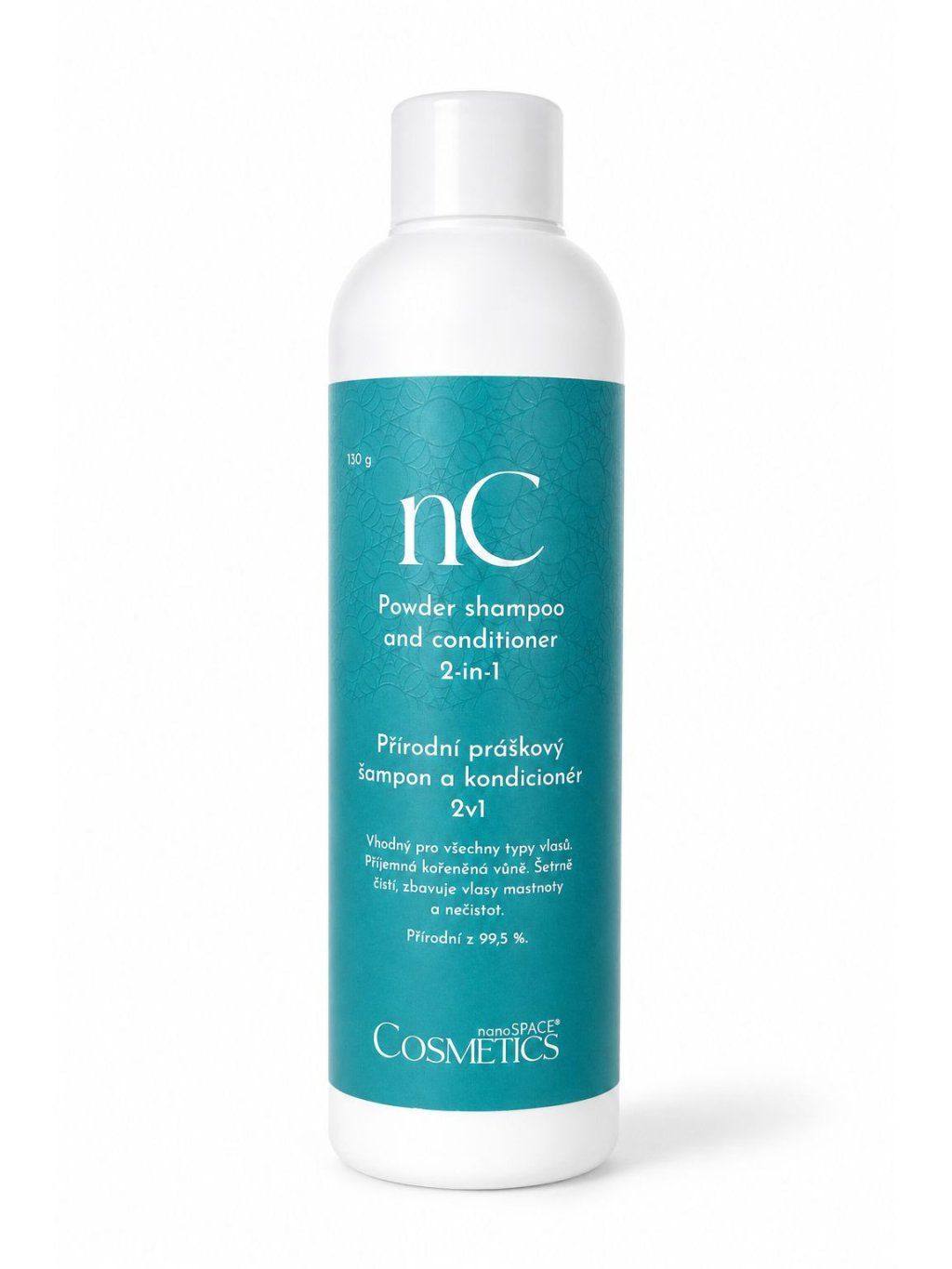
Don't underestimate the power of hydration. Drinking plenty of water keeps the nail plate flexible rather than brittle. It also pays to switch to gentler personal care routines. For instance, traditional liquid shampoos often contain harsh surfactants that run over your hands and cuticles daily, stripping them of moisture. Switching to an alternative like the Waterfree Natural Powder Shampoo & Conditioner 2-in-1 – nanoSPACE Cosmetics can reduce your hands' daily exposure to aggressive foaming agents.
When tackling household chores, always wear rubber gloves. Trim your nails straight across to prevent ingrown edges, and never file them straight after a bath when they're soft and prone to tearing. If your nail condition doesn't improve after several weeks of dedicated care, or if you experience severe pain, don't delay in seeking professional medical advice. With our 14-day return policy on all our gentle skincare ranges, you have the peace of mind to test what works best for your skin barrier, but medical issues require a doctor's eye.
How to Prevent Nail Problems Before They Start
In the vast majority of cases, severe nail problems can be entirely prevented through consistent, mindful care. Prevention is always less painful (and less expensive) than the cure.
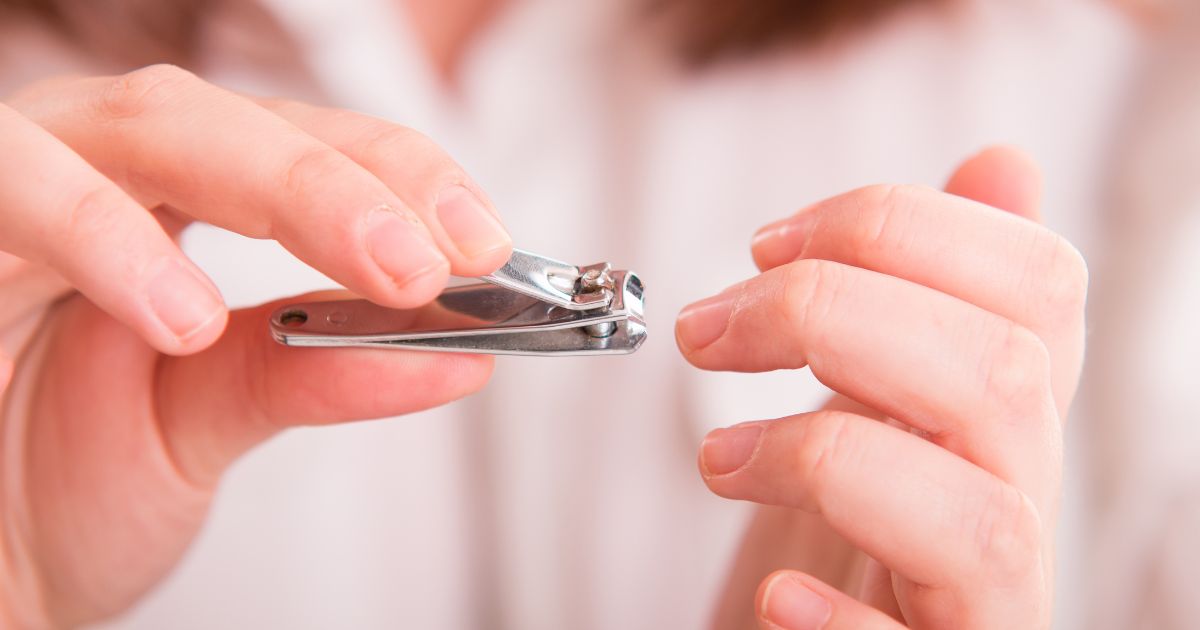
What Should a Proper Nail Care Routine Involve?
- Maintain impeccable hygiene: Keep your nails clean and dry. Moisture trapped under the nail is an open invitation for fungal spores. Trim your nails straight across and avoid cutting them too short. Always disinfect your manicure and pedicure tools, and never share them with others to prevent cross-contamination.
- Protect against chemical damage: Household cleaning products, harsh detergents, and even some gardening chemicals can severely dehydrate and weaken the keratin in your nails. Always wear protective gloves. It's also important to give your nails regular breaks from acrylics and gel polishes, and strictly avoid acetone-based nail polish removers.
- Eat a balanced, colourful diet: As mentioned, your nails are a reflection of your internal health. A diet lacking in essential fatty acids, vitamins, and minerals will inevitably lead to weak nails. Drink plenty of water throughout the day.
- Banish bad habits: Biting your nails or tearing at the skin around them (onychophagia) drastically increases your risk of bacterial infections. It damages the tissue and introduces bacteria from your mouth directly into your bloodstream. If you struggle with anxious habits, reading about how to manage a stress rash or general anxiety might provide helpful coping mechanisms.
- Prioritise rest and recovery: Chronic physical exhaustion and mental strain take a massive toll on your body, slowing down cellular regeneration. Ensure you're getting adequate sleep to allow your body to repair itself.
Specific Advice for Preventing Fungal Infections
Fungal infections are notoriously stubborn and are the leading cause of unhealthy nails, particularly on the feet. To stop fungus in its tracks, wear breathable, well-fitting footwear and high-quality cotton or bamboo socks that wick moisture away from the skin. Change your socks immediately after exercising.
Crucially, never walk barefoot in public communal areas such as gym changing rooms, public swimming pools, or hotel showers. Always wear flip-flops to create a barrier between your skin and the damp floor where fungal spores thrive.
Frequently asked questions
How can you recognise an illness by looking at your nails?
Changes in the colour, shape, texture, or thickness of your nails on both your hands and feet can signal a wide variety of health issues. For instance, white spots usually indicate minor trauma but can point to a lack of minerals. Yellow, thickened nails are a classic symptom of a fungal infection, though they can also relate to respiratory problems. Bluish or purple nails suggest poor blood oxygenation, which may be linked to cardiovascular or circulatory disorders. Always consult a doctor if you notice sudden, unexplained changes.
What does nail cancer look like?
Nail cancer, most commonly subungual melanoma, typically presents as a dark brown or black streak running vertically down the nail plate. Unlike a bruise from a trapped finger (which will gradually grow out), a melanoma streak often widens over time and may begin to discolour the surrounding skin at the cuticle (known as Hutchinson's sign). Other symptoms include nail deformity, unexplained bleeding, or a sore that refuses to heal. If you suspect any of these symptoms, seek urgent dermatological assessment.
What do our nails reveal about our lifestyle?
Nails are an excellent barometer for your overall systemic health and daily habits. Pale, spoon-shaped nails often point to anaemia or iron deficiency. Dry, brittle, and peeling nails suggest a lack of hydration, poor nutrition, or excessive exposure to harsh cleaning chemicals and water. Conversely, unnaturally thick, crumbly, and yellow nails frequently highlight poor foot hygiene or a fungal infection.
What causes wavy or ridged nails?
Nails that have an irregular, wavy surface or pronounced ridges can be caused by several factors. Vertical ridges are usually just a harmless sign of ageing. However, horizontal waves or deep grooves can be triggered by inflammatory skin conditions like psoriasis or eczema, rheumatoid arthritis, or a severe lack of vitamins, particularly biotin. They can also appear after a period of intense illness where nail growth temporarily paused.
What do perfectly healthy nails look like?
Healthy nails should be smooth, without any prominent pits, deep grooves, or discolouration. They should possess a consistent pinkish hue across the nail bed, with a slight natural curve. They should be firm yet flexible, not prone to snapping or peeling at the slightest pressure. Any significant deviation from this state points to potential issues with nutrition, circulation, hormones, or an immune response.
What is the body lacking when nails keep breaking?
Brittle, breaking nails are heavily associated with a deficiency in biotin (vitamin B7), iron, zinc, or other B-complex vitamins. However, it's not always diet-related; brittle nails are frequently the result of severe external dehydration caused by over-washing hands, spending too much time in hot water, or regularly using harsh chemical solvents and acetone without replenishing the skin's moisture barrier.
Why do deep lines form on nails?
Longitudinal (vertical) lines running from the cuticle to the tip are a natural phenomenon that increases as we get older, much like wrinkles. Transverse (horizontal) lines, known as Beau's lines, are more concerning. They indicate that the cell division in the nail matrix was temporarily interrupted. This can be caused by severe infections, malnutrition, chemotherapy, or periods of extreme physiological or psychological stress.
Which vitamins are best for nail health?
Biotin (vitamin B7) is universally recognised as the most important vitamin for supporting nail growth and structural integrity. Vitamins A, C, and E are also vital, as they provide antioxidant protection, improve hydration, and aid in the production of collagen. Don't forget essential minerals like zinc and iron, which ensure adequate oxygen and nutrient delivery to the nail matrix.
Why do my nails smell bad?
An unpleasant odour coming from your nails is almost always a sign of an active fungal or bacterial infection. It can also be exacerbated by poor hygiene, where a build-up of dead skin cells, sweat, and microscopic debris becomes trapped underneath the nail plate, creating a breeding ground for odour-causing bacteria.
What destroys nail health the fastest?
Your nails are rapidly weakened by frequent, unprotected contact with hot water and household cleaning chemicals. Using aggressive nail varnishes, peeling off gel manicures, and using acetone-based removers strip the nail of its protective layers. Nervous habits like biting your nails or picking at your cuticles also cause severe mechanical damage and invite infection.
What do orange nails mean?
In most everyday scenarios, orange or yellowish-orange nails are simply the result of wearing highly pigmented red or orange nail varnishes without applying a protective clear base coat first, causing the dye to stain the keratin. However, if you haven't been wearing varnish, orange discolouration can occasionally indicate an underlying health issue, such as an early-stage fungal infection or, rarely, a liver complaint.
Should I cut nails that are infected with fungus?
Yes, you absolutely should keep infected nails trimmed as short as comfortably possible. Keeping them short reduces the surface area for the fungus to spread, prevents the nail from catching and tearing, and makes the application of topical antifungal treatments much more effective. Crucially, you must use a separate, dedicated set of clippers for the infected nail and disinfect them thoroughly after every single use to prevent spreading the fungus to your healthy toes or fingers.
Can I use a coarse emery board on diseased toenails?
You can, but you must proceed with extreme caution. Filing down the thickened top layer of a fungal nail can help topical treatments penetrate better. However, you must only use that specific file on the infected nail to ensure the infection doesn't spread. After use, the file must be disinfected or, ideally, thrown away (which is why cheap, disposable emery boards are best for this). Be gentle; aggressive filing can damage the surrounding healthy tissue and worsen the inflammation.
Sources
- ZAIAS, Nardo. The nail in health and disease. Springer Science & Business Media, 2012.
- CASHMAN, Michael W.; SLOAN, Steven Brett. Nutrition and nail disease. Clinics in dermatology, 2010, 28.4: 420-425.
- DURLACHER, Lewis. A treatise on corns, bunions, the diseases of nails, and the general management of the feet. Lea & Blanchard, 1845.
- DE BERKER, D. A. R.; BARAN, R. Disorders of nails. Rook's textbook of dermatology, 2010, 1: 1-57.
- DAHDAH, Maurice J.; SCHER, Richard K. Nail diseases related to nail cosmetics. Dermatologic clinics, 2006, 24.2: 233-239.
- BARAN, Robert; LIPNER, Shari. Diseases of the nails. In: Roxburgh's Common Skin Diseases. CRC Press, 2022. p. 298-309.
- BARAN, Robert; DAWBER, Rodney PR; SHEPARD, Glenn H. Diseases of the nails and their management. Plastic and Reconstructive Surgery-Baltimore, 1998, 101.4: 1143.