
Is there anything quite as frustrating as catching a split nail on your favourite knitted jumper? If you're constantly battling brittle, peeling, or splitting nails, your body is trying to send you a very clear message. Far from being just a cosmetic annoyance, the condition of your nails is a direct window into your overall health, diet, and daily habits.
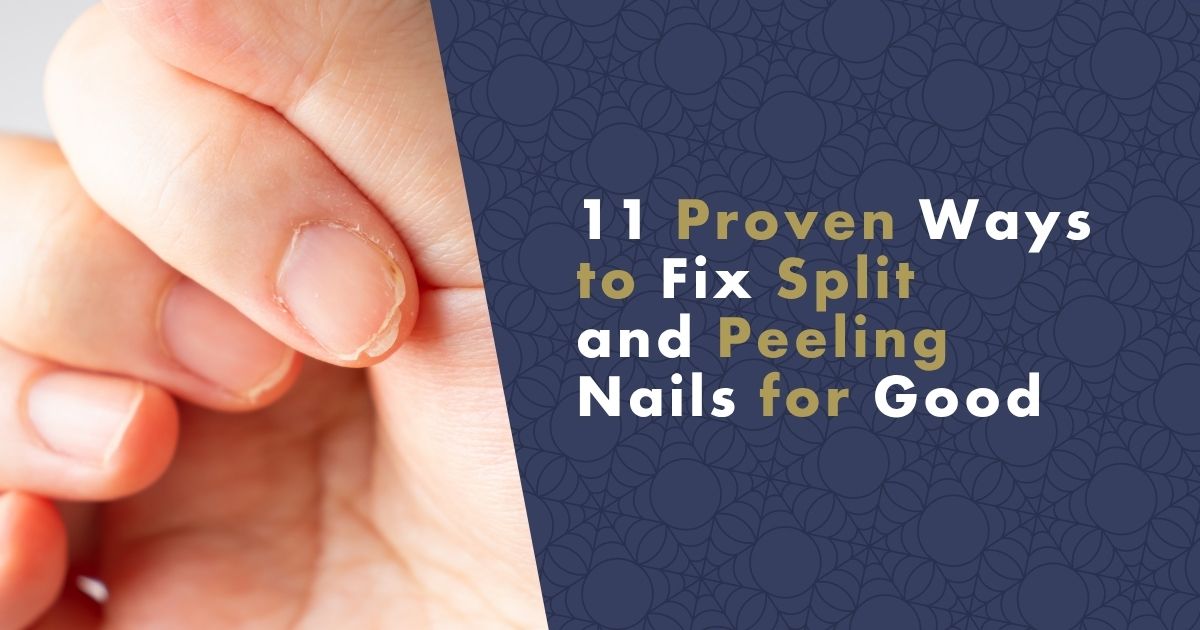
When the layers of keratin that make up your nail plate begin to separate—a condition dermatologists call onychoschizia—it's a sign that something in your routine needs to change. Whether it's a lack of essential nutrients, exposure to harsh household chemicals, or simply the natural ageing process, understanding the root cause is the first step towards finding a solution. In this comprehensive guide, we'll explore exactly what causes your nails to peel and share 11 highly effective strategies to help you restore them to their strong, healthy, and beautiful state.
Key takeaways if you're short on time
- Nails reflect internal health: Peeling and splitting are often the first signs of vitamin and mineral deficiencies, particularly a lack of biotin, iron, or collagen.
- External factors play a massive role: Frequent handwashing, using cleaning products without gloves, and relying on acetone-based nail polish removers strip the nails of their natural oils.
- Hydration is crucial: Just like your skin, your nails need moisture. Ingredients like urea, glycerin, aloe vera, and natural oils are vital for maintaining nail flexibility.
- Protection is non-negotiable: Wearing gloves while doing the washing-up and switching to gentler cosmetic products can dramatically reduce mechanical and chemical damage.
- Home remedies can support recovery: Simple soaks using olive oil, castor oil, or even apple cider vinegar can provide an extra boost of nourishment to damaged nail beds.
Why Do Nails Peel? The Primary Causes of the Problem
Your nails are primarily made of a tough protein called keratin, the exact same building block that makes up your hair and the outer layer of your skin. Under a microscope, a nail looks like a tightly packed brick wall. When your nails are healthy, these layers stay firmly glued together. However, when they're compromised, the layers begin to lift and peel away. But what causes this structural breakdown?
Nutritional Deficiencies and Poor Lifestyle
The most common culprit behind weak nails is a diet lacking in essential vitamins and minerals. Because your body prioritises sending nutrients to your vital organs, your hair and nails are often the first to suffer when your diet is suboptimal. If you're experiencing brittle nails, you might also be noticing changes in your hair. If that sounds familiar, you might find our guide on 10 tips on what helps with extreme hair loss particularly useful. A poor diet, chronic stress, and a lack of sleep all contribute to a weakened nail matrix.
Overuse of Harsh Chemicals
If you love a weekly manicure, you might be accidentally damaging your nails. Frequent use of nail polish, combined with harsh acetone-based removers, severely dehydrates the nail plate. And if you regularly clean your bathroom or do the washing-up without wearing protective gloves, the aggressive surfactants in household cleaners strip away the natural lipids that keep your nails flexible and strong.
Frequent Exposure to Water
It might sound contradictory, but too much water is incredibly drying for your nails. Nails are highly porous—they absorb water much faster than your skin does. When you soak your hands in the bath or wash the dishes, your nails swell. As they dry, they shrink back down. This constant swelling and shrinking (known as hygral fatigue) weakens the bonds between the keratin layers, eventually leading to splitting and peeling.
Mechanical Damage
Many of us are guilty of using our nails as tools. Whether you're peeling off a sticky label, opening a stubborn tin can, or nervously picking and biting at your cuticles, this mechanical stress causes microscopic fractures in the nail plate. Over-filing the surface of the nail to create a smooth base for polish also thins the nail dramatically, making it much more susceptible to splitting.
Underlying Health Conditions
Sometimes, peeling nails are a symptom of a broader health issue. Conditions such as an underactive or overactive thyroid, anaemia (iron deficiency), and certain skin conditions like psoriasis can directly impact nail growth. Even something as common as dyshidrotic eczema can affect the skin around the nail bed, leading to malformed or weakened nails. Finally, as we age, our bodies naturally produce less moisture and collagen, which inevitably leads to more brittle nails over time.
How to Strengthen Split Nails: 11 Proven Tips
If your nails are currently in a sorry state, don't despair. With consistency and the right approach, you can rebuild their strength. We've put together a comprehensive list of 11 actionable tips to help you banish split nails for good. Let's dive in.
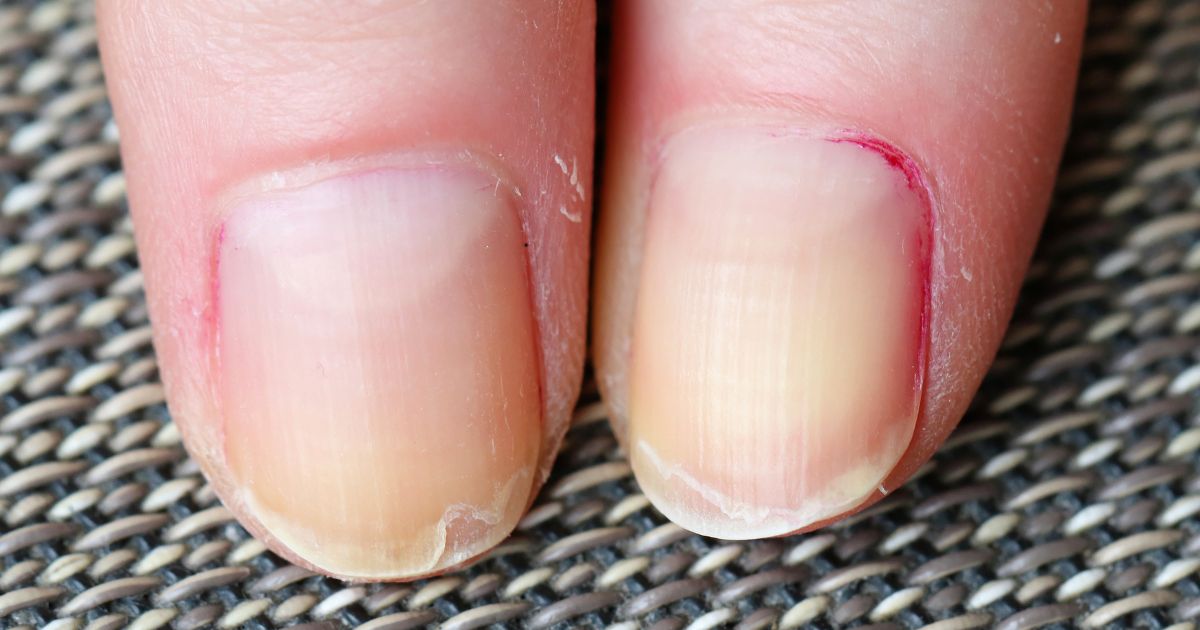
1) Take Biotin (Vitamin B7) Daily
Biotin is arguably the most famous supplement for hair and nail health, and for good reason. It supports the growth of healthy cells and improves the protein infrastructure of keratin. Biotin is deeply involved in the metabolism of amino acids, which are the fundamental building blocks of your nails.
Numerous dermatological studies have shown that taking a daily biotin supplement (around 2.5 mg) can significantly increase nail thickness and reduce splitting in just a few weeks. You can boost your biotin intake naturally by eating more eggs, almonds, walnuts, and sweet potatoes, but a high-quality dietary supplement is often the most reliable way to ensure you're getting enough. Interestingly, the same nutrients that help your nails also benefit your hair, which you can read more about in our article on 13 tips to speed up hair growth.
2) Ensure an Adequate Intake of Iron
Iron is absolutely vital for the production of red blood cells. These cells are responsible for carrying fresh, oxygen-rich blood to every single cell in your body, including the nail matrix (the hidden area under your cuticle where the nail is formed). If you're deficient in iron, your nails won't receive the oxygen they need to grow strong, leading to a condition called koilonychia, where nails become thin, brittle, and even spoon-shaped. To keep your iron levels topped up, incorporate plenty of spinach, lentils, red meat, and pumpkin seeds into your weekly meals.
3) Don't Deprive Your Body of Collagen
Collagen is the most abundant protein in the human body, providing structure to your skin, bones, tendons, and nails. As we get older, our natural collagen production drops off a cliff. Research indicates that taking a daily bioactive collagen peptide supplement can promote faster nail growth and significantly reduce the frequency of broken and split nails. It helps to bind the moisture within the nail bed, keeping the keratin layers supple rather than brittle.
4) Load Up on Omega-3 Fatty Acids
Omega-3 fatty acids are the ultimate internal moisturisers. They help to lubricate the nail plate from the inside out, reducing inflammation in the nail bed and preventing the nail from becoming dry and brittle. A diet rich in Omega-3s will give your nails a natural, healthy shine. The best dietary sources include oily fish (like salmon, mackerel, and sardines), flaxseeds, chia seeds, and walnuts.
Editor's pick
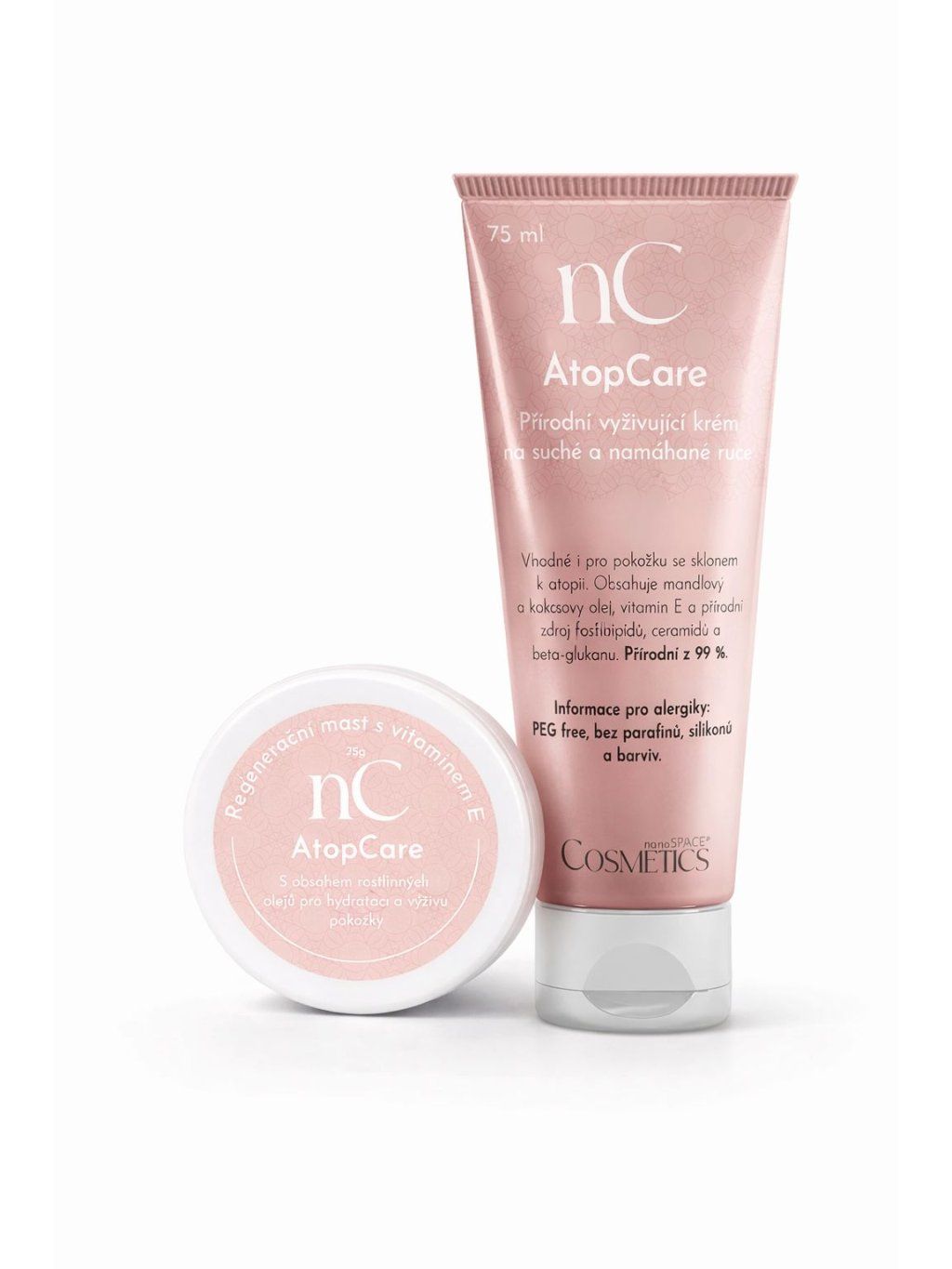
Set for Dry Hands AtopCare
Beautiful nails start with healthy hands. Deeply nourish your skin and cuticles with our intensive hydration set, designed to repair the skin barrier and lock in essential moisture.
17.00 €
View product5) Use Hand and Nail Products Containing Urea
Urea is a brilliant, highly effective humectant. It naturally occurs in our skin's moisturising factor, but applying it topically works wonders for damaged nails. Urea draws moisture from the air and pulls it deep into the nail plate and the surrounding cuticles. It also has mild keratolytic properties, meaning it gently softens rough, hardened skin around the nail, preventing painful hangnails that tempt you to pick at them. If you struggle with parched skin, you might also want to read our 10 tips on what helps with dry hands.
6) Look for Glycerin and Aloe Vera in Your Cosmetics
Alongside urea, glycerin and aloe vera are absolute heroes for deep hydration. Glycerin acts like a sponge, holding onto water and preventing it from evaporating from your nail bed. Aloe vera provides a soothing, cooling effect while delivering a dose of vitamins and antioxidants. When your nails and the surrounding skin are properly hydrated, they retain their elasticity. An elastic nail bends when it hits a hard surface; a dry nail simply snaps or splits.
7) Choose Products with Antimicrobial Ingredients
Sometimes, microscopic fungal or bacterial infections take hold under the nail without you even realising it, weakening the structure and causing the nail to crumble and peel. Ingredients like clotrimazole, or natural alternatives like rosemary and lavender essential oils, have excellent antimicrobial properties. They help to protect the nail from invisible infections while providing a soothing, regenerative effect on the tissue.
8) Massage with Natural Oils Daily
One of the best habits you can form is massaging a natural oil into your cuticles every single night before bed. Sweet almond oil and sunflower oil are fantastic choices because their molecular structure is small enough to penetrate the upper layers of the keratin. This daily massage not only delivers essential fatty acids directly to the nail matrix but also stimulates blood flow to the fingertips, encouraging faster, healthier growth.
9) Introduce Niacinamide (Vitamin B3)
You probably already know niacinamide as a superstar skincare ingredient for your face, but it's equally brilliant for your hands and nails. Niacinamide helps to boost the production of ceramides—the natural lipids that form your skin's protective barrier. By strengthening the barrier of the cuticle and the nail fold, niacinamide helps to lock in moisture and improve the overall structural integrity of the growing nail.
10) Always Wear Protective Gloves
This is perhaps the most important preventative step you can take. Whenever you're doing the washing-up, cleaning the bathroom, or gardening, you must wear rubber gloves. The chemicals in standard household cleaners are designed to break down grease and grime—they'll happily do the exact same thing to the natural oils in your nails. Protecting your hands from harsh detergents is a simple lifestyle tweak that yields massive results.
11) Ban Acetone from Your Beauty Cabinet
If you regularly paint your nails, you must look closely at your nail polish remover. Acetone is a highly aggressive solvent. Whilst it removes polish incredibly fast, it completely strips the nail of its natural moisture, leaving it parched, white, and prone to severe peeling. Switch to an acetone-free remover. It might take a few extra seconds to remove your polish, but your nails will thank you for it in the long run.
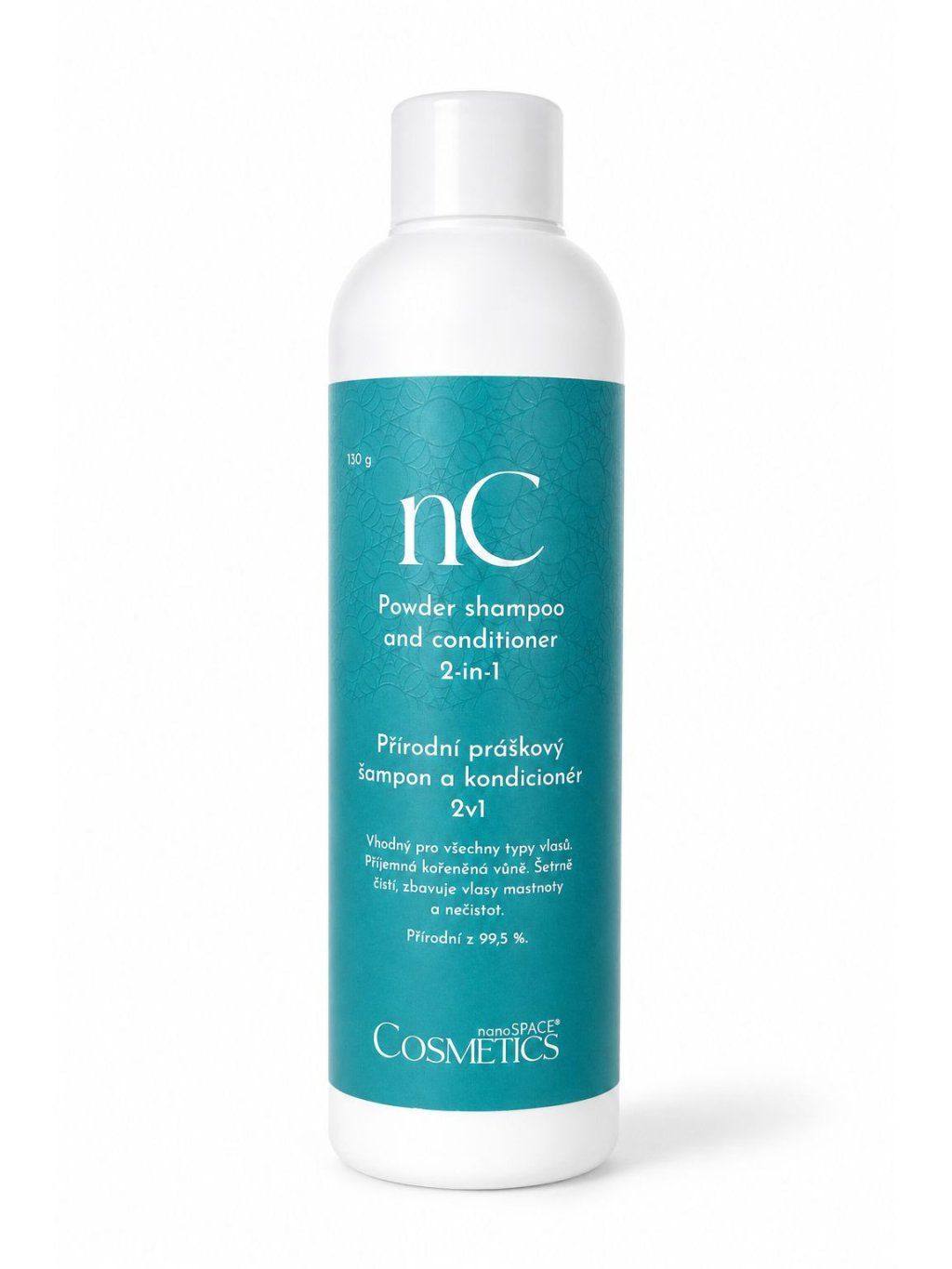
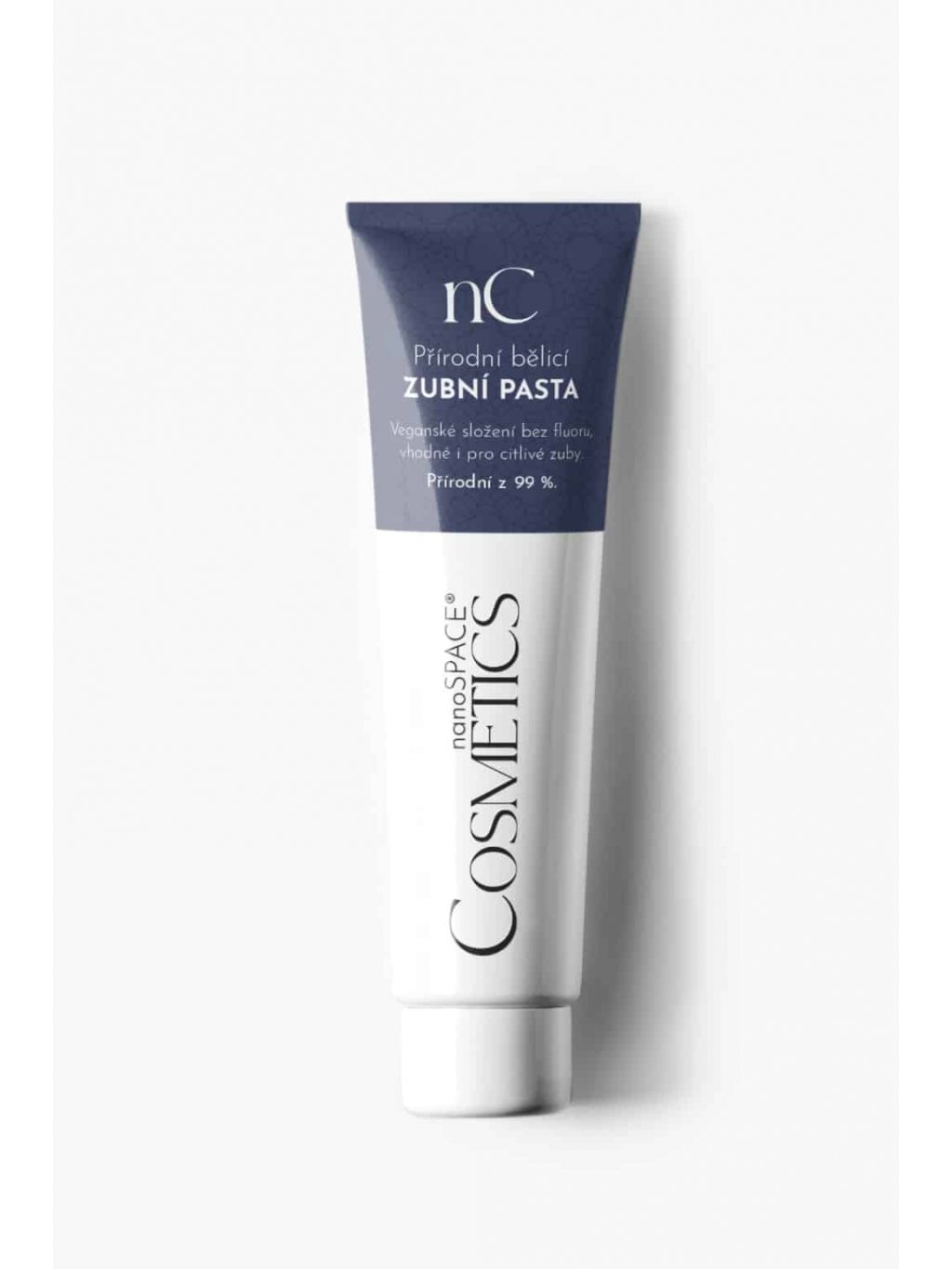
GENTLE ESSENTIALS FOR YOUR DAILY ROUTINE
Old-School Home Remedies to Strengthen Split Nails
Sometimes, the best solutions are the ones passed down through generations. Whilst these traditional home remedies should ideally be combined with a robust intake of vitamins and minerals, they offer fantastic topical support for damaged nails. We've always advocated for gentle, natural care—a philosophy that has been at the heart of nanoSPACE since we were founded in 2012.
- Olive oil and lemon juice soak: This is a classic beauty trick. Gently warm a few tablespoons of high-quality olive oil (don't make it too hot) and stir in a few drops of fresh lemon juice. The acidity of the lemon helps to brighten the nail and remove stains, whilst the rich lipids in the olive oil deeply penetrate the nail bed. Soak your bare nails in this mixture for 10 to 15 minutes every evening. Afterwards, massage the remaining oil into your cuticles.
- Castor oil overnight treatment: Castor oil is incredibly thick and rich in ricinoleic acid. Apply a generous drop to each nail and massage it in. For an even more potent treatment, pierce a Vitamin E capsule and mix the liquid with the castor oil. Leave it on overnight (you can wear soft cotton gloves to protect your bedsheets) to allow the heavy moisture to sink in.
- Gelatine strengthening bath: Gelatine is essentially cooked collagen. If you have unflavoured, powdered gelatine in your kitchen cupboards, dissolve a tablespoon in a bowl of warm water. Submerge your fingertips for about 10 minutes. Doing this twice a week provides the external keratin layers with a temporary structural boost, helping to bind the peeling layers together.
- The brewer's yeast beer soak: It might sound unusual, but beer is packed with B-complex vitamins and minerals derived from yeast and hops. Mix half a glass of room-temperature beer with a splash of olive oil and a teaspoon of apple cider vinegar. Soak your nails for 10 minutes. The minerals will help fortify the nail structure.
- Apple cider vinegar balancing soak: Sometimes, the pH of our skin and nails gets thrown out of balance by alkaline soaps and hard tap water. Mix equal parts water and apple cider vinegar and soak your nails for 5 to 10 minutes. The acetic acid helps to restore a healthy pH balance and acts as a mild, natural antifungal agent.
A quick lifestyle tip: If your poor nail health is accompanied by general fatigue or poor lifestyle choices, you might want to look at your overall habits. For instance, excessive alcohol consumption depletes the body of B vitamins and hydration—if you want to know more, read our guide on what helps with a hangover.
Frequently asked questions
What Causes Split Nails in Children?
When a child's nails begin to peel or split, it's usually down to a few common factors: a lack of essential vitamins (particularly biotin and iron), frequent handwashing, playing in the dirt or water, or nervous habits like nail biting and thumb sucking. Ensure they're eating a balanced, colourful diet rich in vitamins, keep their hands moisturised with gentle, fragrance-free creams, and try to discourage biting. If the problem persists, consult a paediatrician to rule out any underlying deficiencies.
Which Specific Vitamin Am I Lacking if My Nails Are Peeling?
Peeling nails are most commonly associated with a deficiency in biotin (Vitamin B7). However, it's rarely just one nutrient. A lack of iron, zinc, collagen, and Vitamin D can all contribute to the breakdown of the nail matrix. When your body is short on these vital nutrients, it diverts whatever it has to your essential organs, leaving your nails weak, brittle, and prone to splitting.
Why Do My Nails Split Down the Middle or Separate into Layers?
Nails separate into layers (onychoschizia) primarily due to environmental stress. The most common culprits are repeated cycles of wetting and drying the hands, exposure to harsh cleaning chemicals, and the frequent use of acetone-based nail polish removers. Mechanical damage, such as using a cheap, coarse emery board and sawing back and forth across the nail tip, can also shatter the keratin layers, causing them to fray and separate.
What Is My Body Missing When My Nails Become Brittle?
Your body is likely crying out for structural proteins and hydrating fats. Specifically, you might be lacking biotin, iron, calcium, and Omega-3 fatty acids, alongside vitamins A, D, and E. To combat this, focus on a varied, nutrient-dense diet. Incorporate plenty of leafy greens, oily fish, nuts, seeds, and high-quality protein to give your body the building blocks it needs to produce strong keratin.
What Are the Absolute Best Vitamins for Nail Health?
Biotin (B7) is the undisputed champion for nail health, as it directly supports the production of keratin. Alongside biotin, you should ensure adequate intake of Vitamin C (which is essential for collagen synthesis), Vitamin E (a powerful antioxidant that protects the nail bed from oxidative stress), Vitamin A, iron, zinc, and Omega-3 fatty acids.
How Can I Strengthen My Nails Quickly?
Whilst nails take time to grow (about 3 mm a month), you can stop further damage immediately. First, stop using nail polish and acetone to give your nails a breather. Apply a rich hydrating oil (like sweet almond or jojoba oil) to your cuticles twice a day. Wear rubber gloves for all household chores to prevent water and chemical damage. Finally, invest in a high-quality glass nail file, and file gently in one direction only. Pair these external habits with a daily biotin and collagen supplement for the best results.
How Do I Care for Weak, Bendy Nails?
Weak, bendy nails usually lack structural integrity and moisture. You need to focus on intense hydration and protection. Protect them from harsh detergents, eat a protein-rich diet, and use dedicated nail masks or heavy cuticle balms overnight. If your hands are generally showing signs of wear and tear, integrating a product like our [n]Pigment Depigmenting Cream into your routine can help rejuvenate the overall appearance of your hands whilst you work on your nail strength.
What Should I Do About Severely Ruined Nails (e.g. After Acrylics)?
If your nails have been ravaged by improper removal of acrylics or gels, they need serious rehabilitation. Keep them trimmed very short to prevent further snagging and tearing. Apply a regenerative oil (like castor oil) multiple times a day. Avoid all harsh chemicals, use a gentle buffer to smooth out the worst of the peeling edges, and focus heavily on internal nutrition. It can take up to six months for a completely new, healthy nail to grow out, so patience is essential.
How Do I Maintain Strong Nails Long-Term?
Long-term nail strength is all about consistency. It requires a balanced diet full of vitamins and minerals, daily hydration with cuticle oils and hand creams, and protecting your hands from environmental stressors. Make wearing gloves for washing up a non-negotiable habit. Avoid using your nails as tools to open packages, and stick to gentle, nourishing cosmetic products.
Why Does the Very Top Layer of My Nail Peel Off?
This specific type of peeling is almost always caused by external dehydration. When you frequently wash your hands, use hand sanitiser, or apply nail polish remover, the uppermost layer of keratin dries out completely. Because it's no longer flexible, it simply lifts and flakes away from the layer beneath it. Restoring moisture with urea-based creams and natural oils is the best way to stop this from happening.
How Should I Treat a Nail That Has Already Split?
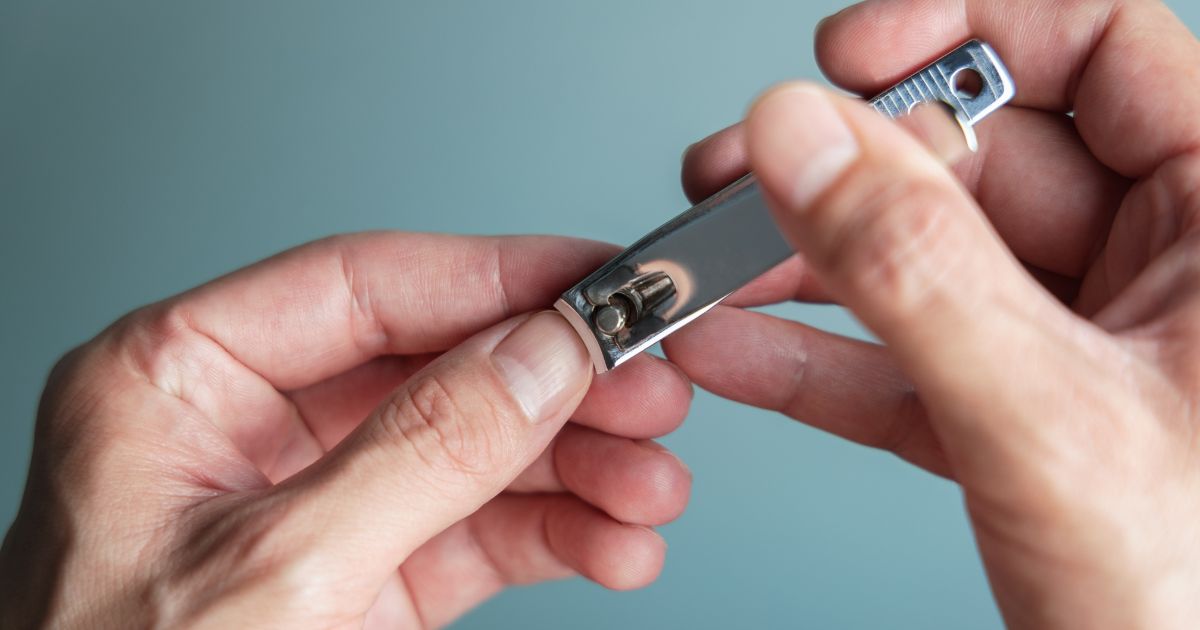
If a nail has already split, don't pull or bite it! Carefully clip it down as close to the fingertip as is comfortable, and use a fine-grit glass file to smooth the edges, filing in one direction only to prevent further fraying. Apply a regenerative serum or thick oil to seal the edge. Protect the finger with a plaster if the split is deep, and wear gloves when cleaning to prevent the split from catching and tearing further.