
Did you know that the average adult's skin weighs approximately four kilogrammes and covers an astonishing surface area of up to two square metres? It is a colossal and highly complex organ. Yet despite being the largest organ in the human body, most of us know considerably less about how it works than we do about the latest smartphone sitting in our pockets. We tend to take our skin for granted, only paying attention when a blemish appears, when it feels uncomfortably dry, or when we notice the first signs of ageing.
Let's rectify that oversight today. We'll take a fascinating biological journey through the individual layers of your skin, uncover their vital functions, and discover exactly how to care for them using the latest advancements in skincare. Since nanoSPACE was founded in 2012, we've been pioneering the use of nanotechnology to protect and nourish your body, and understanding the canvas we're working with is the first step towards achieving a radiant, healthy complexion.
Key takeaways if you're short on time
- Your skin consists of three main layers: the epidermis (the outer protective barrier), the dermis (the middle layer providing strength and elasticity), and the hypodermis (the deepest layer acting as insulation and padding).
- The epidermis constantly renews itself, shedding dead cells and replacing them roughly every 28 days.
- Collagen and elastin, which keep your skin looking youthful and firm, reside in the dermis.
- Proper skincare requires a holistic approach: adequate hydration, robust sun protection, a nutrient-rich diet, and targeted cosmetics that penetrate effectively without disrupting your natural barrier.
The Architecture of Your Skin and the Function of Each Layer
To truly understand how to achieve a glowing complexion, we must first look beneath the surface. Human skin isn't just a simple wrapper for our internal organs; it's a dynamic, living ecosystem that constantly reacts to its environment. It consists of three primary layers, each with its own distinct structure and indispensable role.
- Epidermis (the outer skin) – The thinnest layer on the surface of the skin, serving as your body's primary protective barrier against the outside world.
- Dermis (the true skin) – The robust middle layer containing a dense network of collagen, elastin, blood vessels, and nerve endings.
- Hypodermis (the subcutaneous tissue) – The deepest layer, composed predominantly of adipose (fat) tissue, which insulates the body and protects internal organs.
1) Epidermis: The Surface Protective Barrier
The epidermis is the outermost layer of your skin, and the only part you can actually see. It is a remarkable structure, existing in a constant state of renewal. Old, dead cells on the surface are continuously shed into the environment, whilst fresh, new cells are generated at the base. This complete cellular turnover takes approximately 28 days in a healthy adult, though this process gradually slows down as we age.
Despite being incredibly thin (often no thicker than a sheet of paper on your eyelids), the epidermis is structurally complex. It's divided into several sub-layers, or strata, each containing different types of cells at various stages of their life cycle:
- Stratum basale (basal layer) – This is the foundational bottom layer of the epidermis. It acts as a bustling factory where new skin cells (keratinocytes) are continuously produced through cell division. Importantly, this is also where we find melanocytes, the specialised cells that produce melanin. Melanin is the pigment responsible for determining your skin tone and providing a natural defence against harmful ultraviolet (UV) radiation. Additionally, this layer contains Merkel cells, which are vital for our sense of light touch.
- Stratum spinosum (spinous or prickly layer) – As newly formed cells are pushed upwards from the basal layer, they enter the stratum spinosum. Here, the cells develop tiny, spine-like projections (desmosomes) that interlock with one another. This strong cellular bonding gives the skin its structural integrity, preventing it from tearing easily under physical stress. This layer also houses Langerhans cells, which are a vital part of the skin's immune system, constantly patrolling for invading bacteria and viruses.
- Stratum granulosum (granular layer) – In this layer, the skin cells begin to flatten and produce large amounts of keratin (a tough, fibrous protein) and keratohyalin. As these proteins accumulate, the cells gradually lose their nuclei and other internal structures, effectively dying off to become rigid, protective building blocks. They also secrete lipids (fats) that fill the spaces between the cells, creating a vital waterproof barrier that prevents essential moisture from escaping the body.
- Stratum lucidum (clear layer) – This is a translucent, highly specialised layer found exclusively in areas of thick skin, such as the palms of your hands and the soles of your feet. It consists of densely packed, clear, dead cells that provide an extra level of protection against intense friction and mechanical pressure.
- Stratum corneum (horny layer) – This is the absolute outermost layer of the epidermis, the part you touch when you feel your skin. It's composed of 15 to 30 layers of entirely dead, keratin-filled cells (corneocytes) surrounded by a lipid matrix. Think of it as a brick wall: the dead cells are the bricks, and the lipids are the mortar. This robust barrier protects us from environmental toxins, pathogens, and excessive water loss. These cells naturally flake off over time, making way for the newer cells pushing up from below.
2) Dermis: The Layer That Ensures Firmness and Elasticity
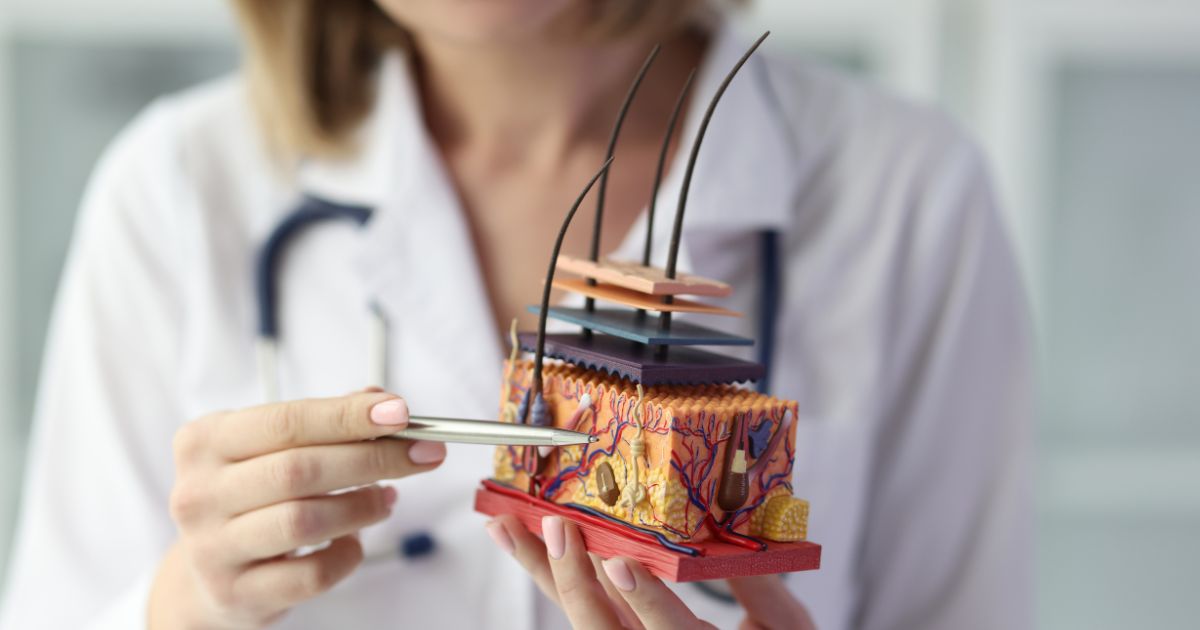
Lying immediately beneath the epidermis is the dermis, which is significantly thicker and acts as the structural foundation of the skin. If the epidermis is the protective outer shell, the dermis is the supportive scaffolding. It's a bustling hub of biological activity, packed with structural proteins, blood vessels, and sensory receptors. What exactly makes up this essential layer?
- Collagen and elastin fibres – These two proteins are the foundational pillars of the dermis. Collagen provides structural rigidity, strength, and firmness, whilst elastin allows the skin to stretch and bounce back to its original shape. Together, they form a dense, flexible mesh. When the production of these proteins declines due to ageing or UV damage, the skin loses its elasticity, leading to sagging and the formation of wrinkles.
- Sebaceous and sweat glands – Sebaceous glands produce sebum, a natural oil that travels up to the skin's surface to lubricate the epidermis and hair follicles, keeping them soft and waterproof. Sweat glands play an essential role in thermoregulation; when your body overheats, they release sweat, which cools the skin as it evaporates.
- Blood vessels and capillaries – Unlike the epidermis, which has no direct blood supply, the dermis is highly vascularised. These blood vessels deliver oxygen and essential nutrients to the skin cells whilst carrying away waste products. They also expand or constrict to help regulate body temperature.
- Nerve endings – The dermis is richly supplied with sensory nerves that allow us to interact with our environment. They transmit signals to the brain, enabling us to feel a wide spectrum of sensations, including light touch, deep pressure, pain, vibration, and variations in temperature.
The health of the dermis is paramount for maintaining a youthful appearance. Protecting this layer from oxidative stress and supporting its collagen production is a primary goal of advanced anti-ageing skincare routines.
3) Hypodermis: Protective and Thermal Insulation
The deepest layer of the skin, the hypodermis (also known as the subcutaneous layer), is composed predominantly of loose connective tissue and lobules of adipose (fat) tissue. Whilst it might not receive as much attention in the beauty world as the upper layers, its biological functions are absolutely vital for our survival:
- Protects internal organs from trauma – The fat in the hypodermis acts as a highly effective shock absorber. It cushions our muscles, bones, and vital organs, protecting them from physical impacts, falls, and everyday bumps.
- Maintains core body temperature – Fat is an excellent insulator. The hypodermis prevents excessive heat loss in cold environments, helping the body maintain its stable core temperature of around 37°C.
- Serves as a vital energy reserve – The adipose tissue stores excess energy in the form of triglycerides. When the body requires extra fuel, these fat cells can be broken down to release energy into the bloodstream.
The thickness of the hypodermis varies significantly depending on the area of the body and the individual's gender, genetics, and lifestyle. As we age, the volume of subcutaneous fat tends to decrease, particularly in the face and hands. This thinning contributes to a hollowed appearance and makes the skin more fragile and sensitive to temperature changes.

Crucial Factors Influencing Skin Health
Your skin is an accurate mirror of your internal health and external environment. Its condition is constantly influenced by a myriad of factors, both within your control and beyond it. Understanding these variables is the first step towards formulating an effective care strategy.
- Genetics – Your DNA plays a fundamental role in determining your basic skin type (whether you lean towards dry, oily, or combination skin). Genetics also influence your susceptibility to specific conditions like eczema, psoriasis, rosacea, and even how early you might begin to show signs of ageing.
- Hormonal fluctuations – Hormones are powerful chemical messengers that profoundly impact the skin. Surges in androgens during puberty can increase sebum production, leading to acne. During pregnancy, hormonal shifts can cause melasma (dark patches). In menopause, the sharp drop in oestrogen levels leads to a rapid decrease in collagen production and skin thickness.
- Hydration levels – Water is the essence of life, and your skin is no exception. If your body is dehydrated, your skin will quickly lose its plumpness, becoming dull, tight, and more prone to fine lines. Adequate water intake is essential for maintaining the fluid balance within the dermal layers.
- Diet and nutrition – What you consume directly provides the building blocks for new skin cells. A diet high in refined sugars and heavily processed foods can trigger a process called glycation, where sugar molecules attach to collagen fibres, making them stiff and brittle. Conversely, a diet rich in antioxidants, vitamins, and healthy fats supports cellular repair and a glowing complexion.
- Ultraviolet (UV) radiation – Unprotected exposure to the sun is arguably the single most damaging external factor for your skin. UVA rays penetrate deeply into the dermis, destroying collagen and accelerating premature ageing (photoageing). UVB rays damage the superficial epidermis, causing sunburn. Both types significantly increase the risk of skin cancer and trigger the overproduction of melanin, leading to stubborn hyperpigmentation.
- Environmental pollution – Living in urban environments exposes the skin to a barrage of airborne pollutants, including particulate matter (PM2.5), volatile organic compounds, and heavy metals. These microscopic particles can infiltrate the skin barrier, generating free radicals that cause oxidative stress, inflammation, and the breakdown of collagen. Just as you might look into how to remove odour and all bad smells from your car to keep your driving environment fresh, you must actively protect your skin from absorbing these airborne toxins with proper cleansing and antioxidant serums.
- Smoking and alcohol consumption – Smoking is disastrous for skin health. It constricts the tiny blood vessels in the uppermost layers of the skin, drastically reducing blood flow and depleting the skin of oxygen and essential nutrients like Vitamin A. It also damages collagen and elastin. Excessive alcohol acts as a powerful diuretic, leading to severe cellular dehydration and exacerbating inflammatory conditions like rosacea.
- Sleep and psychological stress – The term "beauty sleep" is rooted in scientific fact. During deep sleep, the body enters a state of repair, producing human growth hormone and regenerating damaged cells. Chronic lack of sleep, combined with high stress levels, elevates cortisol. High cortisol increases oil production, impairs the skin's barrier function, and slows down the healing process, leading to breakouts and a lacklustre appearance. Creating a calming environment is essential for stress reduction. Whether that means lighting a soothing candle at home or figuring out how to remove odour and all bad smells from your car for a peaceful daily commute, lowering your daily cortisol levels directly improves your skin's appearance.
TARGETED PIGMENTATION CARE
![Set for Pigment Spots [n]Pigment](https://cdn.myshoptet.com/usr/www.nanospace.store/user/shop/big/4669_5881-2-sada-na-pigmentove-skvrny.jpg?69e9d41c)
![[n]Pigment Depigmenting Cream](https://cdn.myshoptet.com/usr/www.nanospace.store/user/shop/big/4666_5860-n-pigment-cream.jpg?69e9d41c)
How to Properly Care for Your Skin
Because your skin constantly battles a barrage of external aggressors that can weaken its barrier and accelerate the ageing process, providing it with consistent, high-quality care is absolutely non-negotiable. A proper skincare routine doesn't need to be overly complicated, but it must be diligent and tailored to your specific physiological needs. The foundations of exceptional skin health rely on the following pillars:
- Consistent hydration – This works from both the inside out and the outside in. Drinking ample water throughout the day ensures your cells remain plump and functional. Topically, using humectants (like hyaluronic acid) draws moisture into the epidermis, whilst emollients and occlusives seal that moisture in, preventing transepidermal water loss.
- Unwavering sun protection – We can't state this strongly enough: applying a broad-spectrum sunscreen with an adequate SPF every single day, regardless of the weather, is the most effective anti-ageing strategy in existence. It acts as a physical or chemical shield, preventing UV radiation from degrading your precious dermal collagen.
- Nutrient-dense nutrition – Your skin thrives on vitamins and minerals. Vitamin C is vital for collagen synthesis; Vitamin E provides powerful antioxidant defence; Vitamin A encourages cellular turnover; and Omega-3 fatty acids help maintain the lipid barrier, keeping the skin supple and reducing systemic inflammation.
- Appropriate, high-performance cosmetics – The products you apply should respect your skin's natural pH and microbiome. Gentle cleansing is necessary to remove daily grime and excess sebum without stripping the skin of its natural oils. Integrating targeted treatments can also address specific concerns. For instance, if you struggle with uneven skin tone and dark spots, incorporating the [n]Pigment Depigmenting Cream into your evening routine can yield transformative results.

Our Top Skincare Recommendation: Nanofibre Masks
One of the greatest challenges in cosmetic science is penetration. The stratum corneum is exceptionally good at its job—keeping things out. Consequently, much of the standard cream or serum you apply simply sits on the surface of your skin, failing to reach the deeper layers where cellular repair actually takes place. This is where nanotechnology fundamentally changes the approach.
An incredibly effective way to deliver active ingredients deeply into the skin is through dry nanofibre masks. Unlike traditional wet sheet masks, which are often swimming in water and require heavy preservatives to prevent bacterial growth, these masks use advanced electrospinning technology. They consist of a web of microscopic, dry nanofibres that have been spun together with potent active ingredients, such as stabilised Vitamin C, Vitamin E, or low-molecular-weight hyaluronic acid.
The magic happens upon application. When the dry nanofibre web comes into contact with moistened skin, the fibres instantly dissolve. This activation process releases the concentrated active ingredients directly into the skin, allowing them to bypass the superficial barrier and penetrate into the deeper epidermal layers where they're needed most.
A massive advantage of this waterless technology is purity. Because the masks are completely dry until the moment of use, they require absolutely zero preservatives, parabens, or silicones—substances that can frequently irritate sensitive skin or disrupt its delicate natural balance. For a complete approach to tackling stubborn pigmentation issues, combining these advanced masks with the Set for Pigment Spots [n]Pigment provides a professional-grade treatment in the comfort of your own home.
Editor's pick
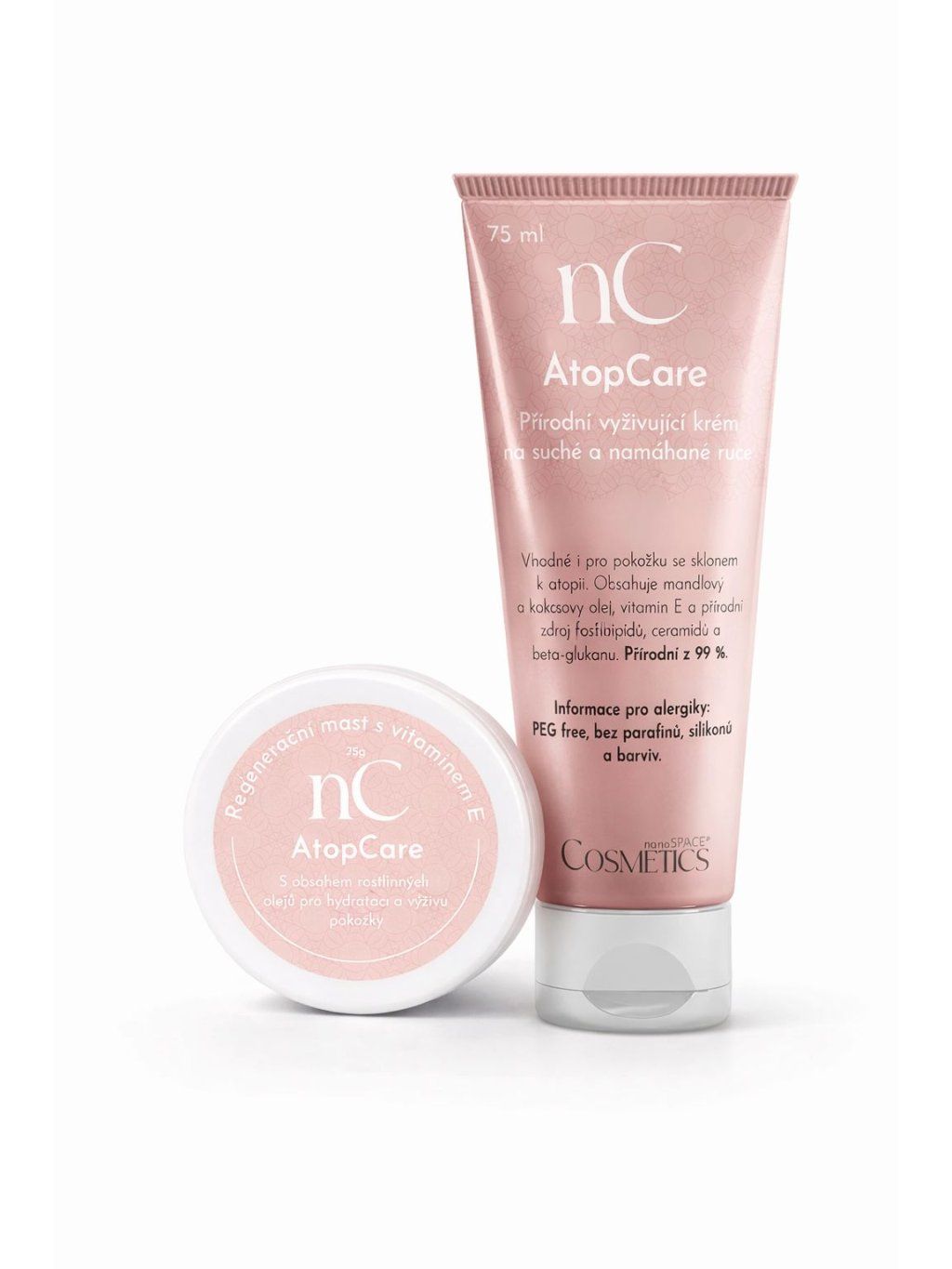
Set for Dry Hands AtopCare
Rescue your dry, cracked, and irritated hands with this intensive, scientifically formulated care set. Perfect for restoring the skin's natural protective barrier.
17.00 €
View productCommon Skin Conditions and How to Resolve Them
Our skin is rarely flawless. It acts as an indicator of our overall wellbeing, and occasionally, its delicate balance is disturbed. Understanding how to manage these common conditions can save you from a great deal of frustration.
If you suffer from acne or your skin becomes excessively oily throughout the day, it's crucial to use gentle, foaming cleansing gels and non-comedogenic moisturisers that won't clog your pores. It's a common myth that oily skin should be dried out. On the contrary, aggressive stripping of oils will only force your sebaceous glands to produce even more sebum in a panic response. Yes, even oily skin requires daily hydration! You might also consider limiting your intake of refined sugars and dairy products, as these are known inflammatory triggers for acne-prone individuals. Just like figuring out how to remove odour and all bad smells from your car after a long, hot summer road trip, managing excess oil and skin bacteria requires a targeted, consistent, and gentle approach.
For those battling dry and highly sensitive skin, the focus must shift to barrier repair. Look for rich, nourishing creams packed with ceramides, squalane, and hyaluronic acid. Avoid washing your face or body with scorching hot water, as high temperatures rapidly melt away the skin's natural lipid barrier, leaving it parched and vulnerable. If the skin on your body is suffering, particularly on your extremities, trying the Set for Dry Hands AtopCare can provide immediate, soothing relief. Ensure you're drinking plenty of water and incorporating healthy fats, like avocados and walnuts, into your daily diet.
If you're noticing the formation of hyperpigmentation or dark spots, prevention is your greatest weapon. Strictly limit deliberate sunbathing and ensure you apply a high-quality SPF cream whenever you're exposed to daylight. To fade existing spots, ingredients like Vitamin C and niacinamide are exceptional for inhibiting melanin transfer and evening out your skin tone. Regular, gentle exfoliation will also help to slough off the uppermost layers of dead, pigmented cells, revealing a brighter complexion beneath. And remember, with our 14-day return policy, experimenting with advanced nanotech skincare to find your perfect routine has never been safer or more convenient.
Frequently asked questions
How many layers of skin does a human have?
Human skin is composed of three primary layers: the epidermis (the outermost layer), the dermis (the middle layer), and the hypodermis (the deepest subcutaneous tissue).
What is the name of the outermost layer of the skin?
The very top, outermost layer of the skin is called the epidermis. Its absolute surface layer, consisting of dead cells, is specifically known as the stratum corneum.
What are the main functions of the skin?
The skin performs several vital physiological functions: it acts as a physical barrier protecting internal organs, regulates core body temperature, enables sensory perception (touch, heat, pain), aids in the excretion of toxins through sweat, and plays a significant role in our immune defence.
In which layer of the skin do we find the highest concentration of collagen fibres?
The vast majority of collagen fibres are located in the dermis (the middle layer). These robust fibres are responsible for providing the skin with its structural strength, firmness, and youthful elasticity.
What are the different skin types?
Dermatologists generally classify skin into four main types: normal, dry, oily, and combination. Additionally, any of these base types can also be sensitive or prone to specific problems like acne or severe dehydration.
In which skin layer is melanin stored?
Melanin, the pigment responsible for the colour of your skin and hair, is produced and stored in the epidermis. Specifically, it is created by melanocytes located in the deepest sub-layer of the epidermis, the stratum basale.
Where on the body is the skin the thickest?
The skin is thickest on the soles of the feet and the palms of the hands. This is an evolutionary adaptation designed to protect these high-impact areas from constant friction and mechanical damage.
Where is the skin the most sensitive?
The skin is exceptionally sensitive on the lips, the eyelids, and the fingertips. These areas feature an incredibly thin epidermis and a remarkably high density of sensory nerve endings.
Sources
- VENUS, Matt; WATERMAN, Jacqueline; MCNAB, Ian. Basic physiology of the skin. Surgery (Oxford), 2010, 28.10: 469-472.
- GEERLIGS, Marion. Skin layer mechanics. 2010.
- AGARWAL, Sanjay; KRISHNAMURTHY, Karthik. Histology, skin. 2019.
- GILABERTE, Yolanda, et al. Anatomy and Function of the Skin. In: Nanoscience in dermatology. Academic Press, 2016. p. 1-14.
- KOLARSICK, Paul AJ; KOLARSICK, Maria Ann; GOODWIN, Carolyn. Anatomy and physiology of the skin. Journal of the Dermatology Nurses' Association, 2011, 3.4: 203-213.
- MONTEIRO-RIVIERE, Nancy A. Structure and function of skin. In: Toxicology of the Skin. CRC Press, 2010. p. 15-32.