
Imagine an invisible shield protecting your skin from bacteria, pollution, allergens, and moisture loss. It works reliably—until you unknowingly weaken it with water that’s too hot, an aggressive scrub, or poorly chosen cosmetics. We’re talking about your skin barrier, the outermost layer of your skin that determines whether your complexion is radiant and hydrated, or irritated, dry, and sensitive to everything. If you’re struggling with redness, flaking, tightness, or a burning sensation after applying a simple cream, you likely have a **damaged skin barrier**. The good news? It can be repaired. In this article, we’ll show you exactly how.
Key takeaways if you're short on time
- Your skin barrier is an invisible shield, preventing moisture loss and blocking irritants from entering the skin.
- The most common culprits of damage are hot water, harsh cleansing, over-exfoliation, stress, and a dry environment.
- Repair requires ceramides, fatty acids, and cholesterol in a 1:1:1 ratio—exactly as your skin naturally contains them.
- Vitamin E protects the barrier from free radicals, and its effect can be doubled when combined with ferulic acid.
- Oat oil can increase ceramide production by up to 70%, making it one of the most powerful natural ingredients for barrier repair.
What is the skin barrier and why is it so important?
When dermatologists talk about the skin barrier, they’re referring to the stratum corneum—the very top layer of the epidermis, a mere 10–30 micrometres thick. The best way to visualise it is as a brick wall. The "bricks" are flattened skin cells called corneocytes, and the "mortar" holding them together is a complex mixture of lipids: ceramides, cholesterol, and free fatty acids. This simple yet ingenious structure serves two fundamental purposes: it keeps water locked inside the deeper layers of your skin, preventing dehydration, and it keeps harmful elements like bacteria, allergens, pollutants, and chemicals out.
This lipid matrix is the true hero of skin health. For it to function optimally, the "mortar" must contain ceramides, cholesterol, and fatty acids in a roughly equal ratio of 1:1:1. As soon as this delicate balance is disrupted—which happens surprisingly easily—the barrier can no longer perform its duties effectively. The wall becomes porous, with gaps appearing in the mortar.
Scientifically, a compromised barrier is measured using a metric called Transepidermal Water Loss (TEWL). A higher TEWL value means more water is escaping from the skin, indicating a more significant level of damage. This constant, invisible evaporation is the direct cause of that uncomfortably tight, dry, and sensitive feeling that signals a **damaged skin barrier** in desperate need of repair.
The tell-tale signs of a damaged skin barrier
A **damaged skin barrier** doesn’t announce itself with one single, obvious symptom. Instead, it presents a collection of interconnected signals that often intensify one another. When your skin loses its protective lipid shield, it becomes hyper-reactive to stimuli that wouldn't have bothered it before. Your once-resilient skin suddenly feels fragile and unpredictable.
Among the most common symptoms is a persistent feeling of dryness and tightness that doesn’t subside even after applying a generous layer of moisturiser. Your skin might start to flake in fine, papery scales, especially around the nose and mouth. You may experience unexplained redness or a stinging, burning sensation when applying cosmetics that were previously part of your trusted routine. For some, tiny cracks can appear, or pre-existing conditions like atopic eczema can suddenly flare up with a vengeance.
Another, more counterintuitive sign, is a sudden increase in oiliness. It seems paradoxical, but when the skin is losing moisture through a compromised barrier, its response is to go into overdrive, producing more sebum to try and compensate for the loss of lipids. This can lead to a shiny, greasy complexion with enlarged pores, all while the underlying skin still feels dehydrated and tight. If any of these signs sound familiar, it's a clear signal that your skin is crying out for help, and it’s time to focus on targeted repair.
What's destroying your skin barrier? (and you probably don't even realise it)
Most people compromise their skin barrier entirely by accident, through daily habits they believe are part of a healthy skincare regimen. Let's unmask the most common culprits that are silently sabotaging your skin’s health.
1. Excessively hot water
A long, steaming shower might feel like the perfect way to unwind after a stressful day, but for your skin barrier, it's a disaster. Hot water acts as a solvent, melting away the protective lipids in the stratum corneum. The essential ceramides and fatty acids that hold your barrier together are literally washed down the drain. Dermatologists recommend showering or washing your face with lukewarm water (ideally below 37°C) for no more than 10 minutes. If you have a tendency towards extremely dry skin, sticking to cooler temperatures is an absolute necessity.
2. Aggressive cleansing products
That "squeaky clean" feeling is not a sign of healthy skin; it's a sign that you've stripped away its natural defences. Foaming gels, harsh soaps, and cleansers containing Sodium Lauryl Sulfate (SLS) are highly effective at removing dirt and oil, but they don't discriminate. They take the beneficial lipids from your skin's surface along with the grime. The more vigorously you cleanse, the more damage you inflict. Proper cleansing should be a gentle, nourishing process, not a stripping one.
Tip: Learn more about how to cleanse your skin correctly to protect your barrier.
3. Over-exfoliation
Chemical exfoliants with AHA and BHA acids, enzymatic masks, and facial cleansing brushes all have their place in skincare, but only when used in moderation. Exfoliating too frequently removes corneocytes faster than your skin can produce new ones. This leads to a thin, fragile, and vulnerable barrier that reacts with irritation to the slightest provocation. It's the definition of "too much of a good thing."
4. Introducing retinoids and acids too quickly
Retinol is one of the most effective anti-ageing ingredients available, but it demands respect. If you start using it too aggressively—with a high concentration or daily application from the get-go—your skin will likely respond with inflammation, peeling, and redness. These are the classic signs of a temporarily **damaged skin barrier**. Dermatologists refer to this adjustment period as "retinisation," and it typically lasts 2–6 weeks. During this phase, providing intensive external support to your barrier is crucial.
5. Stress and lack of sleep
The connection between your mind and your skin is profound. Cortisol, the primary stress hormone, has been shown to directly interfere with the synthesis of lipids in the stratum corneum. During periods of chronic stress, your skin produces fewer ceramides, leading to a weakened barrier function. It’s no coincidence that conditions like eczema and psoriasis often worsen during stressful times. Sleep, on the other hand, is when your barrier undergoes its most intensive regeneration. Depriving yourself of adequate rest actively hinders this vital repair process.
6. Cold, dry air
The winter months are particularly challenging for the skin barrier. Outdoors, it's assaulted by cold winds and low temperatures. Indoors, central heating drastically reduces the air's moisture content. The relative humidity in a heated room can plummet below 30%, while your skin functions best at 40–60%. This dry environment acts like a sponge, pulling moisture directly out of your skin, resulting in increased TEWL and a complexion that feels tight and on the verge of cracking.
7. UV radiation
Even a single dose of UV radiation—well below the threshold that causes a visible sunburn—can deplete up to 50% of the Vitamin E in your stratum corneum. Vitamin E is the skin's primary lipid-soluble antioxidant, working to protect the barrier's lipids from oxidative damage caused by free radicals. Without sufficient Vitamin E, the ceramides and fatty acids in your "mortar" break down more quickly, causing the barrier to weaken and become less resilient.
How to repair your damaged skin barrier: a step-by-step guide
Restoring a **damaged skin barrier** isn’t about finding a single miracle product. It's a systematic process that requires patience, consistency, and the right approach. The encouraging news is that with the correct steps, you can start to feel a significant improvement within just 48 hours.
Step 1: Simplify your routine to the bare essentials
The first and most important step is to declare a ceasefire. Stop using all active ingredients immediately. This means pressing pause on retinoids, exfoliating acids (glycolic, salicylic, lactic), potent Vitamin C serums, and any physical scrubs or peels. Pare your routine back to three simple steps: gentle cleansing, barrier-focused moisturising, and sun protection. Nothing more. Your skin needs a period of peace and quiet to regenerate, not more stimulation. Adhere to this minimalist "skin fast" for at least two to four weeks.
Step 2: Replenish ceramides, fatty acids, and cholesterol
Remember the brick wall analogy? The "mortar" holding your skin cells together consists of three lipid classes in a 1:1:1 ratio, and you need to replenish all three topically. Look for products formulated with ceramides (specifically ceramide NP, AP, and EOP), plant oils rich in essential fatty acids (such as oat, coconut, or sunflower oil), and cholesterol. A landmark study in the Journal of Investigative Dermatology confirmed that if even one of these components is missing from a topical formulation, the barrier repair process is significantly slowed down.
In this context, oat oil is a particularly compelling ingredient. Research by Reynertson et al. (2015) revealed that the beta-glucans and avenanthramides in oat oil activate specific receptors (PPARs) in skin cells, which in turn stimulates the skin's own ceramide production by up to 70%. This makes oat oil one of nature's most powerful allies in rebuilding a robust lipid barrier.
Step 3: Add protective antioxidants—Vitamin E and ferulic acid
Vitamin E (tocopherol) is the predominant lipid-soluble antioxidant found in the stratum corneum. Its primary job is to protect the ceramides and fatty acids from being broken down by free radicals. In other words, it prevents the "mortar" in your skin barrier from crumbling. Studies consistently show that the topical application of Vitamin E increases skin hydration and reduces TEWL.
Even more effective is the combination of Vitamin E with ferulic acid. A pivotal study published in the Journal of Investigative Dermatology (Lin et al., 2005) demonstrated that adding ferulic acid to a solution of vitamins C and E doubled its photoprotective capacity. Furthermore, ethyl ferulate, a more stable form of ferulic acid, offers anti-inflammatory benefits with a slow-release mechanism, ensuring longer-lasting protection for your vulnerable skin.
Step 4: Support your barrier from the inside out
Topical care is only half the battle. A diet rich in omega-3 fatty acids (found in oily fish, walnuts, and flaxseed) and Vitamin E (from almonds, avocado, and olive oil) provides the internal building blocks for lipid production. Proper hydration is non-negotiable—a lack of fluids will manifest in your barrier function surprisingly quickly. Finally, aim for 7–9 hours of quality sleep per night. This is your skin’s prime time for regeneration, when the barrier repair processes are most active and efficient.
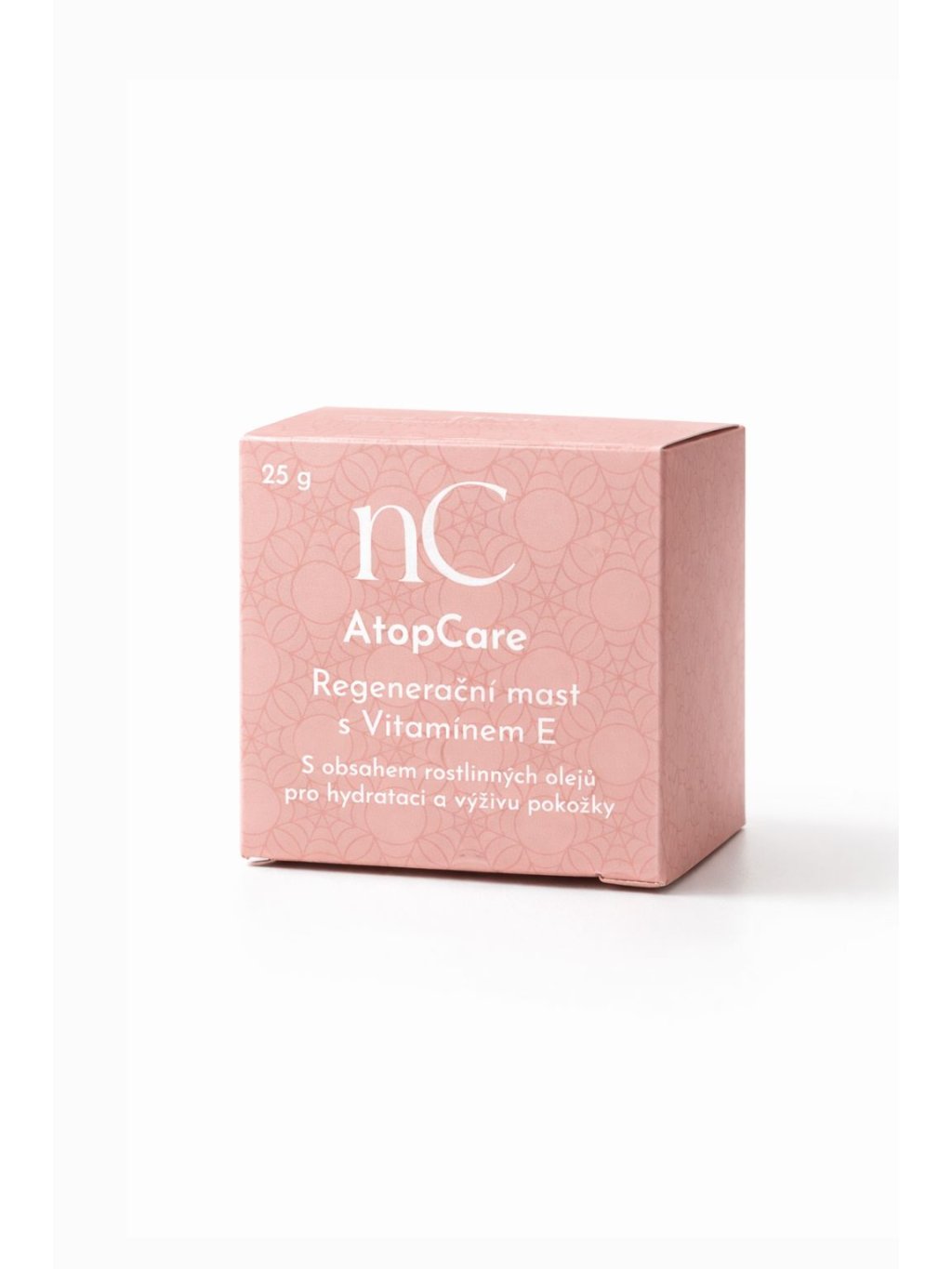
Editor's pick
AtopCare Regenerative Vitamin E Ointment
Intensive, natural care designed to restore a **damaged skin barrier**. This ointment combines a high concentration of Vitamin E, restorative oat oil, coconut oil, and ethyl ferulate—exactly what compromised skin needs. Free from parabens, silicones, and fragrance.
10.00 €
View productThe power trio: why oat oil, Vitamin E, and ethyl ferulate work better together
In dermatology, the concept of synergy is vital—it’s when a combination of ingredients produces a result far greater than the sum of their individual effects. This is precisely the case with the trio of oat oil, Vitamin E, and ethyl ferulate. They work in concert to provide comprehensive support for a **damaged skin barrier**.
Oat oil delivers avenanthramides, unique antioxidants found exclusively in oats. These compounds have clinically proven anti-inflammatory and anti-itch properties, providing immediate relief to irritated skin. Simultaneously, they stimulate the skin’s own ceramide production. Vitamin E then steps in as a guardian, shielding these newly formed ceramides and other lipids from oxidative stress. Finally, ethyl ferulate enhances the entire formulation with its own potent anti-inflammatory action and its ability to stabilise and potentiate Vitamin E within the skin.
This isn't a random assortment of ingredients; it's a carefully engineered combination designed for maximum efficacy. While many creams contain Vitamin E at concentrations of 0.5–2%, a more potent formulation, such as the AtopCare Regenerative Vitamin E Ointment, provides superior support for barrier restoration. Because it is formulated without parabens, silicones, or synthetic fragrances, it is exceptionally well-suited for extremely sensitive, atopic, or even children's skin.
How long does it take to repair the skin barrier?
There is no one-size-fits-all answer to this question, as the timeline depends on the extent of the damage, your age, lifestyle, and even your genetics. However, a general timeline can provide a useful guide:
- 24–48 hours: You should begin to feel the first signs of relief. Redness and tightness will start to subside as hydration levels improve.
- 1–2 weeks: Visible improvements will become more apparent. Flakiness will diminish, sensitivity will decrease, and your skin will look and feel more hydrated and comfortable.
- 4–6 weeks: This is typically how long it takes for a complete restoration of the barrier, including the full normalisation of Transepidermal Water Loss (TEWL).
It's important to recognise that the repair process slows with age. By the time you are 30, your skin naturally has about 40% fewer ceramides than it did in your 20s. By age 40, that deficit increases to around 60%. This age-related decline makes it increasingly important to supplement your skin with barrier-supporting lipids from external sources, whether through nourishing body creams, intensive ointments, or protective body oils.
Throughout the recovery period, be kind to your skin. Resist the temptation to speed up the process by adding more products. In barrier repair, less is truly more. Above all, be patient. Your skin barrier was built over years, and recovering from damage will take, at minimum, several weeks of dedicated care.
Complete Care for Barrier Repair
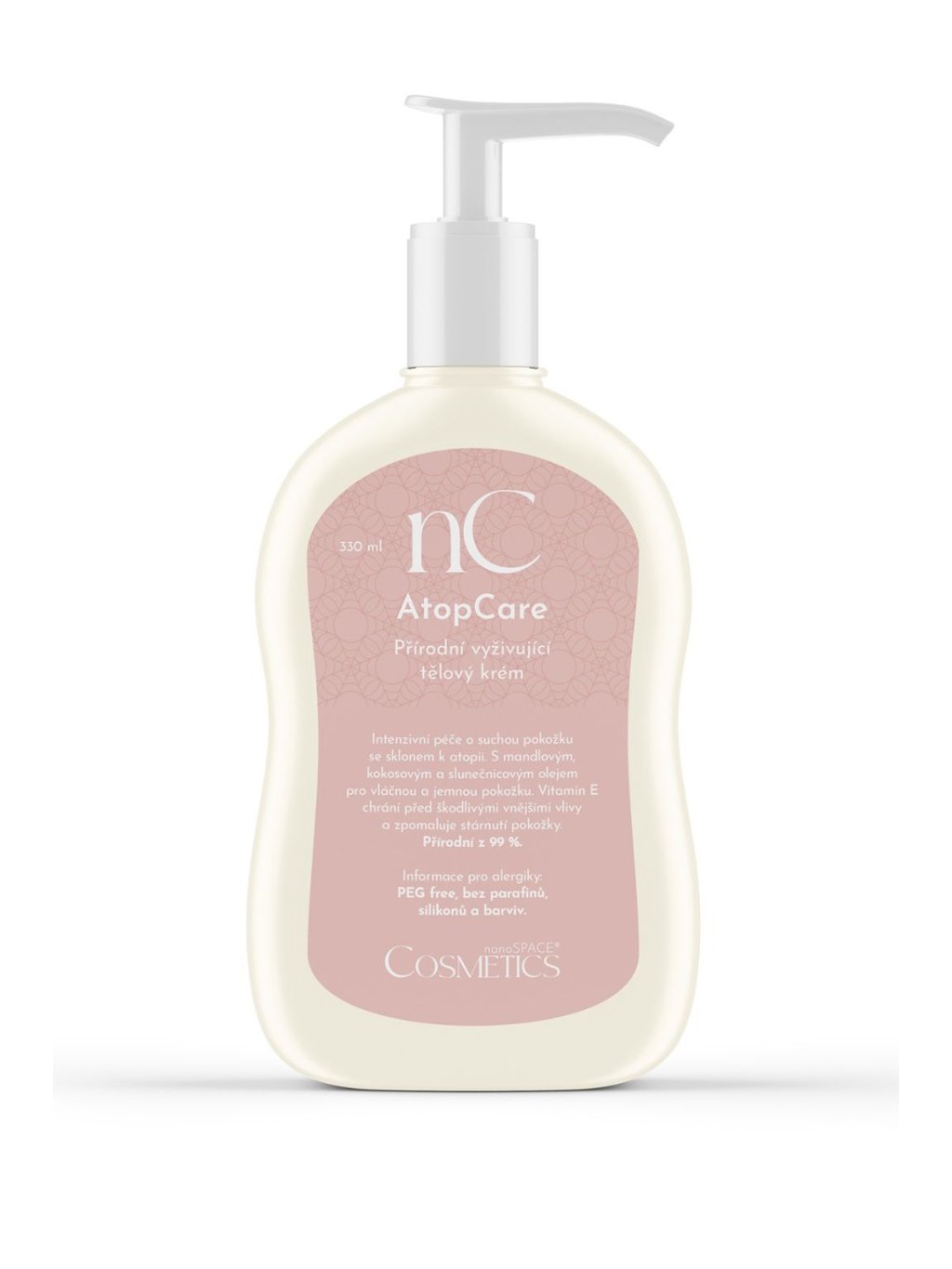

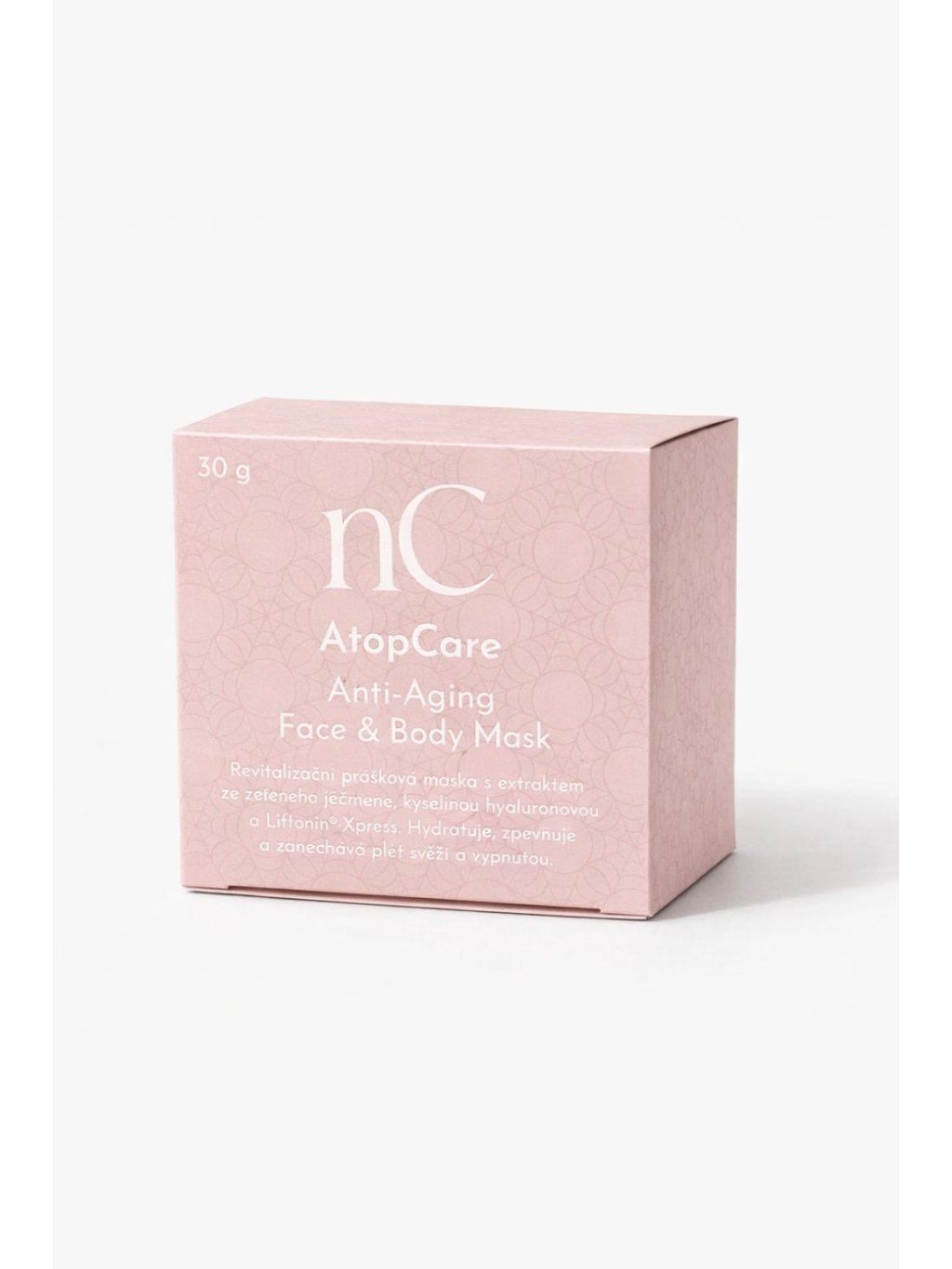
What to avoid while your barrier is healing
When your skin barrier is compromised, the worst thing you can do is carry on with your usual routine. Certain products and habits that might be beneficial under normal circumstances can cause more harm than good during this delicate healing phase.
Set aside your retinoids and all chemical exfoliants—glycolic, salicylic, and lactic acids included. While these ingredients accelerate cell turnover, they also thin the stratum corneum, which is the very layer you are trying to strengthen. Avoid products with a high concentration of denatured alcohol (often listed as alcohol denat.), as it is extremely drying and will strip lipids from the skin's surface. Make shorter, lukewarm showers the rule, not the exception.
If you wear makeup, opt for lightweight, non-irritating formulas and always remove it gently with a cleansing balm or micellar water, never a harsh foaming gel. Most importantly, do not try to scrub away any flakiness with a physical exfoliant. The flakes are a symptom, not the problem; the real issue is the **damaged skin barrier** underneath.
A special case: the skin barrier and atopic skin
For individuals with atopic eczema, a **damaged skin barrier** is not just a temporary symptom but the very foundation of the condition. Research has shown that people with atopic dermatitis often have a genetic deficiency in producing filaggrin, a protein essential for the proper formation of the stratum corneum. The result is a barrier that is inherently thinner, more permeable, and more susceptible to irritation from birth.
Therefore, all the rules mentioned above apply with double the importance for atopic skin, with one crucial addition: product formulations must be exceptionally gentle. This means no fragrances, no dyes, and no harsh preservatives. The ideal products have a short ingredient list where every component serves a clear, demonstrable regenerative purpose. For a deeper dive into this topic, we recommend reading our comprehensive article on what helps atopic eczema.
Conclusion: your skin barrier deserves your attention
A healthy, functioning skin barrier is the foundation of beautiful, hydrated, and resilient skin. Without it, even the most expensive serums and potent active ingredients cannot work effectively. Restoring your barrier doesn't require complicated procedures or costly products; it requires an understanding of what your skin truly needs: ceramides, fatty acids, antioxidants, and above all, a period of calm.
Tip: Discover what truly works for extremely dry skin—a science-backed overview.
Simplify your routine, choose products with proven, barrier-supporting ingredients, and give your skin the time it needs to heal. In four to six weeks, you will be rewarded with a stronger barrier, more hydrated skin, and a complexion that feels comfortable and calm. That result is well worth the patience.
Frequently asked questions
How do I know if I have a damaged skin barrier?
The most common signs are a persistent feeling of dryness and tightness, redness, flaking, a burning sensation after applying cosmetics, and increased overall sensitivity. If a cream that you previously loved suddenly causes discomfort, it's a strong indicator that your barrier is compromised.
How long does it take to repair the skin barrier?
You can expect to feel initial relief within 48 hours and see visible improvement in 1–2 weeks. However, a complete restoration of the barrier's function typically takes 4–6 weeks, depending on the extent of the damage, your age, and your overall skin condition.
Can I use retinol if my skin barrier is damaged?
No, you should pause the use of retinol and other active ingredients like AHA/BHA acids or acidic forms of Vitamin C until your barrier is fully restored. These substances accelerate cell turnover but can further thin a compromised stratum corneum, slowing down the regeneration process.
Does Vitamin E help to repair the skin barrier?
Yes, absolutely. Vitamin E is the main lipid-soluble antioxidant in the stratum corneum, protecting ceramides and fatty acids from oxidation. The topical application of Vitamin E has been proven to reduce TEWL (Transepidermal Water Loss) and its protective effect can be doubled when combined with ferulic acid.
What ingredients should I look for in a barrier repair cream?
Look for products containing ceramides, cholesterol, and plant oils rich in fatty acids (such as oat, coconut, or sunflower oil). Antioxidants like Vitamin E and ferulic acid are also highly beneficial. The ratio of lipids is important—ideally, ceramides, cholesterol, and fatty acids should be present in a balanced formulation.

Sources
- Man, M. Q., Feingold, K. R., & Elias, P. M. (1993). Exogenous lipids influence permeability barrier recovery in acetone-treated murine skin. Archives of Dermatology, 129(6), 728–738.
- Reynertson, K. A., et al. (2015). Anti-inflammatory activities of colloidal oatmeal (Avena sativa) contribute to the effectiveness of oats in treatment of itch associated with dry, irritated skin. Journal of Drugs in Dermatology, 14(1), 43–48.
- Lin, J. Y., et al. (2005). Ferulic acid stabilizes a solution of vitamins C and E and doubles its photoprotection of skin. Journal of Investigative Dermatology, 125(4), 826–832.
- Thiele, J. J., et al. (1998). Depletion of human stratum corneum vitamin E: an early and sensitive in vivo marker of UV induced photo-oxidation. Journal of Investigative Dermatology, 110(5), 756–761.
- Imokawa, G., et al. (1991). Decreased level of ceramides in stratum corneum of atopic dermatitis: an etiologic factor in atopic dry skin? Journal of Investigative Dermatology, 96(4), 523–526.