
Imagine going to bed without brushing your teeth, then waking up the next morning and applying an expensive whitening paste straight over the overnight plaque. It sounds absurd, doesn't it? Yet this is exactly how many of us treat our complexions every single day. Proper skin cleansing is the foundation of any skincare routine that actually works. Without this crucial first step, even the most luxurious, scientifically advanced serums and moisturisers simply can't do their jobs. Throughout the day, our skin accumulates an invisible mix of urban smog, microscopic dust, sweat, dead cells, and excess sebum. Fail to wash this layer away thoroughly every evening, and it clogs pores, stops the skin from breathing, and creates the perfect breeding ground for breakouts and premature ageing. Worse still, this barrier of daily grime physically blocks the active ingredients in your pricey cosmetics from reaching the deeper layers where they are needed most.
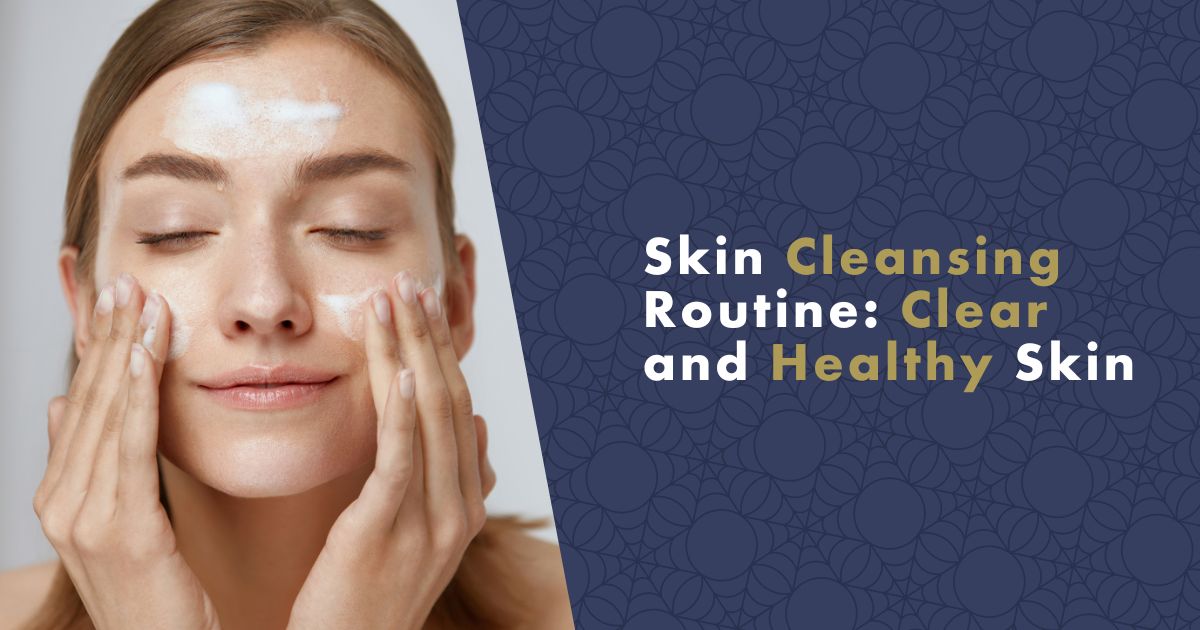
While washing your face might seem like the simplest task in the world, the reality is quite different. The vast majority of common skin complaints—from that uncomfortable tight feeling and persistent redness to stubborn acne and early wrinkles—stem from a flawed skin cleansing routine. In this guide, we'll explore exactly how to wash your face properly, debunk persistent beauty myths, and share professional techniques that can genuinely transform your complexion. You'll discover why hot water has no place at your bathroom sink, the real science behind the much-debated double cleansing method, and why maintaining the correct pH is the secret to a glowing, healthy face.
Key takeaways if you're short on time
- Cleansing is the most important step in skincare; without it, the active ingredients in your serums and creams cannot get through the barrier of sebum and daily pollution.
- Healthy skin needs an acidic environment, ideally a pH between 4.5 and 5.5, which protects the skin barrier and microbiome from harmful bacterial overgrowth.
- Harsh formulas and physical scrubbing do real damage, stripping the skin of its natural ceramides and essential fatty acids, leading to dehydration, flaking, and chronic irritation.
- Double cleansing isn't for everyone. While it works wonders for removing waterproof make-up and heavy SPF on oily skin, it can stress and dry out highly sensitive complexions.
- Water should always be lukewarm, as hot water sharply increases transepidermal water loss and melts away the skin's protective lipid layer.
Why skin cleansing is the foundation of your skincare routine
Our skin is a fascinating, highly complex organ designed to protect our internal systems from the outside world. To do this, it relies on a microscopic shield known as the acid mantle, along with a diverse, thriving ecosystem called the skin microbiome. The natural pH of a healthy complexion sits firmly in the mildly acidic range, specifically between 4.5 and 5.5. This acidic environment is vital for the structural integrity of your skin barrier. It works like an invisible fortress, holding back the multiplication of harmful bacteria while nourishing the beneficial microbes that keep your skin resilient and clear.
When you wash your face with a traditional, highly alkaline bar of soap (which typically has a pH of 9 or 10), you're quite literally washing this protective shield down the plughole. A study published in the journal Dermatology and Therapy in 2024 showed that skin cleansing products formulated with a pH below 5 actively support and restore a healthy skin microbiome. Subject your face to harsh, unsuitable cleansers, and your skin has to expend a massive amount of cellular energy dragging its pH back to its normal acidic baseline. During this vulnerable recovery window, your complexion is left defenceless, prone to inflammation, and highly susceptible to moisture loss.
As you go about your day, your face acts like a magnet. It gathers a sticky mixture of natural sebum, shedding skin cells, sweat, degraded cosmetic filters, and microscopic airborne pollution. Neglect to wash this away before your head hits the pillow, and it oxidises and mixes inside your pores, forming a solid, stubborn plug. The result? Blackheads, medically known as open comedones, which can quickly turn into painful, inflamed acne. Understanding your starting point is crucial before you try to fix any of this. If you're unsure how your complexion reacts to different ingredients, we highly recommend reading our detailed guide on how to discover your skin type, which will help you build a routine that actually works.
How often should you cleanse, and what exactly is over-cleansing?
The golden rule that dermatologists broadly agree on is simple: you should cleanse your face twice a day, morning and evening. Your evening skin cleansing routine is non-negotiable. This is when you remove the day's build-up of environmental dirt, stubborn make-up, and tenacious SPF creams—products specifically designed to cling to your skin for hours. Skip this evening ritual, and your skin has no chance to undergo its vital overnight regeneration. Instead of repairing damage and producing fresh collagen, it suffocates under a layer of grime.
Your morning cleanse, however, calls for a much gentler approach. While you haven't been wearing make-up or dodging exhaust fumes in your sleep, your skin has still been busy. Overnight, it produces sebum, sweats, and sheds dead cells, leaving a microscopic film of cellular debris alongside traces of whatever was lingering on your pillowcase. You also need to gently wash away any unabsorbed remnants of your night creams and overnight masks, preparing a clean, receptive canvas for your morning antioxidants and sun protection. The only exception to the twice-a-day rule is after intense exercise. If you sweat heavily at the gym, rinse and gently cleanse your face straight afterwards, before the salt and sweat can dry and block your pores.
In the pursuit of a flawless, squeaky-clean complexion, many people fall into a damaging trap: over-cleansing. If you wash your face too often, or rely on aggressively foaming gels packed with harsh sulphates, you're essentially eroding your skin at a microscopic level. You strip away the ceramides, cholesterol, and free fatty acids that make up your protective moisture barrier. Sensing this assault, your skin reacts in one of two ways: it either becomes dehydrated, tight, and flaky, or it panics and sends its sebaceous glands into overdrive, producing a slick of excess oil to make up for the sudden drought.
Cleansing versus make-up removal: understanding the crucial difference
One of the most widespread and damaging misconceptions in the beauty world is treating make-up removal and skin cleansing as the same process. They're two entirely different things. Make-up removal is strictly step one. Its only job is to break down and dissolve the layer sitting on top of your skin—the waterproof mascara, the high-coverage concealer, and the stubborn silicone polymers found in modern sunscreens. Make-up removers, such as cleansing balms, oils, or micellar waters, are formulated with solvents designed to tackle these heavy, water-resistant compounds.
Cleansing, on the other hand, is what happens immediately after the make-up is gone. A good face wash works deeper. It binds to and washes away your biological waste—the sweat, oxidised sebum, and dead skin cells—flushing out the pores. Think of it like cleaning a muddy kitchen floor: you have to sweep up the loose debris first (make-up removal) before you can get to work with a mop and hot soapy water (cleansing). Trying to cleanse without removing make-up first is like trying to mop that floor while it's still covered in thick mud—you're just pushing the dirt around.
Face wash steps: how to cleanse your face correctly
Mastering a good skin cleansing routine is not rocket science, but it does require sticking to a few fundamental rules. If you want to know how to wash your face for the best results with the least irritation, follow these professional steps:
1. Everything begins with clean hands. It sounds obvious, but if you don't wash your hands with soap before touching your face, you're simply transferring bacteria from your computer keyboard, phone screen, and door handles straight onto your skin. Never skip this step.
2. If you're wearing make-up or water-resistant SPF, start with a dedicated make-up remover. Apply your chosen oil or balm to dry skin and use gentle, circular motions to melt the cosmetics away. Never rub or tug at the delicate skin around your eyes; simply press a soaked cotton pad against the lashes and give the product a few seconds to dissolve the mascara on its own.
3. Now comes the actual skin cleansing phase. Apply a pea-sized amount of your chosen cleansing gel or foam to a damp face. Using the soft pads of your fingertips, massage the product into your skin for a full 60 seconds. Don't rush this. Pay special attention to often-neglected areas around the nose, the hairline, and the jawline—and never forget your neck. Your strokes should always sweep upwards and outwards, against gravity, so you don't drag the skin down and encourage wrinkles.
4. Rinsing is where most people make a serious mistake. The water must be strictly lukewarm. Splashing your face with hot water causes thermal shock, dilates your capillaries, and speeds up transepidermal water loss (TEWL), leaving your skin dry and inflamed within seconds. Rinse until every last trace of cleanser is gone.
5. The final step is drying. Never scrub your face with a rough terry bath towel. Instead, set aside a soft, clean towel just for your face (never the one you dry your hands with) and gently pat or press it against your skin to absorb excess water. Ideally, leave your complexion slightly damp, as this noticeably improves how well your hydrating serums and creams absorb.
Choosing the right skin cleansing products for your skin type
Finding the best cleanser for your daily routine depends entirely on what your skin actually needs right now. At nanoSPACE, we firmly believe that less is more. When developing our own nanoSPACE Cosmetics and the AtopCare range, we spent years refining the formulas. We originally created them for ourselves, out of sheer frustration at not being able to find anything on the market that wouldn't trigger our sensitive, reactive skin. We never compromise on the quality of raw materials or active ingredients, and we apply the exact same standards to other brands: before we let any third-party product onto our shop, we test it thoroughly. We reject far more products than we accept.
Our most popular products for gentle cleansing
Oily skin
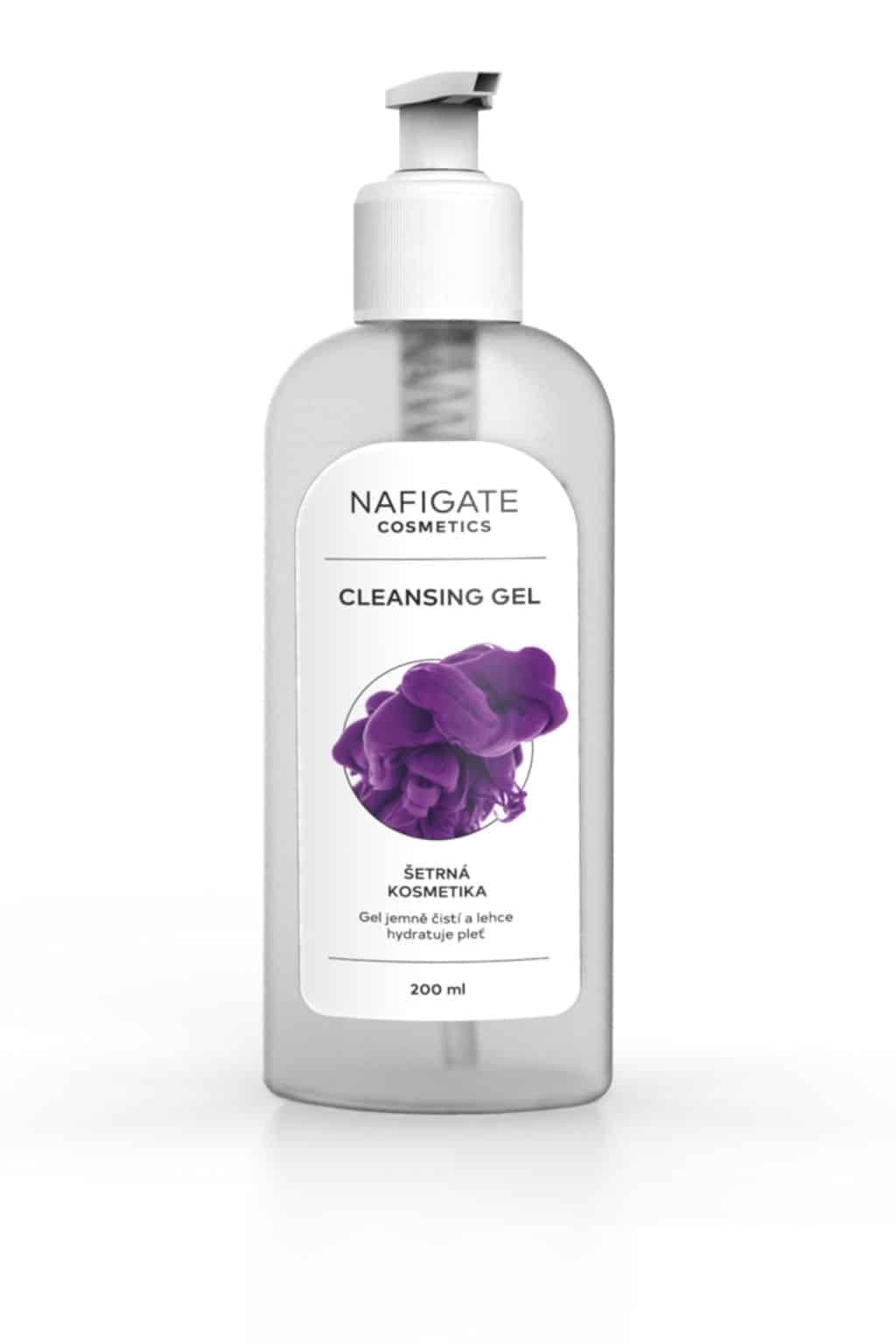
Managing oily skin is all about careful balance. People dealing with excess shine often make the mistake of attacking their complexions with harsh, alcohol-laden toners and stripping soaps. This is a huge mistake. Your skin might feel matte and tight for an hour, but your sebaceous glands will quickly register the dehydration and pump out twice as much oil to protect the compromised barrier. Instead, look for lightweight, water-based gels that clean deep into the pores without causing a moisture drought. A great choice is the Gentle Cleansing Gel – Cleansing Gel 200 ml from Nafigate. Formulated with nourishing coconut oil extracts and exceptionally mild surfactants, it dissolves grime while leaving your skin fresh and balanced. For a deeper look at controlling sebum, explore our dedicated guide on how to care for oily skin.
Dry, sensitive, and atopic skin
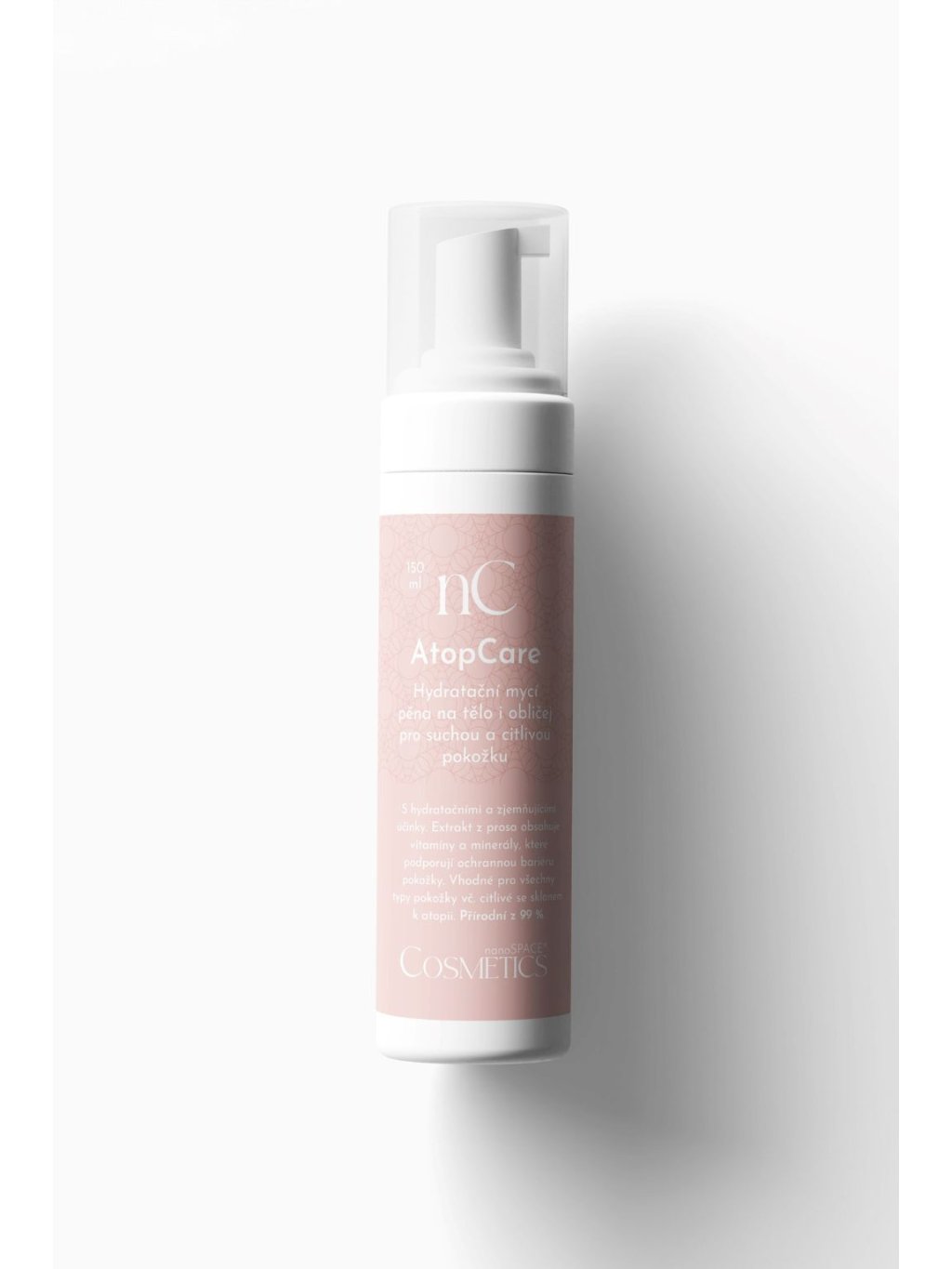
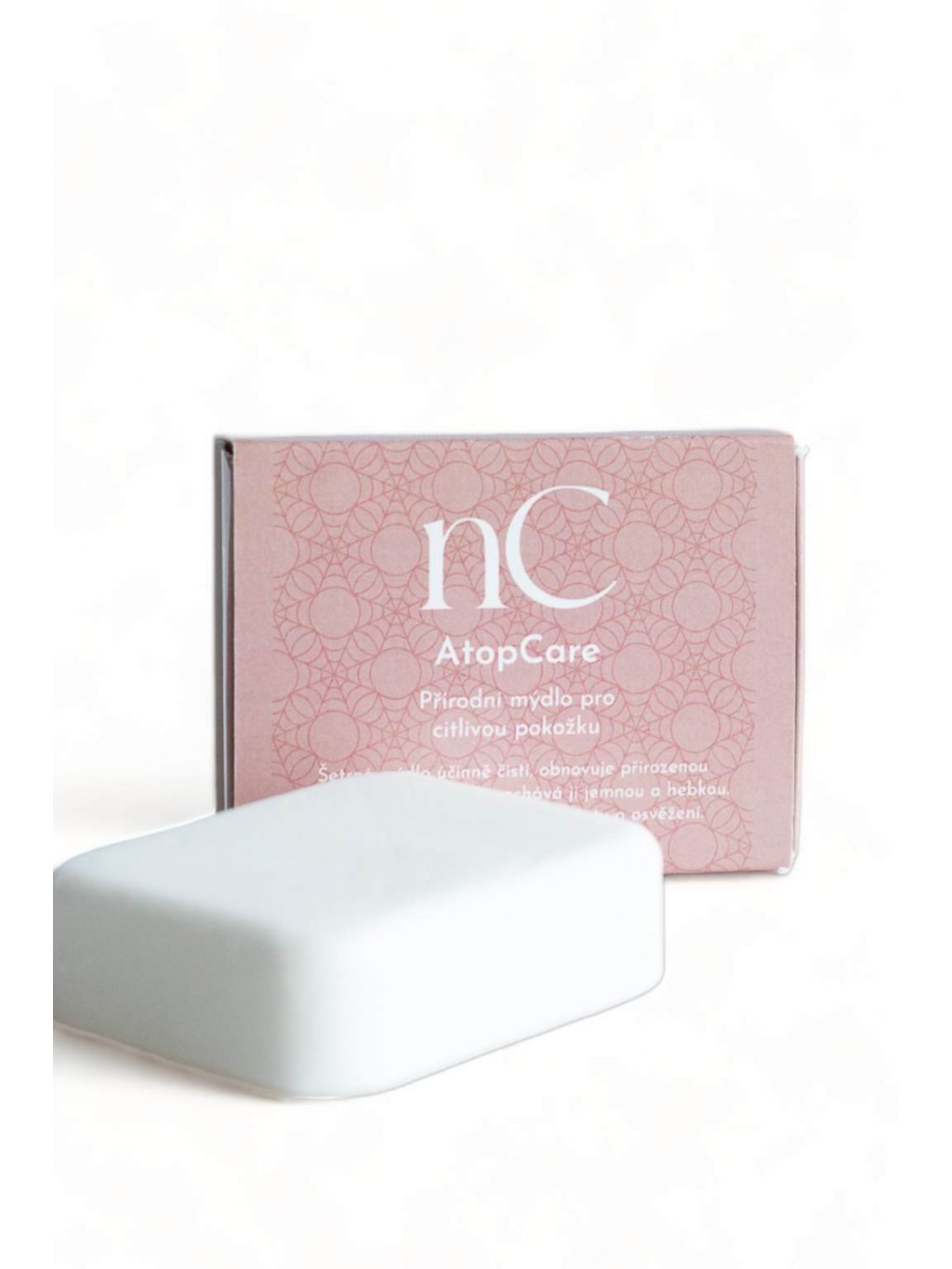
If your face feels uncomfortably tight or itchy, or breaks out in red patches the moment you step out of the shower, you need maximum gentleness. Standard commercial soaps are completely off-limits. To address exactly this struggle, we developed the Moisturizing Cleansing Foam for Body & Face AtopCare 150 ml. This cloud-like foam is powered by a unique millet postbiotic complex that soothes irritation, hydrates deeply, and supports a healthy skin microflora. If you prefer the feel of a solid bar, reach for our Natural Soap for Sensitive Skin AtopCare. Enriched with the ingredient Dermosoft® decalact, it helps restore your fragile protective barrier and is so mild that it's safe even for young children. Discover more soothing strategies in our detailed article on caring for dry skin.
Problematic and acne-prone skin
When you're dealing with active acne, the most important rule is to stop scrubbing. Physical abrasion will only rupture the spots and spread acne-causing bacteria across your face, triggering a fresh breakout. Your cleansing routine needs to be thorough but completely non-abrasive. You need ingredients that can slip inside the pore and dissolve the blockage from within.
When a stubborn breakout does appear, you need to step in locally, sensibly, and quickly. For exactly these moments, we developed our nanofiber technology. If you're battling larger clusters of spots or widespread hormonal breakouts along the jawline, we highly recommend our most potent, targeted treatment in this category.
![[n]Acne MAX Nanofiber Patches for Large-Area Skin Treatment](https://cdn.myshoptet.com/usr/www.nanospace.store/user/shop/orig/4576_5830-shoptet-profil-foto-1.jpg)
Editor's pick
[n]Acne MAX Nanofiber Patches
Innovative nanofiber patches developed specifically for treating larger areas of acne-prone skin. Potent herbal extracts soothe the complexion, visibly reduce redness, and support intensive overnight regeneration.
View productThese advanced patches create an ideal healing environment while you sleep. We unpack the science behind this technology in our article explaining how acne patches work. For a complete plan against persistent breakouts, read our ultimate guide: how to get rid of acne, and if you're facing a sudden emergency before a big event, check out our tips to get rid of acne in 1 day.
Normal and mature skin
Mature skin also needs a specific, tailored approach. As we age, our natural production of hyaluronic acid and essential lipids drops sharply; the skin becomes visibly thinner, more fragile, and prone to moisture loss. Your cleansing products should shift to rich, creamy, or highly hydrating gel textures, with a strong emphasis on preserving what's left of your moisture barrier. The moment right after washing is the best time to apply your anti-ageing actives. To understand which ingredients actually penetrate and work, read our breakdown of acids in skin care.
Double cleansing: is this popular method right for you?
Double cleansing has exploded in popularity over recent years, going from a niche beauty secret to a global skincare phenomenon. Originating from the meticulous, multi-step routines of Korean skincare, the idea is elegantly simple: you use two distinctly different types of cleanser, one after the other, in a single evening.
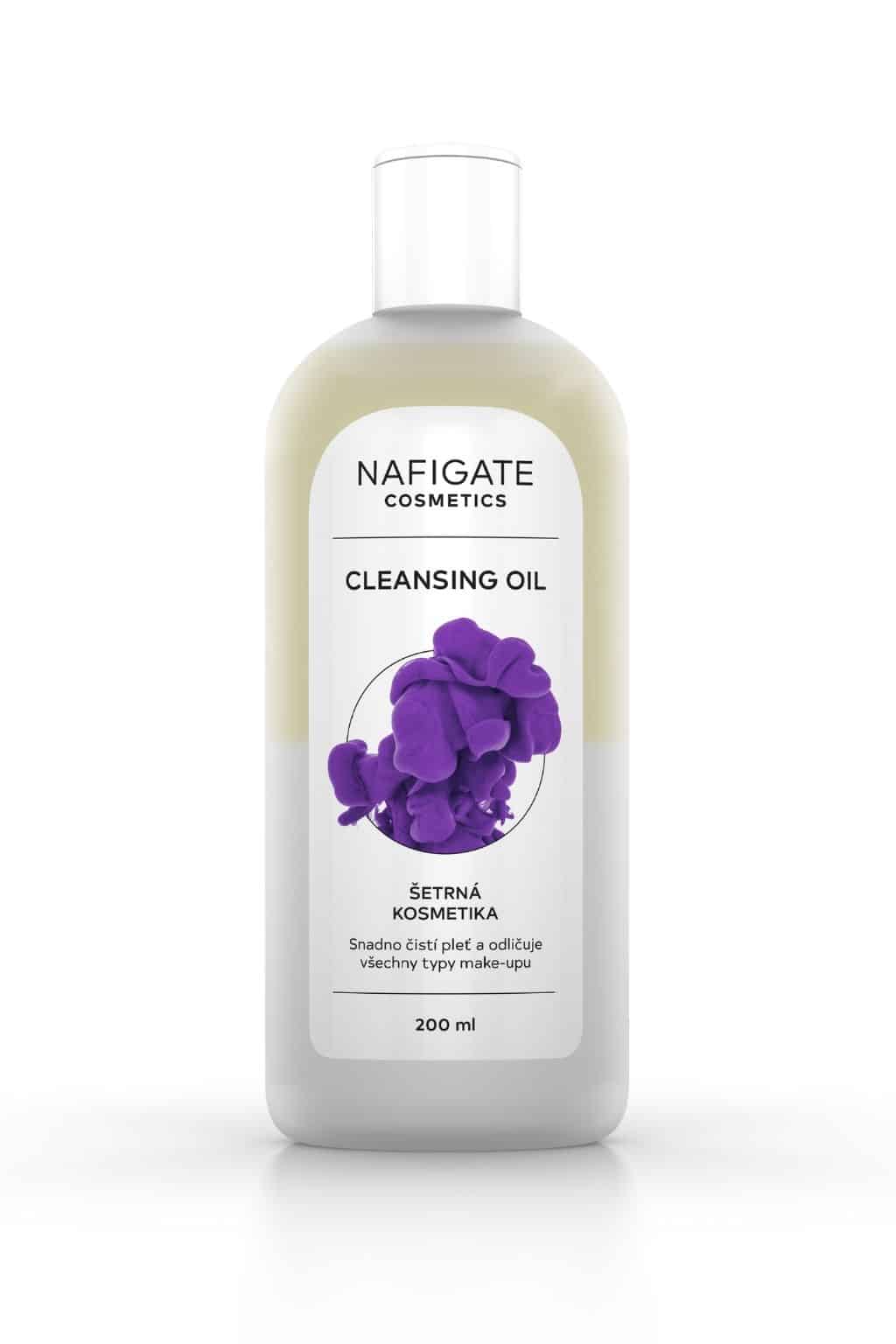
The first phase calls for a lipophilic (oil-based) product. A basic rule of chemistry is that like dissolves like, meaning oil attracts oil. An oil cleanser is unbeatable at breaking down heavy, water-resistant make-up, thick layers of mineral SPF, and the stubborn, oxidised sebum trapped inside your pores. For this first step, we highly recommend the Two-Phase Cleansing Oil 200 ml. The second phase follows immediately, using a hydrophilic (water-based) product—usually a light gel or airy foam. This second wash sweeps away the emulsified oil left from phase one and cleans the pore lining itself.
But is double cleansing essential for absolutely everyone? Certainly not. If you wear full-coverage foundation every day, regularly reapply heavy sunscreens, spend your days in a heavily polluted city, or have a very oily complexion, you'll love the results of double cleansing. However, if your skin is very dry, has a compromised barrier, or is prone to atopic eczema, two consecutive washes may stress and dry it out unnecessarily. In these delicate cases, a single, high-quality, ultra-gentle product is more than enough.
Deep skin cleansing: home treatments versus visiting a beautician
While your daily skin cleansing routine keeps your skin healthy day to day, every now and then your complexion needs a more intensive, professional treatment. Deep skin cleansing aims to remove compacted dead skin cells, clear stubbornly blocked pores, and stimulate cellular turnover. The age-old question is whether to attempt this at home or leave it to a trained professional.
Booking an appointment with a qualified beautician means a safe, clinical approach. A professional has the equipment to properly steam and soften the skin, perform sterile manual extractions of deep blackheads without causing permanent scarring, and apply highly concentrated, professional-grade serums. The cost of such a treatment generally ranges from €35 to €110 per visit. The ideal frequency for professional deep cleansing is roughly once every 4 to 6 weeks, which lines up neatly with your skin's natural renewal cycle.
If you prefer to do your deep skin cleansing at home, you can still get wonderful, glowing results for a fraction of the cost—as long as you know exactly what you're doing. The foundation of safe home treatment is a good purifying mask or a gentle chemical exfoliant. Steer well clear of harsh physical scrubs containing crushed walnut shells or jagged apricot kernels, as these cause microscopic tears across your skin. A great ally for your at-home spa day is our Anti-Aging Face and Body Mask AtopCare. We formulated this intensive treatment to nourish deeply, soothe instantly, and support fast tissue regeneration without the slightest hint of irritation. For an extra boost of cutting-edge technology, you can also explore the benefits of a nanofiber mask.
Cleansing for men: a no-nonsense approach to male skincare
One topic that is sorely overlooked in the beauty world is cleansing for men. Male skin is biologically different from female skin. Driven by high levels of testosterone, a man's skin is roughly 20% thicker, has noticeably larger pores, and produces far more thick sebum. On top of that, male skin goes through the regular trauma of shaving, which strips away the hydrolipidic film and leads to chronic redness, razor burn, and painful ingrown hairs.
Men don't need an overly complicated, ten-step routine to get great skin. The first non-negotiable step is to stop washing their faces with harsh, heavily fragranced 3-in-1 shower gels meant for the body. These industrial-strength detergents are extremely drying and damage the facial barrier. The better approach is to introduce a dedicated, gentle face wash twice a day. Using it in the morning before shaving softens the coarse beard hairs and noticeably reduces razor drag and irritation, while the evening wash is essential for removing the day's build-up of sweat, dust, and excess oil.
The most common mistakes people make when washing their face
Even if you invest in the most expensive, scientifically backed skin cleansing products on the market, you can still do real damage to your complexion with poor bathroom habits. Here are the most frequent, harmful errors we come across:
Using scorching hot water: As mentioned earlier, hot water is the enemy of hydration. It melts and washes away your protective ceramides and lipids far faster than lukewarm water, leaving you with an immediate, uncomfortable feeling of tightness and inflammatory redness.
Sharing hand and face towels: Drying your freshly cleansed face with the same damp towel that the whole family uses to dry their hands after washing their hands is a sure way to smear bacteria straight back into your open pores. Keep a small, dedicated face towel and launder it every three days without fail.
Aggressive physical scrubbing: Your face is not a dirty frying pan that needs scouring. Attacking your skin with stiff-bristled cleansing brushes, rough loofahs, or hard pressure from your fingernails shreds the delicate skin barrier. Cleansing should always be gentle, more like a light lymphatic massage.
Skipping the evening routine: Falling into bed without removing your make-up or washing away the day's grime is the fastest route to blocked pores, cystic acne flare-ups, and the early breakdown of collagen that leads to premature wrinkles. Those three minutes at the sink are always worth it.
Relying on micellar water alone: Micellar water is a brilliant, very effective make-up remover, but it contains active surfactants (cleansing agents) that aren't meant to stay on the skin overnight. Micellar water should always be followed by a thorough rinse with tap water or a proper second cleanse with a gel or foam.
What comes after skin cleansing: toners, serums, and moisturisers
So your face is perfectly clean, balanced, and patted dry. Excellent. Now your skin is like a receptive sponge, perfectly primed to absorb active ingredients. The order in which you apply your subsequent products matters a great deal for how well they work. The universal rule of thumb is simple: always apply products in order of consistency, from the thinnest, most watery liquids up to the thickest, heaviest creams.
The very first step after drying should be a toner. A good toner instantly rebalances the skin's pH after its encounter with tap water and leaves the skin slightly damp, acting as a delivery system that pulls the active ingredients of your next steps deeper into the skin. You can browse our selection of toners in our skin cleansing products category.
Next come your facial serums. These are potent, highly concentrated formulas built with small molecules that penetrate deeply and target very specific concerns—whether that's dehydration, hyperpigmentation, or fine lines. Serums packed with hyaluronic acid suit almost everyone. If you're unsure which formulation is right for you, consult our detailed breakdown of hyaluronic acid: best products.
Finally, the whole routine has to be sealed and locked in with a good moisturiser. A cream acts like a physical lid, creating an occlusive film over the skin that stops the precious moisture and expensive serums from evaporating into the dry air. For intensive overnight repair, we highly recommend the Regenerating Night Cream – Hyaluron Night Cream 50 ml, which is completely fragrance-free and nourishes the skin deeply while you sleep.
Conclusion
Proper skin cleansing is far more than a mundane bathroom chore; it's a small ritual of self-care and respect for your body. It's the quiet moment at the end of a hectic day when you wash away not just the physical dirt, but the stress and tension of the outside world, too. Always remember that no miracle cream, whatever its price tag, can undo the damage caused by a lazy or aggressive washing routine. Take the time to master the right steps, choose gentle formulas that respect and protect your skin's delicate pH, and always treat your face with the utmost care. Your skin will reward you with a healthy, resilient, luminous complexion that needs no filters to look its best.
Frequently asked questions
What is the best way to cleanse your face?
The best method is to wash your face twice a day. In the evening, always start with a dedicated make-up remover (if you wear cosmetics or heavy SPF). Next, apply a gentle cleansing gel or foam to damp skin and massage it in using light, upward circular motions for a full 60 seconds. Finally, rinse your face thoroughly with lukewarm water and gently pat—never rub—the skin dry with a clean, dedicated face towel. It's vital to avoid aggressive scrubbing and hot water.
What causes the most damage to the skin during washing?
The most serious damage comes from steadily destroying the skin's acid mantle and lipid barrier. This happens when you use harsh, highly alkaline soaps (which have a high pH), wash your face with scalding hot water, physically tear the skin with rough towels or stiff cleansing brushes, or skip your evening cleanse altogether, leaving smog, sweat, and make-up to suffocate your pores overnight.
How can I safely perform deep skin cleansing at home?
To deep-cleanse safely at home, add a mild enzymatic exfoliant or a good purifying mask (such as one with gentle clays or active charcoal) into your routine immediately after your standard wash. These products dissolve the "glue" holding dead cells together and draw impurities out of congested pores. Steer well clear of harsh physical scrubs with jagged particles, and never try to squeeze spots or blackheads with your fingernails, as this all but guarantees infection and permanent scarring.
In what exact order should I apply my skincare products?
The fundamental rule of skincare application is to move from the lightest consistency to the heaviest. Both morning and evening, start with cleansing (or double cleansing if you're removing make-up). Next, sweep a toner across the face to rebalance your pH. While the skin is still slightly damp, apply your lightweight, watery serums (such as hyaluronic acid). Finish by massaging in a thicker moisturising cream (day or night) to lock all the active ingredients into the skin. In the morning, your final step must always be a dedicated SPF cream.
What ingredients actually draw out and remove blackheads?
Blackheads (open comedones) are simply a mix of oxidised sebum and dead skin cells trapped in the pore. The most scientifically proven ingredient to dissolve them is salicylic acid (a BHA), which is oil-soluble and can get deep inside the pore lining to break down the blockage. Products with activated charcoal or natural clays are also excellent at drawing out excess oil. On top of that, regular double cleansing with an oil-based cleanser works wonders, as the cleansing oil naturally binds to and dissolves the hardened sebum trapped in your pores.

Sources
- Lukić, M. et al. (2024) 'Influence of Cosmetic Skincare Products with pH < 5 on the Skin Microbiome: A Randomized Clinical Evaluation', Dermatology and Therapy, 14, pp. 3389–3405.
- Mukhopadhyay, P. (2011/JAAD) 'Cleansers and their role in various dermatological disorders' / 'Impact of cleanser pH on maintaining a healthy skin barrier', Journal of the American Academy of Dermatology.
- Surber, C. et al. (2025) 'The Origin, Intricate Nature, and Role of the Skin Surface pH in Barrier Integrity, Eczema, and Psoriasis', Cosmetics, 12(1), 24.
- Ananthapadmanabhan, K. P. et al. (2004) 'Cleansing without compromise: the impact of cleansers on the skin barrier and the technology of mild cleansing', Dermatologic Therapy, 17, pp. 16–25.
- Boucetta, K. et al. (2014) 'Skin hydration in postmenopausal women: argan oil benefit with oral and/or topical use', Menopause Review, 13(5), pp. 280–288.
- Papakonstantinou, E., Roth, M. & Karakiulakis, G. (2012) 'Hyaluronic acid: A key molecule in skin aging', Dermato-endocrinology, 4(3), pp. 253–258.