
Do you find yourself shining just an hour after carefully applying your morning makeup? Does your foundation slide off your face by midday, while enlarged pores remind you of craters on the moon? If you're nodding along, you're not alone. Oily skin is one of the most common, yet most misunderstood, skin concerns. Many of us fight the shine with harsh, aggressive methods that only make things worse, damaging the skin barrier and feeding an endless cycle of frustration.
There is good news, though. This skin type has one major, often-overlooked advantage: it ages much more slowly than drier skin. If you can calm and balance the excess sebum with a proper oily skin treatment routine, you can look forward to a firm, youthful complexion well into your forties and fifties. It's time to ditch the aggressive drying treatments, harsh astringents, and constant scrubbing. In this guide, we'll share a skincare strategy that actually works, explaining how to care for oily skin using the latest breakthroughs in modern dermatology and nanotechnology.
Key takeaways if you're short on time
- Damaging your skin barrier is a major misstep: Aggressive degreasing and high-alcohol cosmetics only lead to more sebum. Your skin is simply defending itself against dehydration. Focus on soothing it, rather than stripping away its natural protective film.
- Cleanse without the tightness: Use gentle cleansing gels and foams that clear your pores without disrupting your skin's natural acidic pH. If your face feels tight or 'squeaky clean' after washing, you're using the wrong oily skin products.
- Hydration is non-negotiable: Even very oily skin can be thirsty, meaning it's dehydrated. A lightweight, non-comedogenic moisturiser is essential to stop your face producing more oil out of sheer panic over a lack of moisture.
- Smart active ingredients: For demanding skin prone to both breakouts and the first signs of ageing, look for moisturisers containing postbiotics, bakuchiol, and gentle exfoliants. They regulate inflammation, won't clog your pores, and offer a gentle rejuvenating effect.
- Targeted spot care: Keep your fingers away from active blemishes. Instead, reach for targeted spot care in the form of nanofibre patches. These tackle the problem at its root without irritating the surrounding healthy skin.
What causes oily skin: why your complexion overproduces oil
You look in the mirror and ask: why me? The answer to what causes oily skin lies in a mix of DNA, hormones, and daily habits. Everyone produces sebum, a blend of lipids secreted by the sebaceous glands. Sebum is essential: it protects the skin from the elements, keeps it supple, maintains elasticity, and helps keep your skin barrier intact. But for people with oily skin, these glands are working overtime.
The main culprit behind this overactivity is dihydrotestosterone (DHT), a potent derivative of testosterone. DHT binds to the androgen receptors in your sebaceous glands, signalling them to ramp up oil production. If your baseline DHT levels are genetically higher, or if your body is going through hormonal fluctuations — common during puberty, pregnancy, periods of chronic stress, or when coming off the pill — your face will react with extra shine and excess sebum.
It's worth remembering, though, that sebum itself isn't the enemy. In fact, it's the most effective natural moisturiser we have, rich in vitamin E and other antioxidants that protect your cells from premature ageing and environmental damage. The problem only arises when excess oil on the surface mixes with dead skin cells, leftover makeup, pollution, and bacteria. That's when pores become blocked, leading to comedones (blackheads and whiteheads) and, ultimately, inflammatory acne.
Beyond genetics and hormones, your diet and lifestyle play a massive role in what causes oily skin to get worse. Regularly eating foods with a high glycaemic index — sugary treats, white bread, or fizzy drinks — causes rapid spikes of insulin in your blood. This insulin stimulates androgen production, which in turn kicks your sebaceous glands into high gear. Consuming too much dairy can have a similar effect. If you're wondering what to do when your face becomes overly greasy, the first step is to review your diet and manage stress, as the stress hormone cortisol is notorious for wreaking havoc on the skin.
Ironically, another common cause of excess oil is poorly chosen cosmetics and the wrong daily routine. In a desperate bid to banish the shine, many of us reach for strong, stripping products. But this only triggers the skin's defence mechanisms. If you're unsure which category your complexion falls into, and whether your oily look might actually stem from dehydration, we recommend reading our guide to help you discover your skin type, which walks you through the basic diagnostic steps.
The foundation of success: gentle cleansing (no scrubbing!)
Most people with problem skin make one serious mistake: they try to scrub their face clean using aggressive, foaming washes packed with high concentrations of denatured alcohol, harsh sulphates, and irritating surfactants. What happens next? The surface might look matte and feel dry immediately after washing, but the protective lipid barrier has been completely stripped away. At that point, your brain receives a warning signal that the skin is under threat and at risk of drying out.
To compensate for this sudden loss of moisture, the sebaceous glands shift into high alert, producing far more oil than before. Dermatologists call this 'reactive seborrhoea', and it's exactly why you find yourself shining like a mirror just hours after washing your face with a harsh product. Finding the right oily skin products is therefore essential to breaking this vicious cycle.
You need to approach your daily skin cleansing routine more intelligently, respecting your skin's biology. The aim is to clear blocked pores and wash away smog, dust, and stubborn SPF residue, all while preserving your healthy microbiome and keeping the acidic mantle intact. The golden rule is to always use lukewarm water — never hot, as heat strips away essential lipids — and to cleanse twice a day. A morning cleanse removes the sebum and sweat produced overnight, while an evening cleanse melts away makeup and the grime of the day.
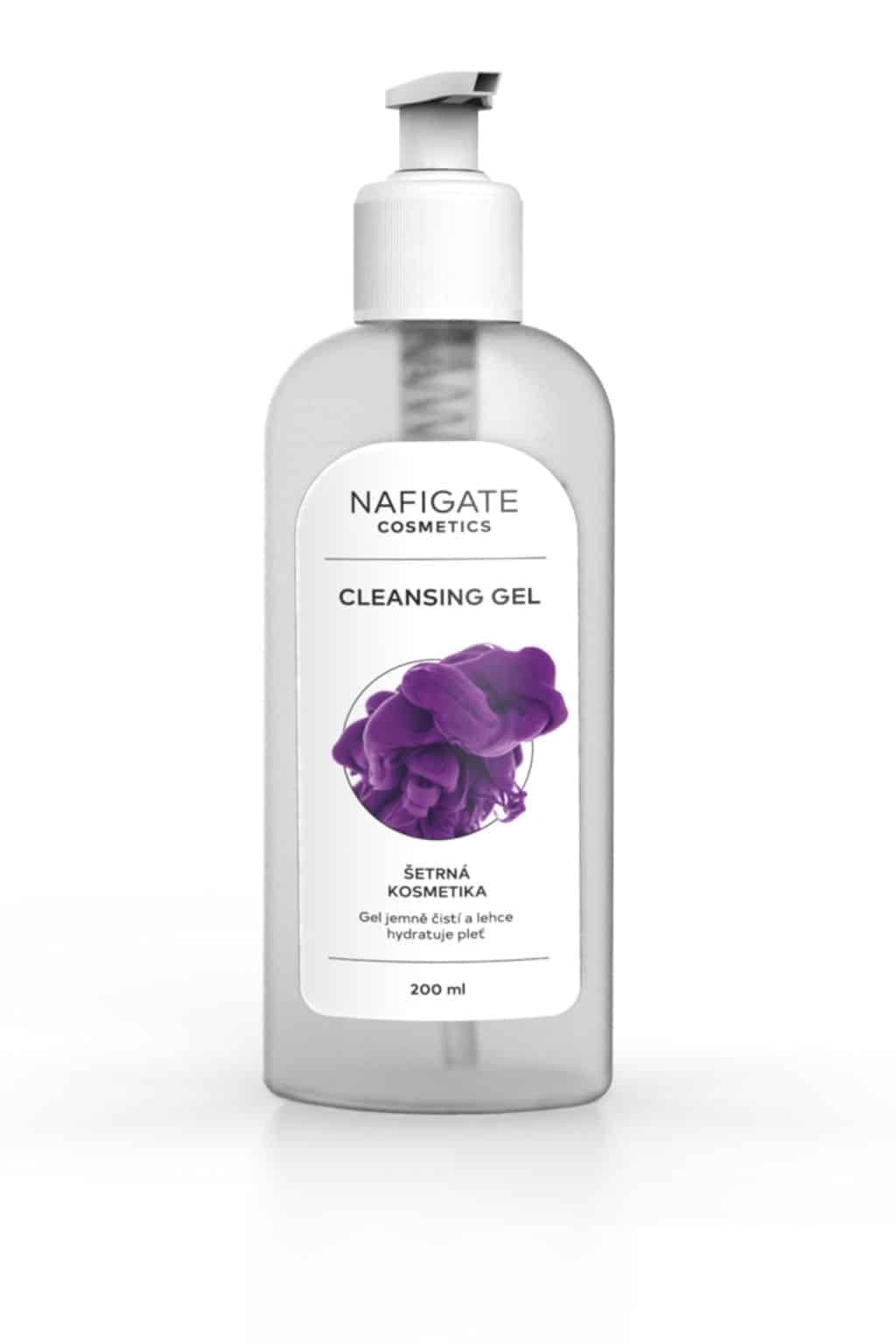
Editor's pick
Gentle Cleansing Gel 200 ml
This gentle cleansing gel is designed to respect the natural pH of your skin. It removes excess sebum, pollutants, and makeup without any tight feeling, leaving your face fresh, clean, and ready for the next steps in your routine.
View productAlongside specialised gels, a secret weapon for sensitive yet oily skin is the AtopCare moisturising cleansing foam. Although this cloud-like foam was originally developed for people with atopic eczema, its formulation works brilliantly in an oily skin treatment routine too. It contains postbiotics that help regulate the bacteria responsible for inflammation, alongside a high proportion of glycerin, ensuring your face never feels stripped after washing. It cleanses deep into the pores while respecting your skin barrier. If you're searching for a way to get rid of facial oil without the dreaded post-wash irritation, gentle cleansing is the absolute bedrock of your new routine.
Hydration: the missing piece of the puzzle
One of the most common — and most damaging — skincare myths is the belief: "I have oily skin, so I don't need a moisturiser." The exact opposite is true. Oily skin can be, and very often is, dehydrated. It helps to understand the difference between dry and dehydrated skin. Dry skin lacks lipids (natural fats). Dehydrated skin lacks water. You can easily have a thick layer of sebum sitting on the surface while, deep down, your cells are crying out for moisture. Dehydrated oily skin looks tired, grey, and dull; pores appear more pronounced, and fine lines seem deeper.
When you deny your skin water, its natural reaction is, once again, to produce more sebum in a desperate attempt to stop existing moisture from evaporating (a process known as trans-epidermal water loss, or TEWL). By skipping moisturiser, you trap yourself in a vicious cycle. You're probably looking for oily skin products that are lightweight and strictly non-comedogenic — guaranteed not to clog your pores — but still packed with active ingredients to fight blemishes and premature ageing. The standout choice in this category is The Uncompromised Cream.
Why is this cream such a strong oily skin treatment, and why should it be a staple in your bathroom cabinet? Firstly, it contains an advanced postbiotic complex called DEFENSIL® PURE, which soothes inflammation and visibly reduces redness — a common, distressing issue for acne-prone skin. It also boasts a high concentration of bakuchiol, a gentle, plant-based alternative to retinol. Bakuchiol helps regulate sebum production, speeds up cellular turnover, and smooths skin texture, but unlike synthetic retinol, it doesn't cause irritation, redness, or peeling. Finally, the cream features a lightweight texture that absorbs in seconds, leaving no sticky or greasy film while deeply hydrating the lower layers of the epidermis. You might also want to look out for ingredients like gluconolactone, a polyhydroxy acid (PHA) that provides hydration while gently exfoliating dead cells, minus the irritation associated with stronger acids.
Oily skin with acne: how to break the vicious cycle
The combination of excess sebum and a tendency towards inflammatory breakouts is a nightmare for many. Oily skin with acne calls for a specific, sensitive, yet highly effective approach. As mentioned earlier, acne forms the moment a pore becomes blocked by a mixture of sebum and sticky dead skin cells. In this oxygen-deprived (anaerobic) environment, a bacterium called Cutibacterium acnes multiplies rapidly. Your body detects this overgrowth and mounts a strong immune response, sending white blood cells to the area — which manifests as a red, painful, swollen spot.
A crucial ingredient for tackling this is the beta-hydroxy acid family, the most famous being salicylic acid. Unlike AHAs (such as glycolic or lactic acid), which only work on the surface, salicylic acid is oil-soluble. This means it can cut through thick sebum, penetrating deep into the lining of the pore to dissolve accumulated impurities from the inside out while acting as a potent anti-inflammatory. If you want to understand the mechanism in more detail, we recommend our article on the effects of salicylic acid on the skin. Regular use of oily skin products containing this powerhouse ingredient can noticeably reduce new comedones and keep your pores clear.
We shouldn't overlook internal support, either. Sometimes topical care alone isn't enough, especially if the root of the problem is a deficiency in essential nutrients. In that case, it's worth exploring more holistic approaches, such as our ultimate guide on how to get rid of acne. Nutrients like zinc, vitamin A, and omega-3 fatty acids can help calm inflammatory processes from within, providing valuable internal support alongside your oily skin treatment.
SOS solutions: when a spot appears
Even with the best, most consistent routine, it happens to the best of us. A demanding week at work, a lack of sleep, approaching menstruation, high stress, or perhaps a few extra squares of chocolate over the weekend — and you wake up with an angry, painful spot right in the middle of your chin or forehead. Your first instinct is to squeeze it. Stop! Step away from the mirror. By pressing with your fingers, you only push the infection and pus deeper into the tissue. You risk spreading bacteria across your face and leaving a permanent, pitted scar or a dark post-inflammatory mark that takes months to fade.
Fortunately, modern science and nanotechnology now offer a more elegant, hygienic, and effective solution if you want to know how to get rid of acne in 1 day. The answer lies in targeted spot treatments, and they couldn't be simpler to use. In the evening, apply a patch onto cleansed, completely dry skin, directly over the active blemish. The nanofibre layer gradually releases a high concentration of active ingredients overnight, straight into the heart of the inflammation. The patch also acts as a physical shield against bacteria from your pillowcase and stops you from picking at the area. The inflammation calms down, the active ingredients draw the impurities out, and by morning, the spot is smaller, drier, and far less red. For more stubborn breakouts, we recommend the stronger [n]Acne MAX variant. If you're curious about the technology behind this little miracle, you can read more about how acne patches work.
Face masks: draw out impurities gently
Regular exfoliation and deep cleansing should be a staple of your weekly oily skin treatment routine. Once or twice a week, treat your skin to intensive care that shifts the build-up of dead cells and clears congested pores. But again, the golden rule applies: gently and in moderation. Instead of aggressive mechanical scrubs with rough, jagged particles (like crushed walnut shells) that can spread infection and cause micro-tears, opt for smarter, more advanced face masks.
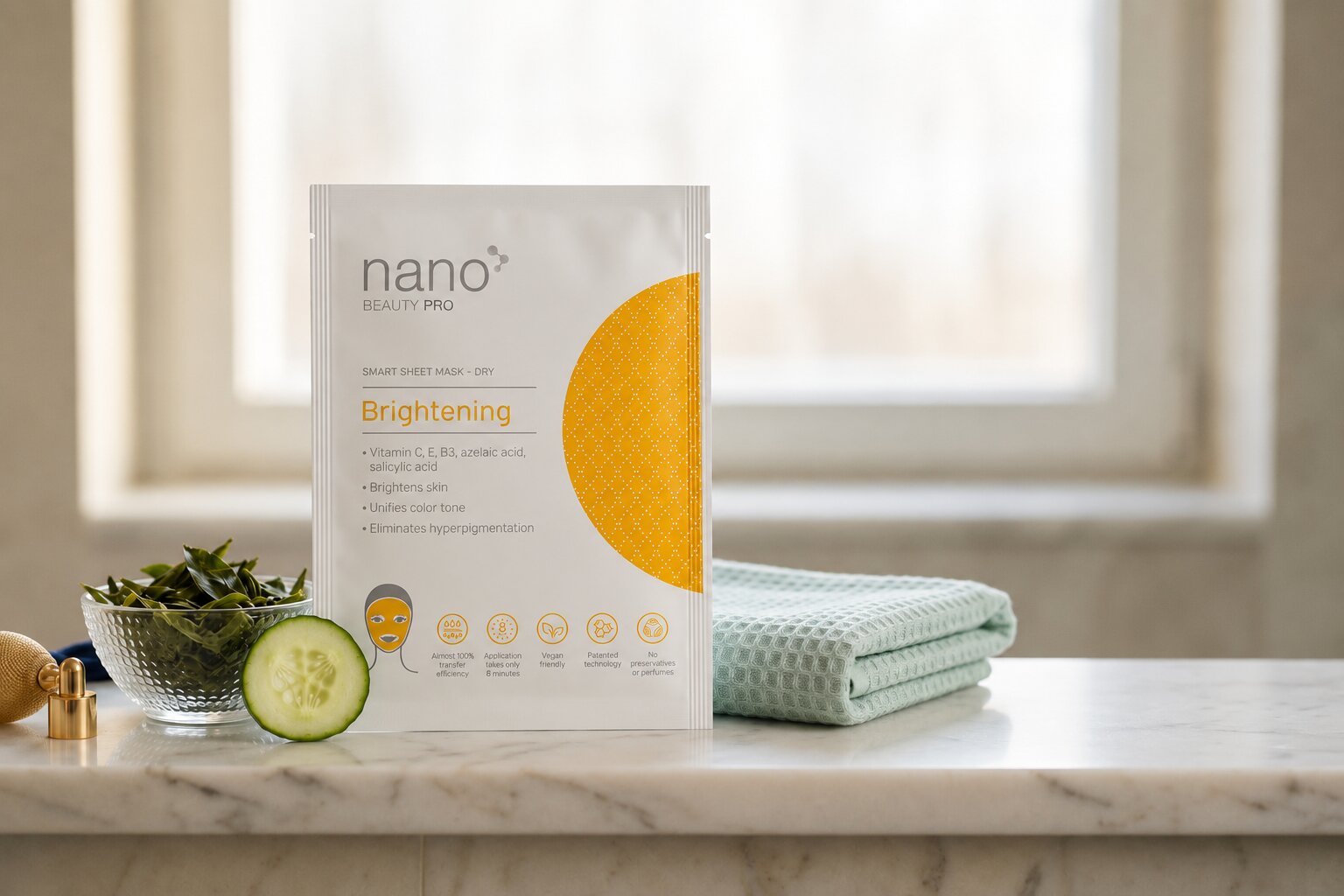
A fantastic choice is the Brightening Dry Sheet Nanofiber Face Mask. This innovative mask is designed to give tired, oily skin an immediate boost. The dry nanofibre structure ensures it sits snugly against the contours of your face, delivering active ingredients deep into the epidermis. The mask helps normalise sebum production and tighten enlarged pores, all while providing intense hydration and evening out your skin tone. Afterwards, your face looks brighter, calmer, and beautifully matte — without the uncomfortable, tight feeling that so often accompanies classic, cracking clay masks.
Comprehensive care for oily skin
#produkty#https://www.nanospace.store/skincare:nafigate/?pv271=2335
Oily skin in men: the specific needs of male complexions
A shiny face and persistent breakouts are by no means exclusively a women's concern. On the contrary, men with oily skin face this problem very often, and it comes down to one simple biological reason: testosterone. Thanks to higher levels of androgens, male skin is around twenty percent thicker than female skin and features far more active sebaceous glands. These glands produce more sebum, meaning men tend to have a rougher skin texture, wider, more visible pores, and a higher tendency towards deep comedones and painful, cystic acne.
Another factor specific to men with oily skin is the daily ritual of shaving. Shaving with a razor acts as an intense, often aggressive form of mechanical exfoliation. It removes the top layer of dead cells, which can be positive, but if done with poor technique or a blunt blade, it leads to micro-traumas, irritation, and a compromised skin barrier. What's more, splashing on an old-fashioned, high-alcohol aftershave straight after shaving gives the face a real shock. The skin becomes severely dehydrated and, as a defensive reflex, starts producing a massive amount of oil. This creates the perfect storm for ingrown hairs and painful, inflamed shaving bumps.
A man's daily skincare routine should be kept as simple as possible, but it must be effective. The foundation is daily cleansing with a gentle, non-stripping gel — ideally one containing salicylic acid to keep pores clear and reduce ingrown hairs. This should always be followed by a lightweight, non-greasy moisturiser that soothes the face post-shave and delivers hydration without leaving a shiny residue. It's time to ditch the aggressive bar soaps and harsh, alcoholic aftershaves. Investing in high-quality, dermatological oily skin products will quickly pay dividends, resulting in a healthy, clear, and well-groomed appearance.
What to remember: caring for oily skin is a marathon, not a sprint
Caring for oily skin properly takes patience, dedication, and consistency. The goal of your routine should never be to dry your face out completely or strip it of all its natural oils. Your true aim is to gently guide it towards long-term balance, calm any underlying inflammation, and teach your sebaceous glands that they no longer need to defend themselves by overproducing sebum.
Don't be afraid of good oils. It might sound counterintuitive at first, but certain lightweight oils, such as squalane (beautifully incorporated into the AtopCare range), are structurally very similar to human sebum. They have a clever ability to 'trick' the skin — by supplying lipids from the outside, they prompt the brain to signal that it can dial down its own oil production.
Look after your protective barrier. A healthy, robust skin barrier means less inflammation, a better defence against harmful bacteria, and ultimately, fewer breakouts. Avoid anything that irritates, burns, stings, or causes redness.
Hyaluronic acid and glycerin are your best allies. These humectants are strictly non-comedogenic, meaning they won't clog your pores. Yet they possess an incredible ability to bind large amounts of water and deliver it exactly where your cells are short of moisture, ensuring deep hydration without adding a single drop of unnecessary grease.
If you stick to these principles and invest in the right oily skin treatment, you won't just gain control over that unwanted midday shine. More importantly, you'll build a healthy, resilient complexion that ages beautifully and will bring you confidence for decades to come.
Can oily skin change to dry skin over time?
Yes, it certainly can. While your baseline skin type is largely determined by genetics, sebum production naturally decreases as you age. After menopause, when hormone levels drop significantly, even very oily skin can become noticeably drier, thinner, and more fragile. Strong prescription medications, such as isotretinoin (used for severe cystic acne), can also dramatically — and sometimes permanently — reduce the output of your sebaceous glands. The seasons play a part, too: during the winter months, your face naturally becomes drier thanks to biting cold winds and central heating.
Is it really true that oily skin ages slower?
Yes, it's true, and it's one of your greatest natural advantages. Human sebum is rich in antioxidants, primarily vitamin E, which protect the skin from damage caused by free radicals and UV radiation. The thicker lipid layer on the surface is also much better at locking moisture inside the cells. As a result, fine lines and deep wrinkles tend to form later in life and are generally less pronounced than in people with chronically dry skin.
Why do I still shine even when I use a mattifying cream?
In all likelihood, you're unknowingly dehydrating your face with the best of intentions. Common mattifying oily skin products from the high street often contain a high percentage of denatured alcohol and heavy silicones. Your skin reacts to this with sheer panic, producing even more sebum to compensate for the sudden dryness and to protect its compromised barrier. Try cutting these aggressive mattifying products out of your routine and switch to hydrating care packed with postbiotics. You'll likely find that, paradoxically, the shine eases off after just a few weeks.
Can I safely use facial oils on oily skin?
Yes, but you must be careful to choose the right, strictly non-comedogenic options. Avoid heavy, occlusive oils like coconut, wheat germ, or linseed oil, as these have a high potential to clog your pores and trigger breakouts. Lightweight oils such as pure squalane, jojoba, rosehip, or hemp seed oil, on the other hand, are excellent for an oily skin treatment. Because of their molecular structure, they closely resemble human sebum and can actually encourage your sebaceous glands to produce less oil on their own.
How can I remove excess shine during the day without ruining my makeup?
If you start to shine during the day, resist the urge to apply layer after layer of compact powder over the oil. That only creates a cakey mask and congests your pores. The best, most hygienic solution is to use mattifying blotting papers. Simply press a single paper gently onto the shiny areas (most often the T-zone: forehead, nose, and chin) and give it a few seconds to absorb the excess sebum. The paper draws the oil away, leaving your makeup perfectly intact. Afterwards, you can lightly refresh your face with a fine, hydrating mist.
Sources
- Endly, D. C. & Miller, R. A. (2017) 'Oily Skin: A review of Treatment Options', Journal of Clinical and Aesthetic Dermatology, 10(8), pp. 49–55.
- Sakuma, T. H. & Maibach, H. I. (2012) 'Oily skin: an overview', Skin Pharmacology and Physiology, 25(5).
- Picardo, M. et al. (2009) 'Sebaceous gland lipids', Dermato-Endocrinology, 1(2), pp. 68–71.
- Dréno, B. (2017) 'What is new in the pathophysiology of acne, an overview', Journal of the European Academy of Dermatology and Venereology, 31(S5), pp. 8–12.