
Do you know that painfully familiar sensation when you're endlessly tossing and turning in bed, your thoughts racing at lightning speed, and sleep feels like an unattainable mirage? You count sheep, you count the minutes, and eventually you start calculating exactly how few hours of rest you have left before the alarm clock inevitably rings. It's incredibly frustrating, isn't it? You're certainly not alone in this nocturnal struggle—sleep disturbances, chronic insomnia, and general restlessness plague millions of people across the globe, draining their energy and compromising their overall wellbeing.
We live in a hyper-connected, fast-paced world that constantly demands our attention, making it increasingly difficult for our nervous systems to naturally power down at the end of the day. But what if we told you that your own brain already contains a natural, built-in mechanism designed specifically to "switch off" the noise and induce the profound tranquillity required for high-quality restorative sleep? This remarkable compound is known as GABA (gamma-aminobutyric acid). Today, we're going to explore the fascinating neurochemistry of relaxation. We'll look at exactly how this substance can transform your nightly routine, helping you achieve the deep, uninterrupted slumber you desperately crave, all without ever needing to reach for harsh, synthetic sleeping pills that often leave you feeling groggy and disorientated the next morning.
Key takeaways
- GABA acts as your brain's primary inhibitory neurotransmitter, naturally dampening neural activity to promote deep relaxation and prepare your body for rest.
- Clinical research demonstrates that supplementing with GABA can significantly reduce the time it takes to fall asleep whilst extending overall sleep duration.
- Optimal results are typically achieved through consistent use, with studies suggesting a daily intake of 100 to 300 milligrams over a period of one to four weeks yields the best outcomes.
- Combining GABA with L-theanine creates a powerful synergistic effect, providing a much stronger calming response than taking either of these natural compounds in isolation.
- You can find natural sources of this vital compound in everyday foods such as green tea, tomatoes, fermented vegetables, and specially sprouted brown rice.
What Exactly Is GABA and How Does It Calm Your Racing Mind?
To truly understand how to fix our sleep, we must first look at the fascinating biological machinery operating inside our heads. GABA, which is the scientific abbreviation for gamma-aminobutyric acid, isn't just another complicated chemical name tossed around in wellness circles. It's one of the most crucial neurotransmitters in the human brain. Neurotransmitters are essentially the chemical messengers that allow your nerve cells (neurones) to communicate with one another. Whilst some neurotransmitters act like the accelerator pedal in a car—speeding up your heart rate, sharpening your focus, and keeping you alert—GABA serves as the brain's natural brake pedal. Unlike excitatory neurotransmitters such as glutamate or adrenaline, which stimulate the nervous system, GABA is an inhibitory neurotransmitter. Its primary job is to slow things down. When you've had a long, stressful day and your mind is buzzing with a million different worries, it's GABA that steps in to quiet the storm. By binding to specific receptors in your brain (known appropriately as GABA receptors), it decreases the excitability of your neurones. Simply put, GABA is your brain's built-in tranquilliser. When your internal levels of this vital molecule are sufficient, your mind can easily transition from a state of high alert to a state of peaceful calm, which is the absolute fundamental prerequisite for falling asleep and staying asleep. Interestingly, this natural mechanism is so effective that modern medicine has attempted to mimic it for decades. Many prescription sleep aids and anti-anxiety medications, such as benzodiazepines, work precisely by enhancing the effects of GABA in the brain. However, these synthetic pharmaceutical interventions often come with a heavy price, including a high risk of dependency, severe withdrawal symptoms, and next-day grogginess. By focusing on naturally supporting your body's own GABA production or using natural dietary supplements, you can harness this calming power safely and sustainably.
The Science Behind GABA and Sleep: What Do the Studies Reveal?
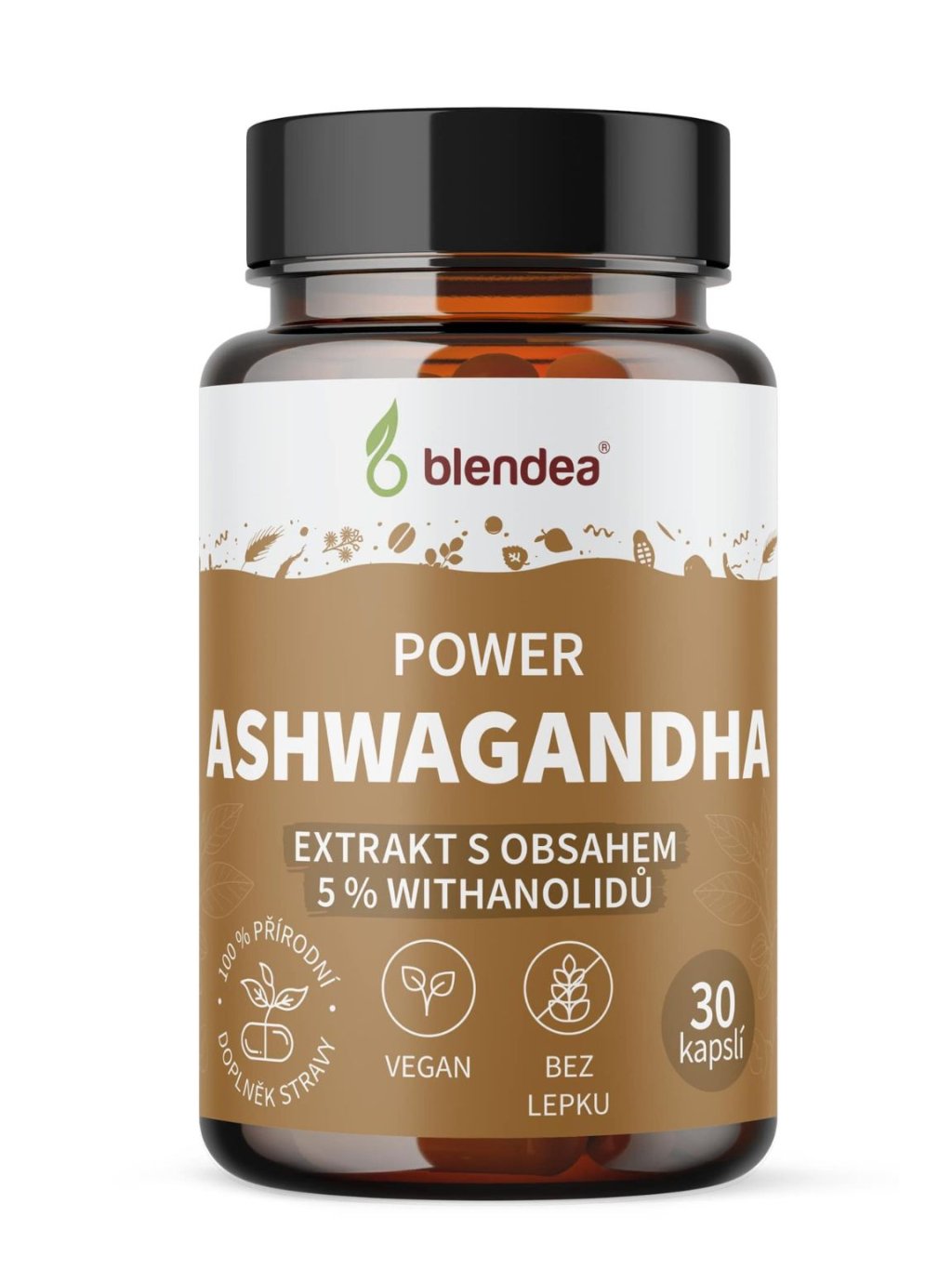
If you're the type of person who prefers to see hard scientific evidence before introducing a new supplement into your routine, you'll be delighted to know that there's a robust and growing body of research investigating the effects of GABA on human sleep. Whilst many of these clinical trials are relatively small in scale, their findings are remarkably consistent and incredibly promising for anyone struggling with night-time restlessness. One particularly compelling study, published in the esteemed Journal of Clinical Neurology in 2018, meticulously tracked forty participants suffering from various sleep disorders. These individuals were given a daily dose of 300 milligrams of GABA over four weeks. The clinical outcomes were highly encouraging. The researchers found that GABA significantly reduced sleep latency—the scientific term for the amount of time it takes to transition from full wakefulness to sleep—when compared to a placebo group. The participants who took the supplement simply drifted off much faster, escaping the dreaded cycle of staring at the ceiling for hours on end. Another study conducted in 2016 revealed that taking just 100 milligrams of GABA for a single week not only helped participants fall asleep more quickly but also measurably extended their total time spent in Non-REM sleep. This is the deeply restorative phase of the sleep cycle where the body repairs tissues, builds bone and muscle, and strengthens the immune system. Participants in this study also consistently reported waking up feeling significantly more refreshed and energised. Perhaps the most exciting breakthrough in recent years comes from a 2019 study published in Pharmaceutical Biology. Scientists discovered a profound synergistic effect when GABA is combined with L-theanine, an amino acid naturally found in tea leaves. The researchers noted that this specific combination was vastly superior to taking either substance alone. The combined dosage led to a 20.7% decrease in the time required to fall asleep and an impressive 87.3% increase in overall sleep duration compared to using GABA by itself. Experts theorise that L-theanine helps GABA cross the blood-brain barrier more efficiently, unlocking its full calming potential. If you're looking to support your nervous system holistically, you might also consider incorporating adaptogens into your routine. For example, using a premium Blendea Ashwagandha Extract can provide comprehensive, natural support for a stressed mind, perfectly complementing your evening relaxation rituals.
Natural Support for a Calm Mind
Decoding the Sleep Cycle: How GABA Influences Different Sleep Stages
To fully appreciate the impact of this neurotransmitter, we need to understand that sleep isn't merely a simple "on/off" switch. It's a highly complex, dynamic process consisting of multiple distinct stages, and GABA exerts a unique influence across this intricate nocturnal architecture. Every night, your brain cycles through different phases: light sleep, deep sleep, and REM (Rapid Eye Movement) sleep. The most pronounced effect of GABA occurs right at the very beginning of your night. As we touched upon earlier, clinical data shows that it has a significant impact on sleep latency. When you lay your head on the pillow, your brain needs to shift gears from the fast, alert beta waves of daytime consciousness to the slower, more rhythmic alpha and theta waves associated with relaxation. GABA acts as the primary conductor of this neural symphony. By dampening the excitatory signals that keep your mind racing with tomorrow's to-do lists, it gently guides you into the initial stages of Non-REM sleep (specifically stages N1 and N2). If you're someone who spends the first hour in bed tossing and turning, this compound could be the missing link in your routine. As you progress deeper into the night, GABA continues to play a vital role. It primarily extends the duration of the lighter phases of Non-REM sleep. Whilst this might not be the deepest stage of slumber, these phases are absolutely essential for memory consolidation, emotional processing, and overall sleep architecture. When it comes to the deepest slow-wave sleep (stage N3) and the dream-heavy REM phase, the scientific results are slightly more nuanced. Some studies suggest a modest improvement, whilst others show a neutral effect. However, advanced EEG (electroencephalogram) monitoring has revealed that supplementing with GABA actively increases the prevalence of theta brain waves. These specific waves are deeply intertwined with states of profound meditation, deep relaxation, and the crucial transitional boundary between wakefulness and sleep. Of course, to maximise these biological benefits, maintaining proper sleep hygiene for adults and children remains an indispensable foundation for any healthy bedtime routine.

Finding the Optimal Dosage: How Much GABA Do You Need for Better Rest?
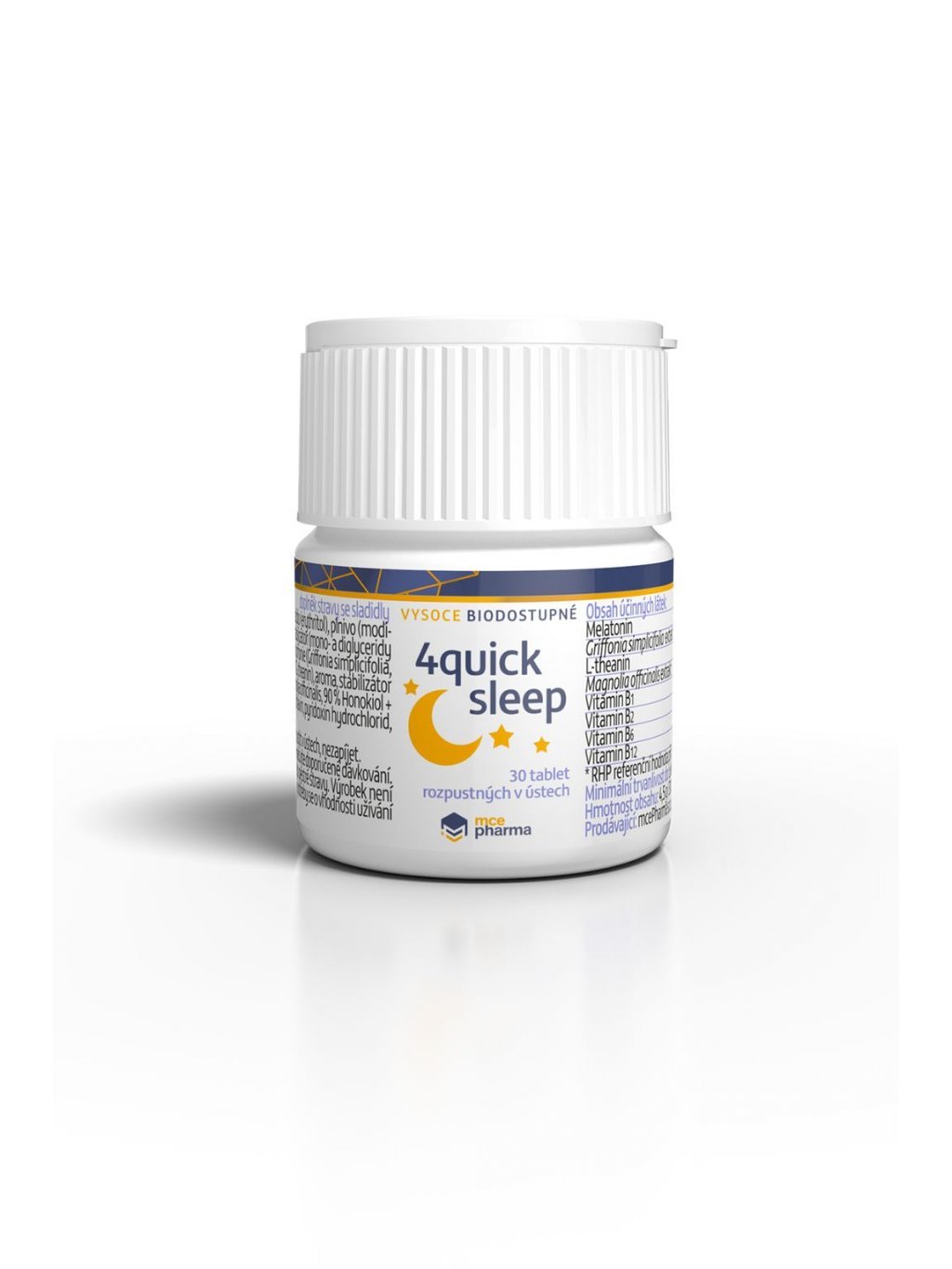
Navigating the world of nutritional supplements can often feel overwhelming, particularly when trying to determine the correct dosage for your specific needs. When it comes to GABA, the scientific literature provides us with some very clear and practical guidelines. Most clinical trials that have demonstrated positive effects on sleep quality have used dosages ranging between 100 and 300 milligrams per day. The lower end of this spectrum, around 100 milligrams, has been shown to be highly effective for reducing the time it takes to fall asleep, often producing noticeable results after just a single week of consistent use. On the other hand, a higher dosage of 300 milligrams tends to yield the most profound and robust improvements, particularly when taken over a full four-week period. This higher dose is especially beneficial for individuals dealing with chronic restlessness or those going through particularly stressful life events. Timing is equally as important as the dosage itself. Because GABA is relatively quickly absorbed and metabolised by the body, the vast majority of successful clinical studies administered the supplement approximately thirty to sixty minutes before the participants intended to go to sleep. This strategic timing aligns perfectly with the body's natural winding-down process, allowing the neurotransmitter to peak in your bloodstream exactly when you need to switch off the lights. If you're searching for a fast-acting, convenient option to incorporate into your evening schedule, you might want to try 4Quick Sleep Mini Tablets, which are specifically formulated to help you transition smoothly into a peaceful slumber.
Fast-Acting Evening Support
Long-Term Benefits and Natural Dietary Sources of GABA
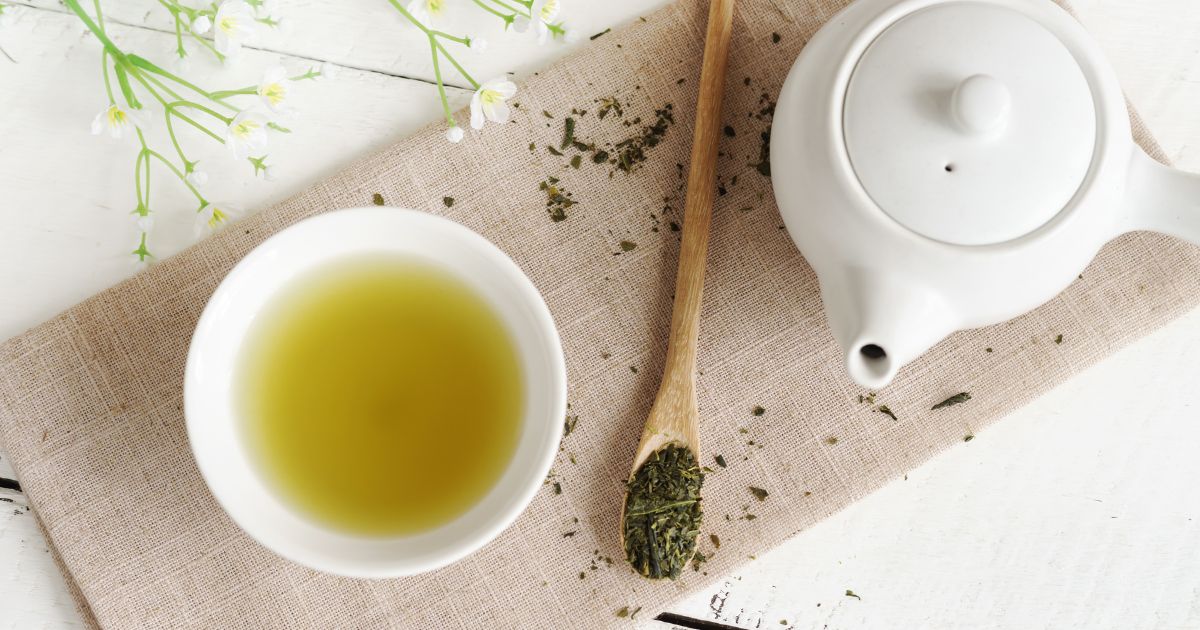
An intriguing aspect of GABA supplementation is that its benefits appear to be cumulative. Whilst taking a single dose might provide a mild, subtle sense of relaxation, the truly transformative effects on sleep architecture are observed during long-term use. Studies lasting anywhere from one to four weeks consistently report stronger, more reliable improvements in sleep parameters compared to one-off administrations. This cumulative effect is likely due to the gradual neuro-adaptation of the brain's receptors. By consistently providing the nervous system with this inhibitory compound, you're essentially retraining your brain to default to a state of calm rather than a state of chronic hyperarousal. However, you don't necessarily have to rely entirely on encapsulated supplements to boost your levels. Nature has provided us with an abundance of dietary sources rich in this calming molecule. Whilst the concentrations in food are naturally lower than what you'd find in a concentrated extract, incorporating these items into your daily diet can provide a wonderful baseline of support for your nervous system. Green and white teas are excellent natural sources. Although they contain caffeine, they also boast naturally occurring GABA and L-theanine, which is why a cup of high-quality tea often feels much less jittery than a cup of coffee. Tomatoes are another fantastic, everyday source that you can easily add to your salads or cooked meals. Soya beans are also incredibly rich in this compound, containing approximately two grams per kilogram. Furthermore, the fermentation process is a powerful way to increase GABA content. When foods are fermented, the active lactic acid bacteria naturally synthesise and multiply the levels of this neurotransmitter. This makes foods like kefir, kimchi, sauerkraut, and tempeh excellent additions to a sleep-friendly diet. Finally, we must mention the fascinating Japanese phenomenon known as "GABA rice". By using a highly specific germination process on brown rice, Japanese producers have managed to exponentially increase its natural GABA content. A notable 2015 study tracking participants who consumed this specially sprouted rice daily for eight weeks found significant improvements in their subjective feelings of calm and a marked reduction in daily worry.
The Stress Connection: Why Taming Anxiety Is Crucial for Deep Sleep
You might be wondering why we're dedicating so much time to discussing stress in an article primarily focused on sleep. The answer is incredibly straightforward: stress and sleep are inextricably linked, operating like a biological seesaw. When your stress levels—and consequently your cortisol levels—are sky-high, your sleep quality will inevitably plummet. Conversely, a poor night of sleep leaves your nervous system frayed, making you far more susceptible to stress the following day. It's a vicious, exhausting cycle that can feel impossible to break. Understanding how to get rid of stress during your waking hours is arguably the most effective way to guarantee a peaceful night. This is exactly where GABA shines as a multi-functional powerhouse. It functions as a potent, completely natural anxiolytic (anti-anxiety agent). By inhibiting the over-firing of neurones, it directly combats the physiological manifestations of stress. A fascinating piece of research from 2006 demonstrated that administering GABA actively increases the production of alpha brain waves—which are strongly associated with a state of relaxed wakefulness, similar to what you experience during meditation—whilst simultaneously suppressing beta waves, which are linked to active, sometimes frantic, mental processing. Beyond calming the mind, this neurotransmitter helps mitigate the physical toll that stress takes on the body. A unique 2009 study involving chocolate specially enriched with GABA showed that consumption led to a significant decrease in the LF/HF ratio, a complex medical marker that indicates the activity of the sympathetic nervous system (your "fight or flight" response). At the same time, it increased markers associated with the parasympathetic nervous system (your "rest and digest" mode). Other clinical investigations have shown that it can actively lower circulating levels of cortisol, the notorious stress hormone. By chemically disarming your body's stress response, GABA creates the perfect internal environment for your natural sleep hormones to take over. Speaking of which, learning what melatonin is and how it works in tandem with calming neurotransmitters can further empower you to take control of your circadian rhythm.
Is GABA Safe for Everyone? Potential Side Effects and Precautions
One of the most appealing aspects of using natural amino acids and neurotransmitters for sleep support is their exceptional safety profile. The good news is that GABA is universally considered to be a highly safe compound with a minimal risk of adverse side effects. Extensive clinical studies have shown that even with prolonged, continuous use at the recommended daily dosages of 100 to 300 milligrams, severe negative reactions are practically non-existent. This stands in stark contrast to pharmaceutical hypnotics, which often carry a long list of dangerous warnings. That being said, human biology is incredibly diverse, and a small minority of individuals may experience some mild, transient side effects. These can occasionally include minor stomach upset or abdominal discomfort, mild headaches, or, in rare instances, a lingering sense of drowsiness the following morning, somewhat akin to the "hangover" effect produced by conventional sleeping pills. In cases where extremely high, unrecommended doses are consumed, some people have reported a brief, harmless tingling or burning sensation in the throat, though this is virtually unheard of when adhering to standard dosing guidelines. Whilst it's safe for the vast majority of the adult population, certain groups should exercise caution. If you're currently taking prescription medications to manage high blood pressure, you should consult your doctor, as GABA can also have a mild hypotensive (blood pressure-lowering) effect. Similarly, individuals taking medications for epilepsy or seizure disorders must seek medical advice before use, as these drugs also interact directly with the brain's GABAergic system. Furthermore, as a general precautionary measure, supplementation is not recommended for pregnant or breastfeeding women, nor is it advised for children and adolescents under the age of 18, whose developing brains are still establishing their own delicate neurochemical balance.
Practical Strategies for Incorporating GABA into Your Nightly Routine
If you've decided that you're ready to harness the calming power of this remarkable neurotransmitter to reclaim your nights, it's essential to approach supplementation strategically to ensure you achieve the very best possible results. The supplement market is vast and, unfortunately, not all products are created equal. Because dietary supplements aren't subjected to the exact same rigorous regulatory frameworks as prescription medicines, your first priority must be selecting a premium, high-quality product. Always look for established, reputable brands that are completely transparent about their sourcing and ideally use independent, third-party laboratory testing to verify the purity and potency of their ingredients. Once you've secured a high-quality supplement, timing becomes your next critical consideration. As the clinical data suggests, taking your dose roughly thirty to sixty minutes before you intend to fall asleep is the sweet spot. This allows the capsule or tablet sufficient time to break down in your digestive tract, enter your bloodstream, and cross into your central nervous system right as you're brushing your teeth and settling into bed. To truly gauge the effectiveness of your new regimen, we highly recommend keeping a dedicated sleep diary. Each morning, take two minutes to jot down roughly how long it took you to fall asleep, how many times you recall waking up during the night, and, most importantly, how refreshed you feel upon waking. Having this objective data will help you determine if the current dosage is working or if it needs slight adjustment. If you're constantly searching for answers on what to do when you can't sleep, tracking your progress is an invaluable tool. Finally, remember that no supplement is a magic bullet that can completely override terrible lifestyle habits. GABA works best when it's incorporated as part of a broader, holistic approach to sleep hygiene. This means maintaining a consistent bedtime, drastically reducing your intake of caffeine and alcohol in the late afternoon and evening, keeping your bedroom cool and pitch-black, and ruthlessly eliminating blue light from smartphones and tablets at least an hour before bed. For those who prefer a comprehensive, synergistic approach to their evening supplementation, combining neurotransmitter support with the body's natural sleep hormone can work wonders. Integrating a product like Eddies Sleep Gummies with Melatonin – Blueberry into your routine can offer a delicious, multi-faceted approach to achieving the deep rest you deserve.
Comprehensive Evening Relaxation

A Final Thought on Reclaiming Your Rest
In a modern society that constantly glorifies hustle and perpetual busyness, protecting your sleep is one of the most profound acts of self-care you can undertake. GABA presents an incredibly promising, scientifically backed natural alternative for those who are desperately seeking a way to quiet their racing minds and improve their nightly rest. By effectively shortening the time it takes to drift off, extending the deeply restorative phases of Non-REM sleep, and actively combating the physiological markers of daily stress, this remarkable neurotransmitter addresses the root causes of insomnia rather than merely masking the symptoms. Whilst its safety profile is excellent and the risk of side effects is remarkably low, it's always wise to consult with your healthcare provider before beginning any new supplement regimen, particularly if you're managing pre-existing health conditions. Remember that true, lasting vitality is built upon the foundation of consistent, high-quality sleep. By combining the natural calming power of GABA with sensible lifestyle adjustments and a dedicated evening wind-down routine, you can finally say goodbye to those frustrating, sleepless nights and wake up ready to embrace each new day with vibrant energy and a clear, focused mind.
Frequently asked questions
Is GABA Addictive?
No, when taken as a dietary supplement, GABA is entirely non-addictive. This is a significant advantage over many prescription sleep medications and synthetic sedatives. Extensive clinical studies have shown no indication that users develop a tolerance (needing more of the substance to achieve the same effect) or physical dependency, even after prolonged, continuous use over several months.
How Quickly Does GABA Start Working?
Because it's absorbed relatively quickly by the digestive system, a single dose can produce a mild, noticeable calming effect within thirty to sixty minutes. However, for substantial, lasting improvements in overall sleep architecture and a significant reduction in the time it takes to fall asleep, the full benefits typically manifest after one to four weeks of consistent, daily supplementation.
Can I Combine GABA With Other Sleep Supplements?
Yes, it's generally very safe and often highly beneficial to combine it with other natural sleep-supporting compounds such as melatonin, valerian root, or magnesium. The combination with L-theanine is particularly well-documented and highly effective due to their synergistic mechanisms. Nevertheless, if you're planning to mix multiple supplements, it's always best practice to consult with a medical professional first.
Is Natural or Biosynthetic GABA Better?
Current scientific research indicates that both forms are highly effective. The biosynthetic version found in high-quality supplements is typically produced through a natural fermentation process using lactic acid bacteria, making it bioidentical to what your body produces. Whilst natural dietary sources (like tomatoes or tea) contain lower concentrations, they offer the added benefit of acting synergistically with other whole-food nutrients.
Will GABA Help if I Wake Up in the Middle of the Night?
The strongest clinical evidence supports its use for reducing sleep latency (the time it takes to fall asleep initially) and improving the early stages of the sleep cycle. Its effectiveness for preventing middle-of-the-night awakenings is less definitively documented. If you consistently struggle with sleep maintenance, it's advisable to speak with a doctor, as frequent waking can be a symptom of various underlying issues, such as sleep apnoea or blood sugar fluctuations.
Sources
- Abdou, A. M., Higashiguchi, S., Horie, K., Kim, M., Hatta, H. and Yokogoshi, H. (2006) 'Relaxation and immunity enhancement effects of gamma-aminobutyric acid (GABA) administration in humans', BioFactors, 26(3), pp. 201-208.
- Byun, J. I., Shin, Y. Y., Chung, S. E. and Shin, W. C. (2018) 'Safety and efficacy of gamma-aminobutyric acid from fermented rice germ in patients with insomnia symptoms: A randomised, double-blind trial', Journal of Clinical Neurology, 14(3), pp. 291-295.
- Hepsomali, P., Groeger, J. A., Nishihira, J. and Scholey, A. (2020) 'Effects of oral gamma-aminobutyric acid (GABA) administration on stress and sleep in humans: A systematic review', Frontiers in Neuroscience, 14, 923.
- Kim, S., Jo, K., Hong, K. B., Han, S. H. and Suh, H. J. (2019) 'GABA and l-theanine mixture decreases sleep latency and improves NREM sleep', Pharmaceutical Biology, 57(1), pp. 65-73.
- Nakamura, H., Takishima, T., Kometani, T. and Yokogoshi, H. (2009) 'Psychological stress-reducing effect of chocolate enriched with gamma-aminobutyric acid (GABA) in humans: assessment of stress using heart rate variability and salivary chromogranin A', International Journal of Food Sciences and Nutrition, 60(1), pp. 106-113.
- Yamatsu, A., Yamashita, Y., Maru, I., Yang, J., Tatsuzaki, J. and Kim, M. (2015) 'The improvement of sleep by oral intake of GABA and apocynum venetum leaf extract', Journal of Nutritional Science and Vitaminology, 61(2), pp. 182-187.
- Yamatsu, A., Yamashita, Y., Pandharipande, T., Maru, I. and Kim, M. (2016) 'Effect of oral gamma-aminobutyric acid (GABA) administration on sleep and its absorption in humans', Food Science and Biotechnology, 25(2), pp. 547-551.
- Yoshida, S., Haramoto, M., Fukuda, T., Mizuno, H., Tanaka, A., Nishimura, M. et al. (2015) 'Optimisation of a γ-aminobutyric acid (GABA) enrichment process for Hokkaido white rice and the effects of GABA-enriched white rice on stress relief in humans', Nippon Shokuhin Kagaku Kogaku Kaishi, 62(2), pp. 95-103.
- Yoto, A., Murao, S., Motoki, M., Yokoyama, Y., Horie, N., Takeshima, K. et al. (2012) 'Oral intake of γ-aminobutyric acid affects mood and activities of central nervous system during stressed condition induced by mental tasks', Amino Acids, 43(3), pp. 1331-1337.