
Have you ever wondered if your daily brushing routine could do more than just scrub away yesterday's dinner? For decades, we've been told that once tooth enamel is gone, it's gone for good. We've relied on traditional methods that merely attempt to halt further decay rather than actively repair the damage already done. But the emergence of hydroxyapatite toothpaste has completely shifted this narrative. We're no longer limited to basic dental hygiene — we're entering an era of sophisticated biomimetic care that promises something which, until recently, sounded like pure science fiction: the ability to rebuild and repair your teeth at a microscopic level. Behind this shift lies a remarkable, naturally occurring mineral with a slightly complicated name. But is this just another overblown marketing gimmick designed to sell premium products, or is there genuine, peer-reviewed science backing these claims? Let's examine the facts, explore how this compound works, and discover why your daily brushing routine might never be the same again.
Key takeaways if you're short on time
- Biocompatible enamel repair. Hydroxyapatite is the exact same mineral that makes up 97% of your tooth enamel, allowing it to bond seamlessly and repair microscopic damage without synthetic chemicals.
- Effective relief for sensitive teeth. By physically filling the exposed dentinal tubules that lead directly to your dental nerves, it provides long-lasting, robust relief from hot, cold, and acidic triggers.
- Natural and gentle whitening. Unlike harsh chemical bleaching agents that strip away vital layers, this mineral fills in surface irregularities to create a smoother, more light-reflective, visibly whiter smile.
- Completely safe for the whole family. As a naturally occurring mineral in the human body, it's entirely non-toxic and perfectly safe even if accidentally swallowed by young children.
- Backed by decades of research. Originally developed to help astronauts counter bone density loss in space, it's now supported by extensive clinical studies proving its efficacy in modern dentistry.
What Is Hydroxyapatite and Why Is It a Breakthrough?
The word "hydroxyapatite" might sound like some experimental substance synthesised in a futuristic laboratory for a superhero film, but in reality, it's a completely natural and essential mineral component of the human body. To put it simply, it's the fundamental building block of our skeletal structure. It makes up roughly 97% of our tooth enamel and around 70% of the underlying dentine. In its purest form, it's a highly organised crystalline matrix composed primarily of calcium and phosphorus. When you look at your smile in the mirror, you're essentially looking at a beautiful, complex structure of hydroxyapatite crystals.
Tooth enamel holds the impressive title of being the hardest tissue in the human body — significantly harder than even our strongest bones. Yet despite this formidable strength and durability, it's by no means immune to the daily assaults of modern life. Every time we consume acidic foods, sip carbonated drinks, or even just allow naturally occurring mouth bacteria to process sugars, our enamel undergoes a microscopic attack. This process, known as demineralisation, creates tiny, invisible defects that, over time, deepen into visible cavities and structural weaknesses. Our saliva naturally attempts to counter this by bathing the teeth in calcium and phosphate, but our modern, often sugar-rich diets frequently overwhelm this natural defence mechanism.
This is precisely where the breakthrough occurs. Unlike traditional approaches to dental care, which primarily focus on creating a harder (albeit sometimes more brittle) surface to prevent further acid attacks, a high-quality hydroxyapatite toothpaste offers something genuinely restorative. It provides the exact biomimetic material required to actively rebuild the lost mineral structure of the tooth. This remarkable capacity for true remineralisation is what elevates this ingredient from a mere additive to a significant advancement in preventative and restorative dental care.
The Scientific Mechanism: How Hydroxyapatite Toothpaste Repairs Damaged Enamel
To truly appreciate the elegance of how hydroxyapatite toothpaste functions, we must first visualise tooth enamel not as a solid, impenetrable wall, but rather as a highly organised, microscopic honeycomb or crystalline lattice. When dietary acids and bacterial by-products attack this structure, they leach out vital minerals, leaving behind microscopic craters and porous weaknesses. If you imagine your tooth enamel as a smoothly paved road, these acid attacks create thousands of tiny potholes. Traditional dental treatments might try to seal the road, but hydroxyapatite actively fills the potholes with the exact same material.
Experts in dental materials and oral biology explain the process as a fascinating display of biomimicry. The particles suspended in the toothpaste possess an exceptionally high affinity for the natural surface of the tooth. When you brush, these particles are massaged into the microscopic defects of the compromised enamel. Because the body recognises the material as its own, the particles don't merely sit on top of the tooth — they actively bind to the existing structure. They act as microscopic bricklayers, seamlessly integrating into the crystalline lattice and gradually depositing a new, robust mineral layer over the damaged areas.
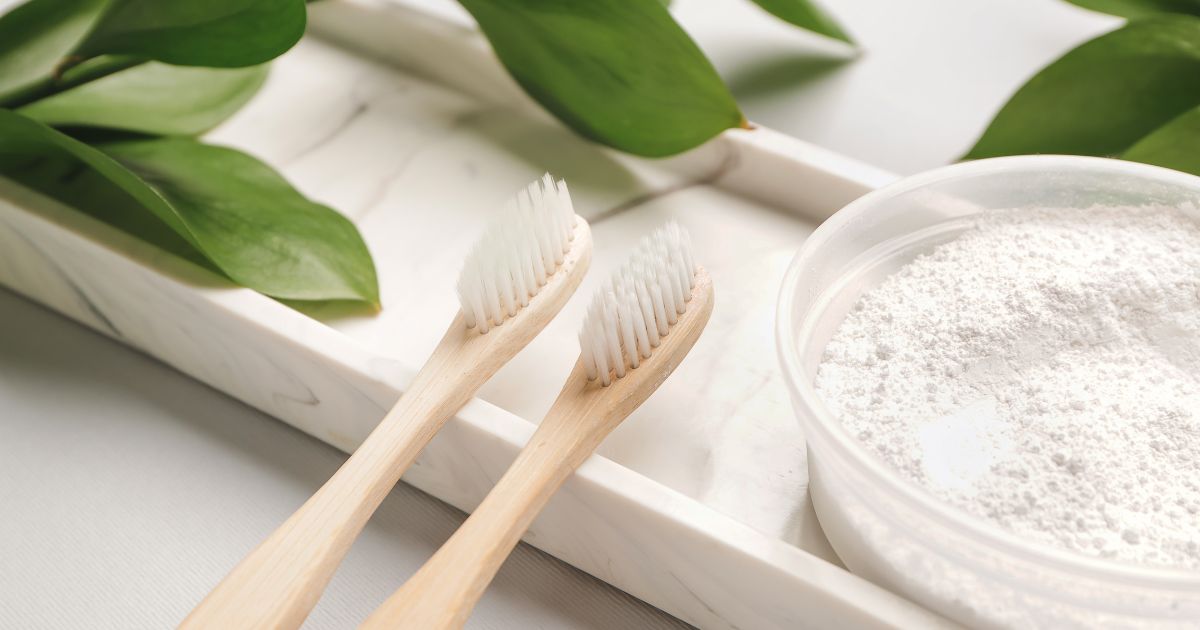
This biological integration is strikingly similar to the way our bodies naturally heal and regenerate bone tissue after a fracture. It's a completely biocompatible process that works in perfect harmony with the body's innate physiological mechanisms. Extensive laboratory research and long-term clinical trials have repeatedly demonstrated that regular, daily application of this mineral can lead to the progressive restoration of microscopic enamel defects. The result is a significantly smoother, dramatically more resilient tooth surface that's far better equipped to withstand the rigours of daily chewing and acid exposure.
Understanding the Types of Hydroxyapatite in Modern Dental Care
As the science has evolved, researchers and dental hygiene experts have refined how this mineral is delivered to our teeth. They currently categorise the ingredient into two primary forms used in commercial formulations: nano-hydroxyapatite and micro-hydroxyapatite. The fundamental distinction between these two lies entirely in particle size — a factor that directly and significantly influences their specific efficacy, penetration depth, and overall mechanism of action within the oral cavity.
Nano-Hydroxyapatite: Deep Structural Repair
Nano-hydroxyapatite represents a significant step forward in contemporary dental formulation. Its particles are engineered to be extraordinarily small, typically measuring a mere 20 to 80 nanometres in diameter. To provide some context for this microscopic scale, a single human hair has a thickness of roughly 80,000 nanometres. This minuscule size isn't just a scientific novelty — it's the vital characteristic that allows these nanoparticles to penetrate deep into the most minute fissures and defects within the enamel structure.
Rigorous scientific studies in peer-reviewed dental journals have documented that nano-hydroxyapatite is highly effective at remineralising teeth. Because of their diminutive size, these particles can access deep-seated areas of demineralisation that larger particles simply cannot reach. Once inside these microscopic craters, they establish an incredibly strong, durable bond with the surrounding natural tooth structure, effectively rebuilding the enamel from the inside out.
Crucially, one of the most significant benefits of the nano-sized variant is its unique ability to deeply infiltrate and permanently seal dentinal tubules. These are the microscopic channels running through the dentine that connect directly to the sensitive nerve endings of the tooth. By effectively plugging these channels, nano-hydroxyapatite provides a robust and lasting solution to the debilitating problem of dentine hypersensitivity — an affliction that affects millions of people globally.
Micro-Hydroxyapatite: Building a Robust Protective Layer
Conversely, micro-hydroxyapatite consists of significantly larger particles. Whilst it's true that these larger structures cannot penetrate as deeply into the microscopic crevices of the enamel as their nano counterparts, they play an equally crucial role in comprehensive oral care. Instead of deep infiltration, microparticles excel at forming a layer on the exterior of the tooth, building a much thicker, more robust, and highly resilient protective shield over the entire surface.
This formidable exterior layer functions as a physical barrier against aggressive dietary acids, abrasive foods, and bacterial plaque. Advanced dental research strongly suggests that the most effective, comprehensive approach to oral care might actually involve a synergistic combination of both particle sizes. The nanoparticles dive deep to execute structural repairs and resolve internal defects, whilst the microparticles remain on the surface to fortify the exterior defences. Some of the most advanced toothpastes on the market today are beginning to harness this dual-action strategy for maximum benefit.
Advanced Remineralising Dental Care
Teeth Whitening: The Aesthetic Bonus of Remineralisation
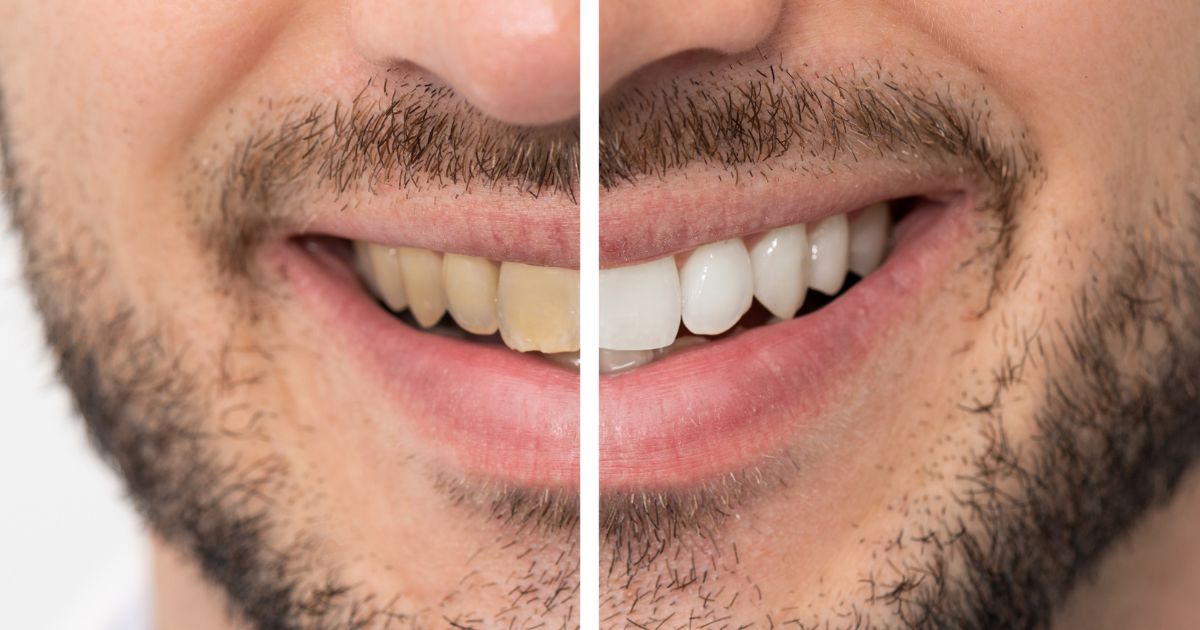
It's a biological fact that healthy human teeth aren't naturally paper-white — their intrinsic colour spans a broad spectrum of ivory, cream, and subtle yellow hues dictated by the underlying dentine. Nevertheless, the societal desire for a dazzling, brilliantly white smile remains incredibly strong. Many people resort to harsh, abrasive scrubbing or aggressive chemical bleaching agents to achieve this look, often at the severe expense of their enamel's structural integrity. Here, the science of remineralisation offers a wonderfully elegant and non-destructive alternative, perfectly aligning with the principles of natural teeth cleaning and whitening.
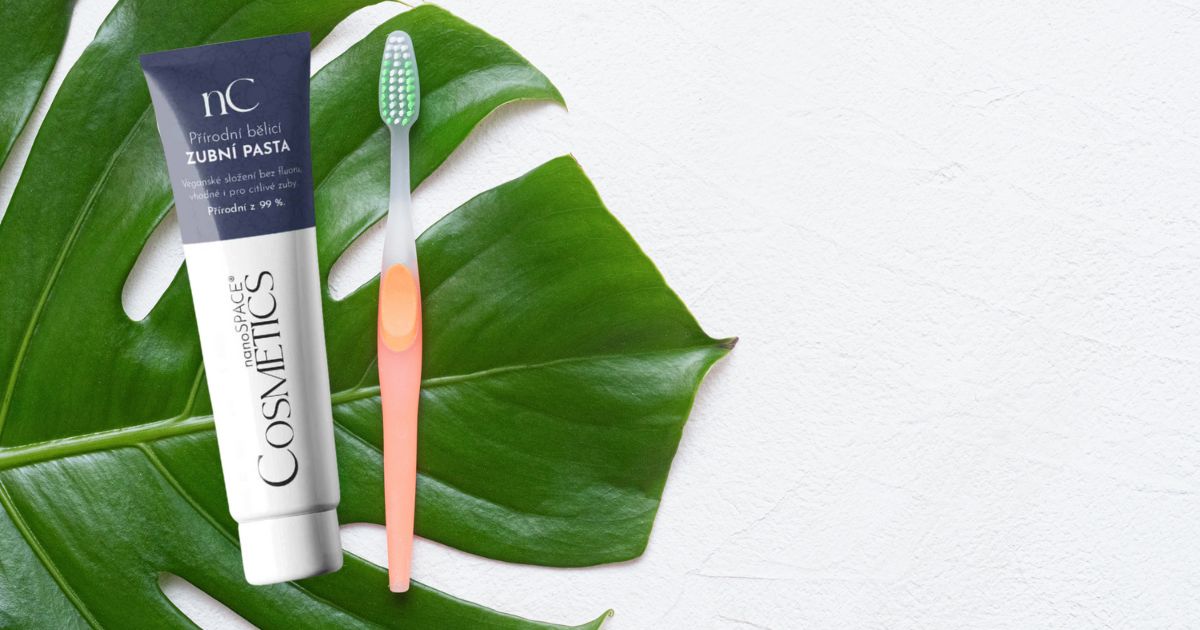
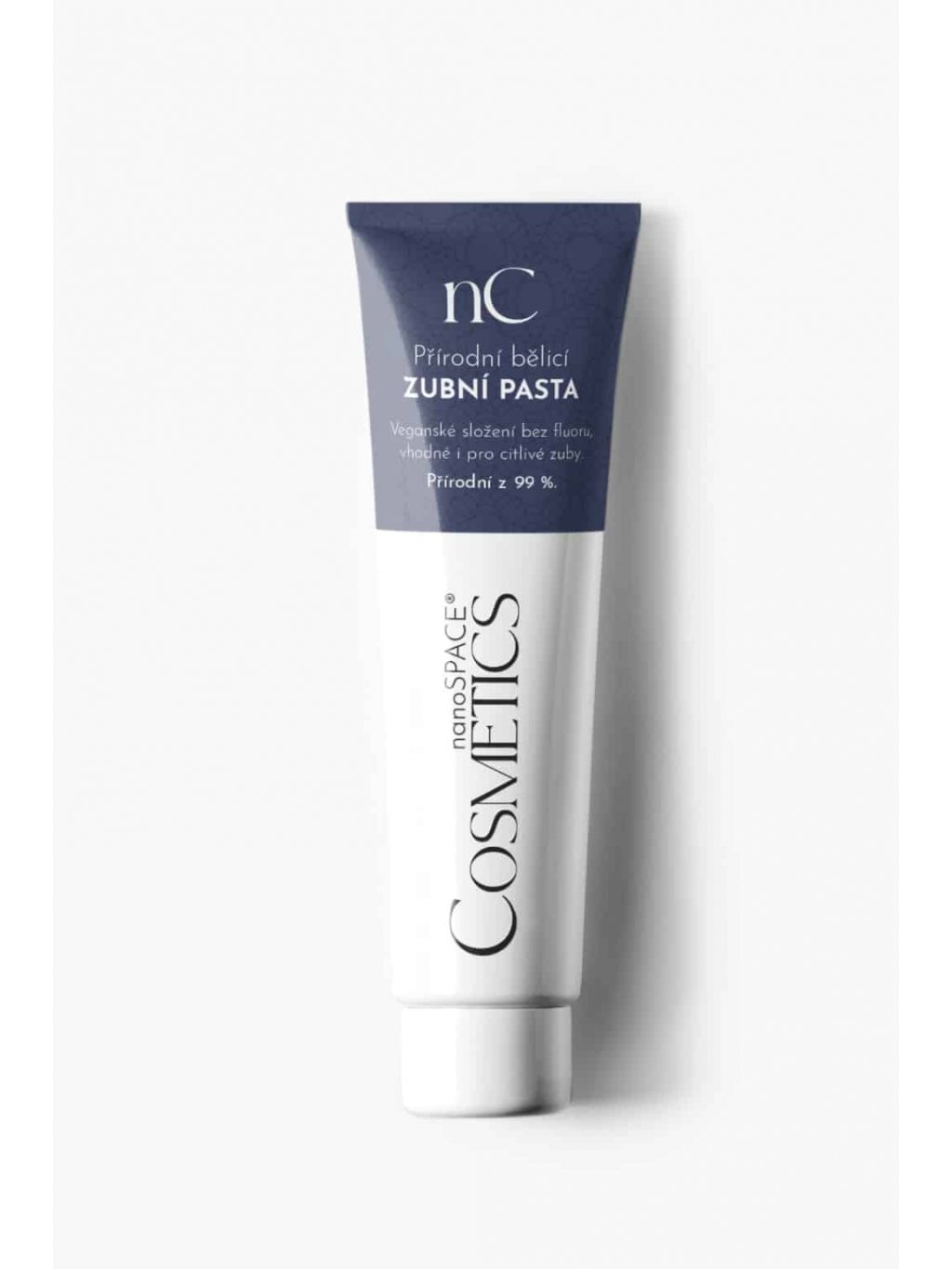
When you use a high-quality product, such as the Vegan Fluoride Free Natural Whitening Toothpaste with Hydroxyapatite, you're essentially whitening your teeth through structural repair rather than chemical destruction. This biomimetic mineral contributes to a brighter appearance through two distinct physical mechanisms. Firstly, as it bonds to the tooth, it deposits a new, naturally opaque and bright white mineral layer over the surface. Secondly, and perhaps more importantly, by meticulously filling in the microscopic scratches, pits, and erosions on the enamel, it transforms a rough, matte surface into a beautifully smooth, glass-like finish. Just as a polished mirror reflects light far better than a scratched one, this newly smoothed enamel reflects light much more efficiently, causing the teeth to appear optically whiter, significantly more luminous, and exceptionally glossy.
Rigorous clinical studies conducted at leading global dental research institutions have conclusively demonstrated that regular application can yield highly visible, measurable improvements in tooth colour within just two to four weeks of consistent use. Crucially, this aesthetic enhancement is achieved without inducing any of the painful sensitivity or structural degradation that are notoriously common side effects of conventional peroxide-based bleaching treatments. Whilst it may not provide the instantaneous, shocking white of a laser treatment, it offers a gradual, sustainable, and permanent improvement that simultaneously fortifies the tooth. In this paradigm, a whiter smile isn't an artificial façade, but a direct, visible by-product of genuinely healthier, denser enamel.
Sensitive Teeth and Hydroxyapatite: A Molecular Solution to Pain
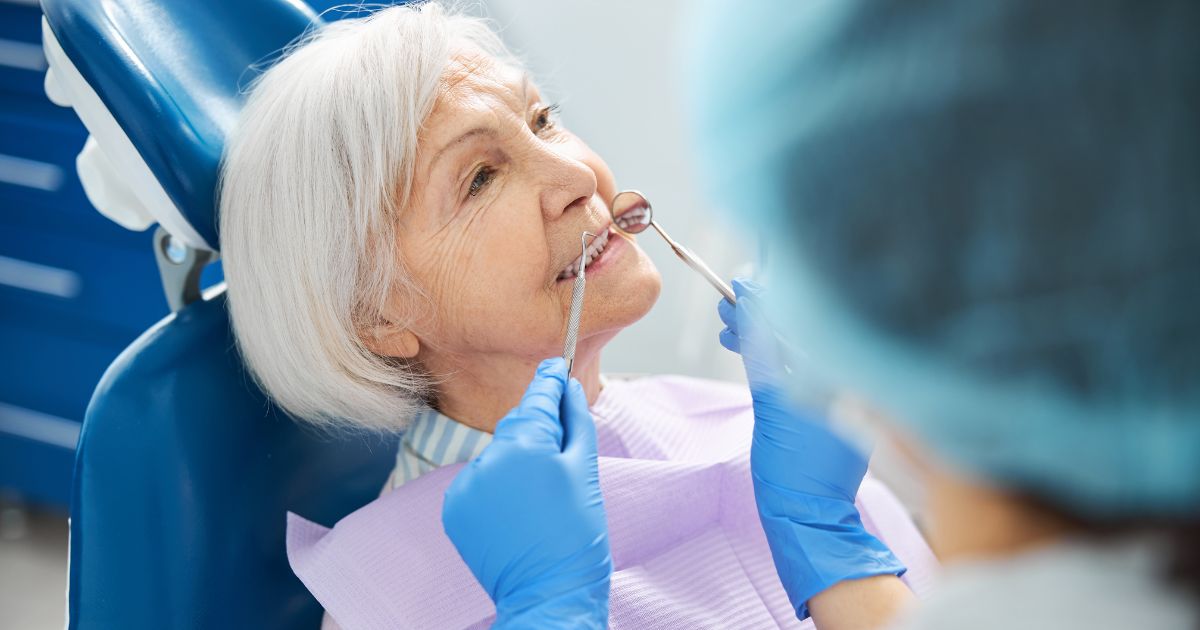
Dentine hypersensitivity is an incredibly pervasive and often debilitating condition that, according to epidemiological statistics, plagues up to 35% of the adult population at various points in their lives. This sharp, arresting pain occurs when the dentine — the softer, porous layer situated directly beneath the protective enamel — becomes exposed to the oral environment due to gum recession or severe enamel erosion. Dentine is uniquely structured, containing thousands of microscopic, fluid-filled channels known as dentinal tubules. These tiny tunnels lead directly to the pulpal chamber, where the dental nerves reside. When these tubules are laid bare, external stimuli such as a sip of hot tea, a bite of ice cream, or even a deep breath of cold winter air cause rapid fluid movement within the tubules, triggering a sharp, shooting pain response from the nerve.
Interestingly, lifestyle factors heavily influence this. For instance, chronic stress often leads to nocturnal teeth grinding (bruxism), which rapidly wears away enamel and exposes these sensitive tubules. If you're struggling with this, learning how to get rid of stress can be just as crucial for your dental health as your choice of toothpaste. However, once the damage is done, you need a physical intervention. This is where our biomimetic mineral steps in to provide a molecular solution to the pain.
Hydroxyapatite resolves the agony of sensitive teeth not by merely numbing the nerve, as many traditional potassium nitrate-based pastes do, but by physically addressing the root cause at a microscopic level. Its particles are perfectly sized and shaped to enter and partially occlude (block) the exposed dentinal tubules. By doing so, it builds a formidable physical barrier that prevents external thermal and tactile stimuli from ever reaching the nerve endings. Fascinatingly, it doesn't seal the tubules completely solid like a synthetic glue — instead, it creates a biomimetic, porous plug. This acts much like an advanced acoustic barrier: it completely blocks the painful "noise" of hot and cold triggers whilst still permitting the essential, natural flow of internal dental fluids and vital nutrients. Laboratory stress tests confirm that this newly formed mineral barrier is exceptionally resistant to subsequent dietary acid attacks, ensuring that the relief from sensitivity is not just immediate but profoundly long-lasting.
Critical Evaluation: Are Hydroxyapatite Toothpastes Truly Superior?
In the expansive and often confusing landscape of commercial dental care, it's absolutely vital to separate enthusiastic marketing rhetoric from cold, hard scientific fact. The technology undoubtedly represents a fascinating advancement with a remarkably solid theoretical foundation, but consumers rightly ask: does it genuinely justify the often higher price point, and is it truly superior to the traditional formulations we've used for decades?
Efficacy in the Light of Scientific Evidence
The global scientific literature is currently replete with dozens of rigorous, peer-reviewed studies meticulously investigating the clinical efficacy of this mineral in oral care. Comprehensive systematic reviews and meta-analyses of these trials consistently conclude that a properly formulated hydroxyapatite toothpaste demonstrably remineralises depleted tooth enamel and significantly alleviates dentine hypersensitivity. These therapeutic effects aren't anecdotal — they're robustly documented in double-blind, placebo-controlled clinical environments.
Particularly compelling are the visual results obtained through advanced scanning electron microscopy (SEM). These high-resolution images clearly reveal that regular, daily application leads to the progressive, undeniable filling of erosive lesions and the tangible creation of a new, structurally sound mineral layer. It's not merely a cosmetic coating — it's a genuine, structural reconstruction of the tooth's anatomy.
Safety for All Age Groups
One of the most universally praised and significant advantages of this technology is its impeccable safety profile. Because the exact same mineral is already a fundamental, naturally occurring component of the human body, the risk of adverse physiological or allergic reactions is virtually non-existent. It's a supremely biocompatible material that the human immune and digestive systems instantly recognise as "self".
This inherent biological safety makes it the ideal choice for highly vulnerable demographics, including pregnant women, individuals with specific medical sensitivities, and particularly young children. Establishing good habits early is crucial, much like establishing sleep hygiene for children and adults. Parents can rest easy knowing that, unlike certain traditional active ingredients, this mineral is entirely non-toxic even if accidentally ingested in large quantities. It provides powerful protection for developing teeth without any of the associated worries of overexposure, making it a perfectly safe staple for the family bathroom.
The Economic Perspective
It is worth noting that these advanced formulations generally occupy a higher price bracket within the oral care market. The cost per tube is noticeably higher than that of a standard, mass-market supermarket brand. This price differential isn't arbitrary — it accurately reflects the significantly more complex, precision-engineered manufacturing processes required to synthesise the particles (especially at the nanoscale), as well as the extensive, ongoing research and development costs.
For a consumer with pristine dental health and zero specific concerns, justifying this premium investment might require some thought. Conversely, for individuals actively battling enamel erosion, suffering from the daily misery of sensitive teeth, or those passionately seeking the safest, most biologically compatible alternatives for their families, the investment is often viewed as highly cost-effective. By potentially preventing the need for expensive, invasive restorative dental work in the future, it represents a wise, proactive investment in long-term health.
Comprehensive Dental Care Bundle

Fact Versus Fiction: Debunking Common Myths About Hydroxyapatite
As is invariably the case with any highly successful, significant innovation, a considerable amount of misinformation, myths, and misunderstandings have proliferated surrounding this ingredient. By relying strictly on established scientific consensus, we can easily dismantle these misconceptions and present the unvarnished truth.
Myth: "It's merely an overpriced, trendy substitute for traditional methods."
The undeniable fact is that it's not just an alternative — it represents a fundamentally different, biologically superior approach to oral care. Whilst traditional methodologies primarily focus on hardening the existing surface to resist future decay, this biomimetic approach actively reconstructs the lost mineral matrix. This profound difference isn't marketing spin — it's a physical reality documented by advanced electron microscopy.
Myth: "Using this paste will magically regrow a completely decayed or broken tooth."
Whilst the remineralisation capabilities are indeed remarkable, it's vital to maintain realistic expectations. It can successfully repair microscopic defects, halt early-stage demineralisation, and fill superficial scratches. However, it cannot perform miracles. It won't regrow a severely cavitated tooth, mend a deep structural crack, or replace a chipped corner. It's a powerful tool for daily prevention and micro-repair, not a magical substitute for necessary professional restorative dentistry.
Myth: "Every product containing this ingredient is equally effective."
This is a dangerous misconception. The ultimate quality and therapeutic efficacy of these products vary wildly across the market. The essential factors dictating success include the precise concentration of the active ingredient (which can range drastically from a negligible 1% to a potent 15%), the specific particle morphology (nano versus micro), and the presence of supportive, synergistic ingredients. Bargain-basement products often use insufficient concentrations or poorly engineered particle shapes, resulting in severely compromised remineralisation potential.
Myth: "It's just a passing wellness fad with no real history."
Far from being a modern social media trend, the use of this mineral has a rich, deeply scientific pedigree. In fact, it was originally developed and extensively researched by NASA in the 1970s. Astronauts returning from zero-gravity environments were experiencing severe loss of bone and dental density. NASA scientists needed a highly effective, biocompatible way to repair this damage, leading to the first synthetic applications of the mineral. Since then, decades of intensive academic research have refined it for commercial dental use. Just as we now understand the critical importance of providing the body with the right structural proteins, as discussed in our guide to the best collagen for skin, we now understand that teeth require their exact structural minerals to thrive.
How to Choose the Best Hydroxyapatite Toothpaste for Your Needs
With the exponential surge in consumer awareness and popularity, the market is rapidly becoming saturated with products of highly variable quality. Navigating this landscape requires a discerning eye. Dental professionals suggest focusing on several vital criteria to ensure you're investing in a product that will deliver genuine physiological benefits.
Essential Factors for an Informed Choice
Firstly, scrutinise the concentration. For a product to be truly effective at remineralisation, it should ideally contain a clinically relevant concentration of the active mineral, generally considered to be 5% or higher. Secondly, consider the particle type. If your primary objective is deep structural repair or the aggressive mitigation of severe sensitivity, formulations heavily featuring nano-sized particles are generally vastly superior due to their exceptional penetrating capabilities.
Thirdly, look for synergistic formulations. The most advanced pastes don't rely on a single ingredient. They combine the remineralising power with other proven, beneficial compounds. For example, the inclusion of xylitol is highly desirable, as it actively starves cavity-causing bacteria, whilst soothing botanical extracts can dramatically reduce gingival inflammation. Finally, pay close attention to the abrasivity. A high-quality remineralising paste must be exceptionally gentle. Using a highly abrasive paste would be entirely counterproductive, as it would simply scrub away the delicate new mineral layer you're attempting to build. Seek out products with a remarkably low Relative Dentine Abrasivity (RDA) score.
Our Research-Backed Formulations
Since nanoSPACE was founded in 2012, we've always prioritised scientific rigour and sustainable innovation. Based on the most current, exhaustive dental research, we've meticulously developed our flagship line of oral care products, specifically designed to target distinct consumer preferences whilst delivering uncompromising efficacy.
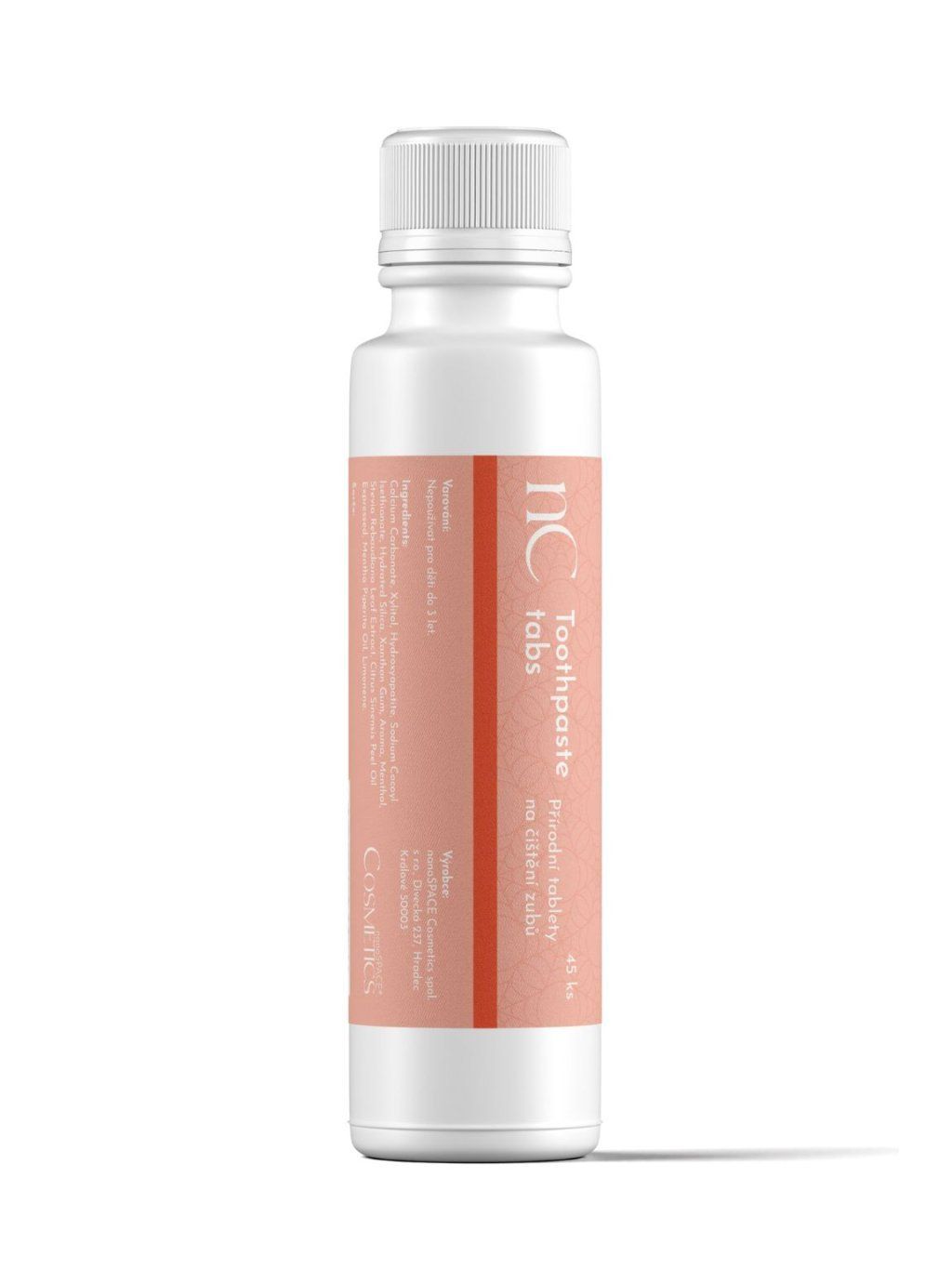
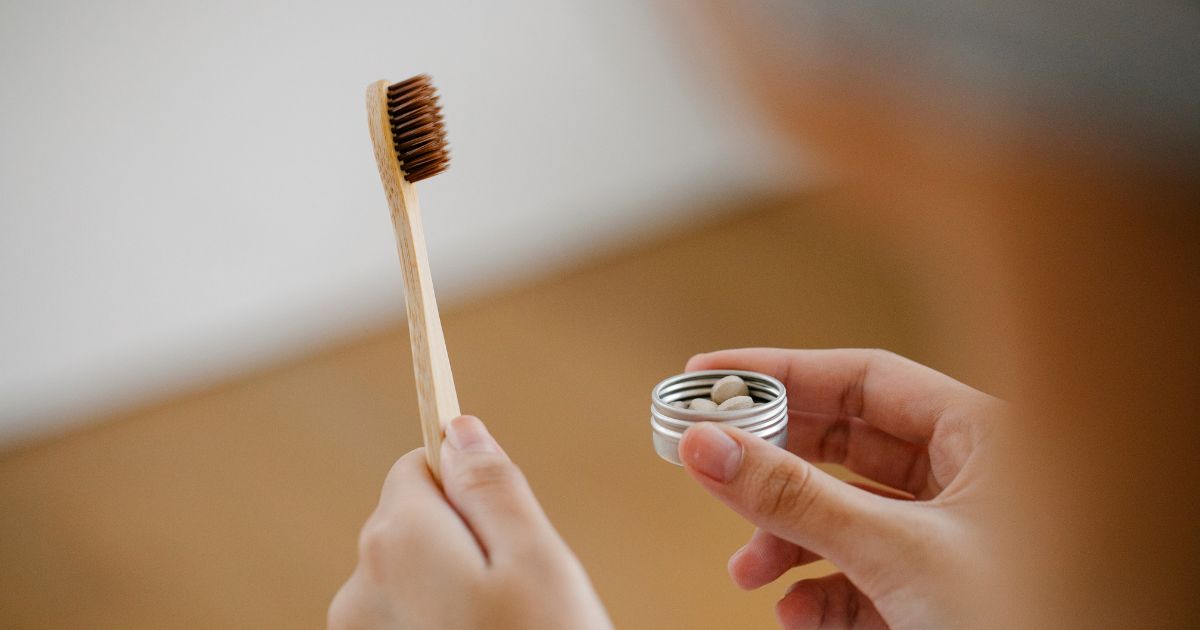
For those seeking the ultimate in sustainable, travel-friendly innovation, our Vegan Waterfree Natural Toothpaste Tablets represent an excellent choice. By completely eliminating water from the formulation, we've removed the need for harsh synthetic preservatives, making these tablets extraordinarily gentle on sensitive oral mucosa and ideal for allergy sufferers. They deliver a precise, potent dose of remineralising power in a 100% natural, delightfully refreshing menthol-citrus format that effectively lifts surface stains whilst reinforcing the enamel structure.
For households looking to completely overhaul their daily routine, our comprehensive 3 Pcs Set: Vegan Natural Toothpaste provides an exceptional, long-term supply of our advanced formulation. This carefully crafted paste perfectly embodies the principles of circular cosmetics. Instead of relying on environmentally damaging synthetic polymers, we use a fully biodegradable natural polymer, P3HB. This ensures that whilst you're actively repairing your enamel, soothing your sensitive nerves with clove and mint extracts, and enjoying a naturally whiter smile, you're also dramatically reducing your daily ecological footprint. Remember, we offer 14-day returns, so you can experience this breakthrough in dental care with complete peace of mind.
Conclusion: A Paradigm Shift in Preventative Dentistry
After a thorough, critical examination of the expansive scientific evidence, the underlying biochemical mechanisms, and the overwhelming clinical experiences, it's unequivocally clear that the integration of this biomimetic mineral into daily oral care is not a fleeting trend. It represents a lasting paradigm shift in preventative dentistry. A high-quality hydroxyapatite toothpaste transcends the limitations of traditional hygiene, offering a scientifically validated, highly effective method for actively repairing microscopic damage, permanently banishing sensitivity, and naturally enhancing the aesthetic brilliance of your smile.
Its unparalleled biocompatibility and flawless safety profile make it an indispensable tool for individuals of all ages, from toddlers learning to brush to adults fighting age-related enamel wear. Whilst it's crucial to remember that no product can replace the skilled hands of a professional dentist for advanced decay, it stands as the most powerful preventative and restorative daily tool currently available to the public. By choosing a meticulously formulated product that aligns with your specific needs, you're no longer just cleaning your teeth — you're actively investing in their lifelong structural integrity. In an era where modern medicine continually seeks harmony with the body's natural processes, this remarkable mineral offers the pinnacle of biomimetic care: a sophisticated, elegant technology inspired and provided by nature itself.
Frequently asked questions
Is hydroxyapatite completely safe for young children to use?
Yes, it's considered exceptionally safe for children of all ages. Because it's biologically identical to the primary mineral that naturally occurs in the human body's bones and teeth, there's zero risk of toxicity, even if a child accidentally swallows a large amount of the toothpaste. These inherent biocompatible properties make it the perfect, worry-free choice for toddlers and young children who haven't yet mastered the ability to spit and rinse thoroughly after brushing.
How long does it typically take to see visible results from using it?
The exact timeframe for noticeable results depends entirely on your specific dental issues and the initial condition of your enamel. For the relief of dentine hypersensitivity, many users report a significant reduction in pain relatively quickly, often within just seven to ten days of consistent, twice-daily brushing. However, for visible improvements in tooth colour, surface smoothness, and structural remineralisation, it generally requires two to four weeks of dedicated use. For the very best, most permanent results, dental professionals strongly recommend continuous, long-term use for a minimum of three months.
Can using this toothpaste entirely replace my regular visits to the dentist?
No, absolutely not. Whilst it's an incredibly powerful tool for daily maintenance and micro-repair, it cannot replace the essential diagnostic and restorative care provided by a qualified dental professional. It's highly effective at remineralising microscopic, early-stage defects and eliminating sensitivity, but it physically cannot heal existing, deep cavities, cure severe periodontal (gum) disease, or repair fractured teeth. It must be viewed as a highly advanced daily supplement to, rather than a replacement for, regular professional check-ups and thorough hygienic cleanings.
Is it suitable for individuals who suffer from very sensitive gums or severe allergies?
Yes, the mineral itself is exceptionally well-tolerated, even by individuals who suffer from highly sensitive gums or who have a predisposition to severe allergies. Because its chemical structure is a perfect match for the minerals already present in your body, the immune system doesn't view it as a threat, thereby virtually eliminating the risk of an allergic reaction to the active ingredient itself. However, you must always carefully review the complete ingredient list of the specific toothpaste brand, as added flavourings, foaming agents, or preservatives in the wider formulation could potentially cause irritation.
Does it matter if I use a paste with nano-sized or micro-sized particles?
Yes, the particle size plays a vital role in how the product functions. Nano-sized particles are microscopically small, allowing them to penetrate deeply into the enamel's tiny fissures to repair structural damage from the inside out and effectively block the deep tubules causing sensitivity. Micro-sized particles are larger and excel at building a thicker, highly robust protective shield on the exterior surface of the tooth to defend against daily acid attacks. The most advanced, premium formulations often use a carefully balanced combination of both sizes to deliver comprehensive, multi-layered protection and repair.
Sources
- Dabanoglu, A., Wood, C., Garcia-Godoy, F. and Kunzelmann, K.H., 2009. Whitening effect and morphological evaluation of hydroxyapatite materials. American journal of dentistry, 22(1), p.23.
- Limeback, H., Meyer, F. and Enax, J., 2023. Tooth whitening with hydroxyapatite: A systematic review. Dentistry journal, 11(2), p.50.
- Shang, R., Kaisarly, D. and Kunzelmann, K.H., 2022. Tooth whitening with an experimental toothpaste containing hydroxyapatite nanoparticles. BMC oral health, 22(1), p.331.