
Imagine a hidden switch inside your mind that you could simply flick to turn off the relentless background noise, the racing thoughts, and the overwhelming mental load. Picture that familiar, heavy feeling when your alarm goes off in the morning—instead of waking up refreshed and full of energy, you feel only the crushing weight of another demanding day ahead. Often, your hormones seem to be actively conspiring against you, or your weight refuses to budge despite a perfectly healthy diet. You spend your evenings lying in bed, staring at the ceiling, unable to switch off.
Let's be clear: this is not your fault. The modern world places extraordinary, unnatural demands on us, and our bodies simply haven't evolved fast enough to keep pace with this relentless lifestyle. It's precisely here, in the gap between our evolutionary biology and our modern reality, that a rather unassuming but incredibly powerful herb enters the conversation. You've likely heard whispers about ashwagandha—it's recently become the subject of immense global attention. But does it actually work, or is it merely another wellness trend fuelled by the placebo effect? Today, we're going to look beneath the surface to explore the genuine effects of ashwagandha on women, breaking down the science and the reality without any rose-tinted glasses.
.jpg)
Key takeaways
- Hormonal harmony and thyroid support, as ashwagandha can help optimise thyroid function, which is vital for maintaining a healthy metabolism and sustaining daily energy levels.
- Deeper sleep and reduced daily stress, because by actively lowering cortisol (the primary stress hormone), it allows the body to regenerate properly and significantly improves the restorative phases of deep sleep.
- A natural return of intimacy and desire, with numerous clinical studies confirming that regular use can increase libido, improve natural lubrication, and enhance overall satisfaction in a woman's intimate life.
- Gentle assistance during menopause and PMS, as it has the remarkable ability to smooth out hormonal fluctuations, thereby reducing hot flushes and mood swings during transitional periods.
- Not suitable for everyone, meaning that if you're currently pregnant, breastfeeding, or managing certain autoimmune conditions, you should avoid this herb and seek alternative natural remedies.
The Secret Called Adaptogens: Why Are We Always Stressed?
To truly understand why this ancient Indian herb has become so wildly popular in recent years, we need to step back and examine the mechanics of human biology. Our nervous system is a marvel of evolution, but it has one rather significant flaw: it can't distinguish between a genuine life-or-death threat, such as being chased by a lion on the savannah, and a purely psychological stressor, such as receiving an aggressive email from your boss at eight o'clock in the evening. The physiological reaction is exactly the same in both scenarios. Your brain sounds the alarm, your adrenal glands flood your system with adrenaline, and shortly after, cortisol is released into your bloodstream. The fundamental problem is that while the lion eventually gives up and disappears, allowing your nervous system to return to a state of calm, the emails, the financial pressures, and the endless to-do lists never stop. We're living in a state of chronic, low-grade stress. If you want to understand more about managing this burden, reading about how to get rid of stress is a crucial first step. And this is exactly where adaptogens come into play.
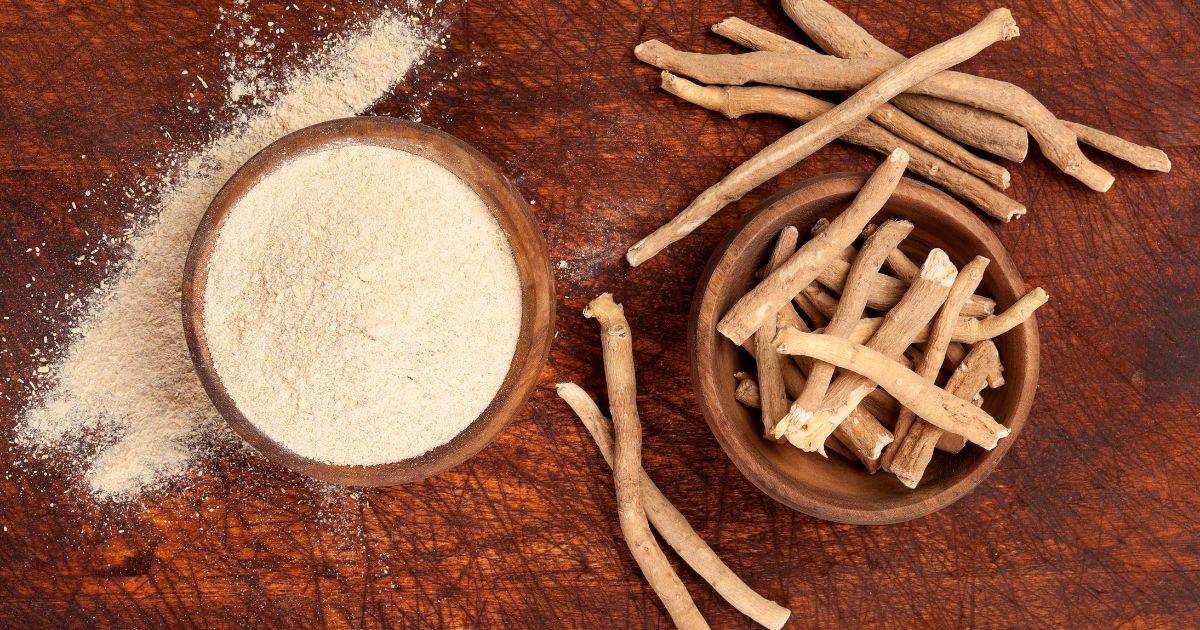
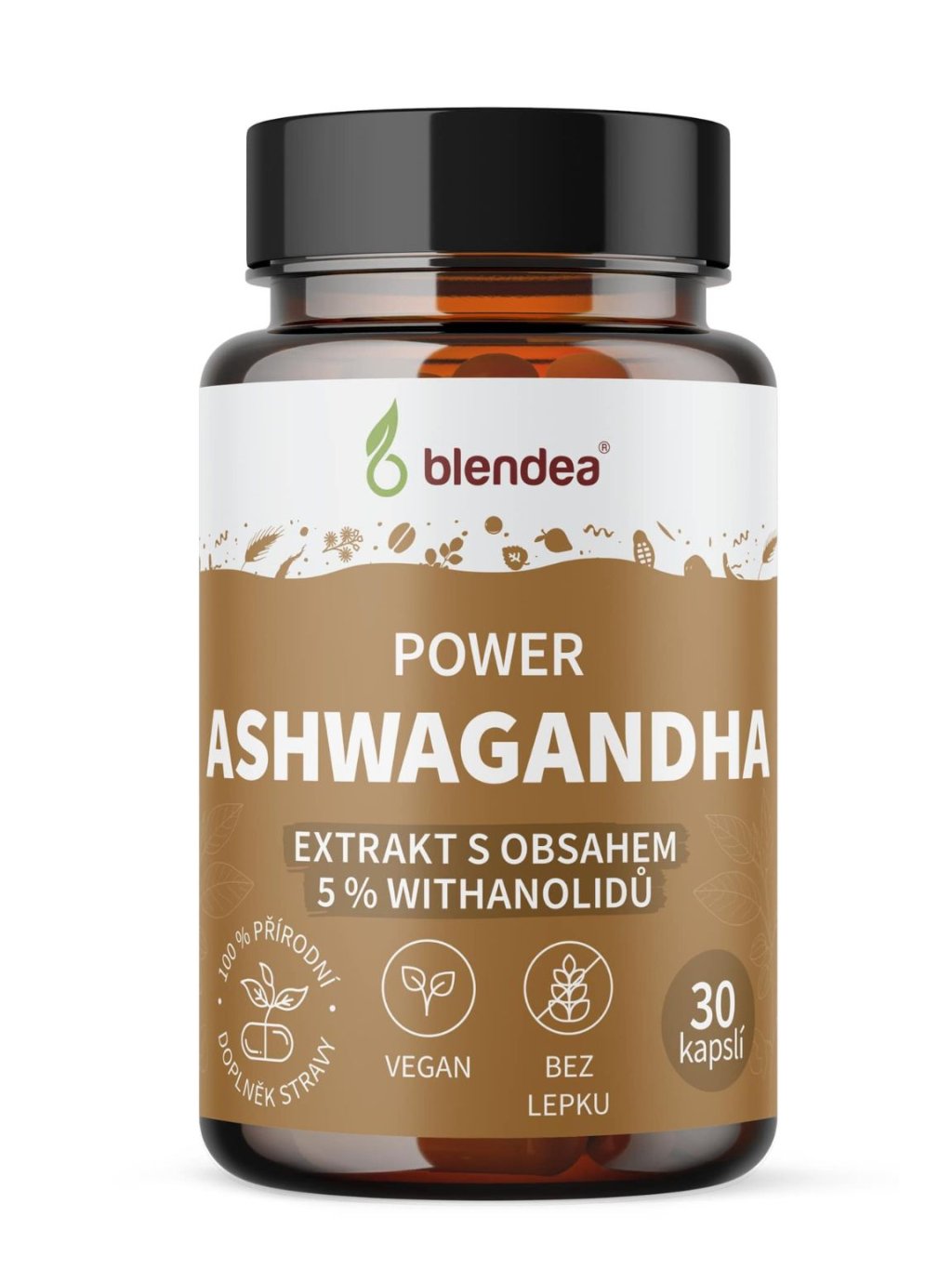
Think of an adaptogen as a highly intelligent biological thermostat for your body. When your system is running too hot—when you're overwhelmed, anxious, and flooded with stress hormones—it works to cool you down and bring you back to baseline. Conversely, when your system is running too cold—when you're utterly exhausted, depleted, and struggling to find the energy to function—it gently warms you up and provides a stable source of vitality. Ashwagandha, which is also traditionally known as Indian ginseng, is arguably the undisputed master of this balancing act. It's crucial to understand that it doesn't simply "kick-start" your system in the way that a strong cup of coffee does. Caffeine merely masks fatigue by blocking sleep receptors, often leaving you more depleted later. Instead, Blendea Ashwagandha Extract works at a foundational level to repair and recalibrate your body's inherent ability to respond to stress. For modern women who are constantly performing a high-wire balancing act between advancing their careers, nurturing their families, and managing a household, this adaptogenic support can be the vital missing element that finally returns a sense of control over their own bodies and minds.
Premium Adaptogenic Support for Women
How Ashwagandha Influences the Female Hormonal System
You've almost certainly noticed that during periods of intense emotional or physical stress, your menstrual cycle becomes entirely unpredictable. Your periods might arrive late, disappear altogether, or be accompanied by unusually severe cramping and mood swings. This is by no means a coincidence. In the complex hierarchy of the endocrine system, cortisol acts as a bit of a bully. When your body is under chronic stress and requires high amounts of cortisol to keep you functioning, it engages in a process often referred to by functional medicine practitioners as the "cortisol steal". Because the body prioritises immediate survival over reproduction, it will literally divert the raw materials needed to make essential sex hormones, such as progesterone, and use them to manufacture more cortisol instead. This leaves you in a state of oestrogen dominance, leading to bloating, irritability, and stubborn weight gain around the midsection. By actively lowering the overall burden of cortisol, incorporating a high-quality supplement like Blendea Ashwagandha Extract gives your body the necessary breathing room to naturally realign and balance its own hormone production, restoring harmony from the inside out.
The Thyroid Gland: The Hidden Engine of Your Metabolism
One of the most fascinating and scientifically compelling chapters in the story of this adaptogen is its profound effect on the thyroid gland. An alarming number of women today suffer from what's known as subclinical hypothyroidism. This is an incredibly frustrating scenario where you visit your doctor, describe your symptoms of deep fatigue, feeling constantly cold, experiencing brain fog, and gaining weight even when eating very little, only to be told that your blood test results are "perfectly normal". You're left feeling dismissed and confused. The reality is that chronic stress heavily suppresses thyroid function. It inhibits the crucial conversion of the inactive thyroid hormone (T4) into the active form (T3) that your cells actually use for energy.
Emerging clinical studies strongly suggest that ashwagandha possesses the unique ability to gently stimulate the production of T4 and, more importantly, encourage its efficient conversion into active T3 in the liver and peripheral tissues. T3 is the literal metabolic engine of your body; it dictates how efficiently you burn calories, how warm your hands and feet feel, and how much sustained energy you have throughout the day. If you constantly feel as though your internal engine is sputtering and running on fumes, supporting your thyroid through adaptogenic pathways might be the turning point you've been searching for. However, there's a vital caveat here that can't be ignored. If you're already taking prescription medication for an underactive thyroid (such as Levothyroxine), you must exercise extreme caution. Because the herb is so effective at stimulating thyroid function, combining it with medication could potentially amplify the effects too much, pushing you into the opposite extreme of hyperthyroidism. You should always consult with a qualified endocrinologist or GP before introducing it to your regimen.
Putting an End to Sleepless Nights and Daily Anxiety
High-quality, restorative sleep is absolutely non-negotiable for female health. It's not a luxury; it's a biological imperative. During the deepest stages of sleep, your brain flushes out metabolic waste, your tissues repair themselves, and, crucially, the vast majority of your hormones are synthesised and released. If you're sleeping poorly, attempting to lose weight or maintain a stable, positive mood is almost entirely impossible. If you find yourself staring at the ceiling at 3 AM, learning what to do when you can't sleep is a vital skill. Many women find themselves trapped in a vicious cycle: they're too stressed to sleep, and the lack of sleep makes them even more vulnerable to stress the following day. Ashwagandha contains specific bioactive compounds that mimic the function of gamma-aminobutyric acid (GABA) in the brain. GABA is essentially your nervous system's braking mechanism. It's the inhibitory neurotransmitter that whispers to your overactive, firing neurones: "Slow down, the threat has passed, it's safe to rest now."
Unlike pharmaceutical sleeping pills or heavy sedatives, which forcefully knock you unconscious and often leave you feeling groggy, hungover, and disoriented the next morning, adaptogens work by deepening the actual architecture of your sleep. Women who incorporate this herb into their evening routine frequently report a remarkable shift. Even if the total number of hours they spend in bed remains exactly the same, they wake up feeling profoundly more rested and rejuvenated. That dreadful morning sensation of "brain fog"—where it takes two full hours, a scalding shower, and three strong coffees just to feel somewhat human and ready to face the day—begins to dissipate. For those who need an extra targeted approach to their evening routine, combining adaptogenic practices with proper sleep hygiene for adults and children can completely transform your nights. Additionally, pairing your wind-down routine with targeted support, such as Eddies Sleep Gummies with Melatonin – Blueberry, can help signal to your brain that it's time to transition into deep rest.
Targeted Solutions for Deep, Restorative Sleep


Intimacy and Libido: The Vital Topic We Secretly Struggle With
This is a deeply personal subject that's all too frequently brushed under the carpet during quick visits to the gynaecologist, yet it's a source of silent distress for hundreds of thousands of women. A sudden or gradual loss of desire for physical intimacy is very rarely just "all in your head". It's a highly complex, tangible physiological reaction to systemic exhaustion. Think about it from an evolutionary perspective: a body that believes it's constantly fighting for its very survival against a barrage of modern stressors simply doesn't have the energetic resources to even consider reproduction or pleasure. The sympathetic nervous system (your fight-or-flight response) directly suppresses the parasympathetic nervous system (your rest, digest, and arouse response). You can't force desire when your body is locked in a state of high alert.
The Physiological Mechanics Behind a Renewed Drive
When the relentless flood of stress hormones is finally stemmed and your baseline hormones begin to realign, your nervous system receives a powerful biological signal that the environment is once again "safe" enough to relax. Clinical research specifically focused on female sexual health has yielded truly remarkable results in this area. In rigorous trials, women who were administered a high-quality extract of ashwagandha root reported highly significant improvements across the Female Sexual Function Index (FSFI), a standardised clinical metric used to evaluate arousal, lubrication, orgasm, and overall satisfaction.
Crucially, this isn't merely about a psychological increase in desire; the benefits extend deeply into physical sensation. By reducing the vasoconstricting effects of stress hormones, adaptogens help to improve healthy blood flow throughout the entire body, including the pelvic region. This enhanced circulation directly leads to better natural lubrication, heightened sensitivity, and a much easier path to climax. It's the beautiful, natural consequence of a body finally breaking free from the suffocating grip of chronic tension and giving itself full permission to experience joy and physical pleasure once more.
Menopause and Premenstrual Syndrome: A Natural Ally for Transition
The transitional phase of menopause, or even the volatile week leading up to a regular menstrual period, possesses the frightening ability to transform even the most patient, serene woman into a bundle of frayed nerves. The sudden, intense hot flushes that leave you drenched in sweat, the profound irritability where every small inconvenience feels like a catastrophe, the painful breast tenderness, and the uncomfortable water retention—all of these symptoms are intimately tied to the wild fluctuations in oestrogen and progesterone levels. During perimenopause, as the ovaries begin to wind down their production of hormones, the adrenal glands are supposed to step in and take over a portion of that workload. However, if your adrenal glands are already completely exhausted from years of pumping out stress hormones, they can't facilitate a smooth transition, leading to severe menopausal symptoms.
While ashwagandha isn't a hormone itself and doesn't contain synthetic oestrogens, its profound modulating influence on the entire endocrine system can significantly soften these jagged fluctuations. Clinical studies observing perimenopausal women have demonstrated that consistent use of this adaptogenic herb noticeably reduced the frequency and severity of hot flushes, while simultaneously improving their overall quality of life and emotional stability. You can visualise its effect much like a set of high-quality shock absorbers on a deeply potholed country road. The journey itself might still be inherently bumpy as your hormones naturally shift and change, but sitting inside the car—inside your own body—you feel the jarring impacts infinitely less.

Does Ashwagandha Have Side Effects? What You Must Watch Out For
In the interest of complete transparency, we must address the potential drawbacks. There's a dangerous misconception in the wellness community that because a substance is entirely natural, it's automatically safe for every single person under all circumstances. This is simply not true. Even though ashwagandha is generally exceptionally well-tolerated by the vast majority of the population, there are specific scenarios where it might cause unintended issues. One of the most frequently discussed and somewhat controversial topics is its potential impact on female hair loss.
While this adaptogen works wonders for many women by halting stress-induced hair shedding (telogen effluvium) by lowering cortisol, a small percentage of women might paradoxically experience a worsening of hair thinning. How is this physiologically possible? Ashwagandha has been shown to mildly increase the production of testosterone and DHEA. If you have a strong genetic predisposition to androgenic alopecia (hormonal pattern baldness) or if you currently suffer from Polycystic Ovary Syndrome (PCOS) characterised by already elevated androgens, this slight additional increase in testosterone could potentially tip the scales and exacerbate the problem. It's essential to listen to your body and monitor how you feel and look when starting any new botanical protocol.
When to Steer Clear of This Herb Entirely
There are very specific groups of women for whom the effects of ashwagandha present a clear risk rather than a benefit. Foremost among these are women who are currently pregnant or actively breastfeeding. There's simply a lack of robust, long-term safety data confirming that it's entirely harmless for a developing foetus or a nursing infant. Furthermore, in certain traditional Ayurvedic practices, extremely high doses of the root were historically used as an abortifacient to stimulate uterine contractions. It's absolutely not worth the risk during pregnancy.
Additionally, you must exercise extreme caution if you've been diagnosed with an autoimmune disease, such as systemic lupus erythematosus, rheumatoid arthritis, Hashimoto's thyroiditis, or multiple sclerosis. Ashwagandha is a potent immunomodulator that generally strengthens and upregulates the immune system. While this is fantastic news for a healthy individual looking to ward off winter colds, for someone with an autoimmune condition, an upregulated immune system might mean that the body begins to attack its own tissues with even greater aggression. Always consult your specialist before proceeding.
How to Correctly Dose and Take Ashwagandha for Maximum Benefit
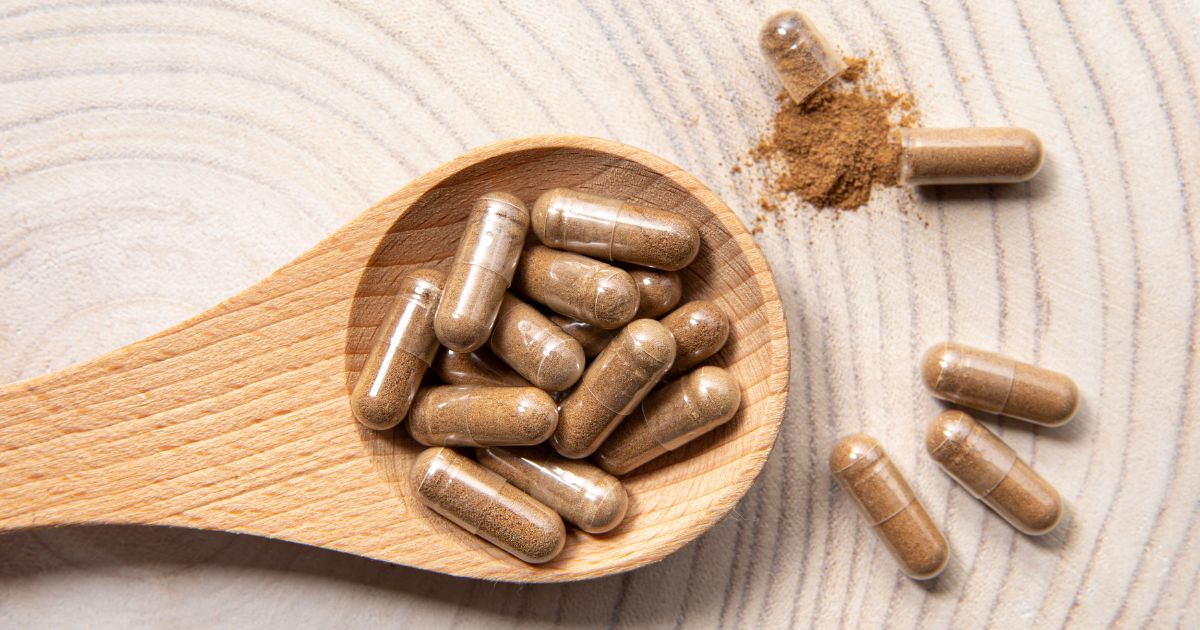
It's vital to understand that not all supplements sitting on pharmacy shelves are created equal. You can't simply pick up the cheapest, unverified powder from a discount store and expect clinical results. The true power of the root lies in specific active compounds known as withanolides. When selecting a product, you should always look for a high-quality extract that guarantees a standardised percentage of these active compounds—ideally at least 5% withanolides. The patented KSM-66 extract is widely considered the gold standard in the industry due to its extensive clinical backing and rigorous extraction methods.
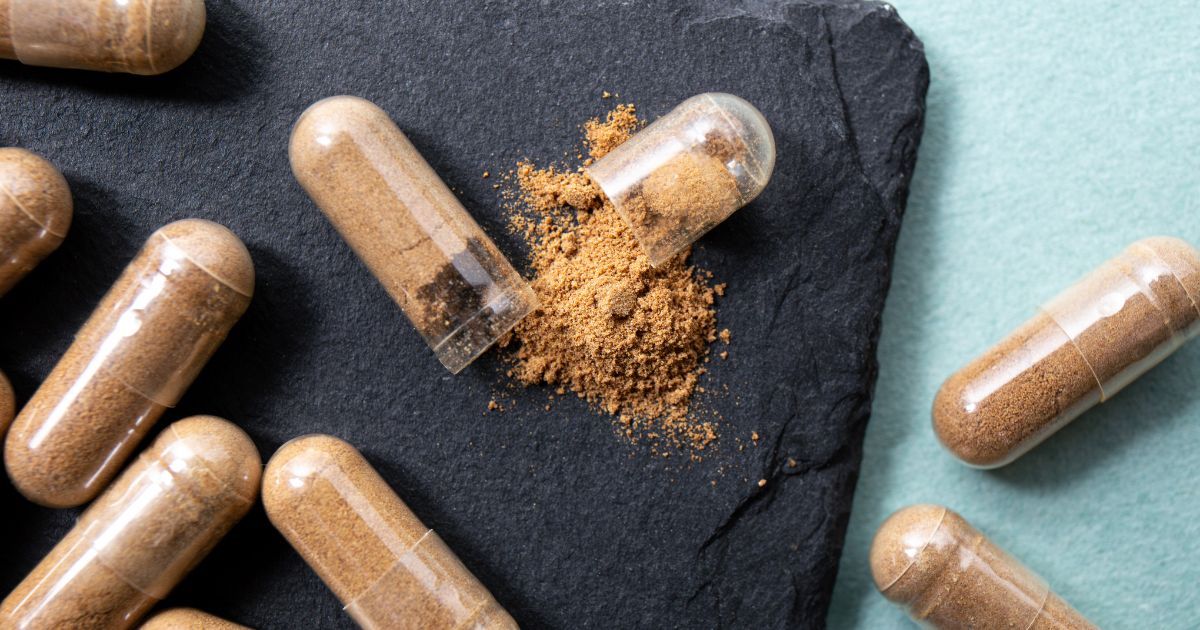
The standard recommended dosage for women typically ranges between 300 and 600 mg per day. The wisest approach is to start at the lower end of that spectrum, allowing your body to acclimatise, and closely observe your physical and emotional reactions over a fortnight. Many leading functional medicine experts highly recommend a practice known as "cycling". This involves taking the herb consistently for a period of, say, three months, and then deliberately taking a full four-week break. This prevents your biological receptors from down-regulating and becoming overly accustomed to the active compounds, ensuring that the adaptogenic effects remain potent and effective over the long term. And above all, you must remember to be patient. Adaptogens aren't pharmaceutical quick fixes. They work by fundamentally rebuilding your resilience from the ground up. You need to give the protocol at least four to eight weeks of consistent use before passing judgement on its efficacy.
Conclusion
Ashwagandha isn't a mythical magic wand that will instantly eradicate all of your modern problems or erase the complexities of your daily life with a single wave. However, it is an exceptionally powerful, scientifically validated tool that can genuinely help your overburdened body find its way back to a state of lost equilibrium. In an era where chronic stress has become our daily bread, and where women are expected to perform flawlessly across multiple demanding roles, this remarkable herb might just be the missing puzzle piece you need to achieve better hormonal health, a much calmer mind, and a profoundly more satisfying life. If you don't fall into any of the contraindicated health categories, it's undoubtedly worth exploring. You may very well discover that the sustained energy, the deep restorative sleep, and the profound inner calm you've been desperately searching for were entirely within your reach the whole time.
Frequently asked questions
When is the absolute best time to take ashwagandha—in the morning or the evening?
The ideal timing depends entirely on your primary goal. If you're taking it specifically to combat insomnia and improve your sleep architecture, it's best taken in the evening, roughly one hour before you intend to sleep. However, if you're using it to manage daytime anxiety, lower cortisol spikes during work hours, and maintain steady energy, you can take it in the morning alongside your breakfast. It's worth noting that for a small number of individuals, an evening dose can provoke excessively vivid dreams; if this happens to you, simply shift your dosage to the morning.
Can taking ashwagandha interfere with my hormonal contraception?
To date, there's no clinical evidence to suggest a direct, negative interaction between ashwagandha and standard hormonal contraceptive pills. However, because the herb actively influences overall hormonal balance and can mildly alter the way the liver metabolises certain compounds, there's a theoretical possibility that it could subtly change how your body processes synthetic hormones. The vast majority of women combine the two without any issues whatsoever, but if you experience any unusual spotting or breakthrough bleeding mid-cycle, you should pause the supplement and consult your gynaecologist.
Realistically, how long will it take before I start feeling the first results?
It's crucial not to expect overnight miracles. You might begin to notice very subtle, gentle improvements in your ability to fall asleep or the depth of your rest within the first few days. However, the truly profound effects—such as a noticeable reduction in chronic stress, a lifting of brain fog, and genuine hormonal harmonisation—typically require a minimum of four to six weeks of consistent daily use to fully manifest. You must be patient and give your biology the necessary time to recalibrate.
Is it safe to combine ashwagandha with my morning coffee or a glass of wine?
Combining it with coffee is generally considered very safe and can actually be quite beneficial; the adaptogenic properties often help to smooth out the jittery, anxious edge that high doses of caffeine can sometimes provoke. When it comes to alcohol, however, you should exercise more caution. Because ashwagandha has a naturally relaxing, GABA-enhancing effect on the central nervous system, it can amplify the sedative properties of alcohol. This means you might feel intoxicated, dizzy, or overwhelmingly drowsy much faster than you normally would.
Is it completely safe to take ashwagandha every day for years on end?
Clinical studies have robustly confirmed its safety for continuous use over periods of several months. However, there's a lack of comprehensive, long-term data regarding uninterrupted daily use spanning multiple years. Because of this, the general consensus among herbalists and functional practitioners is to implement a cycling routine. By taking a one-month break after every three months of use, you ensure that your body doesn't build up a tolerance, maintaining your sensitivity to its benefits and preventing any potential overstimulation of the immune or endocrine systems.