
Atopic eczema can make daily life incredibly frustrating, turning simple routines into a constant battle against itching, redness, and profound discomfort. While topical treatments and moisturisers are a vital part of managing flare-ups, what you put on your plate can influence the severity of your symptoms far more than you might initially expect. Every person struggling with compromised skin has specific triggers, but a universal rule often applies: avoiding known dietary allergens and prioritising high-quality proteins, healthy fats, dietary fibre, and a robust dose of vitamins can make a world of difference. Crafting an effective atopic eczema diet isn't merely about restriction; it's about providing your body with the fundamental nourishment it needs to repair its barrier from the inside out. Let's explore what you should avoid eating and, conversely, what you should actively include in your daily meals to soothe your skin, reduce systemic inflammation, and regain control over your complexion.
Key takeaways if you're short on time
- Avoid problematic allergens, such as cow's milk, eggs, tree nuts, and soy, which are notorious for exacerbating skin inflammation and triggering severe flare-ups.
- Incorporate anti-inflammatory foods, including fatty fish, premium plant-based oils, and vegetables rich in antioxidants to support cellular repair and soothe the skin barrier.
- Limit refined sugars and processed meals, because a successful atopic eczema diet relies on minimising the systemic inflammation caused by artificial additives and glucose spikes.
- Support your gut microbiome with probiotics, as fermented foods can foster a healthy digestive system, which directly reflects on your skin's resilience and overall health.
- Nourish your skin externally, complementing your dietary efforts with gentle, natural skincare products designed specifically for sensitive barriers to lock in essential moisture.
The Profound Connection Between Your Gut and Your Skin
To truly understand how an atopic eczema diet works, we must first explore the fascinating relationship between the digestive system and the integumentary system—commonly referred to as the gut-skin axis. For decades, dermatologists focused almost exclusively on treating the surface of the skin. However, modern research shows that our skin's health is intimately tied to our gut microbiome. When your digestive tract is inflamed or imbalanced, this internal turmoil frequently manifests externally as redness, scaling, and relentless itching.
The foods we consume dictate the composition of the bacteria living in our intestines. A diet high in refined carbohydrates, artificial preservatives, and trans fats feeds harmful bacteria and yeast, which can lead to a condition known as intestinal permeability, or "leaky gut". When the intestinal lining becomes compromised, undigested food particles and endotoxins escape into the bloodstream. Your immune system identifies these harmless particles as dangerous invaders, launching a massive inflammatory response. In individuals prone to atopy, this systemic inflammation travels directly to the skin, triggering a painful eczema flare-up. Therefore, managing your condition requires a dual approach: understanding how to care for dry skin externally while simultaneously healing your gut internally.

Adopting a targeted atopic eczema diet aims to reverse this vicious cycle. By removing foods that irritate the intestinal lining and introducing nutrients that promote a diverse, robust microbiome, you can calm your immune system's hyperactive response. It's a slow, methodical process of rebuilding your body's internal defences. Think of your gut as the soil and your skin as the plant; no amount of surface watering will save a plant if the soil is toxic. Nourishing the root is the most effective way to ensure the leaves—or in this case, your skin—can thrive and remain resilient against environmental stressors.
Navigating Food Allergies and Intolerances in an Atopic Eczema Diet
When constructing an atopic eczema diet, it's crucial to distinguish between true food allergies and food intolerances, as both play a significant but distinct role in skin health. A true food allergy involves the immune system, specifically Immunoglobulin E (IgE) antibodies. When you consume an allergenic food—such as peanuts, shellfish, or cow's milk—your immune system immediately reacts, releasing a flood of histamine and other chemicals. This reaction is usually swift and severe, resulting in hives, swelling, difficulty breathing, or an immediate worsening of eczema patches. For those with diagnosed IgE allergies, strict avoidance of the offending food is an absolute necessity, as even trace amounts can provoke a dangerous systemic response.
Food intolerances, on the other hand, are far more insidious and often harder to pinpoint. Intolerances generally don't involve IgE antibodies; instead, they may involve delayed IgG immune responses or simply an inability of the digestive system to properly break down certain compounds (such as lactose or gluten). Because the symptoms of an intolerance can take anywhere from a few hours to several days to manifest, connecting a specific meal to a sudden eczema flare-up can feel like solving a complex mystery. You might eat a slice of wheat bread on Monday and not experience the resulting skin inflammation until Wednesday. This delayed reaction is precisely why an atopic eczema diet requires patience, vigilant observation, and often a structured elimination protocol.
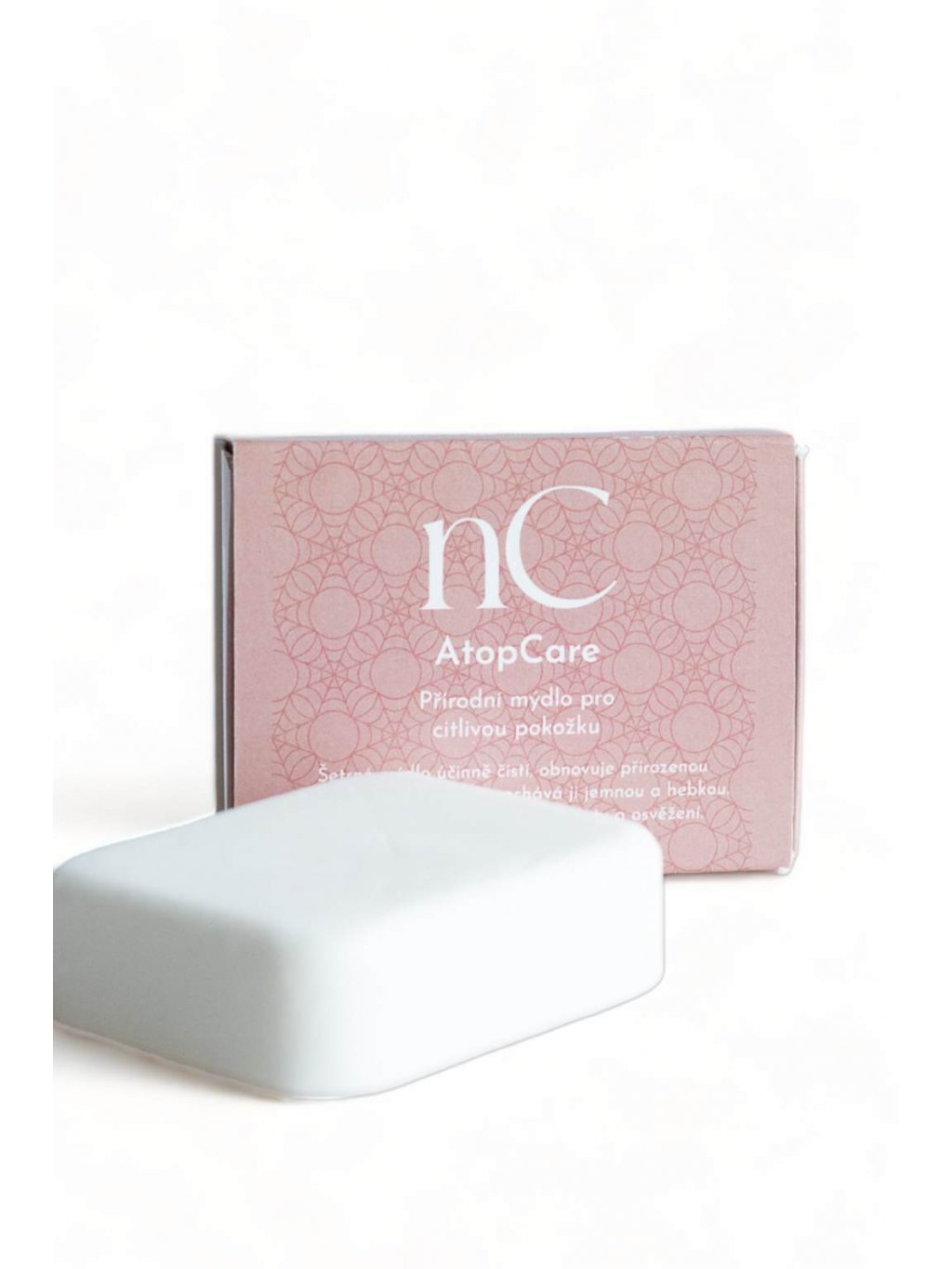
Regardless of whether you're dealing with a swift allergic reaction or a delayed intolerance, the end result for an atopic individual is often the same: a compromised skin barrier. As you begin to identify and remove these dietary triggers, it's essential to support your skin with the gentlest possible external care. Harsh chemical cleansers can strip away the few natural oils your skin manages to produce, exacerbating the dryness caused by internal inflammation. Using a soothing, natural option like the Natural Soap for Sensitive Skin AtopCare ensures that you're not adding environmental irritation to the dietary challenges your body is already fighting.
Gentle Cleansing for Atopic Skin

Foods to Eliminate: What to Avoid on an Atopic Eczema Diet
When embarking on an atopic eczema diet, knowing what to remove from your plate is often more impactful than knowing what to add. The primary goal is to lower the overall burden on your immune system. For many individuals, the most common dietary culprits are dairy products. Cow's milk contains specific proteins, such as casein and whey, which are notoriously difficult for the human digestive tract to break down completely. In people with compromised gut barriers, these partially digested proteins enter the bloodstream and trigger an immune response that manifests as red, weeping, or intensely itchy eczema patches. Eggs, particularly the egg white, are another frequent trigger, alongside soy, wheat, and tree nuts. You should always scrutinise food labels, as these allergens are often hidden in baked goods, sauces, and ready-made meals under obscure names.

Beyond specific allergenic foods, an effective atopic eczema diet must aggressively target systemic inflammation, which means re-evaluating your intake of ultra-processed foods. Fast food, instant soups, commercial pastries, and sugary snacks are laden with trans fats, refined carbohydrates, and chemical additives. When you consume high amounts of refined sugar, it causes a rapid spike in your blood glucose levels. This spike triggers the release of insulin, which in turn stimulates the production of pro-inflammatory enzymes throughout the body. Furthermore, excess sugar in the bloodstream binds to collagen and elastin proteins in the dermis—a process known as glycation—making the skin stiff, fragile, and far more susceptible to cracking and infection. If you want your skin to heal, cutting out refined sugars and artificial sweeteners is a non-negotiable step.
Additionally, you should be extremely cautious with alcohol, heavily spiced dishes, and foods containing artificial colourings and preservatives, such as sodium benzoate, sulphites, and tartrazine. Alcohol is a known vasodilator; it expands the blood vessels, bringing more blood to the surface of the skin, which can instantly worsen the appearance of redness and intensify the sensation of itching. It also dehydrates the body, stripping the skin of the vital moisture it desperately needs to maintain its protective barrier. By eliminating these inflammatory instigators, you create a calm internal environment where your immune system can finally stop attacking your skin and begin the complex process of cellular repair.
Histamine Intolerance: The Hidden Trigger for Itchy Skin
Sometimes, you might follow a strict atopic eczema diet, eliminating dairy, gluten, and sugar, yet still experience maddening flare-ups. In these perplexing cases, the hidden culprit is often histamine intolerance. Histamine is a naturally occurring chemical involved in the immune response, digestion, and the central nervous system. In a healthy body, an enzyme called diamine oxidase (DAO) breaks down excess histamine from food. However, some people have a deficiency in DAO or consume histamine at a rate faster than their body can process it. Imagine a bucket filling with water; if the water flows in faster than the drain can empty it, the bucket overflows. When your "histamine bucket" overflows, the result is severe itching, hives, flushing, and an aggravation of eczema.
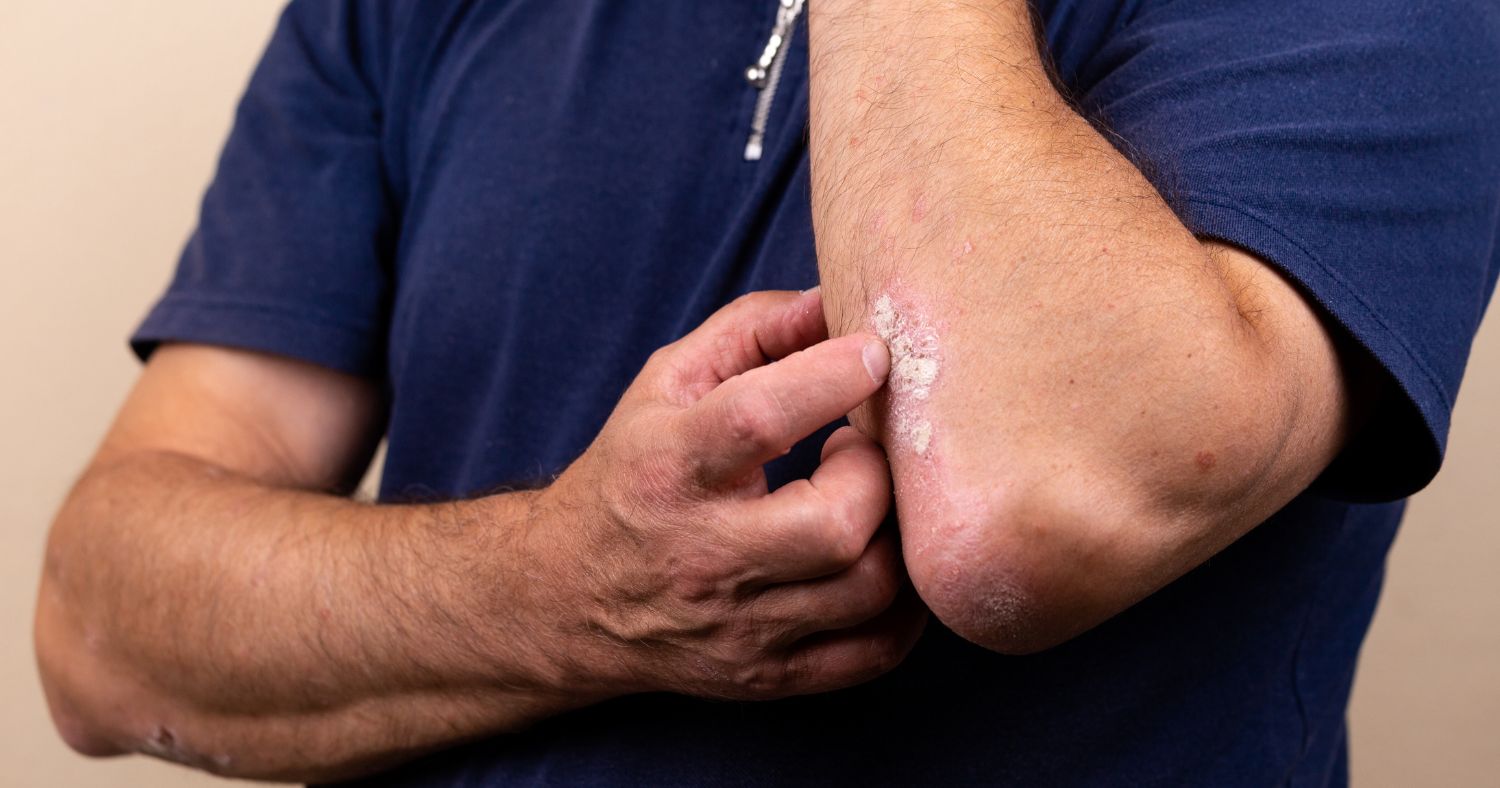
Histamine isn't just produced by the body; it's also present in many foods, particularly those that are aged, fermented, or cured. This creates a confusing paradox for many health-conscious individuals. We're often told that fermented foods like kefir, sauerkraut, and aged cheeses are excellent for gut health. However, if you have a histamine intolerance, these very foods can cause your skin to erupt in a fiery rash. Other high-histamine or histamine-liberating foods include cured meats (like salami and bacon), smoked fish, tomatoes, aubergines, spinach, and unfortunately, chocolate and wine. Navigating this requires a highly individualised approach. You might find that while you understand how to care for oily skin through diet by reducing dairy, your dry, atopic skin requires you to look closely at the age and fermentation level of your food.
If you suspect histamine is driving your eczema, a temporary low-histamine diet can be incredibly revealing. This means prioritising freshly cooked meats over leftovers (as histamine levels rise rapidly in stored food), choosing fresh fruits over dried fruits, and avoiding fermented products until your skin stabilises. Once the histamine bucket is emptied and the DAO enzymes have a chance to catch up, many people find their chronic itching subsides dramatically. It's a nuanced layer of the atopic eczema diet, but for those sensitive to biogenic amines, it's often the missing piece of the puzzle that finally brings lasting relief to their tormented skin.
Nourishing from Within: What to Include in Your Atopic Eczema Diet
Once you've removed the inflammatory triggers, the next crucial phase of an atopic eczema diet is flooding your body with nutrient-dense, healing foods. The foundation of this regenerative phase is built upon healthy fats, particularly Omega-3 fatty acids. Omega-3s are renowned for their potent anti-inflammatory properties. They work at a cellular level to inhibit the production of inflammatory cytokines, effectively turning down the dial on your immune system's overreaction. To harness these benefits, you should aim to consume fatty fish—such as wild-caught salmon, mackerel, sardines, and anchovies—at least twice a week. If you follow a plant-based diet, cold-pressed flaxseed oil, hemp seed oil, and chia seeds are excellent alternatives. These fats not only reduce internal inflammation but also help to reinforce the lipid barrier of your skin, locking in moisture and keeping environmental irritants out.

Equally important are foods rich in antioxidants, vitamins, and essential minerals. Your skin requires a constant supply of building blocks to repair the damage caused by eczema flare-ups. Brightly coloured vegetables and fruits are your best allies here. Sweet potatoes and carrots are packed with beta-carotene, which the body converts into vitamin A—a crucial nutrient for skin cell turnover and repair. Berries, such as blueberries, raspberries, and blackberries, are loaded with vitamin C, which is absolutely vital for collagen synthesis. In fact, if you're exploring the best collagen for hair and skin, you must understand that your body cannot use collagen supplements effectively without adequate vitamin C from your diet. Furthermore, incorporating anti-inflammatory spices like turmeric (which contains the active compound curcumin), ginger, and garlic can provide a significant boost to your body's natural healing mechanisms.
Finally, consider your sources of carbohydrates and proteins. Instead of refined grains that spike your blood sugar, opt for complex, gluten-free pseudo-cereals like quinoa, buckwheat, amaranth, and millet. These provide sustained energy and are rich in dietary fibre, which is essential for maintaining a healthy digestive tract. For protein, lean meats such as chicken, turkey, and rabbit are generally well-tolerated and provide the amino acids necessary for tissue regeneration. By consciously choosing foods that actively fight inflammation and support cellular repair, your atopic eczema diet transforms from a restrictive chore into a powerful, therapeutic tool that empowers your body to heal itself naturally.
Deep Hydration and Barrier Repair

The Power of Probiotics and Prebiotics for Eczema Relief
As we've established, the health of your gut is inextricably linked to the health of your skin. Therefore, a comprehensive atopic eczema diet must account for the cultivation of a thriving intestinal microbiome. This is where probiotics and prebiotics take centre stage. Probiotics are the live, beneficial bacteria that reside in your digestive tract. They play a monumental role in training your immune system, ensuring it reacts appropriately to real threats rather than launching an inflammatory assault on your own skin cells. Strains such as Lactobacillus and Bifidobacterium have been shown in numerous studies to reduce the severity of atopic dermatitis, particularly when introduced early in life or consumed consistently by adults managing chronic flare-ups.
To naturally increase your intake of these beneficial microbes, you should look to traditional fermented foods—provided, of course, that you're not battling the aforementioned histamine intolerance. High-quality, unsweetened kefir, traditional natural yoghurt, unpasteurised sauerkraut, kimchi, and fermented soy products like tempeh are phenomenal additions to your meals. These foods introduce diverse strains of bacteria that help to crowd out the pathogenic yeasts and microbes that drive systemic inflammation. Incorporating a small portion of fermented food into your daily routine can gradually shift the balance of your gut flora, leading to a calmer immune system and, consequently, clearer skin.
However, simply consuming probiotics isn't enough; you must also feed them so they can colonise and thrive. This is the role of prebiotics—indigestible dietary fibres that act as food for your good bacteria. Foods rich in prebiotics include garlic, onions, leeks, asparagus, Jerusalem artichokes, and slightly underripe bananas. When your gut bacteria ferment these prebiotic fibres, they produce short-chain fatty acids (SCFAs), such as butyrate. Butyrate is a powerful compound that directly nourishes the cells lining your colon, seals up a leaky gut, and exerts a profound anti-inflammatory effect throughout the entire body. By combining probiotics and prebiotics in your atopic eczema diet, you create an internal ecosystem that actively promotes skin healing.
How to Start an Elimination Diet and Keep a Food Diary
Understanding the theory behind an atopic eczema diet is one thing, but putting it into practice requires a systematic approach. The gold standard for identifying your personal dietary triggers is an elimination diet. This process isn't meant to be a permanent lifestyle, but rather a temporary, investigative tool. It begins with a strict elimination phase lasting anywhere from three to six weeks. During this time, you completely remove all common allergens and inflammatory foods from your diet—no dairy, no gluten, no soy, no eggs, no nuts, and absolutely no refined sugar. The goal is to give your immune system a complete rest, allowing the baseline inflammation in your body to subside and your skin to begin clearing.
Throughout this entire process, keeping a meticulous food and symptom diary is essential. Human memory is fallible, and without a written record, it's nearly impossible to track the delayed reactions that characterise food intolerances. Every single day, you must write down exactly what you ate, the time you ate it, and the portion size. Alongside your meals, record the state of your skin. Is the itching worse in the morning or evening? Have new red patches appeared? Is the skin feeling tighter or more supple? During this sensitive testing phase, it's vital to keep your external skincare routine as pure and unvarying as possible. Using a consistent, non-irritating product like the Moisturizing Cleansing Foam AtopCare 150 ml ensures that any changes in your skin are truly a reflection of your dietary changes, rather than a reaction to a new cosmetic ingredient.
Once the elimination phase is complete and your skin has shown improvement, you enter the reintroduction phase. This is the most crucial step. You'll reintroduce the eliminated foods one at a time, in small amounts, waiting at least three to four days before introducing another. For example, you might have a glass of milk on Monday, then eat normally on Tuesday, Wednesday, and Thursday, watching your skin like a hawk. If your eczema flares up, you've successfully identified a trigger. If your skin remains calm, that food is likely safe for you. This methodical approach empowers you to build a lifelong, personalised atopic eczema diet that's as expansive and enjoyable as possible, free from unnecessary restrictions.
Holistic Habits: Supporting Your Diet with Proper Skincare and Lifestyle
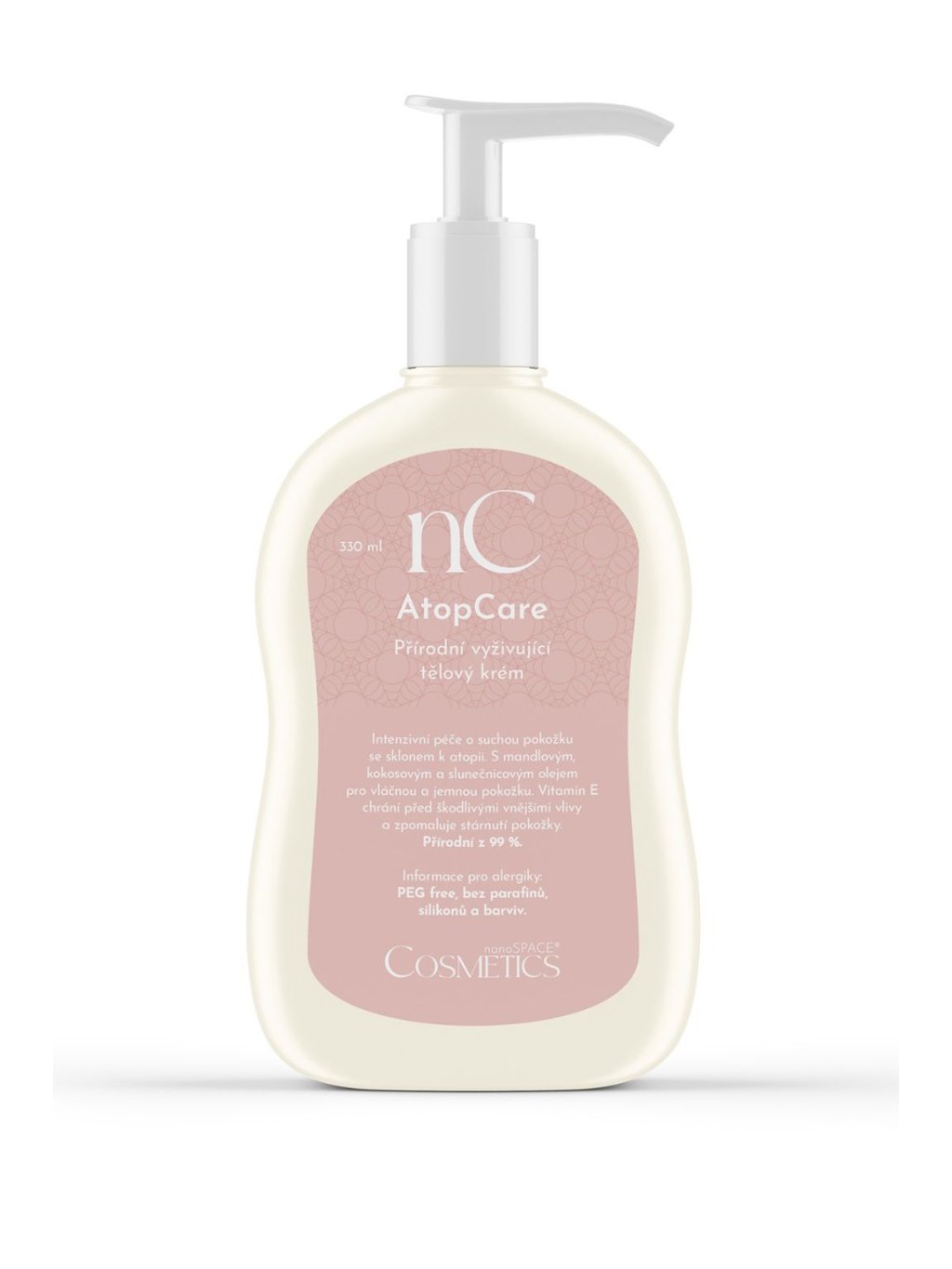
While an atopic eczema diet is an incredibly powerful tool, it can't work in isolation. The skin is a complex organ influenced by a myriad of internal and external factors, and true healing requires a holistic approach. One of the most overlooked aspects of managing eczema is proper hydration. Drinking adequate amounts of water—generally 1.5 to 2 litres a day, depending on your activity level—is essential for cellular function and toxin elimination. Hydration from within plumps the skin cells, making the barrier more resilient against microscopic cracks. However, internal hydration must be locked in externally. Immediately after bathing, while the skin is still damp, applying a rich emollient like the Natural Nourishing Body Cream AtopCare 330 ml is vital to trap that moisture and prevent trans-epidermal water loss.
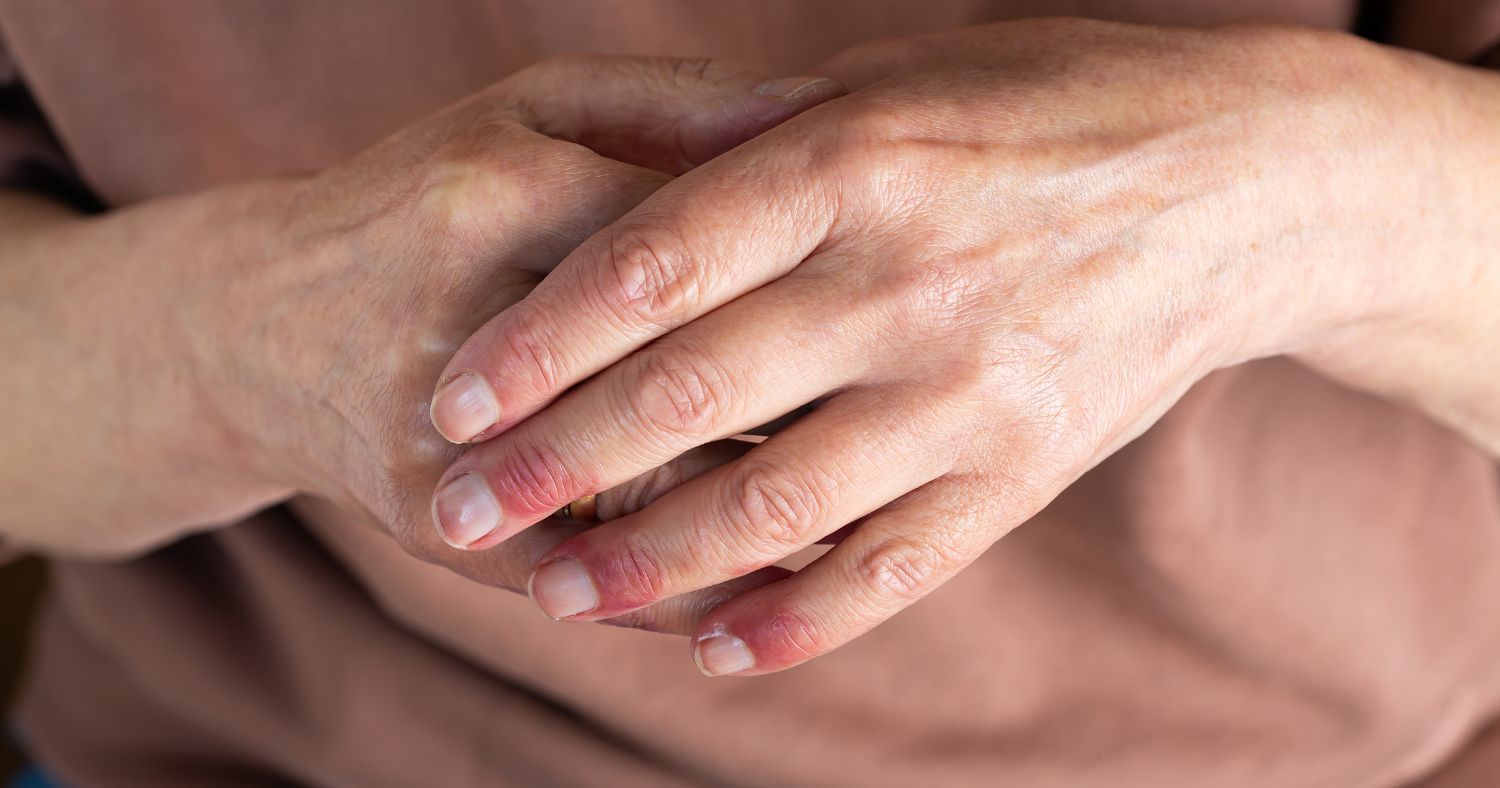
Furthermore, we must address the profound impact of sleep and stress on skin health. Chronic sleep deprivation elevates cortisol levels, which in turn delays barrier recovery and increases systemic inflammation. When you're exhausted, your skin's ability to synthesise new collagen and repair daily damage plummets. Adults should aim for seven to eight hours of restorative sleep per night. Similarly, psychological stress is a notorious trigger for eczema flare-ups. Stress hormones cause blood vessels to constrict and trigger the release of neuropeptides in the skin that cause intense itching. Incorporating stress-management techniques—such as deep breathing, gentle yoga, or daily walks in nature—is just as important as choosing the right vegetables for your dinner.
Ultimately, managing atopic skin is about creating a lifestyle of gentle nourishment. It's about knowing how to cleanse skin properly without stripping its natural defences, and following up with targeted lipid replenishment using products like the Natural Nurturing Body Oil AtopCare 200 ml. This botanical oil, rich in almond, oat, and hemp extracts, mimics the skin's natural sebum, providing a protective shield against the elements. When you combine this diligent external care with a meticulously crafted, anti-inflammatory diet, you address the root causes of eczema from every possible angle, paving the way for long-term relief and truly healthy skin.
At its core, transitioning to an atopic eczema diet is a profound act of self-care. It requires dedication, observation, and a willingness to listen closely to your body's signals. By eliminating harsh allergens, reducing sugar, embracing anti-inflammatory fats, and nurturing your gut microbiome, you're giving your immune system the respite it desperately needs. Remember that healing is rarely linear; there will be setbacks and unexpected flare-ups. However, armed with the knowledge of how food interacts with your skin, you have the power to make informed, healing choices at every meal, ultimately reclaiming the comfort and confidence you deserve.
Frequently asked questions
Which Foods Commonly Make Atopic Eczema Worse?
The most frequent dietary culprits include cow's milk, eggs, soy, tree nuts, seafood, and gluten. Additionally, highly processed foods, sugary treats, and foods high in histamine (such as aged cheeses, cured meats, and chocolate) can trigger severe flare-ups and worsen itching.
What Is Strictly Forbidden on an Atopic Eczema Diet?
While everyone's triggers are unique, it's universally recommended to drastically limit or completely avoid refined sugars, ultra-processed fast foods, alcohol, heavily spiced meals, and products containing artificial colours and preservatives, as these heavily promote systemic inflammation.
What Should an Atopic Person Actively Avoid Eating?
An individual with atopic eczema should avoid any food that contributes to internal inflammation or provokes an allergic immune response. This typically means steering clear of known allergens like dairy and gluten, as well as greasy, trans-fat-laden meals that disrupt the gut microbiome.
Can I Drink Coffee If I Have Atopic Eczema?
Coffee can be problematic for some eczema sufferers due to its high caffeine content. Caffeine stimulates the adrenal glands and can increase cortisol (stress hormone) levels, which may indirectly exacerbate skin inflammation and disrupt the restful sleep needed for skin regeneration.
Can I Eat Bananas If I Have Atopic Eczema?
Bananas are generally very well tolerated by most people with atopic eczema and don't directly cause flare-ups. However, if you suffer from a specific histamine intolerance, very ripe bananas can act as histamine liberators and might occasionally provoke a mild reaction in highly sensitive individuals.
Sources
- BATH‐HEXTALL, F.; DELAMERE, F. M.; WILLIAMS, H. C. Dietary exclusions for improving established atopic eczema in adults and children: systematic review. Allergy, 2009, 64.2: 258-264.
- PIKE, M. G., et al. Few food diets in the treatment of atopic eczema. Archives of disease in childhood, 1989, 64.12: 1691-1698.
- ATHERTON, David J. Role of diet in treating atopic eczema: elimination diets can be beneficial. BMJ: British Medical Journal, 1988, 297.6661: 1458.
- SILVERBERG, Nanette B.; LEE-WONG, Mary; YOSIPOVITCH, Gil. Diet and atopic dermatitis. Cutis, 2016, 97.3: 227-232.
- KATTA, Rajani; SCHLICHTE, Megan. Diet and dermatitis: food triggers. The Journal of clinical and aesthetic dermatology, 2014, 7.3: 30