
Imagine standing in front of the mirror, applying the most expensive cream you have ever bought to your face. It promises miracles – smoother wrinkles, deep hydration, and a return to a more youthful appearance. Yet when you wake up in the morning, you feel that most of this luxurious product has ended up on your pillow rather than in your skin. Millions of women and men around the world experience this frustrating scenario. The problem is usually not that cosmetic products lack high-quality active ingredients. The main obstacle is the human skin itself, whose primary biological function is to act as a highly effective barrier and prevent substances from entering. So how can we deliver nourishing ingredients exactly where the skin needs them without resorting to invasive injections? This is where nanofibers in cosmetics come into play.
Modern science and technology provide an answer to this question, gradually moving from laboratories directly into our bathrooms. Nanofibers in cosmetics represent an innovative delivery system capable of transporting active ingredients into the epidermis. Rather than being just a marketing concept, the technology is based on physical and biological processes that are changing established approaches to skincare. While conventional creams and serums rely on a portion of their ingredients being absorbed into the skin, nanofiber materials act as a sophisticated delivery system.
We are entering an era in which thick layers of creams filled with preservatives and stabilizers are no longer the only option. Nanofiber cosmetics use principles originally developed for tissue engineering and modern medicine, including advanced wound care. Today, this knowledge is also used to deliver concentrated active ingredients to the skin. In this comprehensive guide, we will take a closer look at this fascinating innovation. We will explain how nanofibers work, what scientific research says about their effectiveness, and how you can incorporate this European technology into your regular skincare routine.
Key Takeaways If You Don't Have Time to Read the Whole Article
- Highly efficient delivery of active ingredients: according to the manufacturer, nanofiber masks can achieve nearly 100% transfer efficiency of active ingredients to the skin.
- No water or preservatives: nanofiber masks are dry and are activated only when moistened, so they do not require preservatives to maintain stability.
- Fast and intensive application: only 5 to 8 minutes are needed for the treatment, compared with around 20 minutes for many conventional sheet masks.
- Safety first: nanofibers form a continuous network and, unlike individual nanoparticles, do not behave as freely dispersed nanoscale particles.
- European nanotechnology expertise: the Czech Republic has played an important role in the development of industrial nanofiber production and electrospinning technology.
What Are Nanofibers in Cosmetics and How Are They Made?
To fully understand why nanofibers in cosmetics behave so differently from conventional materials, we first need to understand just how incredibly small they are. The prefix “nano” comes from Greek and means “dwarf”. In physics, one nanometer is one billionth of a meter. For comparison, an average human hair is approximately 50,000 to 100,000 nanometers thick. Nanofibers used in modern cosmetics typically range from around 50 to 1,000 nanometers in diameter. They can therefore be up to a thousand times thinner than a human hair. This microscopic size gives them unique physical properties, particularly an enormous surface-area-to-volume ratio.
These ultra-fine fibers can be produced using a technology called electrospinning. The process uses high electrical voltage to create extremely thin fibers from a polymer solution. Imagine a droplet of liquid exposed to an electric field strong enough to overcome its surface tension and draw an extremely fine fiber from it. The fiber travels through the air toward an oppositely charged electrode. As the solvent evaporates, a solid but incredibly delicate web is deposited onto a collecting material. This web forms the basis of nanofiber masks and patches. If you would like to learn more about the physics behind this process, read our detailed article What Is Nanofiber?.

The Czech Republic has played an important role in the development of industrial nanofiber technology. A team led by Professor Oldřich Jirsák at the Technical University of Liberec, working together with Elmarco, developed the Nanospider™ technology. This patented technology enabled industrial-scale production of nanofibers without traditional spinning nozzles and helped establish the Czech Republic as an important center of nanotechnology development. Since then, nanofibers have expanded from air and water filtration and medical applications into premium skincare.
How Do Nanofibers Work in Cosmetics and Why Are They So Effective?
The effectiveness of nanofiber cosmetics lies in the way they deliver active ingredients to the skin. When you apply a conventional cream to your face, its active ingredients must penetrate from a semi-solid formulation. A nanofiber layer works differently. It primarily relies on processes such as matrix erosion and controlled diffusion. When a dry nanofiber mask is applied to moistened skin, the fibers immediately begin interacting with the moisture. The polymer matrix containing the active ingredients gradually dissolves, allowing vitamins, peptides, hyaluronic acid, and other ingredients to be released evenly onto the skin.
Another interesting principle is ECM biomimicry. ECM stands for extracellular matrix – the natural material surrounding cells in human tissue, containing collagen, elastin, and other proteins. A nanofiber network can structurally resemble this natural fibrous environment. Its extremely fine structure and large surface area make it a useful carrier for active ingredients. You can learn more about how the technology works in practice in our article How Does the nanoBeauty Nanofiber Mask Work?.
Research also supports the potential of electrospun nanofibers as delivery systems. A scientific study by Choi et al. (2024), published in the international journal Cosmetics, investigated collagen delivered using electrospun nanofibers. Compared with conventional topical application, the study reported increased epidermal and dermal penetration of the tested ingredients. These findings illustrate why nanofibers are being studied as advanced delivery systems for cosmetic and dermatological applications.
What Are Nanofibers in Cosmetics Made From?
The nanofiber itself is not necessarily the active ingredient – it can act primarily as a carrier. To produce it, a suitable building material, usually a polymer, is required. In cosmetics, carefully selected biocompatible polymers are used. One popular material is hyaluronic acid. This molecule occurs naturally in the human body and has an exceptional ability to bind water. When used as part of a nanofiber structure, it can serve both as a carrier for other ingredients and as a hydrating component. If you want to learn more about this ingredient, read our article Hyaluronic Acid: Best Skincare Products That Really Work.
Collagen can also be used in nanofiber research and applications. Collagen is an important structural protein naturally found in the skin and connective tissues. Electrospun collagen-based materials are therefore of considerable interest in cosmetics, dermatology, and tissue engineering. You can learn more about collagen and skin aging in our article Collagen and Wrinkles. In addition to natural polymers, synthetic but biocompatible materials such as polyvinyl alcohol (PVA) and polycaprolactone (PCL) can also be used. These materials have excellent fiber-forming properties and can encapsulate sensitive active ingredients such as antioxidants and vitamins.
Some specialized applications require materials that do not dissolve on the skin but instead act as an inert covering. Polyurethane can be used for this purpose. Such a nanofiber membrane creates a breathable covering that can reduce evaporation and support contact between a previously applied serum and the skin. The choice of polymer always depends on the intended application, whether the goal is hydration, soothing care, or the delivery of specific active ingredients.
Nanofibers vs. Nanoparticles: Important Differences You Should Know
As nanotechnology becomes increasingly popular, customers often have questions about safety. One common concern is whether microscopic structures can penetrate the skin and enter the bloodstream. This concern often results from confusing two very different concepts: nanoparticles and nanofibers. Their physical structures differ considerably. Some cosmetic products, including certain sunscreens, use nanoparticles such as zinc oxide nanoparticles. Nanoparticles can be imagined as microscopic particles that are nanoscale in all three dimensions.

Nanofibers, by contrast, are nanoscale primarily in their diameter. While their thickness is measured in nanometers, their length can be many orders of magnitude greater. During production, these long fibers become intertwined into a dense, extremely fine network. This continuous fibrous structure behaves very differently from individual free nanoparticles. In dissolvable cosmetic nanofibers, moisture releases the ingredients incorporated into the fibers as the carrier material dissolves.
This structural difference is important when assessing nanofiber cosmetics. Rather than treating all “nano” materials as identical, their composition, dimensions, structure, and intended use must be considered individually. In cosmetic nanofiber masks, the fibrous layer primarily serves as a delivery matrix for incorporated skincare ingredients.
What Types of Nanofiber Cosmetics Are Available?
Electrospinning is highly versatile, making it possible to produce a wide range of cosmetic products designed for different skincare needs. One of the best-known formats is the full-face nanofiber mask. For sensitive or stressed skin, the Soothing Dry Sheet Nanofiber Face Mask for Sensitive Skin nanoBeauty contains gluconolactone and is designed for gentle soothing care. For mature skin and visible signs of aging, the Anti-aging Dry Sheet Nanofiber Face Mask nanoBeauty delivers a concentrated combination of active ingredients in an easy-to-use dry format.
Another popular category is under-eye masks. The skin around the eyes is particularly thin and prone to fine lines and signs of fatigue. Nanofiber masks designed specifically for this area provide targeted skincare within just a few minutes. Local nanofiber acne patches are another important category. These small patches are applied directly to problem areas, where they deliver active ingredients precisely where they are needed.
There are also masks designed for specific cosmetic goals. If your complexion looks tired or dull, the Brightening Dry Sheet Nanofiber Face Mask nanoBeauty provides targeted care for dull and acne-prone skin. For nourishing and revitalizing care, the Vitamin C Rejuvenating Dry Sheet Nanofiber Face Mask nanoBeauty combines several vitamins with panthenol. A special category consists of inert nanofiber masks that do not contain their own active ingredients. Instead, they act as a covering layer applied over your favorite serum to improve contact with the skin and reduce evaporation.
nanoBeauty Nanofiber Masks for Different Skin Needs


Nanofiber Mask vs. Sheet Mask and Traditional Creams
Many people wonder why they should switch from conventional sheet masks or creams to nanofiber technology. The answer lies in the composition and physical properties of the products. A traditional sheet mask is typically a piece of fabric or cellulose soaked in a liquid serum. Because it contains water, the formulation generally requires an appropriate preservation system to remain microbiologically stable throughout its shelf life. Nanofiber masks take a different approach because the product itself is dry until application.
This is one of the main advantages of nanofiber technology. The active ingredients are incorporated into a dry polymer matrix and activated only when the mask comes into contact with moisture on the skin. This allows the formulation to be made without the same type of liquid preservation system required by conventional wet sheet masks. Application is also much faster – nanoBeauty masks generally require only 5 to 8 minutes.
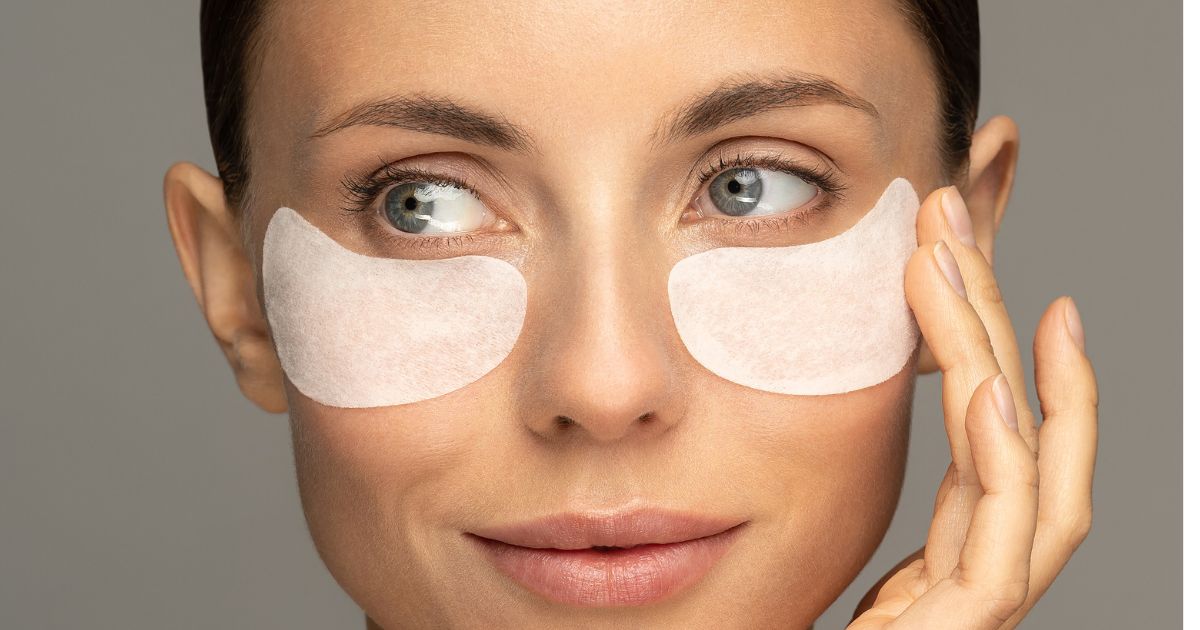
Nanofiber technology also provides a large contact area between the active ingredients and the skin. According to the manufacturer, some nanoBeauty masks achieve nearly 100% transfer efficiency of active ingredients. The fine nanofiber structure distributes the incorporated ingredients evenly across the application area, making it an efficient delivery format for concentrated skincare.
How to Use a Nanofiber Mask Correctly
Applying nanofiber cosmetics is slightly different from using conventional skincare products, but the process is simple. Start by thoroughly cleansing your skin. Remove makeup, dust, excess sebum, and other impurities. Once your face is clean, the most important step is moisture. Because the mask is dry, it requires moisture for activation. You can use clean water, a facial mist, floral water, or a lightweight water-based serum.
Once the skin is sufficiently moist, remove the mask from its packaging. Depending on the specific product, the nanofiber layer is protected by a supporting film. Apply the nanofiber side directly to the moistened skin according to the instructions supplied with the product. On contact with moisture, the nanofiber matrix begins releasing its active ingredients. Application usually takes around 5 to 8 minutes, depending on the particular mask.
After the recommended application time, remove the supporting layer according to the product instructions. Any remaining skincare ingredients can be gently massaged into the skin. If your skin frequently feels tight, dry, or flaky, you may also want to learn more about maintaining a healthy skin barrier and choosing suitable hydrating skincare.
Who Are Nanofiber Cosmetics Suitable For?
One of the major advantages of this technology is its versatility. Nanofiber cosmetics can be formulated for a wide range of skincare needs. Different formulations are available for mature skin, sensitive skin, acne-prone skin, dull skin, and skin requiring intensive hydration or regeneration. The choice should always be based on the active ingredients in the specific product and your individual skin needs.
Nanofiber cosmetics can also be an interesting option for people who prefer dry, concentrated skincare formulations without conventional liquid preservatives. Active ingredients such as vitamins, antioxidants, acids, peptides, or hyaluronic acid can be incorporated directly into the nanofiber matrix. If you are interested in antioxidant skincare, read more in our article Vitamin E for Skin.
After professional aesthetic treatments, skincare requirements depend heavily on the type and intensity of the procedure. Because the skin barrier may temporarily be more sensitive after procedures such as chemical peels, microneedling, or laser treatments, always follow the aftercare recommendations of your dermatologist or practitioner before applying additional cosmetic products. You can learn more about barrier care in our article Damaged Skin Barrier.
European Expertise: A Strong Tradition in Nanotechnology
The Czech Republic has played an important role in the development of modern nanofiber technologies. Research institutions and technology companies in the country have contributed significantly to the development and industrialization of electrospinning. The Nanospider™ technology developed by a team led by Professor Oldřich Jirsák at the Technical University of Liberec is one of the best-known examples. Companies such as Nanopharma and other European nanotechnology specialists have subsequently expanded nanofiber applications into medicine, filtration, and cosmetics.
The effectiveness of individual cosmetic products must always be assessed according to their formulation and supporting evidence. One notable example is research involving a nanofiber under-eye mask, where instrumental measurements evaluated changes in the appearance and depth of wrinkles after application. You can find more information in our article Nano Eye Lift: How a Nanofiber Mask Reduces Up to 75% of Wrinkles.
The long-standing expertise of European researchers and manufacturers in electrospinning means that nanofiber technology is no longer limited to laboratories. Today it can be found in filtration, healthcare, technical textiles, and increasingly sophisticated cosmetic products.

Editor's pick
Lifting Dry Sheet Nanofiber Face Mask nanoBeauty INTENSIVE
An intensive formula with Liftonin, collagen, hyaluronic acid, and vitamins for targeted care of mature skin. The nanofiber structure provides efficient and even delivery of the incorporated active ingredients.
View productThe Future of Skincare Is Here – and It's Called Nanofiber
Looking back at everything we have covered, it is clear that nanofibers in cosmetics are more than just another skincare format. They represent a different approach to delivering active ingredients to the skin. Their extremely large surface area, ability to carry concentrated active ingredients, dry formulation, and rapid activation with moisture make nanofibers an interesting platform for modern skincare.
At nanoSPACE, we are proud to bring innovative European nanotechnologies to our customers. As a European family company operating since 2012, we focus on carefully selected products based on modern technologies and meaningful functionality. Our goal is to make advanced technologies accessible for everyday life – including modern approaches to skincare.
If you have been wondering whether nanofiber cosmetics are right for you, we hope this guide has helped you understand how the technology works, what makes it different, and how to choose a suitable product. Explore nanofiber skincare and discover how an ultra-fine dry fiber layer can transform the way active ingredients are applied to the skin.
Frequently Asked Questions
How often should I use a nanofiber mask?
For regular skincare, a nanofiber mask can generally be used once or twice a week, depending on the specific product and your skin's needs. Always follow the instructions provided with the individual mask. If your skin is sensitive or has recently undergone a professional dermatological or aesthetic procedure, consult your dermatologist or practitioner before use.
Are nanofiber cosmetics suitable for vegans?
It depends on the specific product and the materials and active ingredients used. Some nanofiber products use synthetic or plant-derived materials and may be suitable for vegans, while products containing animal-derived collagen are not vegan. Always check the composition and product information for the specific mask.
Can I use a nanofiber mask on acne-prone skin?
Yes, selected nanofiber products are specifically designed for acne-prone skin. The most important factor is the formulation and the active ingredients used. For example, products containing ingredients such as salicylic acid or azelaic acid may be suitable for problematic skin. For severe or persistent acne, consult a dermatologist.
Why do I feel slight tightness when using the mask?
A mild feeling of tightness may occur as the mask adheres to the skin and the nanofiber layer interacts with moisture. However, the mask should not cause significant burning, pain, or irritation. If you experience an unpleasant reaction, remove the product and discontinue use.
Can nanofiber cosmetics be combined with my regular creams?
Yes. Nanofiber masks can easily be incorporated into a regular skincare routine. After using the mask and allowing the active ingredients to absorb, you can apply your usual moisturizer or other suitable skincare products according to your skin's needs.

Sources
- Choi, Y. et al. (2024) 'Clinical Investigation of Collagen-Based Electrospun Nanofibers for Enhanced Delivery of Skincare Ingredients', Cosmetics (MDPI), 11(1), 18. Available at: https://www.mdpi.com/2079-9284/11/1/18
- Tomar, Y., Pandit, N., Priya, S. and Singhvi, G. (2023) 'Evolving Trends in Nanofibers for Topical Delivery of Therapeutics in Skin Disorders', ACS Omega, 8(21), 18340–18357. Available at: https://pmc.ncbi.nlm.nih.gov/articles/PMC10233693/
- Dharmaraj, D., Chavan, N., Likhitha, U. and Nayak, U. Y. (2024) 'Electrospun nanofibers for dermatological delivery', Journal of Drug Delivery Science and Technology, 99, 105981. Available at: https://www.sciencedirect.com/science/article/pii/S1773224724006506
- Yun, J. et al. (2010) 'Novel Vitamin and Gold-Loaded Nanofiber Facial Mask for Topical Delivery', AAPS PharmSciTech. Available at: https://pmc.ncbi.nlm.nih.gov/articles/PMC2974145/
- Advances in Electrospun Nanofiber Membranes for Dermatological Applications: A Review (2024), Molecules (MDPI), 29(17), 4271. Available at: https://www.mdpi.com/1420-3049/29/17/4271