
You look in the mirror, and instead of a refreshed, glowing complexion, you see a tight, dull face with tiny flakes gathering around your nose and on your chin. The moisturiser that worked wonders just a month ago now stings on application. Your foundation, far from creating a flawless canvas, settles into fine lines and highlights every dry patch. Dealing with **dry skin on the face** is an incredibly common and frustrating struggle, affecting up to half the population. Yet, most people focus only on treating the symptoms—the flakiness, the tightness, the irritation—without understanding the root causes. Why is your skin peeling? What is it truly lacking? And how can you restore its balance and comfort without spending a fortune on products that don't work? This article will give you the answers you need.
Key takeaways if you're short on time
- Up to 50% of people experience dry skin on their face, with causes ranging from environmental factors and hormonal shifts to using the wrong skincare products.
- Sebum production can drop by 60% after the age of 50, making dryness a natural part of ageing that requires a much richer, more nourishing skincare routine.
- Vitamin E is a vital component for hydration, significantly boosting the skin's ability to retain water and protecting the delicate skin barrier from breakdown caused by free radicals.
- Oat oil is a powerhouse for barrier repair, proven to stimulate the skin's own production of ceramides—the building blocks of a healthy barrier—by an impressive 70%.
- The right cleansing routine is fundamental; harsh, foaming cleansers can inflict more damage on your skin barrier than the dryness itself.
Why is the Skin on My Face Dry? The Main Culprits
Having dry skin on the face is rarely about just needing a better moisturiser. It's a complex issue with a host of potential triggers, from the air around you and the products you use to internal imbalances within your body. To effectively treat it and bring back that supple, hydrated feeling, we first need to understand what's really going on beneath the surface.
A Compromised Skin Barrier
The most frequent cause of chronic dryness is a damaged skin barrier. Imagine this barrier as a brick wall: your skin cells are the bricks, and a complex mixture of lipids (fats) like ceramides, cholesterol, and fatty acids acts as the mortar holding them together. This lipid mortar performs two critical functions: it keeps moisture locked inside the deeper layers of your skin and it keeps irritants, allergens, and bacteria out. When this barrier is compromised—through over-cleansing, using harsh products, scrubbing too hard, or even just washing with water that's too hot—the mortar begins to crumble. Gaps form, allowing precious water to escape in a process called Transepidermal Water Loss (TEWL). The result is skin that feels perpetually tight, looks flaky, and becomes highly sensitive and reactive.
Weather and Environment
Your skin is constantly at the mercy of its surroundings. In winter, the combination of biting winds, cold temperatures, and low humidity outdoors conspires to draw moisture straight from your skin. Indoors, central heating creates an intensely dry atmosphere that does the exact same thing. But summer isn't without its challenges either. The air conditioning in your office or car can be just as dehydrating as a January frost. Furthermore, sun exposure depletes the skin's natural reserves of vitamin E, a fundamental antioxidant that protects the lipids in your skin barrier. A single significant dose of UV radiation can reduce the level of vitamin E in the skin's surface layers by up to 50%, leaving it vulnerable to damage and dehydration.
The Retinol ‘Ugly Phase’
If you've recently introduced a powerful active ingredient like retinol or a strong exfoliating acid into your routine, the sudden onset of dry, peeling skin might be a temporary phase known as retinisation. This is the period of adjustment, typically lasting two to six weeks, as your skin adapts to the accelerated rate of cell turnover. It doesn't mean the product isn't working; it means your skin is remodelling itself and needs maximum support to get through it. During this phase, it’s crucial to focus on intense hydration and barrier repair with ingredients like ceramides, nourishing oils, and plenty of Vitamin E to soothe and protect. Don't give up, but do give your skin the help it needs.
Age and Hormonal Changes
As we get older, our skin's natural oil production, which is essential for keeping it soft and lubricated, naturally declines. After the age of 50, sebum production can decrease by as much as 60%. This dramatically changes the skin's needs; the lightweight moisturiser that was perfect in your thirties simply won't be enough in your fifties. Hormonal fluctuations add another layer of complexity. For women, the dramatic drop in oestrogen during menopause has a significant impact on skin hydration, as oestrogen plays a role in stimulating the production of skin-plumping substances like collagen and hyaluronic acid. The result is skin that demands a much richer, more emollient, and more nourishing approach to care.
Underlying Skin Conditions You Might Not Know You Have
Sometimes, what appears to be simple dry skin is actually a symptom of an underlying dermatological condition. Seborrhoeic dermatitis (which often causes flakes in the eyebrows and around the nose), contact dermatitis (a reaction to an irritant), atopic eczema, or even psoriasis can all manifest as dry, scaly patches on the face. If you've tried everything, no cream seems to help, and the problem persists for more than a month, it's time to consult a dermatologist for an accurate diagnosis.
How to Properly Care for Dry Skin on the Face
A successful skincare routine for dry skin is built on three pillars: gentle cleansing, intensive hydration, and diligent barrier protection. The order is important. You can apply the most expensive hydrating serum in the world, but if you follow it up with a harsh cleanser that strips your skin barrier, you'll be taking one step forward and two steps back.
Cleansing: Less Is More
For dry skin, over-cleansing is a major enemy. In the morning, a simple splash with lukewarm water is often all you need. Your skin hasn't been exposed to environmental pollution overnight, so there's no need to strip away the natural protective oils it produced while you slept. In the evening, opt for a gentle cream, balm, or oil-based cleanser. These formulas effectively dissolve makeup, sunscreen, and grime without disrupting the skin's delicate lipid matrix. Steer clear of foaming gels, especially those containing Sodium Lauryl Sulfate (SLS), as these surfactants are notorious for stripping the skin and are a leading cause of barrier damage. For a complete guide, explore our article on how to properly cleanse your skin.
Hydration: The Art of Layering
A single cream is often not enough to combat significant dryness. A more effective strategy is to layer hydrating products. Think of it as giving your skin a multi-layered drink of water.
Start with a hydrating toner or essence on damp skin to provide an initial layer of water-based hydration. Follow this with a serum containing active ingredients designed to attract and hold moisture. Finally, apply a cream or, for very dry skin, an ointment to "lock" everything in. An occlusive product is essential for preventing moisture from evaporating. The AtopCare Regenerative Vitamin E Ointment is an ideal final step, using a 5% concentration of vitamin E and nourishing oat oil to create a breathable protective film while actively repairing the skin barrier underneath.
The Ingredients Your Dry Skin Craves
When shopping for skincare, become an ingredient detective. Look for products that contain:
- Ceramides: These are lipids that are naturally part of your skin barrier. Applying them topically helps to patch up the 'mortar' between your skin cells.
- Hyaluronic Acid: A powerful humectant that can hold up to 1,000 times its weight in water, drawing moisture into the deeper layers of the skin.
- Vitamin E: A fat-soluble antioxidant that protects the lipids in your skin barrier from damage and has been proven to increase skin hydration.
- Oat Oil: Rich in lipids and anti-inflammatory compounds, this oil soothes irritation and has been shown to boost the skin's own ceramide production by 70%.
- Glycerin: Another effective humectant that pulls moisture from the air into your skin.
Conversely, avoid products with high concentrations of denatured alcohol, synthetic fragrances, and harsh acids, as these will only exacerbate dryness and irritation.
Tip: For a more detailed guide, read our comprehensive article on how to care for dry skin.
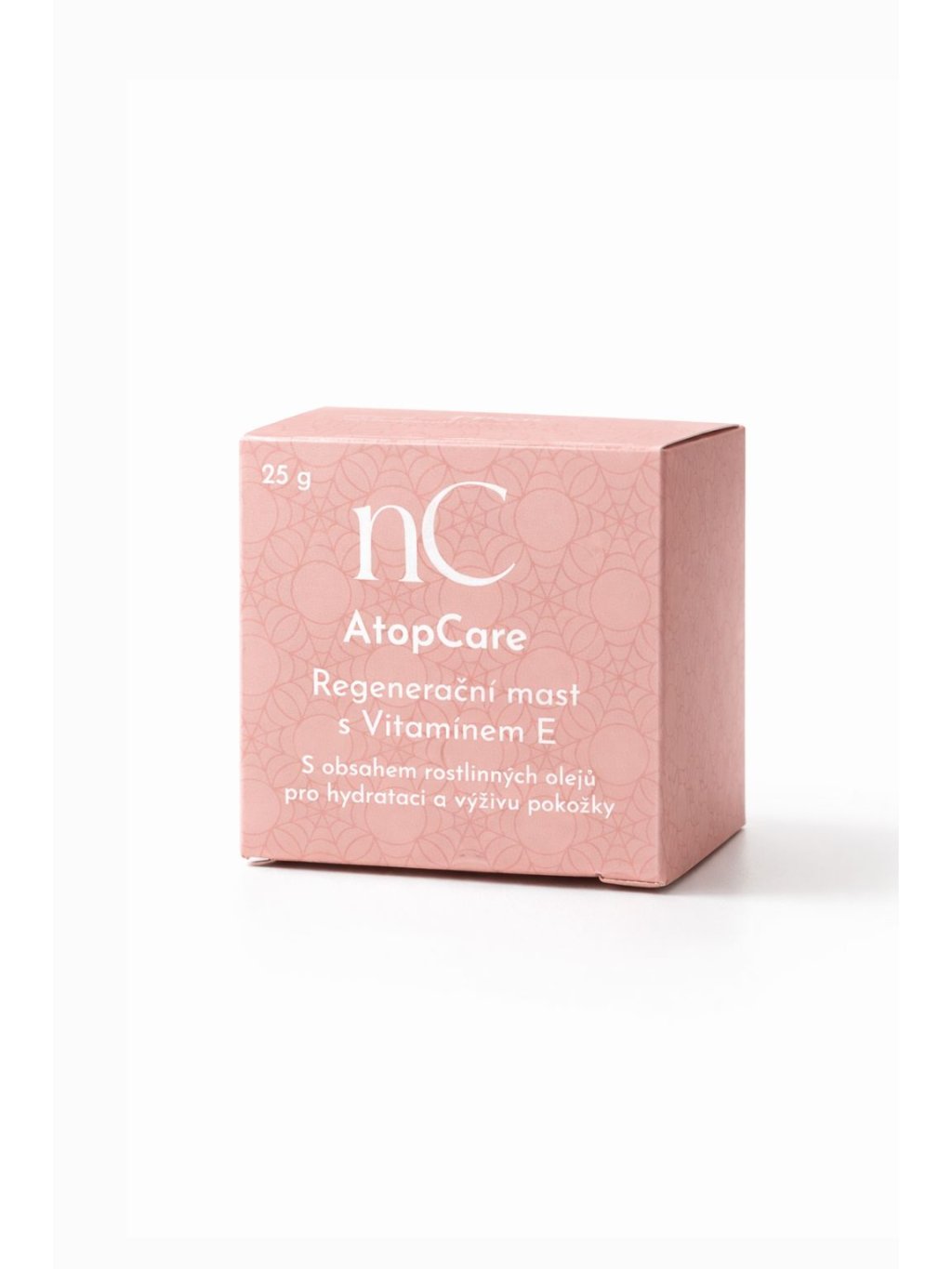
Editor's pick
AtopCare Regenerative Vitamin E Ointment
An intensive rescue ointment for dry, irritated, and compromised skin. Formulated with a high 5% concentration of Vitamin E, restorative oat oil, and ethyl ferulate, it rebuilds the skin barrier and protects against further dehydration. Free from parabens, silicones, and fragrance—perfect for even the most sensitive complexions.
10.00 €
View productDry Skin on the Face and Vitamin Deficiencies
Your skin is often a mirror reflecting your internal health. Persistent dry skin on the face can sometimes be a sign that you're lacking certain essential nutrients, as the delicate facial skin is often one of the first places deficiencies become apparent.
Vitamin E is particularly important in this context. As the body's primary fat-soluble antioxidant, its main role in the skin is to protect the delicate lipids of the skin barrier from oxidative stress caused by free radicals (from UV rays, pollution, etc.). By preserving the integrity of this barrier, it directly prevents moisture loss. Studies have shown that topical application of vitamin E demonstrably increases skin hydration and reduces transepidermal water loss. When combined with ethyl ferulate—a stable and highly effective form of ferulic acid—its antioxidant power is amplified, creating a synergistic effect that offers enhanced protection.
Besides vitamin E, other nutrients are also critical. Vitamin A regulates cell turnover, preventing a build-up of dead cells that can contribute to a dull, dry appearance. Vitamin C is indispensable for collagen synthesis, which gives skin its structure and plumpness. Vitamin D plays a role in the maturation of skin cells, and B vitamins (especially biotin and niacin) are involved in various cellular processes vital for skin health. If you suffer from chronically dry skin on your face and a dedicated skincare routine isn't helping, it may be worth speaking to your doctor about blood tests to check your levels of these vitamins.
Common Mistakes That Make Dry Skin Worse
In a desperate attempt to fix flakiness, many people fall into habits that inadvertently worsen their dry skin. One of the most common mistakes is over-exfoliation. It's tempting to try and scrub away the flakes, but these flakes are a symptom of a damaged barrier. By mechanically or chemically removing them, you're not solving the problem; you're just exposing an even more vulnerable layer of skin underneath, leading to a vicious cycle of irritation and dehydration.
Another frequent error is using too many active ingredients at once. A routine packed with retinol, glycolic acid, vitamin C, and niacinamide can be overwhelming for any skin type, let alone dry, sensitive skin. Each of these ingredients is beneficial on its own, but together they can over-stimulate the skin and compromise its barrier. Simplify your routine. Focus on hydration and repair first, then introduce active ingredients one at a time, with at least two weeks between each new addition.
Finally, there's the fear of "heavy" products. Many people with dry skin are hesitant to use ointments or oils, worried they will feel greasy or clog pores. Yet, for extremely dry facial skin, these occlusive products are often the most effective solution. An ointment creates a fine, protective film that dramatically reduces water loss, giving the skin underneath the time and protection it needs to heal and rehydrate itself. Don't be afraid of a richer texture; your thirsty skin will thank you.
Gentle Care for Dry, Sensitive Skin
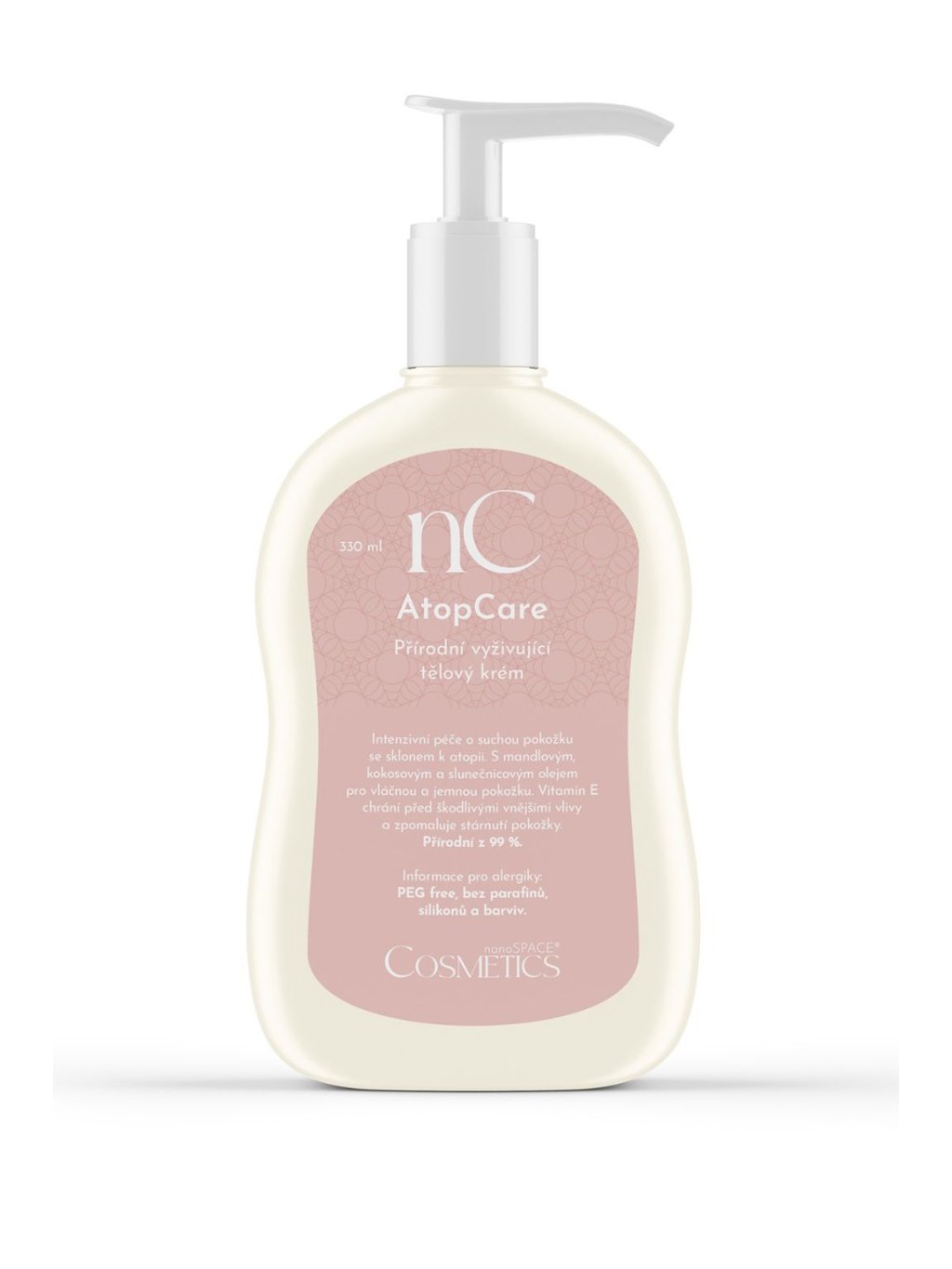
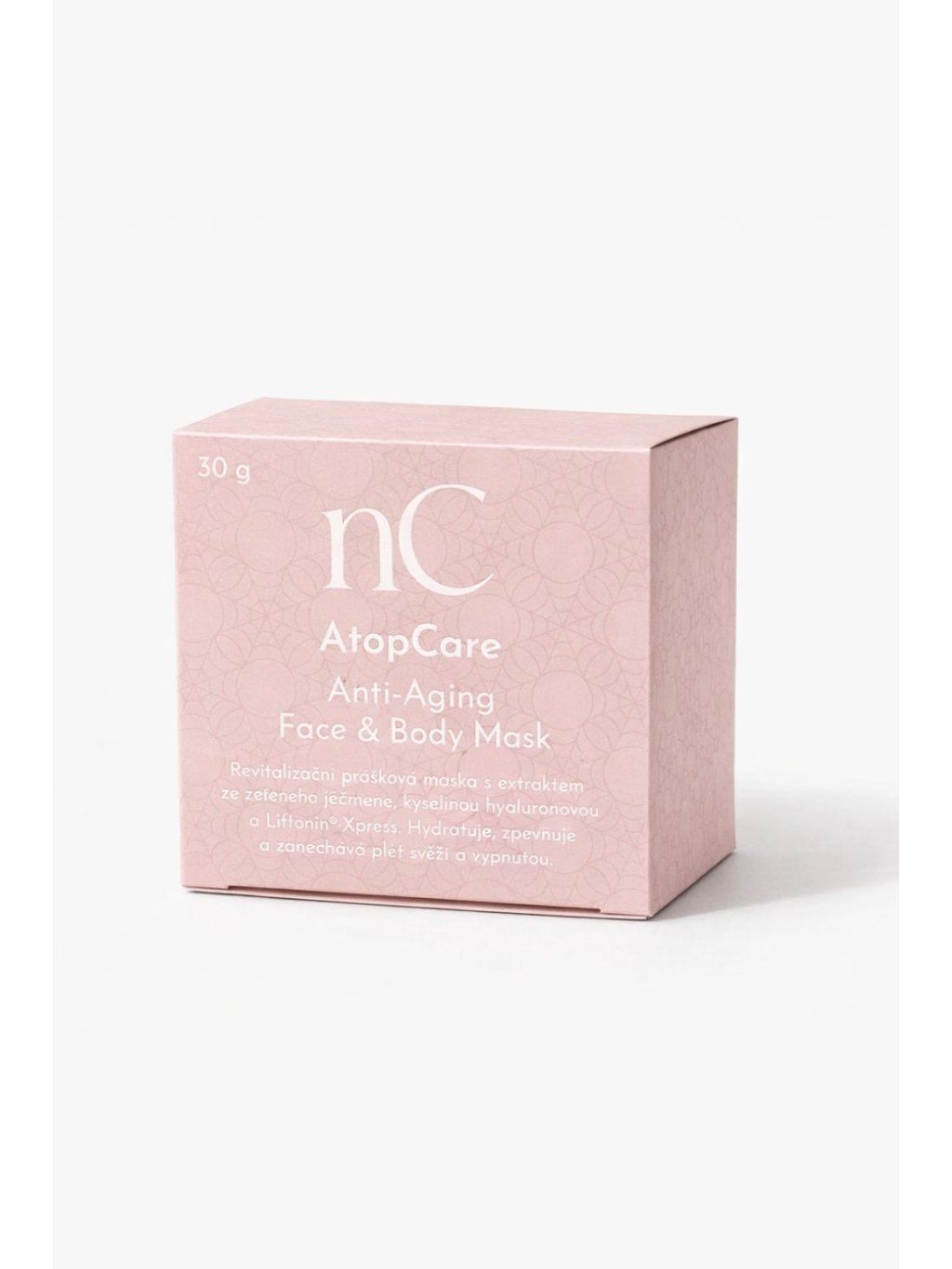

A Practical Morning and Evening Routine for Dry Skin
The ideal routine for dry skin on the face is surprisingly simple. Consistency is more important than complexity.
Morning:
- Cleanse: Splash face with lukewarm water. No cleanser needed.
- Hydrate: While skin is still damp, apply a hydrating toner or essence.
- Moisturise: Apply a lightweight but nourishing cream containing ingredients like Vitamin E or ceramides.
- Protect: Finish with a broad-spectrum sunscreen with SPF 30 or higher. This is non-negotiable.
Evening:
- First Cleanse: Use a cleansing oil or balm to melt away makeup and sunscreen. Massage it into dry skin, then emulsify with a little water and rinse.
- Second Cleanse (Optional): If you wear heavy makeup, you can follow with a gentle, non-foaming cream cleanser. Otherwise, this step isn't necessary.
- Hydrate: Apply your hydrating serum to damp skin.
- Treat & Seal: Apply a rich, nourishing night cream or, for very dry skin, a restorative ointment like the AtopCare ointment to lock in moisture overnight.
Once or twice a week, treat your skin to a hydrating mask. Apply it after cleansing in the evening, leave it on for 15-20 minutes, and immediately follow with your moisturiser to seal in the benefits. Your skin is most receptive after a mask, so it will absorb the active ingredients more effectively. Limit exfoliation to once every 7-10 days, choosing a gentle enzymatic exfoliant over a physical scrub or a strong acid.
When to See a Dermatologist
While most cases of dry skin on the face can be managed effectively with the right at-home care, there are certain signs that warrant a professional opinion. You should book an appointment with a dermatologist if:
- The dryness appears suddenly and severely without any obvious cause.
- It is accompanied by intense itching, inflammation, or redness.
- The flaking is concentrated in specific areas like the eyebrows, around the nostrils, or behind the ears (which could indicate seborrhoeic dermatitis).
- Your skin doesn't show any signs of improvement after four weeks of a consistent, gentle, and hydrating skincare routine.
A professional can provide an accurate diagnosis and prescribe treatments that may be necessary to manage an underlying condition.
Conclusion: Dry Skin Is a Condition, Not a Sentence
Having dry skin on the face can be a daily discomfort, but it is a solvable problem. The solution isn't about buying more products or more expensive ones; it's about understanding what your skin truly needs and consistently providing it. The principles are simple: cleanse gently, hydrate intelligently, and protect your skin barrier with nourishing ingredients like ceramides and Vitamin E. With a little patience and the right approach, you can restore your skin's health, comfort, and radiance. The results will be more than skin deep—they will be a welcome relief and a boost to your confidence.
Frequently asked questions
What am I lacking if I have dry skin on my face?
Dry facial skin can indicate a deficiency in certain nutrients, most notably Vitamin E (which protects skin lipids), Vitamin A (which regulates cell renewal), Vitamin D, or essential omega-3 fatty acids. However, it can also be a result of simple dehydration (not drinking enough water), hormonal shifts, or an unsuitable skincare routine that is stripping the skin's natural oils.
Why is my skin peeling even though I use a moisturiser?
If your skin barrier is damaged, a standard moisturiser might not be enough. The water content from the cream can evaporate quickly from the skin's surface before it can be properly absorbed. You may need to switch to a richer, more occlusive product like an ointment. Also, critically examine your cleanser—if it's too harsh, it's undermining the work of your moisturiser. Focus on ingredients that actively repair the barrier, like ceramides, oat oil, and Vitamin E.
What is the best type of cream for dry skin on the face?
Look for creams formulated with a combination of humectants, emollients, and occlusives. Great ingredients include ceramides, hyaluronic acid, glycerin, Vitamin E, and natural oils like oat, shea, or jojoba. For extremely dry skin, an ointment is often superior to a cream because its higher oil content provides a more robust seal to prevent moisture loss. Always choose products that are free from alcohol, SLS, and synthetic fragrances, as these can be irritating.
Can dry skin on the face be a sign of a medical condition?
Yes, persistent dry skin that doesn't respond to conventional care can be a symptom of a skin condition like seborrhoeic dermatitis, atopic eczema, contact dermatitis, or psoriasis. It can also be linked to systemic issues such as an underactive thyroid (hypothyroidism) or diabetes. If your dry skin persists for more than 4-6 weeks despite a good skincare routine, it's advisable to see a dermatologist.
How quickly will my dry skin improve with the right care?
With a consistent and appropriate routine, you should feel initial relief from tightness and see a reduction in flaking within 48 hours. A noticeable improvement in overall hydration and texture typically takes 1-2 weeks. However, the complete restoration of a damaged skin barrier is a longer process, usually taking around 4-6 weeks. Be patient and avoid the temptation to introduce new, potentially irritating active ingredients during this healing period.

Sources
- Thiele, J. J. et al. (1998) 'Depletion of human stratum corneum vitamin E: an early and sensitive in vivo marker of UV induced photo-oxidation', Journal of Investigative Dermatology, 110(5), pp. 756–761.
- Reynertson, K. A. et al. (2015) 'Anti-inflammatory activities of colloidal oatmeal (Avena sativa)', Journal of Drugs in Dermatology, 14(1), pp. 43–48.
- Lin, J. Y. et al. (2005) 'Synthesis of a topical antioxidant formulation containing vitamin C, vitamin E, and ferulic acid', Journal of Investigative Dermatology, 125(4), pp. 826–832.
- Pons-Guiraud, A. (2007) 'Dry skin in dermatology: a complex physiopathology', Journal of the European Academy of Dermatology and Venereology, 21(s2), pp. 1–4.