
Do you know that feeling when you look in the mirror first thing in the morning and your complexion seems to have lost its natural spark? The fine lines around your eyes look a touch deeper, your skin tone appears uneven, and a blemish has decided to crop up, even though your teenage years are long behind you. In moments like these, we often start searching for a miracle in a bottle. If you have even a passing interest in modern skincare, one word is bound to jump out at you from every magazine, social media feed, and beauty counter: retinol. Everyone is talking about it, and dermatologists routinely recommend it. But here is the part that often gets lost: retinol is only one member of a much larger and genuinely fascinating family of ingredients. That family is vitamin A.
When it comes to your complexion, vitamin A works rather like a conductor for your skin cells. It has a knack for reminding ageing or sluggish cells how they ought to behave, nudging them to function the way they did when you were younger, so your face looks fresher, smoother, and better rested. In this guide, we'll look at why you shouldn't fixate on a single buzzword and explore what this entire group of substances can actually do. Whether you are after the best vitamin a for skin in the form of a night cream, a gentle plant-based alternative, or you're simply wondering how the food on your plate affects your glow, this article covers everything you need to know to achieve a clearer, more radiant complexion.
Key takeaways if you're short on time
- Vitamin A is not a single ingredient, but a broad family that includes retinoids (used in topical cosmetics) and carotenoids (found in your diet).
- It is the most extensively researched anti-ageing compound in dermatology, shown to speed up cell turnover, soften wrinkles, and support clearer skin.
- Retinoids are grouped by their strength and the number of conversions they need to become active in the skin. Retinol is the most famous, but it needs to be introduced carefully (retinisation) to avoid irritation.
- If your skin is sensitive, bakuchiol is an excellent, fully plant-based alternative that delivers comparable results without the risk of redness or peeling.
- During pregnancy and breastfeeding, classic cosmetic retinoids should be avoided. Instead, rely on beta-carotene from your diet and safe topical alternatives such as bakuchiol.
What is Vitamin A and Why Does the Skin Love It?
To understand why this nutrient is held in such high regard in aesthetic dermatology, it helps to look at what it actually is. Chemically, it's a fat-soluble micronutrient that the body needs for healthy vision, a robust immune system, and—most relevantly here—cell division. That profound influence on how our cells divide and renew is precisely why vitamin A skin treatments deliver such visible results.
Our epidermis is constantly renewing itself. Deep in the lower layers, new cells are formed. Over time, these cells travel up to the surface, where they eventually die and flake off. In our teens and twenties, this cycle takes around twenty-eight days. As we get older, however, the process slows down noticeably, and the cycle can stretch to forty days or more. Consequently, dead cells start to build up on the surface. The complexion begins to look grey and dull, pores clog more easily, and the collagen fibres underneath lose their firmness. Vitamin A acts as a wake-up call. Thanks to its molecular structure, it can reach the deeper layers of the dermis and communicate directly with your cells, prompting them to speed up renewal and behave more like young, healthy cells once again.
Interestingly, this nutrient appears in nature and in skincare in two distinct forms. The first group is the retinoids, which are derived from animal products or synthesised specifically for cosmetic and dermatological use. The second group is the carotenoids, the best known of which is beta-carotene. These are found in brightly coloured plants, and the body produces the active vitamin internally based on how much it currently needs. Both routes—topical application from the outside and nutritional support from the inside—are vital for a clear, radiant complexion.
The Retinoid Family: Understanding the Cosmetic Hierarchy
When you buy a serum or cream that promises anti-ageing results, it almost certainly contains some form of retinoid. But here is the catch—and it's where many people go wrong: not all retinoids are created equal. It helps to picture them as a staircase. Our skin cells can only directly recognise and use one active form of vitamin A, namely pure retinoic acid. Any other form you apply to your face has to be converted first, by the enzymes in your skin, into this active acid.
The more steps (or conversions) a substance has to go through, the weaker it becomes, but the gentler it is on your face. On the bottom step, we find the retinyl esters (such as retinyl palmitate). These are incredibly gentle and stable, making them suitable for sensitive skin, though it takes a while to see results. One step up is the famous retinol. This derivative is backed by a vast body of scientific literature and clinical studies, but it can cause dryness and irritation if not used correctly. A step above that is retinaldehyde (often just called retinal), which is highly potent because it is only one conversion away from the active form. At the very top sits pure retinoic acid (tretinoin), which is strong enough to be classed as a medicine and is only available on prescription.
Because finding the best vitamin a for skin can be confusing, it's worth knowing that higher concentrations don't always mean better results. In the European Union, recent cosmetic regulations are moving towards capping over-the-counter retinol at 0.3% for facial products to keep consumers safe and reduce adverse reactions. For most people, a well-formulated product at 0.1% to 0.3% is more than enough to bring about real changes without compromising the skin barrier.
Deep Dive: How to Start with Retinol and the Retinisation Process
Because retinol is the gold standard of over-the-counter anti-ageing, you need to know how to introduce it to your routine safely. You can't simply buy a strong serum and slather it on every night. If you do, you'll almost certainly run into a problem known as retinoid dermatitis—marked by redness, stinging, and peeling. To avoid this, your skin needs to go through an adjustment period known as retinisation.
Retinisation usually takes between two and six weeks. During this time, your cells are adapting to the sudden increase in turnover. To get through this phase comfortably, start low and go slow. Begin with a low concentration (around 0.1% or 0.2%). Apply a pea-sized amount to your entire face, and use it only one or two nights a week. If your skin tolerates it well after a fortnight, you can move up to three nights a week, eventually building up to every other night or even nightly, depending on how you get on.
Dermatologists often recommend the "sandwich method" for beginners. You apply a layer of a basic, hydrating moisturiser first, let it absorb, then apply your retinol, and finish with another layer of moisturiser. This creates a buffer that slows down absorption and reduces the risk of irritation, all while still delivering the retinol benefits. It's also quite normal to go through a slight "purge" in the first few weeks. Because cell turnover speeds up, underlying micro-comedones (tiny blocked pores) are brought to the surface faster. This isn't a breakout caused by the product clogging your pores; it's the product clearing out congestion that was already forming underneath.
What Are the Specific Retinol Benefits for the Skin?
Now that we understand how the family works and how to introduce it safely, let's look at what it can actually do for your appearance. It's fair to say this is one of the most thoroughly researched compounds in modern dermatology.
Cell Renewal and Smoothing Fine Lines
As we've seen, speeding up the cell cycle is the main mechanism at work. Regular use clears away the dull, dead cells sitting on the surface, revealing a fresher, smoother layer underneath. Fine lines become visibly softer, and deeper wrinkles are refined over time. The skin regains some of its youthful density and bounce. If you're looking for a proven way to restore a smoother texture, this is arguably the most reliable route.
Clearing Acne and Minimising Pores
Interestingly, vitamin A wasn't originally researched as an anti-ageing ingredient; it was first developed to treat severe acne. By speeding up the shedding of dead cells, it stops them from mixing with excess sebum and forming a plug inside the pore. The result is a clear reduction in blackheads, whiteheads, and inflammatory blemishes. It also helps to regulate sebum production over time. If you've been struggling with persistent blemishes, do read our comprehensive ultimate guide on how to get rid of acne. For targeted treatment when a blemish does appear, keeping acne patches on hand is a smart way to avoid picking and scarring.
Fading Pigmentation and Evening Skin Tone
Years of sun exposure, hormonal changes, or the red and brown marks left behind by healed blemishes often leave the complexion looking uneven and patchy. The effect of vitamin A skin treatments on pigmentation is considerable. It works by breaking up accumulated melanin (the pigment that gives skin its colour) and, thanks to the faster cell turnover, pushing these darkened layers out and shedding them more quickly than the body would on its own. The result is a more even, brighter, and altogether more radiant complexion.
Boosting Collagen Production
Collagen is the structural protein that acts as scaffolding for the face, keeping it plump and firm. Retinoids have a rare ability to penetrate deep into the dermis (the middle layer of the skin), where they stimulate the fibroblasts—the cells responsible for making new collagen. At the same time, they slow down the enzymes that break down existing collagen. This gives you a two-way effect, helping the face stay firm and resilient against the pull of gravity.
Beauty from Within: Diet and Beta-Carotene
Topical cosmetics are brilliant, but real vitality always starts inside the body. This brings us to the plant-based form of vitamin A, known as provitamins, the best known of which is beta-carotene. You'll find this antioxidant in brightly coloured fruit and vegetables—think carrots, sweet potatoes, pumpkins, and apricots. It's also surprisingly concentrated in dark leafy greens such as spinach and kale.
The clever part of beta-carotene lies in how our digestive system handles it. When you eat a bowl of roasted sweet potatoes, the beta-carotene travels to your small intestine. The body is remarkably efficient here: using specific enzymes, it converts only as much beta-carotene into active vitamin A as it currently needs. The surplus is stored safely in the fatty tissues or just beneath the skin, where it works as an antioxidant, defending your cells against oxidative stress and free-radical damage from ultraviolet radiation. This is exactly why people say that eating beta-carotene prepares your skin for the summer sun.
Unlike animal-derived sources (found in liver or fish oil) or concentrated synthetic supplements, there is no risk of toxic overdose from beta-carotene in whole foods. The worst that can happen if you eat an enormous amount of carrots is that the palms of your hands and the soles of your feet may take on a faint, harmless orange tint. It's the safest and most natural way to give your body the building blocks it needs to support a healthy complexion from the inside out.
Crucial Rules for Using Vitamin A Cosmetics
If you decide to add these potent derivatives to your routine, there are a few golden rules worth following closely. Because this family of ingredients is so active, using it incorrectly can compromise your protective barrier and do more harm than good.
Rule number one: only ever apply them in the evening. Most retinoids are unstable in direct sunlight; UV rays degrade the molecule and render your serum useless. On top of that, the body's natural repair and renewal processes peak while you sleep, making nighttime the perfect window for application. Before you apply, your face should be thoroughly cleansed and completely dry. Applying strong actives to damp skin lets them penetrate too quickly, which tends to cause irritation. If you're unsure about your evening routine, take a moment to review the principles of proper skin cleansing.
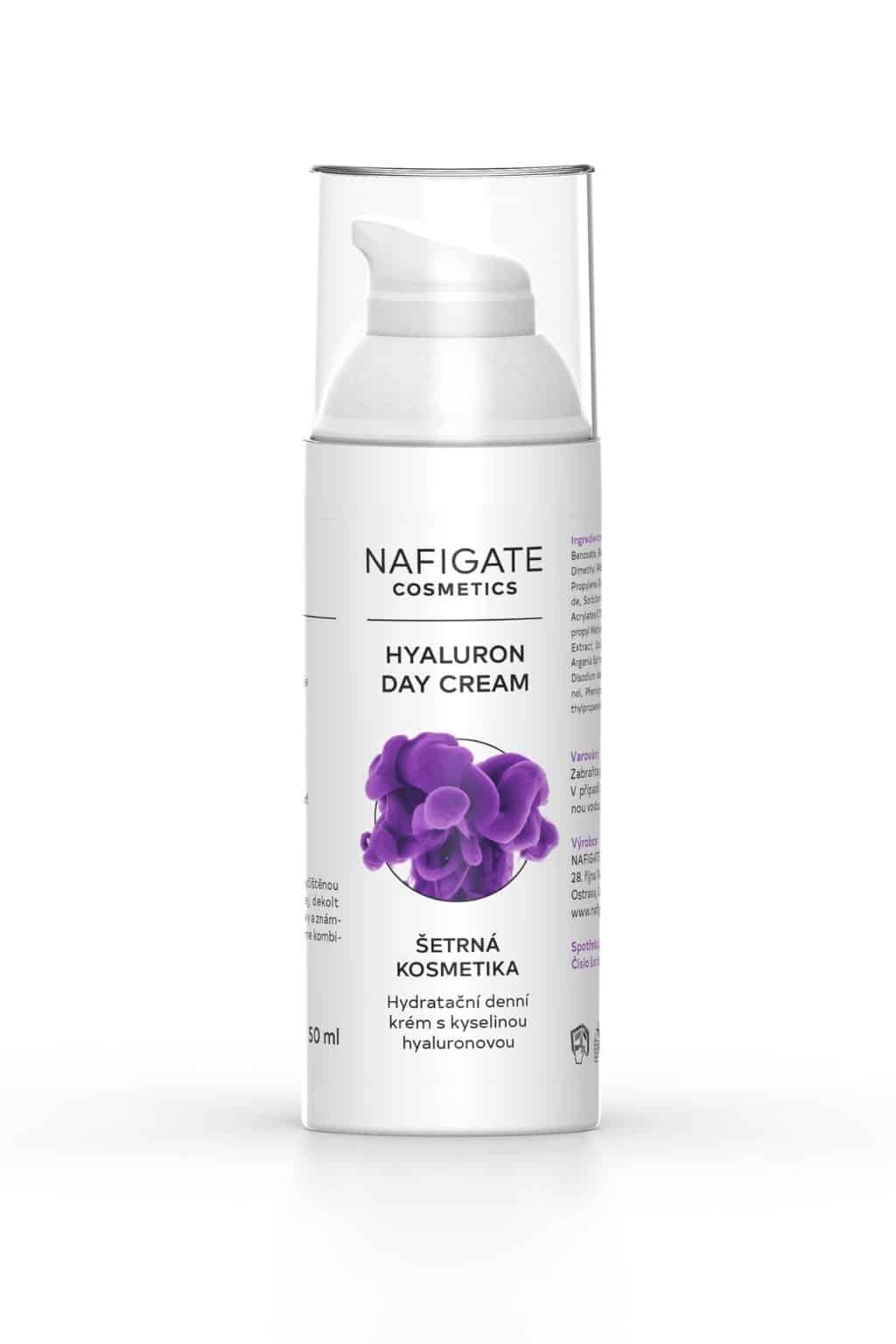
Rule number two: sun protection the next morning is absolutely essential. Because these ingredients clear away the top layer of dead, protective cells, your fresh skin is more vulnerable to UV damage. If you skip a broad-spectrum SPF in the morning, you risk new pigmentation spots and faster ageing, which undoes all your hard work from the night before. For daily protection, we recommend adding a protective moisturiser, such as the Moisturizing Anti-Wrinkle SPF 15 Hyaluron Day Cream 50 ml, to your morning routine.
Rule number three: be careful with ingredient combinations. You should never mix strong retinoids with pure vitamin C or exfoliating acids in skin care (such as glycolic or salicylic acid) in the same evening routine. Layering these active compounds together will strip your barrier, leading to redness and stinging. The sensible approach is to use antioxidant vitamin C in the morning to fight free radicals, and save your cell-renewing retinoids for the evening. It's also well worth understanding your own skin type before mixing any active serums.
Pregnancy and Active Ingredients: What You Need to Know
This is a topic that understandably raises a lot of questions and worry. Can you safely use these anti-ageing products while pregnant? The answer depends entirely on the form you're talking about.
Prescription medications containing high doses of retinoic acid derivatives (especially the oral medications used for severe cystic acne) are strictly off-limits during pregnancy, as they are proven teratogens that can cause serious developmental problems in the foetus. With topical over-the-counter cosmetics, the amount actually absorbed into the bloodstream is incredibly small. Even so, as a precaution, dermatologists generally recommend pausing classic cosmetic retinoids (including retinol and retinal) throughout pregnancy and breastfeeding.
But don't worry—this doesn't mean you have to give up your anti-ageing routine. As we discussed earlier, beta-carotene from a varied, colourful diet is perfectly safe and brilliant for both mother and baby. And if you're looking for a topical alternative that keeps your face smooth and plump during this time, nature has its own solution.
Bakuchiol: The Ultimate Alternative for Sensitive Skin
Many people would love to enjoy the famous retinol benefits, but their skin simply can't tolerate classic retinoids. They react with persistent redness, stinging, and flaking that never quite settles. For these people, and for expectant mothers, bakuchiol is a very welcome discovery.
Bakuchiol is a fully natural extract from the seeds and leaves of the Psoralea corylifolia (Babchi) plant, which has a long history in traditional Ayurvedic and Chinese medicine. Although it bears no chemical or structural resemblance to vitamin A, careful scientific studies (including a notable clinical trial published in the British Journal of Dermatology) have shown something striking: bakuchiol interacts with cellular pathways in much the same way as retinoids.
This means it stimulates collagen synthesis, speeds up cell turnover, smooths fine lines, and fades hyperpigmentation—but it does all this without the well-known side effects. It doesn't cause photosensitivity (so it's safe to use in the morning), and it doesn't trigger the redness and peeling that come with retinisation. It's a fantastic solution for anyone who wants real rejuvenation without the downtime.
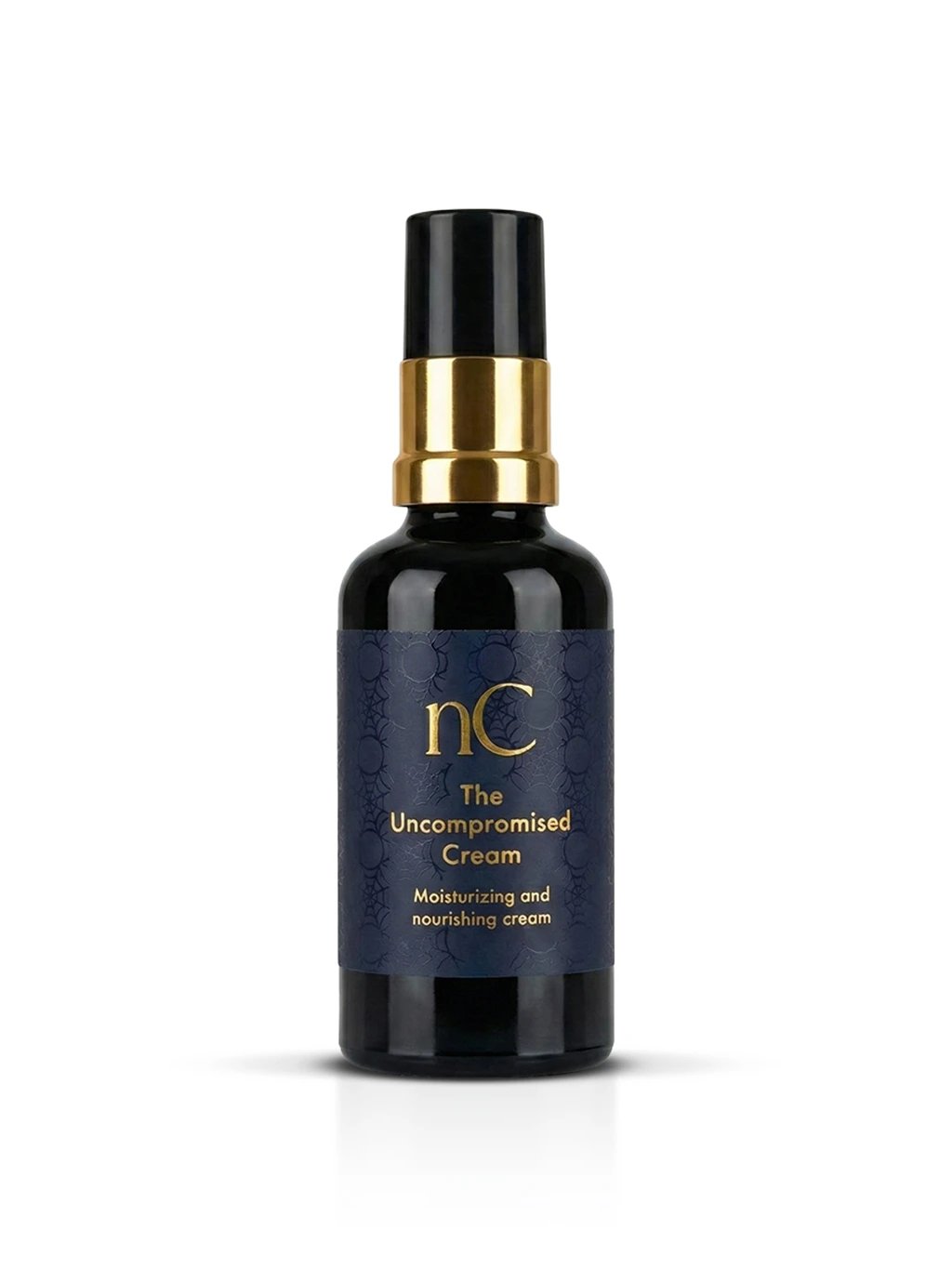
At nanoSPACE, we decided to take this gentle but effective botanical route. We formulated a product that draws on the proven power of bakuchiol, combined with deep hydration and structural support. Our solution is The Uncompromised Cream, which proves that serious anti-ageing care doesn't have to mean choosing between visible results and daily comfort.
Editor's pick
Anti-Aging Day Cream The Uncompromised Cream
A premium cream developed for maximum rejuvenation without irritation. It contains bakuchiol (the plant-based retinol alternative), low-molecular-weight hyaluronic acid, and collagen. It visibly reduces wrinkles, firms facial contours, and is completely safe even for highly sensitive complexions.
View productFinal Care and Soothing: Creating the Perfect Routine
We're often asked which single ingredient is the best. The honest answer is that your skin needs a balanced mix of nutrients. Vitamin A (and its excellent alternative, bakuchiol) is the standout ingredient for cell renewal and anti-ageing. But to support that process, you also need antioxidants to brighten the complexion and good hydrators to keep your moisture barrier intact.
Whenever you're using active cellular communicators, make sure you're replenishing moisture. A rich, restorative product like the Regenerating Night Cream Hyaluron Night Cream 50 ml is brilliant for locking in hydration and supporting the skin's natural healing while you sleep. And if you're just starting with active ingredients, or your face feels tired after a stressful week or harsh winter weather, an intensive, spa-like treatment can help. Adding nanofiber masks to your weekly routine can make a real difference. A soothing mask with a balanced complex of vitamins, for example, will calm redness and deliver nourishment deep into the skin.
It's worth remembering that a clear, smooth complexion is never the result of one miraculous evening. It comes from long-term, consistent, gentle care. Whether you choose the route of traditional retinoids, working carefully through the retinisation process, or you opt for the gentler, plant-based power of bakuchiol found in our The Uncompromised Cream, the most important thing is to listen to your skin. Keep it well moisturised, never skip your morning SPF, and watch your complexion improve.
Our tips for a comprehensive anti-ageing routine

Frequently asked questions
What exactly does vitamin A do for the face?
It works in several ways at once to improve your complexion. It speeds up cell turnover, which smooths fine lines and refines texture. At the same time, it helps regulate sebum production to prevent clogged pores (improving acne) and helps even out tone and fade pigmentation by stimulating the production of fresh collagen.
What is the best vitamin a for skin?
There is no single winner, as it depends entirely on your tolerance. Retinol is the most scientifically backed over-the-counter option for anti-ageing, but it requires a careful adjustment period. If you have sensitive skin, the plant-based alternative bakuchiol is often the best choice, as it delivers similar results without the irritation.
Can I use these products during pregnancy?
Prescription retinoid medications are strictly off-limits. Cosmetic retinoids are also not recommended during pregnancy or breastfeeding as a precaution. Consuming beta-carotene through your diet, however, is perfectly safe, and using the botanical alternative bakuchiol is a brilliant, safe choice for topical care.
How do I soothe irritation from active ingredients?
If you've applied too much and your face becomes red, stinging, or peeling, stop using the active serums straight away. Focus on intense hydration and repairing your protective barrier. Use rich moisturisers containing hyaluronic acid, ceramides, and panthenol. A soothing, restorative sheet mask also helps during this recovery phase.
What is a good alternative to retinol?
For people with sensitive skin, pregnant women, or anyone who wants to avoid the risks of sun sensitivity and peeling, bakuchiol is clearly the best alternative. This natural plant extract offers comparable rejuvenating and collagen-boosting results without the unpleasant side effects of classic retinoids.

Sources
- Mukherjee, S. et al. (2006) 'Retinoids in the treatment of skin aging: an overview of clinical efficacy and safety', Clinical Interventions in Aging, 1(4), pp. 327–348.
- Zasada, M. & Budzisz, E. (2019) 'Retinoids: active molecules influencing skin structure formation in cosmetic and dermatological treatments', Advances in Dermatology and Allergology, 36(4), pp. 392–397.
- Dhaliwal, S. et al. (2019) 'Prospective, randomized, double-blind assessment of topical bakuchiol and retinol for facial photoageing', British Journal of Dermatology, 180(2), pp. 289–296.
- Grune, T. et al. (2010) 'Beta-carotene is an important vitamin A source for humans', The Journal of Nutrition, 140(12).