
Most of us know oregano as the unmistakable aroma that defines a good pizza or a slow-cooked tomato sauce. Yet this fragrant Mediterranean herb has a story that stretches far beyond the kitchen. Long before it became a pantry staple, oregano was prized in traditional folk practice across ancient Greece and Rome, where it earned poetic names and a lasting reputation. In this article we look at what oregano actually is, what science has found in its essential oils, how it has traditionally been used for skin and nails, and where the line sits between a flavourful herb and an exaggerated "miracle cure". Our aim is simple: to give you an honest, well-sourced picture of oregano, without the hype.
Key takeaways if you're short on time
- Oregano is a culinary herb first, not a medicine — it belongs to the mint family and has been used in Mediterranean cooking and folk tradition for centuries.
- Its character comes from carvacrol and thymol, two compounds that laboratory (in-vitro) studies have examined for antimicrobial and antioxidant properties.
- In-vitro is not the same as a cure. Effects seen in a test tube do not automatically translate into treating an infection in a human body.
- For genuine nail fungus (onychomycosis), see a doctor or pharmacist — a herb is no substitute for proper diagnosis and antifungal treatment.
- For everyday blemish-prone skin, a targeted product such as the NAFIGATE acne cream with salicylic acid is a more reliable, evidence-based choice than a homemade herbal infusion.
What exactly is oregano?
Oregano (Origanum vulgare) is a perennial herb in the mint family, native to the warm, rocky hillsides of the Mediterranean and western Asia. Its name comes from the Greek words for "mountain" and "joy" — the herb that brings joy to the mountain — which tells you a great deal about how the ancients regarded it. The leaves carry that warm, slightly peppery, faintly bitter scent that we associate with Italian and Greek cooking, and it is one of the few culinary herbs whose flavour actually intensifies when dried.
It is worth clearing up a common misconception straight away. The dried oregano in your spice jar and "oil of oregano" sold as a supplement are related but very different things. The spice is simply the dried leaf. Oil of oregano is a concentrated extract, and the steam-distilled essential oil is more concentrated still — far too strong to swallow or apply neat. Throughout this article, when we talk about the herb in cooking we mean the leaf; when we mention research, it almost always refers to the concentrated oil or its isolated compounds, studied in a laboratory.
In ancient Greece and Rome, oregano was woven into daily life and ritual alike. It flavoured food, scented bathwater and appeared in folk remedies passed down through generations. That long history of traditional use is genuine and interesting — but tradition is a record of what people did, not proof of what works. Keeping that distinction in mind is the honest way to approach any herb with a "healing" reputation.
The active compounds that give oregano its character
What makes oregano more than just a pleasant smell is its chemistry. The herb is a source of several B vitamins, along with minerals such as calcium, magnesium, iron and manganese, and it contributes vitamin K and antioxidants to the diet — though, realistically, the pinch you sprinkle on a pizza is a seasoning, not a supplement. The amounts that matter nutritionally come from eating herbs and vegetables across a balanced diet, not from oregano alone.
The compounds that draw the most scientific attention are two aromatic molecules: carvacrol and thymol. These phenols are largely responsible for oregano's distinctive scent, and they are also where most of the laboratory research is focused. In test-tube (in-vitro) studies, carvacrol and thymol have shown antimicrobial and antioxidant activity — meaning that, under controlled conditions on a lab dish, they can disrupt the growth of certain microorganisms. A frequently cited 2016 review of thymol summarised its antibacterial and antifungal behaviour in this kind of setting.
Here is the part the internet often skips. Demonstrating that a compound slows microbial growth in a Petri dish is an early, promising step in research — it is not the same as proving that oregano treats an infection in a living person at a safe, realistic dose. The journey from a lab bench to a proven human therapy is long, and most herbal compounds never complete it. So when you read that oregano "kills bacteria, viruses and fungi", the accurate version is: isolated oregano compounds show antimicrobial properties in laboratory studies. That is a meaningful difference, and it is the version we stand behind.
Oregano and the skin: what tradition and research suggest
Oregano's antioxidant and aromatic profile is the reason it appears in so many folk skincare recipes. Traditionally, a cooled infusion of the dried herb was dabbed onto blemish-prone areas in the hope of calming the skin. There is nothing harmful about trying a mild herbal infusion as a gentle home ritual — but it is unpredictable. Homemade preparations vary wildly in strength, undiluted essential oil can irritate or even burn the skin, and "natural" is not a synonym for "gentle". For anyone with sensitive or reactive skin, a patch test is essential.
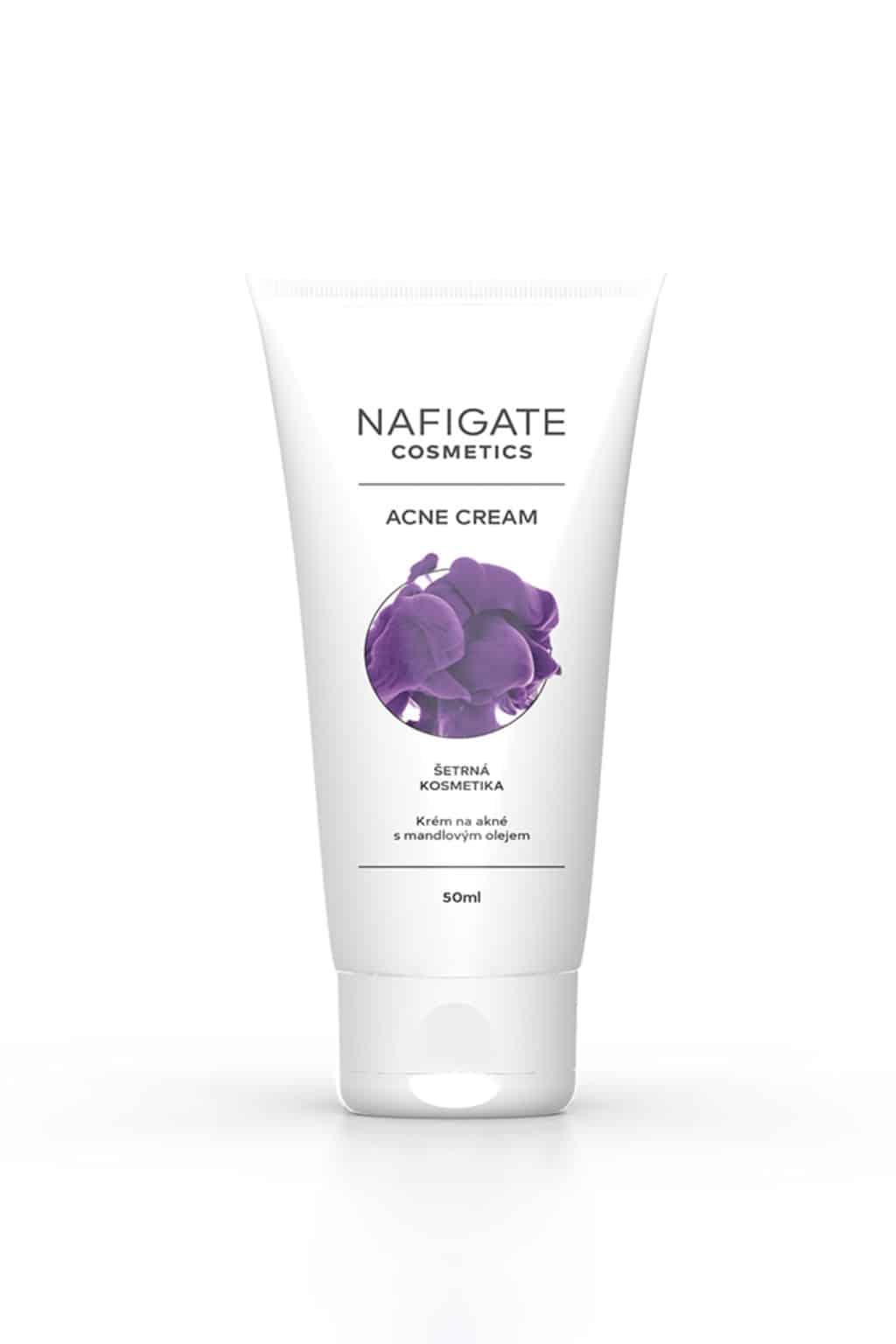
If your real goal is clearer, calmer skin, a formulated product designed for the job is a far more dependable route than guesswork in the kitchen. This is where a targeted cosmetic such as the NAFIGATE acne cream earns its place. It pairs salicylic acid — a well-studied ingredient for blemish-prone skin that helps to gently exfoliate and keep pores clear — with almond oil, which nourishes the skin with vitamins and a soft, non-greasy finish. Salicylic acid is itself derived from white willow bark, so you still get a nod to botanical origins, but in a controlled, consistent concentration rather than a variable home brew. In practice, a salicylic acid cream like this one gives you the part of the "herbal" promise that actually delivers — a plant-derived active — without the unpredictability of brewing your own.
For a fuller routine, it helps to understand your skin type first. If you are prone to shine and breakouts, our guide on how to care for oily skin walks you through cleansing and the active ingredients worth knowing. And if blemishes are your main concern, the complete guide to getting rid of acne sets out a realistic, step-by-step approach for every skin type.
A reliable choice for blemish-prone skin
Oregano and nail fungus: where to draw the line
Nail fungus, known medically as onychomycosis, is one of the most stubborn and frustrating skin-related conditions there is. It rarely clears on its own, it spreads easily, and folk remedies — soaking feet in unproven solutions, dabbing on home-distilled oils — can do more harm than good. Because oregano oil contains thymol and carvacrol, you will find no shortage of websites claiming it "cures" toenail fungus. We are not going to tell you that, because it is not what the evidence supports.
The honest position is this: oregano compounds show antifungal activity in laboratory studies, which is genuinely interesting and a reason researchers continue to investigate them. But that is a long way from a clinically proven, dosed treatment for a fungal nail infection in a real person. Onychomycosis usually needs proper diagnosis and a recognised antifungal treatment to clear fully, and untreated infections can worsen — so a fragrant herb is not the answer here.
If you suspect you have nail fungus, the sensible first step is to talk to a doctor or pharmacist, who can confirm what you are dealing with and recommend an appropriate course of action. To understand the condition and your options before that conversation, read our detailed guide on how to deal with a fungal nail infection. Treating the problem properly from the start saves months of frustration.
The "natural antibiotic" myth — and why wording matters
Few phrases are repeated more often online than "oregano is a natural antibiotic". It sounds reassuring, but it is misleading on two counts. First, antibiotics act against bacteria and have no effect on the viruses that cause colds and flu, so even a true antibiotic would not "cure a cold". Second, the antimicrobial activity attributed to oregano comes from lab studies of concentrated extracts, not from sprinkling the herb on dinner or taking it in place of prescribed medicine.
This is why we are careful with our wording — and why you should be wary of anyone who isn't. Phrases like "boosts your immune system", "kills viruses" or "replaces antibiotics" overstate what a culinary herb can do and can lead people to delay genuine medical care. The grounded, accurate framing is that oregano is a flavourful herb with an interesting research profile, used traditionally for many purposes, and best enjoyed as part of a varied diet. If you want practical, evidence-based ways to support your wellbeing through the seasons, our article with tips for supporting your immune system is a more useful place to start than any single "superfood".
Enjoying oregano the sensible way
None of this should put you off oregano — quite the opposite. As a culinary herb it is a genuine pleasure and a smart habit: herbs and spices let you build flavour without reaching for extra salt or sugar, and oregano in particular brings depth to vegetables, pulses, roasted meats and, of course, anything with tomatoes. Dried oregano keeps its punch for months, and a little goes a long way.
If you are curious about oil of oregano as a supplement, treat it with the same respect you would any concentrated product: read the label, follow the recommended dose, never apply essential oil neat to the skin, and check with a pharmacist if you are pregnant, breastfeeding, taking medication or managing a health condition. Used thoughtfully, oregano is a wonderful, characterful herb. It simply isn't a medicine — and the most useful thing we can tell you is exactly that. So enjoy oregano on your plate, leave genuine medical problems to the professionals, and reach for a purpose-made product — such as the NAFIGATE cream for blemish-prone skin — when you want a result you can count on.
Frequently asked questions
Is oregano good for your skin?
Oregano contains antioxidant compounds and has traditionally been used in folk skincare. However, homemade preparations vary in strength and undiluted essential oil can irritate the skin, so always patch-test first. For blemish-prone skin, a formulated product such as the NAFIGATE acne cream with salicylic acid is a more reliable and consistent choice.
Can oregano oil cure nail fungus?
No. Oregano compounds such as thymol and carvacrol show antifungal activity in laboratory studies, but that is not the same as a clinically proven treatment for onychomycosis in a real person. Nail fungus needs proper diagnosis and a recognised antifungal treatment — see a doctor or pharmacist rather than relying on a herb.
What are carvacrol and thymol?
They are the two aromatic phenol compounds that give oregano much of its distinctive scent. They are also the focus of most oregano research, having shown antimicrobial and antioxidant properties in test-tube (in-vitro) studies. These laboratory findings do not automatically translate into treating infections in humans.
Is oregano really a "natural antibiotic"?
This is an overstatement. Antibiotics act on bacteria, not the viruses that cause colds and flu, and the antimicrobial activity attributed to oregano comes from lab studies of concentrated extracts — not from the herb on your plate. Oregano should never be used in place of prescribed medication.
What is the difference between dried oregano and oil of oregano?
Dried oregano is simply the leaf used as a kitchen spice. Oil of oregano is a concentrated extract, and the essential oil is more concentrated still — far too strong to swallow or apply neat. The two are related but used very differently, so it is important not to confuse them.