
Imagine walking through a serene, ancient woodland. The sun filters through the lush green canopy, birds sing their morning melodies, and the air is crisp and refreshing. Suddenly, a thick branch snaps loudly just a few feet behind you. Instantly, your body freezes. Your pupils dilate to gather more light, your heart begins to race, and your muscles tense, fully prepared for immediate action. In that exact split second, you're not worrying about your mortgage payment, looming deadlines at work, or what to cook for dinner. It's just you, the immediate environment, and a potential threat.
What you're experiencing in that precise moment is a primal, deeply ingrained physiological reaction that has successfully saved our ancestors from wild predators for hundreds of thousands of years. Today, however, we're rarely chased by actual beasts through the wilderness. Instead, we're relentlessly pursued by pinging emails, endless to-do lists, demanding clients, and the omnipresent pressure to perform flawlessly. Stress has become our constant, inescapable shadow.
Many people view this biological response as public enemy number one. We constantly try to fight it, suppress it, and banish it entirely from our lives. But what if this is fundamentally the wrong approach? What if this reaction isn't merely a villain destroying our health, but a vital, life-sustaining mechanism without which we wouldn't survive a single day? In this comprehensive guide, we'll look deep under the bonnet of your body's biochemistry. We'll explain exactly why your palms sweat before a crucial meeting, why you find yourself staring at the ceiling after an overwhelming day, and most importantly, how to work with this powerful force so that it serves you rather than rules your life.
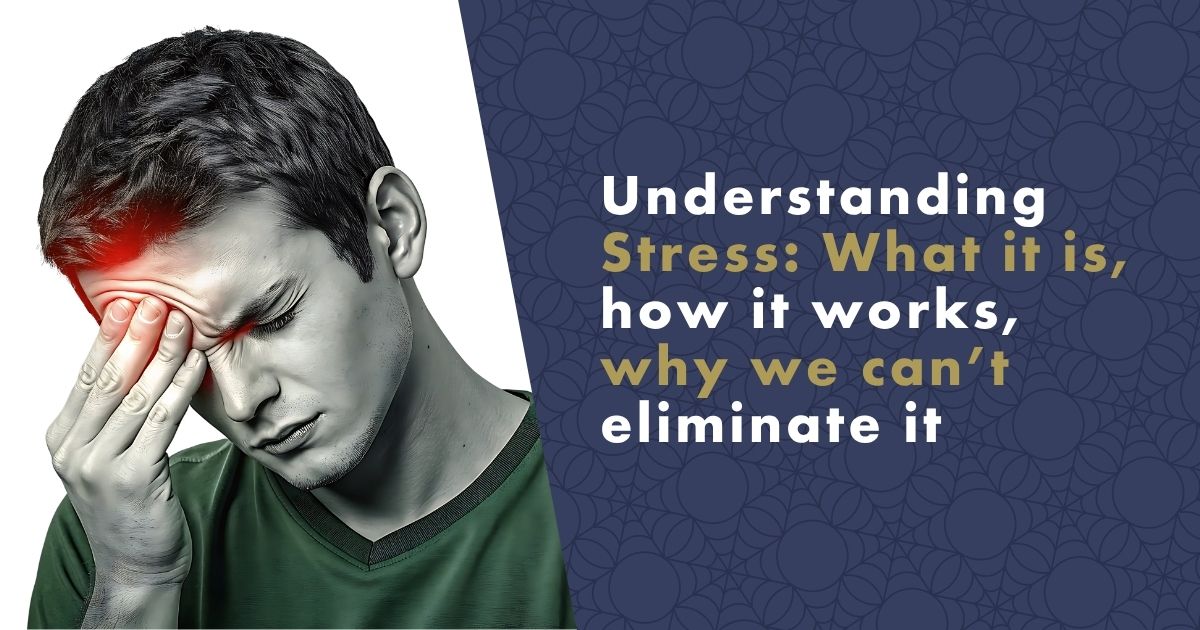
Key takeaways if you're short on time
- Stress isn't inherently evil — it's a natural biological reaction (the HPA axis) designed to mobilise energy for survival. The real problem arises when a short-term helper transforms into a chronic condition that exhausts the body, compromises immunity, and ruins sleep.
- Nature offers profound solutions, with adaptogenic plants and botanical extracts helping to calm an agitated nervous system without causing drowsiness, teaching your body to handle pressure more effectively.
- Magnesium serves as an essential physiological shield because your body massively depletes this mineral during periods of high tension. Replenishing it, ideally in a highly bioavailable form, is the first step towards building psychological resilience.
- Restful sleep is irreplaceable for regeneration, and if an overactive mind prevents you from drifting off, modern science provides effective, fast-absorbing solutions to restore a natural rhythm and help you wake up refreshed.
- Building long-term resilience requires a holistic approach, combining targeted nutritional support with intelligent lifestyle adjustments, physical movement, and proper sleep hygiene to keep cortisol levels in check.
What Actually Happens Inside Your Body When You're Overwhelmed?
You almost certainly recognise the sensation. Your stomach ties itself into a tight knot, your breathing becomes shallow and rapid, and a relentless carousel of anxious thoughts begins spinning in your mind. If you frequently find yourself asking how to get rid of stress, it's essential to first understand the profound biological cascade that occurs beneath the surface. Everything begins in the brain, specifically in a small, almond-sized region called the hypothalamus. Think of the hypothalamus as the central control tower of your body's internal operations.
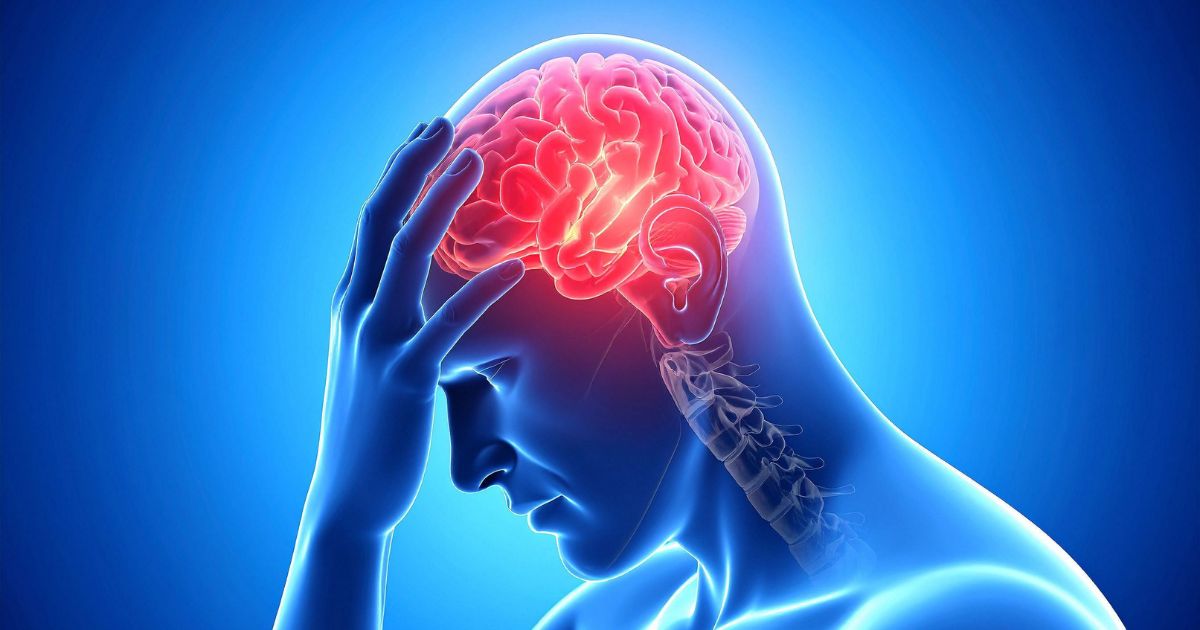
As soon as your senses—or even your abstract thoughts—detect a potential threat (and it's crucial to note that the brain categorises both an impending physical attack and an aggressive email from your manager as identical threats), the hypothalamus sounds the internal alarm. This immediately activates what scientists call the HPA axis (hypothalamic-pituitary-adrenal axis). This complex communication network acts as the emergency broadcast system for your entire physiology.
At the end of this rapid neurological cascade, your adrenal glands flood your bloodstream with a potent cocktail of hormones, dominated primarily by adrenaline and cortisol. Adrenaline acts as an instant turbo boost. It immediately elevates your heart rate, spikes your blood pressure, and pushes oxygen-rich blood directly into your major muscle groups. Cortisol, frequently referred to as the primary stress hormone, plays a slightly more complex, longer-term role. It increases glucose levels in the bloodstream to ensure your brain has an abundant supply of immediate fuel. Simultaneously, cortisol actively suppresses non-essential bodily functions—such as your digestive system, reproductive system, and immune responses—because digesting your lunch is entirely irrelevant if you're about to be eaten. This biological prioritisation is precisely why we often lose our appetite or suffer from severe digestive discomfort during periods of intense pressure.
Our Evolutionary Heritage: Why Do We Actually Experience Stress?
We often find ourselves pondering why nature endowed us with such an uncomfortable and exhausting mechanism. The answer is remarkably straightforward: sheer survival. Without this immediate, explosive reaction, our ancient ancestors would have been nothing more than easy prey on the savannah. In the days when we lived in caves and hunted for our meals, the trigger was clearly defined, immediate, and usually very brief. You either successfully outran the predator, or you perished. In both scenarios, the physiological reaction concluded rapidly, allowing the surviving body to return to a state of calm homeostasis.

The profound mismatch of the modern era lies in the fact that our ancient biology is forced to navigate a completely alien environment. Our bodies react to abstract, non-lethal modern threats—such as looming project deadlines, fluctuating mortgage rates, and the artificial urgency of social media notifications—with the exact same life-or-death intensity as they would to a charging rhinoceros. The fundamental issue is that you can't simply sprint away from a demanding email. The massive surge of energy mobilised by your adrenal glands has absolutely nowhere to dissipate. Consequently, we remain sitting rigidly at our desks, our hearts pounding, our muscles tense, and our blood thick with unspent glucose and cortisol.
Why You Cannot (and Should Not) Entirely Eradicate Stress from Your Life
The notion of a life entirely devoid of any pressure might sound incredibly appealing, especially when you're feeling utterly exhausted. However, the complete absence of this biological response would be thoroughly destructive to human existence. This mechanism isn't solely about fear and survival; it's also the driving force that compels us to get out of bed in the morning, pursue our goals, and overcome daily obstacles. Psychologists and physiologists generally categorise this phenomenon into two distinct types.
The first is eustress, which is the positive, beneficial form of tension. Think of the exhilarating flutter of butterflies in your stomach before a first date, the exciting rush of adrenaline before a major athletic competition, or the focused drive you feel when working on a project you're deeply passionate about. Eustress motivates us, sharpens our cognitive functions, and significantly enhances our overall performance. It's an essential ingredient for a fulfilling, engaging life.
The second type is distress, which represents the negative, harmful burden we typically associate with the word. This occurs when the demands placed upon us exceed our perceived ability to cope. While eustress builds resilience and makes us stronger, distress relentlessly grinds us down. Therefore, the ultimate goal is never to achieve a flatline state of zero tension. Instead, the objective is to learn how to regulate our nervous system masterfully. We want to operate within the optimal zone of arousal—where we're alert, productive, and engaged, but never chronically overwhelmed or exhausted.
A Helpful Servant but a Terrible Master: The Danger of Chronic Tension
The boundary between a helpful biological servant and a destructive master is incredibly thin, and the defining factor is almost always duration. Acute episodes—the kind that spike quickly and then resolve—act essentially as a workout for your nervous system. They test your limits and allow you to recover. However, if the alarm bells ring continuously for weeks, months, or even years, we enter the dangerous territory of chronic tension. In this depleted state, the HPA axis remains permanently switched on, and your body is effectively running on a massive physiological overdraft.

When cortisol remains elevated for extended periods, it becomes highly toxic to the body. It can actually begin to shrink the hippocampus—the vital brain region responsible for memory consolidation and learning—whilst simultaneously enlarging the amygdala, the brain's fear centre. This structural change makes you even more reactive to future pressures. Furthermore, your immune system, constantly suppressed by the relentless flood of hormones, becomes exhausted and begins to fail, leaving you highly susceptible to infections and illnesses. Enduring chronic tension is akin to driving a car down the motorway at full throttle whilst keeping the handbrake firmly engaged. The engine might withstand the abuse for a short while, but eventually, something is guaranteed to break down catastrophically.
Warning Signs You Simply Must Not Ignore
The human body possesses a profound, innate wisdom, and it continuously sends us clear, undeniable signals when we've crossed the threshold of what is sustainable. Tragically, we often choose to ignore these flashing warning lights, masking them with caffeine, sugar, or sheer willpower. Recognising the early symptoms is critical. Among the most common initial indicators are severe disruptions to your sleep patterns. If you frequently find yourself wondering what to do when you can't sleep, or if you wake up at 3 a.m. with a racing heart and a mind full of anxiety, your cortisol rhythm is likely inverted.
Other prominent signs include uncharacteristic irritability, a sudden inability to concentrate on simple tasks, and profound physical tension—most notably manifesting as chronic headaches, a stiff neck, and aching trapezius muscles. You may also experience severe psychosomatic symptoms, such as unexplained digestive issues, sudden skin breakouts, accelerated hair loss, or a complete collapse of your libido. These aren't signs of weakness; they're your biology desperately pleading for a period of recovery.
Scientifically Backed Pathways to Tame Cortisol and Restore Balance
The incredibly uplifting news is that, even though we can't completely escape the pressures of the modern world, we possess highly effective, scientifically validated tools to mitigate their destructive impact on our biology. Modern nutritional science is increasingly returning to the profound wisdom of nature, studying botanical compounds that traditional cultures have used for millennia. The foundational principle here is understanding that the battle must be fought on a biochemical level. We must actively replenish the vital nutrients our bodies have rapidly consumed and provide targeted botanical support to help "switch off" the internal alarm system.

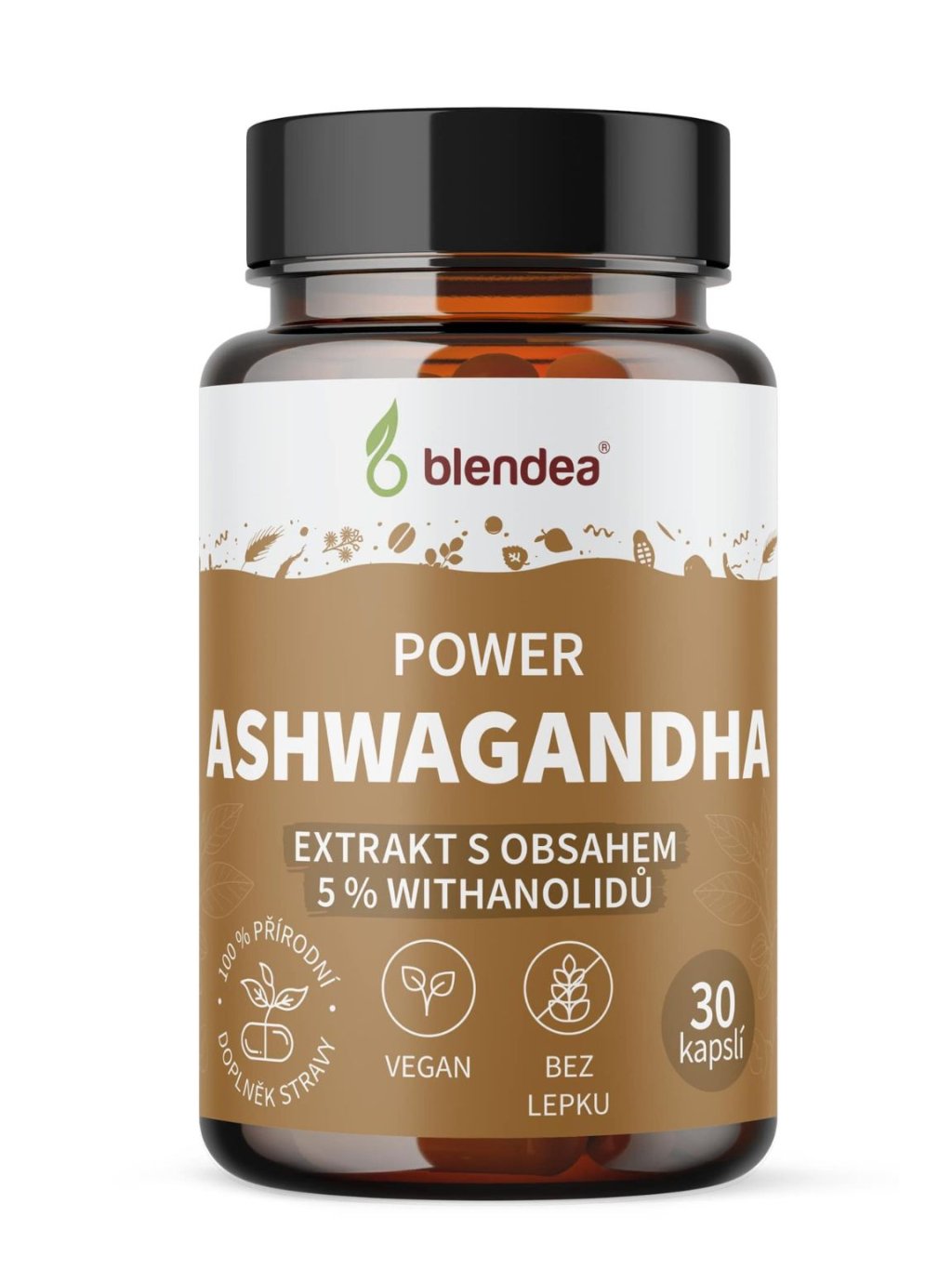
One of the most powerful categories of botanical support is adaptogens. These are remarkable plants that possess the unique ability to help the human organism adapt to physiological and psychological burdens, normalising bodily functions regardless of the external environment. The undisputed king of this category is ashwagandha. Extensive clinical studies have repeatedly confirmed that the regular, disciplined intake of high-quality extracts from this ancient root can significantly reduce serum cortisol levels. For those seeking targeted daily support, integrating a potent supplement like Blendea Ashwagandha Extract into your morning routine can create a profound buffer against the day's demands, teaching your nervous system to respond with calm resilience rather than frantic panic.
Targeted Support for Restful Nights and Calm Days

The Power of Nature: When a Regular Diet Isn't Enough
An entirely separate, yet intrinsically linked, area of concern is rest. If you can't "switch off your head" at night, you're trapped in a vicious cycle where exhaustion breeds more anxiety, which in turn prevents recovery. If you've ever researched what is melatonin?, you'll know it's the hormone responsible for signalling to your brain that it's time to rest. However, chronic tension aggressively suppresses its natural production. Providing the body with a gentle, external source can be a game-changer for restoring a healthy circadian rhythm.
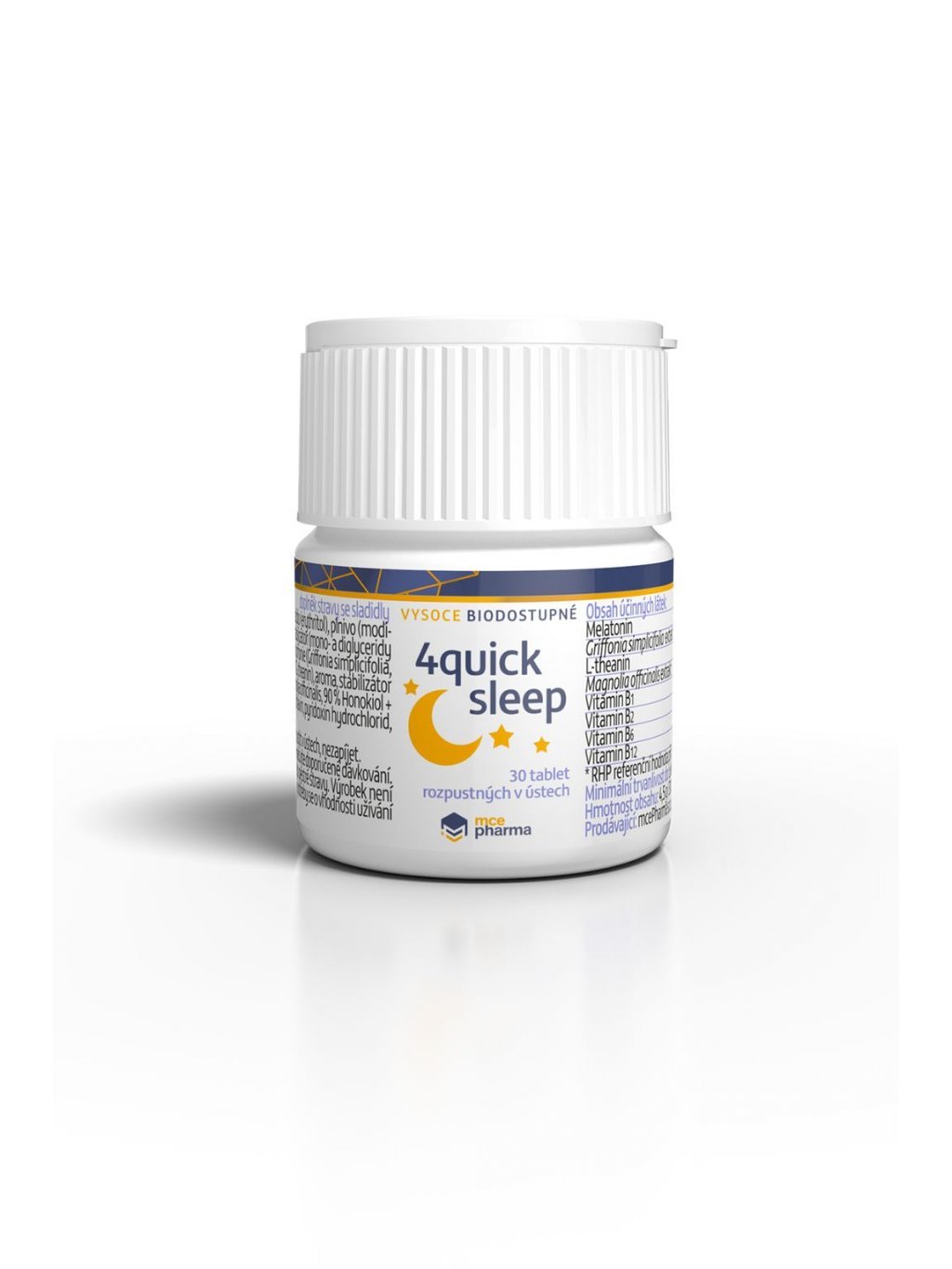
For those who struggle with traditional capsules, modern formulations offer brilliant alternatives. A perfect example is the highly popular Eddies Sleep Gummies with Melatonin – Blueberry, which provide a delicious, easily digestible way to prepare your body for deep rest. Alternatively, if you require an incredibly rapid onset of action because your mind is racing uncontrollably, sublingual options like the 4Quick Sleep Mini Tablets bypass the digestive system entirely, dissolving directly under the tongue to deliver calming signals to the brain in a fraction of the usual time.
Why Choosing the Right Form of Nutritional Support Is Absolutely Vital
The market for dietary supplements is notoriously chaotic and often completely opaque. Why is it so critical to scrutinise the ingredient list and the specific chemical forms of the compounds you take? Because fundamentally, not every tablet functions identically within the human body. Your digestive tract is a formidable barrier, designed to break down and filter out substances. If you take a low-quality, poorly formulated mineral or herb, your body might absorb as little as 4% of the active ingredient, simply excreting the rest without any noticeable benefit.
This is where the concept of biological availability becomes the most crucial factor in your supplementation strategy. Premium products use advanced delivery mechanisms—such as liposomal encapsulation, sublingual absorption, or highly bioavailable chelated forms like magnesium bisglycinate—to ensure the active compounds successfully navigate the harsh environment of the stomach and reach the bloodstream intact. Products that combine these scientifically validated forms offer your body genuine, measurable biochemical support, rather than merely relying on an expensive placebo effect.
Building a Lifestyle Shield Against the Pressures of Modern Life
Whilst high-quality dietary supplements are immensely powerful allies, they can't perform miracles in a vacuum. They must be seamlessly integrated with fundamental lifestyle modifications. It's helpful to conceptualise your body's energy reserves as a financial bank account. Every demanding task, every frustrating commute, and every anxious thought represents a withdrawal. Conversely, deeply restorative rest, nutrient-dense whole foods, and joyful physical movement represent your daily deposits. If you're constantly making massive withdrawals without ever taking the time to deposit funds, you'll inevitably plunge into a profound physiological overdraft, leading directly to burnout.

A foundational pillar of this defensive shield is maintaining proper sleep hygiene for adults and children alike. Creating a cool, dark, and utterly silent sanctuary in your bedroom isn't a luxury; it's a biological necessity. Furthermore, incorporating regular physical movement into your daily routine is non-negotiable. You don't need to subject yourself to punishing marathons; a brisk, 30-minute walk in nature is profoundly effective. Physical activity naturally "burns off" the accumulated adrenaline and cortisol circulating in your bloodstream, whilst simultaneously triggering the release of powerful, mood-elevating endorphins.
Sleep, Movement, and the Importance of a Digital Detox
A massive, often overlooked contributor to modern exhaustion is our lack of digital hygiene. Our constant, unbroken connection to the digital world keeps our neurological threat-detection systems in a state of permanent, low-level vigilance. Every notification triggers a microscopic spike in cortisol. Furthermore, the harsh blue light emitted by our smartphones and laptops actively destroys the natural production of the sleep hormone, tricking our brains into believing it's still high noon.
A highly effective strategy is to implement a strict "digital sunset" protocol. Commit to turning off all electronic screens at least one full hour before you intend to sleep. Replace the scrolling with reading a physical book, gentle stretching, or listening to calming music. These seemingly minor evening rituals send a powerful, unambiguous signal to your nervous system that the day's battles are over and it's safe to transition into a state of deep, restorative recovery.
Mental Techniques for Immediate Relief
Beyond biochemistry and broad lifestyle changes, there are powerful mental techniques you can deploy "in the trenches" when you feel an acute wave of panic rising. One of the most universally effective tools is conscious breathwork. Your breathing pattern acts as a direct remote control for your autonomic nervous system. When we're panicked, we breathe shallowly and rapidly into our upper chest, which further fuels the anxiety loop. By consciously forcing your breath deep into your diaphragm, slowing the pace, and deliberately making your exhalations significantly longer than your inhalations, you directly stimulate the vagus nerve. This instantly transmits a powerful biological message to your brain: "I'm safe, the threat has passed, we can stand down."

Conclusion: Embracing a Balanced Approach to Life
Stress is, and always will be, an integral, unavoidable component of the human experience. The true problem we face isn't the existence of pressure itself, but rather our modern inability to switch it off and grant our bodies the deep, profound regeneration they desperately require. We live in an incredibly fast-paced era that places extreme, unprecedented demands upon our minds and bodies. However, we're also incredibly fortunate to live in an age that provides us with sophisticated tools to face these challenges head-on. Since our foundation in 2012, we at nanoSPACE have understood the value of combining a deep scientific understanding of our internal biology with access to highly advanced, natural botanical supplements. Actively nurturing and protecting your psychological resilience is never a sign of weakness or an admission of defeat; rather, it's the most essential prerequisite for living a vibrant, healthy, and deeply fulfilling life in the modern world.
Frequently asked questions
How quickly will I notice the effects of anti-stress supplements?
This depends entirely on the specific type of compound you're taking. Fast-acting substances like L-theanine or highly bioavailable magnesium bisglycinate can frequently provide a noticeable sense of calm and physical relief within less than an hour after consumption. Conversely, when using adaptogenic herbs such as ashwagandha, a much longer-term, consistent approach is required. It typically takes between two to four weeks of daily use for their profound, cumulative effects on lowering baseline cortisol levels to fully manifest within the body.
Can I combine multiple products for tension and sleep together?
Yes, absolutely, as they very often complement one another beautifully. For instance, high-quality magnesium serves as a brilliant foundational supplement that should be taken consistently over the long term. During periods of particularly high pressure, you can safely introduce adaptogens into your morning routine. Sleep-supporting hormones should only ever be added in the evening, specifically if you're actively struggling to drift off. However, as a general rule of thumb, it's always wisest to introduce one new product at a time so you can accurately monitor exactly how your unique biology responds.
Is melatonin addictive?
No, it isn't addictive in the traditional, clinical sense of the word. Your body won't develop a dangerous physical dependency or experience severe withdrawal symptoms if you stop taking it. Nevertheless, experts generally recommend using it primarily as a targeted, short-term intervention—such as realigning a disrupted circadian rhythm after long-haul travel or during brief periods of acute insomnia—rather than relying on it as a permanent, nightly crutch. This ensures your body's own natural production mechanisms don't become sluggish over time.
What is bioavailability and why is it crucial?
Bioavailability is the scientific metric that determines exactly how much of an active ingredient actually survives the digestive process and successfully enters your bloodstream to exert a physiological effect. Cheap, poorly formulated mineral supplements (such as basic magnesium oxide) often have an abysmal absorption rate of around 4%, meaning the vast majority is simply excreted as expensive waste. Premium, high-quality forms (like bisglycinate) or advanced delivery technologies (such as sublingual melting tablets) guarantee that your body receives the maximum possible therapeutic benefit from every single dose.
Is there a reliable way to measure my stress levels?
Whilst you undoubtedly feel the subjective emotional burden, it's entirely possible to measure it objectively. In a clinical setting, this is done by testing cortisol levels present in saliva or blood samples. However, for everyday life, one of the most reliable and accessible indicators is Heart Rate Variability (HRV), a metric that many modern smartwatches and fitness trackers can now monitor with impressive accuracy. A consistently low HRV reading is a very strong physiological indicator that your autonomic nervous system is overloaded and that your body is failing to regenerate adequately during rest.