
Have you ever paused to look in the mirror and wondered what gives your skin its unique glow, your hair its distinct shade, or your eyes their captivating colour? The answer lies in a remarkable natural pigment: melanin. But this vital substance is far more than a simple biological paintbrush that dictates our physical appearance. It's your body's built-in shield, offering essential protection against the harsh and potentially damaging effects of the sun's ultraviolet radiation. At nanoSPACE, we're constantly exploring the profound impact of cellular health on your skin and overall well-being. In this comprehensive guide, we'll delve deep into the fascinating science behind this pigment. You'll discover exactly what melanin is, how your body produces it, the subtle signs that you might be running low, and—most importantly—the natural and effective methods you can implement to replenish it. Whether you're looking to maintain a healthy summer glow, prevent premature ageing, or simply learn more about the intricate workings of your body, understanding melanin is the first essential step on your journey to optimal health.
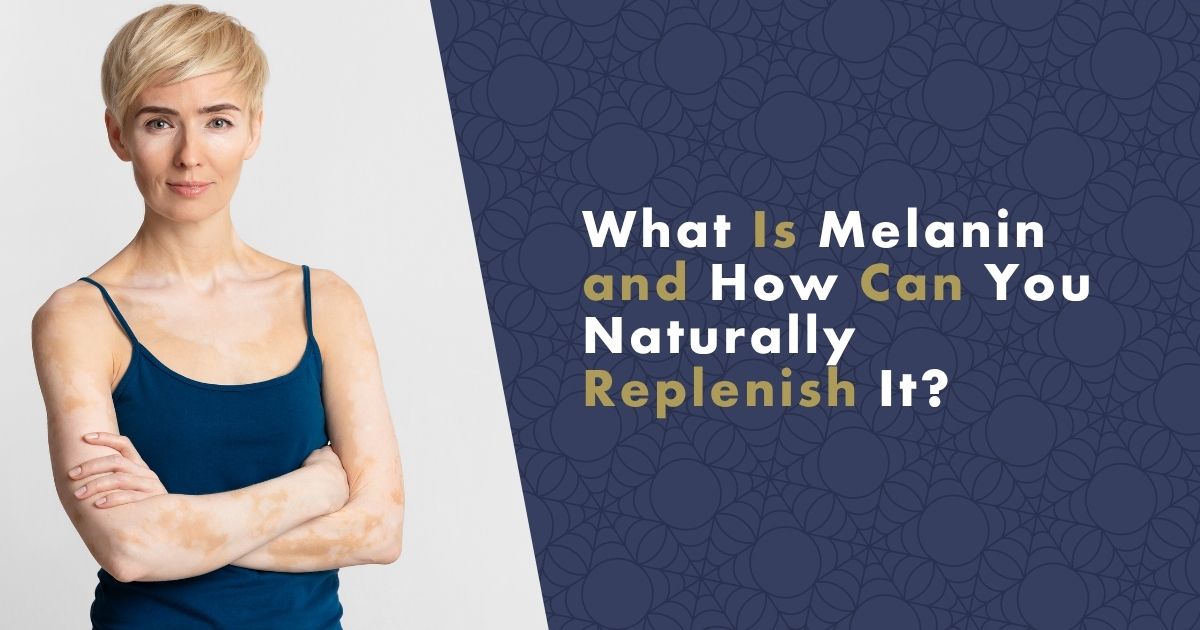
Key takeaways if you're short on time
- Melanin is your natural protector, acting as a microscopic shield that absorbs harmful UV rays and defends your delicate skin cells from irreversible damage.
- There are three primary types, including eumelanin for dark tones, pheomelanin for red or blonde hues, and neuromelanin which safeguards the brain.
- Sunlight triggers rapid production, acting as a natural environmental catalyst that tells your body to build up its defensive pigment barriers.
- Diet plays a fundamental role, with specific amino acids like tyrosine and vital minerals like copper acting as the foundational building blocks for pigment creation.
- Rest and stress management are vital, because a calm, well-rested body maintains the optimal cellular renewal required for consistent and healthy melanin production.
What Exactly Is Melanin and What Are Its Essential Functions?
To truly appreciate the wonders of the human body, we must first understand that melanin is vastly more than just a cosmetic dye or pigment. It's a complex polymer derived from the amino acid tyrosine, and it serves as the primary determinant of the colour of our skin, hair, and the irises of our eyes. But its aesthetic contribution is only part of the story. Melanin is an evolutionary masterpiece, functioning as the body's primary defence against the relentless assault of harmful ultraviolet (UV) radiation from the sun. When UV rays penetrate the skin, they have the potential to wreak havoc on our cellular DNA, leading to mutations, premature ageing, and a host of other dermatological concerns. Melanin acts as an extraordinary biological sponge, actively absorbing these dangerous rays and safely dissipating the absorbed energy as harmless heat. By doing so, it prevents profound cellular damage, protects sensitive nerve endings, and significantly slows down the visible signs of skin ageing. Simply put, the more effectively your body produces and distributes this pigment, the better equipped your skin is to defend itself against environmental stressors.
When considering overall skin health and structural integrity, many people focus heavily on structural proteins. For instance, when researching the best collagen for hair and skin, it's vital to remember that whilst collagen provides the necessary firmness and elasticity, it's melanin that provides the essential photoprotection. Without adequate pigment to shield the deeper layers of the dermis, UV rays would rapidly degrade your precious collagen reserves, leading to sagging and wrinkles. These two biological components work in beautiful, synergistic harmony to keep you looking youthful and vibrant.
The Three Primary Types of Melanin in the Human Body
The colour palette of humanity is incredibly diverse, and this rich tapestry of hues is governed by the specific type and concentration of pigment present in our tissues. Scientists categorise melanin into three distinct types, each with its own unique chemical structure and biological purpose:
First, we have eumelanin. This is the most abundant type and is responsible for producing the rich, dark colours we see in brown or black hair, as well as deeply pigmented skin. Eumelanin is a highly effective photoprotectant, offering robust defence against sun damage. Those with higher concentrations of eumelanin naturally possess a stronger innate resistance to UV-induced cellular degradation.
Secondly, there's pheomelanin. If you possess striking red hair, naturally blonde locks, or skin that's prone to freckles, you have pheomelanin to thank. This variant produces lighter, warmer hues ranging from yellow to red. Unlike its darker counterpart, pheomelanin is less effective at absorbing UV radiation. In fact, when exposed to intense sunlight, pheomelanin can sometimes contribute to the production of free radicals, which is why individuals with fairer skin and red hair must be particularly diligent with their sun protection routines.
Finally, we have neuromelanin. Whilst the first two types dictate our external appearance, neuromelanin is hidden deep within the body, specifically within the brain. It's found in high concentrations in areas such as the substantia nigra. Although its exact functions are still being studied by neuroscientists, it's widely believed that neuromelanin plays a critical role in protecting delicate neurons from oxidative stress and toxic heavy metals, acting as a vital internal guardian for our nervous system.
The Fascinating Biological Process of Melanin Production
The creation of this incredible pigment is not a simple, instantaneous event. It's the result of a highly intricate, multi-step biochemical process known as melanogenesis. This remarkable factory-like operation takes place deep beneath the visible surface of your skin, specifically within specialised, star-shaped cells called melanocytes. These melanocytes reside primarily in the basal layer, which is the very deepest layer of the epidermis. However, their presence isn't limited to the skin alone; you'll also find these industrious cells operating within the hair follicles, the intricate structures of the inner ear, the irises of the eyes, and even the meninges that envelop the brain and spinal cord.
To ensure that these basal layers remain healthy and capable of optimal function, maintaining a pristine epidermal canvas is paramount. Implementing a routine of proper skin cleansing ensures that dead skin cells, excess sebum, and environmental pollutants are gently removed, allowing the skin to breathe and cellular processes, including melanogenesis, to proceed without unnecessary hindrance.
The Central Role of the Tyrosinase Enzyme
At the very heart of the melanogenesis process lies a crucial enzyme known as tyrosinase. Think of tyrosinase as the master conductor of an intricate biological orchestra. Without it, the entire production line grinds to a halt. The process begins when the body takes an amino acid called tyrosine—which we primarily obtain through the proteins in our diet—and delivers it to the melanocytes. Inside the melanocyte, tyrosinase initiates a complex series of oxidation reactions, fundamentally transforming the raw material of tyrosine into the complex polymer we recognise as melanin.
Once the pigment is synthesised, it's packaged into tiny, specialised transport vesicles called melanosomes. These melanosomes then travel along the long, arm-like dendrites of the melanocyte and are transferred into the neighbouring keratinocytes, which are the primary skin cells that make up the outer layers of the epidermis. As the keratinocytes naturally migrate upwards towards the surface of the skin, they carry the protective pigment with them, eventually forming a microscopic, umbrella-like shield over the nucleus of each cell, safeguarding the precious DNA within from the sun's penetrating rays.
Sunlight and Other Vital Factors That Influence Pigmentation
Have you ever wondered about the exact biological mechanics behind a summer tan? When you step out into the sunshine, the UV rays act as a powerful environmental alarm bell. Your skin senses the potential danger of radiation and immediately triggers a defensive response. The UV light stimulates the melanocytes to ramp up their production, accelerating the synthesis of tyrosinase and the subsequent creation of melanosomes. The result is a visible darkening of the skin—a tan—which is, in reality, your body's valiant attempt to build a thicker, more robust shield against further sun exposure.

However, sun exposure is far from the only factor that dictates how much pigment your body produces. A myriad of internal and external elements continuously influence this delicate balance. Genetics, for example, play an undeniable and foundational role. Our evolutionary history and the geographical origins of our ancestors determine the baseline activity level of our melanocytes. Populations originating from regions closer to the equator evolved to produce abundant eumelanin to protect against intense, year-round solar radiation, whereas those from northern latitudes evolved with lighter skin to facilitate the synthesis of vitamin D in environments with scarce sunlight.
Age is another significant determining factor. As we progress through the decades of life, the overall number of active melanocytes in our body gradually begins to decline. Furthermore, the stem cells within our hair follicles that are responsible for replenishing these pigment-producing factories eventually become depleted. This natural, inevitable biological slowdown is the precise reason why our hair turns grey or white as we age, and why our skin may become more susceptible to uneven pigmentation and age spots.
Support Your Body's Natural Balance
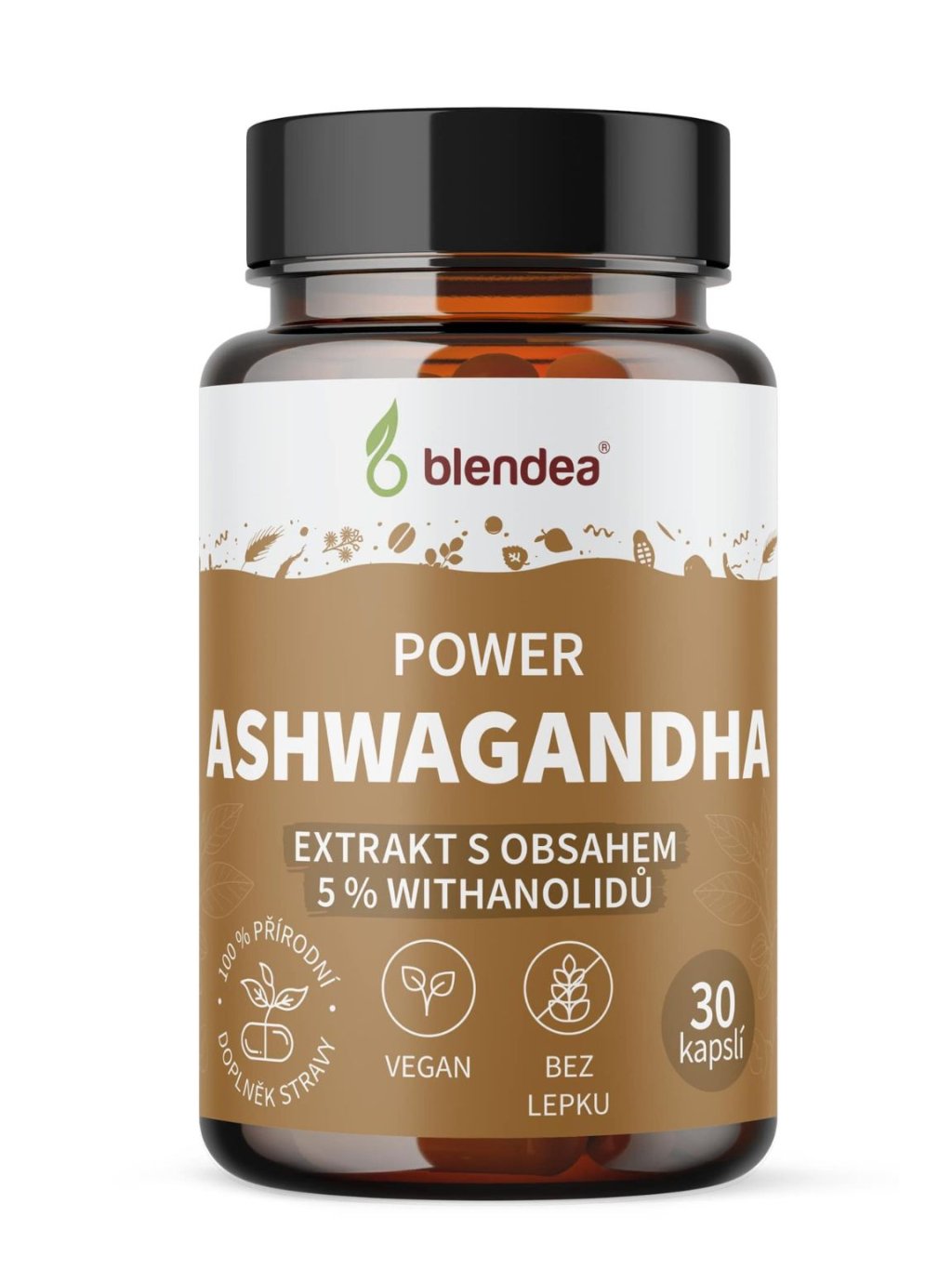
Stress is a frequently overlooked antagonist in the narrative of cellular health. Chronic, unmanaged stress elevates cortisol levels, which can disrupt hormonal harmony and generate oxidative stress. This oxidative damage can directly impair the function of melanocytes, potentially accelerating the greying of hair and dulling the complexion. Incorporating adaptogenic herbs into your daily routine, such as the highly regarded Blendea Ashwagandha Extract, can be a wonderful and natural way to help your body manage daily stressors, thereby protecting your delicate cellular processes from the ravages of modern, fast-paced living.
Recognising the Warning Signs of Melanin Deficiency
Whilst we often focus on the aesthetic aspects of hyperpigmentation or achieving a golden tan, a deficiency in this vital pigment is a serious matter that can significantly impact your quality of life. A lack of adequate pigmentation can stem from a variety of complex causes, ranging from deeply ingrained genetic predispositions and the natural ageing process, to severe nutritional deficiencies and complex autoimmune conditions.
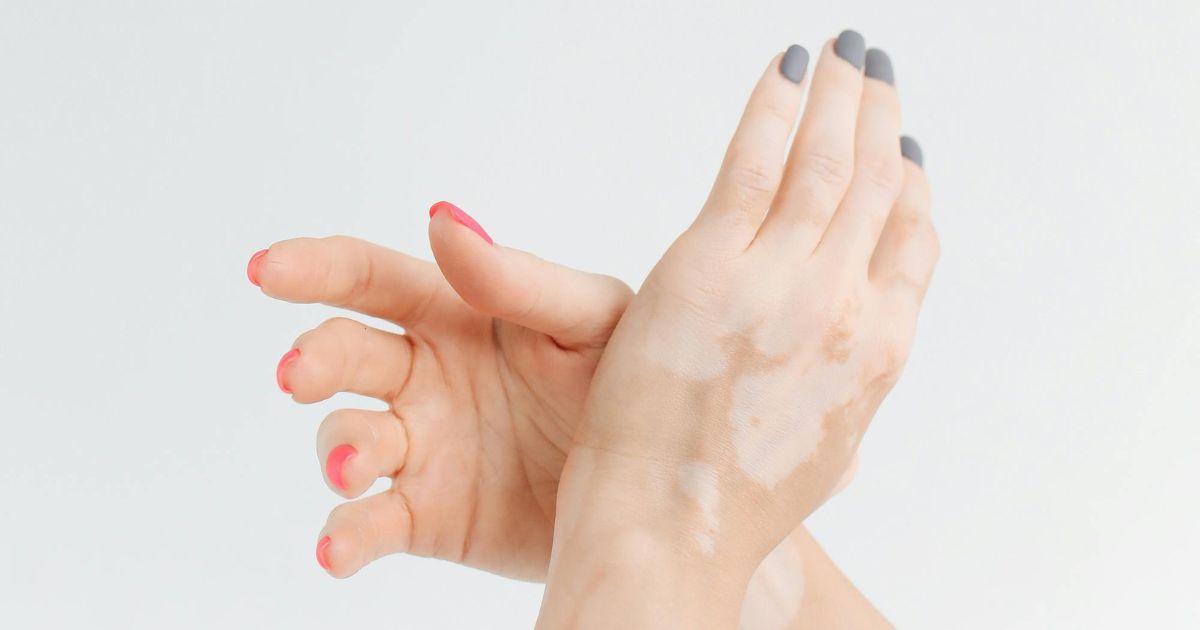
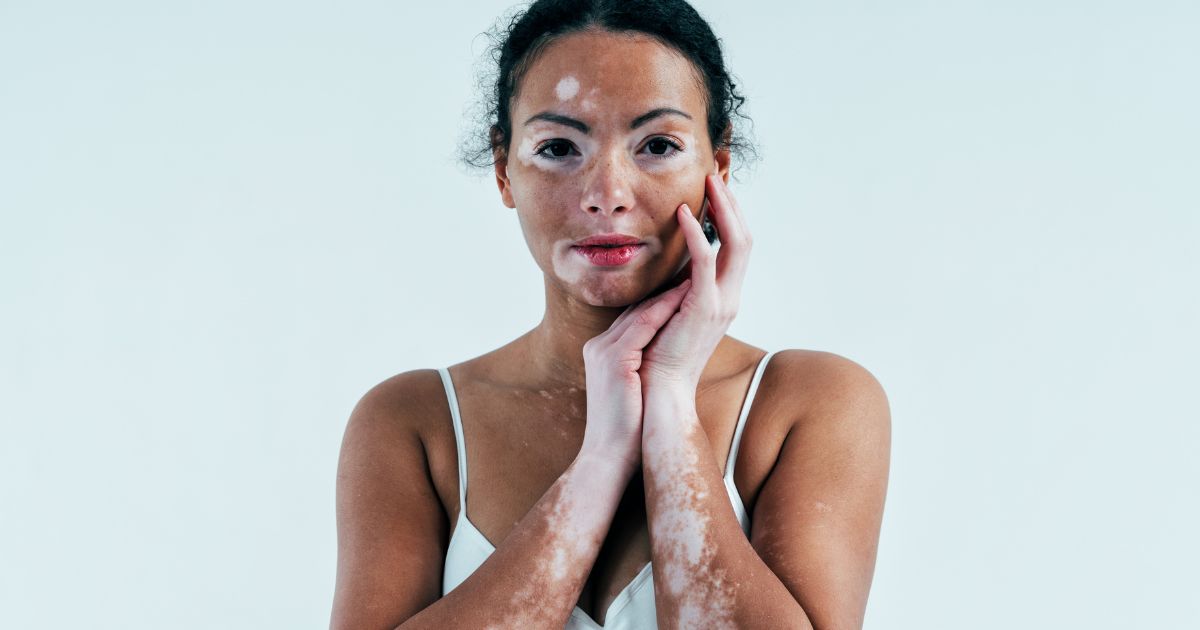
One of the most well-known conditions associated with a lack of pigment is vitiligo, an autoimmune disorder where the body's immune system mistakenly attacks and destroys its own melanocytes, resulting in striking, depigmented white patches across various areas of the skin. Another profound example is albinism, a group of genetic conditions characterised by a complete or nearly complete absence of pigment in the skin, hair, and eyes from birth, leaving individuals highly vulnerable to sun damage and visual impairments.
However, you don't need to have a diagnosed medical condition to experience the subtle, everyday signs of suboptimal pigment levels. If you notice that your skin is unusually pale and burns with alarming speed even after a very brief stint in the sun, this may be a clear indicator that your natural defences are compromised. Similarly, if you're experiencing premature greying of your hair in your twenties or early thirties, or if you observe an increasingly uneven skin tone with unexplained light spots, your body might be signalling a need for nutritional or lifestyle support.
For individuals dealing with compromised skin barriers, the lack of protective pigment can exacerbate other dermatological issues. For instance, when focusing on caring for dry skin, it's crucial to understand that sun-damaged skin loses its ability to retain moisture effectively. Without the photoprotective umbrella of eumelanin, UV rays penetrate deeper, degrading hyaluronic acid and essential lipids, leaving the skin parched, flaky, and highly irritable.
How to Naturally Boost and Replenish Melanin Through Your Diet
If you're looking to support your body's natural ability to produce a healthy, even complexion and maintain the vibrant colour of your hair, the most effective place to start is within your kitchen. True beauty and resilience are built from the inside out, and providing your biological factories with the correct raw materials is absolutely essential. A diet rich in specific amino acids, minerals, and vitamins can dramatically enhance the efficiency of melanogenesis.
The absolute foundation of pigment creation is the amino acid tyrosine. Because tyrosinase must convert tyrosine to begin the entire manufacturing process, ensuring you have an abundant supply of this nutrient is non-negotiable. You can easily boost your tyrosine intake by incorporating high-quality proteins into your daily meals. Excellent sources include free-range eggs, organic dairy products, almonds, avocados, and lean meats. By providing the primary building block, you empower your melanocytes to work at their full potential.
Equally critical to the process is the mineral copper. Remember the master conductor enzyme, tyrosinase? It's a copper-dependent enzyme. This means that without adequate levels of copper in your system, tyrosinase simply cannot function, and pigment production will grind to a frustrating halt, regardless of how much tyrosine you consume. To keep your copper levels optimal, make sure to snack on nutrient-dense foods like walnuts, cashews, sunflower seeds, chickpeas, and wholesome whole grains.
Furthermore, the environment in which your melanocytes operate must be protected from the destructive forces of free radicals. This is where vitamins C and E, along with a broad spectrum of potent antioxidants, step into the spotlight. These powerful compounds act as molecular bodyguards, neutralising oxidative stress and preventing damage to the delicate melanocyte cells. A vibrant diet filled with citrus fruits, leafy greens like spinach and kale, broccoli, and antioxidant-rich berries such as blueberries and raspberries will create the perfect, protected environment for healthy pigment synthesis.
Interestingly, those who are actively learning how to care for oily skin often shy away from heavy, oil-based antioxidant serums. In such cases, obtaining these vital skin-protecting nutrients internally through a colourful, balanced diet becomes even more crucial, ensuring the skin receives the protection it needs without exacerbating external oiliness or clogging delicate pores.
The Crucial Link Between Quality Sleep, Stress Reduction, and Cellular Health
Whilst a nutrient-dense diet provides the necessary physical building blocks, the overall state of your nervous system and the quality of your rest dictate how effectively your body can use those materials. The human body is incredibly adept at prioritising its functions. When you're chronically sleep-deprived or highly stressed, the body shifts its resources away from non-essential processes—like maintaining skin radiance and hair colour—and funnels them towards sheer survival and stress hormone production.
During the deep, restorative phases of sleep, your body undergoes profound cellular repair. It's during these quiet hours of the night that damaged DNA is repaired, toxins are flushed from the brain and tissues, and the microscopic factories, including your melanocytes, are rejuvenated and prepared for the demands of the following day. A lack of quality sleep dramatically hinders this vital renewal process, leading to a dull complexion, increased susceptibility to UV damage, and accelerated ageing.
Enhance Your Rest for Optimal Cellular Renewal


If you find yourself tossing and turning, struggling to quiet your mind at the end of a demanding day, providing your body with a gentle cue that it's time to rest can be beneficial. Incorporating a supplement like Eddies Sleep Gummies with Melatonin – Blueberry can be a convenient addition to your evening routine. Alternatively, if you prefer a melatonin-free option, try FLOW Sleep – Melatonin Free, a dietary supplement designed to complement your evening routine and support relaxation before bedtime.
Practical Lifestyle Tips for Maintaining Healthy Pigmentation
Beyond diet and supplementation, your daily habits exert a profound influence on the health and longevity of your melanocytes. By adopting a few simple, mindful practices, you can create an environment in which your skin thrives naturally.
First and foremost is the concept of sensible sun exposure. Whilst excessive UV radiation is undoubtedly damaging and a primary cause of premature ageing, completely avoiding the sun isn't the answer either. Short, controlled periods of sun exposure—roughly 10 to 15 minutes a day, depending on your skin type and the UV index—act as a natural, healthy stimulant for pigment production and are absolutely vital for the synthesis of vitamin D. It's about finding the delicate balance between stimulation and protection.
Secondly, never underestimate the power of profound hydration. Water is the fundamental medium in which all biochemical reactions in your body take place. A well-hydrated body supports the smooth transport of nutrients—like tyrosine and copper—directly to the skin cells that need them most. Furthermore, adequate water intake helps flush out the metabolic waste products that can otherwise accumulate and hinder cellular function.
Finally, make stress reduction a non-negotiable part of your daily routine. Whether it's through mindful meditation, a brisk walk in nature, deep breathing exercises, or simply taking the time to read a good book, finding effective ways to lower your cortisol levels will protect your melanocytes from stress-induced exhaustion, helping you maintain your natural colour and a radiant, healthy glow for years to come.
Frequently asked questions
What does melanin do in the human body?
Melanin is a complex biological pigment that fundamentally determines the colour of your skin, hair, and eyes. Beyond aesthetics, its primary and most vital function is to protect the body against the harmful effects of ultraviolet (UV) radiation. It achieves this by acting as a microscopic shield, absorbing the sun's dangerous rays and dissipating them as heat, thereby preventing severe damage to cellular DNA and slowing down the premature ageing of the skin.
How can I naturally restore and support my melanin levels?
You can effectively support and restore your body's pigment production through a holistic approach. This includes consuming a nutrient-dense diet rich in the amino acid tyrosine, the mineral copper, and potent antioxidants. Additionally, engaging in short, sensible periods of sun exposure, maintaining excellent daily hydration, actively reducing chronic stress, and ensuring you get high-quality, restorative sleep each night all play a crucial role in maintaining healthy melanocyte function.
What stimulates the production of melanin in the skin?
The single most powerful external trigger for pigment production is ultraviolet radiation from the sun. When UV rays hit the skin, they activate a defensive mechanism, prompting the melanocytes to rapidly produce more pigment to shield the cells from potential damage. Internally, production is deeply influenced by your genetic blueprint, your biological age, the specific nutrients available in your diet, and your overall hormonal balance.
Which specific foods contain melanin?
It's a common misconception, but you cannot actually find intact melanin directly in the foods you eat. Instead, you must consume the raw building blocks that your body uses to manufacture it. To support production, you should eat foods rich in tyrosine (such as free-range eggs, avocados, and almonds), copper (like dark chocolate, seeds, and nuts), and protective antioxidants (found abundantly in citrus fruits, green tea, and dark berries).
What is the difference between melanin and melatonin?
Whilst the names sound remarkably similar and they're both derived from the same amino acid (tyrosine), their functions are entirely different. Melanin is the structural pigment responsible for the colour and UV protection of your skin, hair, and eyes. Melatonin, on the other hand, is a vital hormone produced by the pineal gland in the brain that regulates your circadian rhythm and sleep-wake cycles, signalling to your body that it's time to rest.
Sources
- CORDERO, Radames JB; CASADEVALL, Arturo. Melanin. Current biology, 2020, 30.4: R142-R143.
- MORISON, Warwick L. What is the function of melanin?. Archives of dermatology, 1985, 121.9: 1160-1163.
- SLOMINSKI, Andrzej, et al. Melatonin in the skin: synthesis, metabolism and functions. Trends in Endocrinology & Metabolism, 2008, 19.1: 17-24.
- SOLANO, Francisco. Melanins: skin pigments and much more—types, structural models, biological functions, and formation routes. New Journal of Science, 2014, 2014.1: 498276.
- MONTAGNA, William. The structure and function of skin. Elsevier, 2012.