
Dealing with oily hair can feel like a never-ending battle against your own scalp. You wash your hair diligently in the morning, yet by mid-afternoon, your roots are already looking slick, flat, and weighed down. It's an incredibly common misconception that oily hair is simply the result of poor hygiene or skipping wash days. In reality, it's a perfectly natural—albeit sometimes deeply frustrating—biological response from your sebaceous glands. These microscopic glands can occasionally go into overdrive, producing far more sebum than your strands can comfortably absorb. The secret to breaking this cycle isn't stripping your scalp bare with harsh detergents, but rather adopting a balanced, scientifically grounded routine that employs smart, active ingredients. By combining gentle cleansing with sebum-absorbing botanicals and lightweight conditioning agents, you can restore harmony to your scalp without triggering a panic response. This is precisely the philosophy behind the clever waterless powder shampoos developed by nanoSPACE Cosmetics, which use natural corn starch and Coco-Caprylate to deliver lasting freshness without pushing your scalp into a state of extreme dryness or rebound oiliness.
Key takeaways if you're short on time
- Oily hair is primarily a sebum management issue, not a hygiene failure, meaning the goal is to calm the scalp rather than aggressively strip it of its natural defences.
- Gentle, consistent washing combined with the double cleanse method yields far better results than occasionally scrubbing your scalp with harsh, stripping formulas.
- Corn starch and Coco-Caprylate act as balancing ingredients, absorbing excess oil at the roots while providing lightweight conditioning to the lengths without leaving a heavy residue.
- Waterless powder shampoos are highly concentrated, completely active formulas, which eliminate unnecessary water and traditional preservatives to significantly prolong the feeling of freshness and volume.
- Your daily habits play a crucial role in oil prevention, such as keeping your hairbrush clean, avoiding touching your hair throughout the day, and minimising the use of heavy styling products.
Understanding the Biology: Why Do We Get Oily Hair?
Before you can effectively treat the symptoms, it's essential to understand the underlying biology of the scalp. Every hair follicle on your head is attached to a sebaceous gland. These glands are responsible for producing sebum, a complex mixture of lipids, triglycerides, and waxes. In normal quantities, sebum is an unsung hero of human biology. It travels down the hair shaft, coating the cuticle to protect it from environmental friction, preventing moisture loss, and forming a crucial part of the acid mantle—a fine, slightly acidic film on the surface of the skin that acts as a barrier against harmful bacteria and environmental pollutants. Without sebum, your hair would be incredibly brittle and prone to snapping, and your scalp would be chronically dry and irritated.
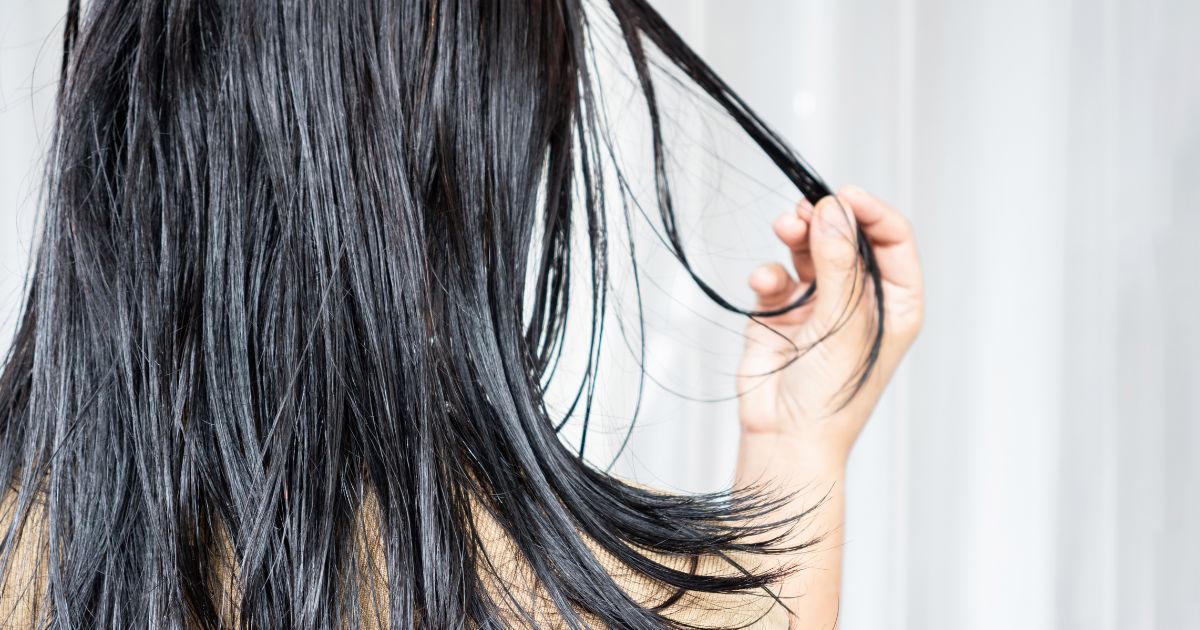
However, problems arise when these sebaceous glands become overactive. When excess sebum is produced, it accumulates rapidly at the roots. This excess oil acts like a magnet for dead skin cells, sweat, dust particles, and environmental pollution. As a result, the hair begins to clump together, losing its natural bounce and volume, and takes on that characteristic heavy, unwashed appearance. Understanding that this is a biological mechanism rather than a personal failing is the first step towards finding an effective solution.
The triggers for this overproduction of sebum are incredibly varied and often interconnected. Genetics play a significant role; if your parents struggled with oily hair, there's a high probability that you've inherited larger or more active sebaceous glands. Hormonal fluctuations are another major contributor. Androgens, the hormones responsible for regulating sebum production, can spike during puberty, pregnancy, or periods of chronic stress, sending your sebaceous glands into overdrive. Your diet, your local climate, and even the hardness of your shower water can also influence how your scalp behaves. Addressing oily hair therefore requires a holistic, gentle approach that respects the complex ecosystem of the scalp microbiome rather than declaring war on it.
The Vicious Cycle of Aggressive Shampoos on Oily Hair
For decades, the beauty industry has sold a damaging myth: the idea that your hair needs to feel "squeaky clean" to be truly washed. This sensation, often achieved through the use of aggressive synthetic surfactants like Sodium Lauryl Sulfate (SLS), is actually a warning sign. When your hair literally squeaks between your fingers, it means you've completely eradicated the protective acid mantle and stripped away every last drop of natural moisture. For someone battling oily hair, this feels like a temporary victory. The oil is gone, the roots feel impossibly light, and the scalp feels tight and refreshed. But beneath the surface, a biological emergency alarm has just been triggered.
Your scalp, sensing that its primary defensive barrier has been violently removed, immediately sends distress signals to the sebaceous glands. In a desperate attempt to restore the lost lipid barrier and protect the vulnerable skin, the glands go into overdrive, pumping out sebum at an accelerated rate. This phenomenon, known as the rebound effect, is exactly why you might wash your hair with a strong clarifying shampoo at 7 a.m., only to find your roots looking remarkably greasy by 4 p.m. You're trapped in a vicious cycle: the harsher the shampoo you use to remove the oil, the faster and more furiously your scalp replaces it.
This aggressive stripping doesn't just cause aesthetic frustration; it can lead to genuine dermatological issues. A chronically disrupted scalp microbiome is highly susceptible to inflammation, itchiness, and conditions like seborrhoeic dermatitis. In severe cases, the constant inflammation and the physical build-up of hardened sebum in the hair follicles can even restrict the growth cycle of the hair, leading to thinning. If you're noticing more strands in your brush than usual alongside your oily roots, it's vital to assess your scalp health. For more detailed guidance on this specific issue, you might want to explore our comprehensive Ten tips for excessive hair loss, which delves deeper into the connection between follicular health and hair retention.
Perfecting Your Wash Routine: The Double Cleanse Method
Many people with oily hair are terrified of washing their hair too often, fearing that they'll exacerbate the problem. However, modern dermatologists generally agree that washing oily hair daily or every other day is perfectly acceptable, provided you're using the correct technique and a remarkably gentle, scientifically formulated product. Leaving excess sebum on the scalp for too long can actually be detrimental, as the oil can oxidise, leading to unpleasant odours and providing a breeding ground for the Malassezia yeast, which causes dandruff. The crucial factor isn't necessarily the frequency of your washes, but the methodology you use in the shower.
Enter the double cleanse method—a technique borrowed from premium skincare routines that works wonders for oily hair. The concept is beautifully simple yet highly effective. The first wash is your surface cleanse. It's designed to break down the immediate layer of excess sebum, dissolve styling product build-up, and lift away daily environmental pollutants. This first lather is often quite weak, as the surfactants are working hard to cut through the heavy oils. You rinse this away, and then immediately apply a second, smaller amount of shampoo. This second wash is the deep cleanse. Because the surface debris has already been removed, the active ingredients can now reach the scalp directly, gently purifying the follicles and allowing the sebum-regulating components to do their job properly.
Equally important is your physical technique. Always wash your hair with lukewarm water. Hot water might feel wonderfully relaxing, but it stimulates the sebaceous glands and can cause them to release more oil. When massaging the shampoo into your scalp, use the soft pads of your fingertips, using gentle, circular motions. Never use your fingernails to scratch or aggressively scrub the scalp, as this causes micro-abrasions and inflammation, which, once again, triggers the production of more sebum. A gentle, stimulating massage not only cleanses effectively but also boosts microcirculation, which is incredibly beneficial for the hair follicles. If you're looking to improve the overall vitality and length of your hair, implementing a proper scalp massage is one of the foundational 13 tips for faster hair growth.
Discover Gentle Care for Oily Hair
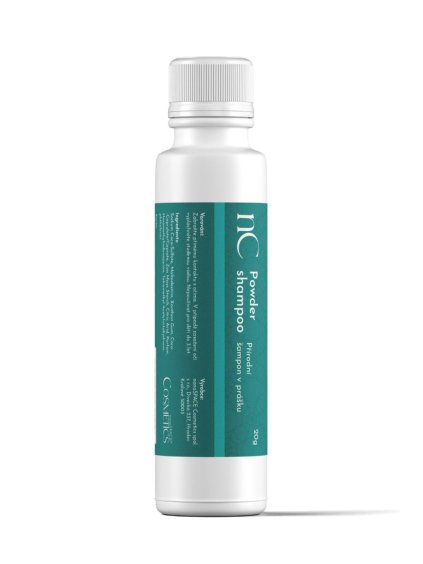
Essential Ingredients: Why Corn Starch Works Wonders
When transitioning away from harsh, stripping liquid shampoos, you need to replace those aggressive detergents with intelligent, functional ingredients that manage oil without causing trauma to the scalp. This is where Zea Mays Starch, commonly known as corn starch, truly shines as a hero ingredient for oily hair. In the realm of botanical cosmetics, high-quality, micronised corn starch is a thoroughly researched, incredibly versatile powder. Its molecular structure allows it to act like thousands of microscopic sponges, possessing an outstanding capacity to absorb excess oils, sweat, and environmental moisture.
Historically, many cosmetic powders and dry shampoos relied heavily on talc to achieve this absorbent effect. However, corn starch is vastly superior, particularly for those with sensitive or reactive scalps. Unlike talc, which is a mined mineral, corn starch is a fully biodegradable, plant-derived alternative that's widely celebrated in natural and vegan formulations. It absorbs sebum right at the root, effectively lifting the hair away from the scalp to create immediate, weightless volume. Because it's so finely milled, it doesn't leave a gritty, uncomfortable residue, but rather imparts a smooth, powdery-dry finish that leaves the hair feeling exceptionally fresh and clean.
In the context of a daily wash routine, incorporating a product like the Waterfree Natural Powder Shampoo nanoSPACE Cosmetics allows you to harness the full power of this botanical absorbent. The corn starch works in perfect synergy with mild, coconut-derived surfactants. While the gentle lather lifts away the surface dirt, the corn starch binds to the excess sebum, ensuring it's thoroughly rinsed away without compromising the delicate lipid barrier of the scalp. It's a scientifically elegant solution to a very practical problem, providing the deep clean that oily hair desperately needs without the devastating rebound effect.
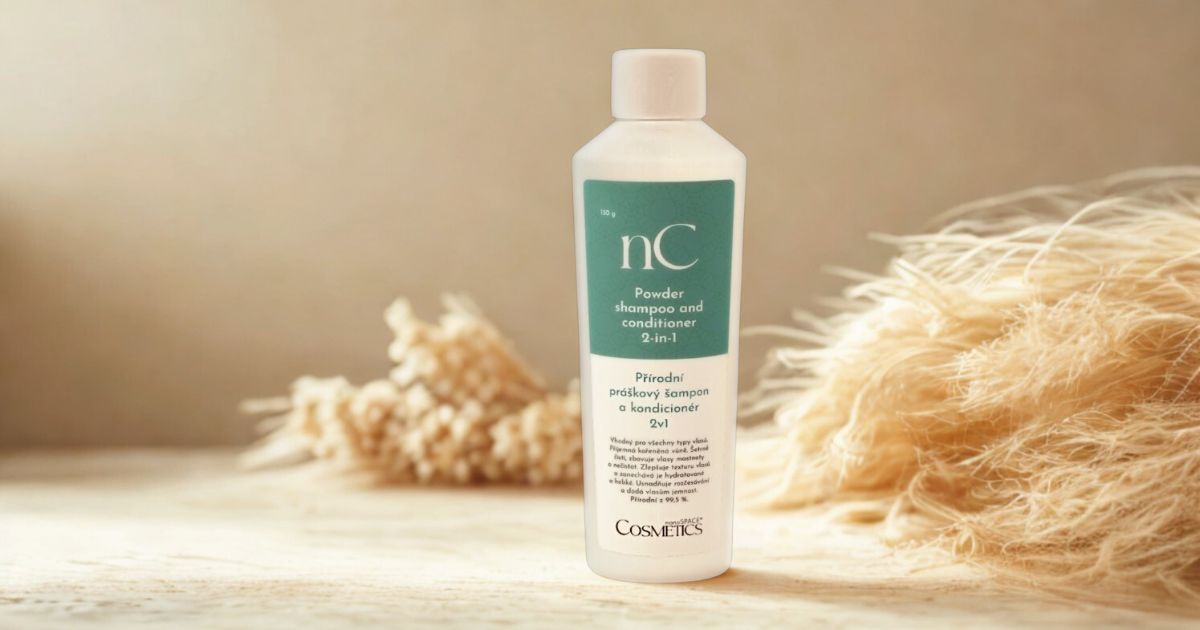
Smart Conditioning: Hydration Without the Heavy Film
There's a pervasive, yet entirely understandable, fear among those with oily hair when it comes to using conditioner. For years, the standard advice was to avoid it entirely, or at best, apply a tiny drop exclusively to the very ends of the hair. This fear stems from the fact that traditional, mass-market conditioners are heavily formulated with synthetic silicones (such as dimethicone) and dense, occlusive mineral oils. While these ingredients excel at creating an artificial, glossy slip, they do so by coating the hair shaft in a stubborn, waterproof film. For someone already battling excess sebum, this film is disastrous. It weighs the hair down, acts as a magnet for more oil and dust, and is incredibly difficult to wash out, leading to chronic build-up that makes the hair look permanently greasy and lank.
However, skipping hydration entirely isn't the answer. Even oily hair requires moisture and protection, especially on the mid-lengths and ends, which can become brittle and prone to split ends from daily brushing and environmental exposure. The solution lies in smart, biomimetic conditioning agents. Coco-Caprylate/Caprate is a brilliant, lightweight ester derived from coconut fatty alcohols. In the world of advanced cosmetic chemistry, it's widely regarded as the premier natural alternative to synthetic silicones. It provides a beautiful, velvety slip and exceptional detangling properties, but crucially, it's completely non-greasy and absorbs rapidly without leaving a suffocating film behind.
When Coco-Caprylate is combined with other intelligent hydrators—such as naturally derived sugar complexes or provitamins—it creates an optimal environment for the hair. It smooths the cuticle, reduces frizz, and imparts a healthy shine, all while remaining virtually weightless. This ensures that your roots remain bouncy and fresh, while your lengths receive the vital nourishment they require. Proper hydration also supports the overall elasticity of the hair fibre, preventing breakage. For a deeper understanding of how specific vitamins and hydrators can transform your strands from the inside out, we highly recommend reading about Panthenol effects on skin and hair, which highlights the importance of lightweight moisture retention.
Embracing Waterless Beauty: A Sustainable Future
One of the most exciting innovations in the management of oily hair is the rise of waterless, or anhydrous, cosmetics. If you look at the ingredients list of a standard liquid shampoo, the very first item is almost always 'Aqua' (water). In fact, traditional shampoos can be up to 80% or even 90% water. This means you're paying primarily for water, packaging, and the harsh synthetic preservatives required to stop that water from breeding dangerous bacteria and mould. For individuals with sensitive, oil-prone scalps, these strong preservatives can be a significant source of irritation, triggering inflammation and, consequently, more oil production.
Waterless powder shampoos offer a smarter alternative to this outdated model. By removing the water entirely, you're left with a 100% active concentrate of beneficial ingredients. When you dispense a small amount of the powder into your wet palm, you're activating the product right there in the shower. This concentrated approach means that a small, lightweight bottle of powder can yield the same number of washes as a massive, heavy plastic bottle of liquid shampoo. The absence of water also means that the formula doesn't require traditional, potentially irritating preservatives, parabens, or synthetic stabilisers. It's a purer, cleaner way to cleanse your hair.
Beyond the immediate benefits to your scalp health, waterless beauty is a major step forward for environmental sustainability. Shipping water around the globe in heavy plastic bottles generates a massive carbon footprint. Powder shampoos are incredibly lightweight, require significantly less packaging, and are brilliant for travelling, as they're completely immune to airport liquid restrictions and will never leak in your suitcase. By switching to a product like the Waterfree Natural Powder Shampoo & Conditioner 2-in-1, you're not only taking a scientifically sound approach to managing your oily hair, but you're also making a highly positive choice for the planet.
The Ultimate 2-in-1 Solution for Oily Hair

Lifestyle Tweaks: Protecting Your Fresh Wash
Even if you've perfected your shower routine and invested in the finest waterless powder shampoos, your efforts can be entirely undone by poor daily habits. Managing oily hair requires a holistic approach that extends far beyond the bathroom. One of the most common, yet easily fixable, mistakes is using a dirty hairbrush. Your brush collects dead skin cells, stale sebum, dust, and traces of styling products every time you use it. If you don't wash your brush regularly (ideally once a week with a gentle shampoo), you're simply painting yesterday's grease straight back onto your freshly washed roots.
Another major culprit is your hands. Throughout the day, you might subconsciously touch your face, adjust your parting, and run your fingers through your hair. Human fingertips are naturally coated in oils and sweat, and constantly transferring these to your hair will inevitably speed up the greasing process. Make a conscious effort to keep your hands away from your head. Similarly, consider your sleeping arrangements. Sleeping on a fresh, clean pillowcase is vital, as pillowcases absorb facial oils and hair sebum night after night. Switching to a silk or satin pillowcase or sleeping cap can also reduce friction, which in turn minimises the stimulation of the sebaceous glands during the night.
 Finally, it's worth considering the internal factors that influence sebum production. A diet exceptionally high in refined sugars, dairy, and processed fats can trigger hormonal spikes that lead to increased oil production across the scalp and face. Staying properly hydrated and ensuring you're consuming adequate amounts of essential fatty acids and proteins can profoundly impact the health of your scalp. Integrating a high-quality supplement into your daily routine can provide the necessary building blocks for strong, resilient hair. If you're curious about how internal nutrition supports your external beauty goals, take a moment to read our guide on the Best collagen for hair and skin.
By combining these mindful lifestyle adjustments with a scientifically formulated, gentle cleansing routine—such as using the Waterfree Natural Powder Shampoo & Conditioner 2-in-1—you can finally step off the exhausting treadmill of daily aggressive washing. You'll transition from merely fighting your oily hair to actually understanding and balancing your scalp's unique biology, resulting in hair that remains wonderfully fresh, voluminous, and healthy for days at a time.
Frequently asked questions
Can I wash my oily hair every single day?
Yes, you absolutely can wash your hair daily if your scalp feels excessively greasy, provided you use a remarkably gentle, non-stripping formula. The danger of daily washing only arises when using harsh, sulphate-heavy liquid shampoos that obliterate the scalp's natural acid mantle, leading to a massive overproduction of rebound oil. A mild, powder-based cleanser is perfectly safe for daily use.
Will drinking more water help reduce my oily scalp?
While staying thoroughly hydrated is undeniably excellent for your overall cellular health and can help regulate various bodily functions, drinking water alone won't magically stop your sebaceous glands from producing oil. Oily hair is primarily driven by genetics, hormones, and your topical haircare routine. However, severe dehydration can sometimes cause the skin to overproduce oil to compensate for the lack of moisture, so maintaining good water intake is always sensible.
Why does my hair get oily so fast even after a thorough wash?
This is a classic symptom of the rebound effect. If you're using a very aggressive clarifying shampoo, you're stripping the scalp of all its protective lipids. The scalp panics and immediately signals the sebaceous glands to produce a massive surge of sebum to repair the barrier. Switching to a gentle, balancing cleanser that respects the scalp microbiome will gradually break this frustrating cycle.
Are waterless powder shampoos safe for colour-treated hair?
Yes, they're exceptionally safe. Because high-quality powder shampoos lack the harsh detergents and heavy synthetic salts found in many traditional liquid formulas, they're generally much gentler on the hair cuticle. This means they're far less likely to strip artificial colour molecules from the hair shaft, helping your expensive salon colour remain vibrant and true for a significantly longer period.
Should I skip conditioner entirely if my roots are always greasy?
You should never skip conditioning entirely, as the mid-lengths and ends of your hair still desperately require hydration and protection against mechanical damage. The secret is to avoid heavy, silicone-laden formulas that coat the hair in a suffocating film. Instead, look for smart, lightweight conditioning agents like Coco-Caprylate, and ensure you only apply the product from the ears down, keeping it well away from your oil-prone roots.