
There's nothing quite as maddening as an itchy rash that simply refuses to fade. It's that relentless, burning sensation that haunts you throughout the day and mercilessly disrupts your sleep at night. If you've ever experienced this, you know the overwhelming, almost primal urge to just scrape the top layer of your skin away to find a moment of peace. When you can't focus on your work, when your clothes feel like sandpaper, and when your entire existence narrows down to the sole desire to scratch, you've officially joined the club of those suffering from severe dermatological frustration. An itchy rash isn't just a minor inconvenience; it's a profound disruption to your quality of life. As someone who has personally battled skin reactions triggered by cold weather, I can offer you one vital piece of advice: to solve the problem, you absolutely must identify the underlying cause. In this comprehensive guide, we explore everything you need to understand about this condition. From the most common environmental triggers to the complex biological mechanisms and the latest scientific breakthroughs in dermatology, we'll cover it all. More importantly, we'll move beyond mere theory. You'll discover practical strategies, soothing routines, and specific, scientifically backed formulations that genuinely provide relief. So, take a deep breath, try to keep your hands away from your skin for just a few moments, and let's dive into how you can banish that infuriating itchy rash once and for all.
Key takeaways if you're short on time
- Identify the root cause, because an itchy rash is merely a symptom of a deeper issue, ranging from simple contact allergies to complex systemic conditions.
- Protect your skin barrier, as a compromised outer layer allows moisture to escape and irritants to enter, creating a vicious cycle of inflammation.
- Hydration is absolutely essential, and using high-quality, natural emollients can significantly reduce the urge to scratch while promoting healing.
- Avoid hot water and harsh chemicals, which strip the skin of its natural oils and exacerbate any existing itchy rash.
- Modern treatments offer profound hope, with new biological therapies and advanced natural formulations providing targeted relief for chronic sufferers.
What Exactly Causes an Itchy Rash?
To truly conquer an itchy rash, we must first understand the fascinating, albeit frustrating, biology behind it. In medical terms, the sensation of itching is known as pruritus. It's defined simply as an unpleasant sensation that provokes the desire to scratch. However, this simple definition hides a highly complex communication network within your body. Your skin isn't just a passive covering; it's a highly active, sensory organ packed with specialised nerve endings called C-fibres. When your skin encounters an irritant—be it an allergen, a toxin, a microscopic parasite, or even extreme weather—these nerve endings act like overly enthusiastic security guards. They instantly fire off urgent signals through your spinal cord directly to your brain, shouting that something is wrong. The brain interprets these alarm bells as an itch, prompting a physical response: scratching. From an evolutionary standpoint, this makes perfect sense. If a poisonous insect lands on your arm, the immediate urge to scratch helps you brush it away before it can cause severe harm. However, when dealing with an itchy rash caused by an internal immune response or a chronic skin condition, this evolutionary defence mechanism backfires spectacularly. When you scratch an itchy rash, your fingernails cause microscopic damage to the fragile epidermis. This trauma prompts the skin to release even more inflammatory chemicals, including histamine, which in turn stimulates the nerve endings even further. This phenomenon is widely known as the itch-scratch cycle. It's a relentless loop where scratching temporarily masks the itch by replacing it with mild pain, only for the itch to return with a vengeance moments later. Worse still, tearing the skin open creates tiny pathways for bacteria to enter, potentially turning a simple itchy rash into a painful secondary infection. Breaking this cycle is the most critical step in healing, but doing so requires immense willpower and the right topical interventions to calm the angry nerve endings and rebuild the damaged tissue.

Atopic Dermatitis: The Most Common Culprit Behind an Itchy Rash
If we were to line up the usual suspects responsible for an itchy rash, atopic dermatitis—commonly known as eczema—would undoubtedly be standing right at the front. Imagine atopic dermatitis as a highly unwelcome houseguest who arrives unannounced and decides to move in permanently. It rarely travels alone; it brings along a host of miserable companions, including dry, crimson, and intensely irritated patches of skin. These patches typically set up camp in the creases of your elbows, the backs of your knees, across your neck, and over your face and chest. Affecting up to 20% of children and a significant percentage of adults, it's a dominant force in the world of dermatological complaints. But why does this specific type of itchy rash occur? To understand atopic dermatitis, it helps to visualise your skin as a sturdy brick wall that protects your internal systems from the harsh outside world. The skin cells are the bricks, and the natural lipids (oils and fats) act as the mortar holding everything tightly together. In people suffering from atopic dermatitis, this mortar is fundamentally defective, often due to a genetic mutation affecting a protein called filaggrin. Because the wall is compromised, essential moisture constantly evaporates, leaving the skin painfully dry. Simultaneously, microscopic gaps allow environmental allergens, pollution, and bacteria to slip through the defences and trigger the immune system. If you want to learn more about maintaining this delicate balance, reading up on caring for dry skin is an excellent starting point. Managing this type of itchy rash is akin to running a marathon rather than a sprint; it requires daily dedication and a robust strategy. The absolute cornerstone of treatment is relentless hydration. You must constantly replenish the missing "mortar" with high-quality emollients. For this purpose, we highly recommend the Natural Nurturing Body Oil AtopCare 200 ml. This exceptional, fully natural oil blends almond, oat, hemp, and sunflower oils with advanced active ingredients to intensely nourish the skin. It creates a breathable, protective film that locks in moisture and prevents environmental aggressors from triggering another itchy rash. When applied immediately after a lukewarm bath, it effectively seals the skin, drastically reducing the nighttime itching that plagues so many sufferers.
Essential Hydration for an Itchy Rash


Contact Dermatitis: When Your Environment Triggers an Itchy Rash
Picture this scenario: you've just bought a stunning new necklace. It perfectly complements your favourite outfit, so you put it on and head out for the evening. A few hours later, your neck begins to tingle. By the time you return home, the tingling has evolved into a fiery, raised, and intensely itchy rash exactly where the metal touched your skin. Welcome to the highly frustrating world of contact dermatitis, a condition where your skin actively rebels against a substance it has encountered in your environment. Dermatologists generally divide this condition into two distinct categories, though they can look remarkably similar to the untrained eye. The first is allergic contact dermatitis. This occurs when your immune system mistakenly identifies a harmless substance as a dangerous invader. The classic example is a reaction to nickel, a metal widely used in costume jewellery, belt buckles, and even mobile phones. Interestingly, you usually don't develop this itchy rash upon your very first exposure. Instead, your immune system quietly memorises the molecular signature of the allergen. It's only upon subsequent exposures that the immune system launches a full-scale inflammatory attack. Other notorious culprits include artificial fragrances in cosmetics, certain chemical preservatives, and botanical resins like those found in poison ivy. The second category is irritant contact dermatitis. Unlike its allergic counterpart, this doesn't involve a specific immune memory. Instead, it's caused by direct, physical damage to the skin's protective lipid layer. Anyone can develop an irritant-based itchy rash if exposed to a harsh enough chemical or if exposed to a milder irritant frequently enough. Healthcare workers, cleaners, and hairdressers often suffer from this due to constant hand washing and exposure to harsh detergents. The treatment for both types fundamentally relies on playing detective. You must identify the offending substance and eliminate it from your life entirely. Once the trigger is removed, applying soothing barriers like the Natural Nourishing Body Cream AtopCare 330 ml can help repair the localised damage and calm the angry, inflamed tissues.
Hives (Urticaria): The Fast-Acting Itchy Rash
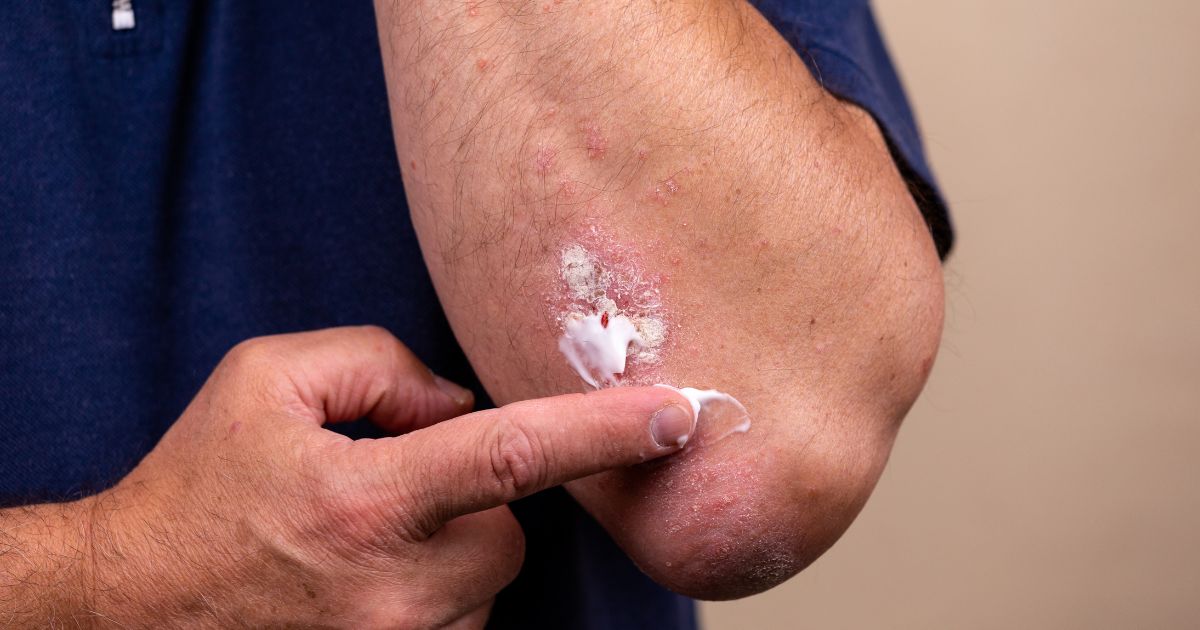
Few skin conditions are as dramatic and fast-acting as hives, medically referred to as urticaria. You might go to bed with perfectly clear skin, only to awaken in the middle of the night covered in raised, fiercely itchy red welts that look as though you've been attacked by a swarm of aggressive mosquitoes. Hives represent an acute alarm state within the body, characterised by their sudden appearance and their tendency to migrate; a welt might appear on your shoulder, vanish a few hours later without a trace, and then reappear on your thigh. The biological mechanism behind this specific itchy rash is fascinating. Scattered throughout your skin are immune cells known as mast cells. These cells act as tiny storage containers filled with histamine and other inflammatory chemicals. When triggered, these mast cells rapidly degranulate, dumping their contents into the surrounding tissue. The histamine causes local blood vessels to dilate and become leaky. Fluid seeps out of the vessels and pools in the skin, creating the characteristic swollen, red, and itchy welts. The triggers for this histamine dump are incredibly varied. For some, it's a severe food allergy—peanuts, shellfish, or dairy being common offenders. For others, it might be a reaction to a specific medication, such as certain antibiotics or non-steroidal anti-inflammatory drugs. However, hives can also be triggered by physical factors that have nothing to do with allergies. Cold weather, intense heat, pressure from tight clothing, or even severe emotional stress can cause mast cells to destabilise. Whilst acute hives usually resolve within a few days or weeks with the help of antihistamines, chronic hives—an itchy rash lasting longer than six weeks—can be a profoundly distressing condition that often requires advanced medical intervention to manage the unpredictable flare-ups.

Parasites and Fungal Infections: Unwelcome Guests Causing an Itchy Rash
It's an uncomfortable topic that often makes people shudder, but we must discuss the microscopic organisms that can take up residence on, or even in, our skin. The mere mention of the word 'scabies' is usually enough to make anyone feel a phantom itch. However, it's crucial to strip away the stigma: scabies is a globally prevalent condition that affects hundreds of millions of people annually, and it has absolutely nothing to do with a person's social status or personal hygiene habits. Scabies is caused by a microscopic mite known as Sarcoptes scabiei. The pregnant female mite burrows into the uppermost layer of the human epidermis, creating tiny, winding tunnels where she lays her eggs. This subterranean activity sounds horrifying, but the mite itself isn't what causes the intense itchy rash. Rather, it's your body's profound allergic reaction to the mites, their eggs, and their waste products. Because it takes time for the immune system to mount this reaction, a person might harbour the mites for several weeks before the devastating, sleep-destroying itch begins. The itching is notoriously worse at night when the body is warm and resting. Fungal infections, often referred to as dermatophytosis or 'ringworm', are another common biological cause of an itchy rash. Despite the name, no worms are involved. Instead, these are microscopic fungi that thrive by feeding on keratin, the robust protein that makes up our skin, hair, and nails. These fungi flourish in warm, dark, and moist environments. This is precisely why conditions like athlete's foot (tinea pedis) or jock itch (tinea cruris) are so prevalent among people who wear tight, unbreathable footwear or who frequent damp communal spaces like gym showers. An itchy rash caused by a fungus typically presents as a red, scaly, circular patch with a clearing in the centre. Treating these unwelcome guests requires targeted anti-parasitic or anti-fungal treatments, followed by rigorous skincare to heal the collateral damage left behind.
Systemic Causes: When an Itchy Rash Signals an Internal Issue
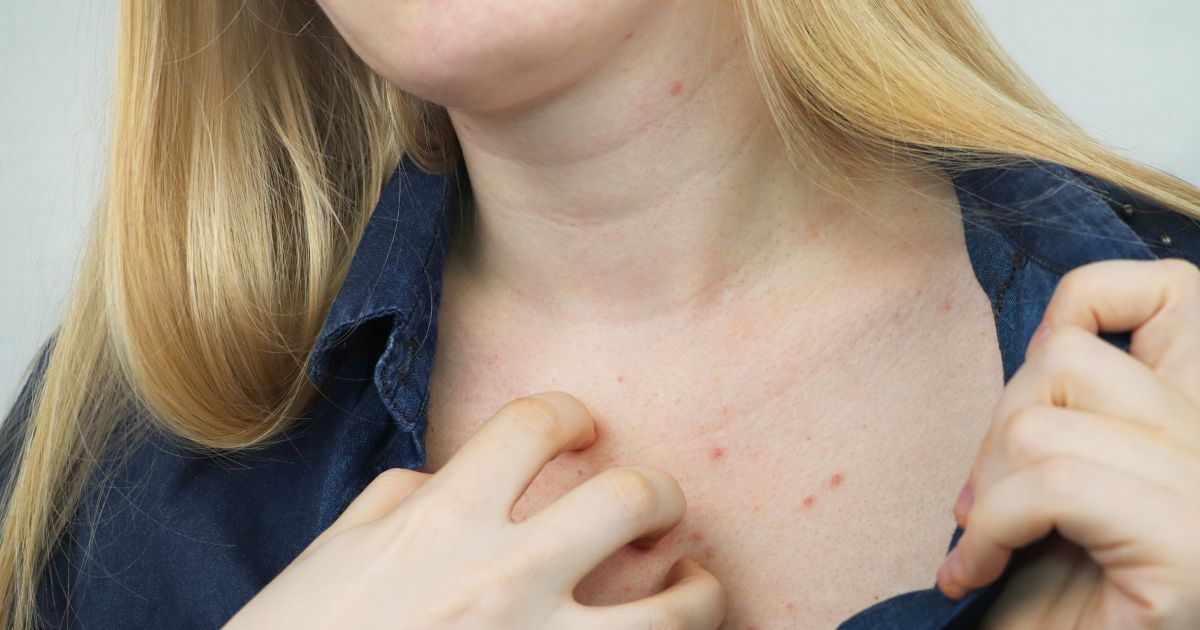
Sometimes, an itchy rash isn't actually a skin problem at all; it's a distress signal being broadcast by your internal organs. The skin is the largest organ of the human body, and it operates in deep synergy with your internal systems. When internal homeostasis is disrupted, the skin is often the first place to show signs of trouble. This is why persistent, unexplained itching should never be ignored or simply masked with over-the-counter creams without a proper medical investigation. Consider the liver, the body's primary detoxification organ. When liver function is impaired—such as in conditions causing cholestasis, where the flow of bile is obstructed—bile salts can accumulate in the bloodstream and eventually deposit in the skin tissues. These salts are highly irritating to nerve endings, resulting in a severe itchy rash that's often most intense on the palms of the hands and the soles of the feet, particularly at night. Similarly, chronic kidney disease can lead to a condition known as uraemic pruritus. When the kidneys fail to adequately filter waste products from the blood, these toxins build up and cause a systemic itch that can severely diminish a patient's quality of life. Thyroid disorders, both overactive and underactive, can also alter the skin's texture and moisture levels, leading to an itchy rash. Even certain haematological conditions or severe nutritional deficiencies can manifest as relentless itching. Beyond physical ailments, the connection between the mind and the skin is incredibly potent. Severe anxiety, chronic stress, or depression can exacerbate existing skin conditions or even generate an itchy rash entirely on their own, a phenomenon known as psychogenic itch. Ensuring your body has the right building blocks internally can also support skin resilience; for instance, exploring the best collagen for hair and skin can provide insights into maintaining structural integrity from the inside out. Conversely, if your skin issues lean towards excess sebum production rather than dryness, you might find valuable advice in our guide on how to care for oily skin.
Essential Steps to Soothe and Manage an Itchy Rash
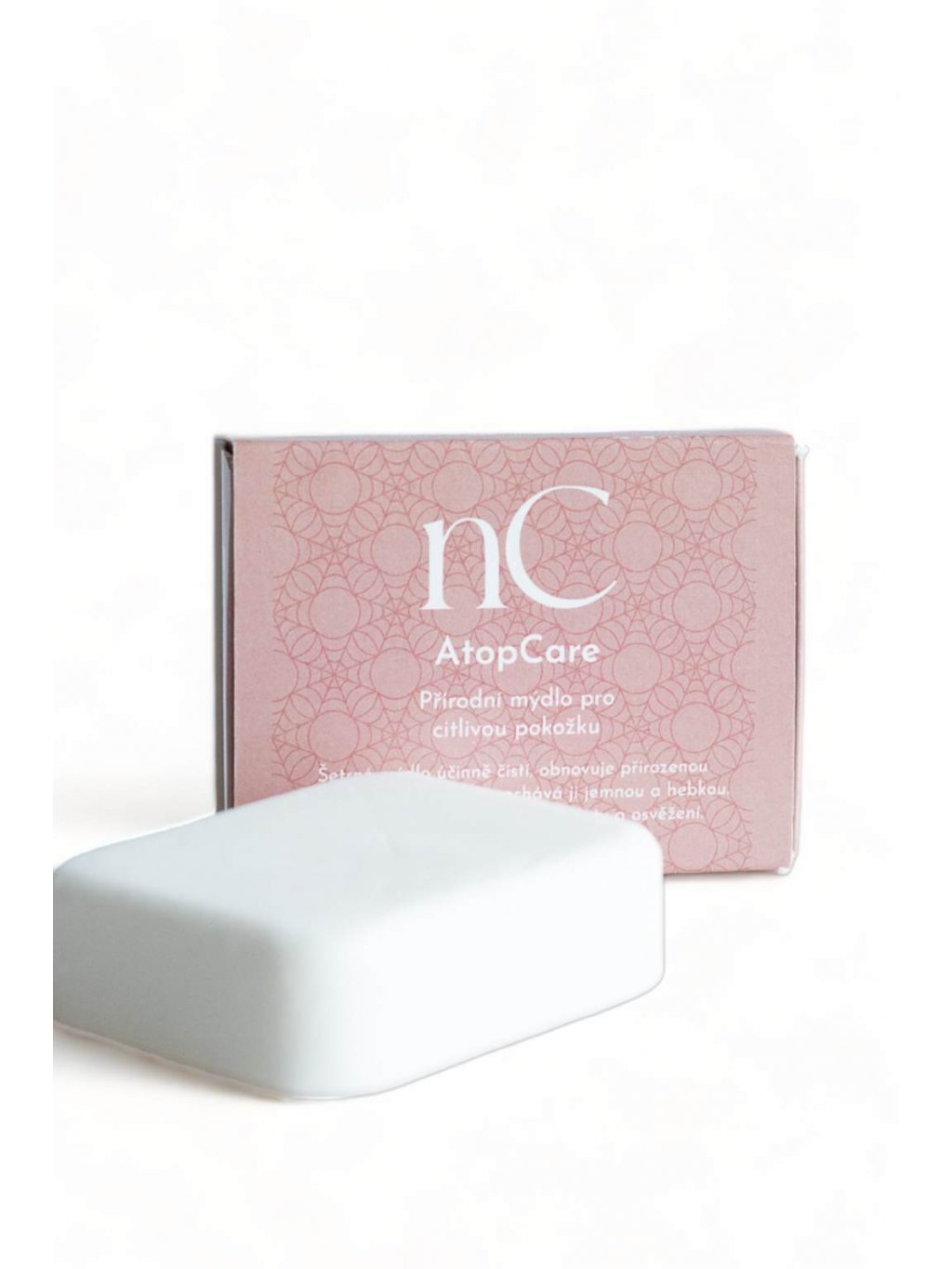
Regardless of the specific trigger behind your itchy rash, there are universal, foundational steps you must take to soothe the irritation and promote healing. The overarching goal is always to reduce inflammation, break the itch-scratch cycle, and painstakingly rebuild the skin's protective barrier. This requires a holistic approach that encompasses your bathing habits, your skincare routine, and your daily environment. First and foremost, you must rethink how you cleanse your body. Hot water is the absolute enemy of an itchy rash. Whilst a steaming hot shower might provide a few seconds of euphoric relief by temporarily overwhelming the nerve endings, it ultimately strips away the skin's vital lipids, leaving it drier, tighter, and infinitely more prone to itching once you step out. Always use lukewarm water. Aggressively foaming, heavily fragranced shower gels must also be banished from your bathroom. Instead, you need formulations that respect the skin's delicate pH and preserve its natural oils. We strongly advocate for the Moisturizing Cleansing Foam AtopCare 150 ml. This exceptionally gentle foam cleanses without stripping, using coconut-derived agents and deep hydrators like glycerine to ensure the skin remains calm and supple. If you prefer a traditional format, the Natural Soap for Sensitive Skin AtopCare offers a brilliant, soothing alternative that supports a healthy skin microbiome. For more detailed advice on this crucial step, read our comprehensive guide on how to cleanse skin properly. The immediate moments after you step out of the bath are critical. Don't rub your skin dry with a rough towel; gently pat it, leaving a slight layer of moisture on the surface. Within three minutes, you must apply a generous layer of emollient to trap that water in the skin.
Gentle Cleansing for Irritated Skin

Modern Science and Future Treatments for an Itchy Rash
For decades, the standard treatment for a severe itchy rash relied heavily on topical corticosteroids and oral antihistamines. Whilst these remain crucial tools in the dermatological arsenal, they're not without their drawbacks, particularly when used long-term. Fortunately, we're currently witnessing a renaissance in dermatological research, bringing unprecedented hope to those suffering from chronic, treatment-resistant itching. The most exciting development is the advent of biological therapies. These are highly sophisticated medications, often administered via injection, that use monoclonal antibodies to target very specific components of the immune system. For instance, new biologics can precisely block interleukins (such as IL-4 and IL-13), which are the specific inflammatory messengers responsible for the relentless itching in severe atopic dermatitis. By targeting the exact pathway causing the itchy rash, these drugs offer profound relief without broadly suppressing the entire immune system. Another promising avenue is the development of Janus kinase (JAK) inhibitors. These small molecules interrupt the signalling pathways inside cells that lead to inflammation and itching. Alongside medication, non-pharmacological approaches are gaining traction. Transcutaneous electrical nerve stimulation (TENS) is being explored to disrupt the nerve signals that tell the brain to itch. Finally, there's a massive surge in research regarding the skin microbiome. Scientists now understand that a diverse, healthy community of bacteria on the skin surface is vital for preventing an itchy rash. Future treatments will increasingly focus on probiotic skincare that actively cultivates this beneficial flora, ensuring the skin remains resilient, calm, and perfectly balanced. Navigating the complexities of an itchy rash can feel like a daunting, exhausting journey. However, armed with the right knowledge, a meticulous daily routine, and high-quality, scientifically formulated products, you can reclaim your comfort. Remember that patience is absolutely essential; healing a damaged skin barrier doesn't happen overnight. Be gentle with your skin, investigate the underlying triggers diligently, and don't hesitate to seek professional medical advice if your symptoms persist. Your skin is incredibly resilient, and with consistent, compassionate care, you can silence that maddening itch and restore your skin to a state of healthy, peaceful equilibrium.
Frequently asked questions
Can an Itchy Rash Disappear Entirely on Its Own?
Yes, some acute instances of an itchy rash, such as a mild reaction to a brief environmental irritant or a minor insect bite, can resolve spontaneously within a few days. The body's immune system naturally calms down once the threat is removed. However, chronic conditions like atopic dermatitis or systemic issues require proactive, long-term management and won't simply vanish without appropriate intervention and barrier repair.
When Is It Absolutely Necessary to See a Doctor for an Itchy Rash?
You should seek medical attention if your itchy rash is accompanied by a high fever, spreads rapidly across your body, begins to blister or ooze pus, or if it's so severe that it prevents you from sleeping or functioning normally. If a rash persists for more than two weeks despite your best efforts with gentle skincare and over-the-counter remedies, a professional diagnosis is essential to rule out systemic causes.
Can Psychological Stress Genuinely Cause an Itchy Rash?
Absolutely. The connection between the brain and the skin is profound. High levels of stress trigger the release of cortisol and adrenaline, which can increase systemic inflammation and make your nerve endings hypersensitive. This can either exacerbate an existing condition like eczema or trigger a completely new breakout of stress-induced hives, creating a frustrating cycle where the itch causes more stress, and the stress causes more itching.
Are All Types of Itchy Rashes Contagious to Other People?
No, the vast majority of itchy rashes, including atopic dermatitis, contact dermatitis, and hives, are entirely non-contagious. They are individual immune responses. However, rashes caused by infectious agents, such as the scabies mite or fungal infections like ringworm, are highly contagious and require strict hygiene measures and medical treatment to prevent them from spreading to family members or close contacts.
How Can I Stop the Intense Urge to Scratch an Itchy Rash at Night?
Nighttime itching is notoriously difficult because your body temperature rises slightly, and there are fewer distractions. To combat this, keep your bedroom cool. Take a lukewarm bath before bed, gently pat dry, and immediately apply a thick layer of a high-quality emollient to seal in moisture. Wearing light, breathable cotton sleepwear can also prevent overheating and provide a physical barrier between your fingernails and your delicate skin.