
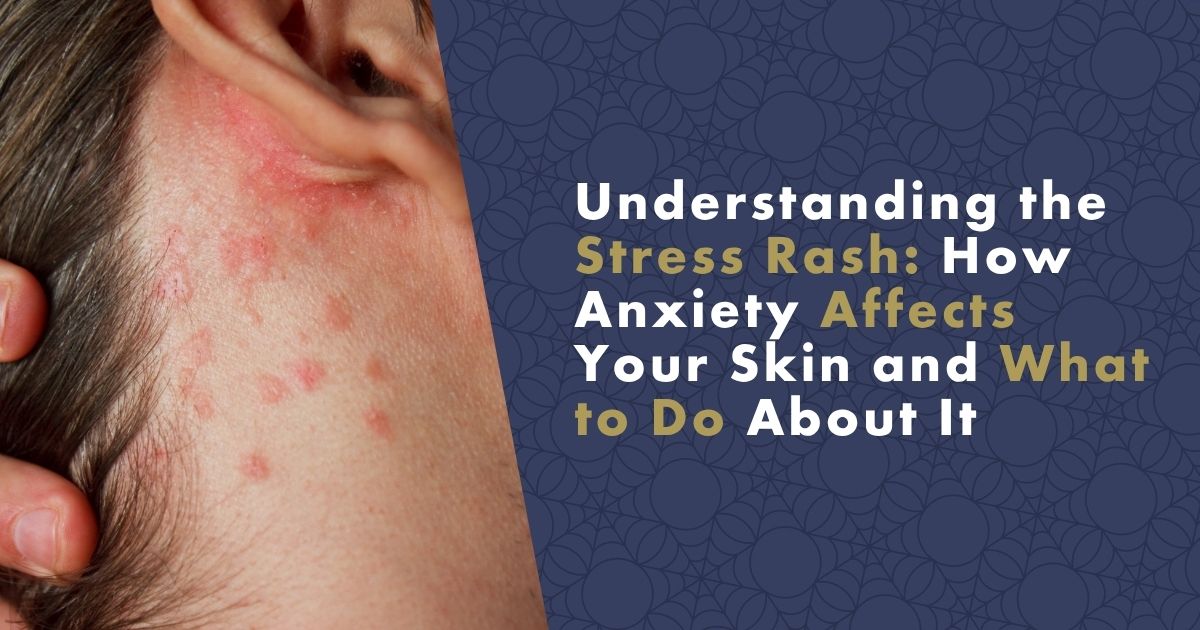
Stress is an unwelcome yet persistent companion in our fast-paced modern lives. While most of us are acutely aware of the profound impact psychological pressure has on our mental well-being, sleep patterns, and digestion, surprisingly few realise it can also wreak havoc on our complexion. Have you ever noticed a sudden, unexplained breakout right before a major presentation at work, or a mysterious patch of itchy redness after a particularly demanding week? That's not coincidence, nor is it a curse from the skincare gods—it's a classic stress rash. Your internal anxiety has broken right through to the surface of your skin.
Although we can't realistically eliminate every stressor from our daily routines (if anyone's discovered a magical formula for banishing demanding bosses or extending deadlines infinitely, please do share), we can certainly learn to recognise the physical manifestations of our anxiety. Understanding how your body reacts to tension is the first vital step in reclaiming control over your health and appearance.
Let's delve into the fascinating—albeit frustrating—connection between your mind and your skin. We'll explore exactly how you can tell whether that sudden redness is caused by a new laundry detergent, a chocolate bar you ate in a moment of panic, or an authentic stress rash. Most importantly, we'll outline the most effective, science-backed strategies to soothe your irritated skin and restore your natural, healthy glow.
Key takeaways if you're short on time
- Recognising the signs: a stress rash typically presents as intensely itchy red patches, sudden acne breakouts, or severe exacerbation of existing atopic conditions.
- Pinpointing the locations: these frustrating skin reactions most commonly target the face, neck, chest, and hands—areas with a high concentration of nerve endings and sweat glands.
- Identifying the trigger: the defining characteristic is its direct chronological link to periods of high psychological pressure and rapid worsening during anxiety peaks.
- Soothing the surface: effective treatment requires a dual approach—calming the skin barrier with gentle, hypoallergenic hydration whilst simultaneously employing dedicated relaxation techniques.
- Choosing the right care: incorporating oat extract and almond oil into your daily routine can provide critical relief, intensely nourishing and repairing an irritated complexion.
The Science Behind a Stress Rash: How Your Brain Communicates with Your Skin
Imagine this familiar scenario: you have an incredibly important presentation scheduled for tomorrow morning. You've prepared your notes, ironed your clothes, and rehearsed your speech. Yet when you look into the bathroom mirror the night before, you nearly faint in despair. A massive, inflamed spot has taken up residence on your chin, or a patch of angry red hives has bloomed across your neck. How is this physically possible when your skin was perfectly clear just hours ago?
The truth is that our skin and brain are connected far more intimately than you might expect. When we experience acute or chronic psychological tension, our brain activates the hypothalamus-pituitary-adrenal (HPA) axis. If that complex medical term sounds intimidating, don't worry—it's simply the intricate hormonal network responsible for managing your body's fight-or-flight response. This system commands your adrenal glands to release a flood of cortisol, the primary stress hormone. Unfortunately, whilst cortisol might help you outrun a predator in the wild, in the modern boardroom it systematically dismantles your skin's natural defences.

Elevated cortisol levels fundamentally change the biological functioning of your skin. It severely compromises the protective lipid barrier, making it incredibly difficult for your skin to retain moisture. Simultaneously, it sends your sebaceous glands into overdrive, pumping out excess oil. It also aggressively accelerates the breakdown of structural proteins, which is why considering the best collagen for hair and skin becomes so vital when trying to repair the long-term damage caused by chronic tension.
It's as if you have microscopic chemical factories operating just beneath your epidermis, and the moment you feel overwhelmed, they begin working overtime to produce inflammatory substances. Alongside cortisol, psychological pressure triggers the release of neuropeptides and neurotransmitters. These potent chemicals activate mast cells within the skin, prompting them to release large quantities of histamine into your surrounding tissues. This histamine cascade is the exact mechanism that causes the intense itching, swelling, and redness characteristic of a stress rash. So, whilst you're mentally reviewing your presentation slides, your skin is fighting a brutal biochemical war.
How to Tell if You're Actually Experiencing a Stress Rash
It's important to note that not every sudden blemish or patch of redness indicates you're buckling under the weight of the world. You might have simply eaten something disagreeable, encountered an environmental allergen, or tested a harsh new cosmetic product. How, then, can you accurately differentiate an emotional skin reaction from other common dermatological issues?
Dermatologists and psychologists look for several characteristic signs when diagnosing this condition.
Chronological Connection to High-Pressure Events
Take a moment to reflect on the past fortnight. Have you been navigating a particularly demanding period at the office? Dealing with complex family disputes, or perhaps preparing for a crucial university examination? If your skin issues erupted during or immediately following a phase of heightened emotional turbulence, there's a very strong probability you're dealing with a stress rash.
It's exceptionally rare to meet someone who looks their absolute best right before their wedding day or during final university exams. This isn't a cruel twist of fate—it's a direct, visible manifestation of internal turmoil. The timeline is often the most revealing clue you have.
Characteristic Visual Symptoms
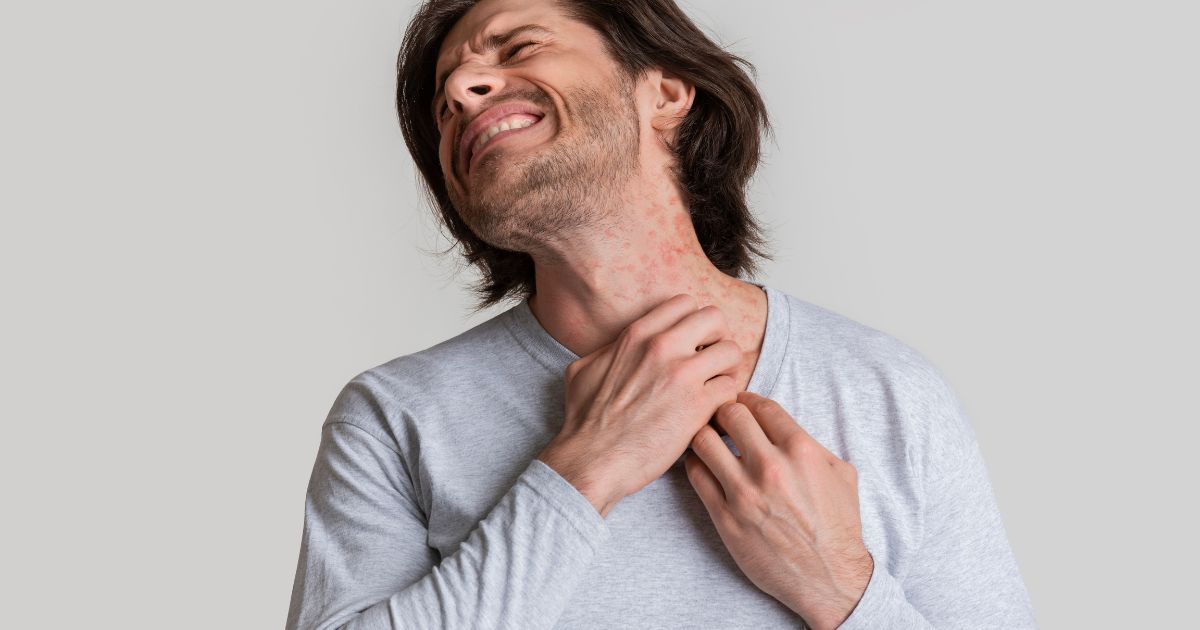
Emotional skin reactions rarely present in just one uniform way. Depending on your genetic predispositions and unique biology, a stress rash most frequently manifests as:
- Acne—deep, painful, inflamed spots and cystic lesions, particularly clustered around the lower third of the face and T-zone.
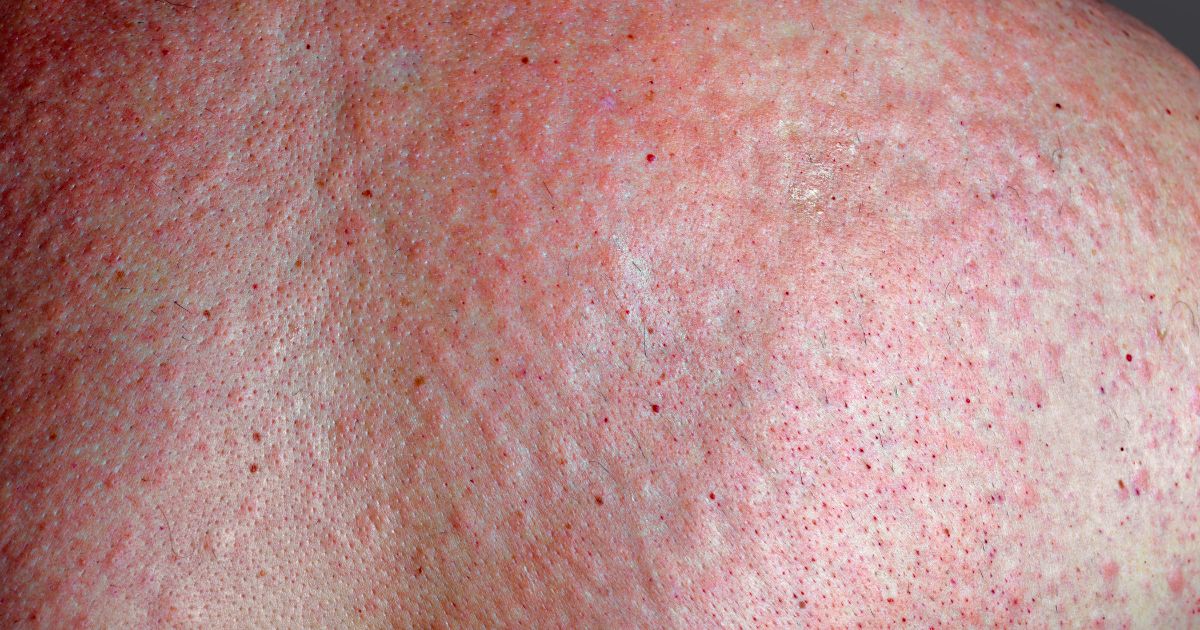
- Hives (urticaria)—intensely itchy, raised, red welts that can appear suddenly, resembling the aftermath of falling into a patch of stinging nettles.
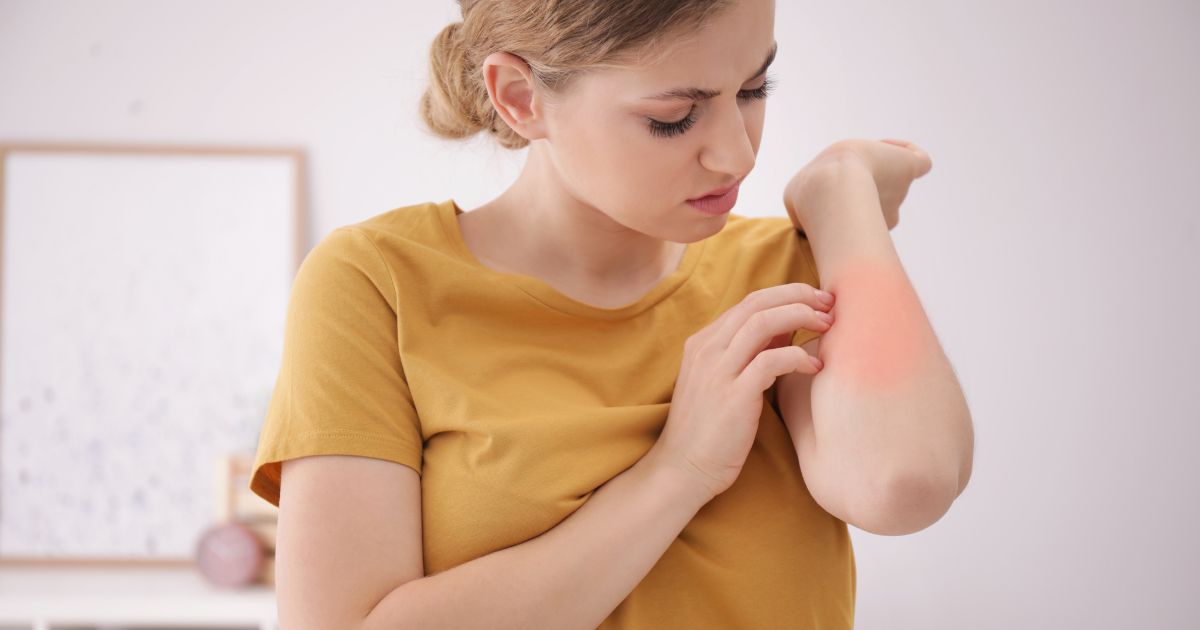
- Eczema flare-ups—angry, red, painfully dry, and intensely itchy patches of skin, often settling in the creases of your elbows and backs of your knees.
- Seborrhoeic dermatitis—red, greasy, flaking areas that typically emerge within the scalp, around the folds of the nose, and within the eyebrows.
- Psoriasis exacerbations—thick, red plaques covered with silvery scales, commonly found on the elbows, knees, or hidden within the hairline.
Specific Anatomical Locations
Interestingly, these nervous breakouts tend to have their favourite anatomical locations. It's almost as if the rash instinctively knows exactly where it'll be most visible and cause you maximum frustration. Common targets include:
- The face—particularly the forehead, cheeks, and sensitive perioral region around the mouth.
- The neck and décolletage—areas where the skin is notably thinner, more delicate, and highly reactive to histamine release.
- The chest and back—zones boasting a high concentration of sebaceous (oil-producing) glands that are highly sensitive to cortisol spikes.
- The hands and forearms—frequently the primary sites for stress-induced eczema, exacerbated by constant hand-washing and environmental exposure.
Rapid Onset and Unpredictable Fluctuation
A defining hallmark of a stress rash is its astonishingly rapid onset and unpredictable, fluctuating nature. Many individuals report going to bed with a clear complexion and waking up with a severe breakout following a sleepless night of worrying. Conversely, once the stressful event has passed and the nervous system begins to regulate itself, the skin can show dramatic, almost miraculous improvement in a matter of days.
The Most Common Types of Stress-Induced Skin Reactions
To effectively combat the physical signs of anxiety, you must first understand exactly what type of reaction your body is producing. Below is a detailed breakdown of the most frequent ways your skin physically protests against a heavy mental load.
Stress Acne: Beyond Teenage Breakouts
Many of us falsely believed that once we left our teenage years behind, we'd also bid farewell to the frustrating world of acne. However, adult acne driven by psychological pressure is an entirely different beast. When your brain perceives a threat, it signals the adrenal glands to pump out cortisol. This hormone acts as a massive stimulant for your sebaceous glands, instructing them to produce excessive amounts of sebum.
This thick, sticky oil mixes with dead skin cells to create the perfect microscopic plug within your pores. Beneath this plug, bacteria thrive, leading to deep, painful, highly inflamed cystic spots. If you want to prevent this, understanding exactly how to care for oily skin during times of high tension is absolutely essential. Unlike the superficial whiteheads of our youth, a stress-induced breakout often colonises the lower half of the face, particularly the jawline and chin, and is notoriously stubborn to heal.
Atopic Eczema and Psychological Pressure
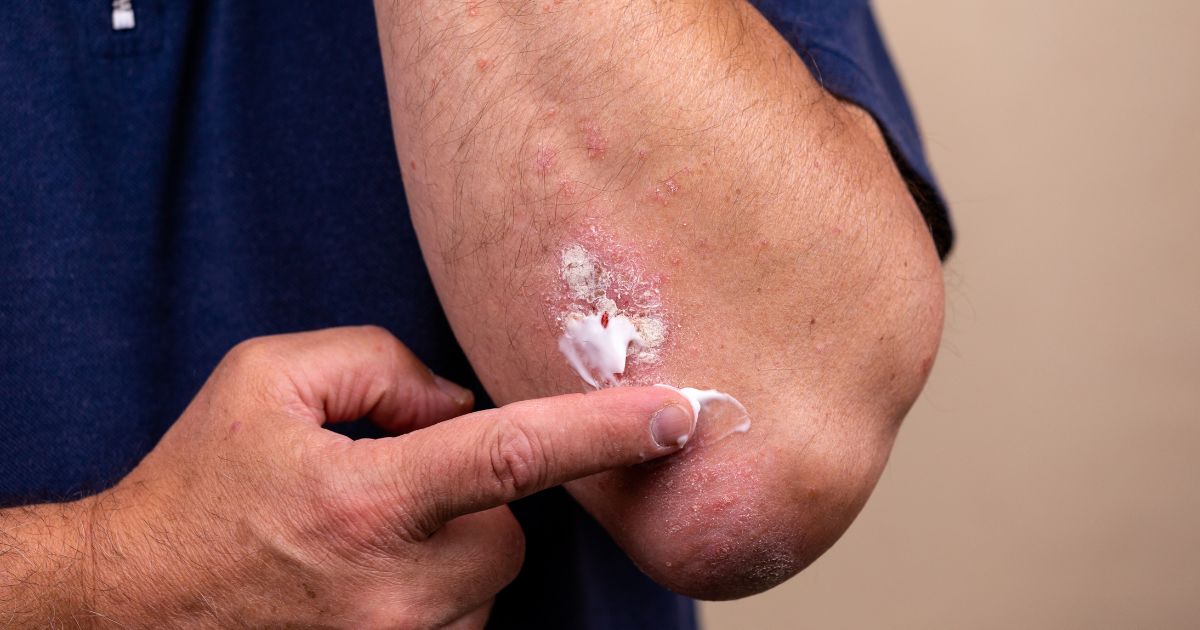
Atopic eczema is a chronic inflammatory skin condition characterised by an intensely compromised skin barrier, leading to severe dryness, relentless itching, and raw, red patches. For the vast majority of eczema sufferers, emotional tension is the single most aggressive trigger for a severe flare-up. The resulting itch-scratch cycle is agonising: anxiety causes the itch, scratching damages the skin barrier further, and the resulting pain and unsightliness generate even more anxiety.
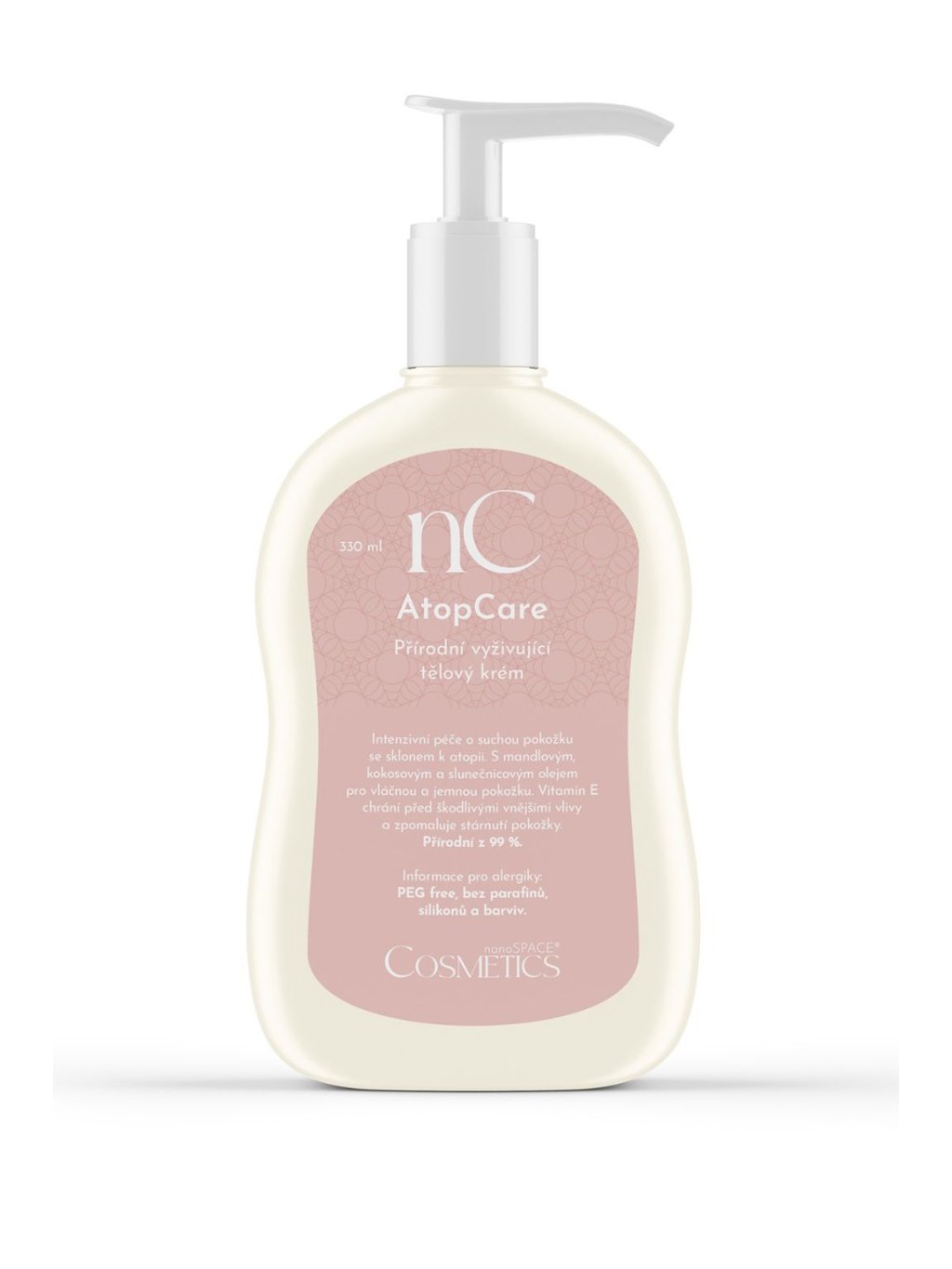
Individuals battling this condition often experience profound relief when they incorporate deeply nourishing, natural ingredients into their regimen. Products formulated with oat extract are particularly beneficial, as oats possess well-documented anti-inflammatory properties that calm the histamine response. For instance, massaging the Natural Nurturing Body Oil AtopCare 200 ml into damp skin can provide immediate, soothing relief and lock in vital moisture, helping to rebuild the shattered skin barrier.
Deep Hydration for Stressed and Eczema-Prone Skin

Hives as a Direct Response to Anxiety
Hives, medically known as urticaria, are perhaps the most dramatic and instantaneous form of a stress rash. They present as raised, red, intensely itchy welts that can vary in size from a small coin to a large dinner plate. They can erupt anywhere on the body and typically migrate, fading in one area only to appear in another within hours.
Clinical studies have consistently demonstrated that patients suffering from chronic hives exhibit significantly higher baseline levels of anxiety, psychological distress, and depression compared to the general population. It creates a vicious, self-perpetuating cycle: the overwhelming tension causes the mast cells to degranulate and release histamine, resulting in hives. The sudden appearance of these highly visible, uncomfortable hives then triggers a secondary wave of intense anxiety, which only serves to prolong the reaction.
Psoriasis and Emotional Burden
Psoriasis is a complex autoimmune condition that causes skin cells to multiply at an unnaturally accelerated rate. Instead of shedding normally, these excess cells build up on the surface of the skin, forming thick, red, scaly plaques that can be painful and prone to cracking. For over 60% of patients diagnosed with psoriasis, emotional trauma or chronic psychological pressure is cited as the primary catalyst for a new, aggressive flare-up.
Diagnosing the Root Cause: Is It Truly a Stress Rash?
If you're struggling with a persistent or severe skin eruption, it's crucial not to simply assume it's driven by anxiety without proper confirmation. How can you definitively prove that your psychological state is the culprit behind your dermatological woes?
Comprehensive Dermatological Examination
Your first port of call should always be a qualified dermatologist. A specialist will carefully assess the physical characteristics, distribution pattern, and severity of the rash. During your consultation, it's absolutely imperative that you're transparent about your current mental state. Mention any recent life changes, workplace pressures, or emotional traumas, as this context allows the doctor to accurately connect the dots between your mind and your skin.
Maintaining a Psychological and Skincare Diary
One of the simplest yet most profoundly effective diagnostic tools at your disposal is a daily tracking diary. For a period of two to four weeks, meticulously record your daily stress levels on a scale of one to ten. Alongside this, document the exact condition of your skin, noting any redness, itching, or new breakouts. Human memory is notoriously unreliable, but written data doesn't lie. In almost all cases, distinct patterns will rapidly emerge, clearly demonstrating that your skin's worst days perfectly align with your mind's most chaotic moments.
Ruling Out Alternative Triggers
To ensure an accurate diagnosis, you must systematically eliminate other potential culprits. A true stress rash is a diagnosis of exclusion. You and your doctor must first rule out allergic reactions to newly introduced foods or cosmetics, underlying infectious diseases, hidden autoimmune disorders, and other systemic illnesses that might masquerade as a simple nervous breakout.
Essential Skincare Strategies to Soothe a Stress Rash
When your skin is in the throes of an emotional meltdown, your immediate instinct might be to aggressively scrub the problem away or apply the strongest, most astringent chemical treatments you can find. This is the worst possible approach. Treating a stress rash requires profound gentleness. You must adopt a dual-pronged strategy: soothing the physical symptoms on the surface whilst actively managing the psychological root cause beneath.
Gentle Cleansing Without Stripping the Barrier
When your skin barrier is compromised by cortisol, it loses its ability to protect you from environmental aggressors. Therefore, washing with harsh, heavily fragranced soaps will only pour fuel on the fire. You need to learn exactly how to cleanse skin properly using the mildest formulations available. Avoid scalding hot showers, which strip away precious natural lipids, and opt for lukewarm water instead.
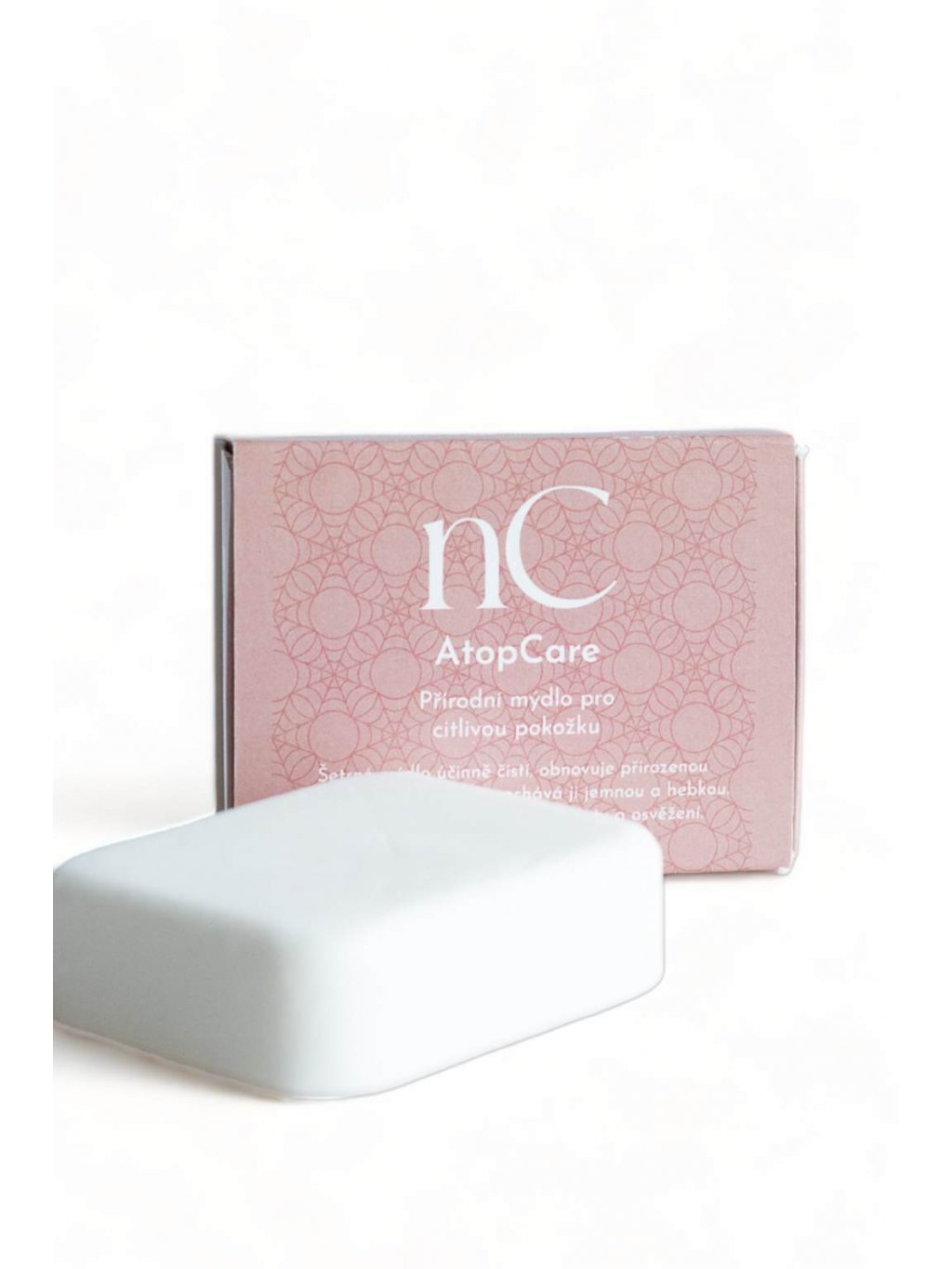
We highly recommend switching to a non-stripping, hypoallergenic cleanser. For instance, the Moisturising Cleansing Foam AtopCare 150 ml creates a beautifully soft, luxurious lather that lifts away daily impurities and excess sebum without disturbing the delicate acid mantle of your skin. If you prefer a traditional format, the Natural Soap for Sensitive Skin AtopCare is expertly crafted to cleanse whilst respecting the integrity of highly reactive, stressed skin.
Gentle Cleansing for Highly Reactive Skin

Deep Hydration and Barrier Repair
Once your skin is cleanly washed, you must immediately replenish the moisture that anxiety has stolen. Knowing exactly how to care for dry skin is the secret weapon against a histamine-driven breakout. You must use high-quality emollients that create a breathable, protective film over the epidermis, shielding it from further irritation whilst allowing it to heal beneath.
Since nanoSPACE was founded in 2012, we've championed the use of clean, highly effective natural formulations without unnecessary chemical additives. The Natural Nourishing Body Cream AtopCare 330 ml is a brilliant example of this philosophy. Enriched with squalane and sweet almond oil, it melts into the skin, instantly soothing the fiery itch and deeply hydrating parched, flaking areas. Plus, with our standard 14-day returns policy, you can test these calming formulas with complete peace of mind, knowing that relief is entirely risk-free.
Psychological and Lifestyle Adjustments for Clearer Skin
No amount of luxurious cream will permanently cure a stress rash if you continue to operate at boiling point. True, lasting healing requires you to address the internal chaos driving the external symptoms. You must actively implement lifestyle adjustments to bring your nervous system back into a state of equilibrium.
Proven Psychological Interventions
If you find that your emotional burden is unmanageable, seeking professional psychological support can be life-changing. Cognitive Behavioural Therapy (CBT) is incredibly effective, as it teaches you practical techniques to alter your perception of—and reaction to—anxiety-inducing situations. Incorporating daily mindfulness practices such as grounding exercises or guided meditation can significantly lower your baseline cortisol levels. Simple breathing exercises, which stimulate the vagus nerve, can instantly signal to your brain that you're safe, thereby halting the inflammatory cascade in its tracks.
Daily Habits That Support Emotional Balance
Your daily physical habits play an enormous role in your emotional resilience. Engaging in regular physical activity—ideally 30 minutes a day of moderate exercise—helps to naturally metabolise excess cortisol and flood your system with mood-boosting endorphins (and no, walking to the fridge during a commercial break doesn't count). Equally, prioritising seven to eight hours of high-quality sleep is non-negotiable, as this is the primary window during which your skin conducts its cellular repair programme. Finally, ensure your diet is rich in omega-3 fatty acids and antioxidants, and actively limit your intake of stimulants like heavy caffeine, alcohol, and nicotine, which only serve to artificially spike your anxiety levels.
When to Seek Professional Medical Advice for Your Skin
Whilst the vast majority of emotional skin breakouts are ultimately harmless and will resolve with gentle care and relaxation, there are certain critical red flags that require immediate professional attention. You should never attempt to self-treat if you notice any of the following severe symptoms.
Seek urgent medical advice if the rash begins to spread incredibly rapidly across your body, or if it's accompanied by systemic signs of illness such as a high fever, severe joint pain, or profound, unexplainable fatigue. If the affected area becomes intensely painful to the touch, begins to form large fluid-filled blisters, or starts oozing pus, you likely have a secondary bacterial infection that requires prescription antibiotics. Most importantly, if your skin reaction is accompanied by any swelling of the face, lips, or tongue, or if you experience any difficulty breathing or swallowing, you must seek emergency medical care immediately, as this could be a life-threatening anaphylactic reaction.
Conclusion: Your Skin as a Mirror of Your Mind
Ultimately, a stress rash serves as a profound, undeniable example of the intricate connection between your physical body and your mental state. Rather than viewing these sudden breakouts or itchy patches as cruel punishment, try to reframe your perspective. Your skin is acting as an incredibly useful—albeit highly visible—warning system. It's the first indicator that your psychological burden has exceeded a healthy, sustainable threshold.
Instead of merely masking the problem with heavy makeup or resigning yourself to frustration, use this physical signal as a vital opportunity to reflect on your current lifestyle, your daily pace, and your emotional boundaries. You'll frequently discover that dedicating time to your mental well-being not only results in a clearer, more radiant complexion but also cultivates a significantly higher quality of life. Remember, a permanent solution doesn't reside solely in the jars of creams and oils on your bathroom shelf—although high-quality, natural skincare certainly accelerates the healing process. The true cure lies in intentionally finding a sustainable balance between your daily obligations and your vital need for rest, and navigating the delicate line between necessary pressure and peaceful calm.
Frequently asked questions
Can psychological pressure alone cause a rash, or does it only worsen existing conditions?
Psychological tension can act as both a primary trigger for entirely new skin issues and a severe aggravating factor for pre-existing dermatological conditions. For some individuals, a stress rash will only ever materialise during periods of extreme emotional turmoil. For others, daily anxiety will consistently exacerbate chronic, underlying issues such as atopic dermatitis, severe psoriasis, or persistent hives.
How quickly can a stress rash appear after an anxiety-inducing event?
The speed of the reaction depends heavily on the specific type of breakout and your individual biological reactivity. An acute reaction, such as a breakout of hives, can erupt almost instantly—often within mere hours of a severe shock or panic. Conversely, conditions like stress-induced acne or eczema may develop more gradually, evolving over several days or weeks of sustained, chronic pressure.
Will these emotional skin breakouts leave permanent scars?
The vast majority of anxiety-induced skin reactions won't leave any permanent scarring, provided they're treated with appropriate care and gentleness. The primary risk of scarring arises entirely from mechanical damage—namely, aggressive scratching, picking, or forcefully squeezing the inflamed areas. It's vital to resist the urge to touch the rash and instead rely on soothing, natural moisturisers to calm the itch.
How long does it typically take for a stress rash to completely disappear?
The healing timeframe is highly variable and depends on the severity of the reaction and how quickly you can regulate your nervous system. Generally, once the primary source of the psychological pressure is removed or successfully managed, you'll begin to see noticeable improvements within a few days. However, for the skin barrier to completely repair and the redness to fully fade, it can take anywhere from one to three weeks.
Are children also susceptible to developing a stress rash?
Absolutely. Children are highly sensitive to their environments and can frequently manifest their unexpressed anxieties through physical skin reactions. It's incredibly common to see flare-ups of eczema or sudden hives in children dealing with school pressures, significant family changes, or social difficulties. Because children often lack the vocabulary to articulate their emotional distress, a sudden stress rash should always prompt parents to gently investigate their child's emotional well-being.
Sources
- Saif, G.A.B., Alotaibi, H.M., Alzolibani, A.A., Almodihesh, N.A., Albraidi, H.F., Alotaibi, N.M. and Yosipovitch, G., 2018. Association of psychological stress with skin symptoms among medical students. Saudi medical journal, 39(1), p.59.
- Alsamarai, A.M. and Aljubori, A.M., 2010. Association between stress and skin disease. Middle East Journal of Internal Medicine, 3(1).
- Peters, E.M., 2016. Stressed skin?–a molecular psychosomatic update on stress‐causes and effects in dermatologic diseases. JDDG: Journal der deutschen dermatologischen gesellschaft, 14(3), pp.233-252.