
Cellulite – colloquially known as orange-peel or cottage-cheese skin – is neither a medical disorder nor a disease. It is an entirely normal architectural feature of female skin that affects an estimated 80 to 90% of adult women, regardless of body shape, dress size or fitness level. Even so, the question of what helps against cellulite remains one of the most frequently searched skincare topics year after year, whether summer is approaching or well behind us. In this evidence-led guide, we examine five approaches backed by genuine science – and speak plainly about what you can realistically expect from each, as well as what no product or routine can honestly promise.

Key takeaways if you're short on time
- Cellulite is not about body weight. It appears on the vast majority of women, including elite athletes and models, because it is primarily driven by oestrogen, subcutaneous connective-tissue architecture and genetics rather than poor self-care.
- No method erases it permanently, which means the realistic, science-backed goal is to visibly smooth and soften the appearance of dimpled skin and maintain that improvement over time.
- Topical creams offer modest, temporary smoothing, with active ingredients such as capsaicin, caffeine and cinnamon essential oil warming the skin, boosting microcirculation and improving surface texture when combined with regular massage.
- Lifestyle remains the strongest lever, because consistent lower-body resistance training, a protein-rich whole-food diet and proper hydration do far more for skin firmness than any standalone miracle product.
- Patience is an essential part of the process, with initial surface changes from home care typically appearing after four weeks and more noticeable visible refinement taking two to three months of steady consistency.
What Is Cellulite and Why Do Women Have It?
Cellulite is a structural change in the surface topography of the skin in which subcutaneous fat pushes upwards against the dermis, creating the familiar dimples, ripples and uneven contours that resemble the peel of an orange. It develops most frequently in the areas where the female body is biologically programmed to store energy reserves – namely around the hips, outer and back of the thighs, buttocks and lower abdomen. Often, women notice it alongside other completely natural dermal changes, such as stretch marks during pregnancy or periods of rapid hormonal fluctuation. One persistent myth worth discarding immediately is the idea that cellulite represents "trapped toxins" or simple excess weight: very lean, highly trained women experience orange-peel skin just as regularly as women with higher body-fat percentages.
The primary reason lies in the microscopic anatomy of the hypodermis – the layer directly beneath the dermis. Here, fat cells (adipocytes) sit in chambers separated by bands of fibrous connective tissue known as septa. In women, these fibrous septa run perpendicular to the skin's surface, like vertical pillars anchoring the skin to the deeper fascia. When fat cells expand even slightly, or when the surrounding dermis loses elasticity and thickness with age, the fat chambers bulge upwards between these vertical tethers while the septa pull downwards, producing that characteristic dimpled effect. In men, by contrast, the connective-tissue septa form a criss-cross, diagonal lattice at roughly a 45-degree angle. This mesh-like structure holds subcutaneous fat flat and evenly distributed – which explains why men rarely develop cellulite, even when carrying excess weight.
Beyond the architecture of the septa, the condition of the dermis itself plays a decisive role. When the upper layers of the skin are thick, well-hydrated and rich in structural proteins like collagen and elastin, they act like a firm mattress topper that disguises the uneven fat chambers underneath. As dermal density naturally declines – whether through UV exposure, ageing or nutritional gaps – the underlying lobules become far more visible at the surface. Understanding this dual mechanism (upward pressure from fat chambers combined with downward tension from septa and a thinning dermal layer) is vital before evaluating what helps against cellulite in everyday practice.
The Most Common Factors Behind Cellulite Visibility
Several intersecting biological and lifestyle factors govern how pronounced orange-peel skin appears on any given person:
Several interlocking factors influence this process, beginning with hormones, led by oestrogen: cellulite rarely appears before puberty, often becomes more prominent during pregnancy or while taking hormonal contraception, and shifts again around perimenopause, as oestrogen directs fat storage towards the thighs and hips, influences fluid retention and regulates enzymes (matrix metalloproteinases) that remodel connective-tissue fibres. Alongside this, genetics and skin biotype play a foundational role, as your inherited blueprint determines your baseline dermal thickness, the strength and distribution of your fibrous septa, your microcirculatory efficiency and where your body naturally stores adipose tissue. Lifestyle factors also contribute, such as a sedentary lifestyle, where prolonged sitting compresses the blood and lymphatic vessels at the back of the thighs and glutes; this reduced muscular contraction slows venous return and lymphatic drainage, encouraging interstitial fluid to build up, push against the dermis and accentuate dimpling. Finally, dietary patterns and hydration have a direct impact: diets heavily skewed towards refined carbohydrates, added sugars and ultra-processed fats promote lipogenesis (fat-cell enlargement) and low-grade systemic inflammation, whereas a diet rich in complete proteins, antioxidants and fibre supports dermal integrity.
What Helps Against Cellulite: 5 Evidence-Based Approaches
Before diving into specific tactics, a word of honesty: cellulite is fundamentally an anatomical feature of adult female skin, and cosmetic products cannot "cure" or permanently eliminate it. When dermatologists and cosmetic scientists investigate what helps against cellulite, they are not looking for a magic eraser. Instead, they measure interventions that visibly reduce dimple depth, improve dermal elasticity, support local microcirculation and leave the skin surface looking smoother and more toned. Clinical literature consistently shows that the best results come from combining several complementary habits at once.

1. Targeted Cellulite Creams and Evidence-Backed Ingredients
Topical body care designed for dimpled skin is one of the easiest ways to start tackling surface texture at home. In dermatological reviews (such as Zerini et al., 2015, and Rossi & Katz, 2014), the most widely studied cosmetic actives are methylxanthines (especially caffeine), retinoids or gentle botanical alternatives, and thermogenic vasodilators such as capsaicin and cinnamon essential oil. Caffeine helps stimulate cutaneous microcirculation, temporarily reduces localised water retention in the upper tissue layers and lends the skin a firmer appearance. Thermogenic compounds like capsaicin – the active pungent molecule in chilli peppers – activate transient receptor potential vanilloid 1 (TRPV1) channels in the skin, generating a pronounced warming sensation that dilates superficial blood vessels and boosts local blood flow.
It is important, however, to keep expectations grounded in science: the cosmetic effect of any topical formula is modest and temporary. In a well-known six-month randomised controlled trial by Piérard-Franchimont et al. (2000), topical retinol improved skin elasticity by roughly 11%, which subtly smoothed the surface contour. If you prefer body and facial care formulated without retinol – for instance during pregnancy, while breastfeeding, or because of sensitive skin – botanical complexes and warming plant extracts offer a practical alternative route to surface conditioning. No cream can sever or rearrange the perpendicular fibrous septa beneath the dermis, so topical care works best when applied consistently alongside vigorous mechanical massage.
When choosing a cinnamon cream for cellulite with chili, check the INCI ingredient list carefully. Formulations worth your time typically combine active botanical stimulants with barrier-supporting emollients:
- Capsaicin (chilli extract): The warming compound from chilli peppers that stimulates cutaneous microcirculation, warms cooler subcutaneous areas on the thighs and buttocks, and supports surface skin tone.
- Cinnamon essential oil: Rich in cinnamaldehyde, offering aromatic warming properties alongside antioxidant benefits that complement massage routines.
- Branded active complexes (such as Cellactive® Shape): Modern cosmetic actives designed to support the appearance of skin firmness and help visibly smooth surface texture with regular use.
- Sweet almond oil: Naturally rich in oleic and linoleic fatty acids plus vitamin E, providing essential slip for deep-tissue massage while softening dry, rough skin.
- Shea butter and vitamin E: Deeply moisturising lipids and antioxidants that reinforce the skin barrier, improve epidermal suppleness and prevent moisture loss.
Conversely, it pays to be sceptical of budget creams built predominantly around heavy silicones, liquid paraffin or synthetic pearlescent pigments. While those ingredients create an instant silky film on the surface, they do nothing to stimulate blood flow or nourish the skin structure. In the nanoSPACE range – curated by a Czech family company founded in 2012 – you will find Cinnamon Cream for Cellulite with Chili - Cellucream 150 ml, formulated specifically for orange-peel skin with the Cellactive® Shape complex, capsaicin, cinnamon oil and nourishing plant lipids.

Editor's Pick
Cinnamon Cream for Cellulite with Chili - Cellucream 150 ml
A warming massage cream featuring the branded Cellactive® Shape complex, chilli capsaicin, cinnamon essential oil, sweet almond oil and shea butter. Warms the skin, stimulates microcirculation and helps visibly smooth uneven skin texture.
View price →How to Perform an At-Home Warming Body Wrap
To intensify the warming effect of your topical care, you can turn your evening application into a 20-minute body wrap once or twice a week. Apply a generous layer of Cellucream warming cellulite cream onto clean skin across your thighs, hips or buttocks, massaging it in with firm upward strokes. Next, wrap the treated area snugly (but never tightly enough to restrict circulation) in kitchen cling film and pull on a pair of warm leggings or relax under a blanket. The gentle occlusion traps body heat and amplifies the thermogenic action of the capsaicin and cinnamon oil. Leave the wrap on for 20 to 25 minutes, then remove the film and rinse or wipe away any excess residue. Mild redness and a tingling warmth are normal physiological responses to the chilli extract – though if you have highly reactive skin or fragile capillaries, always patch-test on a small area first.
2. A Nutrient-Dense Diet and Consistent Hydration
If you are looking at what helps against cellulite over the long term, what happens in your kitchen matters at least as much as what sits on your bathroom shelf. Because the visibility of cellulite depends on the interplay between subcutaneous fat volume, interstitial fluid retention and the thickness of the overlying dermis, nutritional habits influence all three variables at once. A balanced whole-food diet rich in colourful vegetables, low-glycaemic fruits, quality proteins and essential fatty acids provides the micronutrients required for normal collagen synthesis and vascular health, while drinking plenty of plain water supports fluid balance and skin plumpness.
Pay particular attention to your intake of refined carbohydrates and ultra-processed foods. Excess dietary sugar not only promotes fat storage within subcutaneous adipocytes – expanding the chambers that push between the septa – but also accelerates a process called non-enzymatic glycation. During glycation, sugar molecules bind to structural collagen and elastin fibres in the dermis, forming advanced glycation end-products (AGEs) that make connective tissue stiffer, more brittle and less elastic. Swapping sugary snacks, sweetened drinks and white baked goods for fibre-rich vegetables, legumes, eggs, fish, poultry, nuts and extra-virgin olive oil helps keep blood glucose steadier and protects dermal resilience.
Equally vital are the structural building blocks and micronutrient cofactors your body relies on every day. Eating enough protein supplies the amino acids (such as glycine, proline and hydroxyproline) needed to maintain healthy connective tissue across the body. Many women choose to complement a balanced diet with a dedicated food supplement such as Collagen Booster Complex nanoSPACE Cosmetics; if you want to understand how different peptides and cofactors work, read our detailed guide to the best collagen for hair and skin. Alongside protein, optimal mineral status is essential for an active lifestyle: Blendea Magnesium Bisglycinate 90 Caps provides highly bioavailable chelated magnesium, which contributes to normal energy-yielding metabolism, normal protein synthesis, normal muscle function and a reduction of tiredness and fatigue (as outlined in our article on magnesium deficiency). Always treat food supplements as supportive additions to a nutritious diet and regular training routine – never as a standalone cure for cellulite, as no capsule can remove orange-peel skin on its own.
Nutritional Support for Active Lifestyles: Collagen & Magnesium


3. Targeted Movement and Lower-Body Resistance Training
Physical movement is by far the most powerful, zero-cost tool available when assessing what helps against cellulite. Regular exercise works through three distinct physiological mechanisms. First, contracting the large muscle groups of the legs and hips acts as a mechanical pump for both the venous system and the lymphatic vessels, which lack a central pump of their own and rely on muscular movement to clear excess fluid from the subcutaneous tissues. Second, increased blood flow delivers oxygen and nutrients to the dermis, counteracting the localised microcirculatory sluggishness often seen in cellulite-prone areas. Third, managing overall body composition reduces the volume of the subcutaneous fat lobules pushing upwards against the dermis.
You do not need punishing two-hour gym sessions to see benefits, nor should you rely solely on endless cardio. The most effective strategy combines progressive lower-body resistance training with regular aerobic activity. Compound exercises such as squats, split squats, walking lunges, Romanian deadlifts, step-ups and glute bridges build firm, well-toned muscle tissue in the quadriceps, hamstrings and glutes. When the underlying muscular foundation is fuller and firmer, the overlying skin sits more smoothly across the contours of the thigh and hip, visibly softening the look of surface dimples.
Just as important as structured workouts is your everyday movement outside the gym. If your job involves sitting at a desk for eight hours a day, the backs of your thighs spend most of the week compressed against a chair, impeding local circulation. Break up sitting every 45 to 60 minutes by standing up, walking briskly on your commute, cycling or taking the stairs instead of the lift. Over the course of months, these daily habits deliver far greater circulatory benefits than a single intense workout once a week.

4. Cold Water Exposure and Contrast Showers
Deliberate cold exposure – whether through cold showers, contrast hydrotherapy (alternating warm and cold water) or outdoor swimming – has gained widespread popularity in recent years, and for good physiological reason. When cold water hits the skin, cutaneous blood vessels rapidly constrict (vasoconstriction); as the tissue warms back up, they dilate again (reactive vasodilation). This vascular "gymnastics" acts as a natural pump for superficial capillaries and lymphatic channels, temporarily reducing mild fluid stagnation and leaving the skin surface feeling tighter and more refreshed.
You do not need an ice bath in the garden to make this a habit. The simplest way to begin is at the end of your normal daily shower: turn the tap to cool or cold and direct the water jet across your ankles, calves, thighs and buttocks for 30 to 45 seconds, always working upwards towards the torso. You can also alternate 60 seconds of warm water with 30 seconds of cold water two or three times before stepping out and briskly towelling your skin dry. Finish with an application of warming massage cream: together, the contrast shower and the cream create an invigorating daily ritual that wakes up sluggish skin on the lower body.
5. Lymphatic Massage, Cupping and Gentle Skin Care
Manual lymphatic drainage (MLD) and mechanical connective-tissue massage have genuine clinical support when examining what helps against cellulite. In a comparative clinical study by Bayrakci Tunay et al. (2010), mechanical massage, manual lymphatic drainage and connective-tissue manipulation techniques temporarily reduced thigh circumference and improved the visual grade of cellulite. Specialised, rhythmic movements directed along the anatomical pathways of the lymphatic vessels and towards the major lymph node clusters (behind the knees, in the groin, abdomen, armpits and neck) help mobilise stagnant interstitial fluid that otherwise exaggerates the puffiness of subcutaneous fat chambers.
While a course of professional lymphatic drainage with a qualified physiotherapist is an excellent investment, you can replicate the principles of circulatory massage at home every evening. Apply a generous amount of Cinnamon Cream for Cellulite with Chili - Cellucream 150 ml for smooth glide, and work from the knees upwards towards the hips and groin using firm, sweeping strokes, kneading motions or a silicone massage cup. Vacuum cupping gently lifts the skin and superficial fascia through negative pressure, intensely boosting local blood flow – though you should always keep the cup moving over well-lubricated skin and avoid cupping directly over varicose veins, broken capillaries or the delicate inner thigh.
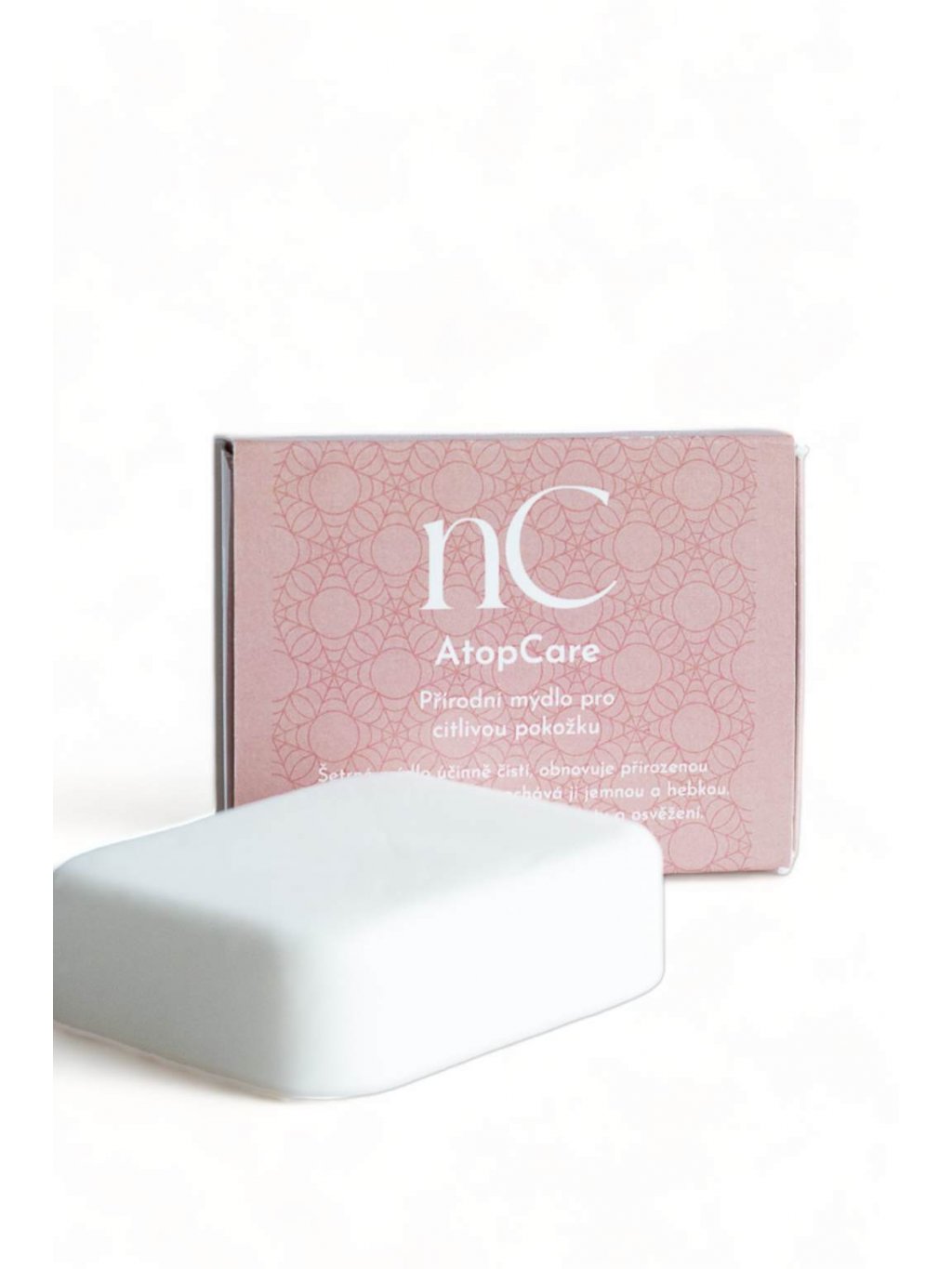
Because frequent massage, dry brushing, warming chilli extracts and contrast showers place extra demands on your skin barrier, remember to treat your skin gently in the shower. Harsh, sulphate-heavy body washes can strip away natural surface lipids, leaving skin tight, flaky and reactive. Washing with a soothing, lipid-rich cleanser such as Natural Soap for Sensitive Skin AtopCare keeps the skin barrier calm, comfortable and well-prepared for your active post-shower massage routine.
Gentle Barrier Cleansing Before Your Massage Routine
What Does Not Work Against Cellulite (and Where to Save Your Money)
When researching what helps against cellulite, knowing what to avoid is just as valuable as knowing what to adopt. The beauty industry is crowded with aggressive marketing claims that prey on summer-body insecurities, yet fail basic physiological scrutiny:
When addressing cellulite, it helps to avoid common pitfalls such as "detox" teas, juices and cleanses; because cellulite is caused by perpendicular connective-tissue septa and subcutaneous fat architecture – not by unnamed "toxins" stored in your thighs – diuretic detox teas merely cause temporary water loss (and sometimes an upset stomach) without improving dermal structure. Similarly, sporadic, one-off applications like using a massage roller once a fortnight or applying half a tub of cream before a beach holiday will not alter skin texture, as topical vasoactive ingredients and manual massage rely entirely on cumulative, routine stimulation. You should also be wary of miracle promises of "erasing cellulite in 7 days": any cosmetic product claiming to permanently eliminate orange-peel skin in a week is ignoring dermatological science, so treat such claims as an immediate red flag. Finally, avoid extreme crash dieting, since rapid weight loss through severe calorie restriction often sacrifices lean muscle mass and leaves the skin looser and less supported, which can paradoxically make dimpling and skin laxity look more pronounced rather than less.
In short, the honest answer to what helps against cellulite always comes back to consistency. Sustainable improvements come from habits you can comfortably repeat week after week, rather than expensive shortcuts.
What About Professional Aesthetic and Clinical Procedures?
If consistent home care, exercise and nutrition do not deliver the level of improvement you are looking for – particularly in cases of deep, structural dimpling – dermatology and aesthetic medicine clinics offer targeted procedures that act directly on the subcutaneous septa and dermal collagen (Arora et al., 2022; Uebel et al., 2018). The most established clinical modalities include subcision (a minor surgical procedure in which a specialist uses a fine blade or needle under local anaesthetic to mechanically release the tight fibrous septa pulling the skin downwards), acoustic wave therapy / shockwave therapy, multipolar radiofrequency and targeted laser treatments designed to remodel dermal collagen.
Because subcision and energy-based devices address the physical tethers beneath the skin, clinical trials show they achieve longer-lasting structural improvements than any topical cream ever could. However, they are medical or clinical interventions that must be performed by an experienced practitioner, come at a significant cost, often involve bruising or downtime, and still do not guarantee 100% permanent removal of every dimple. For the vast majority of women, it makes far more practical and financial sense to start with what helps against cellulite at home – movement, nutrition, massage and targeted topical care – and view clinical procedures purely as an optional later step.
How Long Does It Take to See Results?
Let us be completely transparent: for the overwhelming majority of women, cellulite never disappears completely, and having visible dimples on your thighs or buttocks is never a personal failure. The realistic, healthy goal is to reduce the visibility of orange-peel skin, improve dermal firmness and maintain that smoother appearance through ongoing daily habits.
When you combine regular lower-body exercise, balanced hydration and daily massage with an active product like Cellucream with cinnamon and chilli, initial changes in skin softness, microcirculation and surface hydration typically become noticeable after about four weeks of daily use. More distinct visual smoothing – reflecting improved muscular tone underneath and steadier tissue drainage – generally takes two to three months of consistent effort, and those results last for as long as you keep up your lifestyle and skincare routine. Genetics and hormonal stages mean every woman's timeline looks slightly different, which is why the most reliable answer to what helps against cellulite is a patient, multi-pronged approach: move your body, nourish your skin from within and without, and ignore unrealistic seven-day miracle claims.
Frequently asked questions
What truly helps against cellulite?
When looking at what helps against cellulite according to scientific evidence, the most effective approach is always a combination of habits: regular lower-body strength training and daily movement, a whole-food diet rich in protein and low in refined sugars, sufficient hydration, regular lymphatic or cupping massage, and a targeted topical formula such as Cinnamon Cream for Cellulite with Chili - Cellucream 150 ml. No single method erases cellulite permanently, but together they visibly smooth and firm the skin's appearance.
How should I massage my legs to improve the appearance of cellulite?
Always massage with firm, comfortable pressure working from the bottom upwards – from above the knees towards the hips, buttocks and groin (towards the heart) to follow the natural direction of venous and lymphatic flow. Apply a lubricating warming product like Cellucream massage cream first so your hands or a silicone massage cup glide smoothly without dragging the skin. Aim for five to ten minutes of daily massage after your shower.
How can I firm the skin on my thighs and buttocks?
The strongest foundation comes from progressive lower-body resistance exercises (such as squats, lunges and glute bridges) paired with adequate daily protein intake. You can also support your daily nutritional routine with food supplements such as Collagen Booster Complex nanoSPACE Cosmetics to top up your protein intake and Blendea Magnesium Bisglycinate 90 Caps to support normal energy metabolism and reduce tiredness and fatigue – keeping in mind that supplements support a healthy diet rather than acting as a standalone cellulite treatment.
What makes cellulite look worse?
The appearance of cellulite is typically accentuated by a sedentary lifestyle and prolonged sitting (which slow local blood flow and lymphatic drainage), smoking (which impairs microcirculation and accelerates dermal collagen breakdown), excess alcohol, dehydration and diets high in refined sugars and ultra-processed foods. Natural hormonal shifts, genetics and age-related thinning of the dermis also play a central role.
At what age does cellulite usually appear?
Cellulite almost always begins to appear during or after puberty, once rising oestrogen levels establish female fat distribution patterns and influence subcutaneous connective tissue. It often shifts or becomes more noticeable during pregnancy, breastfeeding and perimenopause. Because it affects 80 to 90% of adult women, it is a completely normal biological trait and nothing to feel ashamed of.
Sources
- Arora, G., et al. (2022) 'Cellulite: Presentation and management', Journal of Cosmetic Dermatology, 21(4), pp. 1393–1401.
- Rossi, A.M. and Katz, B.E. (2014) 'A modern approach to the treatment of cellulite', Dermatologic Clinics, 32(1), pp. 51–59.
- Uebel, C.O., et al. (2018) 'Cellulite: a surgical treatment approach', Aesthetic Surgery Journal, 38(10), pp. 1099–1114.
- Bayrakci Tunay, V., et al. (2010) 'Effects of mechanical massage, manual lymphatic drainage and connective tissue manipulation techniques on fat mass in women with cellulite', Journal of the European Academy of Dermatology and Venereology, 24(2), pp. 138–142.
- Zerini, I., et al. (2015) 'Cellulite treatment: a comprehensive literature review', Journal of Cosmetic Dermatology, 14(3), pp. 224–240.
- Piérard-Franchimont, C., et al. (2000) 'A randomized, placebo-controlled trial of topical retinol in the treatment of cellulite', American Journal of Clinical Dermatology, 1(6), pp. 369–374.