
You know the feeling: after a long summer's day out in the blazing sun, your skin turns red, stings, and feels uncomfortably tight. Or perhaps you recognise that frustrating moment when irritation flares up on your face and refuses to calm down, no matter what you try. At times like these, many of us recall the old advice passed down from our grandmothers: snap off a fleshy leaf from that spiky green plant on the windowsill and dab its cool, gel-like sap onto the sore spot. That plant is, of course, aloe vera, a hardy succulent people have relied on for thousands of years. But this is far more than an old wives' tale. Modern science and dermatology keep coming back to it, putting it through clinical trials and laboratory studies – and the results often confirm what ancient cultures seemed to know by instinct. So, what exactly makes this plant so useful? What does its clear aloe vera gel actually contain, and why should you think twice before using it straight from a potted plant at home? In this guide, we'll explore what the research really says. We'll walk through its proven effects and introduce the modern, carefully formulated alternatives now available for anyone seeking reliable soothing and deep hydration for sensitive skin. If daily irritation is your main concern, for instance, a gentle cleansing routine makes all the difference; many people have found relief with the Moisturizing Cleansing Foam AtopCare, which respects the skin's fragile barrier without relying on raw plant extracts.
Key takeaways if you're short on time
- The true medicinal variety is known botanically as Aloe barbadensis miller, and its inner gel is 99% water combined with active polysaccharides, vitamins, and soothing enzymes.
- Clinical studies confirm that pure aloe vera gel speeds up the healing of first- and second-degree burns while giving the skin deep hydration.
- When you use a fresh leaf at home, there's a real risk of irritation from a substance called aloin, found just beneath the rind, along with a risk of bacterial contamination.
- For pet owners, this common houseplant is a hidden danger, as it's toxic to both dogs and cats and can cause serious gastrointestinal and kidney problems.
- Today, there are well-developed alternatives, such as Czech nanofibre masks and gentle, preservative-free cosmetics, which provide safe soothing and hydration without the risks of raw plant application.
What is aloe vera and why humanity has used it for millennia
When someone mentions aloe vera, most of us immediately picture a spiky, pale green succulent sitting on a windowsill. The botanical and medicinal history of this plant, however, is remarkably rich and stretches far back into antiquity. References to its therapeutic use appear on ancient Sumerian clay tablets, in Egyptian medical papyri, and throughout the writings of Greek physicians. Legend has it that the Egyptian queens Cleopatra and Nefertiti relied on the plant's soothing juice as part of their daily beauty and anti-ageing routines. It's also widely recorded that Alexander the Great, acting on the advice of the philosopher Aristotle, ordered entire plantations of the succulent to be grown to ensure a steady supply of natural healing agents for his wounded soldiers on campaign. Botanically, there are more than five hundred species in this plant genus worldwide, but only a handful have scientifically proven benefits for human health. The most valuable and extensively studied of these is Aloe barbadensis miller, often called "true aloe". This is the variety that provides the raw material found in high-quality cosmetic formulations today.
The reason this plant works so well lies in its unusual anatomy. A single leaf of aloe vera has three main layers, each with its own biological role. The first is the thick, tough outer rind, which protects the inner structures from the harsh desert environment and synthesises carbohydrates and proteins. Just beneath it sits the latex layer, which holds a yellow, intensely bitter sap rich in a compound called aloin. Finally, at the heart of the leaf, you'll find the clear, slightly mucilaginous aloe vera gel. This gel is a fascinating mixture: ninety-nine per cent of it is water. But it's the remaining one per cent that holds a potent cocktail of more than seventy-five active compounds. In that tiny fraction, we find vitamins A, C, and E, which act as antioxidants, alongside vitamin B12, folic acid, and choline. Another crucial component is a set of enzymes, such as bradykinase, which help to reduce inflammation when applied to the skin. The gel also contains minerals including calcium, magnesium, zinc, and selenium. Yet the most important constituents – the ones that give aloe vera its humectant and soothing properties – are complex carbohydrates called polysaccharides, particularly acemannan. This complex sugar can bind large amounts of water to itself, meaning it provides intensive hydration while also supporting local immune processes in the skin.
The benefits of aloe vera on skin
The widespread use of aloe vera in modern dermatology and cosmetic science doesn't rest on tradition or folklore alone; it's backed by a wealth of recent research. The benefits of aloe vera on skin have been examined in dozens of peer-reviewed clinical trials, which set out to understand exactly how the compounds in the gel interact with human tissue. Below, we'll look at the most significant and best-supported advantages this extract offers.
One of the best-documented effects is its ability to speed up the healing of skin trauma, especially burns. In the medical literature, an important meta-analysis led by R. Maenthaisong in 2007 pulled together data from several earlier clinical trials and reached a clear conclusion: applying pure aloe vera gel can shorten the healing time of first- and second-degree burns by an average of nearly nine days compared with standard conventional treatments. How does this work? The acemannan and other mucopolysaccharides in the gel stimulate macrophages – the immune cells responsible for clearing wounds of dead tissue and debris. At the same time, the gel forms a breathable yet protective film over the wound. This film keeps the healing environment moist, which is essential for fast tissue regeneration without heavy, restrictive scarring. Beyond sunburn or accidental contact with a hot pan, the same mechanism helps with minor grazes, shallow cuts, or soothing the skin after aggressive cosmetic procedures.
Dry, flaky, uncomfortably tight skin is a common problem, often exacerbated by harsh weather. Aloe vera gel is a strong ally here. Thanks to its high water content and the moisture-binding mucopolysaccharides packed within it, it works as a highly effective natural humectant. In other words, it draws moisture from the surrounding air and binds it into the uppermost layers of the epidermis, known as the stratum corneum. When you apply the gel, the polysaccharides quickly form a thin, invisible film on the surface that reduces what dermatologists call transepidermal water loss (TEWL). As a result, the skin stays supple, plump, and hydrated for longer. This mechanism is much like the way modern humectants work in advanced skincare. If you're ever unsure which hydrating ingredients suit your skin, it's always worth first taking the time to discover your skin type. Knowing your profile matters, because while heavy, lipid-rich creams can clog pores, lightweight water-based gels and humectants are usually well-tolerated even by oily, blemish-prone skin.
When you overdo it in the sun, your body responds with a rapid inflammatory reaction. Local blood vessels dilate, the area turns bright red, radiates heat, and becomes painful to the touch. The immediate cooling effect of aloe vera brings physical relief, but its benefits go well beyond simply lowering the temperature. The enzymes in the fleshy pulp – bradykinase in particular – help to calm inflammatory pathways in the damaged tissue. Working alongside the plant's natural antioxidants, these compounds help neutralise the free radicals produced by UV radiation. Left unchecked, those free radicals would lead to premature cellular ageing and DNA damage. For soothing of this kind, cosmetologists often pair botanical extracts with other well-studied ingredients. A prime example is Panthenol, a provitamin with similarly strong regenerative, barrier-repairing, and calming properties, making it a staple of after-sun care.
Skin ageing is an inevitable process, marked above all by a gradual loss of elasticity and a steady decline in collagen production. Even here, aloe vera has something to offer. A clinical study published in 2006 by researcher S. E. Dal'Belo and her team in the journal Skin Research and Technology showed that regular use of cosmetic formulations containing aloe vera extract significantly improves both skin hydration and viscoelasticity. The active compounds in the gel can stimulate fibroblasts – the cells in our dermis that produce fresh collagen and elastin fibres. The result is firmer skin, fewer visible fine lines, and a more youthful, resilient look overall. On top of that, the antioxidants help protect the existing collagen structure from the ongoing damage caused by environmental oxidative stress.
Although cosmetics can't legally or medically cure serious skin conditions, topical products with high levels of soothing agents can help calm the visible symptoms of acne, eczema, or psoriasis. Acemannan, along with other trace compounds in the plant, boasts mild but useful antimicrobial and antiseptic properties. As a result, they help keep the skin's microbiome balanced and create an environment that's unfavourable for the acne-causing bacteria that tend to overgrow. This is especially helpful for inflamed blemishes. If you're dealing with more complex problems and looking for effective treatments for atopic eczema, building a routine around lightweight, non-comedogenic hydration is the foundation of proper care. Interestingly, the antimicrobial properties of certain natural and laboratory-formulated compounds are also widely used in specialised nail care, where keeping unwanted microorganisms at bay is essential. A great example of innovation in this area is the VITANAIL Antifungal Nail Polish 5 ml, which protects and strengthens the nail bed against external threats.
How to apply aloe vera on face properly
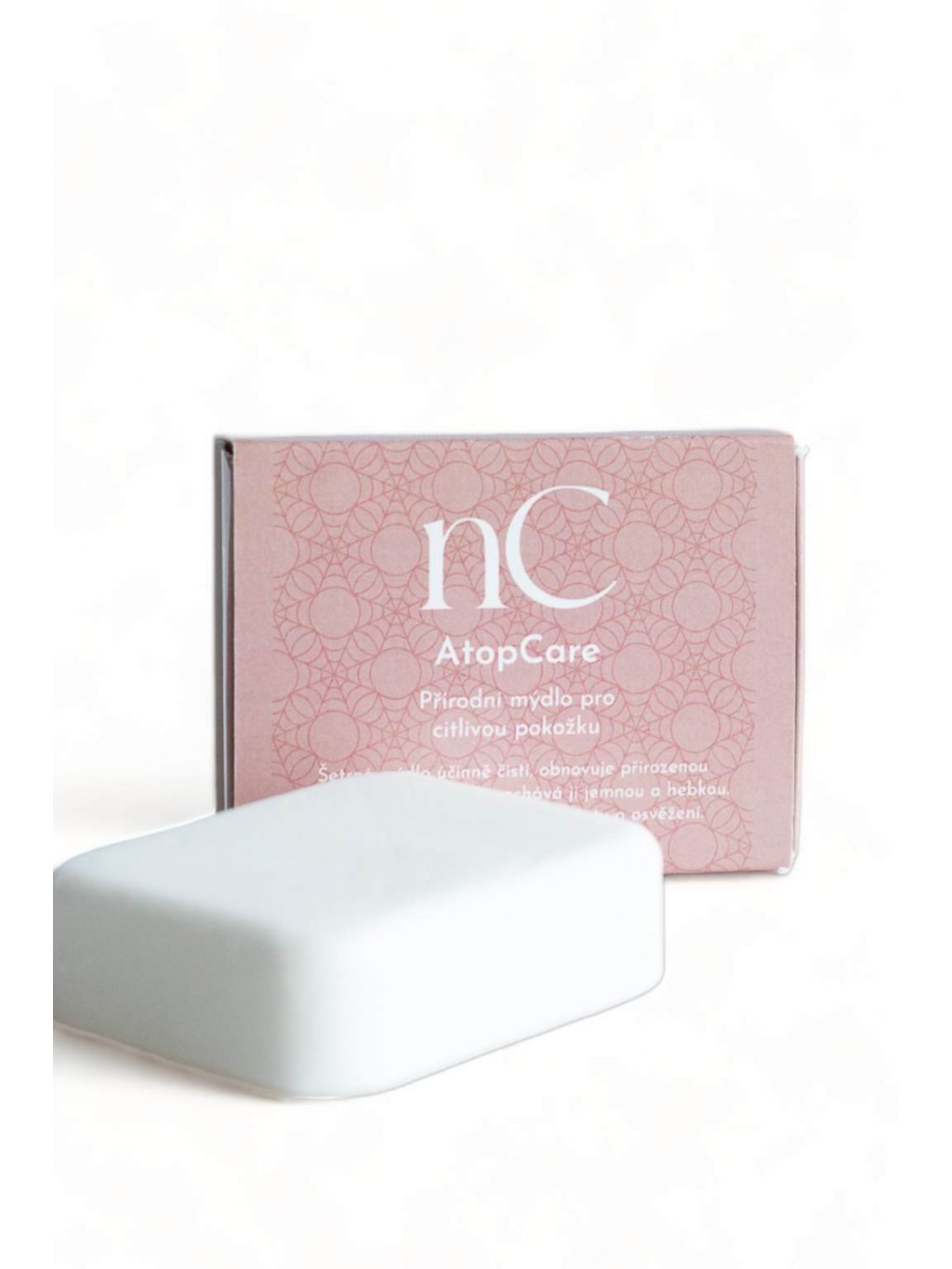
Knowing how to apply aloe vera on face correctly matters if you want its hydrating benefits without causing irritation or clogged pores. Always start with a clean canvas. Before you apply any humectant gel, remove all traces of makeup, sunscreen, and daily grime. Proper skin cleansing lets the polysaccharides and vitamins penetrate effectively, rather than being blocked by a layer of sebum and grime. For this first step, a gentle, non-stripping product like the Natural Soap for Sensitive Skin AtopCare works beautifully, as it cleanses without disrupting the skin's acid mantle.
Once your face is clean and still slightly damp, squeeze a small, pea-sized amount of high-quality, pure aloe vera gel onto your fingertips. Gently pat and massage it into the skin using upward, circular motions. Because the gel is lightweight and mostly water, it absorbs almost instantly, leaving a slightly tacky but refreshing finish. There's one crucial step many people skip, though: sealing it in. Since aloe vera is a humectant, it draws moisture to the surface. If you live in a very dry climate and don't apply something occlusive on top, the gel can actually pull moisture from the deeper layers of your skin and let it evaporate into the dry air. So, always follow your aloe vera with a good moisturiser or a few drops of facial oil to lock that hydration firmly into the skin barrier.
Side effects of aloe vera on face and hidden dangers
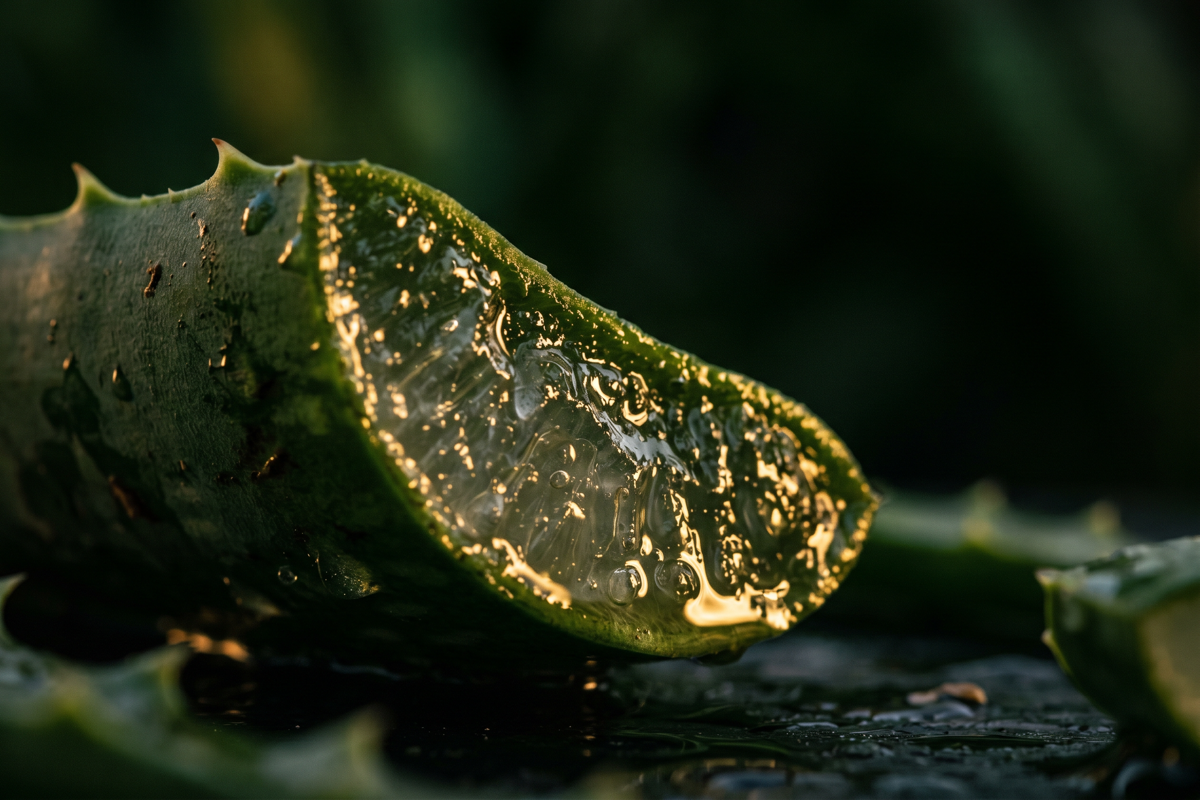
Despite its strong reputation as a natural healer, it's important to be aware of the possible side effects of aloe vera on face, especially when attempting DIY skincare with a potted plant from your living room. The most common danger comes from aloin, found in the yellow latex layer right beneath the thick green rind. Aloin is a potent anthraquinone and a strong skin irritant. If you slice open a leaf at home and fail to drain this yellow sap completely, applying the mixture to compromised, sunburned, or sensitive skin can trigger allergic contact dermatitis. Instead of relief, you might experience redness, stinging, swelling, and a worsening of the original inflammation – the exact opposite of what you wanted. Separating the pure inner mucilage from the irritating latex in a home kitchen is fiddly and often imprecise.
There's also a real risk regarding hygiene and microbial safety. A houseplant isn't a sterile environment. When you cut a leaf, expose the inner gel to the air, and apply it straight to an open wound, a popped blemish, or a badly blistered sunburn, you risk bacterial contamination. In a laboratory, cosmetic ingredients are purified and preserved to stop harmful pathogens from growing. In your kitchen, a raw plant extract can quickly become a breeding ground for bacteria, potentially leading to secondary infections that require medical treatment.
Finally, there's an important warning for animal lovers. While we're focusing on human skincare here, it's worth noting that aloe vera is toxic to pets. The plant contains saponins and the aloin mentioned above, both of which are poisonous to dogs and cats. If a curious pet chews on a leaf, it can cause vomiting, lethargy, diarrhoea, and, in severe cases, kidney damage. If you share your home with furry companions, keep this succulent well out of their reach – or better still, don't keep it in the house at all.
Drinking aloe vera: When it helps and what to watch out for
In recent years, alongside its use on the skin, drinking aloe vera juice has become incredibly popular in the wellness world. Various commercial drinks and supplements promise to support the immune system, improve sluggish digestion, and help detoxify the body. However, taking it internally calls for even more caution than putting it on your skin. Once again, the main culprit is aloin. Historically, pharmaceutical companies used this compound as a strong over-the-counter laxative. But after reports of serious side effects – including painful cramping, dehydration, and electrolyte imbalances – it was banned and removed from many medicinal products. If you do decide to drink aloe juice, make sure you're buying a premium, certified product clearly labelled "decolourised" or "aloin-free". If you don't, you risk severe gastrointestinal trouble. Pregnant women, nursing mothers, and anyone with chronic kidney or intestinal disorders should avoid taking this plant internally altogether.
Modern skin soothing: Czech nanofibres and gentle cosmetics
Aloe vera is a genuine gift from nature, but using it at home carries real pitfalls, and the risk of bacterial contamination or aloin irritation shouldn't be taken lightly. At nanoSPACE, we've chosen the path of modern science, laboratory testing, and cutting-edge technology. We don't sell raw aloe vera gel; instead, we've developed products that give your skin exactly the benefits you'd expect from the finest botanical extracts – namely immediate soothing, deep hydration, and support for cellular regeneration. Crucially, our alternatives deliver these results with guaranteed safety, clinical sterility, and proven efficacy.
A prime example of this approach to skincare is our nanofibre masks from the nanoBeauty range. This Czech invention works on the principle of dry nanofibre technology. Unlike traditional wet sheet masks or tubed gels, it contains no liquid preservatives, no parabens, and absolutely no artificial fragrances, making it a sound choice for reactive, easily irritated skin. Instead of relying on potentially unstable plant saps, it uses well-proven active ingredients such as gluconolactone. This polyhydroxy acid (PHA) provides the skin with non-irritating hydration and gentle cellular renewal, matching the soothing properties of the best natural extracts but doing so with laboratory precision and guaranteed purity.

Editor's pick
Soothing Dry Sheet Nanofiber Face Mask nanoBeauty
Innovative preservative-free mask that provides immediate soothing and intensive hydration thanks to nanofibres and gluconolactone, ideal for irritated skin.
€9
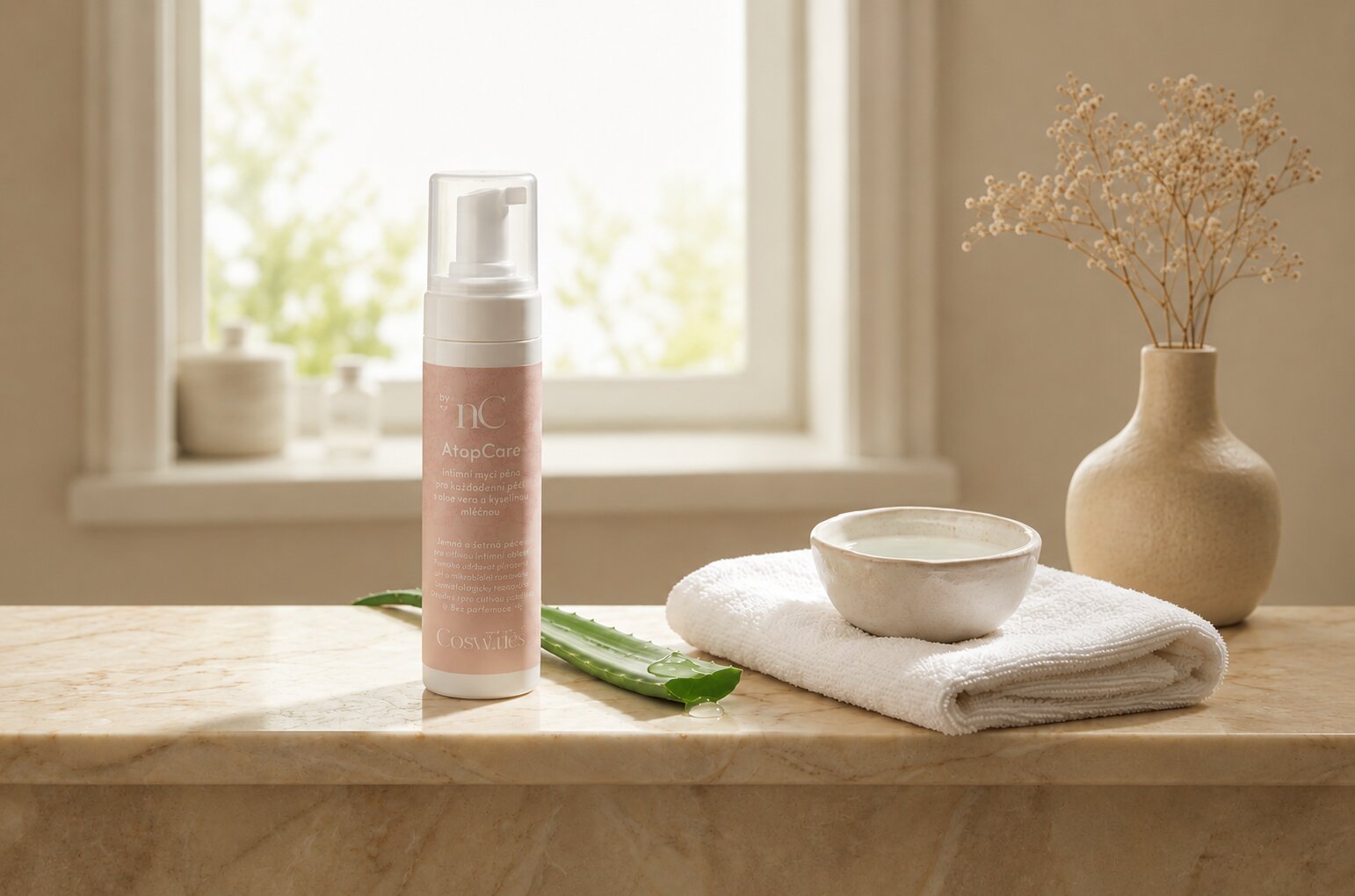
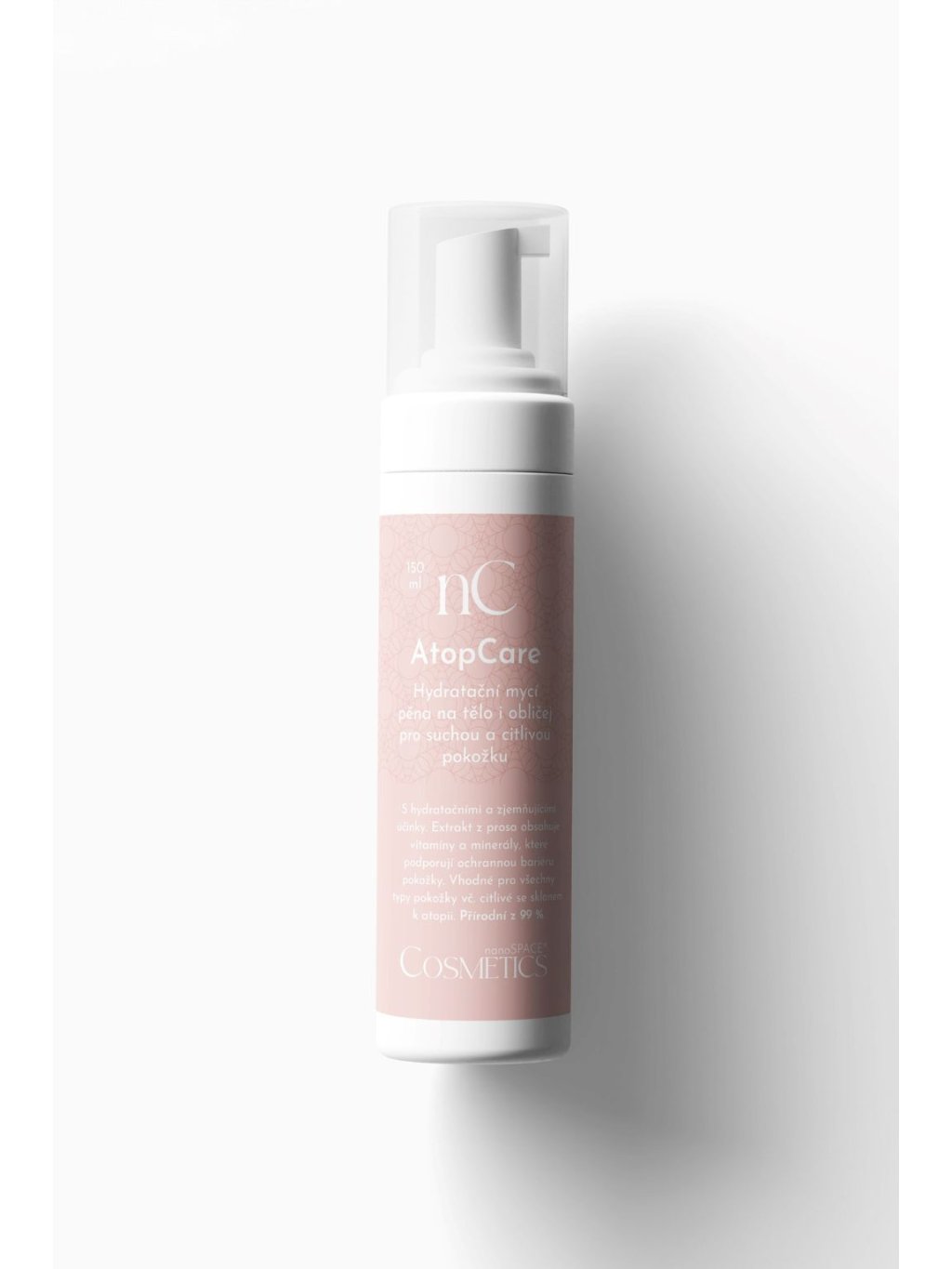
View productIf you're currently working out how best to go about caring for dry skin that's prone to redness, persistent stinging, and a tight, uncomfortable feeling, it's essential to start your routine at the foundation: the cleansing phase. Many people unwittingly damage their skin by using harsh foaming agents that strip the natural lipid barrier. To tackle this, we've developed the specialised AtopCare range. Instead of aggressive, alkaline soaps full of harsh sulphates, we offer a gentle moisturising cleansing foam and a pure natural soap. These formulations cleanse the skin with full respect for its fragility, help prevent moisture loss during washing, and soothe underlying irritation without the need for raw botanical interventions.
Gentle care for skin soothing and hydration
A beautifully radiant, genuinely healthy complexion doesn't depend on miracles, but it does demand consistent, sensible, and incredibly gentle care. Whether you decide to harness the centuries-old power of botanical extracts, or you put your trust in modern science and the nanotechnology developed in Czech laboratories, the golden rule is to listen closely to what your own skin needs. Sensitive skin asks, above all, for gentleness, reliable protection against moisture loss, and a carefully chosen ingredients list that won't strain or disrupt its natural protective barrier.
Frequently asked questions
What is aloe vera good for?
Aloe vera is excellent for soothing irritated skin, particularly after too much sun or for minor burns. Thanks to its high water content and complex polysaccharides, it provides the skin with deep hydration. It forms a breathable protective film that helps prevent moisture loss, while its natural antioxidants and enzymes support tissue regeneration and stimulate collagen production. It also helps calm skin prone to acne or eczema.
Which aloe vera is medicinal?
Although there are hundreds of species of this succulent worldwide, the variety used for cosmetic and health purposes is Aloe barbadensis miller. This "true aloe" contains the optimal, well-studied ratio of water, the important polysaccharide acemannan, vitamins, and enzymes in the mucilage of its fleshy leaves, which numerous clinical trials have proven to have positive effects on human skin.
How to care for an aloe vera plant at home?
Growing aloe vera is fairly straightforward, as it's a hardy desert succulent. It needs very well-draining, sandy soil (ideally a specialised cactus potting mix) and plenty of bright, indirect light. The most common mistake owners make is overwatering. Water the plant only once the soil in the pot has dried out completely; otherwise, you risk root rot, which will quickly kill the plant.
Why shouldn't you keep aloe vera at home?
The main risk of keeping an aloe vera plant in your home is its toxicity to pets. The leaves contain saponins and the irritating compound aloin, which can cause vomiting, diarrhoea, and serious health problems in dogs and cats. On top of that, when you use fresh gel from the leaf at home, there's a real risk of skin irritation from the aloin (the yellow sap beneath the rind) and of introducing bacterial infections into open wounds.
How to use aloe vera gel on the skin?
A high-quality, pure cosmetic gel (free from artificial fragrances and colourants) can be applied directly to a freshly cleansed face as a lightweight hydrating base, or in a thicker layer as a soothing, cooling mask for irritated areas and sunburn. Always check that the product doesn't contain harsh, drying preservatives. If you're using a home-grown leaf, be very careful not to mix the beneficial inner gel with the yellow, highly irritating latex from the outer rind.

Sources
- Maenthaisong, R. et al. (2007) 'The efficacy of aloe vera used for burn wound healing: a systematic review', Burns, 33(6), pp. 713–718.
- Dal'Belo, S. E. et al. (2006) 'Moisturizing effect of cosmetic formulations containing Aloe vera extract in different concentrations', Skin Research and Technology, 12(4), pp. 241–246.
- Surjushe, A. et al. (2008) 'Aloe vera: a short review', Indian Journal of Dermatology, 53(4), pp. 163–166.
- Hekmatpou, D. et al. (2019) 'The Effect of Aloe Vera Clinical Trials on Prevention and Healing of Skin Wound: A Systematic Review', Iranian Journal of Medical Sciences, 44(1).