
Watching your child struggle through the night — coughing, sneezing, scratching itchy skin, or gasping for breath — creates heartbreak that every parent of an allergic child knows intimately. When you realize that the very bed meant to provide rest and comfort harbors millions of dust mites triggering these miserable symptoms, the urgency to find a solution becomes overwhelming.
Choosing anti-allergy bedding for children involves unique considerations that differ from adult bedding decisions: safety concerns about materials and treatments, durability to withstand frequent washing and rough handling, comfort that won't disrupt already-fragile sleep patterns, and effectiveness that actually protects developing respiratory systems from the chronic allergen exposure that can worsen childhood asthma and allergies.
The stakes for getting this decision right are higher with children than adults—early intervention with effective allergen avoidance may prevent the progression from mild allergies to severe asthma, support better sleep critical for growth and development, and establish healthy sleep patterns that benefit children throughout their lives. Understanding which anti-allergy bedding technologies genuinely protect children while meeting their unique needs separates solutions that transform your child's health from expensive disappointments that leave symptoms unchanged and parents frustrated.
.jpg)
Summary for those short on time
- Children respond particularly well to environmental interventions including barrier bedding, with studies showing reduced asthma symptoms, better sleep quality, and decreased need for steroid treatments when allergen exposure is minimized.
- Safety is paramount for children's bedding—look for OEKO-TEX® STANDARD 100 certification, biocompatibility testing showing no negative skin reactions, and chemical-free barrier methods rather than treatments that may irritate sensitive airways.
- Nanofiber barrier technology blocking 99.9% of allergens provides superior protection compared to chemically treated synthetic fillings that wash out or tight-weave materials requiring uncomfortable high-temperature washing.
- Complete systems from nanospace.store include children's anti-allergy duvets, pillows, and Nanocotton® bed sheets sized for kids' beds, creating comprehensive protection addressing all allergen reservoirs.
- Effective children's anti-allergy bedding must balance protection with comfort —materials should be soft, breathable, and pleasant to encourage consistent use, as even perfect barriers fail if children won't sleep on them.
Why Children Need Anti-Allergy Bedding More Than Adults
Developing Immune Systems and Sensitization Risk
Children's immune systems are still developing, making the early years particularly critical for allergen exposure management. Chronic exposure to high levels of dust mite allergens during infancy and early childhood increases the risk of developing persistent allergic sensitization and asthma that continues into adulthood. By creating allergen-free sleep environments from an early age, you potentially prevent the immune system from developing the hypersensitivity that causes lifelong allergy problems.
.jpg)
Read: Dust Mite Allergies in Children and Adults: Symptoms, Manifestations, and Advice
Young children also spend more time in bed than adults—newborns sleep 14-17 hours daily, toddlers 11-14 hours, and school-age children 9-12 hours. This extended exposure to bedroom allergens means children breathe allergen-laden air for a larger proportion of each day than adults do. The cumulative allergen load from these extended sleep periods significantly impacts their developing respiratory systems, making bedroom protection particularly important for preventing sensitization and minimizing symptoms in already-allergic children.
The respiratory and immune system vulnerabilities of childhood mean that dust mite exposure during these formative years can have lasting consequences. Children who develop asthma triggered by dust mite allergies often struggle with the condition throughout their lives, experiencing limitations on physical activity, academic performance challenges from missed school days and poor sleep, and the burden of daily medication management. Early environmental intervention that eliminates bedroom allergen exposure may alter this trajectory, preventing mild allergies from progressing to severe, life-limiting asthma.
The Special Case of Pediatric Asthma and Eczema
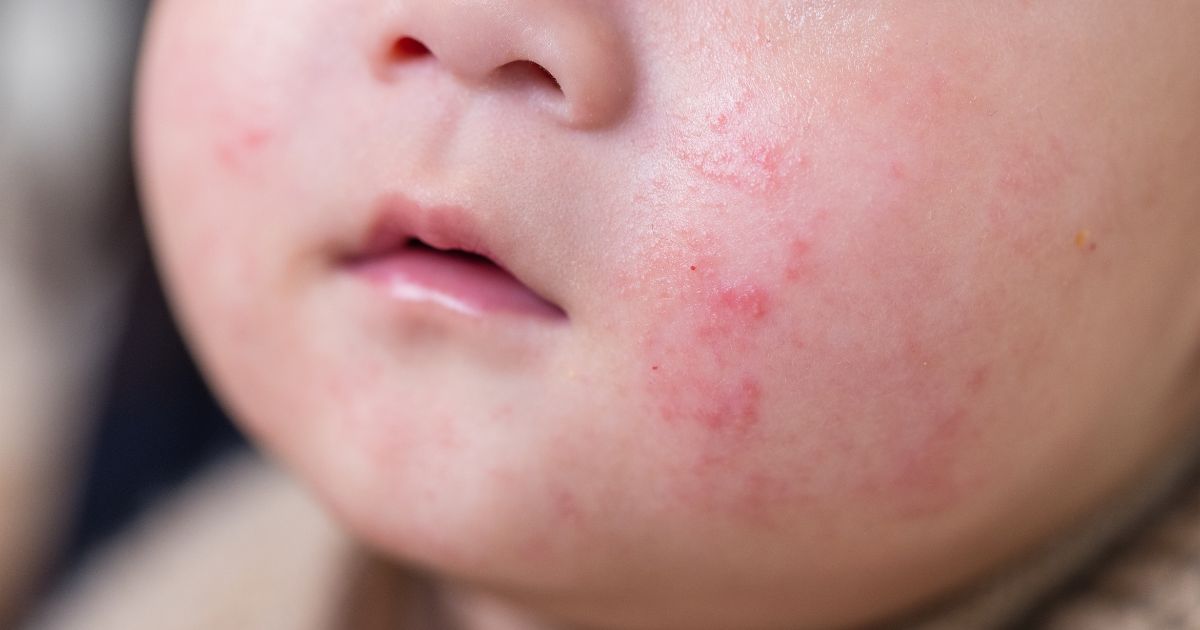
For children already diagnosed with asthma or eczema, effective anti-allergy bedding can be truly transformative. One parent reported that their son's eczema was itchy at night and needed steroid cream every day to try to control it, but after an allergy specialist found he was allergic to house dust mites and recommended barrier mattress covers, the eczema calmed right down and they hardly needed steroid cream at all.
Read: How to Choose Suitable Bed Linen for Allergy and Asthma Sufferers?
Another testimonial describes even more dramatic improvement: a child who suddenly developed wheezing asthma attacks at age 2.5 requiring nebulizer treatments at the hospital multiple times experienced massive improvement in his asthma, eczema, and overall health after implementing barrier covers. His nose no longer looked irritated and split from constantly rubbing to relieve itching. These real-world outcomes demonstrate that for children with dust mite allergies driving asthma or eczema, effective barrier bedding doesn't just modestly improve symptoms—it can fundamentally change their quality of life.
Clinical research supports these anecdotal reports. Studies consistently show that asthmatic symptoms and bronchial hyper-responsiveness are reduced in children with asthma when exposure to house dust mites is minimized by encasing mattresses and using special pillow covers. The earlier these interventions begin, the more dramatic the potential benefits, as you're protecting airways before chronic inflammation causes permanent structural changes that characterize severe, treatment-resistant asthma.
Safety Considerations Unique to Children's Bedding
Chemical Treatments: The Hidden Danger
Many products marketed as "anti-allergy" or "anti-dust mite" rely on chemical treatments—antimicrobial compounds or acaricides applied to fabrics during manufacturing. While these might reduce dust mite populations initially, they raise significant safety concerns for children whose developing bodies may be more vulnerable to chemical exposures than adults.
Some chemically treated bedding uses compounds that, while approved for textile use, haven't been extensively studied for long-term safety in children who spend 10-14 hours daily in direct contact with treated materials. Children with allergies are often chemically sensitive, and the very treatments designed to kill dust mites can trigger respiratory irritation, skin reactions, or other adverse effects. You face the frustrating irony of "anti-allergy" bedding that introduces new chemical irritants potentially as problematic as the dust mites you're trying to avoid.
.jpg)
Read: Anti-Allergy vs Hypoallergenic Bedding: What’s the Difference?
Additionally, chemical treatments progressively wash out with laundering, losing effectiveness after 10-20 wash cycles. Given that children's bedding typically requires more frequent washing than adults' (due to accidents, spills, illness, and general messiness), the already-limited lifespan of chemical protection proves even shorter in practical use. You might invest in chemically treated "anti-allergy" bedding that loses its protective properties within a few months of actual use with a child.
Certification and Testing Requirements
When selecting anti-allergy bedding for children, look for specific certifications and independent testing results that confirm both safety and effectiveness. OEKO-TEX® STANDARD 100 certification verifies that textiles meet rigorous standards for harmful substance testing, ensuring the materials are safe for direct skin contact including for infants and young children. This certification matters particularly for children with eczema or sensitive skin who react to residual chemicals in conventionally processed textiles.
Biocompatibility testing by health institutes provides additional assurance. Products like those from nanospace.store undergo testing by institutions such as the State Institute of Public Health in Prague, which specifically evaluates whether materials cause negative reactions when in contact with human skin. For children's bedding—where skin contact occurs for 10+ hours daily—this confirmation of non-reactivity proves essential for preventing contact dermatitis or allergic reactions to the bedding materials themselves.
Approval by allergy organizations adds credibility. Products certified by Allergy UK, approved by the National Asthma Council's Sensitive Choice® Program, or recommended by pediatric allergy specialists demonstrate that the bedding has been evaluated by experts who understand children's unique needs. When children's hospitals like the Evelina Children's Hospital at St Thomas's London specifically recommend certain barrier products to parents, it reflects clinical experience showing those products deliver meaningful benefits for pediatric allergy patients.
.jpg)
Read: How Anti-Allergy Bedding Actually Works
Understanding Different Anti-Allergy Technologies for Kids
Chemically Treated Synthetic Fillings
Many mainstream anti-allergy products for children use synthetic fillings (hollowfibre, microfibre, or polyester) treated with antimicrobial or anti-dust mite chemicals. Products like Silentnight's anti-allergy bedding feature specially treated hollowfibre designed to combat dust mites and bacteria. Tontine's GreenSphere® Natural Anti Allergy range uses a treatment that kills rather than inhibits dust mites and has been verified to meet asthma and allergy friendly standards.
These products offer several advantages: they're widely available, relatively affordable, and the synthetic fillings are inherently non-allergenic (unlike down or feathers that may trigger separate allergies). The chemical treatments provide protection when the bedding is new, reducing dust mite populations that would otherwise colonize the filling material. Many are machine washable and maintain loft better than natural down after repeated laundering.
However, the fundamental limitation remains: chemical treatments wash out progressively over time. Even products that work well initially lose effectiveness after multiple laundry cycles. For children's bedding that requires frequent washing, this degradation happens faster than with adult bedding. Additionally, some children experience sensitivities to the chemical treatments themselves, particularly those with asthma or eczema whose compromised skin and airways react to irritants that healthy children might tolerate.
#produkty#https://www.nanospace.store/anti-dust-mite-bed-sheets/
Tight-Weave Cotton Barrier Products
Some children's anti-allergy bedding uses tightly woven cotton or cotton-blend fabrics designed to create physical barriers against dust mite penetration. Products marketed with high thread counts or special weaving techniques claim to block allergens through the sheer density of the fabric construction. Cotton offers natural breathability, moisture wicking, and a soft feel that children generally find comfortable.
One company describes their product as made from tightly woven materials combined with patented treatment technology to create an inhospitable environment for dust mites, allowing for easier breathing. These combination approaches attempt to leverage both physical barrier properties and chemical treatments for enhanced effectiveness.
.jpg)
Read: Identifying and Managing Allergies in Infants and Children
The challenge with tight-weave cotton barriers is that even extremely dense weaving creates pore sizes measured in tens or hundreds of thousands of nanometers—still far too large to reliably block dust mites (420,000 nanometers) or their smaller allergen particles (1,000-40,000 nanometers). While tight weaves reduce allergen penetration compared to standard cotton, they don't eliminate it. The residual allergen exposure may still trigger symptoms in highly sensitive children, particularly those with severe asthma or allergies.
Nanofiber Membrane Barriers: The Superior Standard
Nanofiber membrane technology represents the most advanced and effective approach to anti-allergy bedding for children. Unlike chemical treatments or tight weaves, nanofiber membranes create genuinely impermeable barriers through pore sizes as small as 80 nanometers. To appreciate this achievement, consider that this is approximately 5,000 times smaller than a dust mite, 12-500 times smaller than dust mite allergens, and hundreds to thousands of times smaller than bacteria, viruses, and other particles that trigger allergic reactions.
The nanofiber fabric prevents the collection of dust mites, their allergens, viruses, and bacteria in the filling material. Imagine nanofabric as a spider web whose holes are only 80nm in size—dust mites measuring around 420,000nm, allergens at 1,000nm, bacteria at 100-10,000nm, viruses around 100nm, and scabies at 300,000nm simply have no chance to pass through the fabric. This creates absolute physical barriers based on fundamental physics, not probabilistic reductions dependent on chemical concentrations or fabric integrity.
.jpg)
Read: Allergy to Dust: Symptoms and Treatment
Testing by the Technical University of Liberec proves effective capture of microorganisms at ≥99.0% and dust particles at ≥99.9%. Comparative tests clearly show that nanofiber material outperforms other available woven and non-woven barrier fabrics in efficiency, breathability, and water vapor permeability, earning evaluation as the most effective barrier technology available. For children with severe allergies or asthma, this near-complete allergen blocking provides protection that incremental improvements from traditional materials simply cannot match.
nanoSPACE Anti-Allergy Products Specifically Designed for Children
Children's Anti-Allergy Duvets with Nanofiber Protection
nanospace.store offers anti-allergy duvets specifically sized and designed for children's beds, incorporating the same advanced nanofiber membrane technology used in their adult products. These duvets feature three-layer laminate construction: 100% polyester microfiber fabric (90g/m²) on the face side providing softness and smoothness, a nanofiber membrane in the middle acting as the barrier, and 100% polyester knit (50g/m²) on the reverse side adding durability.
The filling consists of 100% polyester ball hollow fiber, which offers several advantages for children: it's inherently hypoallergenic (no animal proteins that might trigger separate allergies), maintains loft even after repeated washing, dries quickly reducing mold or mildew risk, and provides warmth without excessive weight. The nanofiber barrier prevents dust mites from ever accessing this filling, ensuring the duvet remains as allergen-free in year five as when new.
The material guarantees 100% efficiency and safety, with no negative reactions proven when in contact with human skin. For parents concerned about introducing new products to sensitive children, this biocompatibility testing provides reassurance that the bedding won't cause contact dermatitis or allergic reactions to the materials themselves. The OEKO-TEX® STANDARD 100 certification confirms that all components meet stringent safety standards for children's products.
#produkty#https://www.nanospace.store/search/?string=Kids%27+Anti+Allergy+Duvet
Breathability remains excellent despite the impermeable allergen barrier—oxygen molecules measuring only 0.3 nanometers easily pass through the 80-nanometer pores, so the material remains pleasantly breathable even for children who tend to sleep hot. This solves the comfort problem that made traditional plastic barrier covers intolerable for many children, who would kick off uncomfortable bedding during the night and wake up uncovered and exposed to allergens.
Nanocotton® Bed Linen for Children's Beds
For children, nanospace.store offers Nanocotton® bed linen in sizes appropriate for kids' single beds. This revolutionary product, introduced in 2016 as the world's first functional bed linen that can fully replace barrier covers, combines organic cotton comfort with nanofiber membrane protection in integrated bedding that children actually enjoy using.
The three-layer sandwich construction places 100% organic cotton satin on the top surface that contacts your child's skin—completely natural, unbleached, undyed, and gentle enough for even the most sensitive or atopic skin. The middle nanofiber membrane provides the 99.9% allergen blocking, while the bottom polyester layer adds durability to withstand the rough handling children's bedding typically endures.
Using Nanocotton® sheets eliminates the need for separate mattress encasements that many children find uncomfortable or that create crinkling noises disrupting sleep. Children simply sleep on beautiful, soft organic cotton bedding that feels and looks like premium decorative sheets—the protection happens invisibly inside the fabric structure. This dramatically improves compliance compared to traditional barrier systems requiring multiple uncomfortable layers.
#produkty#https://www.nanospace.store/search/?string=+Fox+Pattern
The organic cotton is particularly important for children with eczema or sensitive skin conditions common in allergic children. Conventional cotton often contains residual pesticides, processing chemicals, or dyes that can irritate compromised skin. The completely natural, minimally processed organic cotton in Nanocotton® eliminates these potential irritants, providing the gentlest possible sleep surface while simultaneously delivering maximum allergen protection.
Anti-Allergy Pillows Sized for Children
Pillows represent a particularly critical concern for children's allergen exposure because their faces rest directly against pillow surfaces for 10+ hours nightly. Traditional pillows—whether filled with down, feathers, foam, or synthetic materials—become dust mite colonies within months, concentrating allergens precisely where children breathe them most directly.
nanospace.store offers anti-allergy pillows with integrated nanofiber barriers preventing dust mites from colonizing the filling. Unlike separate pillowcases that parents must remember to use (and that children might remove when changing bedding), these pillows have protection built into their construction. The barrier remains in place regardless of what decorative pillowcases you use over them.
#produkty#https://www.nanospace.store/anti-dust-mite-pillows/
For children, pillow selection should consider both allergen protection and developmental appropriateness. Young children need smaller, thinner pillows than adults to support proper spinal alignment. The anti-allergy pillows should maintain appropriate loft for the child's age while providing comprehensive allergen blocking. The nanofiber barrier technology allows the filling to be chosen for comfort and support while ensuring no dust mites access that filling regardless of the material used.
Creating Complete Protection Systems for Children's Rooms
Why Partial Solutions Leave Children Vulnerable
Many parents make the mistake of implementing partial allergen protection—perhaps using an anti-allergy pillow but standard sheets, or barrier mattress covers but conventional duvets. These incomplete approaches leave significant allergen exposure points that can continue triggering symptoms, leading to disappointing results and the incorrect conclusion that "anti-allergy bedding doesn't work for my child."
A child sleeping on an excellent nanofiber barrier sheet protecting the mattress but using a standard feather pillow still breathes allergens from that pillow all night long. Conversely, barrier pillows prove less effective if the child is lying on an unprotected mattress harboring millions of dust mites that continuously shed allergenic waste onto the sleeping surface. A comprehensive approach addressing all major bedding components—mattress protection through barrier sheets, complete anti-allergy pillows, and barrier duvets—creates the allergen-free sleep environment that delivers maximum symptom relief.
.jpg)
Read: Can Anti-Allergy Bedding Help with Asthma? What Clinical Studies Actually Show
Children's hospitals and allergy specialists recommending barrier bedding typically emphasize complete systems for precisely this reason. When pediatric allergists at institutions like Evelina Children's Hospital specifically recommend certain products, they're drawing on clinical experience showing that comprehensive protection delivers better outcomes than piecemeal interventions. Parents who invest in complete coordinated systems report more dramatic improvements in their children's symptoms than those implementing partial solutions.
Additional Bedroom Environmental Controls
Anti-allergy bedding works most effectively when combined with broader bedroom environmental management. Removing carpeting from children's bedrooms eliminates a major dust mite reservoir that bedding protection cannot address—hard flooring (wood, tile, vinyl, laminate) harbors far fewer mites than carpet and can be easily cleaned to remove settled allergens.
Humidity control proves particularly important for children's rooms. Dust mites thrive in humidity above 50%, so using dehumidifiers or air conditioning to maintain humidity between 30-50% creates conditions less favorable for mite reproduction. This environmental control works synergistically with barrier bedding—the bedding prevents existing mattress mites from reaching your child, while humidity control reduces overall bedroom mite populations.
For children with severe allergies or asthma, nanospace.store recommends treating bedroom ceilings and possibly other rooms with FN NANO® self-cleaning coating, which eliminates allergens, bacteria, and viruses from the air. Alternatively, portable ozone generators effectively clean air of mold, allergens, viruses (including COVID-19), bacteria, and odors. While these represent more advanced interventions, they can provide additional protection for severely affected children whose health significantly benefits from maximum allergen reduction.
.jpg)
Read: Cotton Satin Bedding: The Ultimate Choice for a Good Night's Sleep
Regular cleaning practices adapted for allergy management include damp-mopping floors weekly to prevent allergen resuspension, washing curtains and soft toys regularly in hot water (or freezing them to kill mites), and minimizing fabric furnishings, stuffed animals, and clutter that collect dust. HEPA air purifiers running in children's bedrooms during sleep hours capture airborne allergens, complementing the bedding's barrier protection by addressing particles that don't originate from the bed itself.
Age-Appropriate Selection and Sizing
Infants and Toddlers: Special Considerations
For infants, safe sleep guidelines recommend firm mattresses without pillows, heavy bedding, or soft materials that could present suffocation risks. Anti-allergy protection for babies should focus on barrier crib sheets made from safe, breathable materials like nanofiber bedding that maintains airflow while blocking allergens. Avoid chemical treatments for infants, whose immature detoxification systems make them more vulnerable to chemical exposures than older children.
Light, breathable anti-allergy sleep sacks or wearable blankets provide warmth without loose bedding hazards while still offering allergen protection. As toddlers transition to beds and can safely use pillows, introducing small anti-allergy pillows sized appropriately for their smaller bodies ensures proper spinal alignment while preventing allergen exposure. The earlier you establish allergen-free sleep environments, the better the potential for preventing sensitization during these vulnerable developmental years.
.jpg)
Read: Effective Ways to Get Rid of Dust Mites in Mattress and Upholstery
Toddler bedding should prioritize safety alongside allergen protection—ensure fitted sheets fit securely without gaps where small children could become entangled, avoid long ribbons or ties, and choose lightweight duvets appropriate for young children rather than heavy adult bedding. The nanofiber protection should be integrated into age-appropriate products rather than simply using smaller versions of adult bedding that might not meet safety standards for young children.
School-Age Children and Teenagers
As children grow, their bedding needs evolve but allergen protection remains crucial throughout childhood and adolescence. School-age children and teenagers can use standard anti-allergy bedding sized for twin, full, or larger beds depending on their sleeping arrangements. At these ages, considering children's preferences for bedding appearance becomes important for ensuring consistent use—even the most effective barrier bedding provides zero benefit if self-conscious teenagers refuse to use it because it looks "medical" or different from normal bedding.
Products like Nanocotton® from nanospace.store solve this problem by creating anti-allergy bedding indistinguishable in appearance from premium decorative bedding. Teenagers concerned about aesthetics can enjoy stylish, comfortable bedding that happens to provide medical-grade allergen protection invisibly. This eliminates the compliance issues that sometimes arise when adolescents resist using products that make them feel different from peers or that seem overly focused on their medical conditions.
For teenagers with asthma or allergies, the quality-of-life improvements from effective allergen avoidance prove particularly meaningful. Better sleep translates to improved school performance, more energy for sports and activities, better mood and emotional regulation, and increased independence from constant symptom management. Parents report that teenagers who initially resisted allergy interventions became enthusiastic advocates once they experienced how much better they felt with comprehensive allergen protection.
Practical Considerations: Washing, Maintenance, and Durability
Child-Proof Durability Requirements
Children's bedding endures far rougher treatment than adult bedding—nighttime accidents, spills from late-night drinks, creative arts projects that somehow migrate to beds, jumping games, fort building, and the general rough-and-tumble nature of childhood. Anti-allergy bedding for children must be durable enough to maintain barrier integrity through this challenging use while remaining machine washable for the frequent laundering that children's bedding inevitably requires.
.jpg)
Read: Allergy to Dust: Symptoms and Treatment
Nanofiber barrier bedding from nanospace.store is specifically engineered for durability through its three-layer construction. The protective outer layers shield the delicate nanofiber membrane from mechanical stress, preventing damage from the friction and flexing that occurs during active use. The polyester components provide exceptional tear resistance compared to all-cotton products, better withstanding the pulling and stretching that children's bedding experiences.
The materials maintain their protective properties through hundreds of wash cycles because the barrier comes from permanent physical structure rather than temporary chemical treatments. This proves essential for children's bedding that might require washing twice as frequently as adult bedding. Even after 50-100 washes—representing a year or two of intensive use—the nanofiber membrane continues blocking 99.9% of allergens as effectively as when new.
Washing and Care Instructions
Proper care extends the lifespan of children's anti-allergy bedding while maintaining full protective properties. nanospace.store products can be washed at gentle temperatures of 30-40°C, making them more energy-efficient and environmentally friendly than traditional approaches requiring 60°C washing. This lower temperature washing also proves gentler on fabrics, particularly the organic cotton components that maintain their softness and appearance better when not subjected to near-boiling water.
Use mild, fragrance-free detergents without harsh chemicals, bleach, or optical brighteners that might damage nanofiber membranes or irritate children's sensitive skin. Liquid detergents generally work better than powders, dissolving more completely and leaving less residue that could accumulate in the microscopic pores. Critically, avoid fabric softeners entirely—these waxy coatings can clog nanofiber pores, potentially reducing breathability and barrier effectiveness.
Children's bedding benefits from more frequent washing than adult bedding, but the exact schedule depends on individual circumstances. Weekly washing provides freshness and hygiene for most children, while more frequent washing may be needed during illness, allergy season, or for children with eczema benefiting from maximum cleanliness. The advantage of nanofiber barriers is that allergen protection remains constant between washes—unlike chemically treated bedding that only works immediately after treatment application.
_1.jpg)
Read: Are Nanotechnologies Safe?
Machine washing and drying are acceptable, but gentler cycles and lower heat settings extend fabric life. Air drying or tumble drying at low temperatures preserves the organic cotton's softness and color while protecting all components from heat damage. Avoid ironing directly on nanofiber membrane areas, as excessive heat can damage the ultra-fine fiber structure. With reasonable care, quality children's anti-allergy bedding should provide 5-7+ years of effective service—potentially lasting through multiple years of childhood or even being passed down to younger siblings.
Cost Considerations and Long-Term Value for Families
Investment Analysis for Children's Health
Quality anti-allergy bedding for children requires higher initial investment than standard bedding—a complete nanofiber system including sheets, pillow, and duvet for a child's bed might cost $300-$500 depending on size and specific products chosen. For families already burdened by medical expenses from their child's allergies or asthma, this upfront cost can seem daunting.
Consider this investment against ongoing costs of managing pediatric allergies and asthma without effective environmental control. Allergy medications for children typically cost $30-$100 monthly even with insurance. Asthma controller medications add another $50-$150 monthly. Specialist visits, allergy testing, emergency care for severe reactions or asthma attacks, and indirect costs like parental lost work time from child illness quickly accumulate to thousands of dollars annually.
.jpg)
Read: How Long Does Anti-Allergy Bedding Last?
If comprehensive anti-allergy bedding reduces your child's medication needs by even 25-50%—an outcome some families report achieving —the cost savings could offset the bedding investment within one to two years. More importantly, the health improvements prove invaluable: better sleep supports cognitive development and school performance, reduced steroid needs minimize concerning side effects from long-term medication use, fewer missed school days keep children on track academically, and improved quality of life allows children to participate fully in activities without constant symptom limitations.
The Prevention Value Proposition
For children not yet diagnosed with allergies but at high risk due to family history, investing in anti-allergy bedding represents prevention rather than treatment. Early environmental allergen avoidance may prevent immune system sensitization that leads to lifelong allergy and asthma problems. While this preventive benefit is difficult to quantify (how do you measure a disease that never develops?), preventing chronic conditions proves far more cost-effective than managing them for decades.
The 5-7+ year lifespan of quality nanofiber bedding means the cost spreads across many years of use. When calculated per year, the investment often proves less expensive than repeatedly purchasing cheaper alternatives that require frequent replacement or that don't work effectively, necessitating continued search for solutions. Additionally, some families successfully pass down outgrown children's anti-allergy bedding to younger siblings, further extending the value received from the initial investment.
.jpg)
Read: Best Bedding for Dust Mite Allergy: The Complete 2026 Guide Introduction
Beyond pure economics, consider the emotional value of watching your child sleep peacefully without coughing or struggling to breathe, seeing them wake up refreshed rather than congested and miserable, and knowing you've created the safest, healthiest sleep environment possible. Parents consistently describe effective anti-allergy interventions as "life-changing" for their families—a transformation worth far more than any monetary cost.
Conclusion
Choosing anti-allergy bedding for children requires balancing multiple priorities: effectiveness that genuinely blocks 99%+ of allergens rather than just modestly reducing exposure, safety ensured through certifications like OEKO-TEX® STANDARD 100 and biocompatibility testing confirming no skin reactions, comfort sufficient to encourage consistent use rather than uncomfortable barriers children reject, and durability to withstand the rough handling and frequent washing children's bedding inevitably requires. Children respond particularly well to environmental interventions, with clinical evidence and real-world testimonials demonstrating dramatic improvements in asthma, eczema, and overall health when allergen exposure is eliminated through effective barrier bedding. Modern nanofiber membrane technology with 80-nanometer pores blocking 99.9% of dust mites, allergens, bacteria, and viruses outperforms traditional chemical treatments or tight-weave materials that offer only temporary or partial protection. Complete systems from nanospace.store including children's anti-allergy duvets, pillows, and Nanocotton® bed linen create comprehensive allergen-free sleep environments that support healthy development, better sleep quality, and may prevent mild allergies from progressing to severe, life-limiting asthma. For parents watching their children struggle with allergies, investing in genuinely effective anti-allergy bedding represents not just purchasing products but choosing better health, improved quality of life, and potentially preventing years of suffering—making it among the most valuable decisions you can make for your allergic child's wellbeing and future.
#produkty#https://www.nanospace.store/favourable-sets/
Frequently Asked Questions
At what age can children safely use anti-allergy bedding with nanofiber barriers?
Nanofiber barrier bedding is safe for children of all ages, including infants, when designed appropriately for their developmental stage. For babies, focus on firm barrier crib sheets following safe sleep guidelines (no loose bedding, pillows, or soft materials). Toddlers transitioning to beds can use complete systems including appropriately sized pillows, while school-age children and teenagers can use standard anti-allergy bedding in larger sizes. The OEKO-TEX® certification and biocompatibility testing confirming no skin reactions ensure safety even for newborns and children with sensitive skin.
Will my child notice a difference between nanofiber anti-allergy bedding and regular bedding?
Quality nanofiber bedding like Nanocotton® from nanospace.store feels comparable to premium cotton bedding, and children typically don't notice any difference in comfort. The organic cotton surfaces provide the soft, breathable feel children expect from regular bedding, while the nanofiber membrane works invisibly inside the fabric structure. This is crucial for ensuring consistent use—even perfect barriers fail if children find them uncomfortable and kick them off during the night or refuse to use them.
How much can anti-allergy bedding improve my child's asthma or eczema?
Results vary based on disease severity and whether dust mites are primary triggers, but many parents report dramatic improvements. One testimonial described a child's eczema calming down so much that steroid cream became rarely needed after implementing barrier bedding. Another reported massive improvement in their child's asthma, eczema, and overall health, with chronic nasal irritation resolving completely. Clinical studies show children with asthma experience reduced symptoms and improved lung function when dust mite exposure is minimized through barrier covers. Realistic expectations include noticeable improvement within weeks, with maximum benefit emerging over several months.
Is nanofiber barrier bedding safe for children with multiple chemical sensitivities?
Yes, nanofiber barrier technology is particularly appropriate for chemically sensitive children because protection comes from physical barriers rather than chemical treatments. The nanofiber membrane blocks allergens through pore size alone, requiring no antimicrobial chemicals, biocides, or pesticide treatments that might trigger reactions in sensitive children. The organic cotton in Nanocotton® is completely natural, unbleached, and undyed, eliminating processing chemicals that cause problems for some children. Testing confirmed no negative reactions when the material contacts human skin.
Do I need to replace my child's mattress before using anti-allergy bedding?
No, nanofiber barrier sheets work effectively even over old mattresses heavily colonized with dust mites. The barrier prevents allergens from the mattress from reaching your child during sleep, essentially sealing the allergen reservoir beneath an impermeable layer. Over time, the sealed mite population will decline as they're deprived of food (skin cells), but the immediate benefit comes from blocking exposure rather than eliminating the existing mite colony. This allows families to achieve protection without the major expense of replacing mattresses.