
You touched a hot pan, boiling water splashed onto your wrist, or a spark from the barbecue landed on your forearm. The burn stings, your skin turns red, and you start wondering what to put on it. The internet offers dozens of suggestions — from calendula cream and toothpaste to butter and raw potato slices. Most of these remedies are useless at best and harmful at worst. A proper burn ointment must meet precise criteria: it must not trap heat in the tissue, it must protect damaged skin from infection, and it must support the body's natural regeneration process. In this article, you will learn how to treat burns correctly, which burn ointment actually works according to dermatologists, why vitamin E matters for healing, and when the only right decision is to go straight to hospital.
Key Takeaways if You're Short on Time
- Burns are classified into three degrees — you can safely treat first-degree burns and small superficial second-degree burns at home. Everything else belongs in the hands of a medical professional.
- First aid is always the same: cool the burn under lukewarm running water for 10 to 20 minutes. Never use ice, butter, toothpaste, or oil on a fresh wound.
- Apply burn ointment only after the wound has cooled and begun to close — during the acute phase, cooling and sterile dressing matter far more than creams.
- Vitamin E protects skin from oxidative stress, which worsens tissue damage after a burn. It is most beneficial during the regeneration phase of healing.
- For burns on the face, hands, joints, or genitals, or burns larger than the palm of your hand, always call emergency services immediately.
Three Degrees of Burns — What Happens Beneath the Skin
Not every burn is the same. Severity depends on how deeply heat has penetrated the skin, and the depth of damage determines whether you can manage at home or need medical attention. Dermatologists distinguish three degrees of burns, each requiring a different approach to treatment.
First-Degree Burns
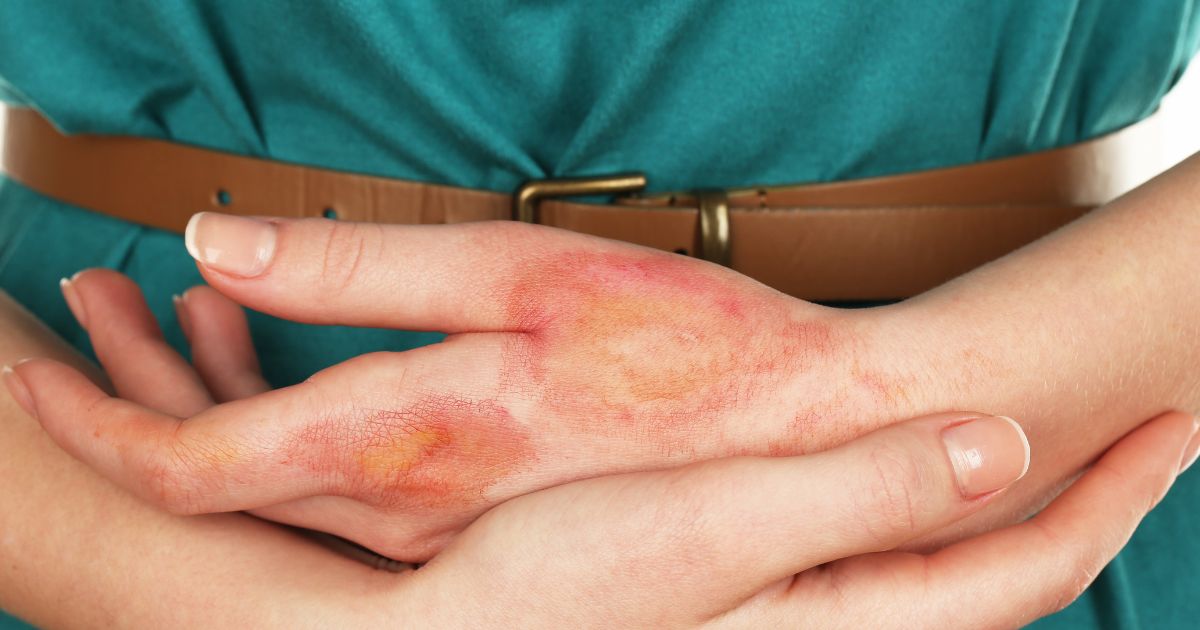
Heat has affected only the epidermis — the outermost layer of the skin. The area reddens, swells slightly, and hurts when touched, but no blisters form. A typical example? Mild sunburn or a brief contact with a hot pan. This is the most common type of burn and heals spontaneously within three to seven days without scarring. First-degree burns are precisely where a burn ointment makes the greatest difference — it accelerates regeneration and protects the skin until it fully recovers.
Second-Degree Burns
Heat has penetrated through the epidermis into the dermis, and blisters filled with clear fluid appear. The skin beneath the blister is pink, moist, and extremely painful. Superficial second-degree burns heal within two to three weeks, usually without significant scarring. Deep second-degree burns, however, reach the lower layers of the dermis and may leave a scar — these always require professional medical care.
Third-Degree Burns
The full thickness of the skin is destroyed. The burned area may appear white, grey, yellow, or even charred. Paradoxically, these burns are less painful than second-degree ones because the nerve endings have been destroyed as well. Third-degree burns never heal on their own — they always require surgical treatment and potentially skin grafts. If you suspect a third-degree burn, call emergency services immediately.
First Aid for Burns — Steps That Determine How Well You Heal
Proper first aid in the first few minutes after a burn fundamentally influences how quickly and how well the injury heals. An incorrect approach, on the other hand, can deepen the damage and prolong treatment by weeks.
What to Do Immediately
Cool the burned area under lukewarm running water for 10 to 20 minutes. Do not use ice-cold water or ice — extreme cold causes vasoconstriction (narrowing of blood vessels), which restricts blood flow to the damaged area and slows healing. The ideal water temperature is around 15 to 20 degrees Celsius. Cooling stops heat from spreading into deeper skin layers, reduces pain, limits swelling, and significantly improves the prognosis for healing.
While cooling, remove rings, bracelets, and watches from around the burn — the affected area will start to swell, and removing them later may become difficult or impossible.
What You Must Never Do
Never apply butter, lard, oil, toothpaste, or any cream to a fresh burn. Greasy substances trap heat in the tissue and deepen the damage. Toothpaste contains menthol, which creates a sensation of coolness but actually irritates the open wound and increases the risk of infection. Do not burst blisters — the fluid inside protects the damaged layers of skin better than any bandage and forms a natural barrier against bacteria.
Burn Ointment — When and Which One to Use
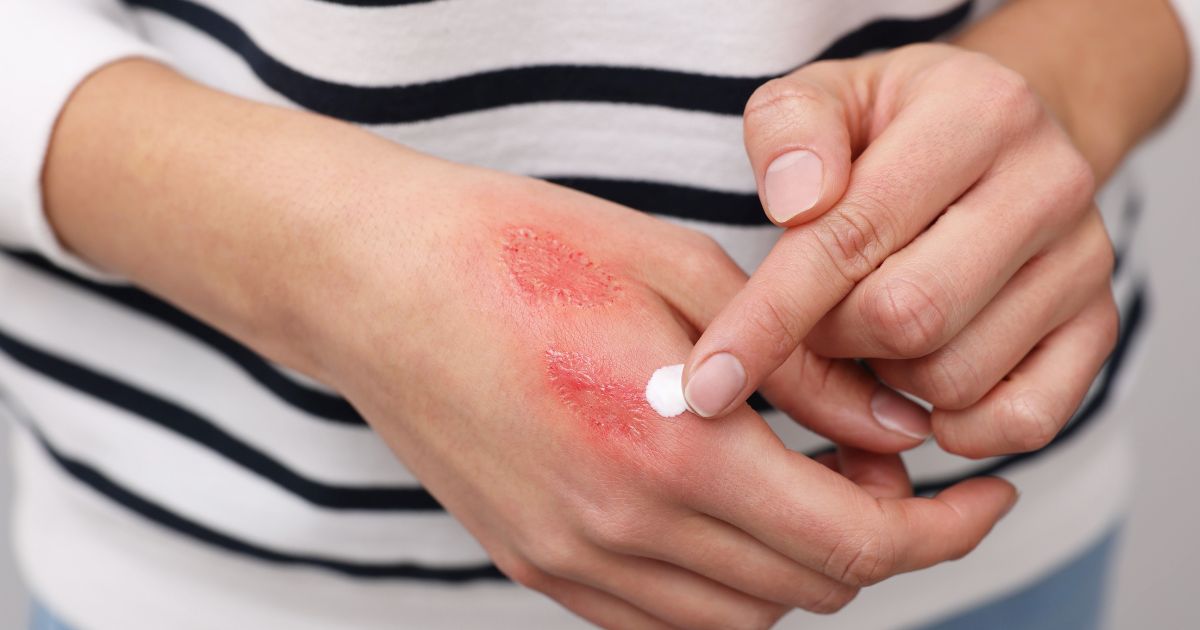
Timing is just as important as choosing the right product when treating burns. A burn ointment has its place in treatment, but not during the acute phase immediately after the injury. Apply it only once the burn has cooled and new skin is beginning to form — for first-degree burns, this is typically after 24 to 48 hours; for superficial second-degree burns, after the blisters have naturally reabsorbed.
Dexpanthenol (Provitamin B5)
The gold standard for treating mild burns. Dexpanthenol converts to pantothenic acid in the skin, accelerating fibroblast proliferation and the formation of new epithelial tissue. Products containing dexpanthenol (Panthenol spray, Bepanthen) are suitable from the moment the burn has cooled — they hydrate, soothe, and support regeneration without sealing the wound.
Aloe Vera
Aloe vera gel has anti-inflammatory and cooling properties that relieve pain and irritation. Clinical studies confirm that aloe vera accelerates epithelialisation in first-degree and superficial second-degree burns. It is important, however, to use pure gel without fragrances or alcohol — these would further irritate the damaged skin.
Burn Ointment with Vitamin E
Vitamin E plays a specific role in burn healing. It is not a burn ointment in the traditional sense — it does not work as first aid or as a replacement for surgical treatment. Its strength lies in protecting damaged tissue from oxidative stress, which worsens cell destruction around the wound after a burn. A review study published in the Journal of Burn Care & Research (2022) confirmed that vitamin E reduces lipid peroxidation in burned tissue and supports regeneration.
When does a burn ointment with vitamin E make sense? During the regeneration phase — once the acute inflammation has subsided and the skin has begun forming new layers. At this stage, the Regenerating Ointment AtopCare with 5% vitamin E protects fragile new skin, supports skin barrier restoration, and maintains the hydration that is essential for proper healing.
Hydrogel and Specialist Dressings
For second-degree burns, specialist products such as Flamigel, HemaGel, or WaterJel exist — hydrogel dressings that maintain the moist environment ideal for healing, cool the wound, and protect it. These products are available without prescription in pharmacies and serve as a useful complement to professional treatment.
Old Wives' Tales Under the Microscope — What Works and What Harms
Generations have passed down home remedies for treating burns that sound logical but can cause more harm than good in practice. Let us examine the most common ones.
Butter or lard on a burn — does not work and causes harm. Fat traps heat in the tissue, prolongs the period of cell damage, and creates a breeding ground for bacteria. Never apply greasy substances to a fresh burn.
Cold water or ice — partly true, but with a caveat. Cool water is fine; ice is not. Freezing temperatures cause vasoconstriction and can even lead to frostbite on already damaged skin. The ideal approach is lukewarm water at around 15 to 20 degrees Celsius for 10 to 20 minutes.
Honey on a burn — surprisingly effective, but with conditions. Medical-grade honey (Manuka honey, sterilised) genuinely supports wound healing thanks to its antibacterial and anti-inflammatory properties. Ordinary honey from the supermarket, however, is not sterile and should not be applied to an open wound. If you wish to use honey, obtain medical-grade honey from a pharmacy.
Toothpaste — does not work and causes harm. The menthol in toothpaste creates a sensation of coolness, but the chemicals (fluoride, SLS) irritate damaged skin and increase the risk of infection.
Potato on a burn — does not work. Starch compresses have no scientifically proven effect on burn healing. If you need to cool the area, simply use water.
Vitamin E and Burn Healing — What the Science Says
The relationship between vitamin E and burn healing is more complex than it might first appear, and that is precisely why it deserves a thorough examination. Scientific studies show that vitamin E affects burn healing on several levels — though not all of these effects are equally well documented.
Antioxidant Protection of Damaged Tissue
A burn triggers massive oxidative stress. Heat-damaged cells release reactive oxygen species (ROS), which go on to destroy surrounding healthy tissue — a process known as secondary damage. Vitamin E, as the principal lipid-soluble antioxidant in the skin, interrupts the chain reactions of lipid peroxidation and protects cell membranes around the burn. A study published in the Journal of Burn Care & Research (2022) confirmed that vitamin E supplementation reduces oxidative markers in burn patients and supports faster tissue recovery.
Supporting Skin Barrier Regeneration
After a burn, the skin barrier is compromised or completely destroyed. Transepidermal water loss (TEWL) rises dramatically — the skin dries out, becomes vulnerable, and is susceptible to infection. Vitamin E supports the restoration of the lipid matrix in the stratum corneum, protects ceramides and fatty acids from oxidation, and helps restore the skin's ability to retain moisture. In combination with oat oil, which increases ceramide production by 70%, barrier regeneration is significantly accelerated. This is why a burn ointment containing both vitamin E and oat oil delivers superior results.
Anti-Inflammatory Effects
Gamma-tocopherol — a form of vitamin E present in the skin — inhibits the production of prostaglandin E2 and nitric oxide, two mediators of inflammation. Reducing inflammation during the regenerative phase of healing allows fibroblasts (the cells that produce new collagen) to work more efficiently, without the disruption caused by chronic inflammation.
What Vitamin E Cannot Do
It is important to be honest: vitamin E is not a miracle cure for burns. It does not replace cooling, it does not heal third-degree burns, and it does not remove burn scars. A study from 1999 (Dermatologic Surgery) even showed that topical application of vitamin E to scars did not produce a statistically significant improvement in their appearance. Vitamin E does, however, demonstrably help during the regeneration phase — it protects new skin, supports hydration, and reduces inflammation. That is precisely why a burn ointment with vitamin E has a rightful place in every home first-aid kit.
Editor's Pick
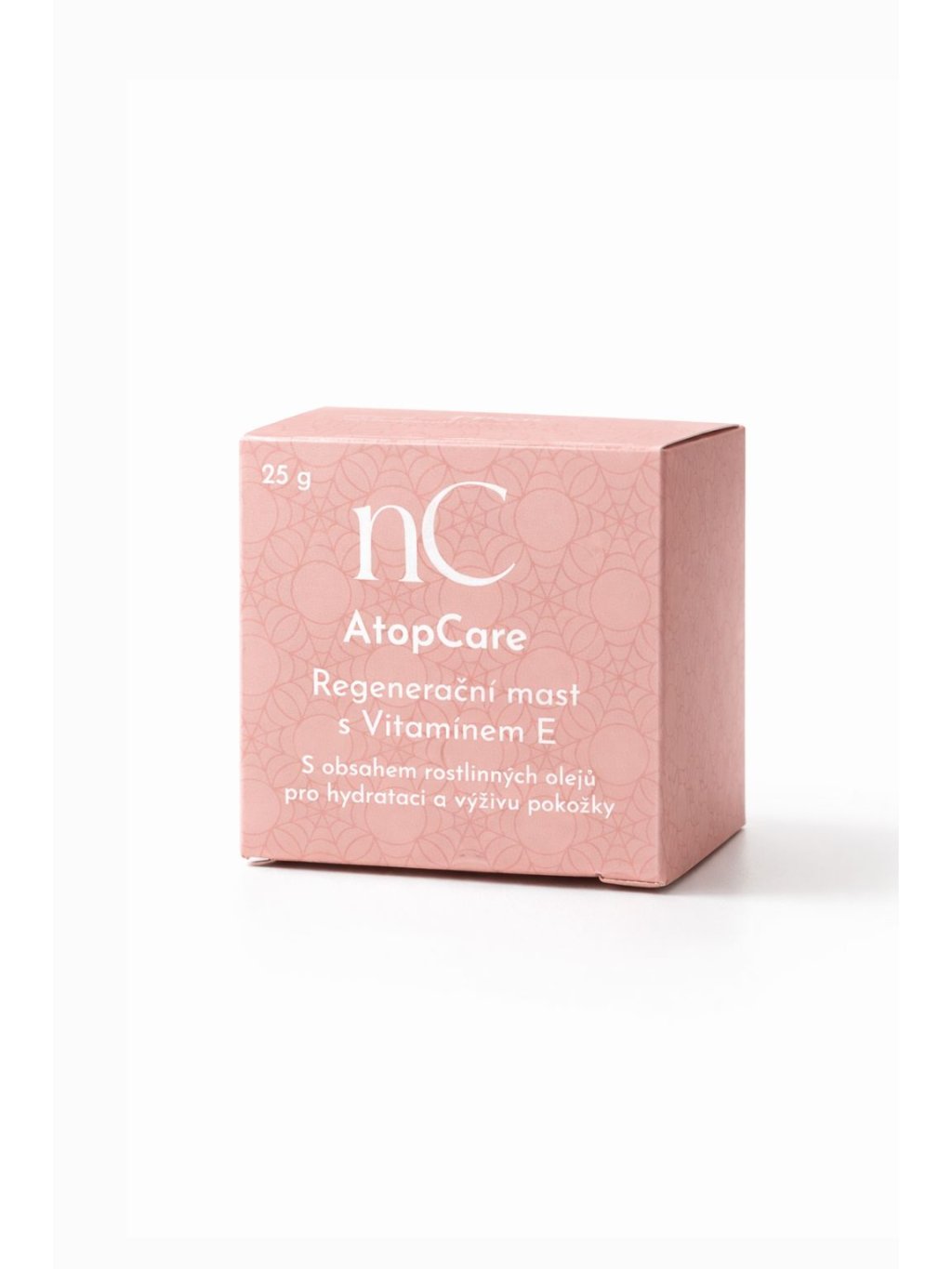
Regenerating Ointment with 5% Vitamin E AtopCare
An exceptional 5% concentration of vitamin E combined with ethyl ferulate, oat oil, and coconut oil. Supports the regeneration of damaged skin, restores the skin barrier, and protects against oxidative stress. Free from parabens, silicones, and fragrances — suitable even for the most sensitive skin.
View ProductHow to Care for Your Skin After a Burn — Day by Day
Burn healing progresses through three phases, each requiring a different approach. Following the correct procedure minimises the risk of complications, shortens healing time, and reduces the likelihood of scarring.
Days 1 to 3: The Inflammatory Phase
The body responds to the injury with inflammation — the area is red, swollen, and painful. During this phase, the most important thing is to keep the wound clean and protected. A first-degree burn can be left open to air or covered with a light sterile dressing. Use dexpanthenol products (Panthenol spray) that hydrate and soothe without sealing the wound. Do not use greasy ointments during this phase — a burn ointment applied too early can trap heat and impede the initial healing response.
Days 3 to 10: The Proliferative Phase
The skin begins generating new cells. Fibroblasts produce collagen, keratinocytes migrate across the wound surface, and new epidermis starts to form. At this stage, you can introduce a burn ointment with vitamin E — the Regenerating Ointment AtopCare protects fragile new skin with its antioxidant activity, supports skin barrier restoration with oat oil, and maintains optimal hydration with coconut oil. Apply gently in a thin layer, two to three times daily.
Day 10 to 21 and Beyond: The Remodelling Phase
The new skin strengthens and matures. Collagen fibres reorganise, and the barrier gradually restores itself. This phase can last weeks to months. Continue moisturising regularly — skin after a burn needs intensive hydration for far longer than you might expect. A burn ointment with vitamin E is particularly beneficial during this phase because it protects immature skin from UV radiation and environmental pollutants.
Five Warning Signs — When to See a Doctor Immediately
Most first-degree burns can be managed at home. There are situations, however, where home treatment is insufficient or outright dangerous. The following five signs mean you need professional help — without delay.
1. The burn is larger than the palm of the affected person. Extensive burns mean greater fluid loss, a higher risk of infection, and potential shock. Even if it appears to be "just" a first-degree burn, a doctor should assess the overall condition.
2. The burn is on the face, hands, joints, or genitals. These areas are functionally sensitive — improper healing can restrict joint mobility, alter facial expression, or cause permanent complications.
3. Blisters larger than 2 cm have formed. Large blisters indicate deeper dermal damage. A doctor will determine whether it is safe to let them reabsorb naturally or whether controlled treatment is needed.
4. The burn has not healed after 10 days. A first-degree burn should show visible improvement within five to seven days. If it has not, the damage may be deeper than initially thought, or an infection may have developed.
5. Signs of infection appear: increasing pain after several days (instead of subsiding), redness spreading to surrounding areas, purulent discharge, fever, or an unpleasant odour from the wound. A burn infection can be a serious complication — do not wait it out.
Preventing Burns at Home
Most burns happen at home — in the kitchen, bathroom, and while working in the garden. A few simple habits can dramatically reduce the risk. Turn pan handles away from the edge of the cooker so children cannot reach them. Place hot drinks out of children's reach — ideally at least 30 cm from the edge of the table. In the bathroom, set your boiler thermostat to a maximum of 49 degrees Celsius. When barbecuing, use long tongs and a protective apron. And in your home first-aid kit, always keep Panthenol spray, sterile gauze, and a burn ointment with vitamin E ready — for when prevention falls short.
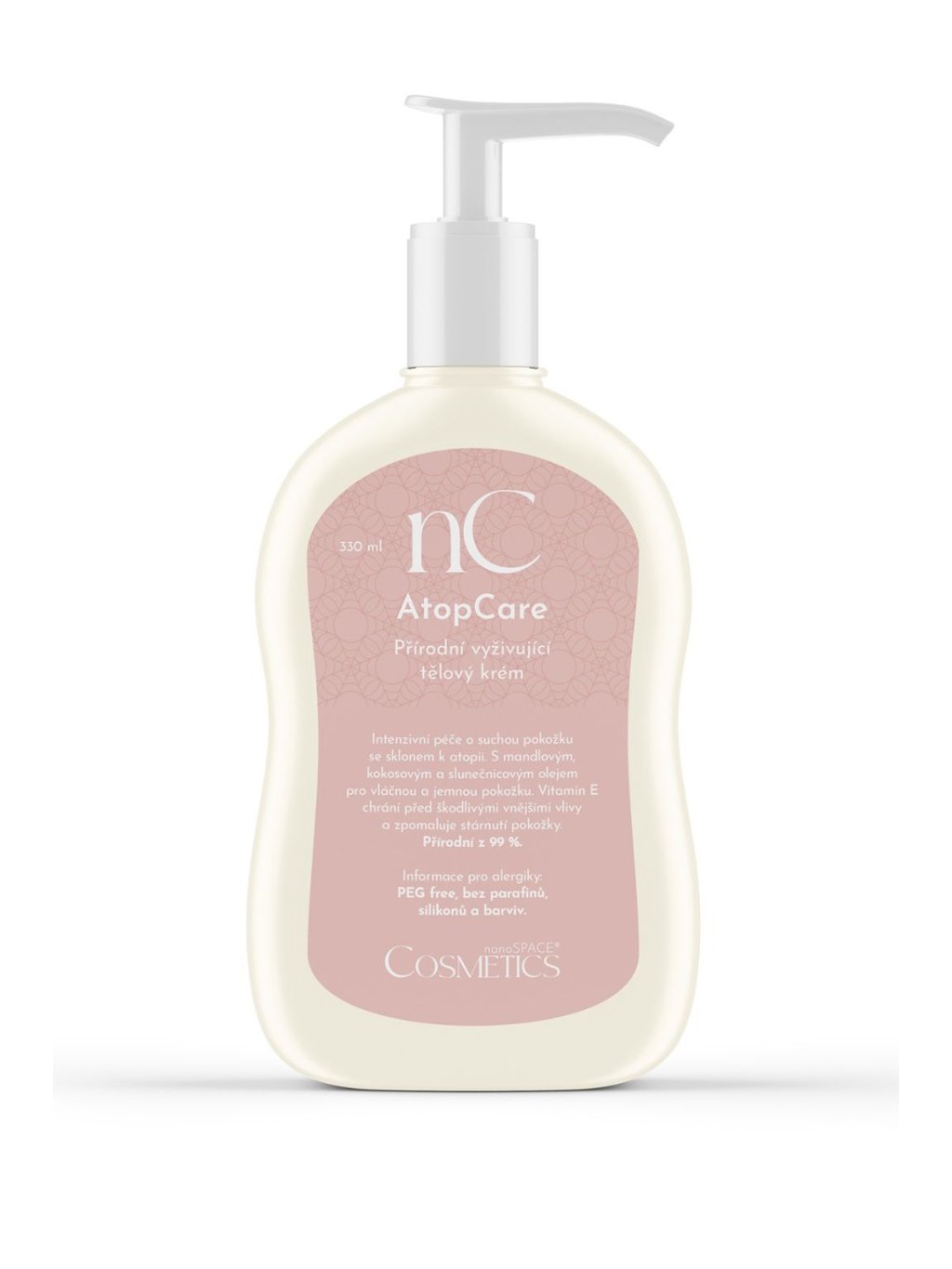
For those who suffer from dry, cracked hands due to frequent washing and contact with hot water, the Natural Nourishing Hand Cream AtopCare provides relief while delivering vitamin E directly where your skin needs it most.
Skin Regeneration Support

Conclusion — Do Not Underestimate Burns, but Do Not Panic Either
The correct approach to burns can be summed up in three words: cool, protect, regenerate. Cool the burn under lukewarm running water, protect the wound with sterile dressing, and during the regeneration phase support the skin with a burn ointment containing vitamin E — one that prevents oxidative damage to new tissue and restores the skin barrier. A burn ointment is not a substitute for medical care in the case of severe burns. But for the mild, everyday burns that happen to all of us, it can be the difference between a week of discomfort and a swift, trouble-free recovery.
Frequently Asked Questions
What is the best burn ointment?
For mild first-degree burns, dexpanthenol products (Panthenol spray) are most effective in the acute phase. During the regeneration phase (from day two or three onwards), a burn ointment with vitamin E protects new skin and supports skin barrier restoration. The ideal formulation combines vitamin E with oat oil and ethyl ferulate for a synergistic antioxidant and anti-inflammatory effect.
When can I apply burn ointment to a burn?
Never apply any ointment to a fresh burn — first cool the area under lukewarm water for 10 to 20 minutes. Greasy products can be used no sooner than 24 to 48 hours after a first-degree burn, once the skin is no longer hot and has begun to regenerate. For burns with blisters, wait until the blister has been reabsorbed or has healed.
Does vitamin E help with burn scars?
Vitamin E demonstrably supports skin regeneration and protects new tissue from oxidative damage, which can contribute to a better appearance of healed skin. Scientific studies, however, have not confirmed that vitamin E significantly improves the appearance of existing scars. Its greatest benefit is preventive — used during the healing process, it helps minimise the extent of damage.
Is butter a good remedy for burns?
No — never apply butter to a burn. Fat traps heat in the tissue, deepens the damage, and creates a breeding ground for bacteria. Likewise, do not use lard, oil, or toothpaste. During the acute phase, cool only under lukewarm running water (15 to 20 degrees Celsius) for 10 to 20 minutes.
When should I see a doctor about a burn?
Always see a doctor if the burn is larger than the palm of your hand, is located on the face, hands, joints, or genitals, blisters larger than 2 cm have formed, the wound has not healed after 10 days, or signs of infection appear (increasing pain, spreading redness, pus, fever). For third-degree burns and burns in children under three years of age, call emergency services immediately.

Sources
- Zarei, F., Abbaszadeh, A. (2022) 'The Role of Vitamin E in Thermal Burn Injuries, Infection, and Sepsis: A Review', Journal of Burn Care & Research, 43(6), pp. 1260–1270 (PMC9629418).
- Hobson, R. (2016) 'Vitamin E and wound healing: an evidence-based review', International Wound Journal, 13(3), pp. 331–335 (PMC7949595).
- Keen, M. A., Hassan, I. (2016) 'Vitamin E in dermatology', Indian Dermatology Online Journal, 7(4), pp. 311–315 (PMC4976416).
- Baumann, L. S., Spencer, J. (1999) 'The Effects of Topical Vitamin E on the Cosmetic Appearance of Scars', Dermatologic Surgery, 25(4), pp. 311–315.
- European Burns Association (2017) 'European Practice Guidelines for Burn Care', European Burns Journal, 4(1), pp. 1–36.