
Imagine two ingredients that each work well on their own — but when you combine them, their effects multiply. That is precisely how ethyl ferulate works alongside vitamin E and oat oil. Ethyl ferulate is a more stable form of ferulic acid, an ingredient that science has studied so thoroughly over the past two decades that we now know exactly why and how it protects the skin from damage. And we also know why vitamin E alone is not enough — and why only in the right combination can it truly transform the condition of your skin. In this article, we will show you what happens at the molecular level when ethyl ferulate, oat oil, and vitamin E work together, what scientific evidence supports this combination, and why we chose precisely this formulation for the AtopCare range.
Key Takeaways if You're Short on Time
- Ethyl ferulate releases gradually (25% over 8 hours vs. 80% for free ferulic acid), providing all-day antioxidant protection instead of a short-lived burst.
- The combination of vitamins C + E + ferulic acid doubles photoprotection from 4-fold to 8-fold (Lin et al. 2005, Journal of Investigative Dermatology).
- Oat oil increases ceramide content in the skin by up to 70%, contains avenanthramides with anti-inflammatory properties, and beta-glucans for deep hydration.
- Ethyl ferulate inhibits the enzyme NADPH oxidase, stopping the production of reactive oxygen species at the source — it extinguishes the fire before it even starts.
- Fewer ingredients, better results: instead of dozens of components at minuscule concentrations, we chose a handful of proven ingredients at effective levels.
What Is Ethyl Ferulate and How Does It Differ From Ferulic Acid
Ferulic acid (4-hydroxy-3-methoxycinnamic acid) belongs to the family of phenolic antioxidants. It occurs naturally in rice bran, oats, maize, and coffee beans — it is one of the most abundant plant phenolic acids of all. In skincare, it gained prominence primarily thanks to a 2005 study in which the team led by Professor Sheldon Pinnell demonstrated that adding ferulic acid to vitamins C and E dramatically increases the skin's protection against UV radiation.
However, free ferulic acid has a problem: it degrades quickly in aqueous solutions, is unstable at higher pH, and once applied to the skin it releases too rapidly. That is why scientists developed its ethyl ester — ethyl ferulate (FAEE, ferulic acid ethyl ester). Ethyl ferulate retains all the biological effects of the parent acid but adds two fundamental advantages: greater stability in formulations and slow, controlled release in the skin.
How slow? A study published in Molecules (PMC6271385) showed that while free ferulic acid releases up to 80% from a preparation within 8 hours, ethyl ferulate reaches only 25% in the same period. This is not a disadvantage — quite the opposite. Your skin thus receives antioxidant protection continuously throughout the day, rather than a one-off "burst" in the first hour after application.
Why Vitamin E Alone Is Not Enough
Vitamin E (alpha-tocopherol) is the primary fat-soluble antioxidant that protects the lipid layers of the skin. A study by Thiele (1998) demonstrated that a single dose of UV radiation depletes up to 50% of vitamin E in the stratum corneum — and this occurs even below the threshold for visible redness. This means that even ordinary sun exposure dramatically reduces your skin's natural antioxidant reserves. We covered how vitamin E functions in the skin and what role its concentration plays in detail in our article about the effects of vitamin E on the skin.
But vitamin E works within what is known as an antioxidant chain. When it neutralises a free radical, it itself transforms into a radical form — the tocopheryl radical. To function again, it needs regeneration. And this is exactly where ferulic acid enters the scene: it donates an electron to vitamin E, returning it to its active form. The result is that vitamin E "lasts" in the skin much longer and protects it more effectively.
The study by Lin and colleagues (2005), published in the Journal of Investigative Dermatology, quantified this synergistic effect: while vitamins C and E alone increase photoprotection 4-fold, adding ferulic acid doubles it to 8-fold. This makes the combination of ethyl ferulate and vitamin E one of the most powerful antioxidant partnerships in modern dermatology.
Ethyl Ferulate Inhibits NADPH Oxidase — Stopping Oxidative Stress at the Source
Most antioxidants in skincare work reactively: they wait for a free radical to appear and then neutralise it. Ethyl ferulate goes a step further. Scientific literature (PMC6271385) documents its ability to inhibit the enzyme NADPH oxidase — one of the primary sources of reactive oxygen species (ROS) in the skin. Put simply, ethyl ferulate does not put out a fire that is already burning — it turns off the tap from which the fuel is flowing.
NADPH oxidase is activated by UV radiation, inflammation, and contact with environmental pollutants. Its inhibition means that the skin produces fewer free radicals from the very outset — so vitamin E does not have to neutralise as many radicals. Think of it this way: instead of constantly mopping the floor, you have finally repaired the leaking tap.
Oat Oil — Why It Is the Ideal Partner for Ethyl Ferulate
Oat oil (Avena sativa kernel oil) is not just another plant oil in a long line. It is one of the few ingredients that combines three distinct mechanisms of action: skin barrier reinforcement, anti-inflammatory activity, and deep hydration. We explored it in depth in our article on how oat oil works and why science considers it exceptional.
Ceramides and Skin Barrier Repair
The skin barrier operates on a "bricks and mortar" principle — corneocytes (bricks) are held together by a lipid matrix (mortar) composed of ceramides, cholesterol, and fatty acids. When this barrier is compromised — whether by atopic eczema, excessive washing, or external aggressors — the skin loses water, reacts with irritation, and regenerates poorly. We wrote about what happens when the skin barrier stops functioning properly in a dedicated article on extremely dry skin and what genuinely helps.
A study published in the International Journal of Molecular Sciences (PubMed 27272074) showed that lipids from oat oil increase ceramide synthesis in keratinocytes by up to 70%. This is an outstanding result — most plant oils soften the skin but do not directly stimulate ceramide synthesis. Oat oil does, because its fatty acids (particularly linoleic and oleic acid) serve as building blocks for ceramide production.
Avenanthramides — Anti-Inflammatory Molecules Found Only in Oats
Avenanthramides are phenolic alkaloids unique to oats. In the skin, they inhibit the activation of the transcription factor NF-kappaB, which governs the production of pro-inflammatory cytokines. The practical impact? Less redness, less itching, faster calming of irritated skin. This is why oat extracts have traditionally been used for atopic eczema, contact dermatitis, and other inflammatory skin conditions.
And here a synergistic effect with ethyl ferulate emerges: while ethyl ferulate blocks the production of free radicals via NADPH oxidase, avenanthramides from oat oil suppress the inflammatory response via NF-kappaB. The skin thus receives protection on two fronts — antioxidant and anti-inflammatory.
Beta-Glucans for Hydration
Oat oil contains soluble beta-glucans, polysaccharides capable of binding water. On the skin's surface, they form a light film that prevents transepidermal water loss (TEWL) without clogging pores. This is a different mechanism from hyaluronic acid (a humectant that draws water from the surroundings) — beta-glucans function more as an occlusive layer that "locks" water into the skin.
Why We Chose This Combination for the AtopCare Range
The cosmetics market is full of products with dozens of ingredients, where each component is present in such a small concentration that its effect is more decorative than functional. The nanoSPACE Cosmetics approach is different: we select ingredients with proven efficacy, include them at effective concentrations, and combine them so that they reinforce one another.
The Regenerating Ointment AtopCare contains 5% vitamin E — the upper end of the standard cosmetic range of 0.5 to 5%. Ethyl ferulate ensures the gradual release of antioxidants throughout the day and simultaneously regenerates vitamin E back into its active form. Oat oil stimulates ceramide production, calms inflammation, and hydrates. Every ingredient has its role and none is there to pad out the label.
Why specifically 5% vitamin E? Because scientific literature indicates that higher concentrations no longer deliver proportionally better results and can cause irritation in sensitive skin. The 5% concentration is the "sweet spot" — high enough for measurable results, safe even for atopic skin.
Editor's Pick
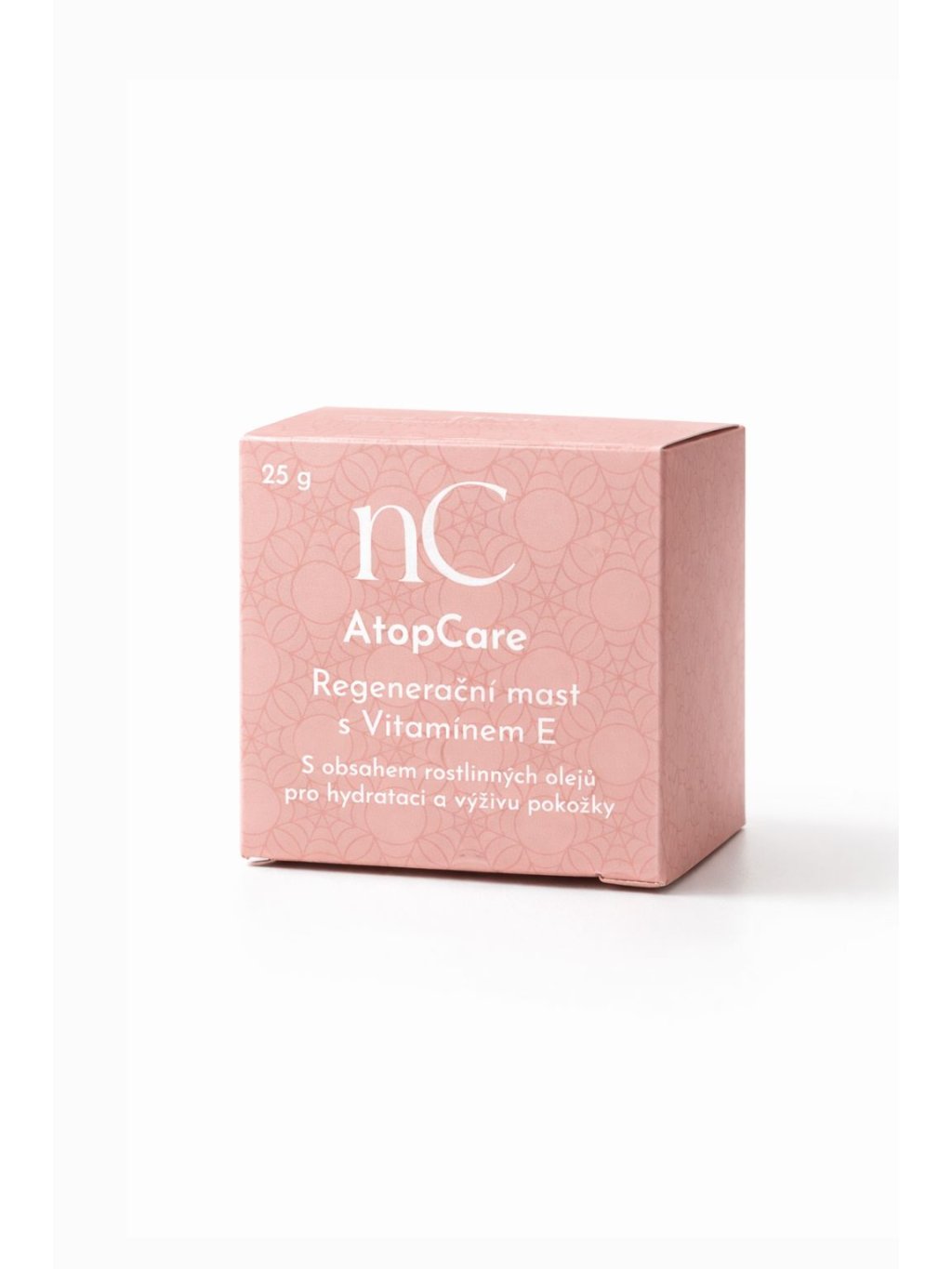
Regenerating Ointment With 5% Vitamin E AtopCare
Ethyl ferulate, oat oil, and 5% vitamin E in a single ointment. All-day antioxidant protection with gradual release. Free from parabens, silicones, and fragrance — suitable even for atopic skin.
€10
View productCoconut Oil and Monolaurin — the Antimicrobial Shield
The AtopCare range also contains coconut oil, and for a very specific scientific reason. Coconut oil is rich in lauric acid, which is converted in the skin into monolaurin — a glyceride with proven antimicrobial properties. Monolaurin disrupts the lipid membranes of bacteria and yeasts, helping to maintain the natural skin microbiome in balance.
Why does this relate to ethyl ferulate? Because oxidative stress and a compromised skin barrier create an environment favourable to pathogenic microorganisms. Ethyl ferulate and vitamin E protect the barrier from oxidative damage, oat oil strengthens it with ceramides — and coconut oil adds antimicrobial protection. These are four layers of defence that complement each other.
Hop Extract — an Antioxidant Few People Know About
A surprising ingredient in the AtopCare range is hop extract (Humulus lupulus). Hops are most commonly associated with the brewing industry, but their cosmetic potential is considerable. A systematic review published in Molecules (PMC8951350) documents that xanthohumol and other prenylated flavonoids in hops possess strong antioxidant and anti-inflammatory effects.
Xanthohumol inhibits the formation of reactive oxygen species through a similar mechanism to ethyl ferulate — but via different enzymatic pathways. This means that ethyl ferulate and hop extract complement each other rather than "competing" for the same receptors. The result is broader antioxidant coverage and more robust skin protection.
Ethyl Ferulate and Photoprotection — What the 2005 Study Reveals
The study by Lin and colleagues is considered a landmark in dermatology. The research team applied various combinations of antioxidants to pig skin (structurally the closest to human skin) and then exposed the skin to UV radiation. They measured sunburn cells (UV-damaged cells), thymine dimers (DNA damage), and erythema (redness).
Vitamin C alone increased photoprotection approximately 2-fold. The combination of vitamins C and E raised it 4-fold — because vitamin C regenerates oxidised vitamin E (in a similar manner to ferulic acid). But it was only the addition of ferulic acid to both vitamins that pushed photoprotection to an 8-fold level. That is a doubling of the effect simply by adding a single ingredient.
Ethyl ferulate, which is gradually converted to free ferulic acid in the skin, extends this synergistic mechanism over time. Instead of a short-term peak of protection in the first 1 to 2 hours after application, the skin receives continuous antioxidant "service" for a considerably longer period.
Why Gradual Release Matters So Much
Compare it with medication: some tablets dissolve immediately and the active substance acts quickly, but the effect fades just as rapidly. Other tablets have controlled absorption — the active substance is released gradually and the effect lasts all day. Ethyl ferulate works like the latter type of tablet. Because ferulic acid is released from it slowly (only 25% over 8 hours), the skin has access to an antioxidant at the time when it genuinely needs it — during afternoon sun, on the commute home, during outdoor exercise.
Tip: 7 proven effects of vitamin C on the skin — another partner for ferulic acid
The Science of Plant Oils in Skincare — an Overview of the Evidence
A systematic review published in the International Journal of Molecular Sciences (PMC5796020) analysed the effects of plant oils on the skin. The conclusions confirmed that plant oils rich in linoleic acid (such as oat oil) improve skin barrier function measurably — they reduce transepidermal water loss, increase hydration, and in the case of some oils, stimulate ceramide synthesis.
It is important, however, to differentiate: not all plant oils are equal. Mineral oil (paraffinum liquidum) creates an occlusive film but does not actively restore the barrier. Coconut oil has antimicrobial properties but fewer ceramide-stimulating fatty acids. Oat oil offers a unique combination — it stimulates ceramides, delivers avenanthramides, and hydrates through beta-glucans. That is why we selected it as the foundation of the AtopCare range alongside ethyl ferulate and vitamin E.
Fewer Ingredients, Better Results — the Formulation Philosophy
The cosmetics industry has a tendency to pack products with as many ingredients as possible. On the label, it looks impressive — hyaluronic acid, coenzyme Q10, retinol, peptides, ceramides, vitamins A, C, E, and ten more components. The problem? When each ingredient makes up 0.01% of the product, its real-world effect is negligible. That is marketing, not cosmetic science.
The AtopCare approach is the opposite: fewer components, each at an effective concentration. Five percent vitamin E. Ethyl ferulate in a quantity that delivers a measurable antioxidant effect. Oat oil at a concentration sufficient to stimulate ceramide synthesis. Coconut oil for antimicrobial protection. Hop extract for synergistic antioxidant support. No filler ingredients, no "looks good on the label" compounds.
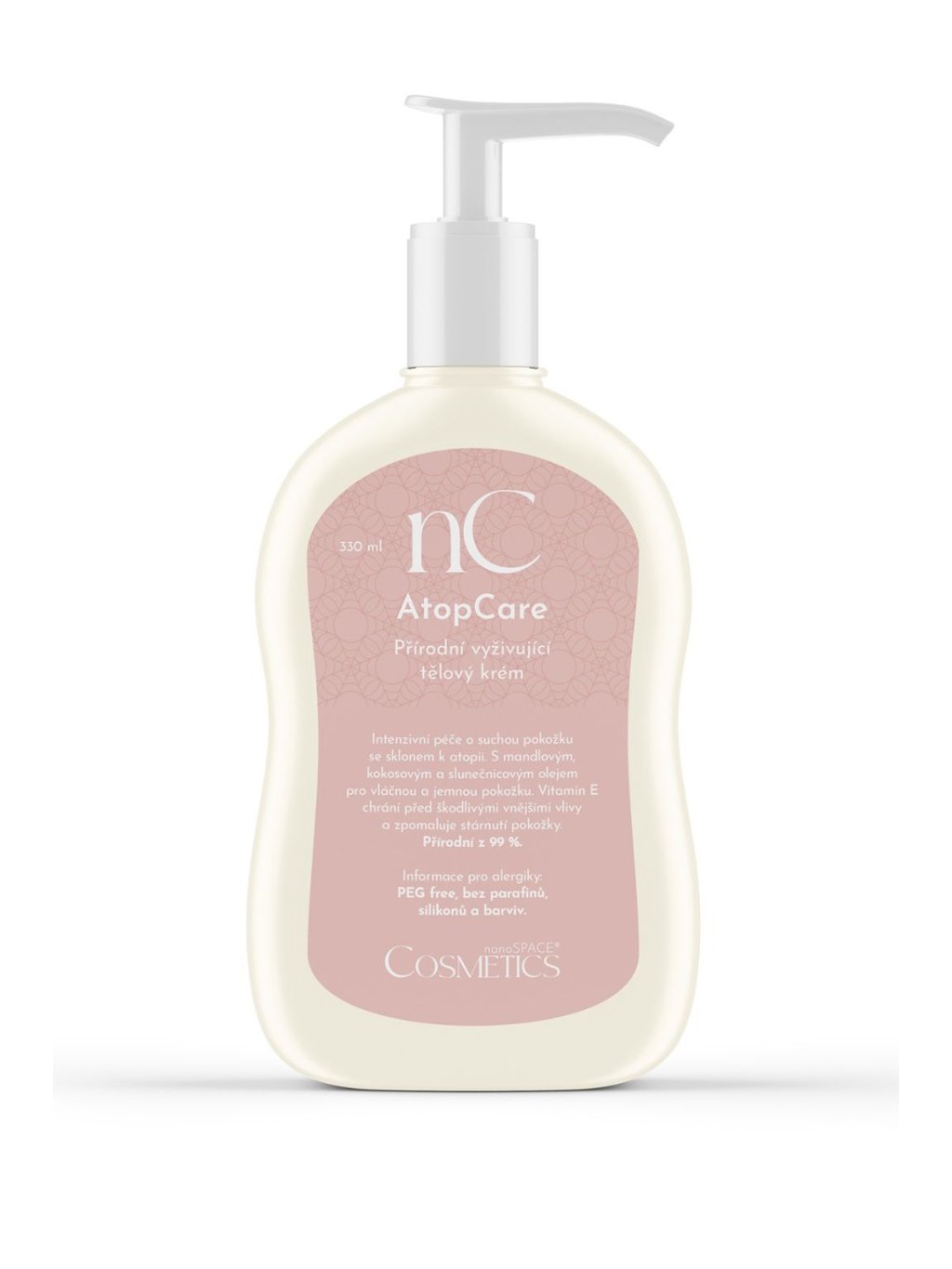
The outcome is a product where every ingredient has a specific, scientifically supported function — and where these functions reinforce one another rather than diluting each other. The AtopCare Hand Cream and the AtopCare Body Cream follow the same philosophy: ethyl ferulate, vitamin E, and natural oils at concentrations that genuinely work.
Who Benefits Most From the Combination of Ethyl Ferulate, Vitamin E, and Oat Oil
Dry and dehydrated skin benefits from triple hydration: beta-glucans from oat oil lock in moisture, ceramides strengthen the barrier, and vitamin E prevents oxidative damage to lipids. Atopic and sensitive skin appreciates the anti-inflammatory avenanthramides from oat oil combined with ethyl ferulate, which reduces oxidative stress — two of the primary triggers for atopic flare-ups. Mature skin exposed to photoageing needs the antioxidant protection that the combination of ethyl ferulate with vitamin E provides demonstrably better than either ingredient alone. And skin stressed by external factors (pollution, frequent washing, cold weather) makes use of the antimicrobial protection from coconut oil and the barrier-strengthening effect of oat oil.
If you are interested in another effective ingredient in modern skincare, read our article about salicylic acid and its effects on the skin.
Ethyl Ferulate and Vitamin E in Full-Body Care

Conclusion — a Synergy That Makes Scientific Sense
Ethyl ferulate, oat oil, and vitamin E are not three randomly chosen ingredients. They are three components whose mechanisms of action complement and reinforce one another on multiple levels simultaneously. Ethyl ferulate stops the formation of free radicals at the source and gradually regenerates vitamin E. Vitamin E protects the skin's lipid layers from oxidation. Oat oil stimulates ceramide production, calms inflammation, and hydrates. And coconut oil together with hop extract adds antimicrobial and synergistic antioxidant protection. It is not about having as many ingredients as possible — it is about having the right ones, at the right concentration, in the right combination. And that is precisely the principle on which the AtopCare range is built.
Frequently Asked Questions
What is ethyl ferulate and where does it occur in nature?
Ethyl ferulate is the ethyl ester of ferulic acid — a phenolic antioxidant that occurs naturally in rice bran, oats, maize, and coffee beans. Unlike free ferulic acid, ethyl ferulate is more stable and releases gradually in the skin, providing longer-lasting antioxidant protection.
Why is the combination of ferulic acid with vitamin E more effective than vitamin E alone?
Ferulic acid (and its ester ethyl ferulate) regenerates vitamin E back into its active form after it has neutralised a free radical. The study by Lin et al. (2005) demonstrated that adding ferulic acid to vitamins C and E doubles photoprotection from 4-fold to 8-fold. Vitamin E thus lasts longer in the skin and protects it more effectively.
How does oat oil help a damaged skin barrier?
Oat oil stimulates ceramide synthesis in the skin by up to 70%, which directly strengthens the lipid "mortar" of the skin barrier. It also contains anti-inflammatory avenanthramides and beta-glucans that lock moisture into the skin. This triple action makes oat oil one of the most effective natural ingredients for restoring a compromised barrier.
Is skincare with ethyl ferulate suitable for sensitive and atopic skin?
Yes. Thanks to its gradual release, ethyl ferulate is gentle on sensitive skin. Combined with anti-inflammatory avenanthramides from oat oil and vitamin E at a 5% concentration, it is suitable even for atopic skin. AtopCare products contain no parabens, silicones, or fragrance, which further reduces the risk of irritation.
What is the difference between ethyl ferulate and free ferulic acid in skincare?
The main difference lies in the rate of release. Free ferulic acid releases up to 80% from a product within 8 hours, while ethyl ferulate releases only 25% over the same period. Ethyl ferulate is also more stable in formulations (it degrades less during storage). The biological effects are comparable, but ethyl ferulate provides continuous protection throughout the day.

Sources
- Lin, J. Y. et al. (2005) 'Synthesis and investigation of a topical antioxidant formulation containing vitamins C, E, and ferulic acid', Journal of Investigative Dermatology, 125(4), pp. 826–832.
- Zdarilová, A. et al. (2009) 'Ethyl ferulate — an interesting member of the family of hydroxycinnamic acid derivatives', Molecules, 14(5), pp. 1614–1628 (PMC6271385).
- Lin, T.-K. et al. (2018) 'Anti-inflammatory and skin barrier repair effects of topical application of some plant oils', International Journal of Molecular Sciences, 19(1), p. 70 (PMC5796020).
- Kubalová, A. et al. (2022) 'Humulus lupulus L. extract: Cytotoxic, antioxidant and antimicrobial evaluation', Molecules, 27(7), p. 2165 (PMC8951350).
- Boissy, R. E. et al. (2016) 'Oat lipids restore skin barrier function in vitro', Journal of Dermatological Science, 82(3), pp. 161–169 (PubMed 27272074).
- Thiele, J. J. et al. (1998) 'Depletion of human stratum corneum vitamin E: an early and sensitive in vivo marker of UV induced photo-oxidation', Journal of Investigative Dermatology, 110(5), pp. 756–761.