
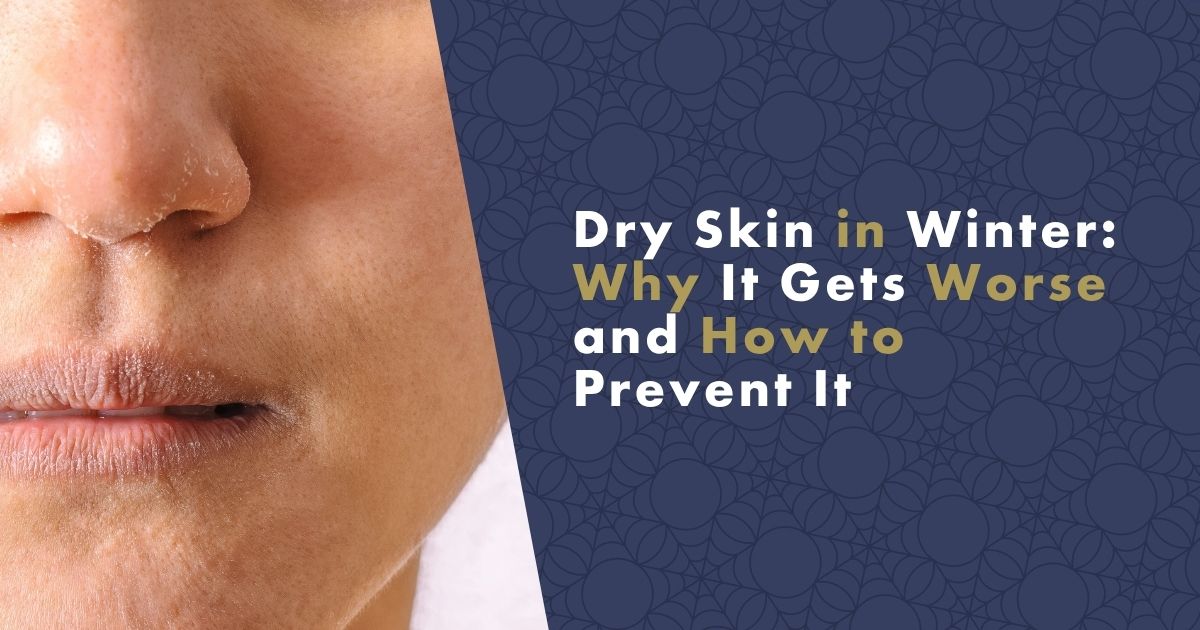
Every year, the same pattern. November arrives, the heating comes on, and your skin transforms into a desert landscape. Dry skin in winter is not merely an uncomfortable tightness after a shower — it is a signal that your skin's protective barrier is losing its battle against the environment. Your face flakes, your hands crack, your entire body itches. And you wonder whether the weather is to blame, or the central heating, or simply ageing. The truth? It is a combination of factors that can be prevented — once you understand what is actually happening inside your skin. Dry skin in winter is not an inevitable fate. It is the consequence of specific processes that can be influenced through the right care, suitable products, and a handful of changes to your daily routine. And that is precisely what this article is about.
Key Takeaways if You're Short on Time
- Dry skin in winter results from the combined assault of freezing air, overheated interiors, and hot showers, which together disrupt the lipid barrier and accelerate water evaporation from the skin.
- Central heating pushes indoor humidity below 30 %, whilst the skin needs at least 40–60 % — that gap is what you feel as tightness, itching, and flaking.
- Ceramides make up 50 % of the skin barrier's lipids and their loss accelerates dramatically in winter — without them, the skin simply cannot retain moisture.
- Vitamin E at a 5 % concentration demonstrably protects barrier lipids from oxidative damage and speeds up the regeneration of desiccated skin.
- An effective winter routine does not mean "more cream," but rather layering care from lighter to heavier products, protecting against temperature extremes, and consistent overnight regeneration.
Why Dry Skin in Winter Is Worse Than in Summer
To understand why your skin behaves differently in winter, you need to know what is truly happening beneath the surface. Skin is not just a passive wrapping — it is a sophisticated organ that actively regulates moisture, temperature, and pathogen defence. Yet in winter, it faces simultaneous assault from all directions. And it is precisely this convergence of external factors that creates the ideal conditions for dehydration.
When the temperature drops below zero, the air holds considerably less water vapour. Outdoors, relative humidity is often decent (around 70–80 %), but freezing air contains far less water in absolute terms. The moment you heat that air indoors to 22 °C, its relative humidity plummets to just 20–25 %. That is drier than the Sahara, where average relative humidity hovers around 25 %. Your skin in the living room is therefore enduring desert conditions — for hours on end, for months at a stretch.

Transepidermal Water Loss — the Invisible Enemy
Dermatologists use the term TEWL — transepidermal water loss — to measure how rapidly water evaporates from the skin into the surrounding environment. In summer, at normal humidity levels, TEWL is relatively low. In winter, however, studies consistently confirm that TEWL rises by 10–30 %, even in people with otherwise healthy skin. Research published in the British Journal of Dermatology (Denda et al., 2007) demonstrated that a humidity drop below 40 % triggers a cascade of changes in the skin barrier — the skin begins losing water more quickly and rebuilding its lipid layer more slowly.
What does this mean in practice? Imagine your skin as a brick wall. The bricks are the cells (corneocytes) and the mortar between them is lipids — primarily ceramides, cholesterol, and fatty acids. In winter, this "mortar" thins and crumbles. Microscopic cracks appear through which moisture escapes. And the more moisture that escapes, the more the barrier deteriorates — a vicious cycle that is nearly impossible to break without intervention from outside.
Hot Showers — Comforting but Treacherous
Returning from the cold, a scalding hot shower is desperately tempting. Yet this is one of the worst habits for dry skin in winter. Water above 38 °C dissolves the skin's natural lipids far more aggressively than lukewarm water. If you shower for 15–20 minutes in hot water, you strip away virtually the entire protective lipid film. The skin then dries out drastically — often within minutes of towelling off, you feel that unpleasant tightness. Research shows that limiting water temperature to 35–37 °C and keeping showers to 5–7 minutes can reduce winter TEWL by as much as 40 %.
Wind and Temperature Shocks
Winter wind acts as a natural exfoliant — it strips the thin layer of sebum from the skin's surface and exposes the unprotected dermis beneath. The most sensitive areas — face, lips, and backs of the hands — bear the full brunt. Add to this the repeated transitions from freezing cold to overheated interiors. Blood vessels in the skin constrict in the cold (vasoconstriction) and dilate in warmth (vasodilation). These constant fluctuations weaken microcirculation and slow down nutrient delivery to the skin. If you are interested in comprehensive winter facial care, read our article on how to care for dry skin.
What Is Happening Inside Your Skin — Ceramides, Lipids, and a Barrier Under Siege
Dry skin in winter is not merely a surface-level problem. The changes reach deep into the skin's architecture — specifically into the protective barrier that determines whether the skin can hold onto moisture at all.
Ceramides — 50 % of Your Skin's Defence
Ceramides account for roughly half of all lipids in the stratum corneum (the outermost horny layer). They are complex fats that hold skin cells together and form a waterproof barrier. Without sufficient ceramides, the skin leaks water like a sieve. And it is precisely in winter that their natural production slows down. A study in the Journal of Investigative Dermatology (Rawlings & Harding, 2004) revealed that ceramide concentration in the skin drops by 10–20 % during winter months compared to summer — and in people with atopic skin, this decline is even steeper.
Why? Low temperatures slow enzymatic activity within the skin. The enzymes responsible for cleaving ceramide precursors (sphingomyelinase, beta-glucocerebrosidase) work more sluggishly at reduced temperatures. The outcome: fewer ceramides, a weaker barrier, more evaporation, drier skin. If a compromised barrier is a long-term concern, we recommend our detailed article on how to recognise and repair a damaged skin barrier.
Oxidative Stress and Vitamin E
Winter conditions amplify oxidative stress in the skin. UV radiation weakens, but the combination of dry air, temperature fluctuations, and urban smog generates free radicals that damage the barrier's lipids. Vitamin E (tocopherol) is the primary fat-soluble antioxidant that shields these lipids. It functions as a guard — neutralising free radicals before they can damage the ceramides and fatty acids within the barrier.
A study by Lin et al. (2003) in the Journal of the American Academy of Dermatology demonstrated that topical application of vitamin E at a sufficient concentration reduced oxidative skin damage and improved hydration. This is exactly why the 5 % vitamin E concentration in AtopCare products is so effective — standard creams contain 0.5–2 %, which is often insufficient for winter-ravaged skin. The AtopCare Regenerating Ointment, thanks to this high concentration, replenishes precisely what the skin loses in winter.
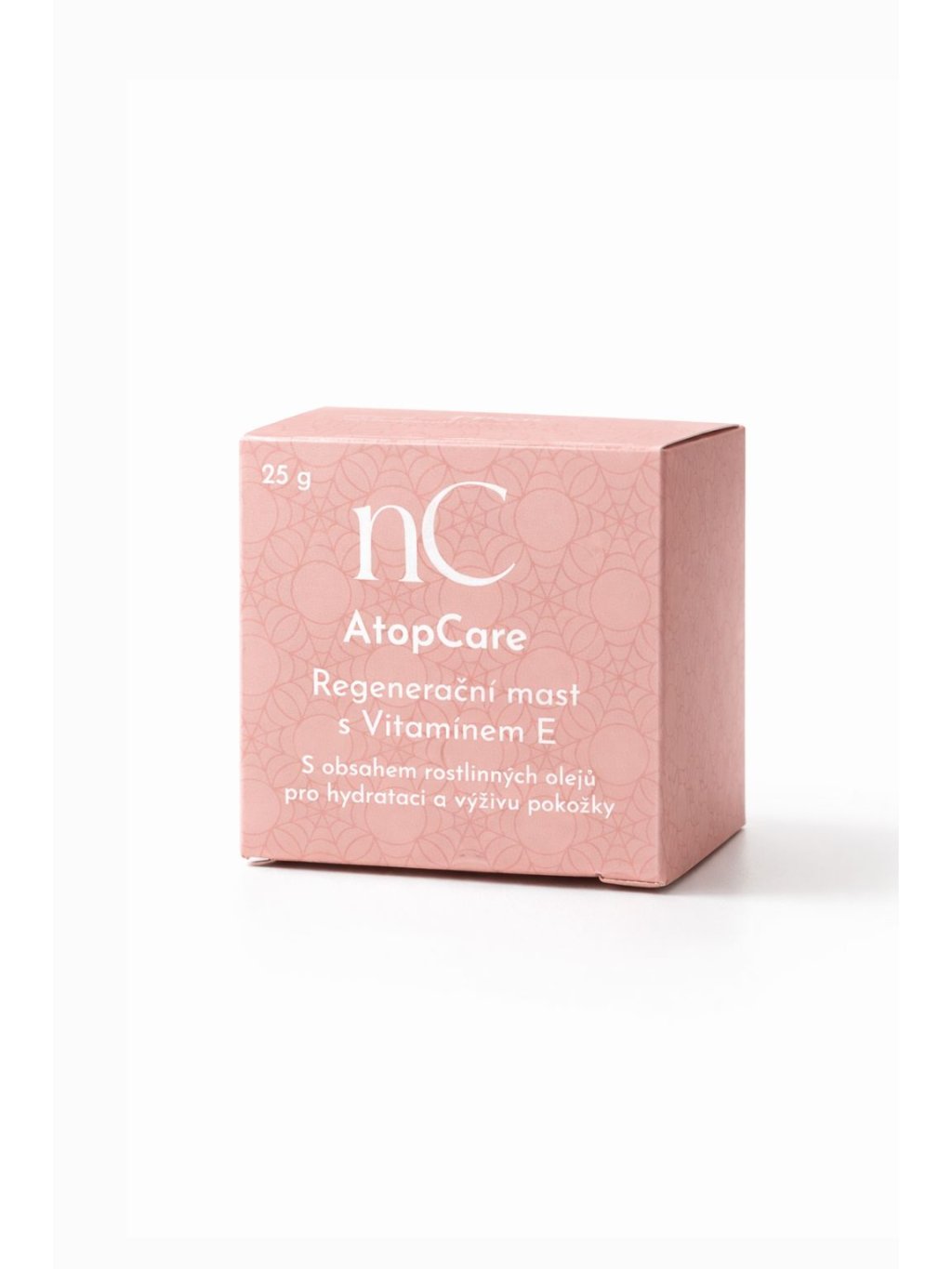
Editor's Pick
Regenerating Ointment with 5 % Vitamin E AtopCare
An intensive ointment for dry and cracked skin. High-concentration vitamin E protects barrier lipids, whilst coconut and oat oil replenish ceramides. The ideal overnight rescue treatment for winter-damaged skin.
€10
ViewDry Skin in Winter — Layered Care From Morning to Night
Most people tackle dry skin in winter by buying a heavier cream and hoping for the best. That is not enough. Effective winter care works on the principle of layering — from lighter products to heavier ones, from hydration to occlusive protection. Each step serves a different function, and only their combination can genuinely shield the skin.
Morning Routine — Protection Before Leaving the House
In the morning, the goal is to build a protective shield that lasts all day. Start with gentle cleansing — in winter, a rinse with lukewarm water alone is often sufficient, or micellar water at most. Overnight, the skin has not produced enough impurities to warrant aggressive cleansing. Onto damp skin, immediately apply a hydrating serum or essence with hyaluronic acid — it binds up to a thousand times its own weight in water and supplies the skin with moisture. Follow with a protective cream. In winter, look for creams with ceramides, niacinamide, and natural oils that form an invisible film to prevent evaporation. Do not forget to protect your hands — apply the AtopCare Hand Cream every time before stepping into the cold.
During the Day — Top Up and Protect
If you work in an office with central heating, expect the humidity around you to dip to 20–25 %. Keep a hand cream on your desk and apply it after every wash — the first 60 seconds after drying are the most critical window for absorption. Top up your face during the day with a thermal water spray — it will not replace a cream, but it helps keep the upper skin layers hydrated. And above all: drink enough. Dehydration of the body shows on the skin first.
Evening Ritual — the Time for Regeneration
Night is the skin's period of intensive renewal. Cell division accelerates, blood flow in the dermis strengthens, and the absorption of active ingredients becomes more efficient. That is why evening care for dry skin in winter is the single most important step of the entire day. Remove make-up with a gentle oil or balm — in winter, avoid foaming gels and alcohol-containing products. Onto clean skin, apply a serum with active ingredients (vitamin E, ceramides, niacinamide). Over the top, a richer cream or ointment that forms an occlusive layer to prevent overnight evaporation.
For extremely dry body skin, try the "damp application" method — apply the AtopCare Body Cream to still slightly damp skin immediately after your shower. The surface moisture gets "locked" beneath the cream layer, and the skin stays hydrated for considerably longer. If body dryness is a year-round concern, read our article on what actually works for extremely dry skin.
Habits That Make Winter Dryness Worse
Many of the habits you develop in winter paradoxically damage your skin more than the cold itself. Here are the most common — and their solutions.
Hot baths and long showers. Yes, after returning from the cold, they are irresistible. But water above 38 °C dissolves barrier lipids, and a 20-minute bath can destroy what the skin spent the entire day building. Solution: maximum 37 °C, maximum 7 minutes, and moisturise the entire body immediately after drying.
Alcohol-based toners and cleansing gels. In winter, the skin is more vulnerable, and products it tolerates in summer may start causing irritation. Denatured alcohol (INCI: Alcohol Denat.) dries out the skin even in trace amounts. SLS (sodium lauryl sulphate) in cleansing gels aggressively strips lipids. In winter, switch to non-foaming, gentle products with a neutral pH.
Peeling off flaky skin. When the skin flakes, hand on heart — who has not been tempted to pick at those loose bits? But mechanically tearing them away exposes immature cells that have not yet formed a complete barrier. The result: even more dryness, redness, and irritation. If you want to remove flakes, use a gentle enzymatic peel no more than once every 10 to 14 days.
Insufficient water intake. In winter, your natural thirst is weaker, but the body needs just as much water as in summer. Dehydration manifests on the skin as a dull, tired-looking surface lacking resilience. A minimum of 2 litres of fluids daily should be the winter standard.
Vitamin E — Why It Is Irreplaceable in Winter
Vitamin E is most often discussed in the context of dietary supplements. For dry skin in winter, however, its topical application — directly onto the skin — is far more important. Why? Because vitamin E ingested through food reaches the skin slowly and in limited quantities. Most of it is consumed by internal organs. The skin, which sits on the body's periphery, receives whatever is left over.
When applied topically, vitamin E is absorbed directly where the skin needs it — into the lipid matrix of the stratum corneum. There it fulfils two functions: it protects ceramides and fatty acids from oxidation (antioxidant action) and simultaneously supports barrier regeneration (healing effect). A study by Thiele et al. (2001) in the Journal of Investigative Dermatology showed that the skin's vitamin E reserves deplete faster in winter due to heightened oxidative stress — and topical replenishment effectively compensates for this deficit.
Concentration matters enormously. Most cosmetic products contain vitamin E at 0.5–2 % — enough for prevention, but not for rescuing already damaged winter skin. The 5 % concentration found in AtopCare products demonstrably exceeds the threshold at which vitamin E becomes an active ingredient capable of restoring the barrier. Learn more about how vitamin E affects the complexion in our article on vitamin E for the skin.
A Humidifier — an Investment That Pays Off
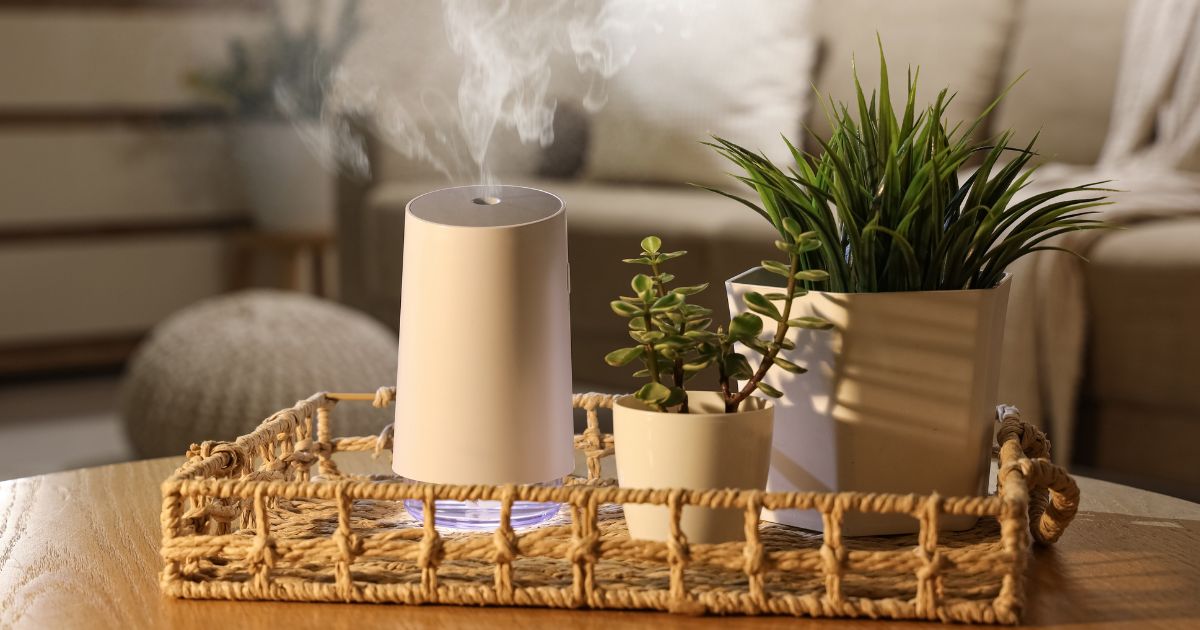
If you battle dry skin every winter, take a hard look at the humidity levels in your home. Human skin needs a relative humidity of at least 40 % — ideally 50–60 %. Yet in winter, heated homes routinely measure 20–30 %. This chronic humidity deficit is often a bigger problem than the frost outside.
A quality ultrasonic or evaporative humidifier can maintain bedroom humidity at 45–55 %, which demonstrably reduces TEWL and slows overnight skin dehydration. A study from Archives of Dermatological Research (Egawa et al., 2002) confirmed that raising air humidity from 30 % to 50 % improved stratum corneum hydration by 25–30 % within just two weeks. It is therefore one of the most effective "passive" methods to alleviate dry skin in winter — without having to apply anything to the skin at all.
Diet for Winter Skin
Dry skin in winter has causes that are not only external but also internal. What you eat directly influences the quality of the skin barrier and the skin's ability to retain moisture. In your winter diet, focus on three nutrient groups.
Omega-3 fatty acids (salmon, sardines, chia seeds, walnuts) are the building blocks of barrier lipids. A study in the American Journal of Clinical Nutrition (Pilkington et al., 2011) demonstrated that omega-3 supplementation over 12 weeks reduced TEWL by 10–15 % and increased skin hydration. Dietary vitamin E (almonds, hazelnuts, sunflower seeds, avocado) supplements antioxidant protection from within. And beta-carotene (carrots, sweet potatoes, spinach, pumpkin) converts in the body to vitamin A, which supports cell renewal in the skin.
Conversely, avoid excessive alcohol and caffeine — both have a diuretic effect and contribute to dehydration. In winter, it is better to replace some of your coffee with herbal teas and to maintain regular water intake, even when the sensation of thirst is weaker than in summer.
Caring for Specific Areas — Face, Hands, Lips, Feet
Dry skin in winter does not affect the entire body equally. Some areas suffer far more — and each requires a slightly different approach.
The Face — the Most Exposed Area
The face is hit hardest by winter because it is permanently exposed to frost and wind. Facial skin is also thinner than body skin and more sensitive to temperature changes. In winter, switch from gel textures to creams, from light hydrating lotions to richer formulations containing natural oils and ceramides. Night cream should be noticeably more nourishing than day cream. If facial dryness is a year-round concern, read our detailed guide on what works for extremely dry skin.
The Hands — the Hardest Workers
You wash your hands dozens of times a day, expose them to cleaning products, frost, and dry air. They have fewer sebaceous glands than the face. The result? Hands crack first. Always wear gloves outdoors, use rubber gloves for cleaning, and apply cream immediately after every wash. Learn more about hand care in our article on cracked skin on the hands.
Lips — Without Natural Protection
Lips have no sebaceous glands, produce no sebum, and have an extremely thin stratum corneum. They therefore dry out first and most intensely. In winter, it is absolutely essential to use a lip balm with waxes (beeswax, carnauba) and natural oils — not mineral oil, which forms a film but does not actually nourish the lip skin. And above all: stop licking your lips. Saliva contains digestive enzymes that actively damage the delicate lip tissue.
Feet and Heels
Feet suffer in winter from the combination of enclosed footwear, synthetic socks, and neglect. Heels crack, soles peel. The solution is regular application of a nourishing ointment — ideally in the evening, with cotton socks overnight. Once a week, a gentle foot peel removes dead cells and improves product absorption.
Winter Rescue Kit for Dry Skin

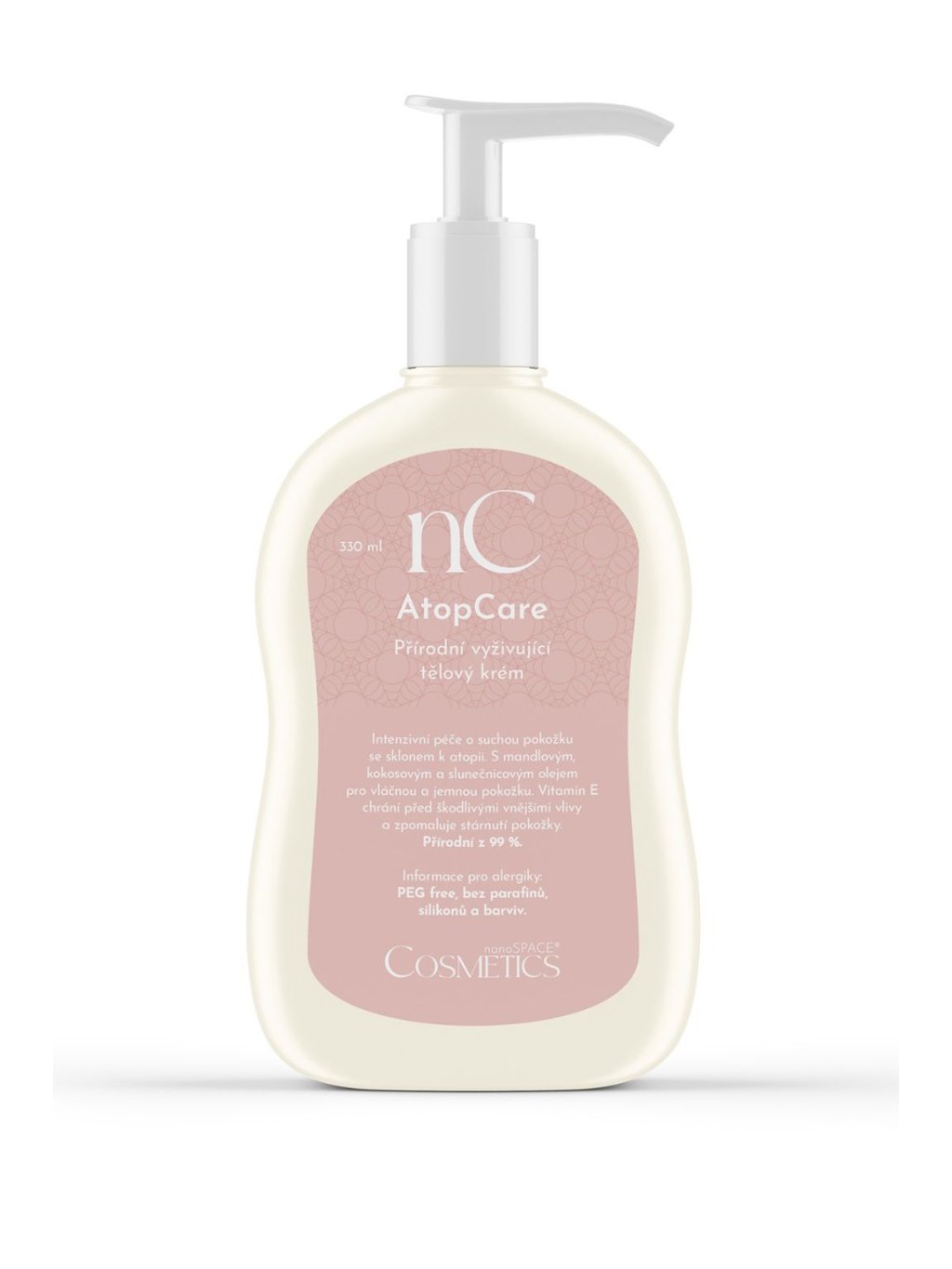
Conclusion — Dry Skin in Winter Can Be Managed
Dry skin in winter is not an unavoidable toll for the cold months. It is the result of specific processes — ceramide loss, elevated TEWL, oxidative stress, and poor habits — all of which can be influenced. You do not need dozens of products or elaborate rituals. You need to understand what your skin is missing in winter and supply it in a targeted way.
Layered care from morning to night, a humidifier in the bedroom, shorter lukewarm showers, consistent protection for exposed areas, and products with a sufficient concentration of active ingredients — that is the formula that works. Your skin is a sophisticated organ that is capable of restoring itself when given the right conditions. Start today — because every day without protection is a day the barrier grows weaker.
Frequently Asked Questions
Why do I only get dry skin in winter and not in summer?
In winter, indoor humidity drops below 30 % because of central heating. Freezing outdoor air holds far less water vapour in absolute terms. Hot showers and temperature shocks from moving between cold and warm environments add to the damage. Together, these factors increase transepidermal water loss (TEWL) by 10–30 % and slow ceramide production — the primary lipids that hold the skin barrier together.
How quickly can dry skin in winter improve?
With consistent care (layered products, a humidifier, shorter lukewarm showers), you will notice improvement within 3 to 5 days. Full barrier restoration, however, takes 2 to 4 weeks — that is how long ceramides need to replenish to normal levels. Patience and, above all, consistency are what matter most.
Does coconut oil help dry skin in winter?
Coconut oil is a good occlusive — it forms a film on the skin that slows water evaporation. It also contains monolaurin with antimicrobial properties. On its own, however, it is not enough because it does not supply ceramides or antioxidants. It works best in combination with products containing vitamin E and ceramides — as part of an evening regeneration ritual.
Is it better to use cream or ointment in winter?
It depends on the situation. During the day, cream is more suitable — lighter texture, fast absorption, compatible with make-up. At night, ointment is better — heavier, more nourishing, and it forms a stronger occlusive layer that prevents overnight evaporation. For extremely dry skin, combine both: cream in the morning, ointment in the evening. On hands and heels, wear cotton gloves or socks after applying the ointment.
Can dry skin in winter signal a health problem?
Yes. If dryness persists despite proper care and does not respond to humidification or nourishing products, it may be a symptom of atopic eczema, psoriasis, hypothyroidism, or diabetes. See a dermatologist if the skin peels extensively, cracks until it bleeds, itches intensely, or if the problems continue even in warmer months.

Sources
- Denda, M. et al. (2007) 'Low humidity stimulates epidermal DNA synthesis and amplifies the hyperproliferative response to barrier disruption', British Journal of Dermatology, 138(5), pp. 830–835.
- Rawlings, A. V. & Harding, C. R. (2004) 'Moisturization and skin barrier function', Dermatologic Therapy, 17(Suppl 1), pp. 43–48.
- Lin, J. Y. et al. (2003) 'UV photoprotection by combination topical antioxidants vitamin C and vitamin E', Journal of the American Academy of Dermatology, 48(6), pp. 866–874.
- Thiele, J. J. et al. (2001) 'In vivo exposure to ozone depletes vitamins C and E and induces lipid peroxidation in epidermal layers of murine skin', Free Radical Biology and Medicine, 30(1), pp. 108–118.
- Egawa, M. et al. (2002) 'Effect of exposure of skin to a dry environment', Skin Research and Technology, 8(4), pp. 212–218.
- Pilkington, S. M. et al. (2011) 'Omega-3 polyunsaturated fatty acids: photoprotective macronutrients', Experimental Dermatology, 20(7), pp. 537–543.