
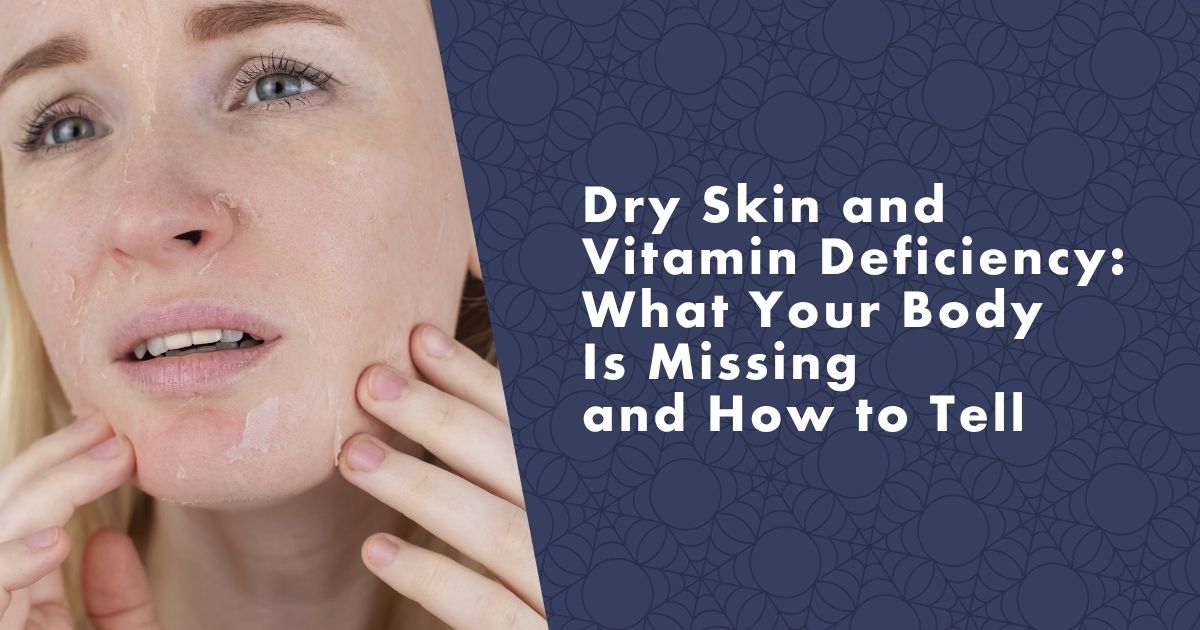
You apply cream, and an hour later your face feels tight again. Your lips crack, your elbows catch on your jumper, and the skin on your hands resembles parchment. You buy increasingly expensive products, but nothing works — because the problem is not on the surface. A dry skin vitamin deficiency reveals itself earlier than any blood test — and the connection is far stronger than most people realise. The skin is the body's largest organ and the first to speak up when something is missing. Vitamins A, E, D, C, the B group, omega-3 fatty acids, zinc — each plays a specific role in the skin, and when one is lacking, the skin shows it. Dryness, flaking, cracked corners of the mouth, slow healing — these can all be signals your body is sending. Let us look at exactly what your skin is missing, how to recognise it, and how to fix it — from the inside and the outside.
Key Takeaways if You're Short on Time
- A dry skin vitamin deficiency shows up earlier than almost anything else — vitamins A, E, D, C, B3, B7, omega-3, and zinc each play an irreplaceable role in skin hydration and renewal.
- Vitamin E protects the skin's lipid barrier, and a single dose of UV radiation depletes up to 50% of its stores in the outermost layers — which is why the skin needs it replenished topically.
- A lack of vitamin A slows cell renewal, leading to rough, scaly skin that heals poorly.
- Topical vitamin E at a concentration of 5% demonstrably increases hydration and reduces transepidermal water loss — especially in combination with oat oil.
- Diet is the foundation, but it is not enough — for severe dryness, you need to combine internal vitamin supplementation with targeted topical care.
Why Dry Skin Vitamin Deficiency Is Such a Clear Warning Sign
The skin is a metabolically highly active organ. Every 28–30 days, it renews itself completely — old cells die, new ones form in the basal layer and gradually migrate to the surface. This entire process demands an enormous supply of nutrients: vitamins govern cell division, collagen production, ceramide synthesis, and antioxidant protection. When any one of them is missing, the system begins to fail.
A dry skin vitamin deficiency is so revealing precisely because the two occur simultaneously — not by coincidence, but because one directly causes the other. From a nutrient-supply perspective, the skin stands at the back of the queue. The body prioritises vital organs — heart, brain, liver — and sends the skin whatever is left over. When vitamin intake is borderline, the skin suffers first.
And it is not just about nutrition. Modern lifestyles add further layers of difficulty: UV radiation destroys vitamin E directly within the skin, stress increases the consumption of B vitamins, and air conditioning and central heating dry out the air. The result? Even someone with a relatively balanced diet can have skin that is starved of what it needs most.
Vitamin E — the Principal Guardian of the Skin Barrier
If there is one vitamin whose deficiency shows up on dry skin fastest, it is vitamin E. As the primary fat-soluble antioxidant, vitamin E settles directly within the lipid layers of the skin — in cell membranes and in the intercellular lipid matrix — where it acts as a guardian. It neutralises free radicals generated by UV radiation and pollution, and prevents the oxidation of ceramides and fatty acids that form the skin barrier.
A study by Thiele and colleagues (1998), published in the Journal of Investigative Dermatology, produced an alarming finding: a single sub-erythemal dose of UV radiation (below the threshold of visible reddening) depletes up to 50% of vitamin E in the stratum corneum. This means that even ordinary sun exposure dramatically reduces the skin's antioxidant protection — without you feeling a thing.
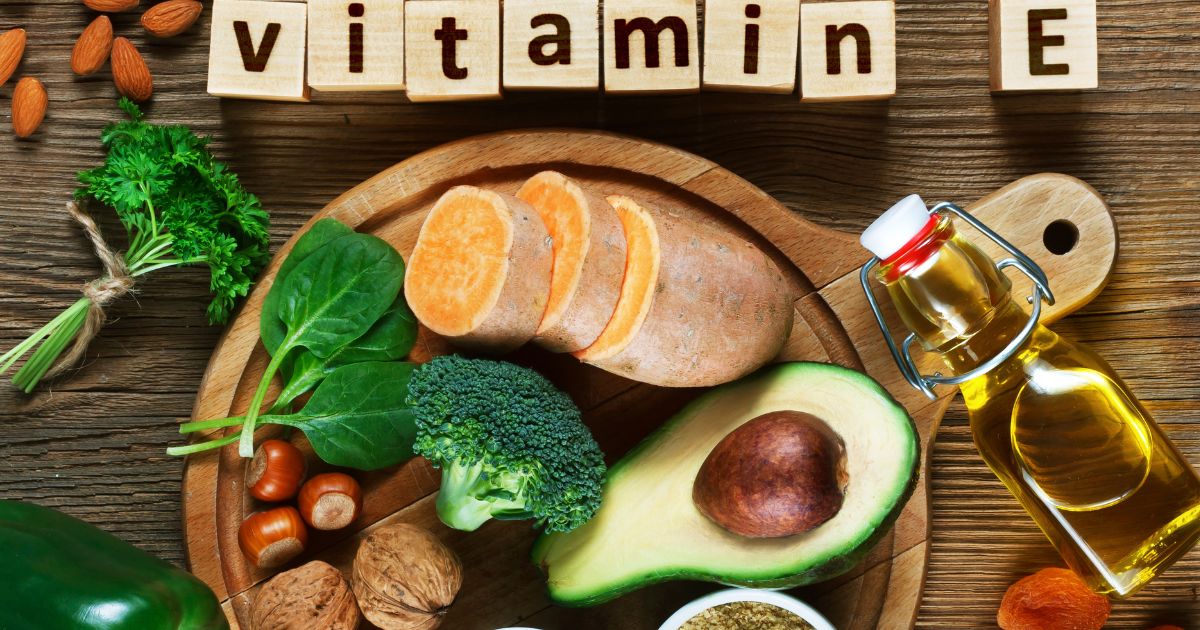
The recommended daily intake of vitamin E for adults is 12–15 mg. The richest food sources are sunflower seeds (35 mg/100 g), almonds (26 mg/100 g), hazelnuts, avocados, and olive oil. But be aware — dietary vitamin E reaches the skin slowly and in limited quantities. That is why topical application is so important. You can find more about this vitamin and its effects on skin in our article on vitamins and skin health.
How Vitamin E Deficiency Shows Up on the Skin
When the skin lacks vitamin E, the lipid barrier loses its integrity. Ceramides and fatty acids oxidise, creating "gaps" through which water escapes. Transepidermal water loss (TEWL) rises and the skin dries out — even when you moisturise regularly. This manifests as tight, rough skin, increased sensitivity to cold and wind, slow healing of minor cuts, and the premature appearance of fine lines. A dry skin vitamin deficiency — specifically vitamin E — reveals itself in the form of a vicious circle: a damaged barrier lets through more UV radiation, which destroys more vitamin E, and dryness deepens.
Editor's Pick
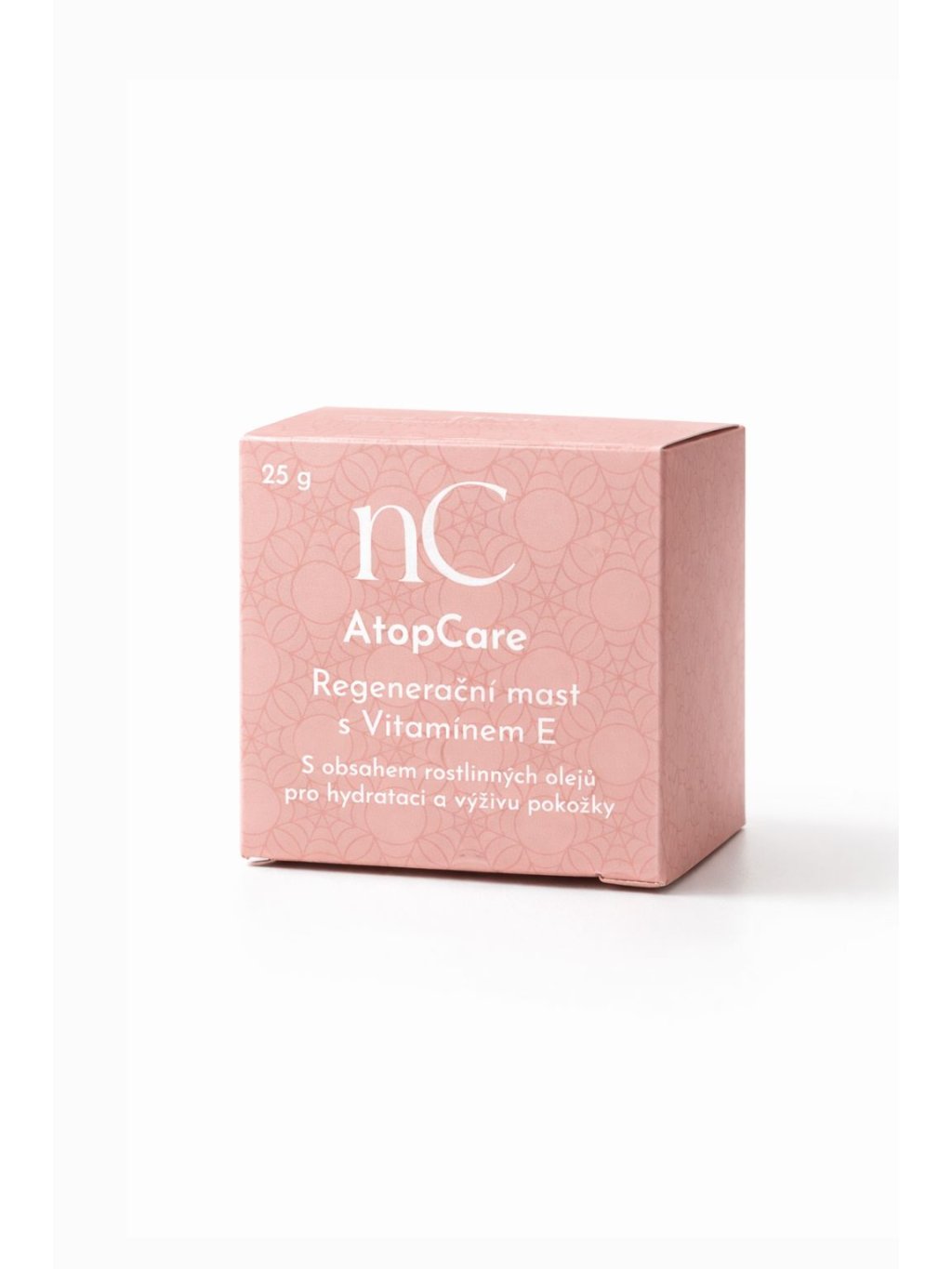
Regenerating Ointment with 5% Vitamin E AtopCare
A targeted topical dose of vitamin E for dry and damaged skin. The 5% concentration combined with oat oil (which stimulates ceramide production by 70%) and ethyl ferulate restores the skin barrier and stops moisture loss. Free from parabens, silicones, and fragrance.
View productVitamin A — the Regulator of Cell Renewal
Vitamin A (retinol and its active form retinoic acid) is indispensable for the proper division and maturation of skin cells. Without sufficient vitamin A, keratinocytes — the cells forming the outermost skin layer — differentiate incorrectly. The result is hyperkeratosis: the skin becomes rough, scaly, and the dry surface resembles fine crusts. This condition is frequently mistaken for "ordinary" dry skin, but the cause runs deeper.
Dermatologists know this phenomenon as keratosis pilaris — small, hard bumps on the upper arms, thighs, and buttocks, colloquially nicknamed "chicken skin." Keratosis pilaris is one of the most reliable clinical indicators of vitamin A deficiency.
Food sources of vitamin A include liver (up to 6,500 mcg/100 g), sweet potatoes, carrots, spinach, and eggs. Beta-carotene from plant sources is converted into vitamin A in the body, but conversion efficiency varies between individuals — some studies suggest that up to 45% of the population have a reduced ability to convert it.
Vitamin D — Far More Than the "Sunshine Vitamin"
Vitamin D is traditionally linked to bones and immunity, but its role in the skin is far broader. Keratinocytes — skin cells — have their own vitamin D receptors and can synthesise it from cholesterol under the influence of UVB radiation. Vitamin D regulates keratinocyte differentiation, influences antimicrobial peptide production, and modulates inflammatory responses in the skin.
Vitamin D deficiency is associated with eczema, psoriasis, and atopic dermatitis. A meta-analysis published in the British Journal of Dermatology (2013) demonstrated that patients with atopic eczema have significantly lower vitamin D levels than the healthy population. The recommended daily intake is 10–20 mcg (400–800 IU), and during winter months at northern European latitudes, synthesis from UV radiation is practically nil.
When the skin lacks vitamin D, barrier renewal slows, the skin becomes more susceptible to irritation and inflammation, and dryness deepens. If you suffer from chronically dry skin mainly in winter, it is worth having your 25-hydroxyvitamin D blood level checked.
Dry Skin Vitamin Deficiency: the B Group
Vitamin B3 (Niacin)
Niacin is the vitamin whose severe deficiency causes pellagra — a disease characterised by the triad of dermatitis, diarrhoea, and dementia. The skin manifestations of pellagra are dramatic: symmetrical, scaly dermatitis in sun-exposed areas that can resemble severe sunburn. In developed countries, full-blown pellagra is rare, but mild niacin deficiency — so-called subclinical insufficiency — occurs more frequently than you might expect.
In cosmetics, niacin goes by the name niacinamide and is one of the most thoroughly studied ingredients available. Research has shown that topical niacinamide at a concentration of 2–5% increases ceramide production, reduces transepidermal water loss, and improves skin barrier function. A dry skin vitamin deficiency — particularly of B3 — can therefore be addressed not only through diet but also through well-chosen skincare products. Dietary sources of niacin include chicken breast, tuna, peanuts, mushrooms, and lentils.
Vitamin B7 (Biotin)
Biotin is the vitamin most people associate with hair and nails. But its role in the skin is equally important. Biotin functions as a coenzyme for carboxylases — enzymes involved in fatty acid synthesis. And fatty acids are the building material of the skin barrier.
Biotin deficiency manifests as seborrhoeic dermatitis (scaly, red patches around the nose, mouth, and eyebrows), dryness and peeling of the skin, and brittle nails. Risk groups include pregnant women (biotin is consumed more rapidly), people taking antibiotics (which disrupt the gut microbiome that produces biotin), and smokers. Rich biotin sources include eggs (yolk), salmon, avocado, and sweet potatoes.
Vitamin C — Indispensable for Collagen
Vitamin C is the most well-known antioxidant, and its role in the skin is well documented: it is an indispensable cofactor for the enzymes prolyl hydroxylase and lysyl hydroxylase, which stabilise collagen fibres. Without vitamin C, collagen cannot form properly — and the result is skin that loses elasticity, heals poorly, and cracks more easily.
Clinically severe vitamin C deficiency — scurvy — is rare in modern society, but subclinical deficiency is surprisingly common. It presents as dry, rough skin (follicular hyperkeratosis), easy bruising, slow healing of cuts, and bleeding gums. Smokers need 35 mg more vitamin C daily than non-smokers — smoking dramatically increases oxidative stress and consumption of this vitamin.
Omega-3 Fatty Acids and Zinc
Omega-3: Anti-Inflammatory Nourishment for the Barrier
Omega-3 fatty acids (EPA and DHA) are technically not vitamins, but their deficiency causes dry skin just as reliably as a shortage of any vitamin. Omega-3s are incorporated into the cell membranes of keratinocytes, where they serve a dual purpose: they keep membranes flexible (and therefore the barrier flexible) and act as precursors of anti-inflammatory mediators — resolvins and protectins.

Omega-3 deficiency manifests as dry, scaly skin, increased sensitivity to irritation, and slow healing. The modern Western diet typically contains 15–20 times more omega-6 than omega-3 fatty acids, whereas the ideal ratio is 2–4:1. This imbalance promotes chronic low-grade inflammation — and chronic inflammation is one of the primary drivers of persistent dry skin. The best omega-3 sources are oily marine fish (salmon, mackerel, sardines), flaxseeds, walnuts, and rapeseed oil.
Zinc: the Mineral That Gets Overlooked
Zinc participates in over 300 enzymatic reactions in the body, many of which directly affect skin health. It is involved in cell division, collagen synthesis, wound healing, and inflammation regulation. Zinc deficiency leads to acrodermatitis — extreme dryness, redness, and peeling of the skin, particularly around the mouth, eyes, and on the fingers. Even a mild deficit results in slower healing and increased susceptibility to infections.
Zinc from animal sources (beef, oysters, eggs) is absorbed more efficiently than from plant sources (pumpkin seeds, chickpeas), where phytates partially block its uptake. The recommended daily intake is 8 mg for women and 11 mg for men.
How to Tell Which Vitamin You Are Missing
Dry skin vitamin deficiency presents differently depending on the nutrient involved — and the character of the dryness can provide clues about what exactly your body needs. Rough, scaly skin with small bumps on the upper arms and thighs points to vitamin A deficiency. Extremely dry skin that heals poorly and cracks easily suggests a lack of vitamin E or omega-3. Scaly, red patches around the nose and mouth may signal a B3 or B7 deficit. Easy bruising combined with dry skin and bleeding gums indicates vitamin C deficiency. And chronic dryness that worsens in winter and is accompanied by frequent infections is often linked to vitamin D deficiency.
The most reliable route to diagnosis is a blood test. Ask your doctor to check levels of vitamin D (25-hydroxyvitamin D), vitamin B12, folate, zinc, and ferritin. Blood tests for vitamins A and E are performed less routinely, but can be ordered when skin symptoms are pronounced. A dry skin vitamin deficiency is a dependable signal, but the solution requires a systematic approach — not random supplement purchases.
Topical Care: Why Eating Right Alone Is Not Enough
Many people assume that adjusting their diet will be sufficient and the skin will "repair itself." That is only partially true. Vitamins from food reach the skin via the bloodstream, but the skin — as we have established — is last in line for nutrient delivery. Moreover, certain vitamins (particularly E and C) are consumed extremely rapidly in the skin under the influence of UV radiation and pollution.
This is why dermatologists recommend a dual approach: internal supplementation (diet, and where necessary supplements after consulting a doctor) and targeted topical application. Topical application of vitamin E at a concentration of 5% demonstrably increases hydration and reduces transepidermal water loss — as documented in studies published in the Journal of Molecular Medicine.
When choosing products for dry skin, look for those that combine multiple active ingredients synergistically. The Regenerating Ointment AtopCare contains 5% vitamin E in combination with oat oil, which stimulates ceramide production by up to 70%, and ethyl ferulate, whose antioxidant effect lasts longer than that of ferulic acid alone. This triple combination addresses the problem of dry skin vitamin deficiency where diet alone falls short. And if your dry skin is concentrated on your hands, reach for the Natural Nourishing Hand Cream AtopCare, which adapts the same active ingredients for skin stressed by frequent washing and external factors.

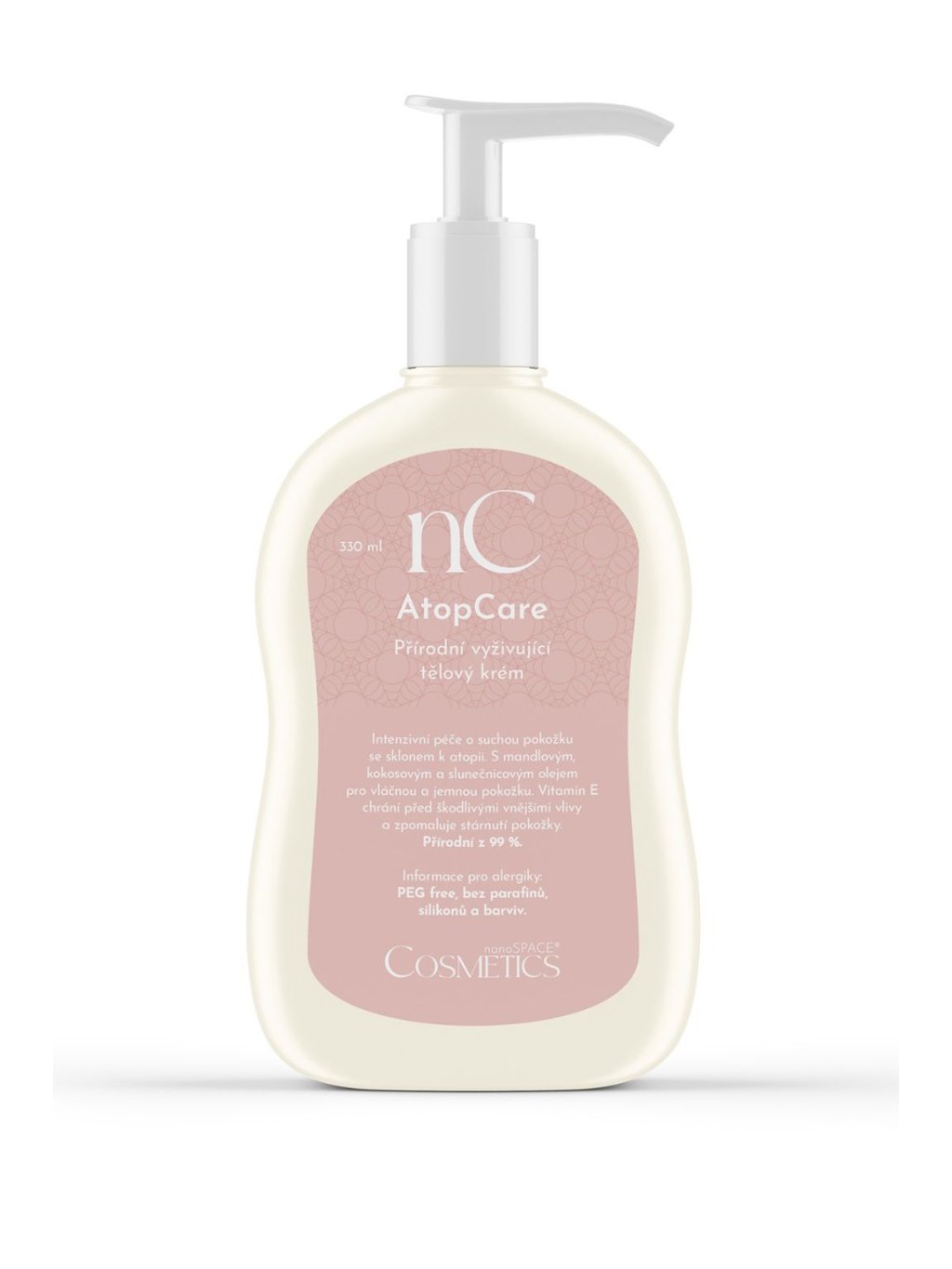
For comprehensive whole-body care, the Natural Nourishing Body Cream AtopCare 330 ml provides a rich texture that covers even larger areas of dry skin. You can read more about what genuinely works for extreme dryness in our article on what works for extremely dry skin.
Diet for Healthy Skin — What to Put on Your Plate
If you are dealing with dry skin and want to address your vitamin deficiency primarily through food, focus on variety. No single "superfood" will rescue your skin — but the right combination of foods will. Your plate should regularly feature oily fish (salmon, mackerel — omega-3 plus vitamin D), eggs (biotin plus vitamin A plus zinc), dark leafy greens (vitamin C plus beta-carotene), nuts and seeds (vitamin E plus zinc plus omega-3), avocado (vitamin E plus healthy fats), and pulses (niacin plus zinc).
Overall caloric intake matters too. Restrictive diets — particularly extremely low-fat ones — can lead to deficiencies in fat-soluble vitamins (A, D, E, K), because these vitamins require fat for absorption. Ironically, the pursuit of a "healthy" diet with minimal fat can itself be the cause of dry, poorly healing skin. A dry skin vitamin deficiency is a frequent consequence of fad diets that eliminate entire food groups — whether it is a vegetable-free keto diet, raw veganism without supplements, or a prolonged caloric deficit.
Supplementation — When It Makes Sense and When It Does Not
Supplements are not a replacement for a varied diet, but in certain situations they have their place. Vitamin D during winter months (October–March) is recommended by virtually the entire dermatological community — at a dose of 1,000–2,000 IU daily. Omega-3 at a dose of 1–2 g EPA+DHA daily makes sense for anyone who does not eat fish at least twice a week.
For other vitamins, the rule is: first find out what is missing, then supplement specifically. Blindly taking "beauty multivitamins" is at best wasteful and at worst harmful — for instance, excess vitamin A is toxic and can paradoxically worsen the condition of the skin. If dry skin vitamin deficiency is genuinely the signal, it requires diagnosis, not guesswork.
And do not forget topical care. Even with a perfect diet, the skin needs external protection — vitamin E, ceramides, and occlusive ingredients that prevent moisture loss. The combination of internal and external care delivers results that neither approach can achieve alone.
Targeted Care for Dry Skin With Vitamin E

Conclusion — Dry Skin Is a Message From Your Body
A dry skin vitamin deficiency does not merely signal a problem — the dryness stems directly from it. They are two sides of the same coin. Your skin is a mirror of what is happening inside your body. When it lacks vitamin E, it loses protection against oxidation. When it lacks vitamin A, it cannot renew itself properly. When it lacks omega-3, its barrier becomes fragile. And when it lacks vitamin D or niacin, it becomes susceptible to inflammation.
The solution is not complicated, but it does require a systematic approach. A varied diet rich in healthy fats, vegetables, fish, and nuts covers most of your needs. Targeted vitamin D supplementation in winter and omega-3 for those who do not eat fish fills the gaps that diet alone cannot manage. And topical care with a high concentration of vitamin E — such as the Regenerating Ointment AtopCare with 5% vitamin E — protects the skin where external factors damage it every day. Your skin is telling you what it needs. All you have to do is listen.
Frequently Asked Questions
Which vitamin deficiency causes dry skin?
Dry skin is most commonly caused by a deficiency of vitamin E (protects the lipid barrier), vitamin A (governs cell renewal), vitamin D (regulates keratinocyte differentiation), omega-3 fatty acids (maintain barrier flexibility), and niacin/B3 (supports ceramide production). It is often a combination of several deficiencies at once.
Can a dry skin vitamin deficiency be caused by dieting?
Yes, very closely. Restrictive diets — particularly extremely low-fat, unsupplemented vegan, or prolonged caloric-restriction diets — are among the most common causes of subclinical vitamin deficiencies. Vitamins A, D, E, and K require fat for absorption, so a low-fat diet can lead to their deficiency even when intake appears adequate.
Does vitamin E in an ointment or in tablets help dry skin more?
Ideally both, but topical application is more effective for the skin itself. Dietary vitamin E reaches the skin slowly and in limited amounts. Topical application at a 5% concentration demonstrably increases hydration and reduces transepidermal water loss. We recommend combining a balanced diet with topical products containing vitamin E.
Which foods are best for dry skin?
The most important are oily fish (salmon, mackerel — omega-3 plus vitamin D), nuts and seeds (vitamin E plus zinc), eggs (biotin plus vitamin A), dark leafy greens (vitamin C plus beta-carotene), avocado (vitamin E plus healthy fats), and pulses (niacin plus zinc). An adequate intake of healthy fats is also important for the absorption of fat-soluble vitamins.
When should I see a doctor about dry skin?
See your doctor if dry skin persists for more than 4–6 weeks despite proper care, if it is accompanied by intense itching, redness, or cracking, if flaking concentrates around the nose and mouth (possible seborrhoeic dermatitis), or if the dryness appeared suddenly without an obvious cause. Your doctor can order blood tests for vitamin D, B12, zinc, and ferritin levels.

Sources
- Thiele, J. J. et al. (1998) 'Depletion of human stratum corneum vitamin E: an early and sensitive in vivo marker of UV induced photo-oxidation', Journal of Investigative Dermatology, 110(5), pp. 756–761.
- Nachbar, F., Korting, H. C. (1995) 'The role of vitamin E in normal and damaged skin', Journal of Molecular Medicine, 73(1), pp. 7–17.
- Keen, M. A., Hassan, I. (2016) 'Vitamin E in dermatology', Indian Dermatology Online Journal, 7(4), pp. 311–315.
- Peroni, D. G. et al. (2013) 'Correlation between serum 25-hydroxyvitamin D levels and severity of atopic dermatitis in children', British Journal of Dermatology, 168(3), pp. 617–624.
- Gehring, W. (2004) 'Nicotinic acid/niacinamide and the skin', Journal of Cosmetic Dermatology, 3(2), pp. 88–93.
- Calder, P. C. (2017) 'Omega-3 fatty acids and inflammatory processes: from molecules to man', Biochemical Society Transactions, 45(5), pp. 1105–1115.
- Ogawa, Y. et al. (2018) 'Zinc and skin disorders', Nutrients, 10(2), p. 199.
- Pullar, J. M. et al. (2017) 'The roles of vitamin C in skin health', Nutrients, 9(8), p. 866.