
Our hands are arguably the hardest-working part of our body, yet they often receive the least care. We wash them dozens of times a day, exposing them to cleaning products, sanitisers, frosty air, and the dry heat from radiators. It’s no surprise, then, that **cracked skin on hands** is one of the most common dermatological complaints, especially during the colder months. Painful cracks by the fingernails, peeling skin on the palms, and red, sore knuckles are all signals that your skin is crying out for help. This isn't just about appearances; deep cracks can become a gateway for infection and significantly impact your daily comfort and quality of life. Let's explore why the skin on our hands cracks, what it’s missing, and how you can restore it to a healthy, comfortable state.
Key takeaways if you're short on time
- Cracked skin on hands results from a mix of external factors and internal deficiencies, most commonly cold weather, frequent washing, and a lack of vitamins E, B7, and C.
- Cracks on the fingertips near the nails are a classic sign of a compromised skin barrier and can indicate a vitamin deficiency.
- Coconut oil contains monolaurin, which helps combat *Staphylococcus aureus*, a common bacterium responsible for infections in cracked skin.
- A 5% concentration of Vitamin E has been shown to significantly increase skin hydration and accelerate the repair of the skin's natural barrier.
- Prevention is far simpler than treatment: wear gloves when working, wash gently, moisturise regularly, and protect your hands from the cold.
Why Does the Skin on Our Hands Crack?
Cracked skin on hands is more than just a cosmetic nuisance—it's a clear sign that the skin's protective barrier has ceased to function correctly. The skin on our hands is unique; it has fewer sebaceous (oil) glands than the skin on our face or torso. This means it naturally produces less sebum, the oily substance that helps to keep skin moisturised and protected. When you add external stressors to this delicate balance, you create the perfect recipe for dry, cracked hands.
External Aggressors: The Main Culprits
One of the most significant triggers is repeated contact with water and cleaning agents. Every time you wash your hands, you strip away a portion of the natural lipid film from the skin's surface. If you're washing your hands 15–20 times a day (which is not uncommon in an age of heightened hygiene), your skin simply can't replenish this protective layer fast enough. Alcohol-based hand sanitisers exacerbate the problem, as they dissolve lipids and dry out the outermost layer of the skin, the stratum corneum.
Cold weather and dry indoor air from central heating add another layer of stress. The relative humidity in heated rooms can drop below 30%, which accelerates the evaporation of moisture from the skin—a process known as transepidermal water loss (TEWL). The result is skin that feels tight, looks dry, and eventually begins to crack. These fissures most commonly appear over the knuckles and around the nails, where the skin is thinnest and subject to the most movement and strain.
Vitamin and Mineral Deficiencies
Sometimes, the cause of cracked skin on hands isn't just external. It can also be a signal that your body is lacking essential nutrients. Research consistently shows a direct link between certain micronutrient deficiencies and skin health. If your hands are peeling and cracking despite your best efforts with creams, it could be a sign of an internal imbalance.
A few fundamental vitamins and minerals play a vital role in maintaining a healthy skin barrier. Vitamin E is the primary lipid-soluble antioxidant in the skin, protecting it from oxidative stress and aiding in repair. A deficiency can slow down regeneration, making the skin more susceptible to damage. Vitamin B7 (biotin) is crucial for the metabolism of fatty acids, which are the building blocks of the skin barrier. A lack of biotin often leads to dry, scaly skin. Vitamin C is essential for collagen synthesis; without adequate amounts, the skin's structural integrity weakens, healing slows, and cracks can form more easily. Furthermore, minerals like zinc support cell division and wound healing, while iodine helps regulate skin metabolism. A shortfall in any of these can contribute to chronic dryness and poor skin resilience.
If you're struggling with peeling skin on your palms and fingers that doesn’t respond to conventional care, it may be worthwhile to discuss having your micronutrient levels checked with your doctor.
Skin Conditions Disguised as 'Dry Hands'
Not all cracked hands are a simple consequence of winter weather or frequent washing. Sometimes, an underlying skin condition is the root cause. Contact dermatitis (a reaction to irritants or allergens like cleaning agents or latex), atopic eczema, and dyshidrotic eczema can all manifest primarily on the hands. If the cracks are accompanied by intense itching, small blisters, or non-healing sores, it's time to consult a dermatologist for an accurate diagnosis. You can learn more about this topic in our article on effective treatments for atopic eczema.
Healing Cracked Skin on Hands: A Step-by-Step Guide
Restoring damaged, cracked skin requires a systematic and consistent approach. Simply applying cream now and then isn't enough; you need to rethink your entire hand care routine.
Step 1: Revolutionise Your Washing Routine
Switch from conventional soaps and foaming gels to gentle, soap-free cleansers with a neutral or slightly acidic pH (around 5.5), which matches the skin's natural acid mantle. Foaming products containing harsh detergents like Sodium Lauryl Sulphate (SLS) are far too aggressive for compromised skin. Use lukewarm, never hot, water, as high temperatures strip natural oils more quickly. After washing, don't rub your hands dry; gently pat them with a soft towel. Immediately afterwards, apply a moisturiser. This "60-second window" after washing is the most effective time for product absorption, as it locks in the moisture still on your skin.
Step 2: Implement Intensive Morning and Night Care
Your morning routine should focus on protection. Apply a cream that creates a barrier on the skin's surface to prevent moisture loss throughout the day. The evening is the time for intensive regeneration. Opt for a thicker ointment or oil that can work to repair your skin while you sleep. For deeply cracked skin, you can perform an "occlusive treatment" by applying a thick layer of ointment and then wearing cotton gloves to bed. This simple technique dramatically enhances the absorption of the active ingredients, leading to faster healing.
Step 3: Target Cracks with Precision
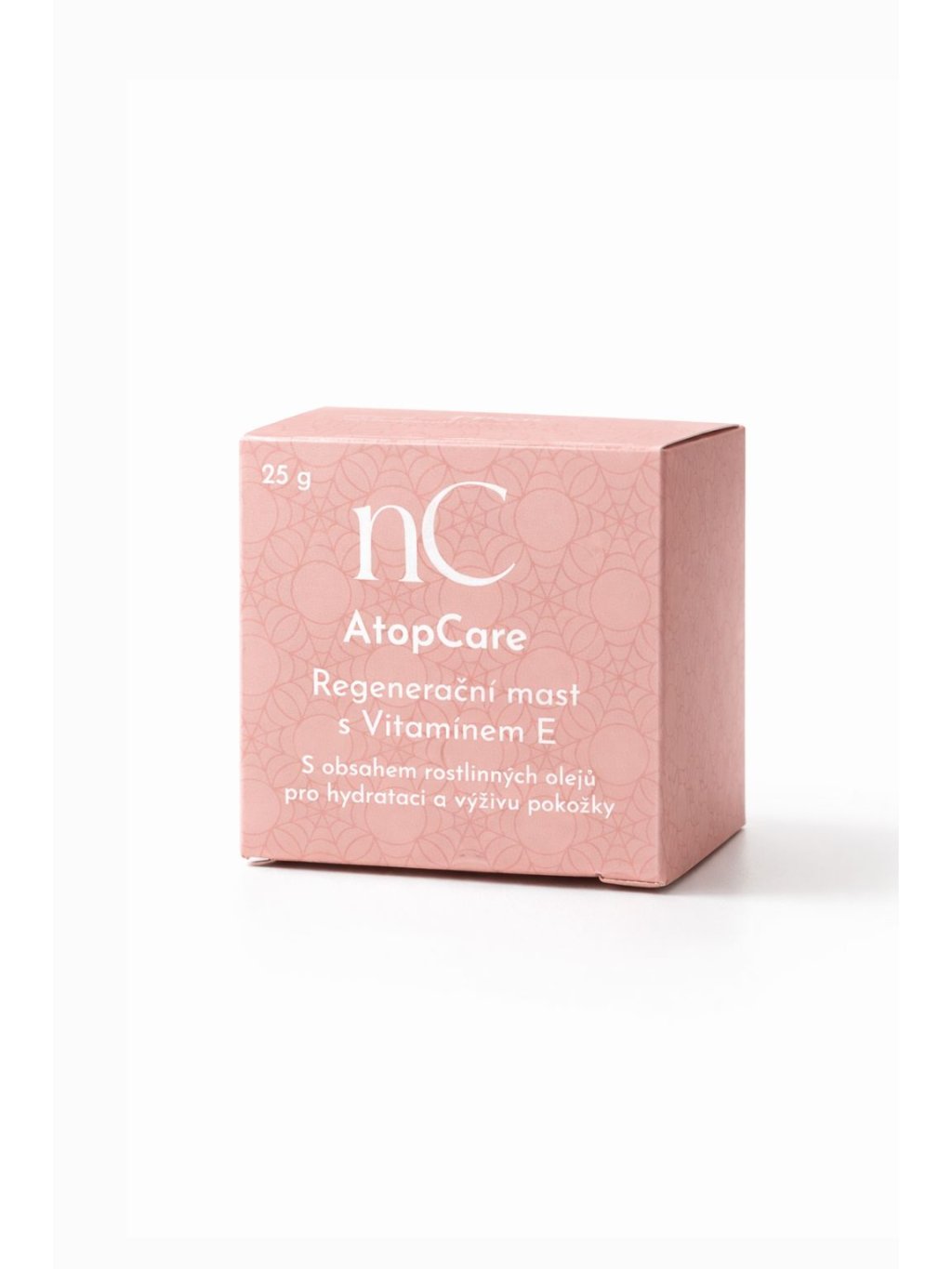
Deep, painful fissures require special attention. First, gently cleanse the area with lukewarm water and pat it dry. Then, apply a thick layer of a regenerative ointment, ideally one with a high concentration of vitamin E and natural oils. Coconut oil is particularly beneficial in this context. It contains monolaurin, a fatty acid that studies have shown to be effective against the bacterium *Staphylococcus aureus*, a common cause of secondary infections in broken skin. This is why a formula that combines the protective, antimicrobial properties of coconut oil with the powerful regenerative effects of vitamin E, such as the AtopCare Regenerative Vitamin E Ointment, can address both needs simultaneously: healing the barrier and protecting it from infection.
Tip: Discover more expert advice in our detailed guide on how to care for dry skin.

Editor's pick
AtopCare Hand Cream for Dry and Overworked Hands
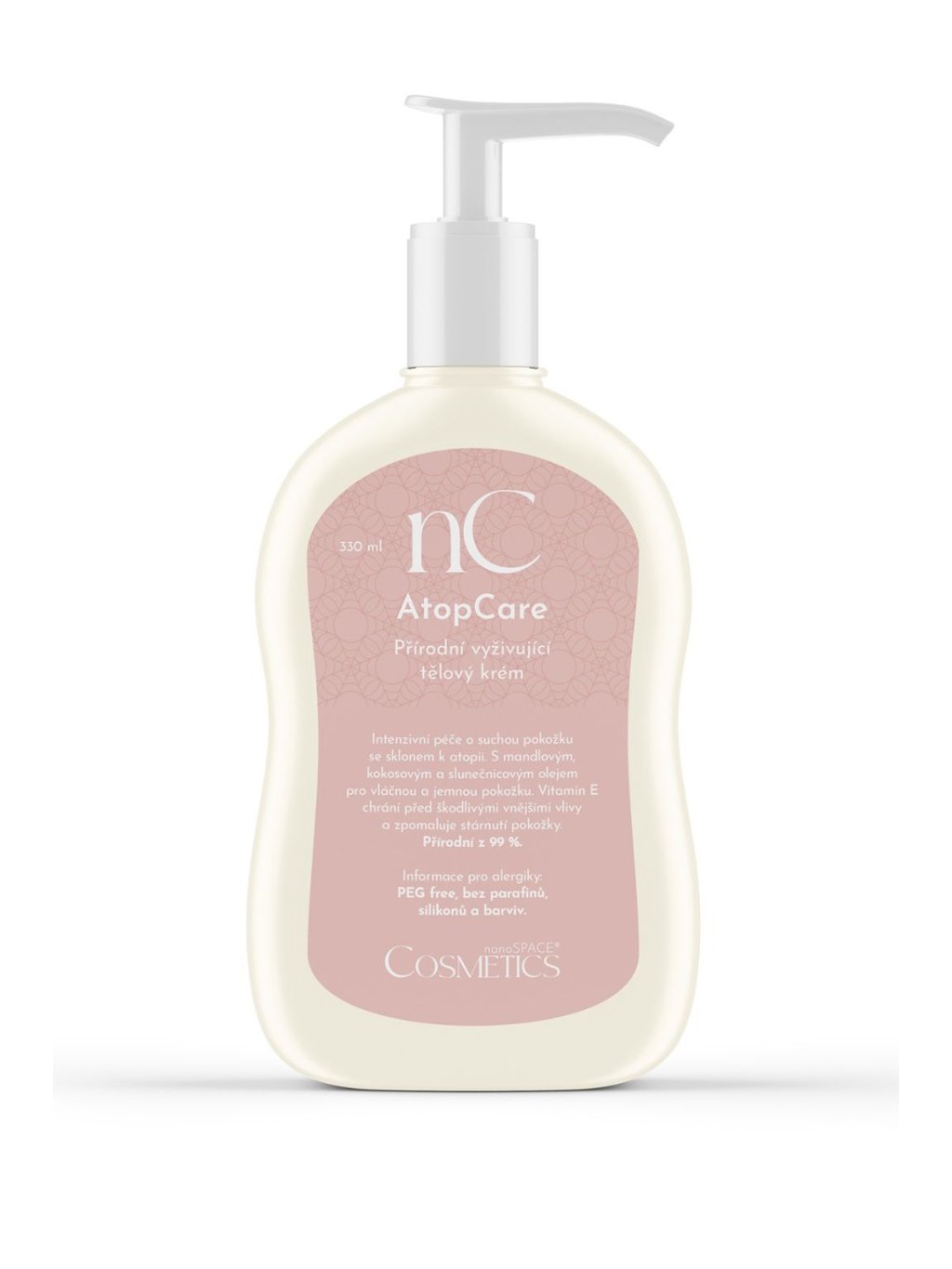
Developed specifically for stressed hands with a damaged barrier. This cream nourishes, regenerates, and protects irritated skin with natural ingredients, free from parabens and silicones.
12.50 €
View productWhat Your Body is Missing: A Closer Look at Vitamins
"What vitamin deficiency causes cracked skin on hands?" This is one of the most common questions people search for online. The answer is rarely straightforward, as it's often not a single deficiency but a combination of several shortfalls that contribute to the problem.
Vitamin E deserves special attention because it is the main fat-soluble antioxidant that directly protects the lipids of the skin barrier from damage. When your body has sufficient vitamin E, your skin retains moisture more effectively and regenerates faster after injury. It is vital to address this both internally (through a diet rich in almonds, avocados, and olive oil) and topically. The skin on your hands needs a direct supply of vitamin E right where the stress is greatest.
Many standard hand creams contain vitamin E in concentrations of 0.5–2%, which is often insufficient for intensive repair. Formulations with a 5% concentration, like those found in the AtopCare range, deliver a superior dose of this vitamin directly to the areas that need it most. When combined with oat oil, which a 2015 study by Reynertson et al. found can boost the skin's ceramide production by up to 70%, you get a powerful duo for rebuilding a damaged barrier. The entire AtopCare line—from the Hand Cream and Regenerative Ointment to the Body Oil—was designed with this synergy in mind.
To learn more about how different vitamins impact your skin's health, read our article on achieving perfect skin with Vitamin A.
When Is It Time to See a Doctor?
In most cases, cracked skin on hands can be managed effectively with diligent at-home care. However, there are situations where a visit to a dermatologist is necessary. You should seek professional advice if the cracks bleed repeatedly and fail to heal after two weeks of intensive care. Likewise, consult a doctor if you notice any signs of infection, such as spreading redness, swelling, pus, or warmth around the wound. Severe itching, blisters between the fingers, or a symmetrical rash on both hands could signal an allergic reaction or an underlying condition like atopic eczema that requires a professional diagnosis and prescription treatment.
Do not underestimate chronic cracking that persists year-round, not just in winter. Ongoing problems can point to occupational contact dermatitis (common in hairdressers, nurses, and chefs) or a systemic issue such as psoriasis or a thyroid deficiency.
Prevention: How to Avoid Cracked Hands in the First Place
Preventing cracked skin on hands is much easier and less painful than treating it. A few simple habits can dramatically reduce your risk of developing painful fissures, even in the harshest winter months.
Always wear protective gloves when using cleaning products, washing dishes, or even gardening. Keep hand washing to the necessary minimum—20 seconds with lukewarm water and a gentle cleanser is sufficient. Make it a non-negotiable habit to apply cream immediately after every wash. Keep a small tube of hand cream in your bag, on your desk, and by your bed to make this as easy as possible. You can find more practical advice in our article featuring 10 tips for dry hands.
In winter, always wear gloves when you go outside, even for short trips. Consider investing in a humidifier for the rooms where you spend the most time to combat the drying effects of central heating. And most importantly, do not neglect your night-time regenerative care. Night is when your skin has the ideal conditions to repair its barrier—take advantage of this with a richer ointment or oil.
Essential Care for Stressed and Irritated Skin
Conclusion: Cracked Hands Are Not Inevitable
Cracked skin on hands can be unpleasant, painful, and frustrating—especially when you feel like you've tried everything. The reality is that most people either don't give their hands enough care or they use the wrong approach. The solution isn't a single miracle product but a comprehensive system: gentle cleansing, immediate hydration, targeted regeneration with proven ingredients (like vitamin E, oat oil, and coconut oil), and consistent prevention.
Your hands deserve it—they are the most industrious tools you possess. Start caring for them better today, and you will see and feel the results within days. For more guidance on building the perfect routine, explore our detailed guide on how to care for dry skin.
Frequently asked questions
What is my body missing if the skin on my hands is cracking?
Most commonly, it points to a lack of vitamin E (the skin's main antioxidant), vitamin B7 (biotin), vitamin C (essential for collagen production), and zinc. If your hands crack year-round despite proper care, we recommend consulting your doctor to have your levels of these micronutrients checked.
What is the best type of cream for cracked hands?
Look for a cream with a high concentration of vitamin E, natural oils (oat, coconut), ceramides, and no irritating additives like alcohol, synthetic fragrances, or SLS. Consistency is also important—a lighter cream for daytime use and a more intensive ointment for overnight. The ideal product should form a protective film on the skin to prevent moisture loss.
Why does the skin on my fingertips crack, especially near the nails?
The skin around the nails is the thinnest and is subject to the most mechanical stress from bending your fingers. It also comes into frequent contact with water and cleaning products, which is why it's often the first area to crack. The most effective prevention is to regularly moisturise the nail beds with an oil or ointment and always wear protective gloves when working with water.
Does coconut oil help with cracked hands?
Yes, coconut oil has a dual action: it moisturises deeply while also providing antimicrobial benefits thanks to its monolaurin content, which helps to combat the bacterium *Staphylococcus aureus*. It is ideal as part of an evening regenerative ritual—apply it to your hands and wear cotton gloves overnight to allow it to work.
When should I see a doctor for cracked hands?
You should consult a dermatologist if the cracks are bleeding and not healing after two weeks of dedicated care, if you see signs of infection (redness, swelling, pus), or if you experience severe itching or blisters. If the problem persists all year and not just in winter, it could indicate a condition like contact dermatitis or a systemic issue that needs professional diagnosis.

Sources
- Kiechl-Kohlendorfer, U. et al. (2008) 'The effect of daily treatment with an olive oil/lanolin emollient on skin integrity in preterm infants', Pediatric Dermatology, 25(2), pp. 174–178.
- Verallo-Rowell, V. M. et al. (2008) 'Novel antibacterial and emollient effects of coconut and virgin olive oils in adult atopic dermatitis', Dermatitis, 19(6), pp. 308–315.
- Lin, J. Y. et al. (2005) 'Synthesis of a topical antioxidant formulation containing vitamin C, vitamin E, and ferulic acid', Journal of Investigative Dermatology, 125(4), pp. 826–832.
- Reynertson, K. A. et al. (2015) 'Anti-inflammatory activities of colloidal oatmeal (Avena sativa)', Journal of Drugs in Dermatology, 14(1), pp. 43–48.