
Does your skin feel tight the moment you step out of the shower? Does it look dull and tired during the day, and by evening tiny lines and flakes appear around the nose and cheeks — even though you go through one hydrating serum after another? Then the problem probably isn't dryness, but something a little different. Dehydrated skin is a state, not a type, and it comes from a lack of water, not oil. That is why a rich cream meant for dry skin often does nothing for it. In this guide we explain how to recognise dehydration, how it differs from dry skin, and how to deal with it step by step — including why a hydrating serum on its own is never enough.
Key takeaways if you're short on time
- Dry skin is a type, dehydrated skin is a state. Dry skin lacks oils (lipids); dehydrated skin lacks water — and even oily skin can be dehydrated.
- Humectants handle hydration, ingredients such as hyaluronic acid and glycerin that draw water into the skin.
- A serum alone is not enough. The water has to be "locked in" with a cream, otherwise it simply evaporates again.
- In dry air, hyaluronic acid without a sealant can even dry the skin out, because it pulls water up from the deeper layers.
- A facial mist is preparation and refreshment, not final hydration — always seal it in with a serum and a cream.
Dry or dehydrated skin? The difference that changes everything
The two terms get used interchangeably in everyday speech, but dermatologically they are two different things. Your skin type — dry, oily, combination — is largely determined by genetics and you cannot change it. Dry skin naturally has little sebum and few lipids, so it lacks oil. Dehydrated skin, by contrast, is a temporary state in which the skin is short of water. And because it is a state, it can be influenced — often quite quickly.
This has one important consequence: even someone with oily or combination skin can be dehydrated. It may sound like a contradiction — shiny yet parched — but it is common. If you are not sure which category you fall into, our guide on how to discover your skin type will help. The distinction matters most because each state needs something different. Dry skin calls for lipids — oils and ceramides. Dehydrated skin calls for water, delivered by humectants, and then for that water to be sealed in.
How to recognise dehydrated skin
Dehydration has a few telltale signs. The skin feels tight, especially after washing. It looks dull, as if it has lost its glow. Fine lines appear that fade for a moment after you apply a cream and then return — these are dehydration lines, not true wrinkles. Sometimes there is roughness to the touch or small flakes. And it is all typically made worse by central heating in winter, air conditioning in summer, long hot showers and wind.
All the while, the body loses water from the skin continuously. The technical term is transepidermal water loss — water simply evaporates from a compromised barrier. When the skin barrier is healthy, evaporation slows down. When it is weakened by unsuitable products or external factors, water loss speeds up and the skin dries out faster than you can replenish it.
What causes skin dehydration
Dehydrated skin rarely comes from a single cause; it is usually a combination of factors. The most common is the weather and your environment. In winter, central heating and frost dry the skin out; in summer, air conditioning and the salty seaside do it. Wind and generally low humidity play their part too. Skin that was perfectly fine over summer can suddenly start to feel tight and flaky in autumn, without your changing a thing.
The second big culprit is our own routine. Hot, lengthy showers, soaps and cleansing gels with alcohol, over-exfoliation or harsh makeup removal all strip the skin of its protective film and speed up water loss. Age adds to it: over the years, the skin naturally holds on to moisture less well. When several factors come together, the result is exactly that tight, dull and sensitive skin we keep trying to fix with one cream after another.
Why a hydrating serum alone won't fix dehydration
Plenty of people assume that buying a serum with hyaluronic acid is all it takes. Then they are disappointed to find their skin still parched and irritated. The explanation lies in how humectants work. Humectants — hyaluronic acid, glycerin, urea — draw water into the upper layer of the skin. That is the first pillar of hydration. But attracting water is only half the job. That water then has to be kept in the skin, or it simply evaporates again.
It helps to know the whole system. Hydration rests on three pillars that complement one another. Humectants draw water in. Emollients, such as ceramides or squalane, fill the gaps between cells and smooth the surface. And occlusives form a thin film on the skin that "locks" the water inside. A serum with hyaluronic acid is, on its own, only that first pillar. Without a cream to seal it, its work is left unfinished.
There's also a trap that catches most people out. In a dry environment — a heated flat, frost outside, air conditioning in the office — hyaluronic acid without a sealant pulls water up from the deeper layers of the skin and evaporates it into the surroundings. Instead of hydrating, it can paradoxically dry the skin out even more. That is why a hyaluronic serum always needs a cream over the top. And don't put your faith in miracle figures about how much water hyaluronic acid can "hold". What matters is that it forms a hydrating gel on the surface and binds water within it. It is still one of the best humectants there is, which is exactly why it deserves to be sealed in with a cream. We write more about it in our article on hyaluronic acid and the best products.
How to treat dehydrated skin step by step
The fix is genuinely simple. Stick to the order — from the thinnest to the thickest texture — and don't stop halfway.
Step 1: Refresh and prepare with a facial mist
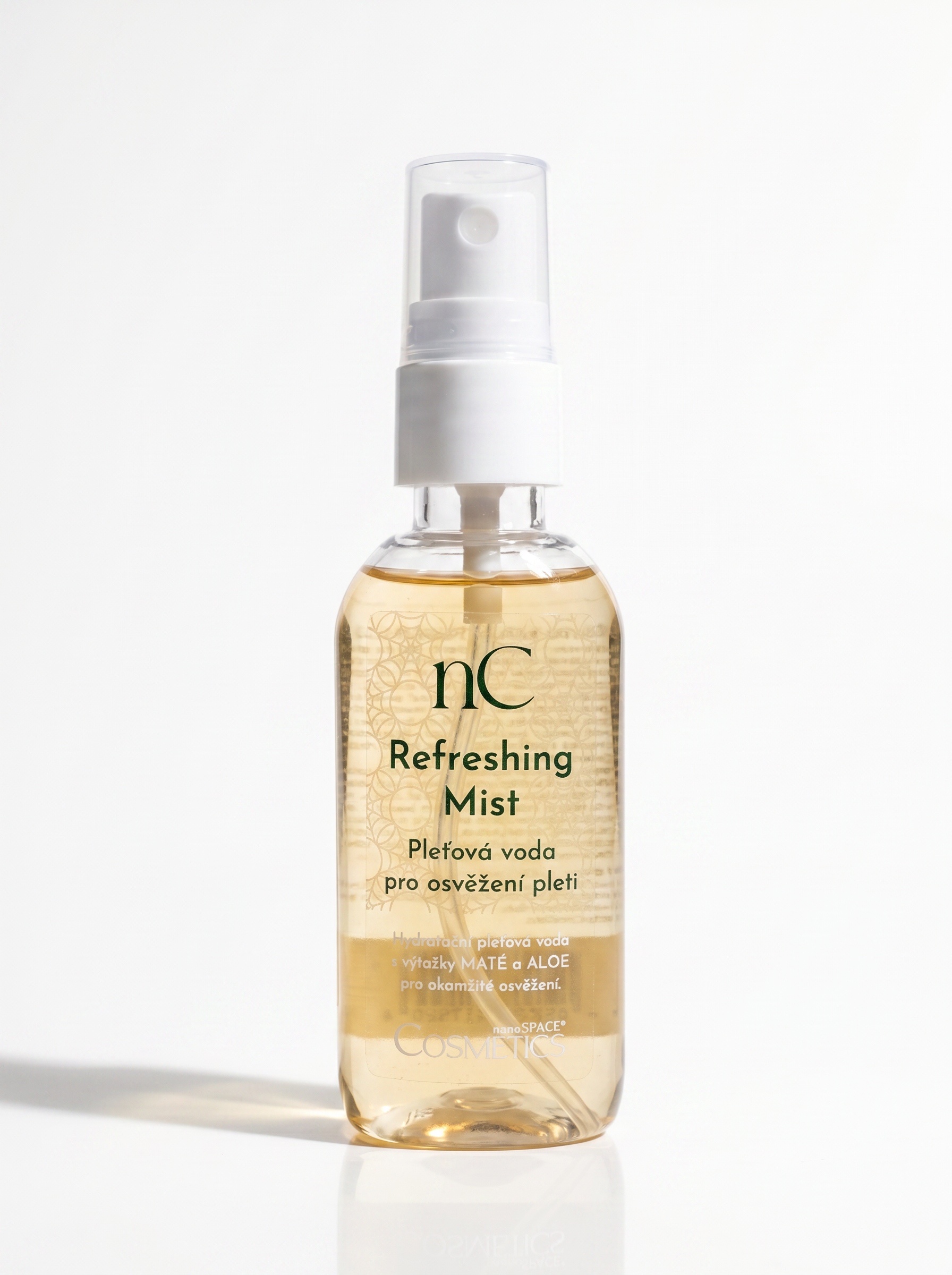
A light hydrating facial mist is ideal on clean skin. It contains humectants and moistens the skin, preparing it for the next steps — active ingredients absorb better into damp skin. You will appreciate the mist during the day, too, as a quick pick-me-up when your skin looks tired. One thing to keep in mind, though: a mist is not final hydration. On its own it will not keep your skin hydrated all day; on the contrary, if you don't seal the water in, it will evaporate again. Treat it as preparation and refreshment, not a substitute for a serum and a cream.
Step 2: A hydrating serum with hyaluronic acid
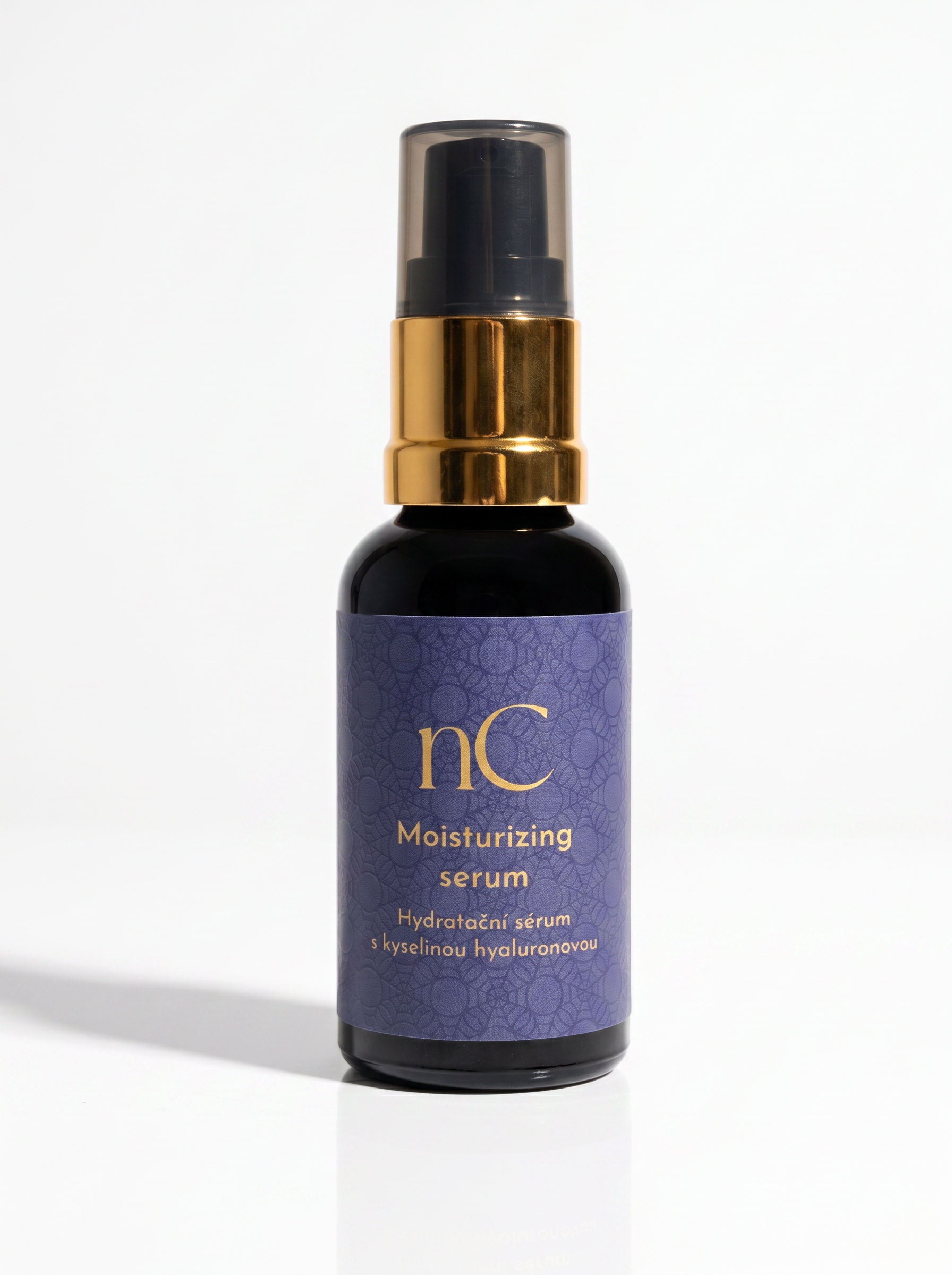
The heart of caring for skin that's short of water is a hydrating serum with hyaluronic acid. A good serum contains hyaluronic acid in more than one molecular size — shorter chains reach deeper, while longer ones form a hydrating film on the surface and reinforce the barrier. As a result the skin is hydrated on several levels, not just superficially. Apply the serum to skin that is still damp from the mist, a few drops are enough, and massage it in gently.
Use the hydrating serum both morning and evening; it pays off most as a steady part of your routine, because hydration rewards consistency rather than one-off efforts. In the morning it preps the skin under your day cream and sunscreen; in the evening it works alongside your skin's overnight recovery. One habit matters: hyaluronic acid works best on damp skin, so never apply it to a completely dry face — either straight after the mist, or at least on skin patted only lightly dry.
Step 3: Seal it in with a cream
The final, indispensable step. Over the serum, apply a cream that locks the water into the skin and tops up its lipids. Without it the previous steps are left half-done, and in a dry environment they can turn against you. Choose a lighter cream for daytime that absorbs easily under makeup, and a richer one at night, when the skin has time to recover undisturbed. And remember that it is not only the face that needs sealing — the neck and décolleté benefit just as much, and they're so easily forgotten. The rule is simple: the drier the air around you, the more important that final seal.
The nanoSPACE hydration duo for dehydrated skin
When skin is genuinely dry, not just dehydrated
If your skin is short of oil, water alone will not solve the problem. Dry skin needs lipids — richer creams with ceramides, plant oils and fatty acids that top up what genetics did not provide. Humectants and sealing will help it too, but nourishment is the foundation. Often it is both at once: the skin is dry and dehydrated at the same time, so it needs water as well as oil. We cover how to look after skin like that in detail in our article on caring for dry skin.
Common mistakes that make dehydration worse
The first and most common is to stop at the serum and skip the cream. Without sealing, the water leaves along with all your effort. The second concerns cleansing: harsh soaps and alcohol-based gels strip the skin of its protective film, so water loss speeds up even further. Reach instead for gentle cleansing that spares the barrier.
Watch out, too, for hot water and long showers — heat dissolves the skin's lipids, and the skin tends to feel even tighter afterwards. Lukewarm water is enough. And finally: do not expect to solve dehydration through your water intake alone. Drinking enough does help the skin's health, but water drunk internally only reaches the surface layers of the skin to a limited degree. Without skincare that holds water in place, drinking on its own will not fix it.
Hydrated skin shows on sight and to the touch. And getting there is usually easier than your reflection suggests first thing in the morning.
How long until dehydrated skin recovers
Dehydration responds quickly to care. With the right approach — moisten, deliver water with humectants, seal it in with a cream — the skin tends to feel softer and less tight within a few days. The deeper change, when dehydration lines fade and the glow returns, usually comes after two to four weeks of consistent care. The important thing is to stick with one approach and not swap products every week. Skin like this does not need ten different serums, just one routine that works, done properly. Once things settle, you can ease off the intensive hydration a little and keep it up mainly during the times your skin suffers most — in winter and in air-conditioned spaces.

Conclusion
Dehydrated skin is not a life sentence but a state you can reverse within a few weeks. It is not about one miracle serum, but a finished routine: moisten the skin, deliver water with humectants and, above all, seal it in. Add gentle cleansing and lukewarm water instead of hot, and the skin stops feeling tight and dull and gets its freshness back. And if there is genuine dryness hiding beneath the dehydration, add nourishment and lipids to your care. Most people need neither expensive cosmetics nor elaborate rituals — just an understanding of the difference between water and oil, and a few of the right steps done consistently. Your skin will repay you.
Frequently asked questions
How do I tell whether my skin is dry or dehydrated?
Dry skin is a type — it lacks sebum all year round, tends to be thin and prone to flaking. Dehydrated skin is a temporary state caused by a lack of water, and it can affect even oily skin. Typical signs of dehydration are fine lines that vanish after applying a cream, tightness after washing, and a dull look.
Is a serum with hyaluronic acid enough for dehydrated skin?
No. Hyaluronic acid is a humectant that draws water into the skin but does not keep it there. Without sealing it in with a cream, the water evaporates again, and in a dry environment hyaluronic acid can even pull water up from the deeper layers. Always finish a serum with a moisturising cream.
Can someone with oily skin have dehydrated skin?
Yes, and it is common. Oiliness is about sebum production, dehydration about a lack of water — two independent things. Oily skin can therefore be shiny and dehydrated at the same time. The answer is light humectants and non-comedogenic hydration, not drying the skin out.
What is a facial mist for?
A facial mist moistens the skin, delivers humectants and prepares it for a serum and cream — active ingredients absorb better into damp skin. It also works as a quick refresh during the day. It is not final hydration, though: if you do not seal in the water from the mist, it will evaporate again.
Will drinking more water fix dehydration?
Only partly. Drinking enough is important for the skin's health, but water drunk internally reaches the upper layers of the skin only to a limited degree. Dehydrated skin needs mainly topical care — humectants and a cream to seal them in. Drinking alone will not fix it.

Sources
- Milani, M. & Sparavigna, A. (2017) 'The 24-hour skin hydration and barrier function effects of a hyaluronic 1%, glycerin 5% formulation', Clinical, Cosmetic and Investigational Dermatology, 10, pp. 311–315.
- Bos, J.D. & Meinardi, M.M. (2000) 'The 500 Dalton rule for the skin penetration of chemical compounds and drugs', Experimental Dermatology, 9(3), pp. 165–169.