
Your eyes are the first to give you away — tiredness, a bad night's sleep, the years creeping on. One sleepless night and a puffy, shadow-ringed face looks back at you in the mirror the next morning. The skin around the eyes is the thinnest on the whole body and reacts to everything sooner than the rest of the face — lack of sleep, salt in last night's dinner, collagen loss, rough handling. In this guide we go through the three most common worries of the eye area: fine lines, puffiness and dark circles. For each one we explain what lies behind it, what you can realistically do about it, and where cosmetics run up against their limits.

Key takeaways if you're short on time
- The skin around the eyes is the thinnest on the body, with few sebaceous glands, so it dries out, ages and tires faster than the rest of the face.
- Fine lines call for gentleness and hydration, not tugging and strong actives. Peptide serums give an instant smoothing effect on the surface.
- Puffiness is linked to water retention, sleep and lifestyle — cold, gentle handling and care that supports drainage all help.
- Dark circles have several causes (shadows, visible vessels, pigment) and cosmetics cannot erase them — but they can soften how they look.
- Gentleness is the foundation. Tugging and scrubbing the delicate skin of the eye area damages it and tends to deepen lines and circles.
Why the skin of the eye area is so vulnerable
The area around the eyes plays by different rules from the rest of the face. The skin here is several times thinner, has barely any sebaceous glands and lacks the fatty cushioning that keeps skin taut elsewhere. Beneath that thin skin, blood vessels and the muscle that contracts with every blink, smile and frown — thousands of times a day — show through. No wonder the first expression lines appear here, and that every late night shows on this spot. While the skin on your cheeks is far more forgiving, the area under the eyes remembers every bit of rough handling and every skipped evening routine.
Age makes things worse as collagen dwindles. The skin loses elasticity, thins still further, and what was once smooth starts to form fine grooves and shadows. Caring for this area therefore rests on two pillars: strengthen and firm the skin from within, and handle it as gently as possible on the outside. For a complete look at the whole eye area, see our article on how to take care of the eye area.
Fine lines around the eyes
Lines under the eyes and at the corners (crow's feet) are among the first things we notice on ageing skin. They form through a combination of facial movement and dwindling collagen, and because the skin is so thin, they show up here sooner than elsewhere. Surveys suggest that around 46% of women name wrinkles as their main cosmetic concern — so you are far from alone.
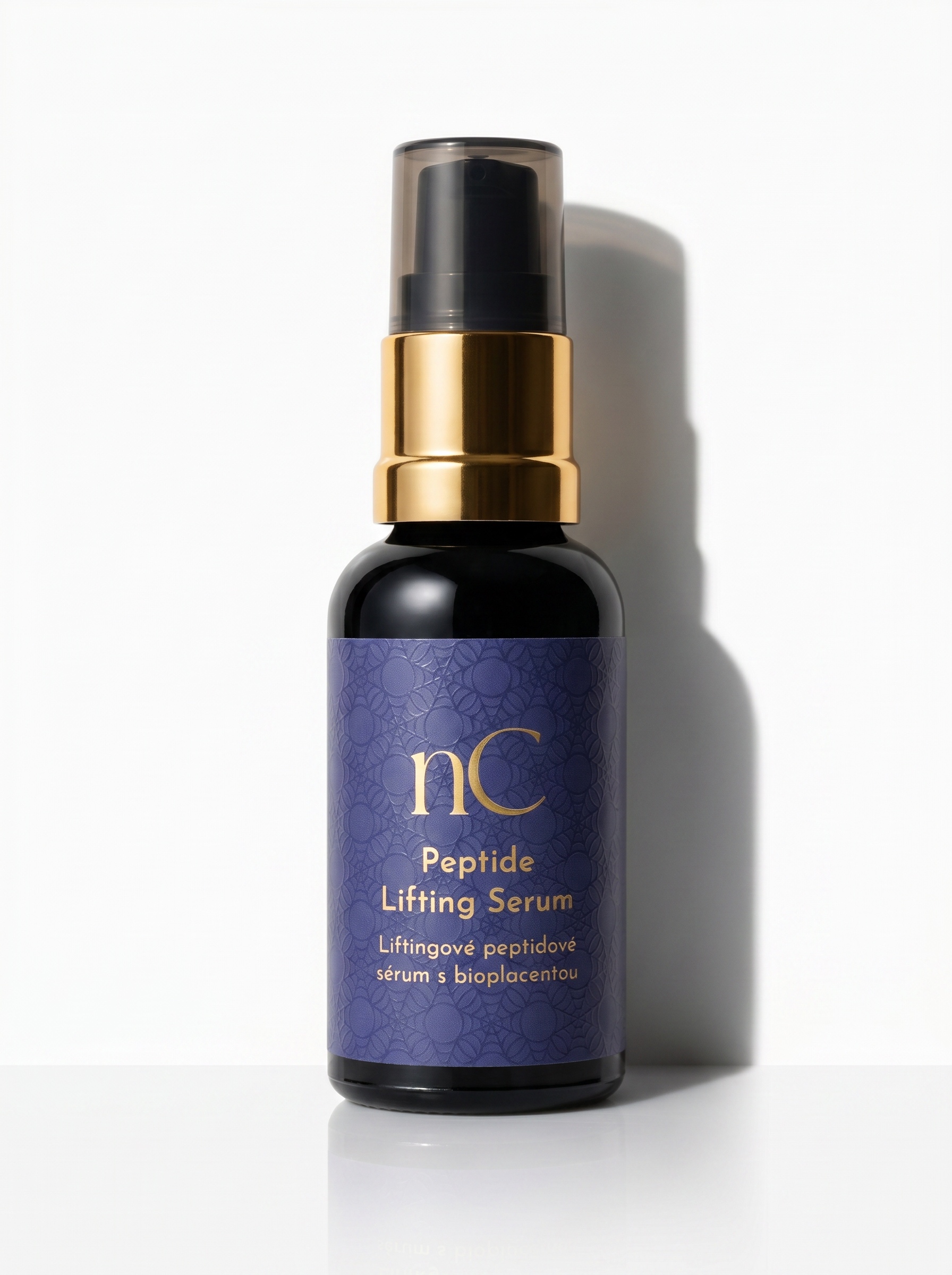
For fine lines in this area, gentle treatment suits the skin better than sudden, strong actives that thin skin doesn't handle well. A peptide lifting serum with bioplacenta serves well. The peptides in it help smooth the surface of the skin and give an instant, optical lifting effect — the skin looks tauter and smoother afterwards. The important thing is not to expect "botox from a tube": peptide serums cannot paralyse a facial muscle or replace aesthetic procedures; they work on the surface of the skin and their effect is smoothing and temporary. The bioplacenta in the serum, according to the ingredient supplier, acts as a signal, prompting the skin to renew itself. Apply the serum carefully with your ring finger, which exerts the least pressure, and never rub it into the skin with force.
Wrinkles between the brows and on the forehead have a slightly different dynamic — we cover them in a separate piece on what works on wrinkles between the eyes and eyebrows. And if you are tackling wrinkles in general, you will find an overview in our article on how to prevent wrinkles.
Puffiness and a tired look
Swollen lids and bags under the eyes usually have nothing to do with ageing and everything to do with the rhythm of the day and night. Overnight, water is easily retained in the loose tissue around the eyes, especially after a salty dinner, alcohol or too little sleep. By morning this shows as puffiness, which generally subsides over the course of the morning. Cold helps — a chilled spoon or a cooling gel in the morning constricts the vessels and reduces the swelling — as do plenty of sleep and less salt in the diet.
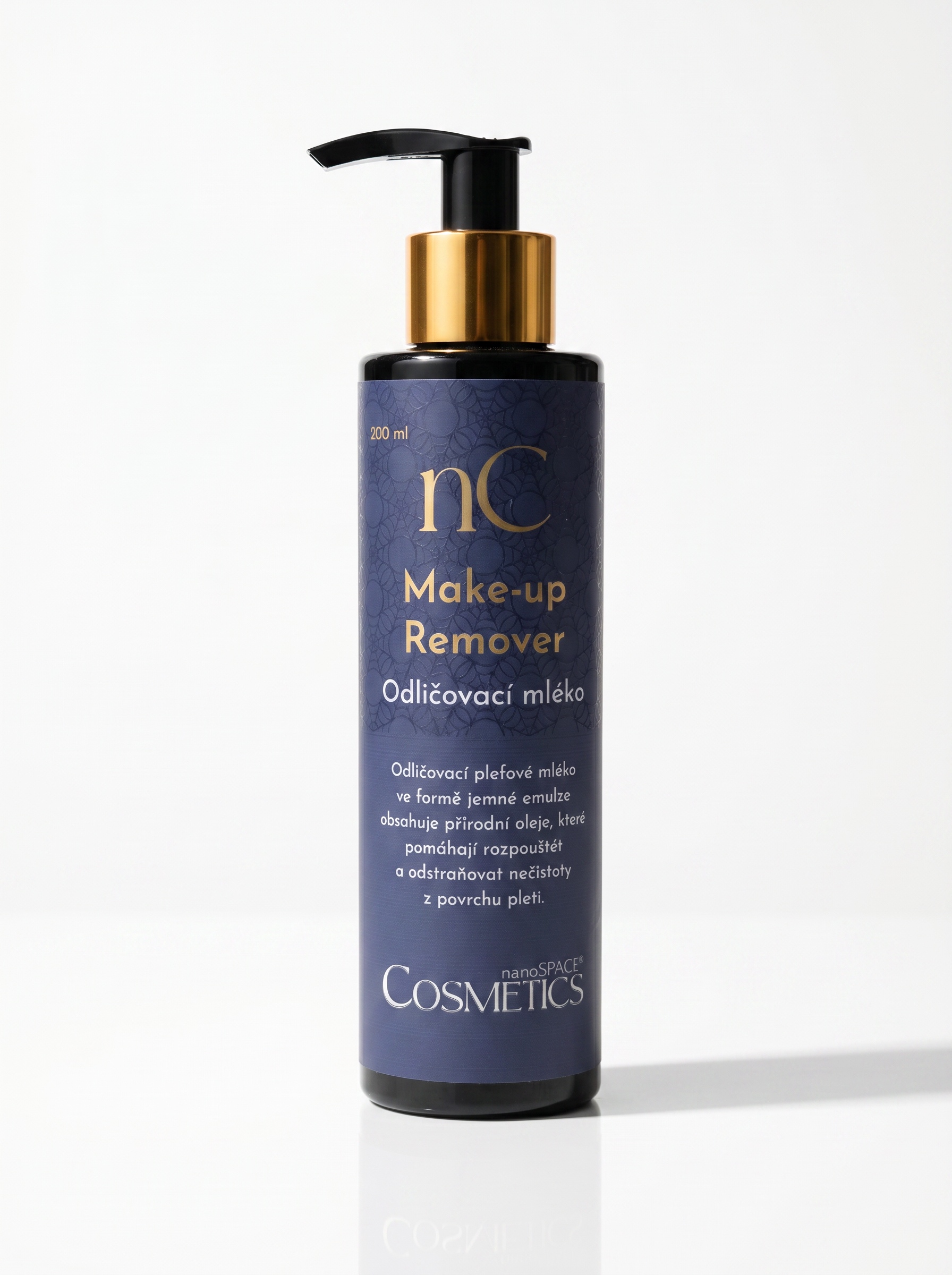
How you treat this area while cleansing matters just as much. Tugging and rubbing while removing makeup only make puffiness and irritation worse. A gentle cleansing milk dissolves even stubborn mascara without friction, so you don't injure the skin under the eyes. It also contains an ingredient that, according to the manufacturer's data, helps reduce puffiness and visible vessels in the under-eye area. Take your makeup off by pressing and wiping gently, not by vigorous rubbing — and that gentleness is the best thing you can do for tired eyes.
When the bags under your eyes don't fade even after a good night's sleep and come back day after day, allergies, water retention from your diet or your sleeping position may be behind them. Try sleeping with your head slightly raised and see whether it improves. Persistent swelling that comes with itching or redness, though, is better discussed with a doctor — here cosmetics are only an aid, not a solution.
Dark circles: why they form and what to expect from skincare
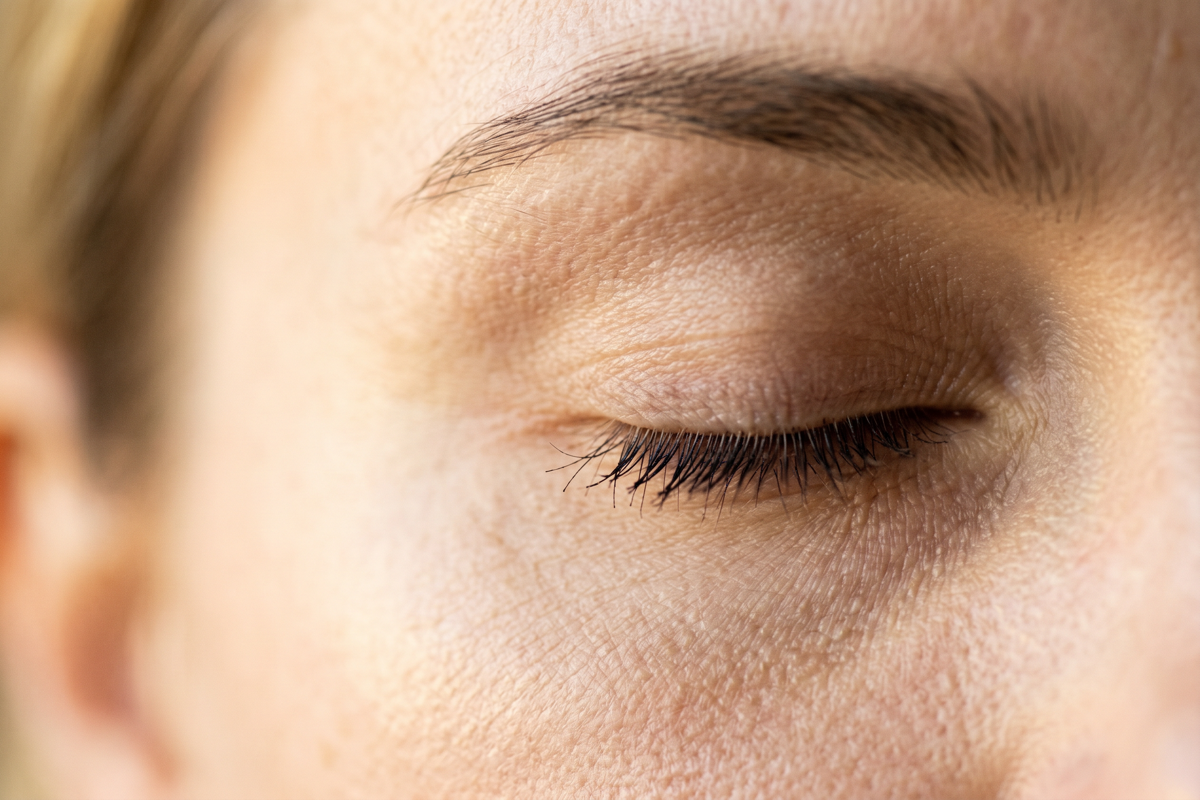
Dark circles are the trickiest of the three, because they do not have a single cause. Sometimes they are shadows cast by a hollow under the eye, sometimes vessels showing through thin skin as a blue-purple tinge, sometimes accumulated pigment. And because the causes differ, so does what helps. Here we have to be honest: no cream will "erase" dark circles. A pricey eye cream bought blind therefore often disappoints — without knowing the cause, you are shooting in the dark.
It helps to tell apart three basic types. Pigmented circles come from a build-up of melanin, often in darker skin or after sun exposure, and respond to sun protection and brightening care. Vascular circles have a bluish-purple tinge caused by vessels showing through thin skin — firmer, better-circulated skin helps, and sometimes cold does too. And structural circles are not really dark at all; they merely cast a shadow because of a hollow under the eye or swelling. Volume and a smoother surface help more there than anything aimed at pigment. Once you know which group you fall into, you stop buying products that were never going to work for your type. For more on how pigment forms in the skin and what helps, see our article on hyperpigmentation.
nanoSPACE care for the eye area
How to care for the eye area properly
The guiding principle is simple: less force, more gentleness. Remove makeup by pressing, not rubbing. Apply cream and serum with your ring finger in light taps, never rubbing them in. Skip aggressive scrubs and strong acids in the immediate vicinity of the eyes — the thin skin will not tolerate them. And don't forget sun protection, because UV is one of the main triggers of both wrinkles and pigmentation under the eyes.
Firmness and elasticity matter too, and the skin around the eyes draws those from collagen. You support it from within with a varied diet and good sleep, and from the outside with a peptide serum and regular hydration. If you want to know how collagen works in skincare and whether it is worth taking, have a look at our article on the best collagen for hair and skin.
In practice, a simple morning and evening routine pays off. In the morning, apply a light serum after washing and protect the eye area along with the rest of your face using SPF. In the evening, remove makeup gently, give the skin hydration and, if you like, a peptide serum that works on smoothing overnight. When you wake up with puffiness, a few minutes with a chilled spoon kept in the fridge overnight, or cooling pads over closed lids, will help. None of this costs a fortune, yet over time it does far more for your eyes than one expensive miracle cream bought in a moment of despair.
Common mistakes in eye care
The most common sin is force. Vigorously removing mascara, rubbing tired eyes, pulling at the skin while applying cream — all of it damages the delicate tissue and speeds up the formation of lines. The second mistake is applying strong actives meant for the rest of the face right up against the eyes; the thin skin reacts with irritation and redness.
And the third: unrealistic expectations. No serum or cream will turn tired eyes into twenty-year-old ones, and dark circles dictated by genetics will not vanish entirely. What cosmetics can do is firm, calm and smooth the surface of the skin and soften how things look — and combined with sleep, water and gentle handling, that adds up to a lot. Realistic expectations are half the battle here.
How to prevent wrinkles and dark circles around the eyes
The best eye care is the kind that heads problems off before they appear. Sun protection comes first — UV speeds up both wrinkles and pigmentation, so sunscreen and sunglasses are no luxury around the eyes but prevention number one. Enough sleep, enough fluids and the habit of not rubbing tired eyes with your hands all help too. Take makeup off gently and don't skimp on the quality of your remover; daily scrubbing at mascara is one of the things that ages the skin around the eyes most.
Your eyesight plays a part as well. If you often squint into the distance or at a screen, have it checked — constant squinting only deepens the crow's feet at the corners. And remember that the skin under the eyes is part of the whole face: the better you look after your skin overall, the better the delicate area around the eyes does too. Healthy, hydrated skin across the whole face is the best foundation for a rested look.
Conclusion
The eye area asks for a different approach from the rest of the face: gentleness instead of force, prevention instead of miracles. Fine lines respond to a peptide serum and gentle hydration. For puffiness, cold and considerate cleansing do the work. And dark circles come down to sleep, sun protection and, when needed, a plain concealer. None of these steps is complicated or costly, and most you can fit into a couple of minutes a day. Do them regularly and, above all, gently, and your eyes will soon start giving you back a more rested, fresher look.
Frequently asked questions
Does a peptide serum work like botox?
No. Peptide serums cannot paralyse a facial muscle or replace aesthetic procedures. They work on the surface of the skin, where they give an instant smoothing and optical lifting effect that is temporary. The skin looks tauter and smoother, but this is surface care, not an injection.
Why do I have puffiness under my eyes in the morning?
Overnight, water is retained in the loose tissue around the eyes, especially after a salty dinner, alcohol or too little sleep. By morning this shows as puffiness, which usually subsides during the morning. Cold, enough sleep, less salt and gentle handling without tugging all help.
Can a cream remove dark circles under the eyes?
Not remove them completely. Dark circles have various causes — shadows, visible vessels or pigment — and cosmetics cannot erase them. They can soften how they look, though: firmer, hydrated, sun-protected skin shows them through less. A concealer takes care of the rest.
How should I apply eye care?
Always gently and without tugging. Apply cream and serum with your ring finger, which exerts the least pressure, in light taps along the bone under the eye, not directly on the lid. Never rub or stretch the skin in this area — it is the thinnest on the body and rough handling harms it.
Can I use the same strong actives around the eyes as on my face?
With caution. The thin skin of the eye area tolerates strong acids and high concentrations meant for the rest of the face poorly and reacts with irritation. Choose products made specifically for the eye area or gentle formulations, and keep them away from the lash line.

Sources
- Bos, J.D. & Meinardi, M.M. (2000) 'The 500 Dalton rule for the skin penetration of chemical compounds and drugs', Experimental Dermatology, 9(3), pp. 165–169.
- YouGov (2024) Survey on the perception of skin-ageing signs (wrinkles as the main cosmetic concern for 46% of women).