
We all know that sinking feeling: you look in the mirror first thing in the morning, only to be met by yet another cluster of clogged pores, stubborn blackheads on your nose, or an angry blemish that has decided to appear at the worst possible moment. The daily struggle with skin imperfections isn't just a teenage rite of passage; it's a very real, often frustrating reality for countless adults. Waking up to unpredictable breakouts can make you want to hide away, and the endless cycle of trying over-hyped products that promise the earth but deliver nothing only adds to the exhaustion. If you're searching for an ingredient that genuinely works—one backed by decades of scientific research rather than fleeting TikTok trends—then your answer is salicylic acid. This unassuming but powerful compound has earned its stellar reputation in salicylic acid skincare, particularly for those dealing with oily and blemish-prone complexions.
You’ve almost certainly heard its name in beauty circles, and you might well already have a product containing it sitting on your bathroom shelf. But do you really understand the science behind how it works? Why is it so good at deeply clearing out pores, reaching areas that other popular cosmetic ingredients simply can't touch? And how can you fit it into your daily routine to get a smooth, clear complexion without triggering irritation or flakiness? In this guide, we put salicylic acid under the microscope. We’ll go through the latest clinical studies, explore the many salicylic acid uses for skin, and show you exactly why this ingredient deserves a permanent place in your routine for clearer, healthier-looking skin.
Key takeaways if you're short on time
- Purifies pores from the inside out: Unlike many other acids, it's oil-soluble, meaning it cuts through stubborn sebum to deeply cleanse the pore lining.
- Visibly reduces breakouts: Clinical studies show a significant drop in blemishes—up to 40 to 60%—when it forms part of a consistent skincare routine.
- Acts as a gentle, non-abrasive exfoliant: It dissolves the microscopic bonds between dead skin cells, smoothing the skin's texture without the need for harsh mechanical scrubbing.
- Best cosmetic concentration is up to 2%: For daily home use, this percentage is both safe and highly effective. Higher doses don't yield better daily results and are reserved for pharmacy treatments (such as verruca removal) or professional chemical peels.
- Supports hydration and the skin barrier: When formulated well, the latest 2025 research confirms that it can actually improve moisture retention and strengthen your skin's natural protective barrier.
What Is Salicylic Acid and Where Does It Come From?
Before we look at what this ingredient does for your skin, it helps to understand exactly what we're dealing with. Salicylic acid is a naturally occurring organic compound with a rich history that stretches back well beyond the modern beauty industry. Originally, it was extracted from the bark of the willow tree (known botanically as Salix, which is where it gets its name). Ancient physicians, including Hippocrates, knew that willow bark extracts could ease pain and bring down fevers.
Chemically, it’s closely related to acetylsalicylic acid, the active pharmaceutical ingredient the world knows as aspirin. But while we swallow an aspirin tablet to relieve internal pain and inflammation, salicylic acid is applied directly to the skin. There, it delivers similar soothing, calming properties to the surface, helping to reduce the visible redness, swelling, and discomfort that accompany angry blemishes.
In cosmetics and dermatology, you’ll often see it referred to by its acronym, BHA, which stands for beta-hydroxy acid. Getting to grips with this term matters, because it explains why this ingredient behaves so differently from other popular exfoliating acids. If you want to learn more about the wider range of exfoliating ingredients and how they’re grouped, we highly recommend our detailed guide to the various acids in skin care.
BHA vs. AHA: The Science of Deep Pore Penetration
If you take even a passing interest in skincare, you’ve probably come across AHAs (alpha-hydroxy acids) such as glycolic or lactic acid. Both groups—AHAs and BHAs—work as chemical exfoliants. In simple terms, they help the skin shed its top layer of dead, dull cells. But that’s where the similarities end, and where the true strength of BHA begins.
The difference that makes BHA so perfectly suited to oily and blemish-prone skin comes down to solubility. AHAs are water-soluble. Because of this, they stay mainly on the surface of the skin, where they do a brilliant job of brightening the complexion, fading superficial pigmentation, and smoothing rough texture. Think of them as a good sponge wiping down the surface of a basin.
BHA, by contrast, is oil-soluble (lipophilic). Human sebum—the natural oil our skin produces—is essentially a lipid, or fat. When you apply a water-soluble AHA to your face, the sebum sitting inside your pores acts as a barrier, and the AHA simply can't pass through it. Salicylic acid, however, treats that same sebum as an open door. It dissolves into the oil and passes straight through, reaching deep into the lining of the pore where it sets to work cleaning from the inside out. It acts like a microscopic pipe cleaner, happily diving into a blocked, oily drain to dissolve the built-up grime. This ability to bypass oil is exactly why it’s the ultimate answer when you're working through our ultimate guide: how to get rid of acne and tackling chronically congested pores.
The Effects of Salicylic Acid on the Skin
Thanks to its unique chemical structure, this beta-hydroxy acid offers a broad range of benefits. Let’s look at its most impressive effects in more detail, backed by the scientific data that proves just how well it works.
Purifying Pores and Tackling Stubborn Blackheads
Blackheads, known medically as open comedones, form when a pore becomes clogged with a sticky mixture of dead skin cells and excess sebum. When this plug reaches the surface and is exposed to the air, it oxidises—which is why it turns that dark, black colour. Because BHA penetrates so deeply into the pore lining, it breaks down and dissolves this sticky, oxidised mixture, letting the pore finally breathe and clear itself out. Daily use of products containing this ingredient also stops pores from becoming clogged in the first place. If you constantly battle a shiny, congested T-zone, this is one of the most reliable allies you can enlist. You’ll find more targeted advice in our guide on how to care for oily skin.
Reducing Blemishes and Regulating Sebum
When it comes to managing active breakouts, the results are nothing short of impressive. When a pore is blocked and starved of oxygen, acne-causing bacteria (specifically Cutibacterium acnes) begin to multiply rapidly. This triggers an inflammatory response, producing the classic swollen, red blemish. BHA not only unblocks the pore to clear out the bacteria's breeding ground, but thanks to its close relationship with aspirin, it also helps to calm visible redness and reduce swelling. On top of that, it has been shown to help regulate the skin's natural sebum production over time.
A recent clinical study published in the Journal of Cosmetic Dermatology in 2025 produced striking results. Over a 21-day test of a specially formulated BHA gel, participants saw a 23.65% reduction in their skin's sebum production. Further clinical data from long-term observational studies show that regular use of a 1% to 2% concentration can reduce the overall number of acne lesions by 40 to 60% after just eight weeks. Researchers have also noted that a 2% concentration is roughly as effective at managing breakouts as a much more aggressive 10% benzoyl peroxide treatment, yet it’s far gentler on the skin's barrier.
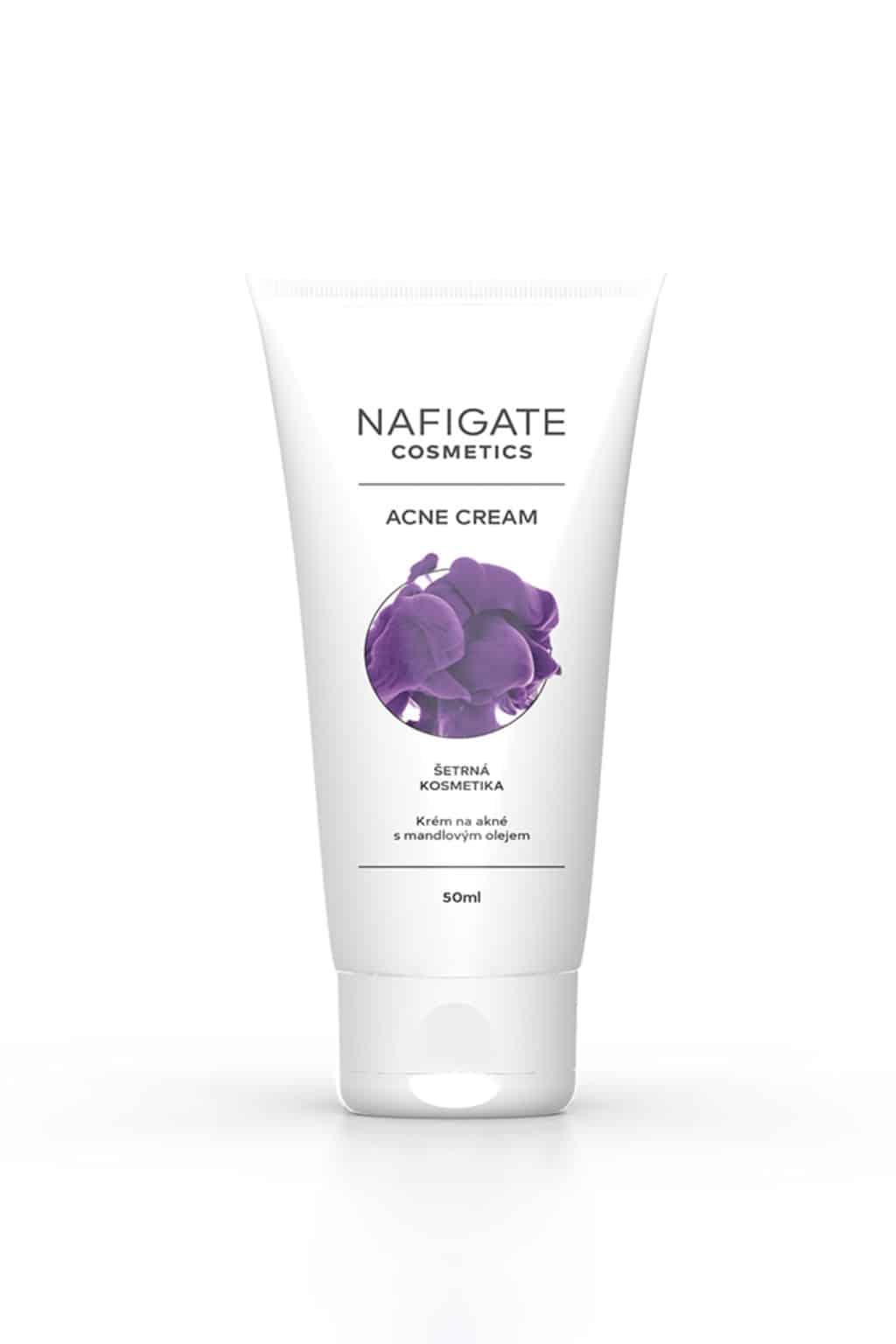
Tip: Editor's pick
Moisturizer for Acne-Prone Skin – Acne Cream NAFIGATE 50 ml
This moisturiser combines the pore-clearing power of BHA with proper hydration. It targets imperfections, helps regulate excess sebum, and leaves the skin feeling soothed rather than tight and dry. It's an ideal daily companion for a blemish-prone complexion.
€18
View productExfoliation Without Mechanical Scrubbing
It’s time to retire those harsh, abrasive facial scrubs full of crushed walnut shells or apricot kernels. Mechanical scrubs only scratch the surface of the skin, creating microscopic tears that can harbour bacteria and lead to further inflammation. BHA, instead, works as a keratolytic agent. This means it targets and dissolves the intercellular "glue" (the desmosomes) that holds dead, dull skin cells onto the surface of your face. Rather than scrubbing the cells away, the acid loosens their grip so they shed naturally and invisibly throughout the day. This is a far safer, more even, and highly effective process for your skin. Understanding this gentle approach to cell turnover is a core part of our skin cleansing guide.
Soothing the Complexion and Supporting the Skin Barrier
For years, a persistent myth circulated in the beauty world claiming that all exfoliating acids dry out the skin and break down its protective moisture barrier. When BHA is formulated well and used at the right concentration, the exact opposite is true. The 2025 clinical study mentioned above found that the tested BHA product actually increased skin hydration by 40.5%, while reducing transepidermal water loss (TEWL) by 49%. In practical terms, the skin became much better at holding onto its own moisture, resulting in a stronger, more resilient barrier that’s better equipped to defend itself against environmental stress.
Smoothing Texture and Evening Out Skin Tone
By gently sweeping away the build-up of dead surface cells, BHA leaves the skin's overall texture noticeably smoother, allowing it to reflect light more evenly. The result is a natural, healthy glow. It has also shown brilliant results in reducing minor textural irregularities and softening post-inflammatory hyperpigmentation—those frustrating dark or red marks that linger long after a blemish has healed. If you’re looking for a complementary treatment to even out skin tone and boost radiance, we recommend adding our Brightening Dry Sheet Nanofiber Face Mask nanoBeauty to your weekly routine.

Understanding Concentrations: What Is the Right Amount?
When it comes to potent active ingredients in skincare, it’s a common misconception that a higher percentage automatically means better or faster results. In off-the-shelf cosmetics designed for regular home use, the concentration of BHA almost always ranges from 0.5% to a maximum of 2%. This threshold hasn't been set at random; it’s firmly grounded in dermatological science and safety regulations.
Extensive clinical testing has shown that the maximum permitted 2% concentration is more than enough for the acid to penetrate pores, dissolve hardened sebum, and loosen the bonds between dead skin cells. Pushing the concentration above 2% for daily use doesn't give you a proportionately better result. Instead, it sharply raises the risk of irritation, chemical burns, a compromised skin barrier, and excessive peeling.
So where might you come across these higher percentages? Concentrations above 2% (typically 10% to 30%) belong firmly in the hands of qualified dermatologists and aesthetic practitioners. They use these strong formulations as professional chemical peels to manage severe, cystic acne or to resurface deep acne scarring. Even higher concentrations are reserved for very specific, targeted pharmacy treatments, which we’ll look at below.
How to Use Salicylic Acid on the Face: A Step-by-Step Guide
To make sure this ingredient works as intended, and to avoid unnecessary irritation, it helps to follow a few basic rules. Your skin is a living organ, and it needs time to acclimatise to new active ingredients. If you are wondering how to use salicylic acid on your face properly, here is a sensible, foolproof approach.
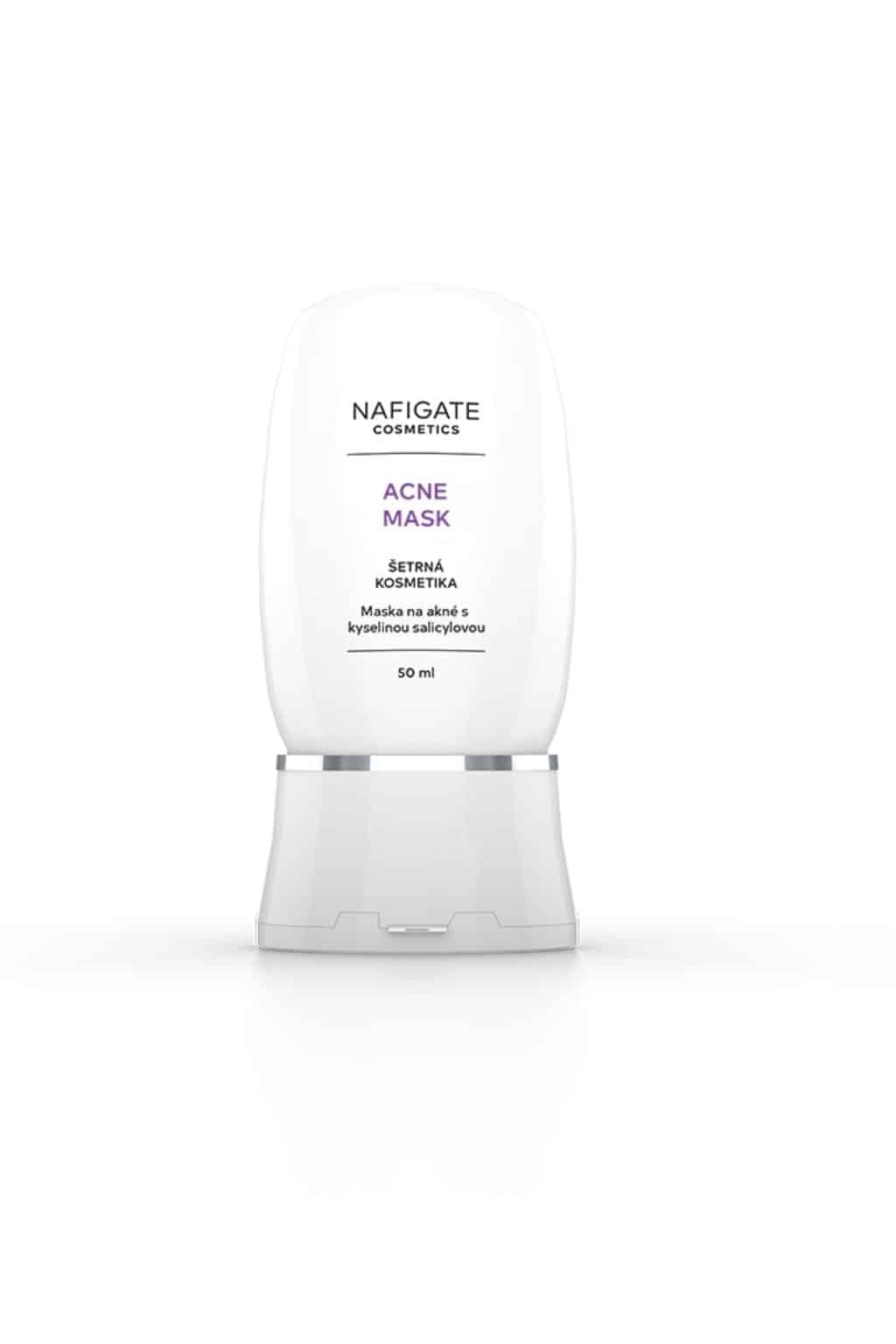
First, the golden rule when introducing any new active into your routine is to start slowly. If you’re completely new to chemical exfoliants, don't make the mistake of applying it every single day from the outset. Begin with your chosen product—whether that’s a dedicated Gentle Cleansing Gel 200 ml (Nafigate), a liquid toner, or a targeted serum—just one or two evenings a week. Watch how your skin responds over the following days. If you experience no tightness, stinging, or unusual redness, you can gradually build up to every other day. Eventually, if your skin is particularly oily or congested and tolerates it well, you can move to daily use.
Second, layering correctly matters for results. If you’re using a leave-on product, such as a serum or a lotion, apply it to freshly cleansed, completely dry skin. Applying acids to damp skin can speed up their penetration too much and cause irritation. Once applied, give the product a moment to absorb fully—ideally one to two minutes—so it can get to work inside the pores. Only then should you follow with a good moisturiser. For blemish-prone skin, we suggest our Moisturizer for Acne-Prone Skin – Acne Cream NAFIGATE 50 ml, which provides the hydration you need while continuing the clarifying treatment. Never skip the moisturiser; even the oiliest skin needs hydration. If you deprive oily skin of water, it overcompensates by producing even more sebum, trapping you in an endless cycle of breakouts.
Finally, commit to daily sun protection. Although BHA doesn't increase the skin's sensitivity to light quite as much as AHAs do, it is still removing the top layer of dead skin cells. The fresh, new skin underneath is more vulnerable to the damaging effects of UV radiation. Applying a broad-spectrum SPF every morning, whatever the weather, has to become a non-negotiable step in your routine. If you ever need an urgent, overnight fix before a big event, do read our emergency guide on how to get rid of acne in 1 day.
What Not to Mix With Salicylic Acid, and When to Be Careful
Brilliant as it is, BHA is a strong, highly active compound that doesn't play nicely with everything else in your bathroom cabinet. A common and damaging mistake many skincare enthusiasts make is piling several strong actives into a single routine in the hope of faster results. The usual outcome is a damaged skin barrier, complete with stinging, redness, and breakouts that get worse rather than better.
You should avoid combining it with retinoids in the same step. Both retinol and BHA accelerate cell turnover. Layering them directly on top of one another can overwhelm the skin, causing irritation, flaking, and sensitivity. If you want the benefits of both, the smartest approach is to separate them by time of day: use your BHA product in the morning (always followed by SPF) and save your retinol for the evening. Alternatively, you can alternate them on different nights.
Be careful, too, when layering it with other exfoliating acids. Combining an AHA and a BHA is technically fine—and many well-formulated products blend them in safe, balanced ratios—but we strongly advise against playing cosmetic chemist at home by stacking two separate, strong exfoliating serums. That’s a fast track to a chemical burn. If you have sensitive skin but still want to exfoliate, a gentler option is a polyhydroxy acid (PHA). You can read more about this sensitive-skin-friendly choice in our article on gluconolactone benefits.
Regarding its use during pregnancy, medical professionals generally advise caution. The low concentrations (up to 2%) found in standard daily cosmetics, applied locally to the face, are widely considered safe by many dermatologists. However, applying BHA body lotions over large areas, or undergoing professional, high-strength chemical peels, is not recommended during pregnancy or while breastfeeding. As always, the safest course of action is to ask your doctor or midwife about any specific products you want to use during this time.
Other Salicylic Acid Uses for Skin: Pharmacy and Clinical Applications
Beyond its popularity in daily facial skincare, this versatile acid holds a firm and respected place in the pharmacy, particularly for targeted body care and dermatological treatments.
In podiatry and dermatology, its strong keratolytic properties—its ability to dissolve hardened keratin—are used to treat viral verrucas and severe, painful calluses. In these specialised pharmacy preparations, which may come as thick ointments, liquid paints, or medicated plasters, the acid is formulated at very high concentrations, typically from 10% up to 40%. At these strengths, it breaks down and corrodes the hardened, infected tissue of the verruca over a period of weeks, until it can be safely and painlessly peeled away. It’s essential to note that these clinical-strength preparations must never be applied to healthy skin or anywhere near the face, as they will cause severe chemical burns.
It’s also a highly effective treatment for scalp conditions. Greasy dandruff and seborrhoeic dermatitis are often exacerbated by an overproduction of sebum and a rapid build-up of dead skin cells on the scalp, which trap yeast and cause heavy flaking. Medicated shampoos containing a 2% to 3% concentration of BHA work brilliantly to dissolve these stubborn, crusty deposits, unblocking the hair follicles, reducing inflammation, and calming the persistent itch that accompanies these conditions.
Recommended Products for Blemish-Prone and Oily Skin
Here at nanoSPACE, we’re incredibly proud of our heritage as a Czech family company and our expertise in nanotechnology. When it comes to skincare, though, we approach the subject with real respect for dermatological science and skin health. In our range, you’ll find products from our own line, nanoSPACE Cosmetics, which we’ve developed over years of dedicated research. Alongside our own products, we also offer carefully chosen items from trusted partner brands, such as Nafigate. You can be confident that we test every third-party product on ourselves before we ever add it to our store.
If you’re actively trying to manage breakouts, whether on your face or body, we’ve put together a selection of effective solutions. Please note: our popular [n]Acne MAX Nanofiber Patches for Large-Area Skin Treatment do not contain BHA; instead, they use the soothing power of natural herbal extracts combined with our nanofiber technology. They make an ideal complementary treatment for calming an angry blemish overnight, while your BHA products handle the broader job of keeping your pores clear and refined.
The ultimate arsenal for a clear complexion
![[n]Acne MAX Nanofiber Patches for Large-Area Skin Treatment](https://cdn.myshoptet.com/usr/www.nanospace.store/user/shop/orig/4576_5830-shoptet-profil-foto-1.jpg)
Curious about how our patches actually work on a microscopic level? You’ll find a detailed, technical explanation of our nanofiber technology in our dedicated article on how acne patches work. By combining the deep-cleaning power of a BHA with the targeted, overnight soothing of our patches, you give yourself a genuinely strong, science-backed defence against breakouts.

Conclusion
Salicylic acid is far more than just another fleeting, over-hyped trend passing through your social media feed. It’s a scientifically proven, reliable, and highly effective ingredient that can do remarkable things for oily, congested, and blemish-prone skin. Because it can dissolve into sebum, it bypasses the skin's natural oils to clear pores from the inside out. It sweeps away the dead skin cells that cause dullness, while calming the redness and inflammation that make breakouts so distressing. If you introduce it into your routine slowly, treat your skin's barrier with the respect it deserves, and never skimp on good hydration and sun protection, your reward will be a complexion that is noticeably smoother, much clearer, and beautifully radiant. Give this beta-hydroxy acid the chance it deserves, and watch your skin change for the better.
Frequently asked questions
What is salicylic acid primarily used for in skincare?
In cosmetics, it’s used mainly for its ability to deeply cleanse pores, reduce the appearance of blackheads, regulate excess sebum, and manage acne-prone skin. It works as a highly effective chemical exfoliant, gently dissolving the bonds between dead skin cells to smooth the complexion without the need for harsh physical scrubs.
Why is a BHA considered better for acne than an AHA?
The difference comes down to solubility. BHA is oil-soluble, meaning it can penetrate through the skin's natural sebum to reach deep inside a clogged pore and dissolve impurities and bacteria. AHAs, being water-soluble, can't get through oil and therefore only exfoliate the very surface of the skin.
How often should I apply products containing this ingredient?
The right frequency depends on the product's concentration and your skin's individual tolerance. If you’re a beginner, it’s best to start with just one or two evenings a week. If your skin responds well, with no redness or excessive dryness, you can gradually build up to every other day, or even daily for particularly oily skin.
Can it completely remove my blackheads?
Yes, it’s widely considered one of the most effective ingredients for tackling blackheads. Because it penetrates deep into the pore lining, it can break down and dissolve the sticky, oxidised mixture of dead skin cells and sebum that forms the blackhead, eventually letting the pore clear completely with consistent use.
Is it safe to use during pregnancy?
While standard, over-the-counter cosmetics containing low concentrations (up to 2%) applied locally to the face are generally considered safe by many medical professionals, caution is always advised. You should avoid high-strength chemical peels and applying BHA body lotions over large areas of skin while pregnant or breastfeeding. Always consult your healthcare provider for personalised advice.

Sources
- Liu, X. et al. (2025) 'Clinical Efficacy of a Salicylic Acid–Containing Gel on Acne Management and Skin Barrier Function: A 21-Day Prospective Study', Journal of Cosmetic Dermatology, 24(7).
- Arif, T. (2015) 'Salicylic acid as a peeling agent: a comprehensive review', Clinical, Cosmetic and Investigational Dermatology, 8, pp. 455–461.
- Konisky, H. et al. (2024) 'The clinical efficacy and tolerability of a novel triple acid exfoliating blend for reducing signs of photoaging in sensitive skin', Journal of Cosmetic Dermatology, 23(9).
- Zander, E. & Weisman, S. (1992) 'Treatment of acne vulgaris with salicylic acid pads', Clinical Therapeutics, 14(2), pp. 247–253.