
Every night, millions of people unknowingly share their beds with up to 10 million microscopic roommates—dust mites. These tiny creatures, invisible to the naked eye, feast on dead skin cells and create waste products that trigger allergic reactions, asthma attacks, and sleepless nights. Anti-allergy bedding promises relief from this invisible menace, but how does it actually work? More importantly, why are some technologies far more effective than others? The answer lies in understanding the fundamental difference between blocking allergens at their source versus simply trying to wash them away—a distinction that separates outdated approaches from revolutionary nanofiber technology.
.jpg)
Summary for those short on time
- Traditional cotton bedding has pore sizes of 420,000 nanometers, allowing dust mites and allergens to pass through easily, while regular washing at 60°C only provides temporary relief.
- Nanofiber technology creates barriers with pore sizes as small as 80 nanometers, capturing 99.9% of dust particles and allergens—making it exponentially more effective than conventional materials.
- Chemical treatments and tight-weave fabrics represent outdated approaches that either wear off over time or sacrifice breathability for protection.
- Advanced nanofiber bedding like Nanocotton® from nanospace.store combines impermeable allergen barriers with organic cotton comfort, eliminating the need for separate plastic-feeling mattress covers.
- Clinical studies show 73% of users report better sleep quality within eight weeks of using proper allergy barrier bedding, with many experiencing relief after just the first night.
The Dust Mite Problem: Why Your Bedroom Is Ground Zero
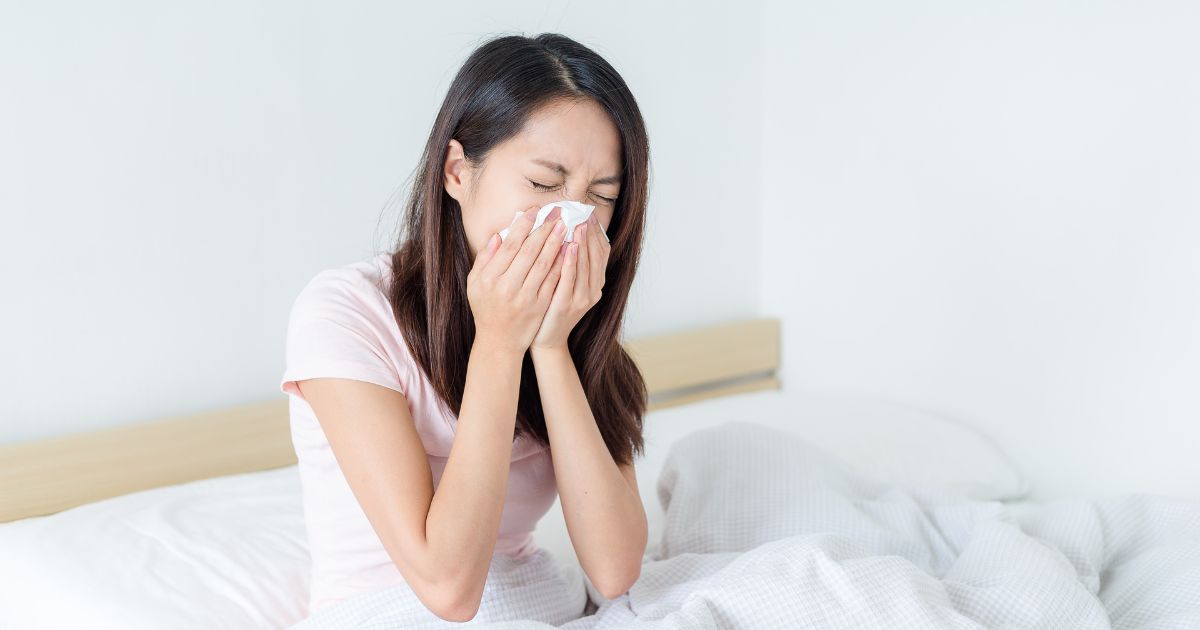
Your mattress might be the most populated place in your home. A typical used mattress can harbor anywhere from 100,000 to 10 million dust mites, creating what allergists call a "reservoir of allergens". These microscopic arachnids don't bite or spread disease, but their fecal pellets and body fragments contain proteins that trigger powerful immune responses in sensitive individuals.
Read: Allergy to Dust: Symptoms and Treatment
What makes bedding such a perfect breeding ground? Dust mites thrive in warm, humid environments where they have constant access to their food source—your shed skin cells. The average person sheds about 1.5 grams of skin daily, most of it ending up in bed where we spend a third of our lives. Traditional bedding materials do nothing to prevent mites from burrowing deep into pillows, mattresses, and duvets, where they multiply exponentially.
The symptoms of dust mite allergies range from annoying to debilitating. Nighttime and early morning sneezing, congestion, itchy eyes, and worsening asthma symptoms all point to these invisible invaders. For children, chronic exposure can contribute to the development of respiratory conditions that persist into adulthood. Understanding how anti-allergy bedding works requires first recognizing that the goal isn't just cleanliness—it's creating an impenetrable physical barrier between you and these allergen-producing organisms.
How Traditional Anti-Allergy Methods Fall Short
The Hot Water Washing Myth
For decades, doctors recommended washing bedding weekly in water heated to at least 140°F (60°C) to kill dust mites. While this approach does eliminate live mites, it addresses only half the problem. The allergens themselves—the fecal matter and body fragments—can survive the wash cycle and remain embedded in fabric fibers. More critically, this method offers zero prevention. Within days of washing, mites from your mattress and surrounding environment recolonize your freshly laundered sheets.
Read: Anti-Allergy Bedding for Children: What to Choose for Healthier Sleep
High-temperature washing also comes with significant downsides. It consumes enormous amounts of energy, accelerates fabric degradation, and proves impractical for items like mattresses and pillows that can't be laundered weekly. You're essentially fighting a battle you can never win—killing invaders while leaving the doors wide open for immediate reinfestation.
Chemical Treatments: A Temporary Band-Aid
Some manufacturers treat fabrics with chemical agents designed to repel or kill dust mites. These treatments might work initially, but they face an unavoidable problem: they wash out over time. With each laundering cycle, the protective chemicals diminish until the fabric offers no more protection than untreated material. Additionally, many allergy sufferers have sensitivities to the very chemicals used in these treatments, creating a situation where the "cure" triggers symptoms as severe as the original problem.
Tight-Weave Cotton: The Breathability Trade-Off
Recognizing that physical barriers could help, some bedding manufacturers created extremely tightly woven cotton fabrics. In laboratory testing, these materials showed varied results, with some studies finding them the least effective at blocking allergens compared to coated or non-woven options. The fundamental issue is that even the tightest cotton weaves have pore sizes measured in hundreds of thousands of nanometers—far too large to block dust mites, which measure about 300,000 nanometers, or their allergen particles, which can be even smaller.
When manufacturers attempt to solve this by weaving even tighter, they create fabrics that feel stiff, trap heat, and prevent moisture from evaporating. Sleeping on these materials resembles being wrapped in a plastic sheet—technically protective but unbearably uncomfortable. This explains why many people abandon their anti-allergy bedding after a few sweaty, restless nights.
.jpg)
Read: How to Choose the Best Anti Allergy Duvet for Allergy Sufferers?
The Nanofiber Revolution: How Modern Technology Changes Everything
Understanding Nanofiber Barrier Technology
Nanofiber technology represents a quantum leap beyond traditional approaches. Instead of trying to weave existing fibers more tightly or coat fabrics with chemicals, nanofiber materials are engineered at the molecular level to create barriers with pore sizes as small as 80 nanometers. To put this in perspective, that's approximately 5,000 times smaller than a standard cotton weave.
At this scale, the fabric creates a physical impossibility for dust mites and their allergens to penetrate. Testing conducted at the Technical University of Liberec demonstrated that quality nanofiber materials achieve effective capture rates of microorganisms at ≥99.0% and dust particles at ≥99.9%. These aren't marketing claims—they're verified laboratory results showing near-total allergen blockage.
What makes nanofiber technology truly revolutionary is that these microscopic pores remain large enough for air and water vapor to pass through freely. The result is a material that breathes naturally, allowing body heat and moisture to escape while simultaneously blocking every allergen-causing particle. This solves the comfort-versus-protection dilemma that plagued all previous anti-allergy bedding technologies.
How Nanofiber Physically Blocks Allergens
The mechanism is elegantly simple: if an allergen particle cannot physically fit through the fabric pores, it cannot reach you. Dust mite fecal pellets measure approximately 10,000 to 40,000 nanometers in diameter. When these encounter a nanofiber membrane with 80-nanometer pores, they cannot penetrate—period. The same principle applies to dust mite body fragments, pollen (typically 15,000 to 200,000 nanometers), pet dander, mold spores, and even bacteria and viruses.
.jpg)
Read: Where Do Dust Mites Live in the Bedroom?
Unlike chemical treatments that degrade or tight weaves that depend on fabric integrity, nanofiber barriers maintain their protective properties through hundreds of wash cycles. The pore size is determined by the fiber structure itself, not by any coating or treatment that can wear away. As long as the fabric remains intact, the protection remains absolute.
Why Nanocotton® Represents Next-Generation Allergy Bedding
Traditional anti-allergy approaches forced users to choose between protection and comfort. Barrier covers made from plastic or polyurethane-coated materials offered excellent allergen blocking but felt uncomfortable and required covering with additional decorative bedding. This created a cumbersome, two-layer system where you essentially wrapped your mattress and pillows in protective cases, then covered those with regular sheets and pillowcases.
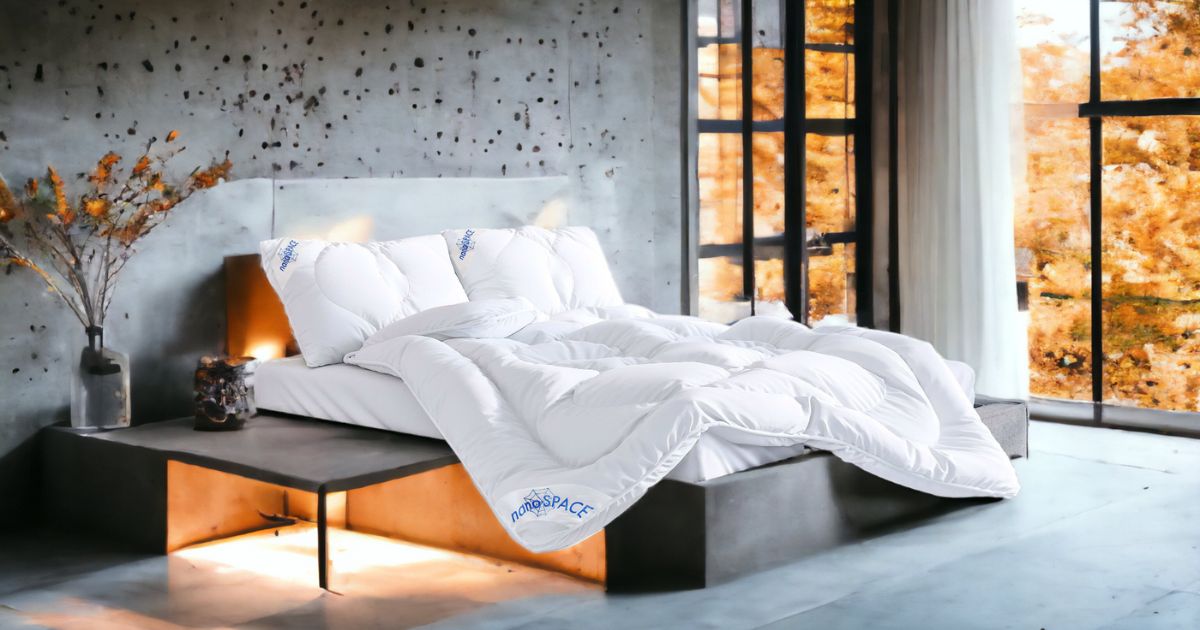
The innovation behind Nanocotton® from nanospace.store eliminates this compromise entirely. This revolutionary material combines a nanofiber membrane with organic cotton satin in a three-layer sandwich construction. The outer layers consist of premium cotton that feels luxuriously soft against your skin, while the middle nanofiber membrane provides impenetrable allergen protection. You get the comfort of high-end cotton bedding with the protection of medical-grade barrier technology—all in a single, elegant product.
When introduced in 2016, Nanocotton® became the world's first functional bed linen capable of fully replacing traditional barrier covers. Instead of wrestling with separate mattress encasements and then covering them with decorative sheets, you simply use Nanocotton® bed sheets, duvet covers, and pillowcases as your primary bedding. The protection is built directly into the fabric you sleep on, making allergy management effortless and invisible.
For those who prefer traditional duvets and pillows, nanospace.store also offers anti-allergy duvets and pillows incorporating the same nanofiber barrier technology. These products prevent allergens from accumulating inside the filling material, addressing the problem at its source. The comprehensive approach means you can create a completely allergen-free sleep environment without sacrificing any aspect of comfort or aesthetics.
#produkty# https://www.nanospace.store/nanocotton/
The Science Behind Nanofiber Superiority
Comparative Effectiveness: Numbers Don't Lie
When researchers compare different anti-allergy materials, the results consistently demonstrate nanofiber's superiority. Studies examining various covering materials found that while plastic and polyurethane-coated covers provided good allergen impermeability, they represented the least comfortable options. Non-woven fabrics performed better than woven cotton but still allowed some allergen penetration. Traditional cotton sheets, despite being the most comfortable, offered virtually no protection with their 420,000-nanometer pores.
Nanofiber materials tested at OEKO-TEX® certified standards maintain their 99.9% effectiveness even after more than 10 wash cycles. This durability means your investment in quality anti-allergy bedding continues protecting you year after year, unlike chemical treatments that require frequent replacement or high-temperature washing protocols that damage fabrics and waste energy.
Read: Nanocotton® Revolutionary Anti-Dust Mite Bedding
Real-world clinical evidence supports these laboratory findings. Research consistently shows that quality barrier covers reduce allergen exposure substantially, with studies demonstrating up to 90% reduction in dust mite allergen levels within bedding. More importantly, 73% of participants in one clinical study reported significantly better sleep quality after just eight weeks of using proper allergy covers. Many nanospace.store customers report feeling relief from allergies immediately after their first night—a testament to how effectively the nanofiber barrier blocks allergen exposure.
Breathability: The Critical Comfort Factor
Previous generations of allergy bedding failed primarily because they prioritized protection over comfort. Sleeping on impermeable plastic or tightly woven synthetic fabrics caused overheating, sweating, and general discomfort that made them intolerable for regular use. If people won't consistently use allergy bedding, it doesn't matter how effective it is in theory.
Nanofiber technology solves this by engineering pores at the ideal size: small enough to block all allergen particles but large enough to allow air circulation and water vapor transmission. Testing demonstrates that nanofiber materials outperform other barrier fabrics not just in allergen capture efficiency but also in breathability and water vapor permeability. This means body heat escapes naturally, moisture doesn't accumulate, and you experience the same comfortable sleeping temperature as with regular cotton bedding.
The organic cotton satin used in Nanocotton® further enhances comfort. This premium material absorbs moisture excellently, maintains stable colors even after many washing cycles, and provides a smooth, luxurious sleep surface. By combining the best natural fibers with cutting-edge nanofiber technology, modern anti-allergy bedding eliminates the historical trade-off between protection and pleasure.
Read: Does Anti-Allergy Bedding Really Stop Dust Mites?
Why Older Technologies Are Becoming Obsolete
The Efficiency Gap
When you compare 80-nanometer pores blocking 99.9% of allergens to 420,000-nanometer cotton pores offering essentially zero barrier protection, the efficiency gap becomes undeniable. It's not a marginal improvement—it's a difference of several orders of magnitude. Traditional tight-weave fabrics and chemical treatments simply cannot compete with physical barriers engineered at the molecular level.
This efficiency translates directly into health outcomes. Allergy sufferers using outdated bedding methods continue experiencing symptoms despite their best efforts with weekly washing, expensive laundry protocols, and frequent replacement of bedding items. Meanwhile, those who switch to proper nanofiber barrier bedding often report immediate, dramatic relief. The technology gap has widened so significantly that settling for older approaches makes little practical or economic sense.
The Cost-Benefit Analysis
On the surface, nanofiber bedding appears more expensive than conventional options. However, this initial cost difference disappears when you factor in the total cost of ownership. Traditional anti-allergy approaches require weekly hot-water washing at 60°C, consuming significant energy and causing rapid fabric degradation that necessitates frequent replacement.
Nanofiber bedding can be washed at lower temperatures while maintaining full protective properties, significantly reducing operating costs over time. The longer lifespan means less frequent replacement and lower overall bedding expenses. When you add the indirect benefits—better sleep quality positively affecting work productivity, general health status, and quality of life—the value proposition becomes overwhelming.
Perhaps most importantly, there's no price tag you can place on the relief of finally sleeping without congestion, waking without sneezing fits, or seeing your child breathe easily through the night. Traditional methods offer marginal improvements at best; nanofiber technology offers transformation.
#produkty# https://www.nanospace.store/anti-dust-mite-bedding/
Creating a Complete Allergen-Free Sleep Environment
While bedding represents the primary battlefield in the war against dust mite allergies, comprehensive protection requires a multi-faceted approach. Nanofiber bed sheets from nanospace.store prevent allergens from accumulating in your mattress. Anti-allergy duvets ensure your blanket filling doesn't become a mite reservoir. Barrier pillows stop allergens from collecting in the place where your face rests for eight hours each night.
This complete system approach addresses every potential allergen source in your bed. Traditional methods required juggling multiple products—plastic mattress encasements, special pillow covers, frequent washing schedules, and chemical sprays—creating complexity that led many people to give up. Modern nanofiber solutions simplify allergy management down to using beautiful, comfortable bedding that happens to offer medical-grade protection.
Beyond bedding, maintaining bedroom humidity below 50% through dehumidifiers, replacing carpeting with hard flooring, and using HEPA filter vacuums all contribute to reducing overall dust mite populations. However, these environmental controls work far more effectively when combined with impenetrable nanofiber barriers that prevent mites from accessing their primary breeding grounds—your bed.
The Future of Allergy Management
Anti-allergy bedding has evolved from uncomfortable plastic sheets to sophisticated nanofiber textiles indistinguishable from luxury bedding. This transformation reflects broader advances in materials science where engineering at the molecular level creates possibilities impossible with traditional manufacturing approaches. The 80-nanometer pores in modern nanofiber barriers represent the culmination of years of research and development focused on solving a problem that affected millions.
.jpg)
Read: How to Choose Suitable Bed Linen for Allergy and Asthma Sufferers?
As awareness grows about the limitations of older technologies—chemical treatments that wash out, tight weaves that sacrifice comfort, hot-water protocols that waste energy—more allergy sufferers are discovering the relief that proper barrier bedding provides. The transition from reactive approaches (washing away allergens after exposure) to proactive protection (preventing exposure entirely) marks a fundamental shift in how we manage indoor allergies.
Companies like nanospace.store, which became the world's first manufacturer of anti-dust mite products with nanofiber technology in 2012, continue pushing boundaries with innovations like Nanocotton® that merge protection with luxury. Their commitment to OEKO-TEX® certification and rigorous university testing ensures that performance claims reflect genuine, verified capabilities rather than marketing hype.
Conclusion
Understanding how anti-allergy bedding actually works reveals why not all solutions are created equal. Traditional approaches—hot water washing, chemical treatments, and tight-weave fabrics—represent outdated technologies that can never achieve the protection that modern nanofiber barriers provide effortlessly. With pore sizes 5,000 times smaller than conventional cotton and verified capture rates exceeding 99.9%, nanofiber technology doesn't just improve on older methods—it renders them obsolete. For anyone suffering from dust mite allergies, the question isn't whether to upgrade to nanofiber bedding, but rather how much longer you're willing to endure restless nights when transformative relief is readily available through innovations like Nanocotton® and the complete range of anti-allergy products at nanospace.store.
Frequently Asked Questions
How long does anti-allergy bedding with nanofiber last compared to traditional options?
Nanofiber bedding maintains its protective properties through hundreds of wash cycles because the barrier is created by the physical structure of the fibers themselves, not by coatings or treatments that degrade over time. Traditional chemically treated bedding typically loses effectiveness after just a few washes, while tight-weave fabrics degrade quickly when subjected to the repeated high-temperature washing they require.
Can I wash nanofiber bedding in cold water and still maintain protection?
Yes, one of the major advantages of nanofiber technology is that it provides full protection at lower washing temperatures. Unlike traditional methods that require 60°C (140°F) water to kill dust mites, nanofiber barriers physically block allergens regardless of water temperature, allowing you to wash at 30-40°C and save energy while extending the life of your bedding.
Will nanofiber bedding make me feel hot or sweaty at night?
No—quality nanofiber materials are specifically engineered to provide excellent breathability and water vapor permeability while blocking allergen particles. The 80-nanometer pores are large enough for air and moisture to pass through freely but small enough to block dust mites and allergens, resulting in comfort comparable to premium cotton bedding without the overheating problems associated with older plastic or polyurethane barrier covers.
Do I still need separate mattress and pillow covers if I use Nanocotton® bedding?
No, that's precisely what makes Nanocotton® revolutionary—it's the first functional bed linen that fully replaces traditional barrier covers. The nanofiber membrane is integrated directly into the cotton bedding you sleep on, eliminating the need for separate encasements and making allergy protection invisible and effortless.
How quickly will I notice improvement in my allergy symptoms after switching to nanofiber bedding?
Many users report feeling relief from allergies immediately after their first night using quality nanofiber barrier bedding. Clinical studies show that 73% of participants experience significantly better sleep quality within eight weeks, though individual results vary based on allergy severity and whether you've addressed other allergen sources in your bedroom environment.