
You have invested in your health and a good night's sleep by choosing anti-allergy bedding with a nanofibre membrane. That is genuinely one of the best decisions you can make for restful, symptom-free nights. The way this bedding works is simple but powerful: a dense layer of nanofibres acts as a physical barrier that dust mites and their allergens simply cannot get through. They cannot reach you, and they cannot build up inside the bed where they would normally multiply.

But here is the part most people are unsure about: how do you look after it? Proper anti-allergy bedding care is what keeps that protective barrier intact for years. Wash it the wrong way, at the wrong temperature, or with the wrong detergent, and you can quietly damage the membrane that does all the work. Get the care right, and your bedding will keep catching allergens just as reliably on its tenth birthday as it did on its first night.
Key takeaways if you're short on time
- The barrier is the point, not the wash. A dense nanofibre membrane physically blocks dust mites and allergens — washing is maintenance, not the main line of defence.
- Wash rarely and gently, typically once or twice a year for encasements and duvets, in a chlorine- and phosphate-free gel or powder.
- Never use fabric softener. It coats the fibres, clogs the membrane and reduces breathability.
- Skip the tumble dryer, even on a low setting — heat and tumbling are the fastest ways to shorten the life of nanofibre bedding.
- Vacuum the mattress first, then fit the encasement — and refresh covers between washes with a vacuum or a damp cloth.
How Your Anti-Allergy Bedding Actually Protects You
Before we get to the practical anti-allergy bedding care steps, it helps to understand what you are protecting. If you or someone in your household struggles with a dust mite allergy, asthma or another respiratory condition, the bedroom is usually the worst room in the house. A single used mattress can harbour millions of dust mites, and it is their droppings and shed fragments — not the mites themselves — that trigger the runny nose, itchy eyes, blocked sinuses and night-time coughing.
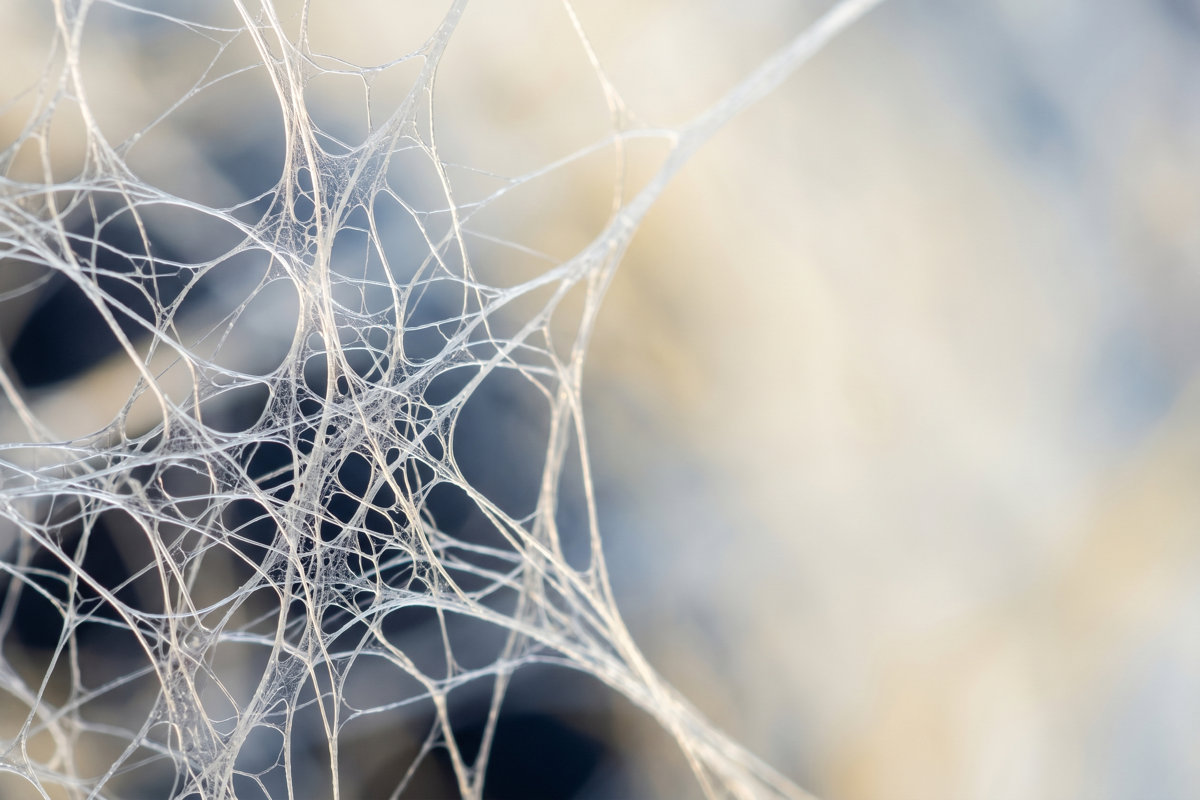
nanoSPACE® anti-allergy bedding tackles this at the source. The fabric is woven with a membrane of incredibly fine nanofibres, leaving pores far too small for a dust mite or its allergen particles to pass through. The result is a clean, sealed sleeping environment. Allergens already inside an old pillow or mattress stay trapped on the other side of the membrane, and new ones cannot get in to colonise the bed. This is why allergists recommend barrier encasements as a front-line, drug-free measure for anyone with a dust mite allergy.
The barrier is doing the heavy lifting around the clock — but it is only as good as its weakest, most worn-out section. That is exactly why care matters. Looking after your bedding properly does two things at once: it extends the lifespan of the textile, and far more importantly, it preserves that 100% allergen-blocking performance year after year. Treat the membrane gently, and it will keep its integrity for years to come.
Mattress Encasements, Pillow Covers and Duvet Covers
Barrier anti-allergy covers are the most popular way to seal an existing bed against dust mites — you slip them over your current mattress, pillows and duvet, and your favourite bedding goes on top as usual. They are an affordable entry point, but they benefit from a little care.
Start before the cover ever goes on. Vacuum the mattress thoroughly to remove the surface layer of dust and allergens, then pull the encasement over it and fit a normal fitted sheet on top as you always would. For pillows and duvets that are going inside a cover, it is worth washing them at 60 °C first — that temperature deals with any mites already living deep inside the filling. Once they are completely dry, slip them into the barrier cover and dress them in your usual anti-allergy pillow covers and bedding.
Tip: Between washes, you do not need to launder the barrier cover at all. When you change your top sheet or duvet cover, simply vacuum the encasement or wipe it down with a damp cloth. That is all it takes to keep it fresh.
When the time does come to wash, less is genuinely more. Launder the mattress encasement, duvet cover or pillow cover no more than once or twice a year, at 40 °C, using a chlorine- and phosphate-free washing gel or powder. If you have a Nanocotton® cover, you can go up to a maximum of 60 °C. And the single most damaging mistake to avoid: never use fabric softener. Softener leaves a waxy film on the fibres that clogs the pores of the membrane, reduces breathability and gradually undermines the very barrier you paid for.
Barrier Covers for Your Existing Bed


Anti-Allergy Duvets and Pillows
The other route to a dust-mite-free bed is to replace your filled bedding entirely with anti-allergy duvets and pillows that have the barrier built in. There is no separate cover to manage — the protection is sewn into the product itself, so the whole duvet or pillow is a sealed unit. For many allergy sufferers, this is the most comfortable, lowest-fuss option, and the anti-allergy bedding care routine is just as gentle.
Wash nanoSPACE® duvets and pillows once or twice a year in the machine at 40 °C — and at 60 °C only if you really need to. Nanocotton® pillows can be washed at 60 °C as standard. As always, wash without fabric softener, using a chlorine- and phosphate-free gel or powder. Gentle ecological detergents are ideal here: they are kind to the nanofibre material, kind to your skin and easier on the environment.
And one rule that applies to every filled item: do not tumble dry, even at a low temperature. The combination of heat and mechanical tumbling stresses the filling and the membrane far more than line drying ever would. Lay the duvet or pillow flat or hang it to dry naturally, and it will keep its loft and its barrier for years.
Anti-Allergy Duvets with the Barrier Built In


Nanocotton® Bedding
If you have treated yourself to luxurious Nanocotton® bedding, you are in for the most comfortable sleep of your life — a soft, breathable cotton surface with the nanofibre barrier woven invisibly inside. Before you climb in and curl up for the first time, though, give it a wash.
Wash Nanocotton® bedding as needed at 60 °C, again without softener and in a chlorine- and phosphate-free washing gel or powder. The higher temperature is fine for this material and helps keep it hygienically fresh. To extend its lifespan, the same golden rule applies: do not tumble dry, not even on a low setting. Treated this way, Nanocotton® keeps both its cosy feel and its protective performance for many years of use.
Anti-Allergy Bed Sheets
A barrier bed sheet works much like an encasement, sealing the top surface of your mattress. Before using a nanoSPACE® sheet, vacuum the mattress as thoroughly as you can, then stretch the barrier sheet over it. Place your normal fitted sheet on top, exactly as you are used to. When you change that everyday sheet, you can simply wipe the barrier sheet with a damp cloth — no full wash needed.
When it is time to launder, wash the nanoSPACE® anti-dust-mite sheet about once a year at 40 °C (or 60 °C for Nanocotton® sheets), without fabric softener, in a chlorine- and phosphate-free detergent. As with every other piece, we do not recommend tumble drying. This is the gentlest, lowest-effort part of your whole anti-allergy bedding care routine — and it keeps the layer closest to your mattress working perfectly.
The Right Detergent Makes All the Difference
If there is one upgrade that pays off across your entire bed, it is choosing the right laundry detergent. Conventional detergents and especially fabric softeners are the enemy of nanofibre membranes: their additives build up in the pores and slowly choke the barrier. A gentle, residue-free formula keeps the membrane clear and the fabric breathable.
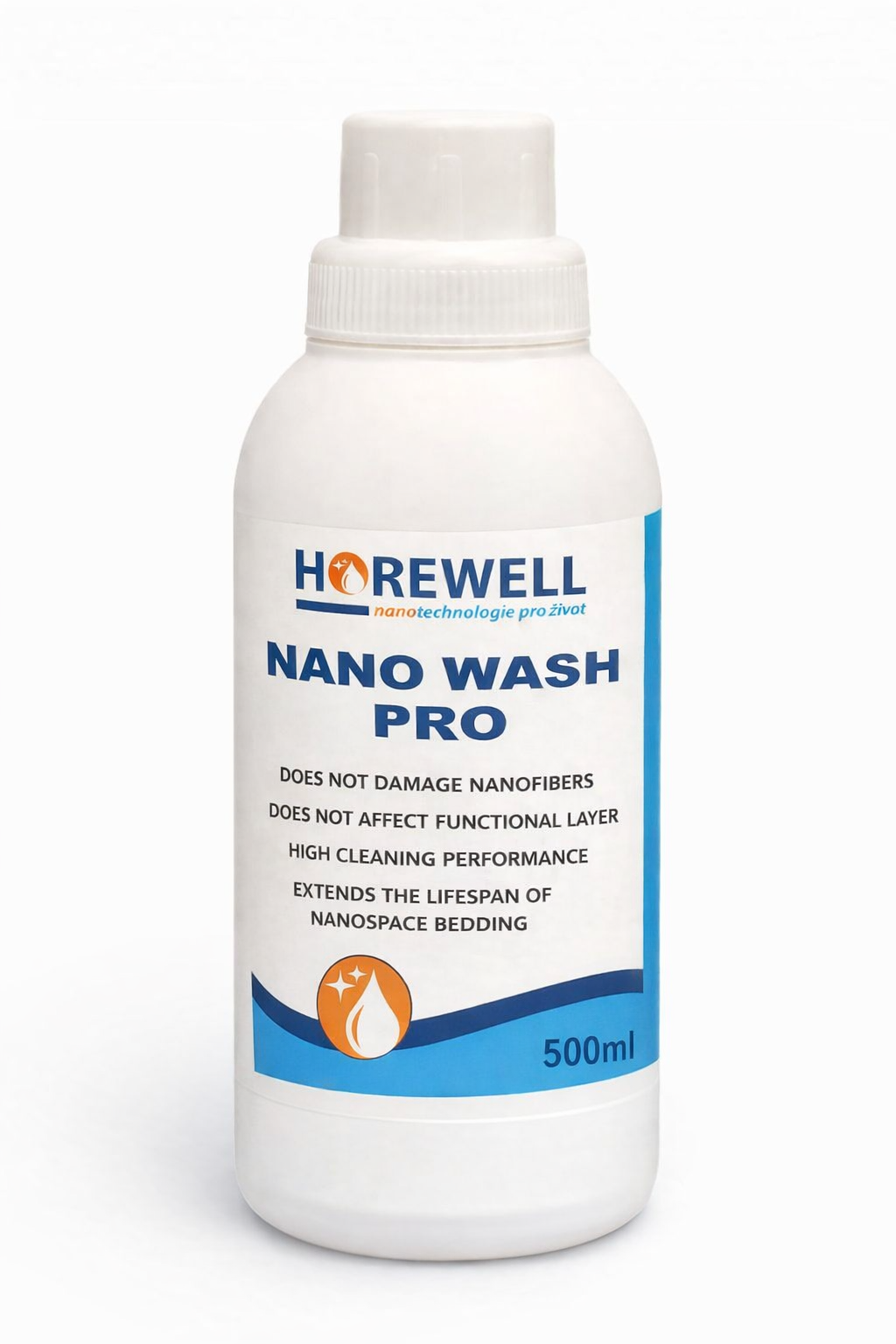
This is exactly why we like Horewell NANO WASH PRO for nanofibre bedding. It is a chlorine- and phosphate-free laundry detergent that cleans effectively at low temperatures without leaving behind the film that softeners do — so it protects the very thing that makes your bedding worth owning. Before any product like this reaches our shop, we test it internally; we reject far more than we accept, and this one earned its place.
Editor's Pick
Horewell NANO WASH PRO
A gentle, chlorine- and phosphate-free detergent that cleans nanofibre bedding without clogging the membrane — no softener residue, low-temperature performance.
View price →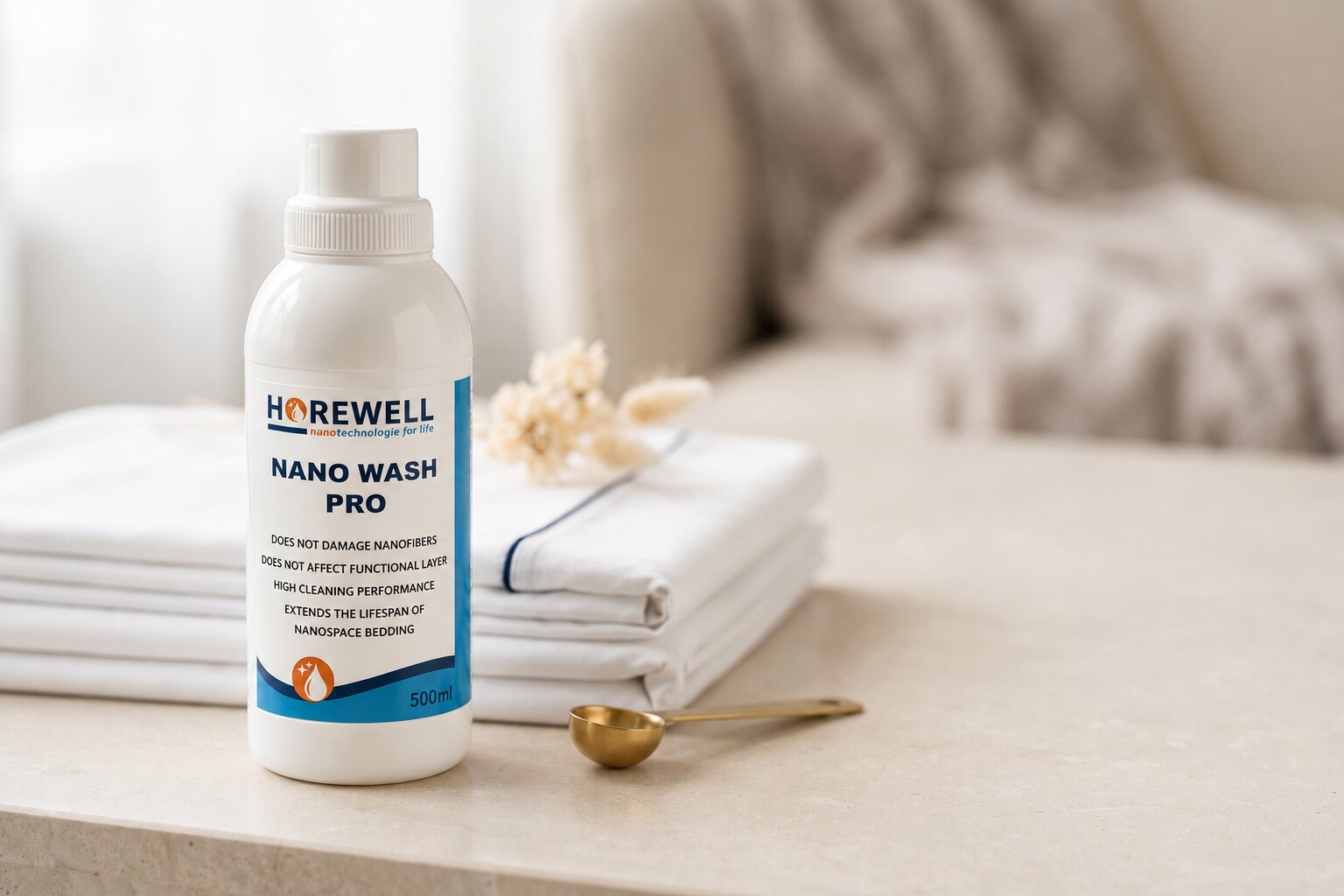
Gentle Care = 100% Protection for Many Years
Look after your anti-allergy nano bedding, and it will look after you in return — night after night, year after year. No more waking with a blocked nose, a tickly cough or that unexplained morning fatigue that allergy sufferers know so well. The whole point of anti-allergy bedding care is to keep that protective barrier in perfect condition, so the bed stays a clean, calm space your respiratory system can finally relax in.
To go deeper on the allergy itself and on getting the rest of your bedroom under control, it is worth reading our guide to dust mite allergy and how to fight it, our practical advice on getting rid of mites in upholstery and mattresses, and our detailed guide to washing blankets and duvets. Together with the right care, they will help you turn your bedroom into the restful, allergen-free retreat it was always meant to be.
Frequently asked questions
How Often Should I Wash Anti-Allergy Bedding?
Far less often than ordinary bedding. Barrier encasements, pillow covers and duvet covers only need washing once or twice a year, because the everyday sheets and covers on top take all the contact. Built-in duvets and pillows are the same — one or two washes a year is plenty. The barrier does the protecting; frequent washing is unnecessary and only wears the fabric faster.
At What Temperature Should I Wash It?
Wash most nanoSPACE® encasements, duvets and pillows at 40 °C, going up to 60 °C only if needed. Nanocotton® products can be washed at 60 °C as standard. Always use a chlorine- and phosphate-free gel or powder, and never add fabric softener.
Why Can't I Use Fabric Softener?
Fabric softener leaves a waxy film that settles into the pores of the nanofibre membrane. Over time, this clogs the barrier, reduces breathability and weakens the allergen-blocking performance you bought the bedding for. A gentle, residue-free detergent keeps the membrane clear and working.
Can I Tumble Dry Anti-Allergy Bedding?
No — avoid the tumble dryer for all nanofibre bedding, even on a low setting. Heat combined with mechanical tumbling is the fastest way to shorten its life and stress the membrane. Dry it flat or on a line instead, and it will keep its shape, loft and barrier.
How Do I Keep Covers Fresh Between Washes?
You do not need to wash them often. Whenever you change your top sheet or duvet cover, simply vacuum the barrier encasement or wipe it down with a damp cloth. That refreshes the surface and removes any dust without putting the fabric through a full laundry cycle.