
"I washed a jacket that cost a small fortune and now it doesn't bead water at all — it soaks through like a sponge. Should I bin it?" That question, posted on countless outdoor forums, captures the nightmare of anyone who has invested in quality gear. The fear of a single bad wash cycle is so potent that many people simply stop washing their expensive jacket altogether — and that, paradoxically, is the worst thing they can do. The truth is that functional clothing must be washed; it just needs a completely different approach to an ordinary T-shirt. Here, we explain what actually destroys a membrane, why standard washing powder and fabric softener are its worst enemies, and how to wash functional clothing so it lasts for years to come.
Key takeaways if you're short on time
- Washing is essential for Gore-Tex — sweat and skin oils break down the taped seams, so a dirty jacket degrades faster than one that's regularly washed.
- Standard washing powders clog the membrane as they contain insoluble fillers (zeolites) that block its micropores.
- Fabric softener is the enemy — it coats the fibres, blocking the membrane and destroying its water-repellent finish.
- Wash at 30–40°C using a specialised cleaner with non-ionic surfactants, without softener or optical brighteners.
- If a jacket starts soaking up water, the membrane itself probably isn't broken — the outer water-repellent coating (DWR) has just worn off and can be restored.
Why You Must Wash Your Functional Clothing
Let's start by busting the most damaging myth that circulates among hikers: "You shouldn't wash Gore-Tex or you'll ruin it." As a result, people wear jackets caked with dried sweat and skin oils for entire seasons, convinced they are looking after their gear. The opposite is true. Human sweat contains salts, while skin oils settle in the membrane's pores, where they slowly degrade the thin polyurethane tape sealing the seams. The jacket then literally comes unstuck on the trail.
Regular washing with the right detergent actually extends the life of membrane clothing. Gore-Tex themselves recommend washing your gear as soon as it gets dirty, not avoiding it. Proper care, not neglect, is what keeps your technical fabrics performing as they should.
What Standard Detergents and Fabric Softeners Do to a Membrane
The official care guidance from W.L. Gore & Associates states that using standard washing powder is one of the worst mistakes you can make with functional clothing. Powders contain insoluble fillers known as zeolites, along with optical brighteners and bleaches. These microscopic solid particles physically wedge themselves into the membrane's pores and permanently clog them. The garment then stops breathing, sweat condenses on the inside, and you get the distinct feeling that the jacket is leaking.
Fabric softener is even more destructive. It works by coating every fibre with a thin, waxy film of silicones or cationic surfactants. On ordinary laundry, this softens the fabric and adds fragrance, but on membrane clothing this film completely smothers the water-repellent finish on the outer layer and physically blocks the passage of water vapour. A single cycle with softener can turn a breathable softshell into a useless, clammy plastic bag. The rule is simple: never let fabric softener anywhere near your functional clothing.
Membrane vs. DWR: Understanding the Difference
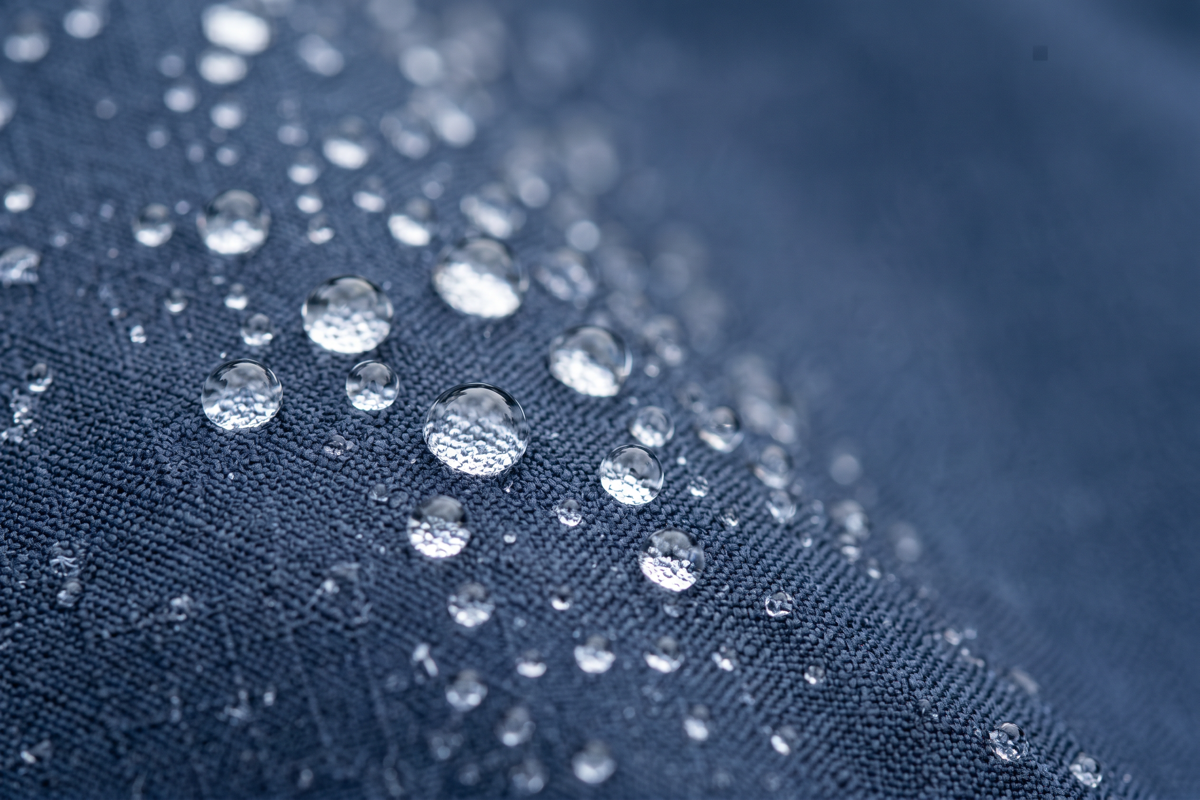
When a jacket starts to soak up water after a wash, most people assume the waterproof membrane has failed. In reality, the problem is almost always with a different, less critical layer. The waterproof-breathable membrane (e.g., ePTFE in Gore-Tex) is bonded to the inside of the fabric, ensuring that water droplets can't get in while water vapour (sweat) can escape. On the outer surface of the fabric is the DWR (Durable Water Repellent) finish — a chemical treatment that forces water to form beads and roll off. This distinction is crucial for correctly diagnosing and fixing problems with your functional clothing.
So, when a jacket stops beading, you haven't damaged the membrane inside — you've only worn down or washed off the outer DWR. The outer fabric absorbs water, a process known as 'wetting out', which creates a film of water that stops the membrane from breathing. This makes it feel as though your gear is leaking from the outside. The good news is that the DWR finish can be easily restored.
You can check it yourself in seconds: drip a little water onto the outer fabric. If it gathers into beads and rolls away, the DWR is working. If it spreads out and the fabric darkens as it absorbs water, the DWR has worn off — and it's time to reactivate it with heat or apply a fresh proofer. The membrane inside is most likely perfectly fine.
How to Wash Functional Clothing: A Step-by-Step Guide
Let's get down to the practical steps. Caring for membranes isn't rocket science; it simply calls for different products from the rest of your wardrobe. Always check the care label first — the standard for functional membranes is usually a wash at 30 to 40°C. Higher temperatures can damage the seam adhesives or the fabric structure. Before you begin, take a minute to prepare the garment: fasten all zips, pockets and cuffs so they don't snag the fabric, and turn the garment inside out, since most of the grime is on the inner side. Then, select a gentle cycle, skip the softener, and reach for a specialised detergent based on non-ionic surfactants. These wet the fibres thoroughly and lift away dirt, yet are gentle enough not to strip the factory DWR or harm the delicate structure of nanofibres. Don't overload the drum, either — functional clothing needs room to move so the detergent can reach every fibre and rinse out cleanly.
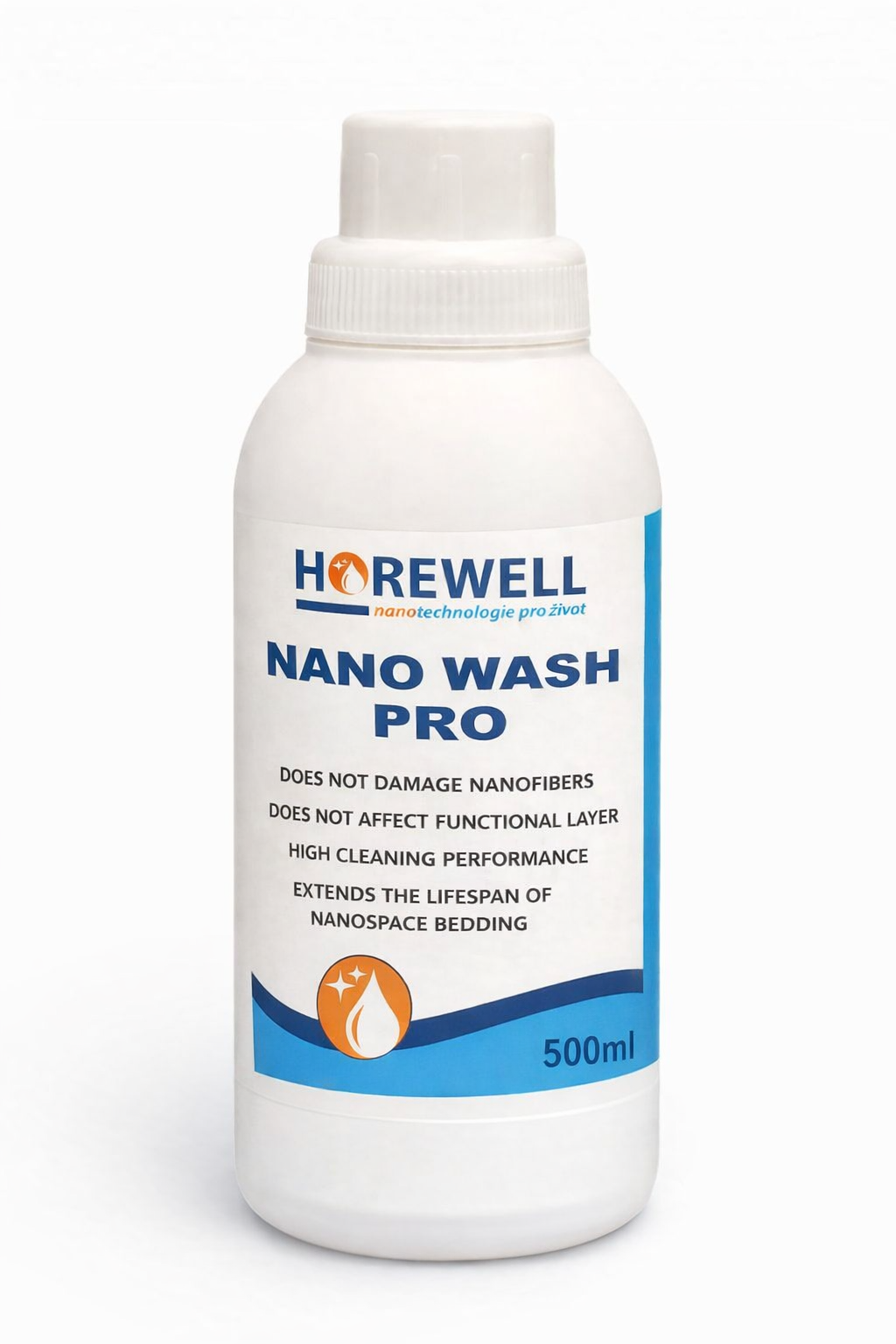
This is exactly what Horewell NANO WASH PRO is designed for. It's a highly concentrated detergent with a 30% active-matter content that relies solely on a non-ionic cleaning base, with no harsh anionic substances. Standard detergents often lose cleaning power at the low temperatures required by membranes, but NANO WASH PRO gets around this with a biologically active enzyme complex. These enzymes specifically target and break down the organic sweat and skin oils that destroy taped seams, and they work brilliantly even at 30°C.
Editor's pick
Horewell NANO WASH PRO
A concentrated, non-ionic detergent with active enzymes, specifically designed for technical fabrics. It effectively removes sweat and oils from membranes, sportswear and nanofibre bedding, all while preserving DWR finishes and breathability.
€11
View productIts high concentration means you only need a small amount per wash, so a single bottle goes a long way — easily lasting for months when used on functional clothing that doesn't need washing after every outing. It also meets strict environmental standards, as it's free from phosphates and harsh toxins that can harm aquatic ecosystems. So you're not just looking after your expensive gear, but the environment too.
A Quick Note on Wool and Merino
There is one important exception to bear in mind with enzyme-based cleaners. Because the biological enzymes are so effective, NANO WASH PRO must not be used on natural protein fibres. If you're washing wool, cashmere or merino base layers, you'll need a dedicated wool wash, as the enzymes will damage these natural protein fibres. For membranes, sportswear and anti-mite nanofibre bedding, though, it's the perfect choice.
How to Reactivate Water Repellency with Heat
Here's a simple trick that costs nothing and can make a huge difference. Through use and washing, the microscopic chains of the DWR finish can get knocked out of alignment, making them less effective. Applying gentle heat realigns them, restoring the fabric's ability to shed water. After washing, put the garment in a tumble dryer on a low setting for about 20 minutes, or carefully iron it on a low setting (with no steam), placing a clean towel between the iron and the garment. This simple step often restores the water repellency completely, without the need for any re-proofing products. Membrane manufacturers explicitly recommend this step as a standard part of their garment care routine.
When to Re-Proof Your DWR Finish
Even with the gentlest washing, the factory DWR layer eventually wears off through abrasion, and heat is no longer enough to revive it. At this point, it's time to re-apply the finish using a wash-in or spray-on proofer. Avoid cheap silicone sprays that simply clog the pores. Modern proofers use the 'lotus effect', first described in 1997 by botanists Barthlott and Neinhuis: on a superhydrophobic surface, water gathers into a bead and rolls away, taking dirt with it. Always apply a proofer to a clean garment (check the product's instructions on whether to apply to wet or dry fabric) and allow it to cure. A final application of gentle heat often helps to bond the new finish to the fabric.
The Same Rules Apply to Sportswear and Nanofibre Bedding
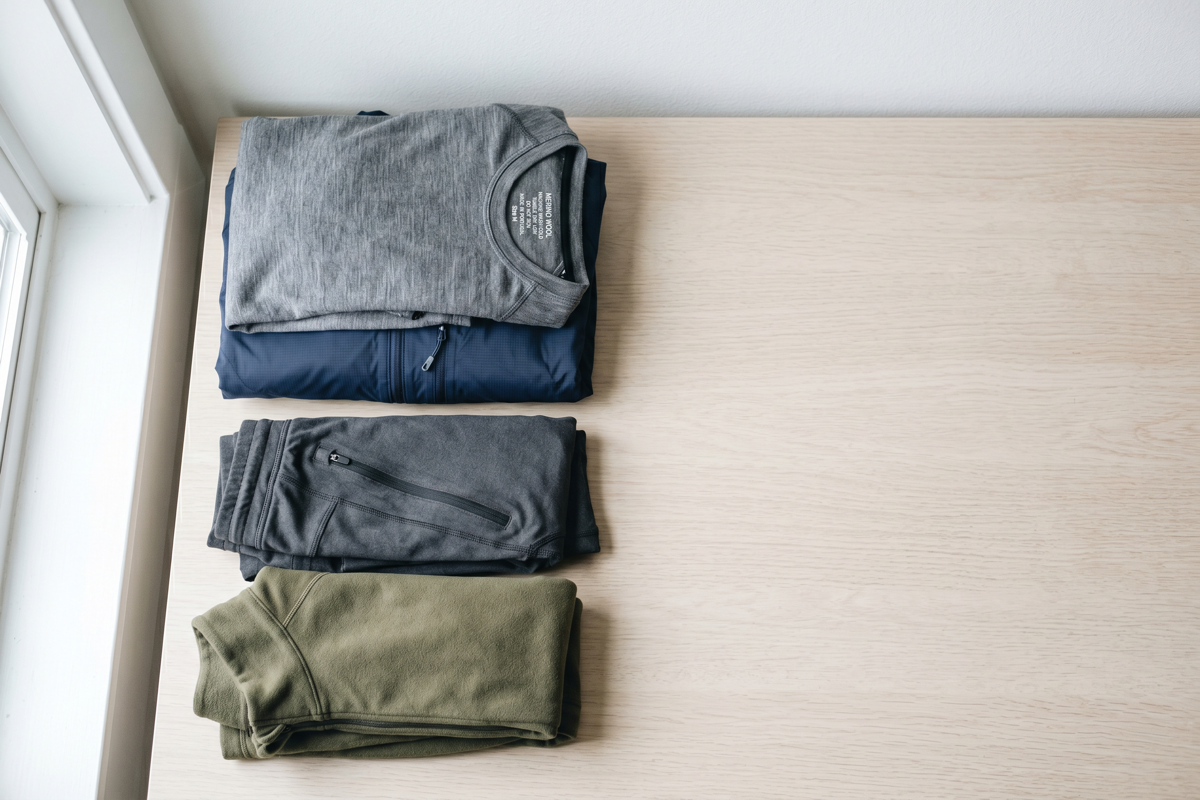
You might be surprised to learn that the same principles for washing a technical jacket apply to other high-performance items. In fact, most modern sportswear can be considered a type of functional clothing, and it requires the same care. All of these materials rely on a delicate fibre structure that harsh chemicals and fabric softener will damage beyond repair. That's why it pays to have one gentle product at home for all your technical fabrics. The same nanofibre technology that keeps a jacket breathable also lines anti-allergy bedding such as an anti-dust-mite duvet encasement, which you wash in exactly the same way. If your sports kit holds on to a stale odour even after washing, Horewell Odour Eliminator breaks the odour molecules apart instead of merely masking them. For the full routine, see our guides on how to wash blankets and duvets, how to wash pillows and how sportswear fights odour.
Conclusion
Functional clothing isn't a fragile material that fears water. It only fears the wrong chemistry. Skip the softener and powder, wash at 30 to 40°C in a product with non-ionic surfactants, and restore the water repellency afterwards with heat or a proofer — and your expensive jacket will perform brilliantly for years. Instead of giving up on it in a panic because it "leaks", give it a few minutes of the right care, and it will repay you on every trip into the rain and cold. Make it a habit to wash your pricey technical pieces separately, on a gentle cycle and without softener, and it will soon become second nature.
Frequently asked questions
Can I Wash Functional Clothing in a Standard Liquid Detergent?
While liquid detergents are better than powders as they don't contain insoluble fillers, they often contain optical brighteners, fragrances and harsh anionic surfactants that can strip the DWR finish. For expensive gear, they represent an unnecessary risk. It's always best to use a cleaner specifically formulated for technical fabrics.
Have I Ruined My Jacket by Accidentally Using Fabric Softener?
You've probably not caused permanent damage. Fabric softener doesn't tear the membrane; it just clogs its pores and smothers the DWR finish. A thorough wash with a proper technical cleaner should remove most of the residue. After that, reactivate the DWR with heat and re-proof if necessary, and your garment should perform well again.
Why Does My Jacket Soak Up Water Like a Sponge After Washing?
This is a classic sign that the outer DWR (Durable Water Repellent) finish has worn off, not that the membrane is broken. When this happens, the outer fabric gets saturated, a process called 'wetting out', which prevents the membrane from breathing. The solution is simple: reactivate the DWR with gentle heat (e.g., a short tumble dry on a low setting) or apply a fresh re-proofing product.
What Water Temperature Should I Choose?
Always follow the instructions on the garment's care label. For most functional membranes, the recommended temperature is 30°C to 40°C. Any higher, and you risk damaging the seam-sealing tape or even the fabric itself.
Can I Wash Functional Clothing and Nanofibre Bedding with the Same Product?
Absolutely. Technical sportswear, nanofibre bedding and membrane garments all benefit from the same gentle, non-ionic cleaning agent that's free from softeners and harsh additives. The only exception is natural protein fibres like wool, cashmere and merino – these must never be washed with an enzyme-based product.

Sources
- W.L. Gore & Associates — official care and maintenance guidelines for Gore-Tex membranes.
- Barthlott, W., & Neinhuis, C. (1997) 'Purity of the sacred lotus, or escape from contamination in biological surfaces', Planta, 202(1), pp. 1–8.
- General surfactant chemistry — the difference between non-ionic and anionic surfactants.