
Oily hair can reliably ruin your day before it even begins. You step out of the shower in the morning with fresh, voluminous hair, but by lunchtime, the mirror is utterly unforgiving. Your roots are slick, your volume has collapsed, and your fringe is stubbornly plastered to your forehead. Yet it's crucial to understand that an oily scalp has nothing to do with laziness, poor hygiene, or a lack of personal care. In most cases, oily hair is simply a biological signal that your sebaceous glands are overactive. They're responding to internal and external triggers—be it hormonal fluctuations, chronic stress, genetic predisposition, or even the very haircare products you're using to try and fix the problem. Oily hair isn't merely a cosmetic inconvenience; it's a message from your body that your scalp's delicate ecosystem is slightly out of balance. Fortunately, by introducing gentler washing techniques, selecting the right formulations, and making a few minor adjustments to your daily habits, you can gradually extend the time between washes and keep your hair looking fresh, light, and full of life for much longer.
Key takeaways if you're short on time
- Oily hair stems from the overproduction of sebum, which is frequently triggered by hormonal changes, high stress levels, genetic factors, and the use of unsuitable, heavy hair products.
- Aggressive shampoos can actually make the problem much worse, as harsh sulphates strip the scalp of its natural protective oils, prompting the sebaceous glands to produce even more oil in a desperate attempt to compensate.
- Washing your hair daily is perfectly acceptable, provided you use an exceptionally gentle, non-irritating shampoo that respects the scalp's natural lipid barrier, though dermatologists suggest tailoring the frequency to your individual needs.
- Lightweight, silicone-free products are essential for oily hair, as heavy conditioners, microplastics, and irritating preservatives tend to weigh the hair down and create a suffocating film on the scalp.
- Waterless powder shampoos offer an effective solution, using natural absorbents like corn starch to gently lift away excess oil without disrupting the scalp's microbiome, leaving your hair refreshed and thoroughly cleansed.
The Biological Mechanics Behind Oily Hair
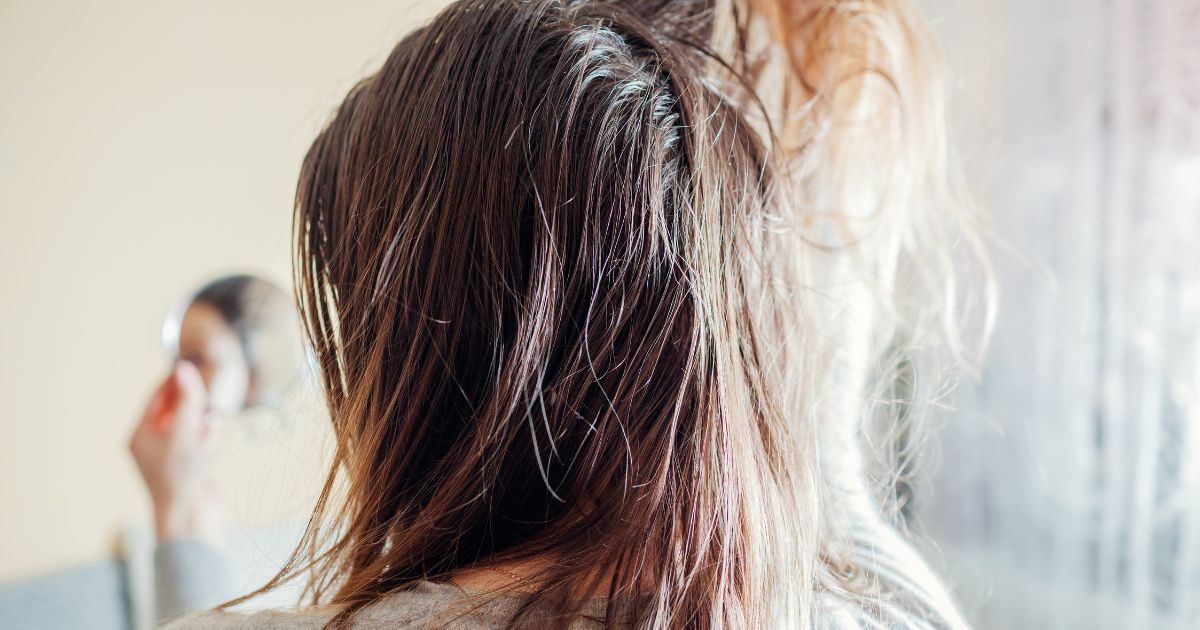
To truly understand how to combat the frustrating cycle of greasiness, we must first look at the microscopic environment of your scalp. On the surface of every single strand of hair, as well as across the entire expanse of your scalp, there's a microscopic layer of sebum. This sebum is a complex mixture of lipids, waxes, and squalene that functions as a natural, protective cloak. Its primary job is to defend your skin and hair against dehydration, mechanical damage, and opportunistic microorganisms. This vital oil is produced by the sebaceous glands, which are tiny structures attached directly to your hair follicles. In moderate, balanced quantities, this sebum is incredibly beneficial for both your hair and your scalp. It provides essential elasticity and natural shine, and prevents the hair shaft from becoming brittle and snapping under tension. The problem only arises when these sebaceous glands become hyperactive, producing significantly more oil than your scalp and hair actually need—a clinical condition known as hyperseborrhea. When this happens, the excess oil pools at the roots and slowly travels down the hair shaft. The immediate result is oily hair, a sticky and uncomfortable scalp, and occasionally the development of yellowish, greasy dandruff. You might also experience irritating itchiness and the disheartening sensation that your carefully styled hair has completely lost its shape just a few hours after washing. Understanding this biological mechanism is the first critical step towards addressing the root cause rather than merely fighting the symptoms.
The Most Common Causes of Oily Hair
If you're constantly battling an oil slick on your scalp, you're likely wondering what exactly is driving your sebaceous glands into overdrive. The truth is, oily hair is rarely caused by a single factor. It's usually a combination of internal physiology and external environmental stressors.
Hormonal Fluctuations, Puberty, and the Menstrual Cycle
You might vividly remember that your struggles with oily hair began during puberty—and that's certainly no coincidence. Hormonal changes during adolescence naturally increase the activity of the sebaceous glands. However, this hormonal rollercoaster doesn't magically stop once you reach adulthood. The menstrual cycle, pregnancy, the postpartum period, and the use of hormonal contraceptives can all cause significant shifts in your body's chemistry. During these times, elevated levels of androgens (male hormones present in both men and women) stimulate the sebaceous glands to enlarge and pump out more oil. This is exactly why you often encounter the frustrating triad of oily hair, sudden breakouts, and a shiny complexion around the nose and forehead at specific points in your cycle. The glands across your face and scalp are all reacting to the same hormonal cues.
The Impact of Stress, Sleep Deprivation, and Lifestyle Choices
When you're subjected to chronic, long-term stress, your body essentially operates in a continuous 'fight or flight' mode. This state elevates cortisol levels, which in turn wreaks havoc on the delicate balance of your scalp. High stress disrupts the scalp's natural microbiome and alters its pH, contributing significantly to the rapid and frequent appearance of oily hair. Add to this the modern plagues of irregular sleep patterns, a sedentary lifestyle, and a diet heavily reliant on refined sugars, saturated fats, and ultra-processed foods. This toxic combination can drastically increase the overproduction of sebum. Your skin and scalp are excretory organs, meaning that poor dietary choices and high stress levels will inevitably manifest as a greasy, unbalanced scalp.
Genetics and Your Natural Hair Texture
Sometimes, the tendency towards oily hair is simply written into your DNA. Just as you inherit your eye colour or your height from your parents, you can also inherit the specific characteristics of your skin and scalp. Furthermore, the physical structure of your hair plays a significant role in how oily it appears. If you have fine, dead-straight hair, the liquid sebum can travel down the hair shaft from the roots to the ends with zero resistance. Consequently, fine, straight hair looks greasy much faster than thicker or wavy hair. Conversely, if you have highly textured, curly, or coiled hair, the physical spirals prevent the oil from travelling easily down the length of the hair. In these cases, the roots might feel slightly oily and congested, while the lengths and ends remain desperately dry and in need of hydration.
The Trap of Unsuitable Haircare Products and Over-Washing
Paradoxically, the desperate attempt to scrub oily hair completely clean is often the very thing that makes it worse. Aggressive shampoos packed with harsh, irritating sulphates (like SLS or SLES) or intensely drying 'clarifying' treatments might provide a fleeting sensation of a squeaky-clean scalp. However, in the long term, they severely dehydrate and compromise the scalp's natural barrier. When the scalp is stripped of all its moisture, the sebaceous glands panic and interpret this dryness as an emergency. Their response? To produce an enormous surge of oil to compensate for the perceived drought. Similarly, heavy silicone-based conditioners and thick styling products create a vicious cycle. They coat the hair strand in an artificial, impermeable film, making it look temporarily smooth. But this heavy coating quickly weighs the hair down, making it look flat and greasy, which in turn makes you feel like you need to wash it even more frequently. This circular trap of 'the more aggressively I scrub, the more oil my scalp produces' is an incredibly common pitfall for those struggling with oily hair.
Gentle Care for Oily Scalps
Finding the Right Washing Frequency for Oily Hair
If you've been desperately searching the internet for solutions to oily hair, you've undoubtedly stumbled upon the advice to 'train your hair' by refusing to wash it for a week, with the promise that your oil glands will magically calm down. Whilst a small percentage of people might notice a slight normalisation when they stop over-washing with harsh chemicals, there's no universal rule, and you can't actually 'train' a hormone-driven sebaceous gland. Dermatologists generally agree that if you're suffering from a genuinely oily scalp, it's perfectly acceptable to wash your hair every single day or every other day, provided that doing so keeps you comfortable and your scalp isn't showing signs of severe irritation. The general consensus is that individuals with normal to slightly oily hair should aim to wash their hair roughly two to three times a week. However, for those with a highly active, oily scalp, athletes who sweat profusely, or people living in highly polluted urban environments, more frequent washing isn't just acceptable; it's necessary to prevent follicle clogging. What matters far more than the actual frequency of your washing schedule is the specific choice of a gentle cleanser and the physical technique you use. Using an aggressive, stripping shampoo twice a week will always cause more damage and rebound oiliness than using a beautifully formulated, gentle product once a day.
The Perfect Washing Technique to Combat Oily Hair
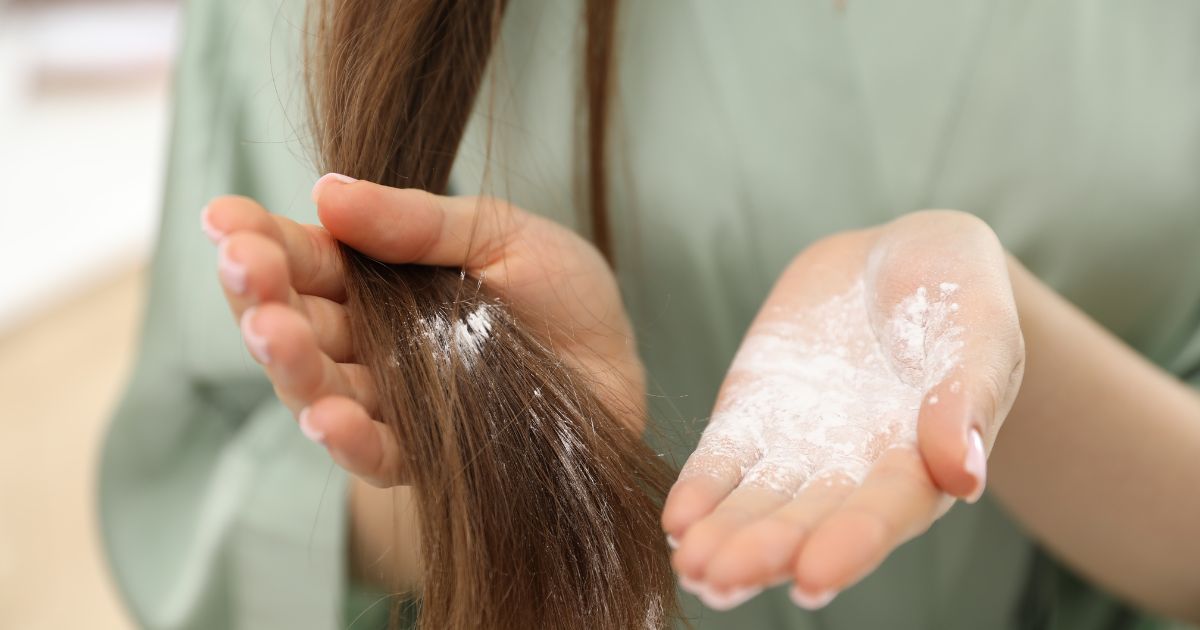
When dealing with oily hair, adopting the 'double cleanse' method—performing two separate washes during a single shower—can yield miraculous results. The first wash acts as a superficial sweep, effectively breaking down and removing surface sebum, daily sweat, environmental pollution, and the stubborn build-up of styling products. The second wash is where the real magic happens; it penetrates deeper into the scalp environment, thoroughly purifying the pores and clearing the hair follicles of microscopic debris. When you're washing, it's vital to focus your attention entirely on the scalp and the roots. Never use your fingernails, as scratching the scalp can cause micro-abrasions that lead to infection and increased oil production. Instead, gently massage the scalp using only the soft pads of your fingertips. Allow the lather to gently run down the lengths of your hair only during the final few seconds of washing, ensuring that the older, more fragile ends aren't unnecessarily dried out. If you're using concentrated formulas, such as a high-quality powder shampoo, you'll only need a remarkably small amount per wash—usually half a teaspoon for short hair and a full teaspoon for longer locks. You simply mix the powder with a splash of water in the palm of your hand to create a rich, creamy lather before applying it to wet hair. Finally, a thorough, meticulous rinse is absolutely critical for oily hair. If even a microscopic trace of shampoo or conditioner is left behind, it'll weigh the hair down, acting as a magnet for dirt and causing the dreaded greasiness to return with a vengeance.
Selecting the Right Products for an Oily Scalp
When shopping for oily hair solutions, the actual ingredients list is infinitely more important than the bold marketing claims plastered across the front of the bottle. The ideal shampoo for oily hair must be capable of deeply cleansing the scalp without entirely stripping away its natural, protective lipid film. If the scalp is left completely barren, the sebaceous glands will immediately wake up and begin manufacturing oil at an alarming rate. It pays huge dividends to actively seek out products that are entirely free from heavy silicones, hidden microplastics, and aggressive, irritating preservatives. These harsh additives not only provoke scalp irritation but literally add fuel to the fire, exacerbating the oily condition. Many modern, sophisticated formulations designed for oily hair rely on much gentler surfactants (such as those derived from natural coconut oil), ultra-lightweight conditioning agents, and natural sebum absorbents. Often, the secret to managing oily hair is finding the perfect compromise: a product that effectively eradicates the greasy feeling without burning the scalp's ecosystem to the ground. You must also grant your scalp a grace period of a few weeks to adapt to any new, gentler routine. If you're looking to support the structural integrity of your hair whilst managing oil, exploring the best collagen for hair and skin can provide foundational strength without adding external weight to the hair shaft.
Complete Care in a Single Step

Natural Ingredients That Effectively Regulate Sebum
In the realm of natural hair care, corn starch has rapidly emerged as one of the most beloved and effective raw materials for combating oily hair. This natural polysaccharide functions much like a microscopic, highly absorbent sponge. It effectively and gently soaks up excess sebum and environmental impurities from the surface of both the hair and the scalp. Crucially, it manages to do this whilst simultaneously soothing any underlying scalp irritation and preserving that all-important natural lipid layer. As a result, the hair feels significantly lighter, is free from unnecessary weight, and maintains a brilliantly fresh appearance without turning into dry, brittle straw. Another incredibly fascinating ingredient to look out for is Dextromalt (maltodextrin). This natural sugar derivative boasts remarkable hydrating and conditioning properties. It creates an imperceptibly thin, protective layer over the hair shaft, which dramatically eases detangling, helps lock in optimal moisture levels, and boosts the overall elasticity of the hair fibre—all without leaving behind any sticky, heavy residue. Furthermore, if you desire smoothness and a mirror-like shine without resorting to suffocating synthetic silicones, Coco-Caprylate is an absolute revelation. This natural emollient, derived from coconut, smooths the hair cuticle and imparts a glorious shine, but unlike heavy silicones, it doesn't form an impenetrable, suffocating film that accumulates over time and accelerates the greasing process. For those suffering from concurrent scalp irritation, reading up on panthenol effects on skin and hair can also reveal how vitamin B5 can act as a powerful soothing agent for an overworked scalp.
Why Waterless Powder Shampoos Are Brilliant for Oily Hair
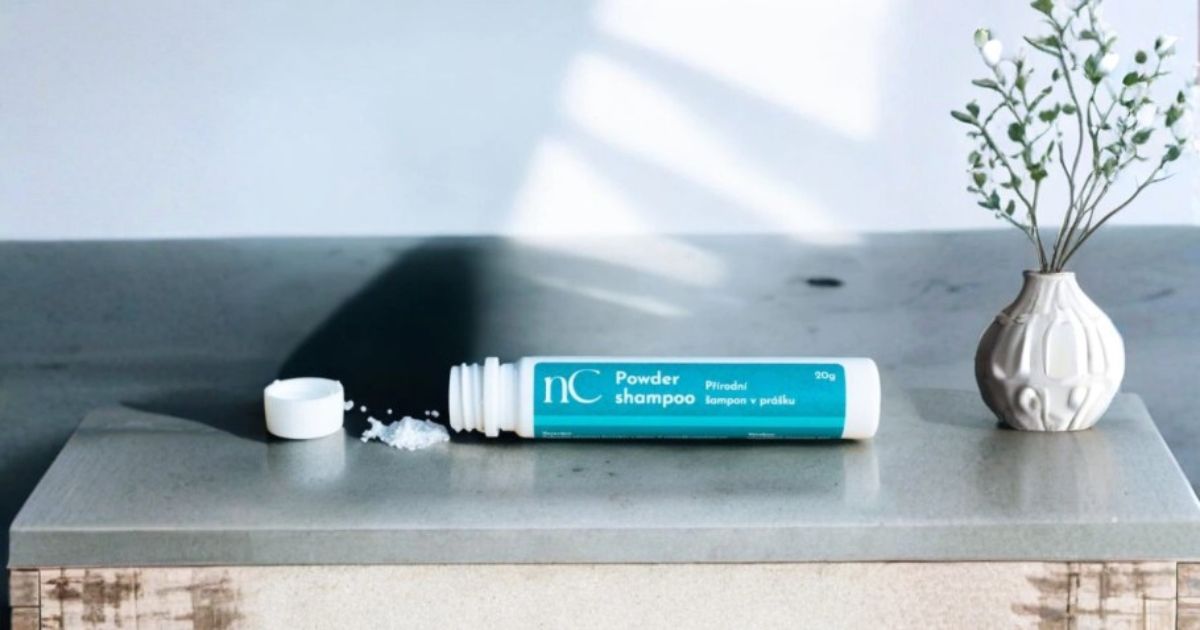
If you take a moment to closely examine the ingredients list of a standard, liquid shampoo from the supermarket, you'll likely discover that it's primarily composed of water—often up to 80% or 90% is simply 'aqua', the very same liquid that flows freely from your bathroom tap. Waterless powder shampoos represent a fundamental shift in how we approach hair care. These innovative products are highly concentrated blends of pure, active ingredients. Because they remain completely dormant until you physically activate them by mixing them with a small amount of water in your palm, they don't require the harsh, traditional liquid preservatives that frequently trigger allergic reactions and scalp sensitivity. Moreover, powder shampoos are an environmental triumph. They save vast amounts of water during the manufacturing process, require significantly smaller packaging, and drastically reduce the carbon emissions associated with shipping heavy, water-filled plastic bottles across the globe. For anyone who cares deeply about the environment, this is a huge benefit. At nanoSPACE, a company founded in 2012 with a relentless dedication to high-tech, sustainable solutions, we believe that less is often much more. For oily hair, concentrated formulas that cleverly combine micronised corn starch—acting as a powerful 'grease magnet'—with intelligent, lightweight hydration from Coco-Caprylate and Dextromalt are utterly unmatched. They achieve all this whilst remaining strictly free from silicones, parabens, microplastics, and irritating preservatives. This precise, mindful formulation is the foundation of the Waterfree Natural Powder Shampoo & Conditioner 2-in-1, as well as our universal daily cleanser, the Waterfree Natural Powder Shampoo nanoSPACE Cosmetics. (And remember, trying our innovations is risk-free with our standard 14-day returns policy.)
Daily Habits That Secretly Worsen Oily Hair
Sometimes, the root cause of oily hair isn't a dramatic medical diagnosis, but rather an accumulation of seemingly innocent daily habits that compound over time. Do you constantly run your fingers through your hair? Do you obsessively adjust your fringe? Every time you touch your hair, you're transferring natural oils, sweat, and dirt from your fingertips directly onto your hair strands, rapidly accelerating the greasing process. Similarly, wearing tight hats, unwashed bicycle helmets, or using dirty hairbrushes simply redistributes stale sebum and trapped dirt from the scalp down through the lengths of your hair. Another major culprit is the excessive layering of styling products without adequate removal. Hairsprays, texturising waxes, and volumising mousses inevitably settle on the surface of the hair shaft. These products act like glue, binding to the natural sebum and creating a heavy, sticky residue that makes your head feel suffocated. If you're trying to grow your hair out whilst managing this oil, you might find our guide on 13 tips for faster hair growth particularly useful, as a clean, unclogged scalp is the absolute prerequisite for healthy hair follicles. Furthermore, indulging in scalding hot showers and blasting your scalp with a hairdryer on its maximum temperature setting will severely dehydrate the skin, damaging its protective barrier and triggering a massive overproduction of compensatory oil. Sleeping with damp hair is another terrible habit; the warm, moist environment creates the perfect breeding ground for microscopic fungi and bacteria on the scalp, often leading to the intense itching and dandruff that frequently accompany oily hair. It's highly beneficial to alter these habits through small, deliberate steps: wash your hair with lukewarm water, blow-dry on a medium or cool setting, clean your brushes weekly, and use styling products with extreme restraint.
When Oily Hair Signals It's Time to See a Medical Professional
Whilst oily hair is, in the vast majority of cases, 'merely' a cosmetic and lifestyle annoyance, there are specific instances where it serves as a red flag for more serious underlying health issues. If your oily hair is suddenly accompanied by severe, relentless itching, a burning sensation, noticeable redness, and the appearance of greasy, yellowish scales or thick dandruff on the scalp, forehead, or around the creases of the nose, you may be suffering from seborrhoeic dermatitis. This is a chronic inflammatory skin condition inextricably linked to the overproduction of sebum, and in such situations, consulting a board-certified dermatologist is a wise and necessary step. You should also be highly vigilant if your oily hair is accompanied by sudden, noticeable thinning or excessive shedding, particularly if you're also experiencing other symptoms indicative of hormonal or endocrinological imbalances, such as thyroid dysfunction. Severe inflammation and the massive overproduction of sebum can physically weaken the hair follicles, directly contributing to accelerated hair fall. In these scenarios, a comprehensive medical examination, which may include detailed blood tests, is highly recommended. If you're experiencing this distressing symptom, reading our comprehensive advice on 10 tips for excessive hair loss can provide further guidance. Ultimately, oily hair can be both a frustrating cosmetic hurdle and a highly useful diagnostic signal that it's time to have your health evaluated by a professional.
Conclusion: Oily Hair as an Invitation to Better Care, Not a Reason for Shame
Ultimately, oily hair is not a personal failure, nor is it an indictment of your hygiene practices. It's simply a physical manifestation of the complex dialogue occurring between your sebaceous glands, your fluctuating hormones, your nervous system, and your daily lifestyle habits. When you finally begin to treat your scalp with the gentle, thoughtful care it desperately craves—by adopting a washing frequency tailored to your specific needs, choosing intelligent haircare products free from heavy, suffocating ingredients, and patiently modifying your daily routines—your hair will inevitably reward you. You'll gradually experience longer, more comfortable intervals of freshness. The combination of a sensible, consistent routine and clever, scientifically backed products that calm the scalp without scorching it dry can transform oily hair from a daily, exhausting battle into a perfectly manageable aspect of your life.
Frequently asked questions
Why Is My Hair Already Oily the Very Next Day After Washing?
This rapid greasing is most commonly the result of a complex combination of hormonal activity, your natural hair texture, elevated stress levels, and the use of unsuitable products that either irritate the scalp or weigh the hair down with heavy silicones. Furthermore, if you have fine, straight hair, the natural sebum spreads down the hair shaft with incredible speed, causing your hairstyle to lose its volume and bounce practically overnight.
Is It Truly Acceptable to Wash Oily Hair Every Single Day?
Yes. If you struggle with an exceptionally oily scalp, dermatologists generally consider daily or every-other-day washing to be perfectly acceptable, provided that your scalp doesn't show signs of severe redness or irritation. The core issue is rarely the frequency of the washing itself, but rather the aggressive, harsh formulations of the shampoos used and the physical roughness with which the scalp is scrubbed.
Will Using a Dry Shampoo Permanently Solve My Oily Hair Problem?
Whilst dry shampoo is an excellent temporary fix that can quickly absorb excess surface oil and visually rescue a collapsing hairstyle, it absolutely doesn't address the underlying biological causes of oily hair. In fact, if used excessively over many days without a proper wet wash, it can create a thick, suffocating build-up on the scalp that blocks follicles and promotes severe irritation. It should be viewed as an emergency tool between washes, not a permanent substitute for proper cleansing.
How Can I Tell if My Oily Hair Is a Symptom of a Medical Condition?
A clear warning sign is when an oily scalp is accompanied by intense, persistent itching, a burning sensation, visible redness, and the formation of thick, greasy, yellowish scales or dandruff. This scaling may also appear in other areas, such as around the nose or behind the ears. If you also notice a sudden, dramatic increase in hair shedding or thinning, it's highly advisable to seek a professional evaluation from a dermatologist or a qualified trichologist.
How Long Will It Take for My Oily Scalp to Balance Out After Switching to a Gentler Shampoo?
Transitioning away from harsh, sulphate-heavy shampoos to a much gentler, more natural hair care routine requires a degree of patience. It can take several weeks for your sebaceous glands to register the change and 'recalibrate' their oil production levels. Generally speaking, you should commit to your new, gentle routine for at least four to six weeks before you can expect to see a significant, lasting improvement in how long your hair stays fresh between washes.