
Skin ageing is a natural, inevitable biological process, yet we have a remarkable ability to influence, slow down, and manage it gracefully. For decades, the beauty industry has relied on an endless parade of synthetic compounds and harsh chemicals, promising miraculous results whilst often compromising the delicate balance of our skin barrier. Recently, however, there has been a profound shift towards scientifically proven natural ingredients. Among these botanical treasures, oat oil has steadily risen to prominence.
Despite lingering in the background of cosmetic formulations for years, its profound anti-ageing effects are now supported by rigorous scientific evidence and clinical trials. This golden elixir, extracted from humble oat kernels, is a powerhouse of antioxidants, essential fatty acids, and soothing compounds that work together to restore youthful vitality to the complexion. This unparalleled botanical profile is exactly why we decided to harness its full potential in our dedicated skincare formulations. By understanding the intricate mechanisms of how this natural marvel interacts with our cellular structures, you can transform your daily routine into a highly effective, protective, and restorative ritual.
Key takeaways
- Oat oil is packed with potent antioxidants, including unique avenanthramides and vitamin E, which form a defensive shield against free radicals and oxidative stress—the primary culprits behind premature ageing.
- It actively supports collagen production and enhances skin elasticity, primarily due to its exceptionally high concentration of essential fatty acids, which help to plump the skin and minimise the appearance of fine lines and wrinkles.
- It fortifies the protective barrier of the skin, significantly increasing its capacity to retain crucial moisture, an essential factor in maintaining a plump, radiant, and youthful appearance.
- Its efficacy is backed by robust clinical studies, such as a landmark 2018 research paper that demonstrated a statistically significant improvement in skin hydration levels just two hours after application.
- Our carefully formulated skincare range combines oat oil with other potent botanicals, such as sweet almond oil and plant-derived squalane, to deliver a comprehensive, deeply nourishing anti-ageing effect that respects even the most sensitive skin types.
Understanding the Root Causes of Skin Ageing
Before delving into how oat oil combats the signs of ageing, it is vital to understand the underlying biological mechanisms that cause our skin to age in the first place. Dermatologists and cellular biologists generally divide skin ageing into two distinct categories: chronological (intrinsic) ageing and environmental (extrinsic) ageing. Both processes work in tandem, but they affect the cellular structure of our complexion in very different ways.
Chronological ageing is the natural, genetically determined process that occurs as the years pass. As we grow older, the cellular turnover rate within our epidermis naturally slows down. The fibroblasts—the specialised cells responsible for producing the structural proteins of our skin—become less active. Consequently, the production of collagen and elastin, the essential proteins that give our skin its firmness, bounce, and structural integrity, begins to decline. You can think of collagen and elastin as the springs within a mattress; as they weaken, the surface begins to sag. The result is the gradual formation of fine lines, a noticeable loss of elasticity, and an overall thinning of the skin tissue. To support your skin's internal structure during this natural progression, consider incorporating the best collagen for hair and skin into your daily wellness routine.

However, extrinsic ageing—caused by external, environmental factors—has a far more devastating and rapid impact on our appearance. The primary aggressors include ultraviolet (UV) radiation from the sun, urban air pollution, cigarette smoke, harsh weather conditions, and even the use of inappropriate, stripping cosmetics. These external stressors trigger a destructive process known as oxidative stress within the skin. In simple terms, these aggressors create free radicals: highly unstable, reactive molecules that are missing an electron. In their desperate attempt to stabilise themselves, free radicals aggressively steal electrons from healthy skin cells, proteins, and cellular DNA. This relentless scavenging severely damages the skin's architecture, breaking down the collagen matrix at an accelerated rate. This molecular vandalism leads directly to the premature formation of deep wrinkles, hyperpigmentation, uneven skin tone, and a severe loss of suppleness. This is precisely where the extraordinary protective and restorative properties of oat oil come into play, offering a natural defence mechanism against this daily onslaught.
The Scientific Composition of Oat Oil
Oat oil is meticulously extracted from the whole kernels of the oat plant, botanically known as Avena sativa. But what exactly makes this humble grain's oil such a formidable weapon in the fight against premature ageing? The secret lies in its incredibly rich, complex, and biocompatible chemical composition, which is brimming with active compounds that our skin readily recognises and uses.
The foundational components of oat oil are its high levels of essential fatty acids. It is particularly abundant in linoleic acid (comprising roughly 36% to 46% of the oil) and oleic acid (making up 28% to 40%). These fatty acids are far more than mere moisturisers. They play a fundamental, structural role in maintaining the integrity of the skin's lipid barrier. Linoleic acid, an Omega-6 fatty acid, is a crucial building block for ceramides, the lipids that hold our skin cells together. By replenishing these fatty acids, the oil supports the skin's natural regenerative processes, ensuring that the cellular matrix remains strong, flexible, and resilient.
Beyond its impressive lipid profile, oat oil is an absolute treasure trove of potent antioxidants. It contains significant amounts of vitamin E, a renowned skin protector, but its true superpower lies in a group of unique phenolic compounds called avenanthramides. These remarkable molecules are found almost exclusively in oats. Scientific research has shown that avenanthramides possess extraordinary antioxidant and anti-inflammatory properties, making them exceptionally effective at calming stressed skin and neutralising environmental damage.
Beta-glucans are another crucial element found within the oat extract profile. These complex polysaccharides are phenomenal humectants and biological response modifiers. They actively stimulate cellular activity within the dermal layers, promoting tissue renewal and accelerating the healing process. When all these components—the barrier-repairing fatty acids, the free-radical-scavenging avenanthramides, the protective vitamin E, and the regenerating beta-glucans—work together, they create a comprehensive, multi-targeted anti-ageing effect. They do not merely sit on the surface of the skin; they actively engage with the skin's biology to protect, repair, and rejuvenate.
How Oat Oil Shields Your Complexion from Oxidative Stress
The antioxidant capacity of oat oil is undoubtedly one of its most vital anti-ageing benefits. As we established earlier, oxidative stress is the primary driver of premature ageing. Rigorous scientific research, including studies published in the prestigious International Journal of Molecular Sciences, confirms that oat oil provides substantial, measurable protection against the oxidative stress induced by UV radiation and other harmful environmental pollutants.
The avenanthramides present in the oil act as an invisible, molecular shield against free radicals. Because these antioxidant molecules are highly stable and easily absorbed, they are able to intercept and neutralise dangerous free radicals before those unstable molecules can damage healthy skin cells or degrade the delicate collagen structure. You can think of avenanthramides as a highly efficient fire suppression system: they extinguish the spark of oxidative damage before it can spread and cause a catastrophic breakdown of the skin's supportive tissues. In skincare, prevention is always vastly superior to attempting to reverse deep-set damage.
Furthermore, the high concentration of vitamin E in the oil provides an additional, robust layer of cellular protection. Vitamin E specifically prevents a destructive process known as lipid peroxidation within the cell membranes. Lipid peroxidation is essentially the "rusting" of the fats that make up our cell walls; if left unchecked, it leads to cell death and accelerated ageing. The combination of vitamin E and avenanthramides creates a powerful synergistic effect—they perform significantly better together than they would in isolation, offering broad-spectrum defence against environmental ageing factors.
A compelling study published in the Journal of Drugs in Dermatology in 2015 demonstrated that oat extracts exhibit direct, potent antioxidant and anti-inflammatory activity. This scientific validation perfectly explains why oat oil is proving to be so highly effective not only in preventing future ageing but also in soothing, repairing, and calming skin that has already been compromised, irritated, or subjected to intense environmental stress.
Transforming Skin Hydration and Elasticity
It is a universally acknowledged truth in dermatology that well-hydrated skin inherently looks younger, plumper, and more vibrant. Conversely, dehydration is one of the very first visible indicators of the ageing process. When the skin loses its vital moisture, it begins to deflate. Fine lines become sharply exaggerated, the texture becomes rough and uneven, and the complexion loses its natural, youthful luminosity. If you are struggling with a parched complexion, understanding how to care for dry skin is an essential first step in any anti-ageing strategy.
The hydrating prowess of oat oil is not merely anecdotal; it is heavily backed by clinical data. A randomised, assessor-blinded clinical study published in Clinical Dermatology Review in 2018 yielded fascinating and highly encouraging results. The researchers tested the efficacy of a moisturiser formulated with oat extract on adult participants suffering from chronically dry skin. Using highly precise dermatological instruments, such as the Corneometer and Cutometer, the scientists measured the skin's moisture levels and elasticity. The results showed a statistically significant improvement in skin hydration just two hours after a single application. Even more impressively, this enhanced level of hydration was sustained for a full 24 hours.
Crucially, the study did not just measure surface moisture; it also demonstrated a marked improvement in the physical elasticity of the skin. This proves that oat oil does not merely sit on top of the epidermis as a superficial occlusive layer. Instead, it penetrates effectively, supporting the skin's biological function on a much deeper level, allowing the tissue to regain its bounce and flexibility.
The linoleic acid found abundantly in oat oil plays a central role in this hydrating process. As confirmed by research in the International Journal of Molecular Sciences, this essential fatty acid is strictly necessary for maintaining the structural integrity of the skin's water barrier. When the skin becomes depleted of linoleic acid—which often happens as we age or use harsh cleansers—its ability to hold onto moisture is severely compromised. The inevitable result is a dry, flaky, and highly reactive complexion. By topically replenishing linoleic acid through oat oil, we effectively seal the microscopic cracks in the skin barrier, locking hydration in and keeping irritants out.
Rebuilding the Protective Barrier of Your Skin
Our skin is equipped with a natural protective barrier, often referred to as the stratum corneum or the lipid mantle. You can visualise this barrier as a brick wall: the skin cells (corneocytes) are the bricks, and the complex lipids (ceramides, cholesterol, and fatty acids) are the mortar holding them tightly together. This wall is designed to keep vital moisture trapped inside the body whilst keeping harmful bacteria, allergens, and pollutants out. However, as we age and face exposure to environmental stressors, this barrier naturally weakens. The "mortar" begins to crumble. This leads to a phenomenon known as Transepidermal Water Loss (TEWL), meaning the skin literally leaks moisture into the atmosphere at an accelerated rate.
A groundbreaking study published in Experimental Dermatology in 2015 revealed that oat oil possesses the unique ability to activate Peroxisome Proliferator-Activated Receptors (PPARs) within the skin. Whilst this may sound highly technical, the biological principle is beautifully simple. These specific receptors play a commanding role in the differentiation of keratinocytes (the primary cells of the epidermis) and in the synthesis of the very lipids that make up the skin's protective mortar.
Specifically, the application of oat oil achieves the following remarkable cellular actions:
- It upregulates the expression of differentiation genes, such as involucrin and transglutaminase 1, which are essential for the formation of a robust, healthy stratum corneum.
- It actively stimulates the natural synthesis of ceramides, the crucial lipid molecules that form the foundational structure of the skin's moisture barrier.
- It triggers the specific genes responsible for processing these ceramides, which has been clinically shown to lead to an astonishing increase in ceramide levels within the skin by up to 70%.
The ultimate result of this profound cellular activity is a significantly stronger, more resilient skin barrier. Skin with a healthy barrier is naturally more adept at retaining deep hydration and vastly better equipped to withstand the daily onslaught of external stress factors. Visually, this translates to a complexion that is noticeably smoother, firmer, and radiantly youthful.
Deeply Nourish and Protect Your Skin Barrier

Why We Chose Oat Oil for Our AtopCare Range
Based on this overwhelming body of scientific evidence regarding the efficacy of oat oil, we made the deliberate decision to harness its full potential within our highly specialised AtopCare range. We set out to create sophisticated, biocompatible formulas that combine this miraculous oil with other clinically proven botanical ingredients, ensuring maximum absorption and unparalleled results.
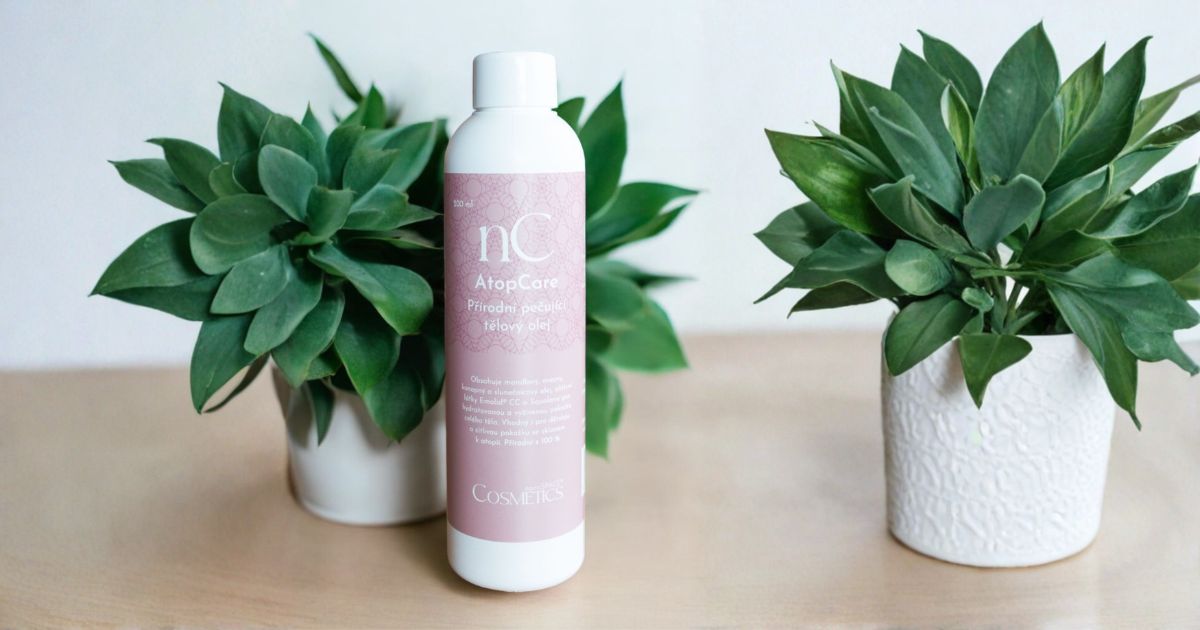
In our luxurious Natural Nurturing Body Oil AtopCare 200 ml, you will find premium oat oil masterfully blended with sweet almond oil, hemp seed oil, and plant-derived squalane. This specific combination is designed to provide intensive, deep-tissue hydration, profound nourishment, and formidable protection against premature ageing. The almond oil contributes a wealth of vitamins A and E, further amplifying the antioxidant shield, whilst the plant squalane—a lipid that perfectly mimics the skin's natural sebum—facilitates rapid absorption, supporting cellular regeneration and instantly restoring the lipid barrier without leaving any heavy, greasy residue.
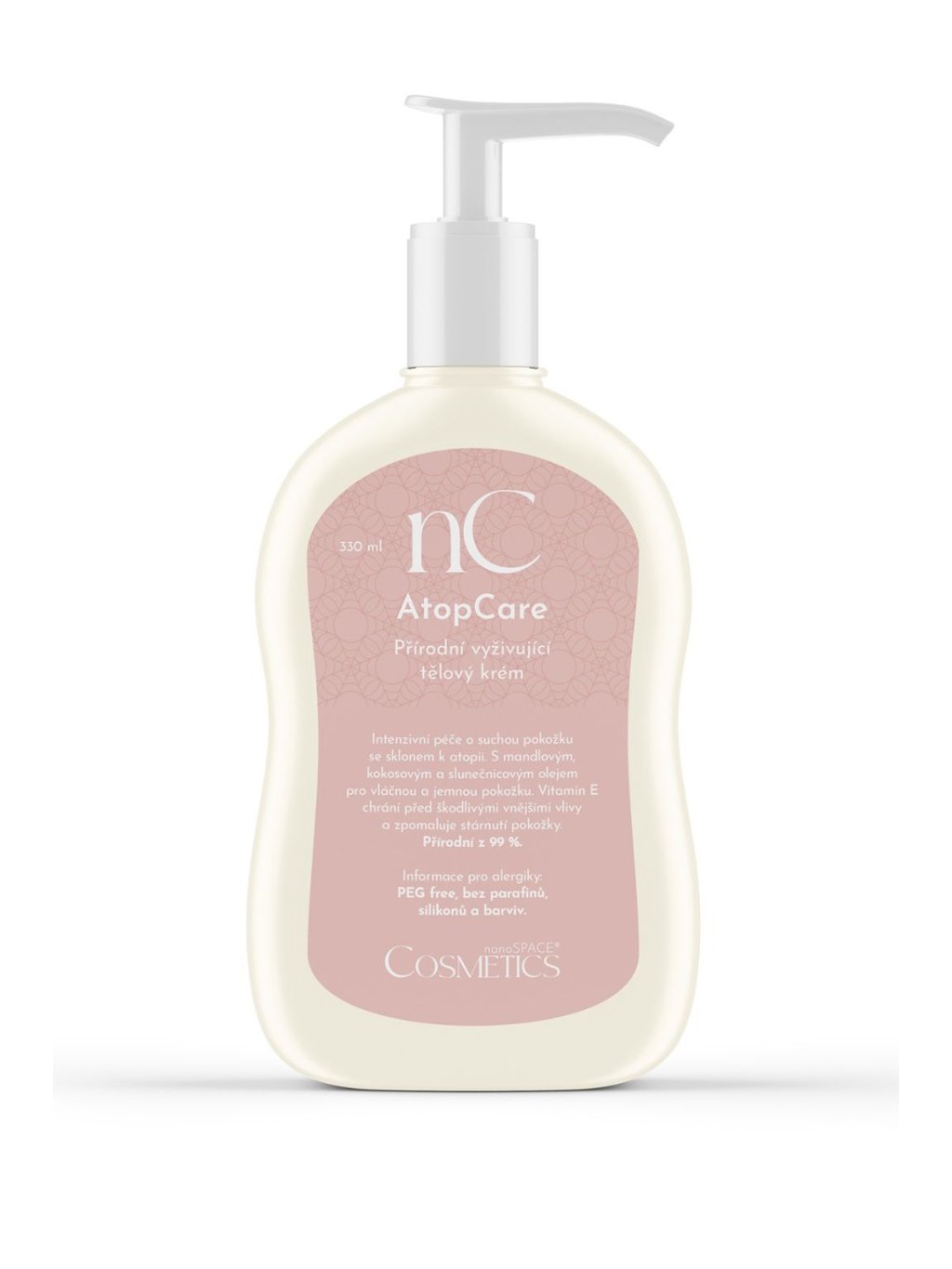
For those who prefer a richer texture, our Natural Nourishing Body Cream AtopCare 330 ml uses potent oat extract alongside nourishing coconut oil, sweet almond oil, and protective beeswax. This carefully balanced formulation provides comprehensive, all-day care. It immediately soothes tightness, deeply feeds the dermal layers, and creates a breathable, protective seal that guards the skin against severe dehydration. The cream is meticulously engineered to absorb rapidly, allowing you to use it comfortably at any time of the day, ensuring your skin remains supple and shielded from morning until night.
We take immense pride in the fact that all our products are 99% natural. We strictly formulate without the use of PEGs, petroleum-derived paraffins, suffocating silicones, or artificial colours. Because of this uncompromising commitment to purity, our AtopCare range is not only exceptional for intensive anti-ageing care but is also perfectly suited for highly sensitive, reactive skin, and complexions prone to atopic conditions.
Additional Therapeutic Benefits for Sensitive Skin
Whilst the anti-ageing capabilities of oat oil are truly spectacular, its therapeutic benefits extend far beyond simply smoothing out wrinkles. It is a deeply healing ingredient that provides immense relief for virtually every skin type, particularly those that are easily irritated or prone to inflammatory conditions.
The potent anti-inflammatory properties of the oil are a godsend for calming irritated, inflamed skin and significantly reducing visible redness. A pivotal study published in the Archives of Dermatological Research in 2008 demonstrated that the avenanthramides found in oats actively inhibit the activation of NF-κB, a crucial protein complex that controls the transcription of DNA and plays a central, driving role in the body's inflammatory response. By downregulating this pathway, the oil effectively switches off the skin's alarm bells.
Furthermore, oat oil actively accelerates the natural healing processes of the skin. Scientific literature, including a comprehensive paper in the Journal of Ethnopharmacology, has shown that oat oil promotes the rapid healing of wounds in vitro. This regenerative capability is incredibly important, not just for healing minor abrasions or blemishes, but for the overarching, systemic regeneration of skin tissue that has been degraded by the passage of time or chronic environmental exposure.
For individuals burdened with highly sensitive skin, or those who suffer from allergic dermatitis, oat oil represents a remarkably safe and reliable choice. A clinical study from 2009, featured in the Journal of the American Academy of Dermatology, concluded that daily skincare regimens incorporating oat extracts are highly suitable even for severe atopic skin. Rather than triggering flare-ups, it actively assists in repairing the compromised barrier that characterises these challenging conditions.
Crafting Your Perfect Skincare Routine with Oat Oil
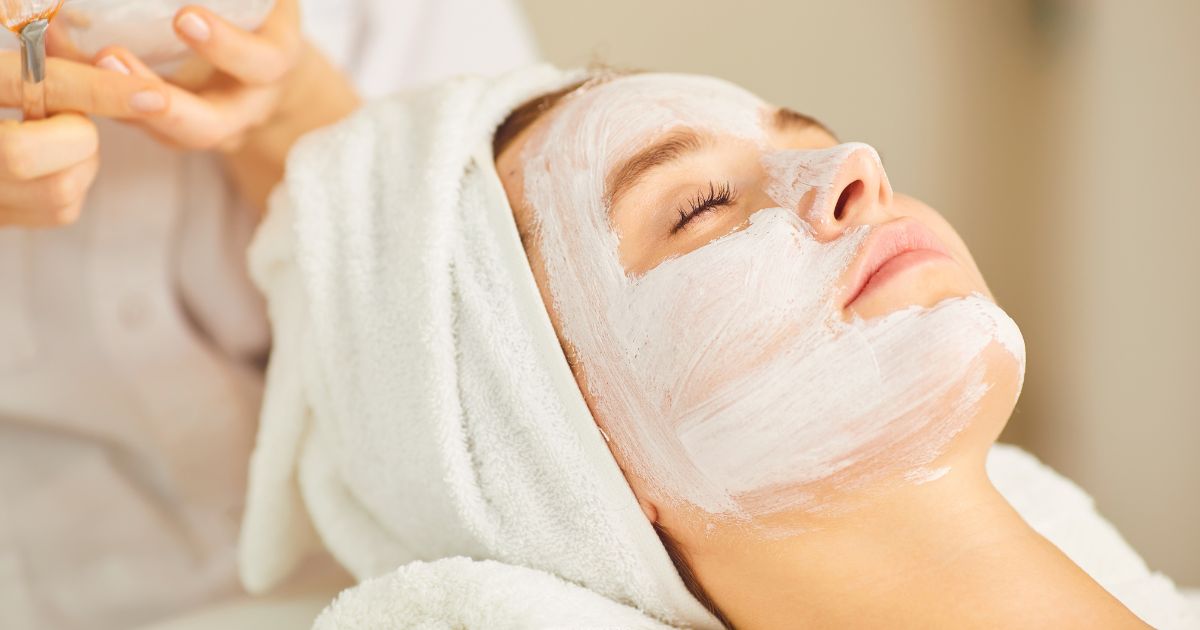
To truly unlock the maximum anti-ageing and restorative potential of oat oil, consistency and correct application are paramount. We highly recommend weaving these nourishing products seamlessly into your daily morning and evening rituals. A great routine always begins with a clean canvas, so understanding the principles of proper skin cleansing is your first vital step.
For the most effective absorption, you should always apply oat oil or oat-infused creams to slightly damp skin immediately after bathing or showering. The residual moisture on the surface of your skin acts as a carrier, drawing the humectants and lipids deeper into the epidermis and significantly prolonging the hydrating effect. Take a small amount of the product and massage it gently into your skin using upward, circular motions. This physical massage not only aids absorption but also stimulates microcirculation, bringing fresh oxygen and nutrients to the skin's surface.
When treating your facial skin, apply the oil or cream after you have thoroughly cleansed your face and applied any water-based serums. Oat oil is incredibly versatile and plays beautifully with other active ingredients. For an amplified anti-ageing effect, you can easily layer it over a vitamin C serum in the morning to boost your antioxidant defence, or over a hyaluronic acid serum in the evening to lock in massive amounts of hydration.
When applying to your body, pay special, deliberate attention to areas that are notoriously prone to severe dryness and structural thinning, such as the elbows, knees, décolletage, and the backs of your hands. These specific zones have fewer sebaceous glands and often exhibit the very first, most stubborn signs of ageing due to rapid moisture loss.
Gentle Cleansing for a Perfect Skincare Base

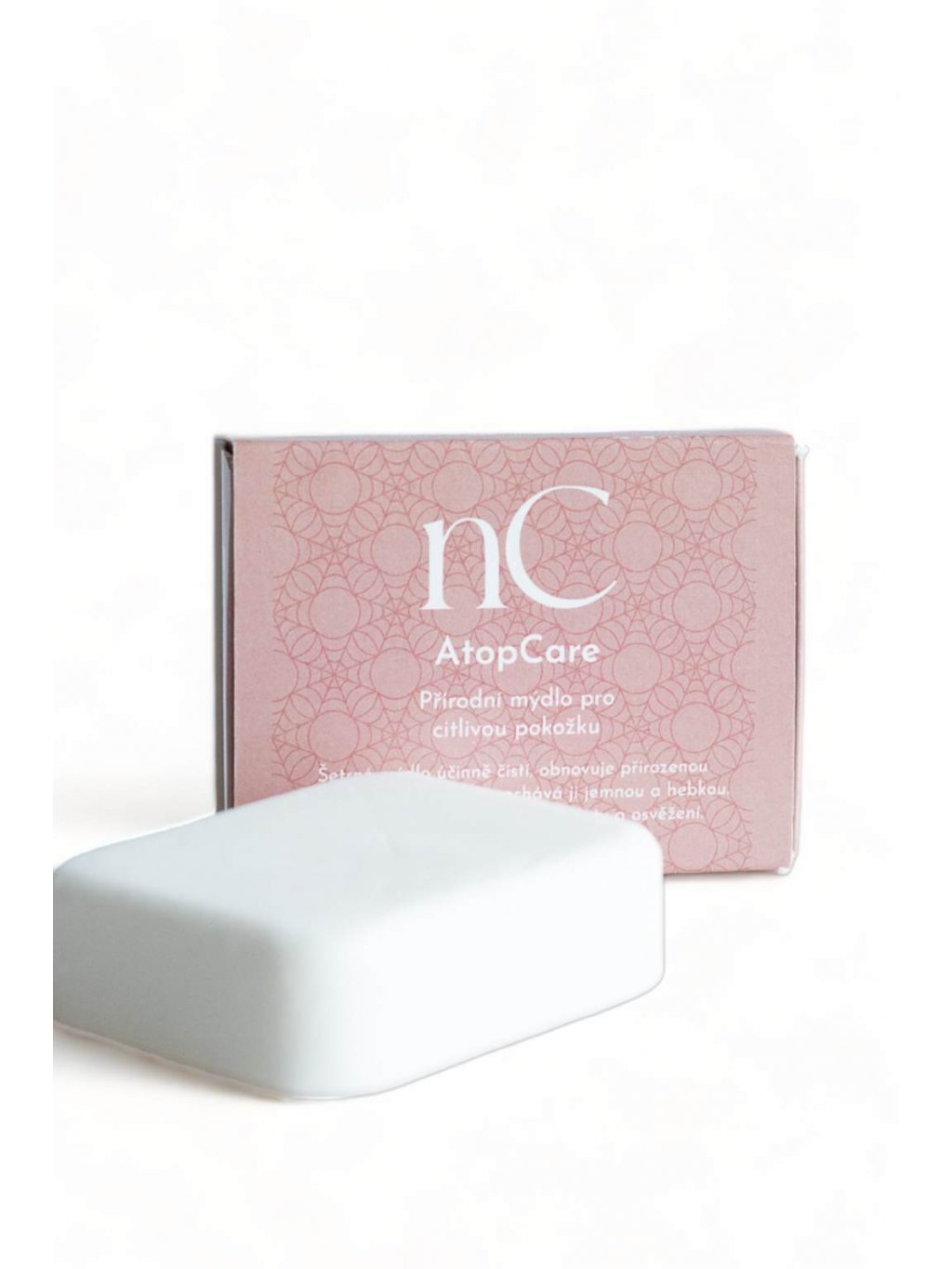
To ensure your skin is perfectly prepped to receive these rich nutrients without stripping its natural oils, we highly advise using our Moisturizing Cleansing Foam AtopCare 150 ml or our exceptionally mild Natural Soap for Sensitive Skin AtopCare. These cleansers gently lift away impurities whilst respecting the delicate acid mantle, setting the stage for optimal oil absorption. Remember, patience and regularity are the secrets to skincare success. A single application feels wonderful, but it cannot perform miracles. It is the dedicated, long-term use of oat-based products that yields truly transformational, visible results, leaving your skin profoundly more elastic, deeply hydrated, and radiating holistic health.
Selecting the Right Oat Oil Formulations
It is crucial to understand that not all skincare products claiming to contain oat oil are created equal. The ultimate quality, potency, and efficacy of the oil depend entirely on the methods used for its extraction and subsequent processing. Cold-pressed oils are vastly superior, as they retain a significantly higher concentration of the delicate active compounds, vitamins, and antioxidants compared to oils that have been subjected to harsh, high-temperature refining processes.
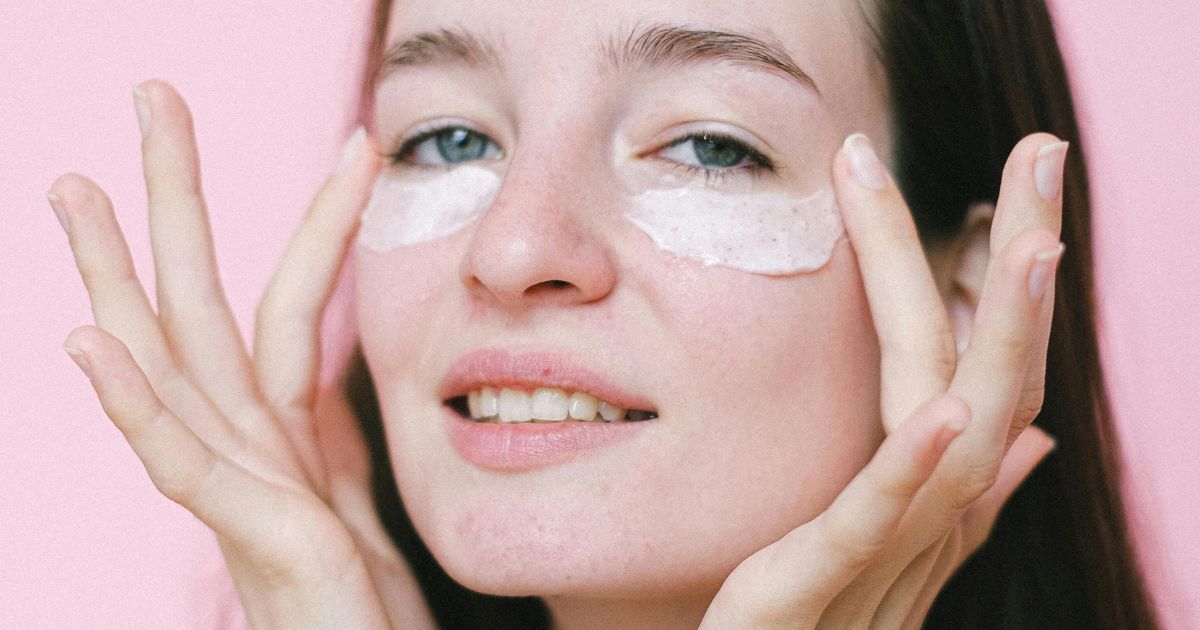
Furthermore, the actual concentration of the oil within the formula matters immensely. Many commercial products contain only a symbolic dusting of the ingredient—just enough to feature it on the label, but nowhere near enough to induce any real biological change in the skin. In our AtopCare range, we insist on using highly effective, research-backed concentrations of pure oat extract to guarantee tangible results. Interestingly, because of its unique fatty acid profile, high-quality oat oil is incredibly balancing. If you are currently researching how to care for oily skin, you will be pleased to know that linoleic-rich oils like oat can actually help regulate sebum production without clogging pores.
You must also scrutinise the entire ingredient list of any product you choose. Oat oil performs at its absolute peak when it is surrounded by other harmonious, natural substances that support and elevate its effects. This is exactly why we formulate it alongside sweet almond oil and botanical squalane. Conversely, you should fiercely avoid products laden with aggressive synthetic chemicals, parabens, or artificial fragrances. These abrasive additives will actively strip and compromise your skin's protective barrier, completely negating the beautiful, repairing, anti-ageing work that the oat oil is trying to perform.
Conclusion: Investing in Your Skin's Future
While skin ageing is a natural biological progression, we are certainly not powerless against it. We possess the knowledge and the botanical tools to significantly slow this process and gracefully mitigate its visible signs. Oat oil has undeniably proven itself to be one of the most effective, sophisticated, and reliable natural ingredients available in the modern fight against premature ageing, a status firmly cemented by rigorous scientific research and extensive clinical trials.
Its extraordinary antioxidant profile provides an impenetrable shield against the oxidative stress triggered by UV rays and urban pollution. Its rich concentration of essential fatty acids actively plumps the skin, restoring vital hydration and youthful elasticity. By actively reinforcing the skin's protective barrier, it empowers your complexion to defend itself against external aggressors whilst locking in life-giving moisture.
By choosing products from our AtopCare range, you are choosing to harness these scientifically validated benefits in formulations that respect and elevate the natural biology of your skin. Investing in high-quality, scientifically sound skincare is an investment that pays unparalleled dividends. When you consistently provide your skin with the precise, high-performance nutrients it craves, it will undoubtedly reward you with a resilient, luminous, and beautifully youthful complexion, regardless of your age.
Frequently asked questions
How quickly will I see the effects of oat oil on my skin?
According to a robust 2018 clinical study, the profound hydrating effects of oat oil become measurable just two hours after the initial application. Noticeable improvements in skin elasticity can often be observed within six hours. However, for significant, long-term anti-ageing results—such as the visible reduction of fine lines and a fundamental improvement in the skin's overall texture and structural integrity—consistent daily use for a minimum of four to six weeks is required.
Is oat oil suitable for oily or acne-prone skin types?
Yes, absolutely. Despite being a lipid, pure oat oil is non-comedogenic, meaning it will not block or congest your pores. It possesses a beautifully lightweight texture that absorbs rapidly without leaving a heavy, greasy residue. Furthermore, the high concentration of linoleic acid found within the oil actually assists in regulating the skin's natural sebum production, making it a highly beneficial and balancing ingredient even for oily and blemish-prone complexions.
Can I safely use oat oil whilst pregnant or breastfeeding?
Oat oil is a gentle, natural botanical ingredient that is universally considered safe for topical use during both pregnancy and breastfeeding. However, it is always prudent to consult your healthcare provider or dermatologist before introducing any new cosmetic products during this time, particularly if you suffer from severe allergies or heightened skin sensitivity. You can rest assured that our AtopCare products are meticulously formulated without any harsh chemicals or substances deemed unsafe during pregnancy.
Does oat oil protect the skin from UV radiation?
Whilst oat oil is a phenomenal ingredient, it does not act as a physical or chemical sunscreen and cannot replace your dedicated SPF product. It does not provide adequate standalone protection against UV rays. However, its exceptionally high concentration of antioxidants works brilliantly to neutralise the free radicals generated by UV exposure, thereby supporting the skin's recovery and repair processes after sun exposure. We strongly recommend using oat oil as a restorative layer in conjunction with a high-quality, broad-spectrum daily sunscreen.
Can oat oil be combined with strong active ingredients like retinol or exfoliating acids?
Yes, oat oil is an incredibly stable and cooperative ingredient that pairs exceptionally well with potent actives such as retinol, hyaluronic acid, or AHA/BHA exfoliating acids. In fact, it is highly recommended to combine them, as the soothing, anti-inflammatory properties of the oil can significantly help to mitigate the redness, dryness, and irritation that these stronger actives can occasionally induce. For the best routine, apply your active serums first, allow them to fully absorb into the epidermis, and then follow up with your oat oil product to deeply moisturise, seal the barrier, and calm the complexion.
Sources
- Bonina, F., Puglia, C., Avogadro, M., Baranelli, E. and Cravotto, G. (2005) 'The topical protective effect of soybean-germ oil against UVB-induced cutaneous erythema: An in vivo evaluation', Archiv der Pharmazie, 338(11-12), pp. 598-601.
- Chon, S.H., Tannahill, R., Yao, X., Southall, M.D. and Pappas, A. (2015) 'Keratinocyte differentiation and upregulation of ceramide synthesis induced by an oat lipid extract via the activation of PPAR pathways', Experimental Dermatology, 24(4), pp. 290-295.
- Lin, T.K., Zhong, L. and Santiago, J.L. (2017) 'Anti-inflammatory and skin barrier repair effects of topical application of some plant oils', International Journal of Molecular Sciences, 19(1), 70.
- Reynertson, K.A., Garay, M., Nebus, J., Chon, S., Kaur, S., Mahmood, K., Kizoulis, M. and Southall, M.D. (2015) 'Anti-inflammatory activities of colloidal oatmeal (Avena sativa) contribute to the effectiveness of oats in treatment of itch associated with dry, irritated skin', Journal of Drugs in Dermatology, 14(1), pp. 43-48.
- Sacchidanand, S.A., Udare, S., Borade, D.M., Narayanan, V., Katare, S., Mane, A. and Shah, A. (2018) 'A randomized, assessor-blinded, comparative study to evaluate the efficacy and safety of oat extract-based moisturizer in adult individuals with dry skin', Clinical Dermatology Review, 2(2), pp. 58-63.
- Sur, R., Nigam, A., Grote, D., Liebel, F. and Southall, M.D. (2008) 'Avenanthramides, polyphenols from oats, exhibit anti-inflammatory and anti-itch activity', Archives of Dermatological Research, 300(10), pp. 569-574.