
Nine months of carrying a new life under your heart, and your body accomplished something extraordinary. But now the mirror shows you skin you barely recognise. Dry, irritated, stretch marks across your abdomen, cracked hands, and a face that alternates between oily and flaky patches as though it cannot decide what it wants to be. Postpartum skin care is neither vanity nor indulgence. It is a way of helping your body finish the remarkable work it started — returning to balance. And precisely because you are breastfeeding or holding a newborn in your arms, you need to know what is safe, what genuinely works, and what to avoid entirely. In this article, you will find specific, dermatologist-backed advice, breastfeeding-safe ingredients, and a realistic timeline for when your skin will feel like yours again.
Key Takeaways if You're Short on Time
- The hormonal earthquake after delivery causes dryness, acne, pigmentation, and lost elasticity — your skin needs 6 to 12 months for full recovery.
- Postpartum skin care must be safe for breastfeeding — that means no retinoids, no salicylic acid, and no synthetic fragrances, but natural ingredients such as vitamin E, oat oil, and ceramides.
- Vitamin E is the gold standard of postpartum regeneration — it protects skin lipids from oxidation, accelerates healing, and restores the elasticity damaged by hormonal shifts.
- Fresh stretch marks still respond to topical care as long as they remain red-purple — regular massage with a regenerating ointment can reduce their visibility by 20–40 %.
- Consistency beats expensive procedures — three minutes morning and evening with proven products gives your skin the best chance of complete renewal.
What Happens to Your Skin After Delivery — and Why It Looks So Different
From a dermatological perspective, pregnancy is a hormonal tsunami. Oestrogen and progesterone levels surge to multiples of their normal values over nine months — and after delivery, they plummet to near zero within 24 to 48 hours. This abrupt crash has a profound impact on your skin, because oestrogen directly regulates collagen production, hydration, and skin thickness. When it vanishes, the skin loses moisture, elasticity, and the ability to regenerate quickly.
On top of that, prolactin — the hormone responsible for milk production — alters sebum distribution across the body. That is why some women suffer extreme dryness after giving birth, while others develop acne they never experienced even during puberty. Sleep deprivation (the average new mother sleeps fewer than five hours per night) and stress further elevate cortisol levels, which slow down skin regeneration and weaken the skin barrier. The result is skin that looks exhausted, because it genuinely is exhausted.

Postpartum Skin Care: Which Problems to Tackle First
Dryness and Dehydration
This is the most common postpartum complaint, affecting up to 70 % of women according to dermatological surveys. The drop in oestrogen reduces hyaluronic acid production within the skin — the substance that binds water and keeps skin plump and supple. Without it, the complexion becomes rough, flaky, and sensitive to environmental aggressors. Postpartum skin care should therefore begin with intensive hydration and lipid-barrier repair. Inadequate hydration also worsens every other problem, from stretch marks to pigmentation changes.
If dry skin was already a concern before pregnancy and the condition has deteriorated after delivery, we recommend reading our detailed guide on what actually works for extremely dry skin. You will find specific protocols that can be combined with your postpartum routine.
Stretch Marks — Fresh Scars You Can Still Influence
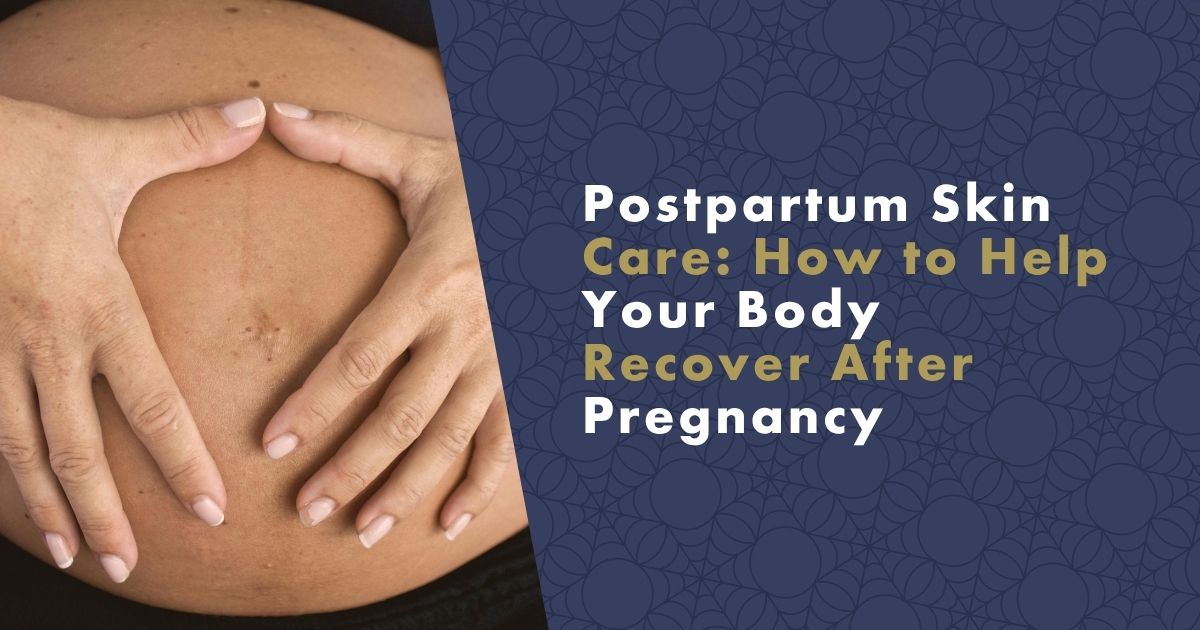
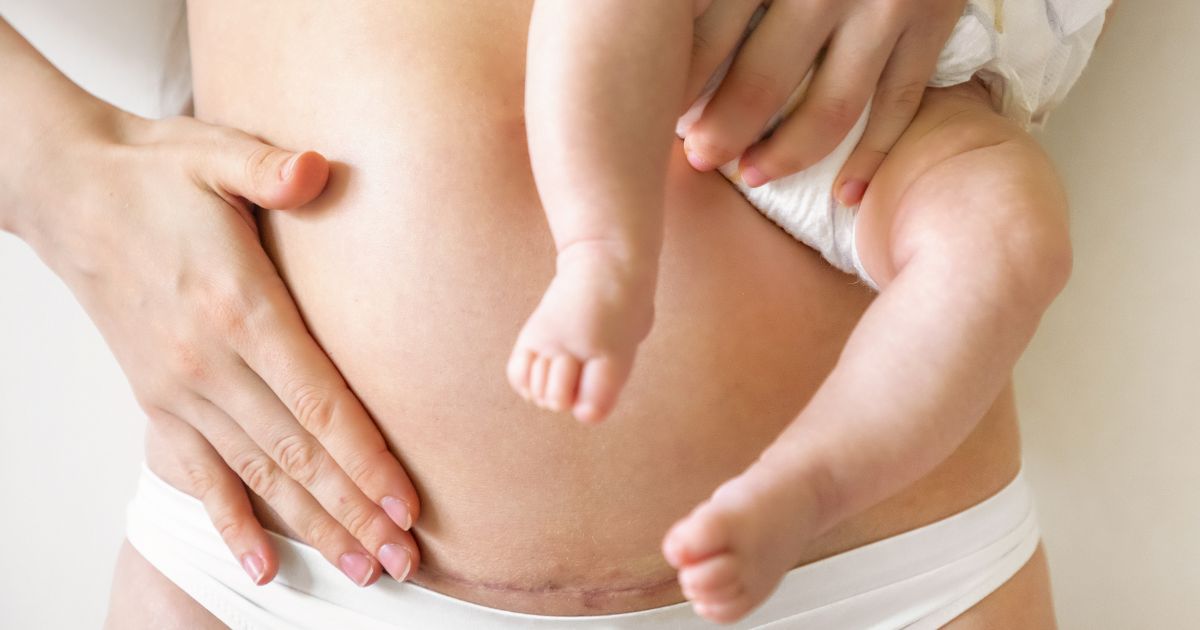
Stretch marks (striae distensae) form during pregnancy, but you only truly confront them after delivery. Fresh stretch marks — those red-purple streaks across the abdomen, breasts, and thighs — are still "alive." That means an inflammatory process is actively remodelling the tissue beneath them. This is precisely the window in which you can make the greatest difference. Regular postpartum skin care with vitamin E and natural oils can reduce their visibility, because antioxidants protect newly forming collagen from free-radical damage.
Tip: The Best Cream for Stretch Marks — a Comprehensive Guide for Pregnant and Postpartum Women
Pigmentation and Melasma
Up to 70 % of pregnant women experience intensified pigmentation — a darker linea nigra on the abdomen, darker areolae, and in many cases melasma (chloasma), the irregular brown patches across the face. After delivery, pigmentation should gradually fade, but for some women it persists for months or even years. UV protection during this period is absolutely essential — even winter sunlight can worsen pigmentation. Use a mineral SPF 30+ (free from chemical filters, which is safer during breastfeeding) and wear a wide-brimmed hat whenever possible.
Cracked Skin on the Hands
This is the problem nobody talks about — yet it affects nearly every new mother. Frequent handwashing (nappy changes, hygiene around the baby), contact with cleaning products, and whole-body dehydration combine to leave the skin on your hands cracking, itching, and stinging. Postpartum skin care does not just mean face and abdomen — your hands deserve equal attention. A quality fragrance-free hand cream should sit on every changing table, right next to the nappies and wet wipes. For more on this topic, read our article on cracked skin on the hands — why it happens and how to heal it.
Safe Ingredients for Postpartum Skin Care During Breastfeeding
When you are breastfeeding, everything you apply to your skin can theoretically be absorbed into the bloodstream in small amounts. That is why choosing the right ingredients matters not only for you, but for your baby as well. The good news: there are plenty of effective natural substances that are both dermatologically and paediatrically safe.
Vitamin E (tocopheryl acetate) is indispensable in postpartum care. It acts as an antioxidant that protects skin lipids from oxidation — and lipid oxidation is one of the main reasons skin loses elasticity and looks dull after delivery. Vitamin E also accelerates the healing of minor skin damage, reduces inflammation, and helps restore the hydrolipidic film. When applied topically, it is absorbed into the skin but does not pass into breast milk in any clinically relevant quantity. You can learn more about its benefits in our article on vitamin E and its effects on the skin.
Oat oil contains ceramides and avenanthramides — natural anti-inflammatory compounds that help the skin build and maintain its own protective barrier. For postpartum skin that is often irritated and reactive, oat oil is an ideal choice because it soothes without the risk of an allergic reaction.
Coconut oil provides intensive hydration and has natural antimicrobial properties. It is safe during pregnancy and breastfeeding and helps preserve skin moisture even when the lipid barrier is weakened. Shea butter and beeswax are additional ingredients that lock hydration into the skin and create a protective film against environmental stressors.
What to Avoid in Postpartum Skin Care
Not everything that works on "normal" skin is suitable after delivery — particularly during breastfeeding. Retinoids (vitamin A and its derivatives, including retinol) are the gold standard of anti-ageing care, but they are contraindicated during pregnancy and breastfeeding due to the risk of teratogenic effects. Salicylic acid (BHA) in higher concentrations can penetrate the skin barrier and be absorbed systemically. Chemical UV filters (oxybenzone, avobenzone) remain controversial regarding infant safety — which is why mineral SPF with zinc oxide or titanium dioxide is the preferred option.
Synthetic fragrances and preservatives (parabens, phenoxyethanol in high concentrations) can irritate already sensitive postpartum skin and trigger contact dermatitis. Postpartum skin care should be as simple as possible — the shorter the ingredient list, the lower the risk of irritation. When selecting products, look for labels such as "suitable for sensitive skin," "fragrance-free," and "dermatologically tested."
Vitamin E — Why It Is So Vital for Postpartum Recovery
Vitamin E deserves its own chapter, because its role in postpartum skin care is supported by dozens of scientific studies. As a fat-soluble antioxidant, it shields the cell membranes of keratinocytes (skin cells) from free-radical damage caused by UV radiation, stress, and hormonal fluctuations. After delivery, oxidative stress within the skin is elevated — and it is precisely vitamin E that helps restore this balance.
A study published in the Indian Dermatology Online Journal demonstrated that topical application of vitamin E at a 5 % concentration significantly improved skin hydration, reduced transepidermal water loss (TEWL), and accelerated scar healing — including stretch marks in their active phase. Tocopheryl acetate, the stable form of vitamin E, is also minimally irritating even for extremely sensitive skin, making it the ideal ingredient for the postpartum and breastfeeding period.
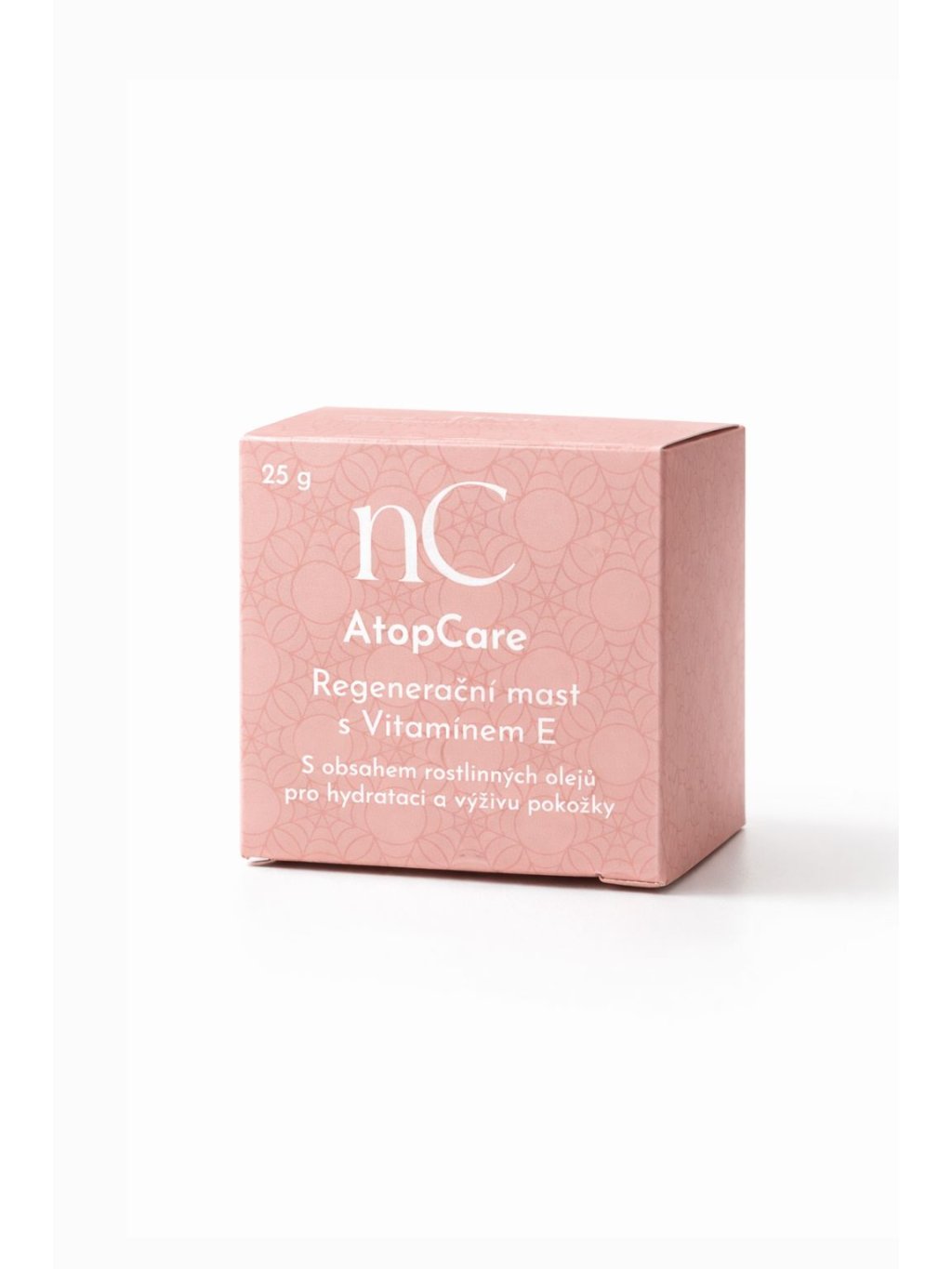
This is exactly why we at nanoSPACE developed the AtopCare Regenerating Ointment with 5 % Vitamin E. It contains no parabens, synthetic fragrances, or mineral oils. The combination of vitamin E, oat oil, and coconut oil was formulated to regenerate, hydrate, and protect the skin — while remaining safe for even the most sensitive complexion of a breastfeeding mother.
Editor's Pick
Regenerating Ointment with 5 % Vitamin E AtopCare
An intensive regenerating ointment for dry, cracked, and irritated skin. Vitamin E, oat oil, and coconut oil restore the skin barrier and accelerate healing. Free from parabens, silicones, and fragrance — safe even during breastfeeding.
ViewRecovery Timeline — When Your Skin Returns to Normal
One of the most frequent questions new mothers ask is: "When will this stop?" The answer is not straightforward, because postpartum skin care is a marathon, not a sprint. But there is a general framework that will help you set realistic expectations and avoid frustration when changes do not appear within a week.
The first two weeks after delivery — your skin is in shock. The hormonal crash is at its most intense, and the skin is extremely dry and sensitive. Focus exclusively on hydration and protection. Apply a regenerating ointment to stretch marks, cracked areas, and dry patches twice daily. Do not introduce any active ingredients — your skin needs calm and nourishment right now.
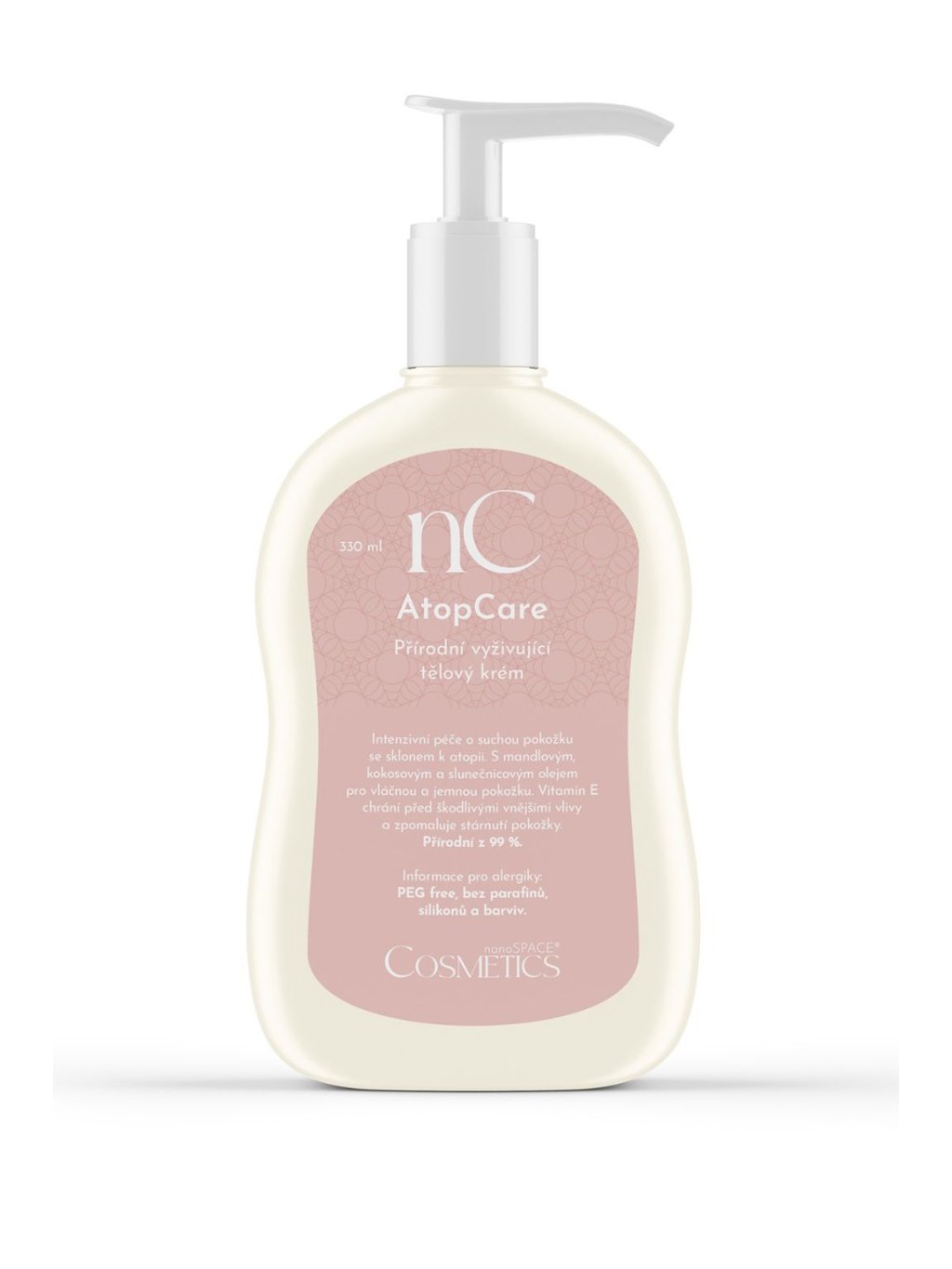
Weeks 2 to 6 — the skin begins to stabilise. Hormones are slowly levelling out and the skin barrier is gradually rebuilding. Dryness should start to recede if you are hydrating consistently. Stretch marks begin transitioning from red to pink. This is the ideal time to introduce regular, whole-body postpartum skin care with vitamin E — the AtopCare Nourishing Body Cream is suitable for daily use on larger areas, while the regenerating ointment should be reserved for problem spots such as stretch marks and cracks.
Months 3 to 6 — the period of greatest progress. Collagen production resumes, elasticity returns, and pigmentation gradually fades. If you started caring for your skin early and remained consistent, this is when you will see the most visible improvement. Stretch marks transition from pink to a pearly-white shade — a sign of healing.
Months 6 to 12 — the final stage of recovery. Your skin should be approaching its pre-pregnancy state. Melasma may linger longer, especially without consistent UV protection. Continue your routine, but you can gradually shift to lighter formulations.
A Practical Postpartum Skin Care Routine — Three Minutes Morning, Three Minutes Evening
With a newborn in your arms, you do not have time for a fifteen-step Korean routine. And you do not need one. Postpartum skin care can be effective in just three minutes, provided you use the right products and remain consistent. Regularity matters more than complexity — one good ointment every single day outperforms ten different serums used once a week.
Morning routine: After your shower (lukewarm, never hot — hot water strips moisture), apply a body cream with vitamin E to still-damp skin. On your hands, use the AtopCare Hand Cream — and keep a tube at the changing table so you can reapply after every wash. For your face, a fragrance-free moisturiser plus a mineral SPF is all you need.
Evening routine: Before bed (or at least before the first night feed), apply the regenerating ointment with vitamin E to stretch marks, cracked skin, and dry patches. The ointment has a richer consistency than a cream, so it deeply nourishes and restores the skin overnight. On your hands, apply a thicker layer of cream — your skin regenerates most intensively during sleep.
Nourishment From Within — What to Eat for Healthy Postpartum Skin
Postpartum skin care does not start at the tube of cream — it starts on your plate. Breastfeeding mothers have increased nutritional demands, and the skin is the first organ to "pay the price" when there is a dietary deficit. Vitamin C (citrus fruits, peppers, kiwi, broccoli) is indispensable for collagen synthesis — without it, the skin simply cannot regenerate effectively. Vitamin E (almonds, avocado, olive oil, sunflower seeds) shields the skin from oxidative stress and supports healing. Zinc (pumpkin seeds, beef, lentils) accelerates cellular regeneration. Omega-3 fatty acids (salmon, sardines, walnuts, chia seeds) improve skin elasticity and have anti-inflammatory properties.
And do not forget about water. Breastfeeding women should drink at least 2.5 to 3 litres of fluids daily. Dehydration shows on the skin faster than anything else — and no cream in the world can replace adequate water intake from within. Keep a water bottle within arm's reach at all times — by the bed, next to the nursing chair, and on the changing table.
Natural Postpartum Skin Care Essentials

The Most Common Mistakes in Postpartum Skin Care
The number one mistake is impatience. Your skin will not return to its pre-pregnancy state in a fortnight — and when a cream appears to "do nothing" after five days, you are tempted either to quit or to reach for something more aggressive. Both approaches are counterproductive. Skin regeneration occurs in 28-to-42-day cycles (one epidermal turnover), so the first visible results of your postpartum skin care routine will appear no sooner than 4 to 6 weeks of consistent use.
The second common mistake is using overly aggressive products. Acids (AHA, BHA), retinol, and potent enzymatic peels can further damage postpartum skin because the barrier is weakened and lacks the capacity to defend itself. Start gently — hydration, vitamin E, natural oils — and only after hormones have stabilised (typically 6 months or more after delivery, or after weaning) should you consider more active ingredients under dermatological guidance.
The third mistake is forgetting about sun protection. UV radiation is the primary cause of persistent melasma and post-pregnancy pigmentation spots. Even 15 minutes on a walk with the pram without SPF can set pigmentation back by weeks. A mineral sunscreen with SPF 30+ should be part of your daily routine, even in winter and on overcast days.
Conclusion — Your Skin Deserves Patience
Your body has just performed the most extraordinary work in the world. Postpartum skin care is not about getting back to "the way things were" — it is about helping your skin through the recovery it needs. Hormonal imbalances will level out, stretch marks will fade, dryness will subside. But it takes time, consistency, and safe products. Do not burden yourself with complicated routines. Three minutes in the morning, three minutes in the evening, natural ingredients free from harsh chemicals — and within a few months, your skin will return to a condition where you feel entirely yourself again. Because you deserve it.
Frequently Asked Questions
How long does it take for skin to return to normal after giving birth?
Most postpartum skin changes resolve within 6 to 12 months. Dryness and sensitivity typically subside within three months, stretch marks transition from red to white over 6 to 9 months, and melasma may persist longer — particularly without sun protection. Consistent postpartum skin care with vitamin E and natural oils can accelerate this process.
Is it safe to use vitamin E cream while breastfeeding?
Yes, topical application of vitamin E (tocopheryl acetate) is safe during breastfeeding. Vitamin E absorbs into the skin but does not pass into breast milk in any clinically relevant amount. However, avoid applying any products directly to the nipples immediately before a feed — if you need nipple care, use pure lanolin and wipe it off before nursing.
Can I use retinol after giving birth?
Retinol and retinoids are not recommended during breastfeeding. Although the risk of systemic absorption from topical application is low, the precautionary principle suggests waiting until breastfeeding has ended. Effective alternatives with regenerative properties include vitamin E, niacinamide (vitamin B3), and peptides — all of which are safe for breastfeeding mothers.
Does postpartum skin care help with stretch marks too?
Yes, especially if you begin early. Fresh (red-purple) stretch marks respond best to treatment — regular massage with a vitamin E regenerating ointment can reduce their visibility by 20–40 %. For older, faded stretch marks, dermatological procedures (laser therapy, microneedling) may be discussed with a dermatologist after weaning.
How much should quality postpartum skin care cost?
You do not need to spend hundreds on luxury cosmetics. A regenerating ointment with vitamin E (€12.50), a hand cream (€12.50), and a body cream (€27.50) will cover care for your entire body for several months. What matters more than price is the formulation — look for natural ingredients without fragrance and parabens that are safe during breastfeeding. One visit to a dermatologist costs €80–150; quality home care can protect your skin for a fraction of that price.

Sources
- Keen, M. A. & Hassan, I. (2016) 'Vitamin E in dermatology', Indian Dermatology Online Journal, 7(4), pp. 311–315.
- Tyler, K. H. (2015) 'Physiological skin changes during pregnancy', Clinical Obstetrics and Gynecology, 58(1), pp. 119–124.
- Brennan, M. et al. (2012) 'Topical preparations for preventing stretch marks in pregnancy', Cochrane Database of Systematic Reviews, (11), CD000066.
- Vora, R. V. et al. (2014) 'Pregnancy and skin', Journal of Family Medicine and Primary Care, 3(4), pp. 318–324.
- Kroumpouzos, G. & Cohen, L. M. (2001) 'Dermatoses of pregnancy', Journal of the American Academy of Dermatology, 45(1), pp. 1–19.