
Dry skin that peels despite regular moisturising. A tired body even though you sleep long enough. Small cuts on your hands that take weeks to heal. Most people attribute these symptoms to winter, stress, or age — but the real culprit may be vitamin E deficiency. This fat-soluble antioxidant is one of the most important protective factors for your skin and overall health, yet many people simply do not get enough of it. In developed countries, clinical deficiency is considered rare, but subclinical vitamin E deficiency — a state where levels are insufficient for optimal cell protection even though they have not yet reached the threshold of a diagnosed disease — is far more widespread than you might think. Let us look at the warning signals your body is sending you, and what you can do about them.
Key Takeaways if You're Short on Time
- Vitamin E deficiency shows on the skin first — dry, flaky complexion, impaired healing, and loss of elasticity are the most common early symptoms.
- At-risk groups are not limited to the elderly: people on low-fat diets, those with coeliac disease, Crohn's disease, or cystic fibrosis are also vulnerable.
- A single dose of UV radiation depletes up to 50% of vitamin E in the outermost layer of the skin — which is why the skin suffers from deficiency before the rest of the body.
- The recommended daily intake is 12 to 15 mg (18 to 22 IU), and the richest sources are sunflower seeds, almonds, hazelnuts, avocado, and olive oil.
- Topical replenishment of vitamin E through the skin is the most effective way to deliver this antioxidant where the body needs it most — an ointment with a 5% concentration sits at the upper end of the effective range.
What Vitamin E Does in the Body — and Why You Cannot Afford a Deficiency
Vitamin E is not a single substance but a group of eight related compounds — four tocopherols and four tocotrienols. In the human body, the leading role belongs to alpha-tocopherol, the most abundant and biologically active form. Its job seems straightforward but is absolutely essential: protecting cell membranes from oxidative damage. Every cell in your body is enveloped by a lipid bilayer — and it is precisely into this bilayer that alpha-tocopherol embeds itself as a molecular shield.
Free radicals generated by UV radiation, pollution, stress, and normal metabolism attack the fats in cell membranes and trigger a chain reaction called lipid peroxidation. Picture a row of falling dominoes — once one fat molecule oxidises, it damages its neighbour, that one damages the next, and the entire membrane disintegrates. Vitamin E halts this chain reaction by reacting with the free radical itself and neutralising it. It is a selfless guardian that allows itself to be "destroyed" in order to protect the cell.
Vitamin E deficiency means this guardian is absent — and the body becomes far more vulnerable to oxidative damage. The consequences manifest in the skin, the immune system, the muscles, and the nervous system.
Symptoms of Vitamin E Deficiency That Most People Ignore
Dry, Flaky Skin and Loss of Elasticity
The skin is the first organ to reveal vitamin E deficiency. And this is no coincidence — the skin is constantly exposed to external stressors (UV radiation, dry heating, wind, pollution), so its vitamin E reserves are depleted the fastest. A study by Thiele and colleagues from 1998 showed that a single sub-erythemal dose of UV radiation (below the threshold of visible reddening) depletes up to 50 per cent of vitamin E in the stratum corneum — the outermost layer of the skin. If you do not replenish this deficit, the skin loses its ability to retain hydration, the ceramides and fatty acids in the skin barrier oxidise, and the result is a dry, flaky complexion that peels even with regular cream use.
If you suffer from extremely dry skin that does not respond to conventional care, vitamin E deficiency may be one of the causes you have not considered. The Regenerating Ointment AtopCare with 5% vitamin E can help replenish what your skin is missing.
Impaired Wound Healing
Have you noticed that small scratches on your hands or abrasions take longer to heal than they used to? Vitamin E plays an important role in skin regeneration — it supports the proliferation of keratinocytes (the cells that form the upper layer of skin) and protects newly forming tissue from oxidative damage. With vitamin E deficiency, regenerative processes slow down and healing takes longer. This is especially noticeable on the hands, which are constantly under strain and exposed to external elements.
If you struggle with cracked, dry hands, the Natural Nourishing Hand Cream AtopCare delivers vitamin E directly where your skin needs it, supporting both healing and barrier repair.
Fatigue and Muscle Weakness
Chronic fatigue has dozens of possible causes, but vitamin E deficiency is one that doctors often overlook. When vitamin E fails to perform its protective function in the cell membranes of muscle fibres, muscle cells become more susceptible to oxidative stress damage — particularly during physical exertion. The result is fatigue that seems disproportionate to the level of activity, muscle weakness, and slower recovery after exercise. A study published in the Journal of Clinical Biochemistry and Nutrition demonstrated that vitamin E supplementation improves muscle recovery after exertion and reduces markers of oxidative damage.

Weakened Immunity and More Frequent Illness
Vitamin E is essential for the proper function of T-lymphocytes — immune system cells that recognise and destroy pathogens. With age, T-lymphocyte production declines, and if you add insufficient vitamin E intake to this equation, the immune system weakens doubly. A comprehensive study by Meydani and Hatcher (1997) showed that elderly people supplementing with vitamin E had a demonstrably stronger immune response to vaccination and a lower incidence of respiratory infections.
Neurological Symptoms — Tingling, Coordination Problems
In advanced stages, vitamin E deficiency manifests neurologically: tingling and numbness in the extremities (peripheral neuropathy), coordination difficulties (ataxia), impaired proprioception, and sometimes vision problems. These symptoms result from damage to nerve fibres whose myelin sheaths (the fatty coverings around nerves) need vitamin E for protection against oxidation. Neurological manifestations appear only with prolonged severe deficiency and are typical primarily for patients with malabsorption disorders.
Who Is Most at Risk of Vitamin E Deficiency
In developed countries, severe clinical vitamin E deficiency is rare, but subclinical deficiency — levels that do not cause dramatic symptoms yet are insufficient for optimal protection — is more widespread than previously assumed. National nutrition surveys (NHANES) show that up to 90 per cent of Americans fail to reach the recommended daily intake of vitamin E from their diet. In the United Kingdom, data are similarly concerning, with a significant proportion of the population falling short of optimal intake levels.
The most at-risk groups include:
- People with fat malabsorption disorders — coeliac disease, Crohn's disease, cystic fibrosis, chronic pancreatitis. Vitamin E is fat-soluble, meaning that without proper fat absorption, it cannot enter the bloodstream.
- People on long-term low-fat diets — paradoxically, those who try to eat "healthily" by eliminating fats may develop vitamin E deficiency. Without dietary fats, this vitamin simply cannot be absorbed.
- The elderly — with age, the ability to absorb nutrients from food declines, dietary variety decreases, and oxidative stress increases. A triple combination that raises the risk of deficiency.
- People with chronic liver disease — the liver plays a central role in the metabolism and distribution of vitamin E throughout the body.
- Premature babies — born with low vitamin E reserves because the transfer from mother to foetus occurs primarily in the last trimester.
How Vitamin E Deficiency Damages Your Skin — The Mechanism
The skin barrier is a fascinating structure. Imagine a brick wall: the corneocytes (dead cells of the outermost layer) are the bricks, and the lipid matrix (a mixture of ceramides, cholesterol, and fatty acids) is the mortar holding them together. Vitamin E embeds itself directly into this "mortar" and protects it from oxidative breakdown. When there is not enough vitamin E, the lipids in the barrier oxidise, the "mortar" crumbles, and the wall stops doing its job.
The consequences cascade: the compromised barrier loses water (transepidermal water loss — TEWL rises), irritants and allergens penetrate inward, the skin responds with inflammation, inflammation further damages the barrier — and the cycle closes. Understanding this mechanism explains why vitamin E deficiency and chronic dry skin are so closely linked.
Moreover, the skin has no dedicated storage depot for vitamin E. It depends on supply from the bloodstream (i.e., from diet) and on topical application. And here lies the fundamental problem: even with adequate dietary intake, only a limited amount reaches the skin — the lion's share is consumed by other organs. That is why topical replenishment of vitamin E directly into the skin is so effective and sometimes genuinely necessary.
Editor's Pick
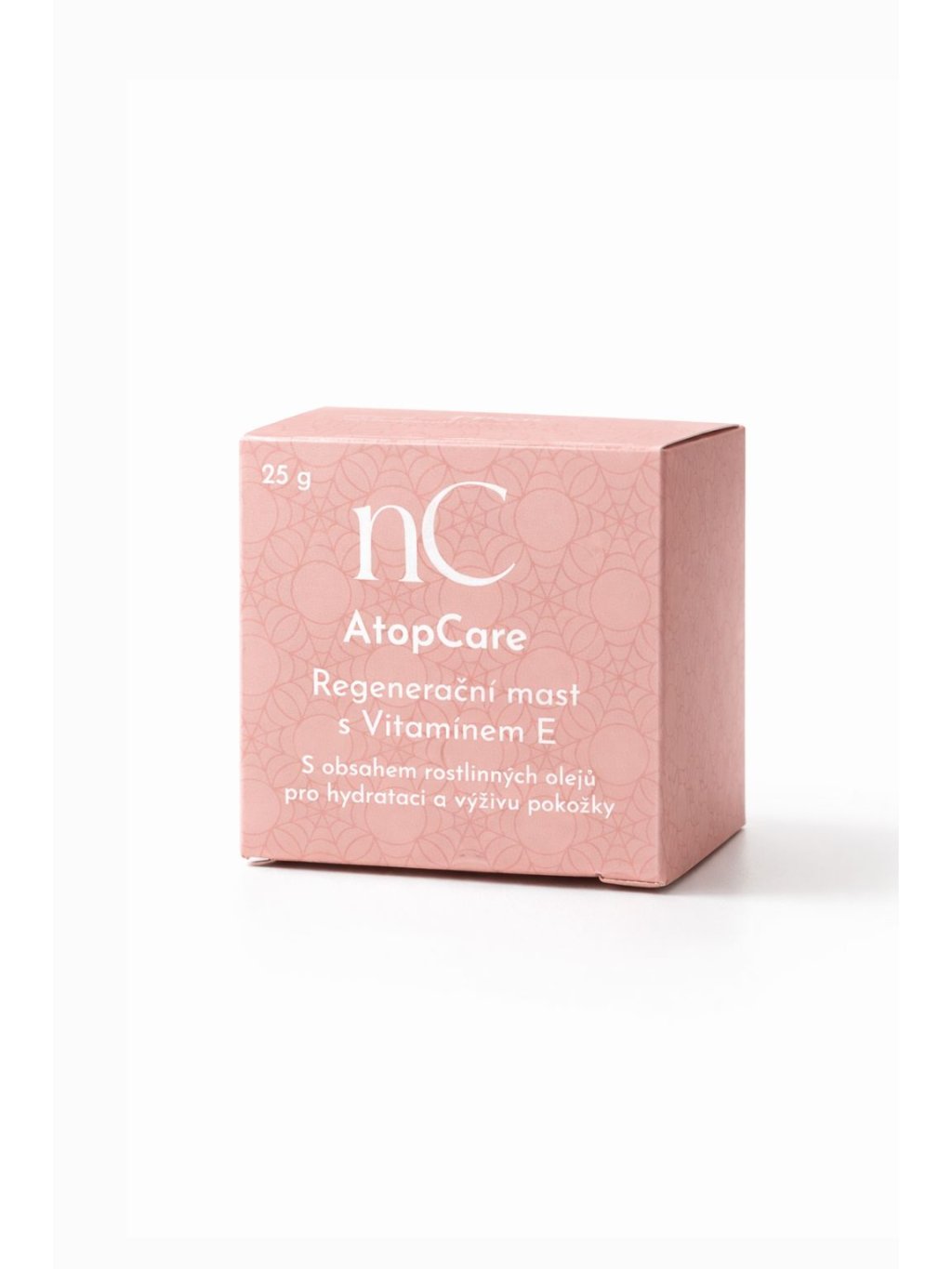
Regenerating Ointment with 5% Vitamin E AtopCare
Topical replenishment of vitamin E right where your skin needs it most. A 5% concentration at the upper end of the effective range, combined with ethyl ferulate and oat oil for maximum regeneration. Free from parabens, silicones, and fragrances.
View ProductVitamin E in Your Diet — How to Replenish Your Reserves From Within
The recommended daily intake of vitamin E for an adult is 12 to 15 mg (18 to 22 IU). That sounds like very little, yet a surprisingly large number of people fail to obtain it from their diet. The reason? The richest sources of vitamin E are foods that do not feature in most people's daily meals — or that people on diets deliberately restrict.
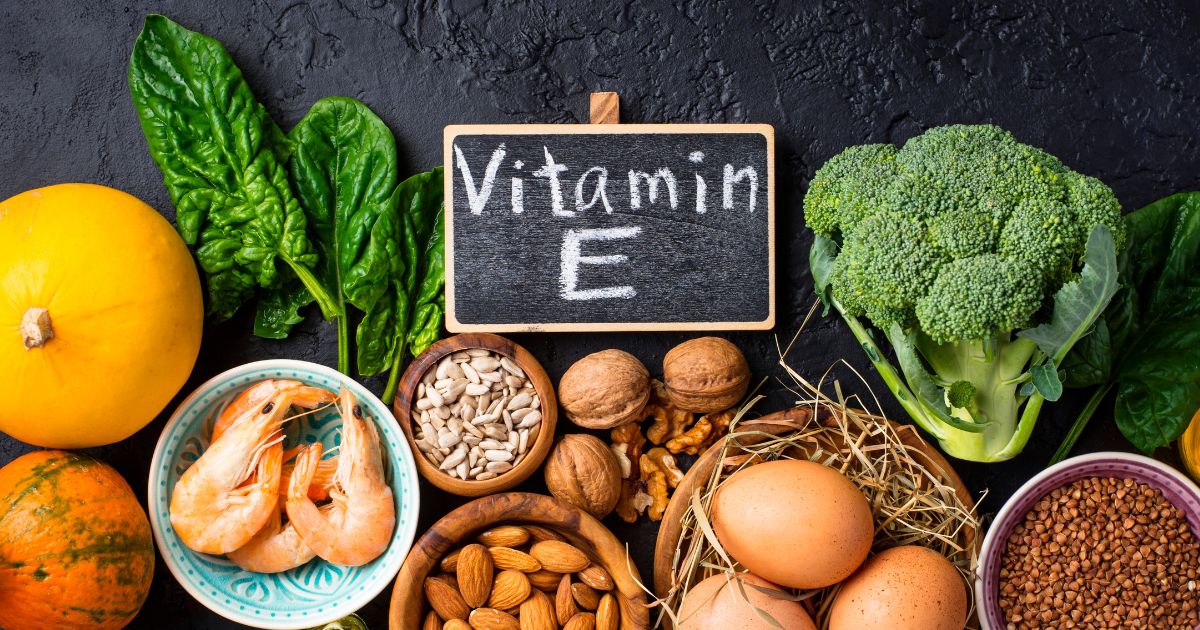
The absolute champion is sunflower seeds, with 35 mg of vitamin E per 100 g — a single handful per day is enough to meet your requirements. Almonds contain 26 mg per 100 g, hazelnuts 15 mg per 100 g. Avocado, extra virgin olive oil, and spinach are other excellent sources. Importantly, vitamin E is absorbed best when consumed alongside fats — which is why a spinach salad dressed with olive oil has significantly better bioavailability than spinach alone.
Problems arise for people who restrict dietary fats. A low-fat diet can paradoxically lead to vitamin E deficiency because without fats, this vitamin simply cannot be absorbed from the digestive tract into the bloodstream. People with coeliac disease, Crohn's disease, or other malabsorption conditions face a similar challenge — even when they eat the right foods, their bodies cannot utilise the vitamin E.
Why Diet Alone Is Not Enough — Topical Replenishment of Vitamin E
Even with an ideal diet rich in vitamin E, only a fraction of the total intake reaches the skin. The majority is consumed by the liver, adipose tissue, and other organs that take priority in distribution. The skin is at the end of the "supply chain" — and that is a problem because it is the skin that faces the greatest oxidative stress.
This is why dermatologists increasingly recommend topical application of vitamin E as a complement to dietary intake. Topical application has several advantages: vitamin E reaches exactly where the skin needs it, in a concentration far higher than could ever be achieved through diet, and it begins working immediately after application.
However, not every product with vitamin E on the label will actually help. Standard creams contain vitamin E at concentrations of 0.5 to 2 per cent, which is sufficient for basic protection but inadequate for intensive regeneration of compromised skin. Dermatological cosmetics typically work with concentrations of 2 to 5 per cent, with the upper boundary of 5 per cent considered optimal — higher concentrations no longer produce proportionally better results. The Regenerating Ointment AtopCare uses precisely this 5% concentration and complements it with ethyl ferulate, which amplifies vitamin E's antioxidant effect.
For more on how vitamin E acts directly on the skin and why both form and concentration matter, read our article on vitamin C and its proven benefits for the skin — in combination with vitamin E, antioxidant protection multiplies.
Vitamin E Deficiency and Skin Ageing — a Connection We Underestimate
Skin ageing has two components: intrinsic (chronological) and extrinsic (photoageing). Vitamin E plays a role in protecting against both, but its influence on photoageing is particularly pronounced. UV radiation generates enormous quantities of free radicals that damage collagen, elastin, and other structural proteins in the skin. Without sufficient vitamin E, this damage proceeds unchecked — and the result is wrinkles, pigmentation spots, loss of elasticity, and an uneven skin tone.
The study by Thiele and colleagues revealed that the vitamin E gradient in the skin is inverted — the highest concentration is in the deepest layers of the stratum corneum and the lowest is on the surface, where UV exposure is greatest. This means the superficial layers of the skin are naturally the most vulnerable. Topical replenishment of vitamin E compensates for this surface deficit and creates a protective shield precisely where it is needed most. Addressing vitamin E deficiency in the skin is therefore not merely a cosmetic concern — it is a matter of long-term skin health.
How to Recognise Vitamin E Deficiency — a Practical Guide
Vitamin E deficiency is not easy to diagnose because its symptoms resemble dozens of other conditions. Dry skin? Perhaps it is just winter weather. Fatigue? Probably just stress. Slow healing? Age. This is precisely why this deficiency so easily escapes attention — the symptoms are non-specific and most people automatically attribute them to something else.
If two or more of the following symptoms appear simultaneously and persist for longer than a few weeks, it is worth considering vitamin E deficiency: dry, peeling skin that does not respond to moisturising; slow healing of minor wounds and abrasions; unusual fatigue and muscle weakness; frequent colds and respiratory infections; dry, brittle hair and nails; tingling or numbness in the extremities.
A definitive answer comes from a blood test for alpha-tocopherol — the physiological range is 12 to 46 micromol per litre. Values below 12 micromol per litre confirm a deficiency. You can request this test from your GP, ideally in combination with testing levels of other fat-soluble vitamins (A, D, K).
What to Do if You Have Vitamin E Deficiency — a Three-Pronged Strategy
Diet Comes First
The foundation is adjusting your diet. Incorporate nuts and seeds as a daily snack — a handful of almonds or sunflower seeds covers a large portion of your daily requirement. Cook with extra virgin olive oil. Add avocado to salads and sandwiches. And above all: do not fear fats. Fats are essential for the absorption of vitamin E and other lipophilic vitamins.
Supplementation — When Diet Is Not Enough
For people with malabsorption conditions or a pronounced deficiency, a doctor may recommend oral supplementation. The usual dose ranges between 100 and 400 IU daily, but specific dosing belongs in a doctor's hands. Important: high doses of vitamin E (above 1,000 IU daily) can have adverse effects, including an increased risk of bleeding, because vitamin E in extreme doses interferes with blood clotting.
Topical Application — Direct Help for the Skin
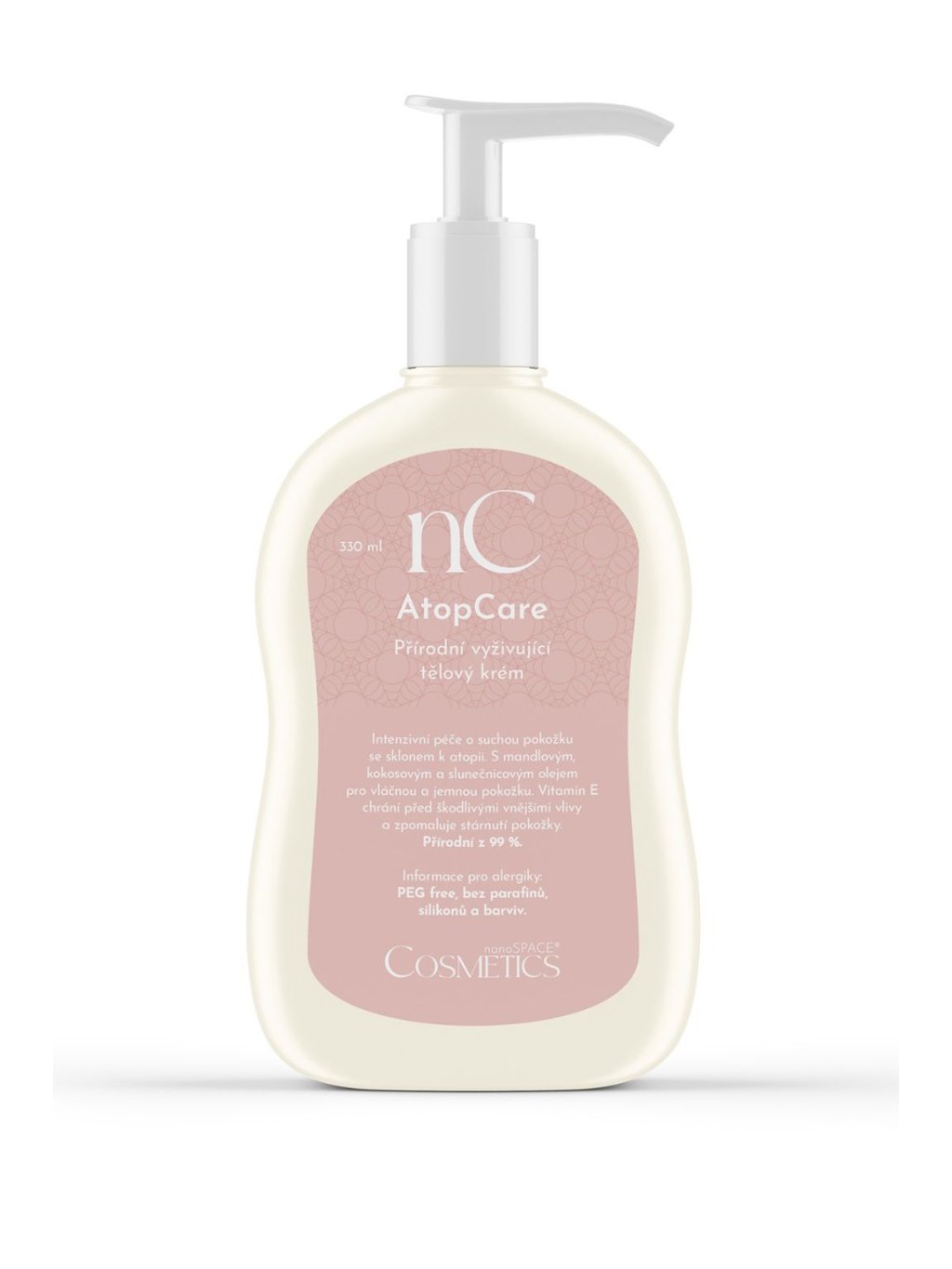
For the skin, topical replenishment of vitamin E is the most effective route. You deliver the antioxidant directly where the body needs it, in a concentration that diet can never match. The ideal product contains approximately 5% vitamin E — this value sits at the upper boundary of the effective yet safe range. The Natural Nourishing Hand Cream AtopCare is the ideal choice for hands suffering from dryness and slow healing, while the Natural Nourishing Body Cream AtopCare 330 ml covers the needs of the entire body.
Vitamin E Care for the Whole Body

Vitamin E Deficiency in Children and the Elderly — Two Overlooked Groups
In children, vitamin E deficiency is rarer but all the more serious. Premature babies are born with minimal reserves of this vitamin because the main transfer from mother to foetus occurs in the last trimester of pregnancy. In premature infants, vitamin E deficiency can contribute to haemolytic anaemia and retinopathy. Fortunately, modern neonatology accounts for this risk, and newborns receive targeted vitamin E supplementation.
In the elderly, the situation is more complicated. The ability to absorb nutrients declines with age, dietary variety tends to decrease, and oxidative stress conversely increases. The result is that older people often have lower vitamin E levels without knowing it. This manifests as deteriorating skin quality, slower healing, weakened immunity, and greater susceptibility to infections. For the elderly, topical application of vitamin E is particularly valuable — it bypasses the problem of reduced absorption and delivers the antioxidant directly where it is needed.
Conclusion — Listen to Your Body's Signals
Vitamin E deficiency is a silent problem. It does not hurt, does not bleed, does not cause a fever. It manifests subtly — dry skin, slower healing, fatigue, weakened immunity. And precisely because of this, you so easily overlook it. If these symptoms are accumulating, it may not be "just age" or "just stress." It may be a signal that your body is lacking one of its most important antioxidants.
The solution, meanwhile, is straightforward: a varied diet rich in nuts, seeds, and healthy fats to replenish reserves from within. And for the skin — which suffers the most and most visibly — topical care with a sufficient concentration of vitamin E. Your body listens to you. It is time you started listening to it, too.
Frequently Asked Questions
How does vitamin E deficiency manifest?
The most common symptoms are dry, flaky skin, impaired wound healing, chronic fatigue, muscle weakness, and weakened immunity. In advanced stages, it may manifest as tingling in the extremities and coordination problems. The skin reacts to vitamin E deficiency first — loss of elasticity, peeling, and increased sensitivity are typical early signs.
How much vitamin E do I need daily?
The recommended daily intake for an adult is 12 to 15 mg (18 to 22 IU). The richest sources are sunflower seeds (35 mg per 100 g), almonds (26 mg per 100 g), hazelnuts (15 mg per 100 g), avocado, and olive oil. Vitamin E is absorbed best alongside fats — which is why low-fat diets are a risk factor for vitamin E deficiency.
Can vitamin E deficiency cause dry skin?
Yes, and it is one of the most common symptoms. Vitamin E protects lipids in the skin barrier from oxidation. Without it, the barrier breaks down, the skin loses its ability to retain moisture, and the result is a dry, flaky complexion that does not respond to conventional moisturising. Topical replenishment of vitamin E directly into the skin is the most effective way to address this.
Is dietary vitamin E or topical vitamin E better?
The ideal approach is a combination of both. Diet replenishes vitamin E reserves throughout the entire body, but only a limited amount reaches the skin — the majority is consumed by other organs. Topical application delivers vitamin E directly where the skin needs it, in a concentration many times greater than what diet could achieve. For optimal results, a varied diet rich in nuts and healthy fats complemented by skincare with a 5% vitamin E concentration is recommended.
Who is most at risk of vitamin E deficiency?
The most at-risk groups are people with fat malabsorption disorders (coeliac disease, Crohn's disease, cystic fibrosis), people on long-term low-fat diets, the elderly, and premature babies. Vitamin E deficiency can also occur in people with chronic liver disease or those who take long-term medications affecting fat absorption.

Sources
- Thiele, J. J. et al. (1998) 'Depletion of human stratum corneum vitamin E: an early and sensitive in vivo marker of UV induced photo-oxidation', Journal of Investigative Dermatology, 110(5), pp. 756–761.
- Meydani, S. N., Hatcher, A. T. (1997) 'Vitamin E and the immune response', in Frei, B. (ed.) Natural Antioxidants in Human Health and Disease. Academic Press, pp. 531–548.
- Traber, M. G., Atkinson, J. (2007) 'Vitamin E, antioxidant and nothing more', Free Radical Biology and Medicine, 43(1), pp. 4–15.
- Keen, M. A., Hassan, I. (2016) 'Vitamin E in dermatology', Indian Dermatology Online Journal, 7(4), pp. 311–315 (PMC4976416).
- Rizvi, S. et al. (2014) 'The role of vitamin E in human health and some diseases', Sultan Qaboos University Medical Journal, 14(2), pp. 157–165.
- National Institutes of Health (2021) 'Vitamin E — Fact Sheet for Health Professionals', Office of Dietary Supplements.