
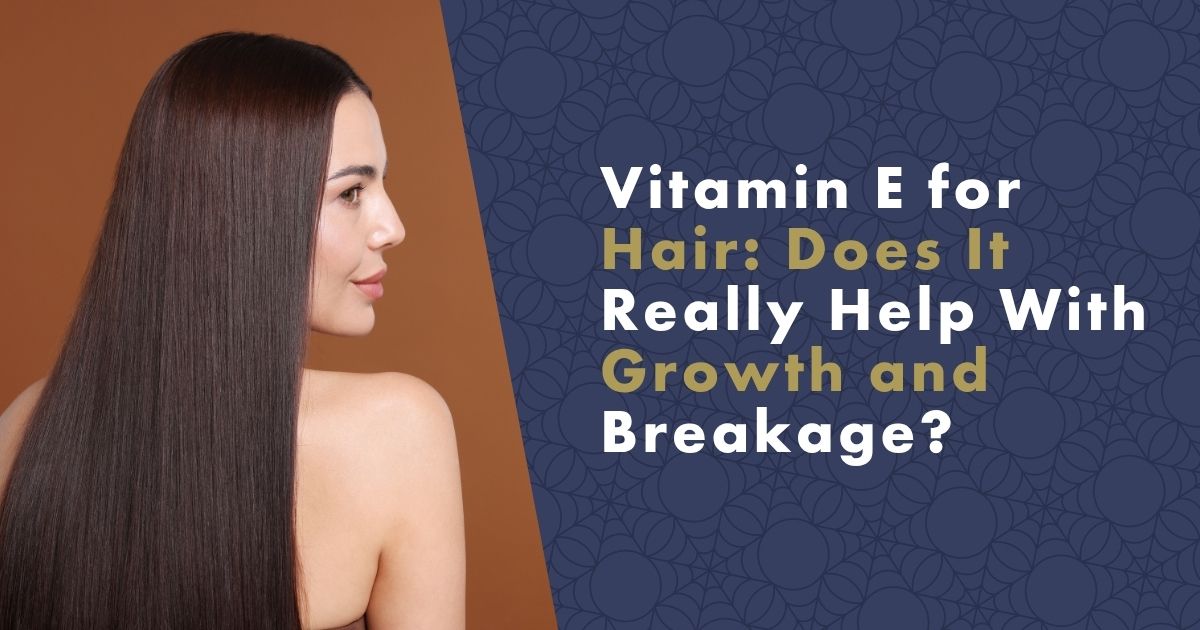
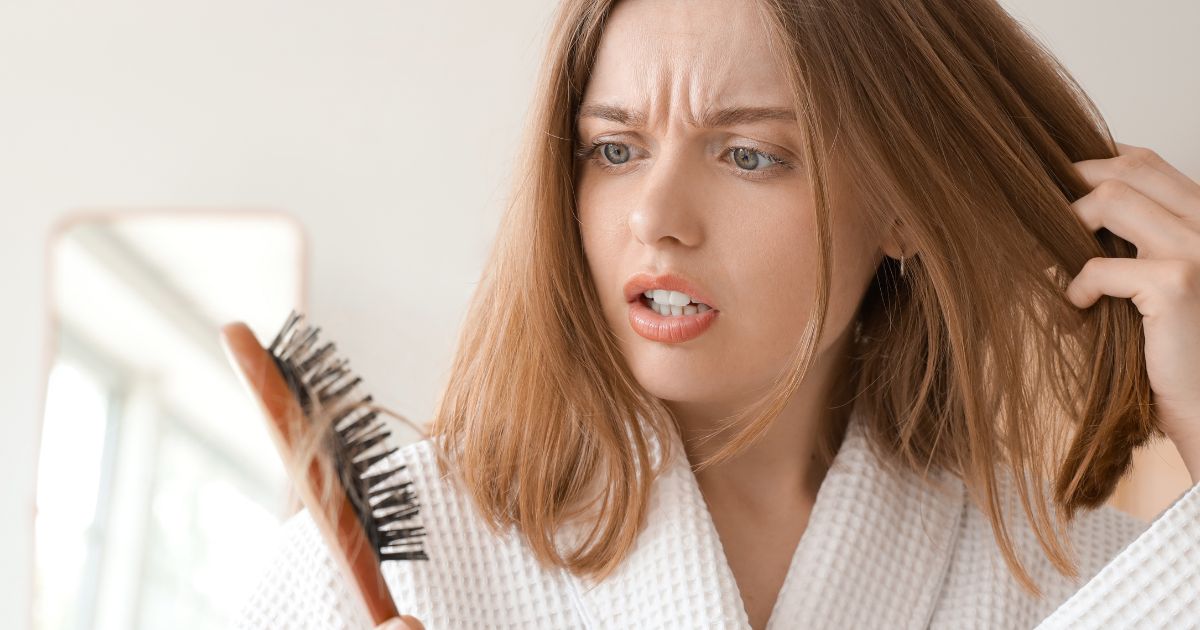
Your hair is thinning more than you would like. The ends split, snap, and no conditioner seems to make a difference. Perhaps you have tried biotin supplements, expensive shampoos, oil treatments — and still nothing. But the problem might not be in the hair itself. It might be in what is happening on your scalp. Vitamin E for hair works differently from most ingredients found in conventional haircare products — it does not target the hair surface but rather the hair follicle. It shields follicles from oxidative stress, supports microcirculation in the scalp, and helps create an environment where hair can grow stronger and more resilient. And here is the most fascinating part — scientific studies show that this protection can genuinely influence how much hair stays on your head.
Key Takeaways if You're Short on Time
- Vitamin E for hair works primarily as an antioxidant, shielding hair follicles from oxidative damage and premature transition into the shedding phase.
- A clinical trial demonstrated a 34.5% increase in hair count among participants who took tocotrienols — a form of vitamin E — for eight months.
- Vitamin E promotes blood circulation in the scalp, ensuring a better supply of nutrients and oxygen to hair roots.
- Topical application of a vitamin E ointment to the scalp works as an intensive regenerative treatment — it protects the scalp, reduces dryness, and supports a healthy environment for hair growth.
- A diet rich in vitamin E (almonds, sunflower seeds, avocado, spinach) complements topical care and supports hair from within.
Why Hair Weakens and Falls Out — and What Vitamin E Has to Do With It
Every day you lose between 50 and 100 hairs. That is perfectly normal. The problem begins when new hairs cannot replace the ones that have fallen out quickly enough — or when they grow thinner, weaker, shorter. A whole range of factors stands behind this weakening: hormonal changes, stress, nutrient deficiencies, inflammatory processes on the scalp. But one mechanism that receives surprisingly little attention is oxidative stress.
Oxidative stress occurs when free radicals — unstable molecules produced through metabolism, UV exposure, pollution, and psychological stress — overwhelm the body's antioxidant capacity. Within the hair follicle, this has very specific consequences: the cells of the dermal papilla (the structure that "directs" hair growth) become damaged, the lipid coating of the hair is disrupted, and the follicle transitions prematurely from the growth phase (anagen) into the resting phase (telogen). The result? More hair falls out, less grows back.
This is precisely where vitamin E for hair enters the picture. As the principal fat-soluble antioxidant, vitamin E settles into the lipid membranes of hair follicle cells and neutralises free radicals before they can cause damage. It is not an overnight miracle — but it is a fundamental protective mechanism that science confirms. If you have been searching for reasons behind abnormal hair loss and what actually helps, understanding this oxidative mechanism is an essential first step.
What the Studies Say About Vitamin E for Hair
Tocotrienols and Hair Growth — a Groundbreaking Study
In 2010, Beoy and colleagues published a study in Tropical Life Sciences Research that caught the attention of trichologists worldwide. Twenty-one volunteers with hair loss received tocotrienols (a form of vitamin E) for eight months, while a control group received a placebo. The results? The tocotrienol group recorded a 34.5% increase in hair count, while the placebo group actually lost more hair (a 0.1% decline). This is not a marginal difference — it is a statistically and clinically significant effect.
The study authors attribute this effect to a combination of antioxidant protection and the ability of tocotrienols to suppress lipid peroxidation in the scalp. Put simply: vitamin E in the form of tocotrienols protected hair follicles from damage so effectively that their ability to produce strong, healthy hair was restored.
Antioxidant Protection for Follicles
A study by Trueb (2009), published in the International Journal of Trichology, summarised the mechanisms through which oxidative stress contributes to alopecia (hair loss). Free radicals damage the DNA of dermal papilla cells, disrupt signalling pathways for hair growth, and cause microscopic inflammation around the follicle. Vitamin E for hair effectively slows these processes — it functions as a "protective shield" for the hair root.
It is important to understand that vitamin E does not act in isolation when it comes to hair health. It cooperates with other antioxidants — particularly vitamin C, which regenerates "spent" vitamin E back into its active form. If you are curious about how these antioxidants work in skin care, have a look at our article on vitamin C and its 7 proven benefits for skin.
Scalp Circulation — Nutrients Where Hair Needs Them Most
Vitamin E has a demonstrable ability to support microcirculation. It inhibits platelet aggregation and mildly dilates blood vessels, improving blood flow through the tiny capillaries in the scalp. Why does this matter? Because the hair follicle is a metabolically highly active structure — during the growth phase it needs a constant supply of oxygen, amino acids, minerals, and vitamins. When circulation is inadequate, the follicle "economises" — it produces a thinner hair, shortens the growth phase, or transitions into dormancy.
This is exactly why topical application of vitamin E products directly to the scalp makes sense: you are delivering an antioxidant precisely where follicles need it, while simultaneously boosting circulation in the area where new hair is born.
Vitamin E for Hair — How to Apply It to the Scalp Correctly
Most people associate haircare with shampoos and conditioners. But if you want vitamin E for hair to truly take effect, you need to get it to the hair roots — that is, onto the scalp. A shampoo that you rinse off after two minutes simply cannot achieve this. You need an intensive treatment that stays on the scalp long enough to make a difference.
Vitamin E Ointment as a Scalp Treatment
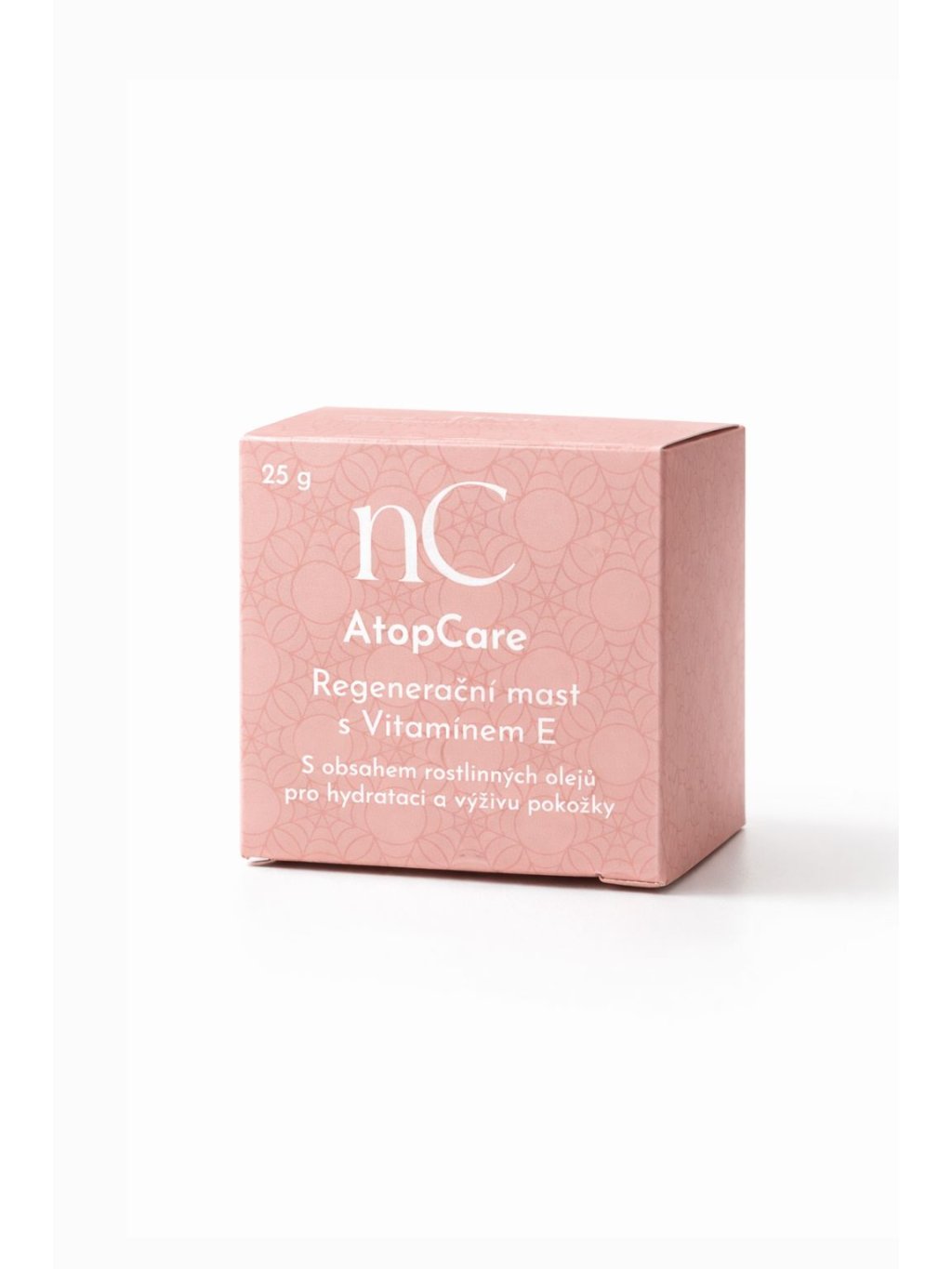
One of the most effective ways to deliver vitamin E directly to the hair follicles is by applying an ointment with a high concentration of vitamin E to the scalp. The Regenerating Ointment AtopCare with a 5% concentration of vitamin E was originally developed for regenerating compromised skin — but its formulation makes it an ideal scalp treatment for hair health.
The process is straightforward: apply a small amount of ointment to your fingertips and gently massage it into the scalp. Focus on areas where you notice thinning or where hair loss is most pronounced — those are the spots where follicles need the most support. Leave it on for at least 30 minutes (ideally overnight) and then wash it out with shampoo. Repeat once or twice a week.
Why an ointment rather than an oil? An ointment has a denser consistency, stays in place longer, and its occlusive effect enhances the penetration of vitamin E into the deeper layers of the scalp. Moreover, the AtopCare ointment contains not only vitamin E but also ethyl ferulate, oat oil, and coconut oil — a combination that works synergistically to soothe and regenerate the scalp.
Hop Extract and Microcirculation
An interesting complement to vitamin E in scalp care is hop extract. Hops contain flavonoids and bitter acids that have proven anti-inflammatory effects and support blood circulation in the skin. Combined with vitamin E, they create a dual effect — vitamin E protects follicles through antioxidant action, while hop extract improves nutrient delivery through enhanced microcirculation. Several products in the AtopCare range utilise this principle, as hop extract is one of their active ingredients.
If you have a dry, irritated scalp that flakes or itches, also read our article on what genuinely works for extremely dry skin — many of the same principles apply to the scalp.
Editor's Pick
Regenerating Ointment With 5% Vitamin E AtopCare
5% vitamin E concentration combined with ethyl ferulate, oat oil, and coconut oil. Ideal as an intensive scalp treatment — it protects hair follicles, soothes an irritated scalp, and supports a healthy environment for hair growth. Free from parabens, silicones, and fragrance.
€10.00
View productBrittle Hair and Split Ends — How Vitamin E Helps
Hair breakage is a different problem from hair loss. While hair loss concerns the hair root, breakage occurs on the hair shaft itself — where the structure has been weakened. Hair is composed of three layers: the outer cuticle (protective scales), the central cortex (responsible for elasticity and strength), and the inner medulla. When the cuticle is damaged — by heat styling, chemical treatments, mechanical pulling, or simply insufficient sebum — the scales open up, the cortex is left unprotected, and the hair snaps easily.
Vitamin E for hair helps prevent breakage through two pathways. First, it protects the lipids in the cuticle layer from oxidation. These lipids act as "glue" between the scales — when they oxidise, the cuticle falls apart. Second, vitamin E supports the natural production of sebum in the hair follicles. Sebum is the body's natural "conditioner" — it coats the hair shaft, smooths the cuticle, and protects it from mechanical damage.
If you are interested in how skin barrier protection works in general — because the principle is remarkably similar for hair and skin — we recommend our article on oat oil and its regenerative effects on the skin.
Vitamin E for Hair in Your Diet — Support From Within
Topical application of vitamin E targets the scalp and hair follicles directly. But for your hair to receive comprehensive support, you need vitamin E in your diet as well. The body cannot synthesise it — you must obtain it from food.
The richest dietary sources of vitamin E are sunflower seeds (35 mg per 100 g), almonds (26 mg per 100 g), hazelnuts (15 mg per 100 g), avocado, extra virgin olive oil, spinach, and sweet potatoes. The recommended daily intake for adults is 12 to 15 mg of alpha-tocopherol. And here is an interesting detail: most people meet this requirement if their diet includes sufficient healthy fats. However, low-fat diets — followed by many women trying to lose weight — can lead to insufficient vitamin E intake, and one of the first visible consequences is precisely brittle, dry, lacklustre hair.
Vitamin E is absorbed together with fats. If you eat a salad with olive oil, avocado, or nuts, you will absorb substantially more vitamin E from food than if you eat "on a diet" without added fats. Fat is not the enemy — it is indispensable for vitamin E to travel from your food into your bloodstream and from there to your hair follicles.

When Vitamin E Addresses Hair Loss — and When You Need a Doctor
Vitamin E for hair is an effective form of support when hair loss is caused by oxidative stress, nutrient deficiency, seasonal shedding, or mild weakening after illness, stress, or an unhealthy diet. In these situations, both topical and internal vitamin E supplementation can make a significant difference — restoring hair condition, supporting growth, and reducing breakage.
There are situations, however, where vitamin E alone is not enough and professional help is essential. If you notice sudden, massive hair loss (dozens of hairs a day above the normal average), bald patches forming, scarring on the scalp, or hair loss accompanied by other symptoms (fatigue, weight changes, joint pain), see a dermatologist or trichologist. Behind these symptoms may lie hormonal disorders (thyroid issues, androgenetic alopecia), autoimmune conditions (alopecia areata), or dermatological problems (seborrhoeic dermatitis, scalp psoriasis) that require specific treatment.
Vitamin E can be part of comprehensive care even in these cases — but it cannot replace diagnosis and treatment of the underlying cause. Think of it as a vital supporting element, not a universal solution.
Hand and Body Care — Vitamin E for Overall Skin and Hair Health
The health of your hair is inseparably linked to the health of your entire skin. If you have dry, cracked skin on your hands, there is a good chance that your scalp is also suffering from a lack of hydration and antioxidant protection. Vitamin E for hair and skin helps maintain a functional skin barrier across the whole body — and this positively affects hair quality too.
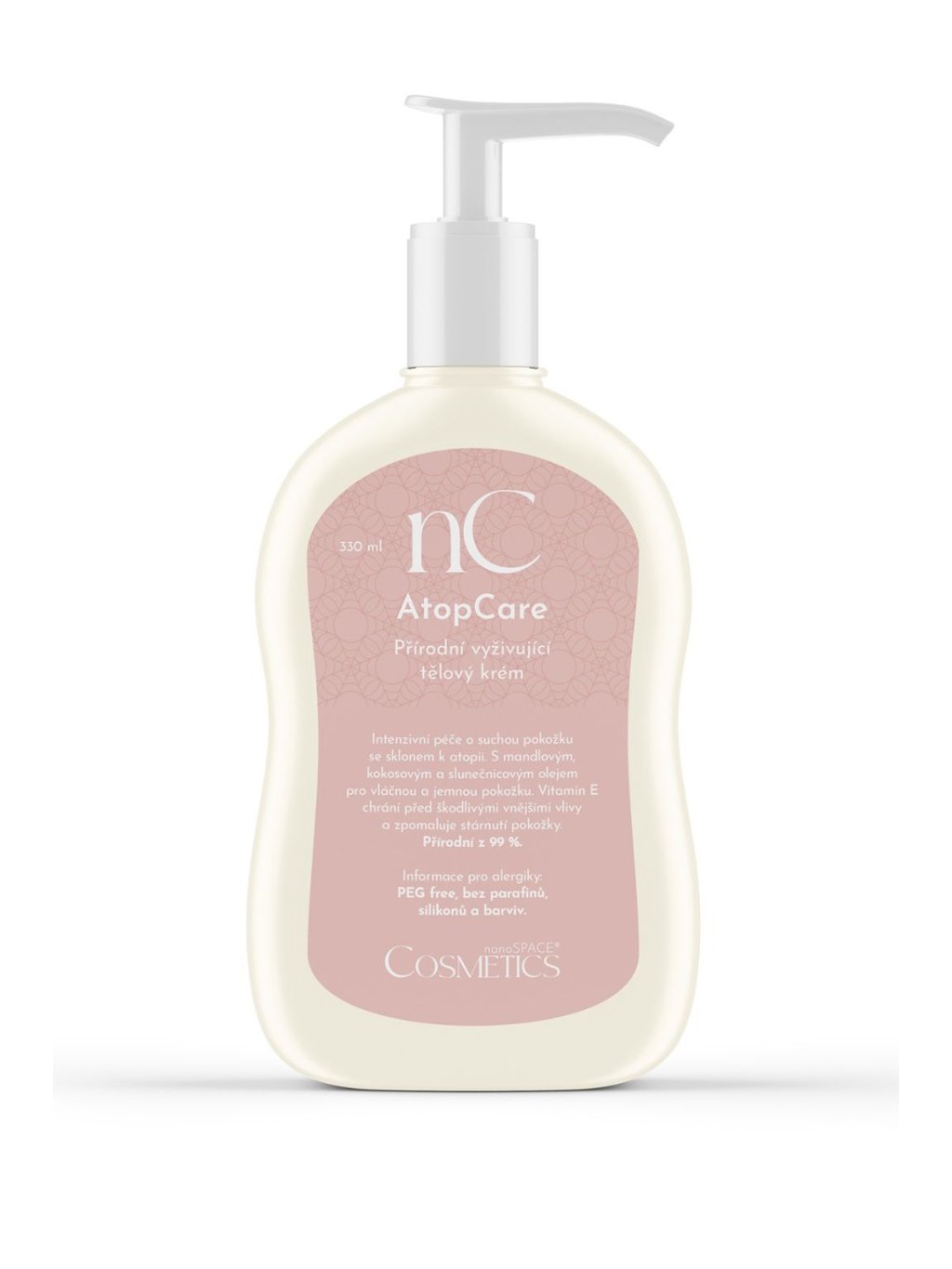
The AtopCare Hand Cream with vitamin E and natural oils is an example of everyday care that complements intensive scalp treatments. And the AtopCare Body Cream covers the entire body — from hands to elbows to the skin that comes into contact with hair (neck, shoulders). A comprehensive approach to antioxidant skin protection is always more effective than isolated care for a single area.
For more on how to care for dry, cracked skin, read our article about what helps with dry hands.
Vitamin E in Skin and Hair Care

Practical Tips — How to Get the Most Out of Vitamin E for Hair
Theory is one thing. But what should you actually do to make vitamin E for hair work for you? Here are proven approaches that combine topical care, diet, and lifestyle into a cohesive system.
Start with the scalp. Once or twice a week, apply an ointment with vitamin E to the scalp — put a small amount on your fingertips, part the hair, and gently massage it in. The massage itself stimulates blood flow, and the vitamin E meanwhile penetrates through to the follicles. Leave it on overnight (use an old pillowcase or a towel over the pillow) and wash it out with shampoo in the morning. After four to six weeks of regular application, you should notice that the scalp flakes less, itches less, and hair feels stronger at the roots.
On the tips of your hair, apply a tiny amount of ointment or body cream with vitamin E — not on wet hair, but on dry ends as a leave-in treatment. A truly minute quantity is sufficient — about the size of a grain of rice for the entire length of the ends. Vitamin E smooths the opened cuticle, adds shine, and protects the ends from further breakage.
Complement your diet with foods rich in vitamin E. A handful of almonds (23 g) covers approximately half of your daily requirement. Add a tablespoon of extra virgin olive oil on a salad, half an avocado, and a portion of spinach — and your hair will receive a solid dose of antioxidant protection from within.
Reduce the factors that "drain" vitamin E. Smoking dramatically increases oxidative stress throughout the entire body, including the scalp. Excessive alcohol interferes with vitamin E absorption in the gut. And chronic stress raises cortisol levels, which accelerates the transition of hair follicles into the resting phase. Vitamin E will help — but it cannot fight windmills if its effects are being constantly undermined by an unhealthy lifestyle.
Vitamin E Compared to Other Hair Ingredients
Dozens of ingredients on the market promise healthier hair. How does vitamin E for hair compare with the most popular ones?
Biotin (vitamin B7) is the most commonly recommended hair supplement. But the scientific evidence for its effectiveness in people without a diagnosed biotin deficiency is surprisingly weak. A meta-analysis by Pillai and Goldberg (2022) concluded that biotin supplementation improves hair quality only in patients with a confirmed deficiency — which is rare in the general population. Vitamin E has stronger scientific backing for supporting hair growth in the wider population when compared with biotin.
Keratin treatments repair the structure of the hair shaft — they fill in the damaged cortex and smooth the cuticle. They address the symptom (damaged hair) but do not resolve the cause (the condition of the follicle and scalp). Vitamin E works from the opposite direction — it protects the follicle so that new hair grows stronger. The ideal approach? A combination of both — keratin for existing hair, vitamin E for the scalp to promote future growth. For more science-backed tips on how to accelerate hair growth, see our dedicated guide.
Minoxidil is a pharmaceutical agent for hair loss that directly stimulates hair follicles and dilates blood vessels in the scalp. It is significantly more effective than vitamin E for androgenetic alopecia — but it has side effects (scalp irritation, unwanted hair growth elsewhere on the body) and requires lifelong use. Vitamin E does not have these drawbacks and can serve as a suitable complement to minoxidil, or as a standalone solution for milder forms of hair weakening.
Conclusion — Vitamin E for Hair Is an Investment in Scalp Health
Vitamin E for hair is not a miracle cure that stops hair loss overnight. But it is a scientifically supported antioxidant with demonstrable effects on hair follicles — from protection against oxidative stress through boosted microcirculation in the scalp to strengthening the lipid structure of the hair shaft. Studies show that regular supplementation with tocotrienols can increase hair count by more than a third. And topical application of a vitamin E ointment functions as an intensive regenerative treatment targeting precisely where hair needs care the most — the scalp. Start with a simple treatment once a week, enrich your diet with nuts, seeds, and healthy fats, and give your hair time. Within two to three months you will see whether vitamin E is the missing piece in your haircare routine.
Frequently Asked Questions
Does vitamin E help with hair growth?
Yes, scientific studies confirm this. A clinical trial from 2010 demonstrated that eight months of tocotrienol supplementation (a form of vitamin E) led to a 34.5% increase in hair count compared with a placebo group. Vitamin E for hair protects follicles from oxidative stress and supports scalp circulation, thereby creating better conditions for new hair to grow.
How should I apply vitamin E to my hair and scalp?
The most effective method is applying an ointment with a high concentration of vitamin E directly to the scalp. Place a small amount on your fingertips, part the hair, and massage it into the scalp. Leave it on for at least 30 minutes — ideally overnight — then wash it out with shampoo. For split ends, apply a tiny amount as a leave-in treatment on dry hair. Repeat once or twice a week.
Which foods contain the most vitamin E for healthy hair?
The richest sources include sunflower seeds (35 mg per 100 g), almonds (26 mg per 100 g), hazelnuts (15 mg per 100 g), avocado, extra virgin olive oil, spinach, and sweet potatoes. The recommended daily intake is 12 to 15 mg. It is important to consume vitamin E together with fats, because as a fat-soluble vitamin it is poorly absorbed without them.
Can vitamin E stop hair loss?
Vitamin E for hair can significantly help with hair loss caused by oxidative stress, seasonal weakening, psychological stress, or nutrient deficiency. However, it is not a substitute for medical care in cases of androgenetic alopecia, alopecia areata, or other conditions. If you notice sudden massive shedding, bald patches, or scarring on the scalp, consult a dermatologist or trichologist.
Is it better to take vitamin E for hair internally or apply it topically?
The most beneficial approach is to combine both. Dietary intake from food (nuts, seeds, olive oil, avocado) provides systemic antioxidant protection throughout the body, including the hair follicles. Topical application of a vitamin E ointment to the scalp delivers a high concentration of antioxidants directly to the hair roots. These two methods complement and amplify each other's overall effect.

Sources
- Beoy, L. A., Woei, W. J., Hay, Y. K. (2010) 'Effects of Tocotrienol Supplementation on Hair Growth in Human Volunteers', Tropical Life Sciences Research, 21(2), pp. 91–99.
- Trueb, R. M. (2009) 'Oxidative Stress in Ageing of Hair', International Journal of Trichology, 1(1), pp. 6–14.
- Keen, M. A., Hassan, I. (2016) 'Vitamin E in Dermatology', Indian Dermatology Online Journal, 7(4), pp. 311–315.
- Pillai, J. K., Goldberg, L. J. (2022) 'Oral supplementation of specific vitamins and minerals for hair loss: a review', Dermatology and Therapy, 12(7), pp. 1559–1578.
- Thiele, J. J. et al. (1998) 'Depletion of human stratum corneum vitamin E: an early and sensitive in vivo marker of UV induced photo-oxidation', Journal of Investigative Dermatology, 110(5), pp. 756–761.
- Ramadan, R. et al. (2019) 'Serum Level of Vitamin E (alpha-Tocopherol) in Alopecia Areata Patients', International Journal of Medical Arts, 1(2), pp. 89–93.