
You wake up after eight hours of sleep, yet you feel as though you barely closed your eyes. Your head is heavy, your thoughts move through fog, and by mid-afternoon the exhaustion is so deep that no amount of coffee can cut through it. If this sounds familiar and you also happen to suffer from hay fever, dust mite sensitivity, or any other form of allergic rhinitis, the two are almost certainly connected. Allergy fatigue is one of the most under-recognised consequences of allergies — and research suggests it affects between 60 and 70 percent of people with allergic rhinitis. Many patients report that this relentless tiredness disrupts their daily life far more than the sneezing, watery eyes, or runny nose that most people associate with allergies. Yet it rarely appears in awareness campaigns, and doctors sometimes overlook it entirely. In this article, we will explore exactly what allergy fatigue is, why your immune system turns a simple pollen grain into a full-body energy crisis, and — most importantly — what you can do to reclaim restful sleep and daytime vitality.
Key takeaways if you're short on time
- Allergy fatigue is immune-driven, not psychological — your body burns enormous energy fighting allergens just as it would fight an actual infection.
- Inflammatory cytokines (TNF-α, IL-5, IL-6) cross the blood-brain barrier and directly interfere with wakefulness, concentration, and mood regulation.
- Allergies destroy sleep quality — nasal congestion leads to mouth breathing, micro-arousals, and significantly less deep sleep, even when total hours in bed look normal.
- First-generation antihistamines can make fatigue worse, while second-generation alternatives (cetirizine, loratadine, fexofenadine) relieve symptoms without sedation.
- Anti-allergy bedding with a nanofibre membrane blocks 99.9% of dust mite allergens at the source, helping you breathe freely and sleep deeply through the night.
What is allergy fatigue?
If you have ever battled a heavy cold and spent the day on the sofa feeling utterly drained, you already know what immune-related exhaustion feels like. Allergy fatigue is essentially the same phenomenon, except it can persist for weeks or months rather than a few days. It is not ordinary tiredness that a good night's rest can fix; it is a specific, measurable form of exhaustion driven by the immune system's overreaction to substances that are objectively harmless — pollen, dust mite droppings, pet dander, mould spores.
People experiencing allergy fatigue describe it as a bone-deep weariness that no amount of sleep seems to cure. Concentration collapses. Motivation evaporates. Even simple mental tasks feel like wading through treacle. Some sufferers develop what researchers call "brain fog" — a cluster of cognitive symptoms including poor memory, slow processing speed, and difficulty finding words. The fatigue can be so severe that it mimics depressive episodes, and in fact a significant number of allergy patients are initially misdiagnosed with depression before the underlying allergic cause is identified.
Tip: What is dust mite allergy — symptoms, causes, and treatment
What makes allergy fatigue particularly frustrating is its invisibility. Sneezing and a red nose are obvious to colleagues, friends, and family. Exhaustion is not. People around you may assume you are lazy, unmotivated, or simply not getting enough sleep — when in reality your body is locked in a constant, energy-intensive battle against microscopic invaders it should be ignoring.
The science behind allergy fatigue
Your immune system treats pollen like a parasite
To understand why allergies drain your energy so profoundly, you need to understand what happens the moment an allergen enters your body. In a non-allergic person, inhaling a grain of birch pollen triggers no response at all — the immune system correctly identifies it as harmless and moves on. In an allergic person, the immune system has been primed (sensitised) to treat that pollen grain as a dangerous invader. It launches the same cascade of defensive responses it would deploy against a genuine threat: a parasitic worm, a bacterial infection, or a virus.
The moment allergens contact the mucous membranes in your nose or eyes, mast cells release histamine — the molecule responsible for the itching, sneezing, and swelling you know so well. But histamine is only the opening act. Within hours, your body floods the affected tissues with pro-inflammatory cytokines: tumour necrosis factor alpha (TNF-α), interleukin-5 (IL-5), interleukin-6 (IL-6), and several others. These signalling proteins orchestrate a broader immune assault, recruiting eosinophils and other white blood cells to the area.
Here is the critical part: this inflammatory cascade consumes enormous metabolic energy. Your immune system is one of the most energy-hungry systems in the body. When it is fully activated, it diverts glucose and oxygen away from muscles, digestion, and — crucially — the brain. The result is the same fatigue you feel when fighting the flu, except in allergy sufferers it can last for an entire pollen season or, in the case of dust mite allergy, all year round.
Cytokines cross the blood-brain barrier
The fatigue is not merely a side effect of your body burning extra fuel. Those same cytokines — particularly IL-6 and TNF-α — are small enough to cross the blood-brain barrier, and when they reach the central nervous system, they directly alter neurotransmitter activity. They suppress dopamine (the motivation molecule), interfere with serotonin pathways (affecting mood), and activate brain regions associated with fatigue signalling. In other words, your brain is being chemically instructed to feel tired, foggy, and unmotivated — it is not a matter of willpower or sleep discipline.
A landmark study conducted in Stockholm followed 18 patients with severe seasonal allergic rhinitis through an entire pollen season and compared them with healthy controls. The allergic patients showed significantly higher levels of both physical and mental fatigue during the peak pollen period, even when their sleep duration was controlled for. The researchers concluded that allergy fatigue is a direct consequence of systemic inflammation, not merely a result of poor sleep.
Further evidence comes from a study published in the Annals of Allergy, Asthma & Immunology, which assessed fatigue levels in allergic patients during the ragweed season. The patients reported markedly higher general fatigue and mental fatigue scores compared with their own baseline readings taken outside of allergy season — and compared with non-allergic controls. The pattern was unmistakable: when the immune system was activated by allergens, fatigue followed.
Tip: Allergic rhinitis — symptoms, triggers, and management
The histamine paradox
There is an ironic twist to the story. Histamine — the very molecule your body releases during an allergic reaction — is also one of the brain's most important wakefulness neurotransmitters. Under normal circumstances, histamine-releasing neurons in the hypothalamus help keep you alert during the day. But during an allergic reaction, the flood of peripheral histamine disrupts this finely tuned system. The brain's histamine signalling becomes erratic, contributing to the daytime drowsiness and cognitive fog that allergy sufferers know all too well.
How allergies destroy your sleep
Even if the inflammatory fatigue alone were not enough, allergies also attack the one thing that could help you recover: sleep. The connection between allergies and disrupted sleep is well documented and operates through several mechanisms simultaneously.
Nasal congestion and micro-arousals
Allergic rhinitis causes the nasal mucosa to swell, partially or fully blocking the nasal airway. When you cannot breathe through your nose, you switch to mouth breathing — a less efficient and less comfortable way to get air while lying down. Mouth breathing dries out the throat, increases snoring, and reduces the quality of each breath. More critically, partial nasal obstruction triggers what sleep researchers call micro-arousals: brief shifts from deeper sleep stages to lighter ones, lasting only a few seconds, too short for you to remember in the morning but long enough to fragment your sleep architecture.
A single night might contain dozens or even hundreds of these micro-arousals. The result is that even if you spend eight or nine hours in bed, you accumulate far less restorative deep sleep (stage N3) and REM sleep than you need. You wake feeling as though you slept for four hours — because in terms of genuine recovery, you effectively did.
Insomnia is twice as common in allergy sufferers
Research consistently shows that people with allergic rhinitis are approximately twice as likely to suffer from insomnia compared with the general population. This includes difficulty falling asleep (partly because of congestion and itching), difficulty staying asleep (micro-arousals), and early-morning waking. Allergic individuals also show shorter total sleep duration regardless of season, suggesting that the sleep disruption becomes chronic rather than limited to high-allergen periods.
The relationship between allergy fatigue and sleep is a vicious cycle. Poor sleep weakens immune regulation, which worsens allergic inflammation, which further disrupts sleep. Breaking this cycle requires addressing both the allergic triggers and the sleep environment simultaneously.
Tip: Best bedding for dust mite allergy sufferers
The medication trap: when treatment makes allergy fatigue worse
Many allergy sufferers reach for antihistamines as their first line of defence — and rightly so. But not all antihistamines are created equal, and choosing the wrong one can actually deepen the fatigue rather than relieve it.
First-generation antihistamines: the sedation problem
Older antihistamines such as diphenhydramine (the active ingredient in many over-the-counter sleep aids) and chlorpheniramine were designed to block histamine receptors throughout the body. The problem is that they also cross the blood-brain barrier readily, blocking histamine in the brain — including the very histamine neurons that keep you awake and alert. The result is significant sedation, impaired reaction times, reduced concentration, and next-day drowsiness that can last 12 hours or more after a single dose.
If you are already battling allergy fatigue from inflammation and disrupted sleep, adding a sedating antihistamine on top is like pouring water on a drowning person. Studies have shown that first-generation antihistamines impair cognitive function and driving ability to a degree comparable with alcohol intoxication — yet they remain widely available without prescription and are still used by millions of people who do not realise the extent of their sedative effects.
Second-generation antihistamines: a better choice
Modern, second-generation antihistamines — cetirizine, loratadine, and fexofenadine — were specifically engineered to block peripheral histamine receptors without crossing the blood-brain barrier in significant quantities. This means they relieve sneezing, itching, and runny nose without causing drowsiness. Fexofenadine, in particular, is considered truly non-sedating and is often the preferred choice for people who need to remain fully alert during the day.
If you are currently taking an older antihistamine and experiencing persistent fatigue, switching to a second-generation alternative may produce a noticeable improvement within days. Of course, always discuss medication changes with your doctor or pharmacist.
How to fight allergy fatigue: practical strategies that work
The good news is that allergy fatigue is not something you simply have to endure. A multi-pronged approach — targeting both the underlying allergic inflammation and its downstream effects on sleep and energy — can dramatically reduce or even eliminate the exhaustion. Here are the most effective strategies, ordered by impact.
1. Create an allergen-free sleep environment with anti-allergy bedding
If dust mites are among your triggers (and for roughly 85% of allergy sufferers they are), your bed is the single most important battleground. You spend six to nine hours every night with your face pressed into a pillow that — without protection — harbours millions of dust mites and their allergenic droppings. Every breath you take during the night draws those allergens deep into your airways, fuelling the inflammatory cascade that drives allergy fatigue.
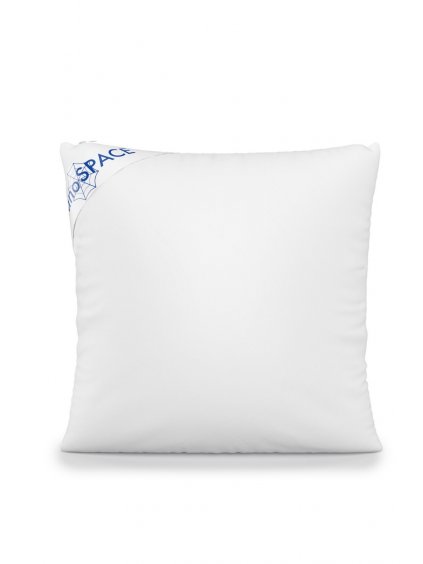
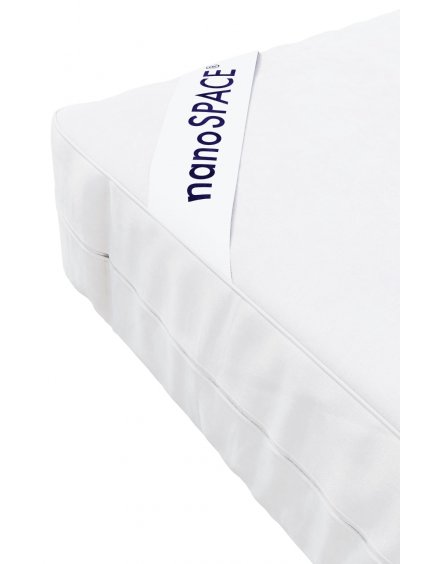
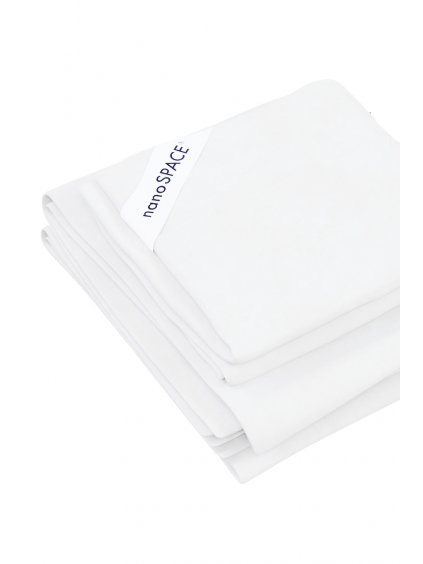
Anti-allergy bedding with a nanofibre membrane creates a physical barrier between you and the allergens trapped inside your pillows, duvets, and mattresses. The science is elegantly simple: the membrane's pores measure just 80–150 nanometres across, while dust mites measure approximately 420,000 nanometres. The allergens they produce are larger still. Nothing gets through. Independent testing confirms a capture rate of 99.9% — meaning virtually zero allergen exposure while you sleep.
This is not a marginal improvement. For many dust mite allergy sufferers, encasing their bedding is the single intervention that produces the most dramatic reduction in night-time symptoms and morning fatigue. Allergists recommend nanofibre barrier bedding as a first-line environmental control measure precisely because the exposure reduction is so complete and immediate.
Tip: Does anti-dust mite bedding actually work? The evidence explained
2. Switch to non-sedating medication
As discussed above, if you are still using first-generation antihistamines, switching to cetirizine, loratadine, or fexofenadine can eliminate the medication-induced drowsiness component of your fatigue. Nasal corticosteroid sprays (such as fluticasone or mometasone) are also highly effective at reducing the nasal inflammation that disrupts sleep — without systemic sedation. For moderate to severe allergic rhinitis, combining a nasal corticosteroid with a second-generation antihistamine is considered the gold-standard approach.
3. Optimise your sleep hygiene
Good sleep hygiene becomes even more critical when allergies are already compromising your rest. Keep your bedroom cool (16–18°C), dark, and quiet. Maintain a consistent sleep schedule, including at weekends. Avoid screens for at least 30 minutes before bed — the blue light suppresses melatonin production. Elevate your head slightly (an extra pillow or a wedge) to help nasal drainage and reduce congestion while lying down.
4. Purify the air in your bedroom
A HEPA air purifier in the bedroom can significantly reduce airborne allergen concentrations. Look for a device rated to handle your room size, and run it continuously — not just during the night. HEPA filters capture particles down to 0.3 micrometres with 99.97% efficiency, which covers pollen, dust mite allergen fragments, pet dander, and mould spores.
5. Reduce allergen accumulation
- Wash bedding weekly at 60°C or above to kill dust mites and remove allergens.
- Vacuum with a HEPA-filter vacuum at least twice a week, paying special attention to the bedroom.
- Remove carpets and heavy curtains from the bedroom if possible — hard floors harbour far fewer mites.
- Keep humidity below 50% — dust mites thrive in humid environments and cannot survive below 45% relative humidity.
- Shower before bed during pollen season to remove pollen from your hair and skin before it transfers to your pillow.
- Keep windows closed during high-pollen hours (typically early morning and late afternoon).
6. Exercise gently but consistently
It may seem counterintuitive when you are exhausted, but moderate, regular exercise has been shown to reduce systemic inflammation and improve immune regulation in allergy sufferers. A 30-minute walk, a gentle swim, or a yoga session can lower circulating levels of pro-inflammatory cytokines and boost endorphin production, directly counteracting the mechanisms that drive allergy fatigue. The emphasis is on gentle and consistent — intense exercise during high-allergen periods can actually worsen symptoms by increasing the volume of air (and allergens) you inhale.
7. Consider immunotherapy for long-term relief
If your allergy fatigue is severe and persistent despite environmental controls and medication, allergen-specific immunotherapy (desensitisation) may be worth discussing with an allergist. Available as subcutaneous injections or sublingual tablets/drops, immunotherapy gradually retrains your immune system to tolerate the offending allergens. Treatment typically takes three to five years, but many patients report significant improvement within the first year. It is currently the only treatment that addresses the root cause of allergic disease rather than just managing symptoms — and for some patients, the reduction in fatigue is the most life-changing benefit.
Anti-allergy bedding that helps you sleep
When allergy fatigue strikes year-round: the dust mite problem
Seasonal allergy fatigue — driven by tree, grass, or weed pollen — at least offers a reprieve once the relevant pollen season ends. But for the millions of people allergic to house dust mites, there is no off-season. Dust mites live in your bedding, carpets, and upholstered furniture all year round, feeding on the skin flakes you shed daily. Their faecal pellets, which contain the potent allergen Der p 1, accumulate in mattresses and pillows over months and years.
This means that dust mite allergy fatigue can be a 365-day-a-year problem. Every night you spend on an unprotected mattress is another night of allergen exposure, immune activation, nasal congestion, disrupted sleep, and morning exhaustion. The cumulative effect is devastating: chronic fatigue, reduced work productivity, impaired academic performance in children, and a measurably lower quality of life.
The solution is environmental control — and the most effective single intervention is barrier bedding that physically prevents allergens from reaching your airways. Unlike air purifiers (which can only capture airborne particles) or regular washing (which kills mites temporarily but cannot prevent re-colonisation), a nanofibre encasement provides continuous, passive protection that works every night without any effort on your part.
Tip: How to choose the right bedding for allergy sufferers

Editor's pick
Complete 3-Pack Anti-Dust Mite Cover Set
Complete protection for your entire bed — pillow cover, duvet encasement, and mattress encasement in one set. Made with nanofibre membrane that blocks 99.9% of dust mites and allergens.
from 314 €
View productAllergy fatigue in children: a hidden cause of poor school performance
Adults are not the only ones affected. Children with allergic rhinitis frequently experience allergy fatigue, though they may not have the vocabulary to describe it. Instead, it manifests as irritability, difficulty concentrating in class, reluctance to participate in physical activities, and declining academic performance. Teachers and parents often attribute these signs to behavioural issues or lack of discipline, when the real culprit is chronic immune-driven exhaustion compounded by poor sleep.
Studies have shown that children with untreated allergic rhinitis score significantly lower on standardised tests of attention and cognitive processing speed compared with their non-allergic peers. The effect is most pronounced during periods of high allergen exposure. For a child sleeping on an unprotected mattress in a room that has not been optimised for allergen control, every school day begins with a sleep deficit and an inflammatory burden that makes learning genuinely harder.
Creating an allergen-free sleep environment is arguably even more important for children than for adults, because developing brains are more sensitive to sleep disruption and because the cognitive demands of learning require sustained focus that allergy fatigue directly undermines. Understanding how dust mite allergies affect children is the first step toward ensuring they get the restful, restorative sleep they need to thrive.
When to see a doctor about your allergy fatigue
While mild allergy fatigue can often be managed with environmental controls and over-the-counter medication, certain situations warrant professional evaluation. Consult your GP or an allergist if your fatigue persists despite implementing the strategies described in this article, if it is severe enough to interfere with your ability to work or care for your family, if you experience persistent low mood or anxiety alongside the exhaustion, or if you suspect you may have developed obstructive sleep apnoea (symptoms include loud snoring, witnessed breathing pauses during sleep, and morning headaches).
A doctor can perform allergy testing to identify your specific triggers, assess whether your current medication is appropriate, and rule out other causes of chronic fatigue such as thyroid dysfunction, iron deficiency, or seasonal patterns that might overlap with allergy seasons. In some cases, a sleep study (polysomnography) may be recommended to evaluate the extent of sleep disruption and check for co-existing sleep disorders.
Conclusion: allergy fatigue is real, and it is treatable
Allergy fatigue is not laziness, not a character flaw, and not something you need to accept as an inevitable consequence of having allergies. It is a well-documented, physiologically driven condition caused by your immune system's inflammatory response to allergens — compounded by the sleep disruption that allergies cause every night. The good news is that once you understand the mechanisms, you can target them effectively.
Start with the single most impactful change: protect your bed. A nanofibre barrier encasement on your pillow, duvet, and mattress removes the largest source of nocturnal allergen exposure and gives your immune system a genuine reprieve during the hours when recovery should be happening. Combine that with the right medication (non-sedating, second-generation antihistamines), consistent sleep hygiene, air purification, and allergen avoidance strategies, and the difference can be transformative.
You deserve to wake up feeling rested. Allergy fatigue does not have to define your days — and with the right approach, it will not.
Frequently asked questions
Can allergies really make you tired?
Yes, absolutely. Allergy fatigue is a well-documented medical phenomenon. When your immune system reacts to allergens, it releases pro-inflammatory cytokines (TNF-α, IL-6, and others) that cross the blood-brain barrier and directly trigger fatigue, cognitive fog, and reduced motivation. On top of this, allergic nasal congestion disrupts sleep architecture, reducing the amount of deep, restorative sleep you get each night. Research shows that 60–70% of allergic rhinitis sufferers experience clinically significant fatigue.
How long does allergy fatigue last?
The duration depends on the type of allergy and the level of allergen exposure. For seasonal allergies (pollen), fatigue typically lasts for the duration of the relevant pollen season — anywhere from a few weeks to several months. For perennial allergies such as dust mite allergy, the fatigue can persist year-round unless you take steps to reduce allergen exposure, particularly in the bedroom. With effective environmental controls and appropriate medication, most people notice a significant improvement within one to two weeks.
What is the difference between allergy fatigue and chronic fatigue syndrome?
Allergy fatigue is caused by the immune system's inflammatory response to specific allergens and improves when allergen exposure is reduced or inflammation is treated. Chronic fatigue syndrome (CFS/ME) is a distinct condition characterised by profound, debilitating fatigue that persists for at least six months, does not improve with rest, and worsens after physical or mental exertion. While allergies can co-exist with CFS, they are separate conditions. If your fatigue does not improve despite effective allergy management, consult your doctor to rule out other causes.
Can children experience allergy fatigue?
Yes, and it is more common than many parents realise. Children with allergic rhinitis often display allergy fatigue as irritability, difficulty concentrating at school, reluctance to participate in activities, and declining grades. Because children may not articulate that they feel tired, the symptoms are frequently misattributed to behavioural problems. Creating an allergen-controlled sleep environment and ensuring appropriate treatment can dramatically improve a child's energy, mood, and school performance.
Does anti-allergy bedding help with allergy fatigue?
It is one of the most effective interventions available. Anti-allergy bedding with a nanofibre membrane physically blocks 99.9% of dust mite allergens from reaching your airways while you sleep. By dramatically reducing nocturnal allergen exposure, it allows your immune system to calm down during the night, reduces nasal congestion, improves sleep quality, and directly addresses the root cause of allergy fatigue. Many users report noticeably better sleep and more energy within the first few nights of use. Allergists recommend nanofibre barrier bedding as a first-line measure for dust mite allergy management.
Sources
- Stuck, B.A. et al. (2004) 'Changes in daytime sleepiness, quality of life, and objective sleep patterns in seasonal allergic rhinitis: a controlled clinical trial', Journal of Allergy and Clinical Immunology, 113(4), pp. 663–668.
- Marshall, P.S. et al. (2002) 'Effects of seasonal allergic rhinitis on fatigue levels and mood', Psychosomatic Medicine, 64(4), pp. 684–691.
- Meltzer, E.O. (2016) 'Allergic rhinitis: burden of illness, quality of life, comorbidities, and control', Immunology and Allergy Clinics of North America, 36(2), pp. 235–248.
- Craig, T.J. et al. (2004) 'Congestion and sleep impairment in allergic rhinitis', Current Allergy and Asthma Reports, 4(3), pp. 193–199.
- Leger, D. et al. (2006) 'Allergic rhinitis and its consequences on quality of sleep', Archives of Internal Medicine, 166(16), pp. 1744–1748.
- Walker, S. et al. (2007) 'Seasonal allergic rhinitis is associated with a detrimental effect on examination performance in United Kingdom teenagers', Journal of Allergy and Clinical Immunology, 120(2), pp. 381–387.