
You know the feeling: you buy yet another cream that promised relief, you slather it on – and a few days later you're right back where you started. Itching, tightness, flaking, redness. The truth is that eczema-prone skin doesn't respond to chance. It responds to ingredients. This is exactly what determines whether a product will actually help or simply empty your wallet. The good news is that caring for eczema-prone skin now rests on surprisingly solid scientific ground – some ingredients have had their effect confirmed by dozens of clinical trials, while others are surrounded mostly by marketing silence. In this guide we'll take them one by one, look at what evidence-based medicine actually says, and show you how to build them into a routine that makes sense.
Main takeaways if you're short on time
- Eczema-prone skin has three problems at once: a broken barrier, inflammation and a disrupted microbiome. Good care has to target all three layers at the same time.
- The strongest scientific evidence backs colloidal oat – it is the only natural ingredient recognised by the US FDA, and in trials it cut atopic eczema severity (EASI) by 51% within 14 days.
- Plant oils are far more than "grease". Hemp seed oil supplies the GLA that the skin lacks, and in a paediatric study coconut oil reduced eczema severity (SCORAD) by 68.23%; in a separate study it also suppressed the growth of staph bacteria.
- Postbiotics are a genuinely sensible innovation. The Swiss complex DEFENSIL®-PURE, made from fermented millet, increased skin hydration by 142% and strengthened the barrier by 79% in the manufacturer's tests.
- Watch out for irritants. Fragrance, harsh surfactants and needless preservatives all harm eczema-prone skin – avoid them and opt for a short, physiological ingredient list.
Disclaimer: This article is for information only and is not a substitute for medical advice. We at nanoSPACE are not doctors. Before starting any treatment, changing medication or if your symptoms worsen, always consult a dermatologist, allergist or another specialist.
Why eczema-prone skin needs different care from healthy skin
Before we dive into individual ingredients, we need to understand what is actually happening in eczema-prone skin. Healthy skin works like a solid brick wall – the bricks (the cells) are held together by mortar made of lipids, keeping out anything that doesn't belong. In eczema-prone skin this wall crumbles in three places at once, and if your care addresses only one of them, the problem soon returns.
The first deficit is a damaged barrier. Eczema-prone skin has an abnormally low level of lipids between the cells, so it loses far too much water (technically, transepidermal water loss, or TEWL). The result is dryness, tightness and an open door for allergens and irritants. The second problem is inflammation – inflammatory signals trigger redness, swelling and, above all, that relentless itch. When you scratch, you set off more inflammation, and a vicious cycle of itching and scratching begins (the so-called itch-scratch cycle). The third is a disrupted microbiome: the bacterium Staphylococcus aureus proliferates on eczema patches, crowding out the friendly bacteria and fuelling the inflammation with its toxins.
Good care for eczema-prone skin therefore can't be just "hydration". It has to replenish lipids, calm inflammatory signals and support a healthy microflora all at once. And tackling those three jobs is exactly how you recognise an ingredient worth its salt. If you're still working out which type of problem you're dealing with, our overview of effective treatments for atopic eczema may help.
Active ingredients for eczema-prone skin under the scientific microscope
Now to the heart of the matter. We'll go through nine substances that crop up most often in care for eczema-prone skin, and for each we'll explain what it can genuinely do – and where its limits lie. We've ordered them roughly by the strength of the evidence, from the best-researched to those where science is still catching up with practice.
Colloidal oat: the gold standard with an FDA seal
The best-researched natural ingredient is colloidal oat (Avena sativa). Both the US FDA and the Canadian regulator recognise it as the only natural substance allowed to officially claim protection and relief from eczema symptoms. Its reputation rests not just on its ability to hold water, but mainly on a group of natural compounds called avenanthramides – plant polyphenols that calm inflammation. Studies have shown they dampen activation of the inflammatory switch NF-κB, which in turn reduces the release of the signalling molecule IL-8 that triggers redness and itching (Sur et al., 2008). In plain terms: oat helps calm inflammation at its source, and so breaks the itch-and-scratch cycle.
The numbers from clinical practice are impressive. In patients with atopic eczema, using a cream with 1% colloidal oat cut the EASI score by 51% in just 14 days. In people with chronic irritant hand eczema, an oat cream maintained the improvement even after they stopped corticosteroids – whereas the control group quickly slid back to a worse state (Sobhan et al., 2020). Oat also works as a prebiotic: it supports the friendly bacteria, nudges skin pH towards healthier values and increases microbiome diversity (Capone et al., 2020). The clinical record runs to more than 30 studies in over 3,000 people – and that is the level of evidence medicine takes seriously.
Hemp seed oil: supplying the GLA the skin is missing
Cold-pressed hemp seed oil (with no psychoactive compounds) is remarkably valuable from a dermatological point of view. More than 80% of it is made up of polyunsaturated fatty acids in an ideal omega-6 to omega-3 ratio. Its most precious component is gamma-linolenic acid (GLA). Why this one in particular? Many people with atopic eczema have an inherited enzymatic deficiency that means they can't make enough GLA themselves. Supplying it from the outside therefore plays a central role in repairing the barrier (Callaway et al., 2005).
A randomised, 20-week crossover trial confirmed that hemp seed oil eases itching and dryness and that patients needed less additional medication thanks to it. Three months of using an emulsion with hemp seed oil markedly reduced redness, dryness and flaking and soothed roughened skin. A more recent study with a 1% CBD-based hemp gel recorded a 29% drop in eczema severity and itch intensity. If you're after water-free care where hemp seed oil takes the lead, you'll find it for example in the AtopCare body oil.
Coconut oil: surprisingly strong data in children
Coconut oil (Cocos nucifera) is backed by remarkably convincing studies, especially in the youngest patients. A double-blind trial compared virgin coconut oil with mineral oil in children with mild to moderate atopic eczema. After eight weeks, the SCORAD score in the coconut oil group fell by a striking 68.23% (versus 38.13% for mineral oil), and 93% of the children improved (Evangelista et al., 2014).
A second double-blind study examined the antibacterial effect, comparing coconut oil with olive oil. The result for suppressing staph colonisation was clear-cut: coconut oil cut the number of positive cultures from 20 patients down to a single one – a 95% reduction (Verallo-Rowell et al., 2008). For eczema-prone skin that's an excellent combination: it nourishes while helping to keep in check the very bacterium that typically makes eczema worse.
DEFENSIL®-PURE postbiotics: caring for the microbiome a new way
The most modern trend in dermatology isn't "kill all the bacteria" but "feed the right ones". That's exactly what postbiotics do – metabolites from fermented bacterial cultures. The Swiss complex DEFENSIL®-PURE (listed on the label as Lactobacillus Ferment and Panicum Miliaceum Seed Extract) is a fine example of this approach. Millet extract is fermented by lactobacilli much like a sourdough starter, which multiplies the availability of beneficial substances.
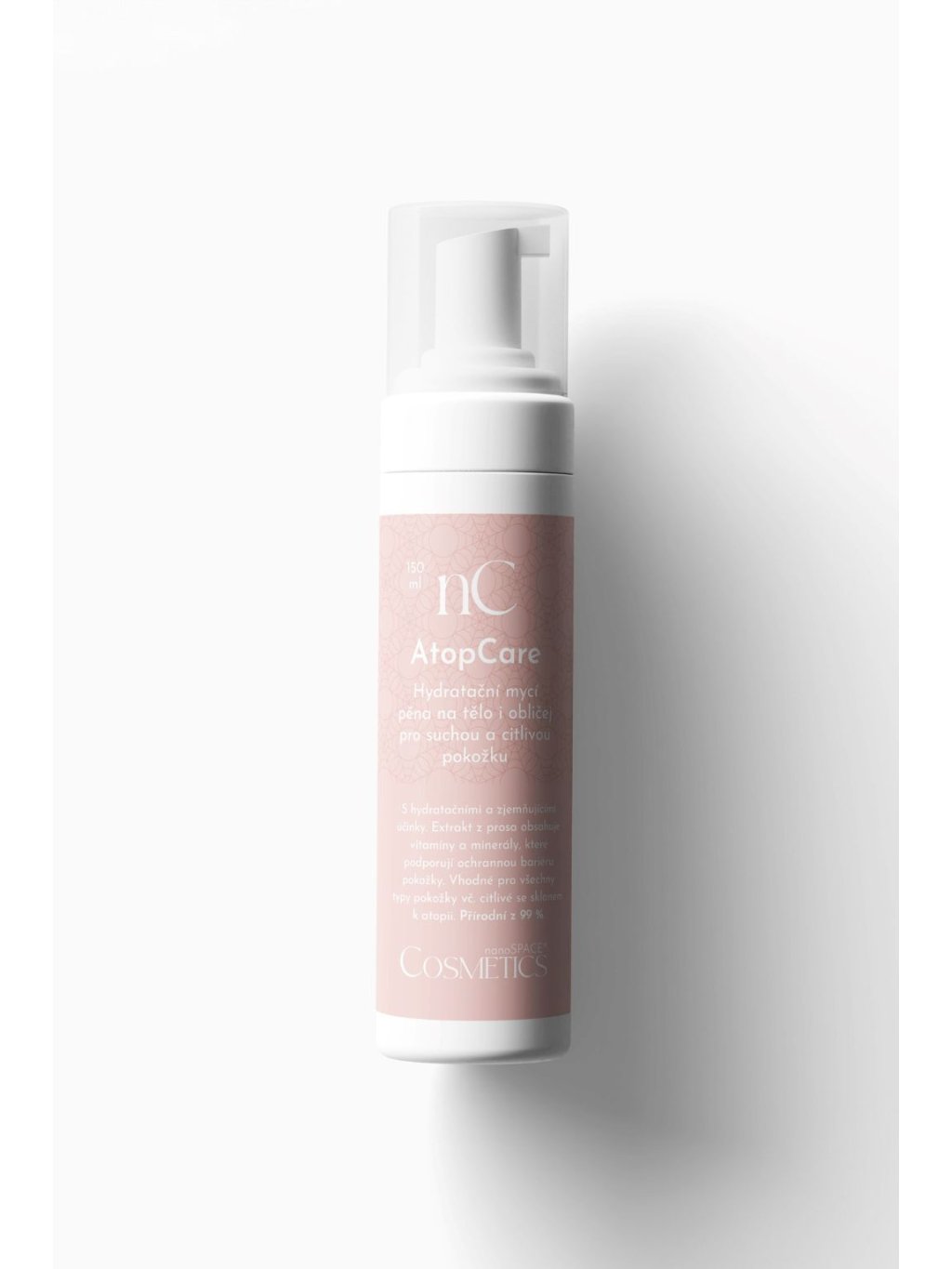
After applying the complex, the manufacturer reports a 142% rise in skin hydration and a 79% strengthening of the barrier. These company figures are backed up by independent research too: lactobacillus ferments generally reduce water loss, ease redness and support calming via regulatory immune cells. A systematic review of topical probiotics confirmed that every study included recorded a drop in eczema severity. You'll find postbiotics, for instance, in the gentle AtopCare cleansing foam, which cleanses without destroying the microbiome – often a stumbling block for people with eczema.
Lecithin: repairing the ceramide profile from inside the barrier
Ceramides are natural lipids that hold the cells of the skin's top layer together, much as mortar binds bricks. If you've ever heard that eczema-prone skin is short on ceramides, lecithin is one way to top them up. The skin of people with atopic eczema suffers a deep shortage of these building-block lipids, and lecithin – a natural fatty substance – makes up that deficit in a targeted way. Skin treated with lipids that are native to it loses less water, withstands mechanical damage better and is less prone to irritation.
A clinical study of a moisturising cream containing hydrogenated lecithin, squalane and olive oil delivered excellent results: in more than 70% of participants with mild to moderate atopic dermatitis, symptoms improved markedly or cleared up entirely. Topping up these building-block lipids simply restores the skin's disrupted ceramide profile – and a stable barrier is the foundation for everything else.
Vitamin E: a great team player, not a soloist
Vitamin E (tocopherol) is a powerful antioxidant. It neutralises free radicals, protects cell membranes and helps keep immune responses in balance. A frequently cited study followed 96 people who took vitamin E for eight months – in those who responded, serum IgE levels fell by 62% and some achieved an almost complete resolution of their symptoms (Tsoureli-Nikita et al., 2002). Further work confirmed improvements in itching and overall severity.
It pays to keep expectations realistic, though. On its own, vitamin E can't tame active inflammation, repair the microbiome or fully restore the barrier – the evidence is promising but still limited, and a standalone recommendation would need more studies. In cosmetics, however, it plays an excellent role as a stabiliser and antioxidant protection for other lipids. When you want to target a specific spot that needs intensive care, reach for a more concentrated form such as the regenerating ointment with vitamin E.
Sweet almond oil: a gentle emollient with one caveat
Sweet almond oil (Prunus amygdalus dulcis) is rich in omega-9 and omega-6 fatty acids. It works as an excellent emollient – it softens and smooths the skin and forms a film that locks in moisture and slows water loss. A 2018 study showed that a product with 7% sweet almond oil combined with 2% colloidal oat was safe and effective even in moderate to severe hand dermatitis (Zeichner et al., 2018).
One warning is in order, though: while almond oil is generally very well tolerated, it is off-limits for anyone with a nut allergy. If that's you, choose formulas that don't contain it, and check with your doctor first.
Squalane: perfect biocompatibility
Squalane is derived from squalene, which naturally makes up a significant part of human sebum. Its great strength is complete biocompatibility – it blends smoothly into the skin's natural protective layer (the so-called hydrolipid film), replenishes depleted lipids and eases redness. For eczema-prone skin it's an ideal "carrier" for other active ingredients, one that doesn't irritate on its own.
Squalane has a particular advantage in seborrhoeic dermatitis: Malassezia, the yeast behind seborrhoea, can't digest it (unlike many other oils, which actually feed it). That said, there are still few isolated studies looking at pure squalane directly on eczema – dermatologists recommend it mainly on the basis of practice, as a reliable supporting emollient. You can read more about this type of inflammation in our article on seborrhoeic dermatitis.
Beeswax: the film that keeps moisture in
Beeswax (Cera alba) is a classic occlusive – a substance that forms a semi-permeable film on the skin's surface. That film minimises water loss while softening and soothing the skin. An older clinical study tested a mixture of honey, beeswax and olive oil in people with atopic dermatitis and recorded an 80% improvement in previously untreated patients (Al-Waili, 2003). This combination also dampens the growth of staph bacteria. Beeswax is therefore an excellent final "lock" for a routine – it seals in everything you applied beneath it.

Editor's pick
AtopCare Body Cream 330 ml
A comprehensive emollient that brings together several ingredients from this article: colloidal oat, coconut oil, sweet almond oil, lecithin, vitamin E and beeswax. Of natural origin, free from parabens, paraffins, silicones and artificial colourants. Ideal for everyday, large-area care.
€22
View productStrength of evidence: which ingredient for which eczema
Not every substance works equally well on every type of eczema. The overview below sums up how strong the evidence is for each ingredient on eczema-prone skin, based on the cited studies – so you know what to trust and what to treat with caution for now.
| Ingredient | Atopic eczema | Hand eczema | Strength of evidence |
|---|---|---|---|
| Colloidal oat | Highly effective (EASI −51%) | Highly effective | Highest (FDA, 30+ studies) |
| Coconut oil | Highly effective (SCORAD −68%) | Not reported | High (double-blind trials) |
| Hemp seed oil | Effective (less itch and dryness) | Not reported | Moderate to high |
| Postbiotics | Effective (SCORAD drop) | Not reported | Moderate to high |
| Lecithin | Effective (mild to moderate AD) | Not reported | Moderate |
| Beeswax | Effective (in a blend) | Supportive (barrier protection) | Moderate |
| Sweet almond oil | Not reported | Effective (with oat) | Moderate ⚠️ (nut allergy) |
| Vitamin E | Promising (IgE down 62%) | Not reported | Limited ⚠️ (as an add-on only) |
| Squalane | Supportive (holds hydration) | Supportive | Supportive ⚠️ (safe in seborrhoea) |
How to build the ingredients into a routine, from cleansing to intensive care
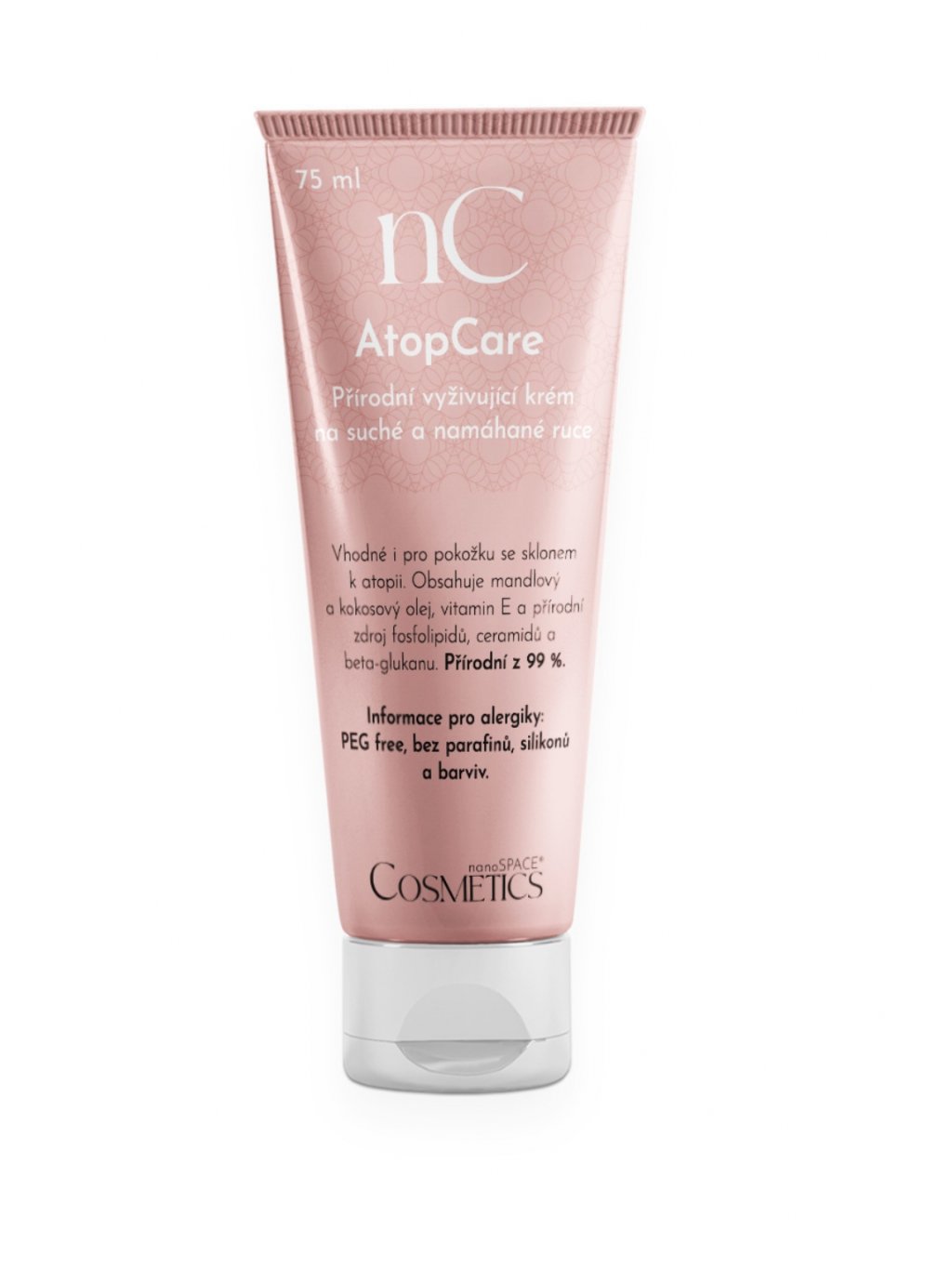
Even the best ingredient won't deliver if you use it in the wrong step or the wrong form. Care for eczema-prone skin rests on three tiers that build on one another. Start with gentle cleansing – ordinary soaps and harsh surfactants disrupt the barrier further, so reach for a mild, postbiotic formula such as the AtopCare cleansing foam. The second tier is everyday care: a lighter cream suits the whole body, while drier areas call for a nourishing oil with hemp and squalane. And the third tier is intensive local protection for the driest, cracked spots, where a more concentrated ointment comes into its own.
If your hands in particular take the brunt of washing and sanitising, we have a dedicated solution for them – the AtopCare hand cream with oat and almond oil. And if you're still choosing a basic product for sensitive skin, take a look at how a gentle routine helps in children too in our piece on atopic eczema in children.
The AtopCare range step by step

What to avoid with eczema-prone skin
Knowing what to avoid matters just as much as knowing what to look for. Eczema-prone skin is extremely quick to react, so plenty of everyday cosmetic "improvements" do more harm than good. When you read the ingredient list on the label, watch out in particular for the following:
- Fragrance and essential oils – scent is the most common trigger of contact allergy; look for "fragrance-free".
- Harsh surfactants (such as SLS) – they dry out and disrupt the barrier right at the cleansing stage.
- Needless preservatives and colourants – the shorter and more physiological the formula, the better.
- High concentrations of alcohol (denat.) – they dry out and sting damaged skin.
- Mineral oils as the only "active" ingredient – they merely occlude but don't replenish the skin with nutrients.
You can spot a good formula by the fact that it is short, easy to understand and built on the substances we covered above. When you're unsure which specific type of flare you're dealing with, the distinctions in our article on dyshidrotic eczema can help.
Conclusion: bet on substances with evidence, not promises
Caring for eczema-prone skin isn't just theoretical – it's a practical decision you make every time you choose a product. Once you remember the three jobs (replenish lipids, calm inflammation, support the microbiome) and a handful of names behind them (colloidal oat, hemp and coconut oil, postbiotics, lecithin), you'll have a reliable filter for 90% of what's on offer. The rest is about patience: skin doesn't heal overnight, but with the right formula and consistency you'll get there. And if you're not sure, don't hesitate to see a dermatologist – good cosmetics and professional care don't compete; they complement each other beautifully.
Frequently asked questions
What is the most effective natural ingredient for eczema?
Colloidal oat has the most evidence behind it. It is the only natural ingredient with a status recognised by the US FDA, and in trials it cut atopic eczema severity by 51% within two weeks. It works thanks to avenanthramides, which calm inflammatory signals, and it also acts as a prebiotic for a healthy microbiome.
Does coconut oil help with atopic eczema in children?
According to a double-blind study, yes. In children with mild to moderate atopic eczema, virgin coconut oil reduced the SCORAD score by 68.23% over eight weeks and markedly suppressed staph bacteria. Always try a small amount on a small area first, though, and consult a paediatrician when it comes to children.
What are postbiotics and why should they be in eczema care?
Postbiotics are beneficial substances obtained from fermented bacterial cultures. Rather than wiping out bacteria across the board, they support a healthy microflora and so calm the skin. The DEFENSIL®-PURE complex made from fermented millet increased hydration by 142% and strengthened the skin barrier by 79% in the manufacturer's tests.
Are plant oils safe for everyone with eczema?
Mostly yes, with one exception: almond oil is off-limits for people with a nut allergy. As a general rule, it's best to try a new product on a small patch of skin first and watch the reaction for 24 to 48 hours. If in any doubt, consult a dermatologist.
Are cosmetics enough for eczema, or do I need medication?
It depends on severity. For mild forms and during calm periods, quality dermocosmetics with oat, oils and postbiotics can keep the skin in good condition. For moderate to severe eczema, however, skincare is a complement to medical treatment, not a replacement for it. If things worsen, always seek professional help.

Sources
- Sur, R. et al. (2008) 'Avenanthramides, polyphenols from oats, exhibit anti-inflammatory and anti-itch activity', Archives of Dermatological Research, 300(10), pp. 569–574.
- Sobhan, M. et al. (2020) 'Efficacy of colloidal oatmeal cream 1% in chronic irritant hand eczema: a double-blind study', Clinical, Cosmetic and Investigational Dermatology, 13, pp. 241–251.
- Capone, K. et al. (2020) 'Effects of Colloidal Oatmeal on the Skin Microbiome', Journal of Drugs in Dermatology, 19(5).
- Callaway, J. et al. (2005) 'Efficacy of dietary hempseed oil in patients with atopic dermatitis', Journal of Dermatological Treatment, 16(2), pp. 87–94.
- Evangelista, M. T. P. et al. (2014) 'The effect of topical virgin coconut oil on SCORAD index, TEWL, and skin capacitance in mild to moderate pediatric atopic dermatitis', International Journal of Dermatology, 53(1), pp. 100–108.
- Verallo-Rowell, V. M. et al. (2008) 'Novel antibacterial and emollient effects of coconut and virgin olive oils in adult atopic dermatitis', Dermatitis, 19(6), pp. 308–315.
- Tsoureli-Nikita, E. et al. (2002) 'Evaluation of dietary intake of vitamin E in the treatment of atopic dermatitis', International Journal of Dermatology, 41(3), pp. 146–150.
- Zeichner, J. A. et al. (2018) 'Use of a Topical Emulsion Containing Sweet Almond Oil and Colloidal Oatmeal in the Treatment of Hand Dermatitis', Journal of Drugs in Dermatology, 17(1).
- Nong, Y. et al. (2023) 'Beeswax in Dermatology', Journal of Cosmetic Dermatology, 22(7).
- Al-Waili, N. S. (2003) 'Topical application of natural honey, beeswax and olive oil mixture for atopic dermatitis or psoriasis', Complementary Therapies in Medicine, 11(4), pp. 226–234.