
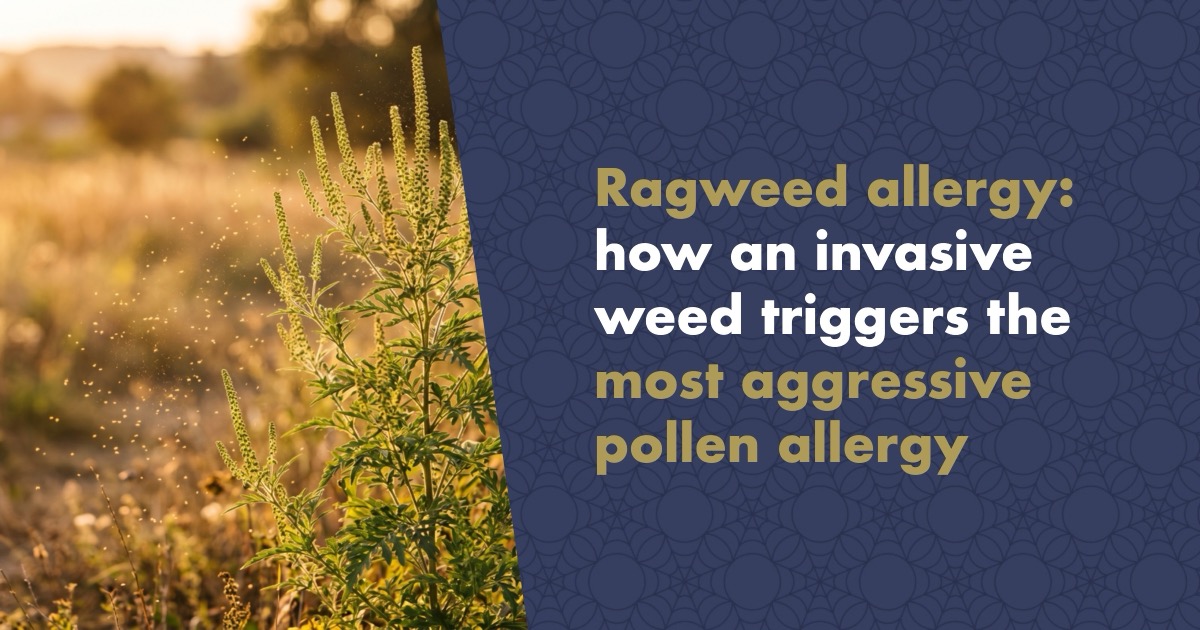
It’s late August. The weather is warm, the grass pollen season has largely subsided, and the spring trees finished shedding their pollen long ago. Yet, seemingly out of nowhere, you find yourself struggling to breathe. Your eyes are streaming, your nose won't stop running, and a scratchy irritation has settled at the back of your throat. If you're one of the millions of Britons baffled by these late-summer symptoms, assuming you've caught an early autumn cold, the real culprit may be something else entirely. Often, the answer is an emerging and highly aggressive condition: a ragweed allergy. Hay fever, or allergic rhinitis, affects roughly one in four adults — around 20 to 25 per cent of the UK population. For decades, the main triggers in Britain have been birch pollen in spring and grass pollen in summer. But a potent new threat is blowing across the Channel. *Ambrosia artemisiifolia*, commonly known as common ragweed, is a highly invasive plant originally native to North America. Today it affects an estimated 13.5 million Europeans and is responsible for one of the most severe and persistent pollen allergies known to medicine. While ragweed is still an emerging allergen in Britain rather than a widespread native weed, its range is steadily expanding northwards as the climate warms. Crucially, you don't need to live next to a field of ragweed to suffer. The UK regularly receives vast clouds of ragweed pollen carried in on continental air masses from Europe. If you find yourself battling stubborn hay fever symptoms from late June right through to September — and sometimes well into October or November — it's time to look beyond the usual suspects. This guide explains why ragweed pollen is so uniquely powerful, how it reaches our shores, and the most effective, science-backed strategies you can use to reclaim your late summer.
Key takeaways if you're short on time
- An extended late-summer season: Ragweed mostly blooms from late June to September, with pollen lingering into October and November. If your hay fever peaks in the second half of summer, ragweed is a likely trigger.
- An exceptionally low trigger threshold: It takes just 10 pollen grains per cubic metre of air to provoke a severe allergic reaction, compared with roughly 50 grains for grass pollen.
- A wind-borne continental threat: Although it isn't yet widespread across the UK, ragweed is an emerging concern. Vast quantities of pollen blow into Britain from the European epicentre in the Pannonian basin.
- The risk of cross-reactivity: Many sufferers develop oral allergy syndrome, where the immune system cross-reacts with foods such as melon, banana, cucumber, courgette and sunflower seeds.
- Long-term disease modification: The only treatment that changes the underlying course of the allergy is specific immunotherapy, which must be started in winter or spring, well before the ragweed season begins.
What Is Ambrosia Artemisiifolia and Why Is It So Dangerous?
Common ragweed (*Ambrosia artemisiifolia*) is an annual herbaceous plant in the Asteraceae family. Originally native to the dry plains of North America, it was accidentally introduced to Europe in the 19th century, mostly as a contaminant in imported grain and agricultural seed. Since its arrival, it has spread with a tenacity that continues to worry botanists and allergists alike. Ragweed is the ultimate survivor. It needs very little to thrive, readily taking root in disturbed, dry soils along motorways, railway tracks, building sites and the edges of farmland. It is remarkably undemanding about soil nutrients and flourishes in warm, sun-baked spots. What really sets ragweed apart from other invasive weeds is its enormous reproductive capacity and the sheer volume of pollen it releases into the air. A single mature ragweed plant can produce up to one billion pollen grains over its short life cycle. Because of this output, it hardly matters that ragweed isn't yet growing densely in your immediate neighbourhood. The pollen grains are microscopically small, extremely light and highly aerodynamic. Meteorological studies have tracked ragweed pollen travelling at altitudes of more than two kilometres and covering hundreds of kilometres from the source plant. The current European epicentre for ragweed is the Pannonian basin, which takes in parts of Hungary, Serbia, Croatia and southern Slovakia. In late summer, strong southerly and south-easterly winds lift huge pollen clouds from these regions, sweeping them across the continent and over the English Channel into the UK. The plant usually begins flowering in late June, but the peak of pollen production comes in August and September. Unlike many other allergenic plants, the ragweed season only truly ends when the first hard frost of autumn kills the plant, which can mean late October or even November. For people with multiple sensitivities, this creates a punishing, non-stop sequence of suffering: it starts with birch pollen in March, moves on to grass in June and culminates in a severe ragweed allergy that dominates the autumn. Without proactive management, that can add up to six or seven months of respiratory misery every single year.
Why Ragweed Pollen Attacks the Immune System So Fiercely
Not all pollen is the same. Allergists and aerobiologists measure the potency of airborne allergens using something called the threshold value. This is the lowest concentration of pollen grains per cubic metre of air (grains/m³) needed to trigger an allergic reaction in a sensitised person. For grass pollen, which most Britons associate with classic summer hay fever, this threshold sits at roughly 50 grains/m³. Birch pollen has a similarly moderate threshold. For ragweed, the threshold is a remarkably low 10 grains per cubic metre. This means a ragweed allergy can be triggered by just a fifth of the pollen needed to set off a grass allergy. In practice, even on days when the Met Office pollen forecast registers weed pollen levels as 'low' or 'moderate', the concentration in the air may already be more than enough to provoke a severe, full-blown asthma or rhinitis attack in a sensitised person. This is exactly why wind-blown pollen from the continent is such a serious problem for UK sufferers: the air masses reaching our shores carry more than enough microscopic grains to cross that tiny threshold. The biological weapon behind all this misery is a highly specific, potent protein allergen known as Amb a 1. This primary allergen is found in high concentrations inside the ragweed pollen grain. When the grains land on the moist mucous membranes of your eyes, nose or throat, they burst open, releasing Amb a 1 straight into your tissues. In someone with a ragweed allergy, the immune system mistakes this harmless plant protein for a dangerous invading pathogen. That misidentification prompts the immune system to produce huge quantities of immunoglobulin E (IgE) antibodies, which bind to mast cells in your tissues. On the next exposure to the pollen, the mast cells degranulate, releasing a flood of inflammatory chemicals — most notably histamine. This chemical cascade is what drives the aggressive symptoms: the rapid swelling of the nasal passages, the intense itching, the excess mucus and the tightening of the airways. It's worth understanding that a ragweed allergy doesn't develop overnight. Most people go through a silent sensitisation phase that lasts several seasons. During this time, the immune system is quietly 'memorising' the Amb a 1 protein and building an arsenal of IgE antibodies, even though you may feel perfectly fine. Only when the antibody load reaches a critical tipping point does the active allergy erupt. Once that threshold is crossed, the symptoms tend to strike quickly and often worsen with each new late-summer season.
Recognising the Symptoms: The Physical Toll of a Ragweed Allergy
Because a ragweed allergy peaks during the change from summer to autumn — a time when children go back to school and seasonal viruses begin circulating — many people first mistake their symptoms for a stubborn late-summer cold. The symptom profile of ragweed, however, is both distinctive and notably aggressive. The most prominent symptoms form the classic, compact picture of severe allergic rhinitis. Sufferers experience explosive, continuous bouts of sneezing (often in rapid-fire bursts), a heavy, watery runny nose, severe congestion and an aching pressure in the sinuses. The eye symptoms are just as distressing: the eyes become bloodshot, watery and intensely itchy, and the eyelids may swell noticeably. Many patients also report a deep burning sensation in the throat and a dry, irritating cough, caused by the tiny pollen grains bypassing the nose and landing directly on the back wall of the pharynx. Another debilitating yet often overlooked symptom is overwhelming exhaustion. This fatigue isn't simply the result of poor sleep from a blocked nose, though that certainly plays a part. The exhaustion is systemic. Your immune system is effectively fighting a phantom infection, working overtime to produce antibodies and sustain an inflammatory response. This internal battle burns through a large amount of energy, leaving you physically and mentally drained. If you want to understand the biology behind this exhaustion, our detailed guide to allergy fatigue goes into more depth. Perhaps the most worrying aspect of a ragweed allergy is its tendency to affect the lower airways. In a sizeable share of patients — particularly those who try to 'tough it out' without proper medical care — the condition progresses into allergic asthma. This often begins subtly, as mild breathlessness after walking up a hill or a tight chest during the night. Left unchecked, it can escalate into full-blown asthma attacks marked by wheezing, severe chest tightness and a frightening inability to draw a full breath. The progression from rhinitis to asthma isn't inevitable, but it's a very real risk, and clinical data suggests it is noticeably more common with ragweed than with many other seasonal allergens. If you consistently get these symptoms from August through October, and they aren't accompanied by a fever or thick, discoloured mucus (which would point to a viral or bacterial infection), it's well worth seeing an allergist or your GP. A simple skin-prick test or a specific IgE blood test can confirm for certain whether ragweed is the hidden trigger making your autumns miserable.
The UK Context: An Emerging Threat Driven by the Wind and a Warming Climate
While ragweed is a dominant native weed in the United States and a major agricultural burden in central and eastern Europe, in the UK it's still an emerging threat. You won't usually find vast fields of it growing in the British countryside just yet. But that doesn't make UK residents immune. The main threat to Britain comes from the skies. In late summer, continental air masses often move north-west across Europe. When the weather is dry, warm and windy, these air currents pick up billions of pollen grains from the Pannonian basin and northern France and carry them across the English Channel. As a result, people living in the southern and eastern counties of England are often the first to feel the effects, though the pollen can travel much further inland. To track this invisible threat, sufferers should rely on the Met Office pollen forecast, watching the 'weed pollen' category closely during the late summer months. It is important to understand that weed pollen behaves differently from grass pollen. The highest atmospheric concentrations of ragweed pollen usually occur in the mid-to-late afternoon on dry, breezy days. Thunderstorms also pose a particular danger. The violent downdraughts of a late-summer storm sweep pollen down to ground level, while the sudden shift in humidity and osmotic pressure causes the grains to rupture. This shatters each grain into hundreds of microscopic, highly allergenic fragments that can bypass the nose entirely and be inhaled deep into the lungs. The phenomenon, known as thunderstorm asthma, is strongly linked to ragweed and can trigger severe respiratory emergencies even in people with relatively mild hay fever. Early mornings and the hours just after a steady, gentle rain, on the other hand, bring the lowest pollen counts and a brief window of relief. For an overview of how different allergens overlap throughout the year, take a look at our pollen calendar, or explore our specific guides to managing allergies in August and allergies in September.
Climate Change: Why the Ragweed Season Is Getting Longer and More Severe
The rising prevalence of ragweed allergy isn't an illusion; it's a measurable, well-documented consequence of global climate change. Compare aerobiological records from the 1980s with today's data and the difference is stark: the ragweed season has lengthened by several weeks over the past four decades. A landmark study by Ziska and colleagues, published in *Lancet Planetary Health* (2019), analysed temperature-related changes in airborne allergenic pollen across the northern hemisphere. The research showed that the pollen season for climate-sensitive plants such as ragweed is lengthening by an average of 0.9 days per year. Over two decades, that adds up to almost three extra weeks of suffering. For someone with a ragweed allergy, a season that might once have ended in early October now stretches deep into November. On top of this, the rising concentration of carbon dioxide (CO₂) in our atmosphere acts as a powerful natural fertiliser for weeds. Research shows that higher CO₂ levels make ragweed plants grow larger, produce more flowers and generate significantly more pollen. Studies have recorded increases in ragweed pollen production ranging from 16 to 40 per cent, directly linked to elevated CO₂ levels. More pollen in the air means greater exposure for everyone, raising the likelihood that previously symptom-free people will cross the sensitisation threshold and develop an active allergy. The future projections are sobering. A wide-ranging study by Lake et al., published in *Environmental Health Perspectives* (2017), estimated that, because of climate change and the northward expansion of the plant's habitable zone, the number of sensitised Europeans could more than double by the 2041–2060 period — leaping from roughly 33 million to 77 million. A separate study by Hamaoui-Laguel et al. in *Nature Climate Change* (2015) modelled the effects of seed dispersal and climate shifts, confirming that airborne ragweed pollen loads will increase dramatically across northern Europe. For the UK, this means ragweed will move from an occasional, wind-blown nuisance to a permanent, entrenched domestic health challenge. The sooner we recognise and adapt to this shifting reality, the better we can manage the respiratory fallout.
Breathe freely outdoors: a nanofibre filter you can wear


Cross-Reactivity: The Hidden Link Between Pollen and Your Diet
A ragweed allergy has one particularly deceptive trait that catches many sufferers off guard: cross-reactivity with certain foods. Botanically, ragweed is closely related to mugwort. The proteins inside the ragweed pollen grain are structurally similar — sharing a very similar shape and sequence — to proteins found naturally in particular fruits, vegetables and seeds. When you eat these foods, your highly sensitised immune system scans the proteins, mistakes them for the Amb a 1 ragweed allergen and mounts a localised defence. This is known clinically as oral allergy syndrome (OAS), or pollen food allergy syndrome (PFAS). Sufferers typically feel sudden itching, tingling or a mild burning sensation on the lips, tongue, roof of the mouth or back of the throat shortly after eating fresh melon, banana, cucumber, courgette or sunflower seeds. In most cases the symptoms are annoying but brief, settling on their own within a few minutes as stomach acids begin to break down the proteins. More pronounced swelling is rare. It's worth understanding that this isn't a true, life-threatening food allergy in the usual sense, and the reactions can happen at any time of year — even in the depths of January if you eat a raw banana. The reaction is driven by the structural similarity of the proteins, not by any actual pollen in your food. Helpfully, these particular proteins are very heat-sensitive, so they're easily destroyed by high temperatures. A slice of raw courgette might make your mouth itch, but a roasted courgette will most likely cause no reaction at all. If you notice this pattern of oral discomfort linked to these specific foods, it's a strong sign of an underlying ragweed sensitivity and is worth discussing with your GP or allergist.
How to Protect Yourself: 5 Highly Effective Daily Measures
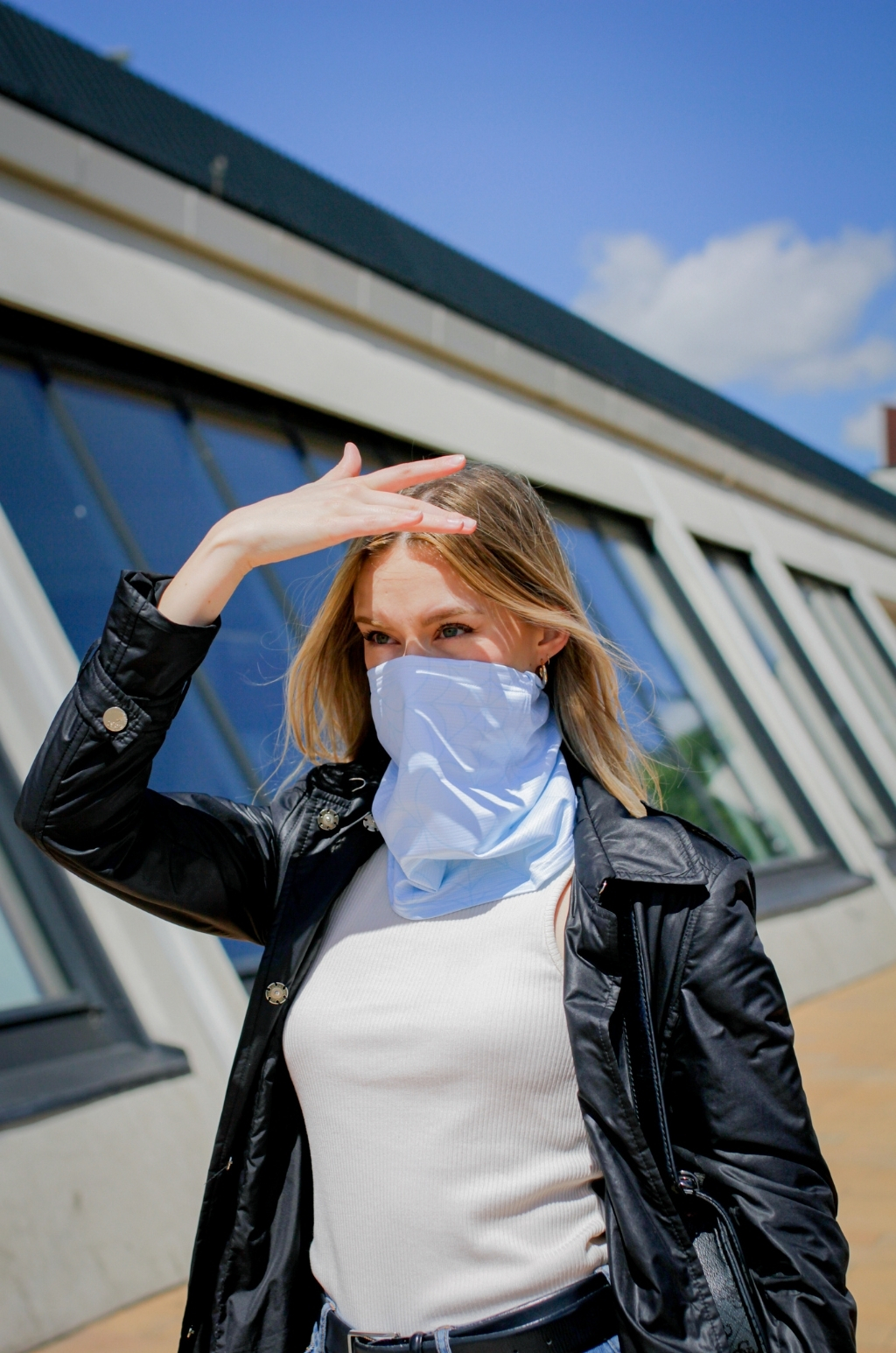
We can't eradicate ragweed from the European continent or control the wind, but you have real power to cut your daily exposure and create safe, pollen-free spaces, especially at home. Combining several environmental controls works far better than relying on medication alone. Check the Met Office weed pollen forecast every day. Knowledge is your first line of defence. During late summer and autumn, get into the habit of checking the weed pollen category on the Met Office website, and use it to plan your day. Schedule strenuous outdoor activities, such as running or gardening, for the early morning when pollen levels are at their lowest. Avoid long spells outdoors in the mid-to-late afternoon, particularly on dry, windy days when continental pollen clouds are most likely to descend. Manage your windows carefully. The urge to throw the windows open on a warm August evening is strong, but for a ragweed sufferer it's an invitation to misery. Keep your windows firmly closed during peak pollen hours, which run through the afternoon and early evening. It's especially important to keep them shut during and immediately after a late-summer thunderstorm, when the rain shatters the pollen into easily inhaled fragments. If you need to air the house, do so briefly in the early hours of the morning. Clean your indoor air. Your bedroom needs to be a safe haven so your immune system can rest and recover overnight. Investing in a good air purifier fitted with a certified HEPA H13 filter is one of the most worthwhile changes you can make. A true HEPA H13 filter works at a microscopic level, capturing the tiny 15-to-20-micron ragweed pollen grains before they can settle on your bedding or reach your lungs. Run the purifier continuously in your bedroom throughout the season. Adopt a strict decontamination routine. Pollen is incredibly sticky. When you go outside, it clings to your hair, your eyelashes, your skin and the fibres of your clothing. If you simply walk indoors and sit on the sofa or get into bed, you carry the allergen straight into your sanctuary and breathe it in all night. Make a habit of taking off your outdoor clothes as soon as you get in and putting them in the laundry. Follow that with a quick shower to wash the pollen out of your hair and off your skin. Wear a nanofibre filter during outdoor activities. When you really must be outdoors during high pollen counts — whether for gardening, hiking or commuting — a physical barrier works extremely well. A high-tech ultralight neck gaiter with a built-in nanofibre membrane offers excellent protection. The nanofibre web is so dense that it readily traps submicron particles, including ragweed pollen, while staying highly breathable. It's a discreet, comfortable way to protect your airways when the pollen load is severe.
A Three-Tiered Approach to Treating a Ragweed Allergy
Managing a ragweed allergy effectively calls for a structured, multi-tiered approach, depending on how severe your symptoms are and how much they affect your quality of life. First tier: pharmacological symptom relief. For immediate relief, modern medications work well. Second-generation oral antihistamines — such as cetirizine, loratadine or fexofenadine — are the foundation of treatment. They block the histamine receptors in your body, reducing the itching, sneezing and runny nose without the heavy drowsiness of older medications. That said, allergists now regard topical intranasal corticosteroids (such as fluticasone or mometasone sprays) as the gold standard for allergic rhinitis. These sprays deliver powerful anti-inflammatory medication straight to the swollen nasal tissues, treating the root cause of the congestion rather than just blocking histamine. They are safe for long-term daily use, but you need to start them a week or two before the season begins to get the most out of them. Second tier: nasal care and physical barriers. Medication works best alongside thorough physical hygiene of the nasal passages. A Rhino Horn nasal rinse pot with a sterile saline solution physically flushes the sticky pollen grains, excess mucus and inflammatory mediators out of your nasal cavity. It's a simple, drug-free method that brings huge relief. To stop pollen sticking to the mucous membranes in the first place, you can apply a Nasaleze Protect barrier spray, which uses a natural cellulose powder to form a mechanical gel shield inside the nose. If your nasal passages feel raw, dry and sore from constant blowing and medication, a soothing, moisturising spray such as NeilMed NasoGEL or a gentle NasaMist saline spray will help restore the delicate tissue barrier. Third tier: specific immunotherapy (SIT). If over-the-counter medications and environmental controls aren't giving you your life back, it's time to consider specific immunotherapy. This is the only treatment that can fundamentally change the course of the disease rather than just suppress the symptoms. Immunotherapy involves gradually introducing tiny, controlled doses of the ragweed allergen to your immune system, either as daily drops under the tongue (sublingual immunotherapy) or as regular injections at a clinic (subcutaneous immunotherapy). Over three to five years, this retrains your immune system to tolerate the pollen without launching a massive inflammatory attack. The most important caveat with immunotherapy is timing. You can't start the treatment in August when you are already suffering. The immune system has to be retrained during its dormant phase. If you want to pursue this life-changing treatment, you need to consult an allergist or your GP in late autumn or winter to begin the protocol well ahead of the next pollen season.

Editor's pick
Anti-Dust Mite Bed Linen Nanocotton®
Made from certified organic cotton and featuring an advanced nanofibre membrane, this bedding acts as an impenetrable barrier, keeping pollen and dust mites out of your bed. Independently tested to capture 99.9% of allergens, it stays highly breathable, giving you clean, restorative sleep right through the punishing ragweed season.
View productUnited Airway Disease: Why Rhinitis Can Evolve Into Asthma
In modern respiratory medicine, the nose and the lungs are no longer seen as two separate organs. Instead, they are treated as a single, continuous system under the concept of 'united airway disease'. This shift has fundamentally changed how specialists approach allergic rhinitis. When the mucous membrane in your nose becomes severely inflamed by ragweed pollen, it doesn't keep that inflammation to itself. It releases systemic inflammatory signals that travel down into the bronchial tubes of your lungs. Conversely, asthma is very difficult to control while the upper airways (the nose and sinuses) remain inflamed and untreated. The clinical evidence for this connection is overwhelming. According to a landmark study by Bousquet and colleagues, published in the *Journal of Allergy and Clinical Immunology* (2016), around 80 per cent of asthmatics also have allergic rhinitis. More alarming still is the finding that untreated or poorly managed allergic rhinitis triples the risk of developing clinical asthma later in life. This risk is particularly pronounced with a ragweed allergy. The Amb a 1 allergen is notoriously reactive when it meets the bronchial epithelium (the lining of the lungs). If you let a severe ragweed allergy go unmanaged year after year, the chronic inflammation can cause permanent structural changes to your airways, a process known as airway remodelling. The encouraging news is that proactive treatment of the nasal symptoms — particularly through specific immunotherapy — has been clinically proven to halt this progression. Patients who undergo immunotherapy have a significantly lower risk of their rhinitis turning into asthma. This is perhaps the most compelling reason to treat your allergy seriously, rather than just relying on a daily antihistamine tablet to scrape through the autumn.

Conclusion: Reclaiming Your Autumn
Ragweed is a formidable adversary, and as the climate shifts, its reach across the UK and Europe is undeniably growing. The season is lengthening, pollen counts are rising, and more people are finding themselves wondering why their nose is streaming in September when they felt perfectly fine all spring. Recognising that you're dealing with a ragweed allergy, rather than a late-summer cold, is the vital first step. The second is getting a proper diagnosis from an allergist — ideally in the calm of winter, when you have the time to put together a thorough treatment plan without the pressure of an active flare-up. The third step is environmental control. Turning your bedroom into a pollen-free sanctuary with HEPA filtration, sticking to a strict post-outdoor showering routine and using nanofibre protection are not just minor lifestyle tweaks; together, they form a powerful line of defence. A ragweed allergy doesn't have to dictate your life or ruin your autumn. By combining environmental vigilance with modern medical treatment, you can breathe easily again. To stay ahead of the curve, read our guide to what to expect from allergies in October, and learn how to strengthen your immune system well in advance of the spring pollen allergy season, so that next year is your healthiest yet.
Frequently asked questions
When is the concentration of ragweed pollen highest in the air?
The peak of the ragweed season usually falls in late August and September, although the plant releases pollen from late June right through to the first hard frost of autumn (often October or November). Airborne concentrations are generally highest in the mid-to-late afternoon on dry, windy days. Paradoxically, levels also spike dangerously during and immediately after a thunderstorm, as the rain shatters the pollen grains into easily inhaled fragments. The lowest concentrations are usually found early in the morning and just after a steady, gentle rain.
Will standard over-the-counter antihistamines relieve my symptoms?
Yes. Modern second-generation antihistamines (such as cetirizine, loratadine and fexofenadine) are highly effective at blocking histamine receptors, which helps ease itching, sneezing and a runny nose without causing significant drowsiness. However, they only suppress the symptoms temporarily and do not address the underlying inflammation. For more robust relief, specialists usually recommend combining an oral antihistamine with a daily intranasal corticosteroid spray (such as fluticasone). If you rely heavily on medication every year, you should ask an allergist about immunotherapy.
How can I tell the difference between a ragweed allergy and an autumn cold?
Allergic rhinitis caused by ragweed almost never comes with a fever. The nasal discharge from an allergy is typically thin, clear and watery, whereas a viral infection often produces thick, opaque or yellowish mucus. Allergy symptoms usually flare up suddenly after time spent outdoors or after opening a window on a windy day, and they persist for weeks. An autumn cold, by contrast, is usually accompanied by symptoms such as fatigue, mild body aches and a sore throat, and it typically clears up within 7 to 10 days. A specific IgE blood test can give you a definitive answer.
Is there a vaccine or a permanent cure for a ragweed allergy?
It is not a traditional 'vaccine' against an infection, but specific immunotherapy (SIT) works in a very similar way. It involves giving you gradually increasing doses of the ragweed allergen, either as sublingual drops under the tongue or as subcutaneous injections. Over three to five years, this fundamentally retrains your immune system to tolerate the pollen without launching an allergic attack. It is the only treatment that can change the course of the disease and help prevent the onset of asthma. It has to be started in winter or spring, well outside the pollen season.
Where can I find an accurate weed pollen forecast in the UK?
The most reliable source for tracking airborne allergens in Britain is the Met Office pollen forecast. During the late summer and autumn months, pay close attention to the specific 'weed pollen' category, as this covers ragweed, mugwort and nettle pollen. Because ragweed pollen is often blown across the English Channel from the European mainland, levels can swing dramatically depending on wind direction and continental weather. We strongly recommend checking the forecast daily so you can plan your outdoor activities safely.

Sources
- Met Office — UK Pollen Forecast (regularly updated database for weed pollen tracking in the UK)
- Lake, I. R., Jones, N. R., Agnew, M., et al. (2017). Climate Change and Future Pollen Allergy in Europe. Environmental Health Perspectives, 125(3), 385–391.
- Ziska, L. H., Makra, L., Harry, S. K., et al. (2019). Temperature-related changes in airborne allergenic pollen abundance and seasonality across the northern hemisphere: a retrospective data analysis. Lancet Planetary Health, 3(3), e124–e131.
- Bousquet, J., Khaltaev, N., Cruz, A. A., et al. (2016). Allergic Rhinitis and its Impact on Asthma (ARIA) — guidelines revision. Journal of Allergy and Clinical Immunology, 140(4), 950–958.
- Hamaoui-Laguel, L., Vautard, R., Liu, L., et al. (2015). Effects of climate change and seed dispersal on airborne ragweed pollen loads in Europe. Nature Climate Change, 5, 766–771.
- Smith, M., Jäger, S., Berger, U., et al. (2013). Geographic and temporal variations in pollen exposure across Europe. Allergy, 68(7), 809–820.
- ARIA Classification 2024 — Allergic Rhinitis and its Impact on Asthma, updated classification.