
You wake up sneezing before your alarm even goes off. By lunchtime, your eyes are streaming so badly that you can barely focus on your screen. Meanwhile, the antihistamine you took at breakfast has left you in such a fog that your afternoon meeting sounds like muffled background noise. If this scenario sounds all too familiar, you're likely one of the millions whose immune system goes into overdrive every summer. The cause is a grass pollen allergy — the most persistent, widespread and frustrating environmental trigger most hay fever sufferers will ever face.
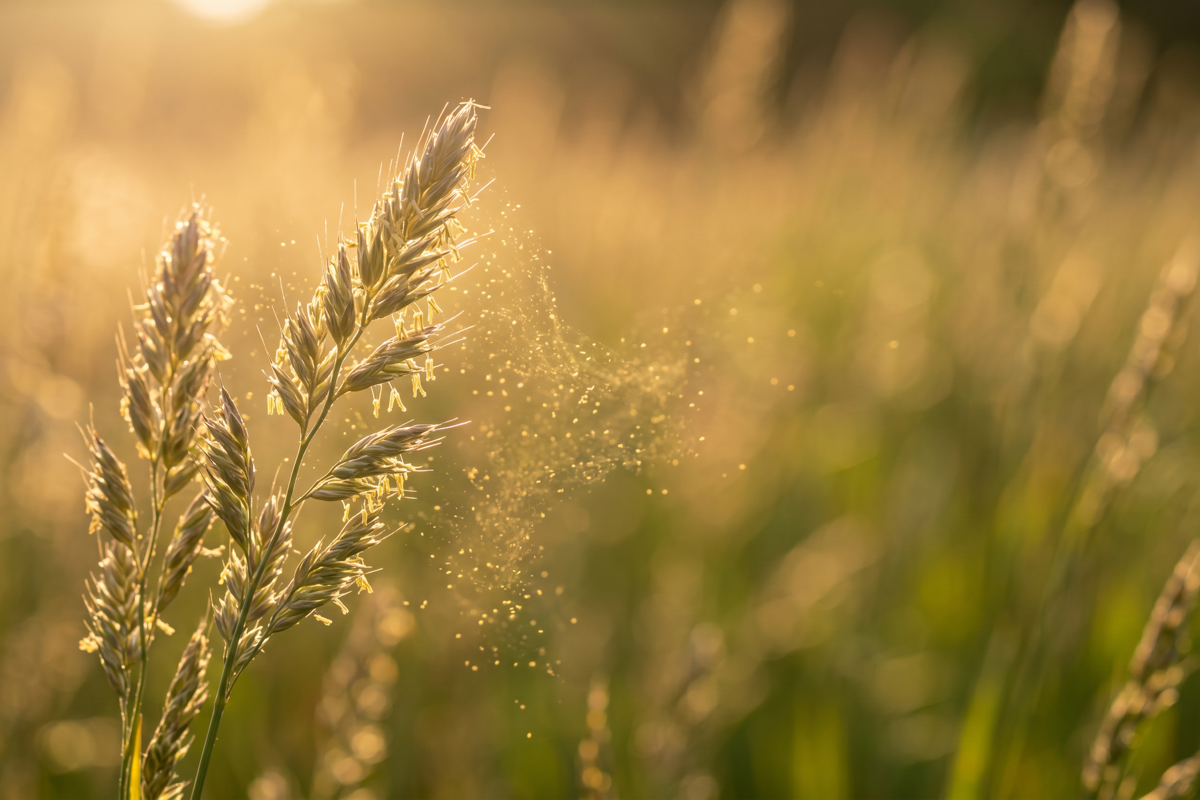
Unlike tree pollen, which tends to arrive in a short, intense burst in early spring, the grass pollen season drags on throughout the summer. In the UK, it usually runs from mid-May through to July, peaks in June and July, and can linger into early autumn. Grass pollen is everywhere — it thrives in the countryside, dominates urban parks and flourishes in your own back garden. Because the grains are tiny and light, the wind carries them for miles, and they slip easily into your office and your bedroom. The aim here is not to hide indoors until October, but to manage the condition proactively with a clear head, a sensible plan, and the latest scientific insights.
This isn't another generic list of symptoms you've read a hundred times before. It is a thorough, authoritative survival guide that shows you exactly what is happening inside your body at a molecular level. We'll explore treatment options that go well beyond simply suppressing your immune system with drowsy medication, setting out practical steps you can take today to breathe freely tomorrow. We're going to break your grass pollen allergy down to the last pollen grain and build a solid defence plan to help you reclaim your summer.
Key takeaways if you're short on time
- Your nemesis isn't a single grass, but an entire botanical family. A grass pollen allergy is triggered by the Poaceae family. With a 90% cross-reactivity rate, if you react to one species—like Timothy grass—you'll almost certainly react to the rest.
- Untreated nasal inflammation can lead to asthma. The medical model of "United Airway Disease" shows that allergic inflammation in your nose can travel down into your lungs. In fact, hay fever sufferers face a threefold higher risk of developing asthma later in life.
- Climate change is actively making your symptoms worse. Warmer temperatures are extending the grass pollen season, while higher atmospheric CO₂ levels prompt grasses to produce more pollen that is chemically more aggressive.
- There is a treatment that targets the root cause. Allergen immunotherapy (AIT) is the only medical intervention that can fundamentally retrain your immune system to stop overreacting to grass pollen.
- Prevention and physical barriers are essential. Checking the Met Office pollen forecast, using nasal barrier sprays, keeping your indoor air clean with HEPA filtration and using anti-dust-mite bedding form a robust line of defence that sharply reduces your reliance on medication.
Disclaimer: This article is for informational purposes only and isn't a substitute for professional medical advice. We at nanoSPACE aren't doctors. Always consult an allergist, GP, or other specialist before starting treatment, changing medication, or if your symptoms worsen.
What Is a Grass Pollen Allergy, and Why Does It Affect One in Four UK Adults?
When doctors talk about a grass pollen allergy, they aren't referring to a single rogue plant on your lawn. They mean an enormous botanical family known as the true grasses, or Poaceae, which includes thousands of species. For hay fever sufferers in the UK, the most significant culprits are usually Timothy grass (Phleum pratense), cocksfoot (Dactylis glomerata), perennial ryegrass (Lolium perenne) and meadow grass (Poa pratensis).
Why is the grass season so much longer and more gruelling than other pollen seasons? The answer lies in biology and timing. While trees such as birch or hazel flower intensely but for a fairly short window, grasses work like a relay team. Some species start releasing pollen in mid-May, the main wave breaks over us in June and July, and late-blooming varieties can keep going well into August and early September. For a detailed breakdown of what flowers when, take a look at our pollen calendar.
This overlapping, continuous exposure is exactly why grasses are the dominant summer allergen. Hay fever is thought to affect roughly 1 in 4 UK adults, and grass pollen is by far the single most common trigger. That means millions of people across the country are facing the exact same miserable symptoms as you every summer. You're certainly not alone in this, and understanding the scale of the problem is the first step towards getting it under control.
Phl p 1: The Molecular Trigger and Why You React to Every Meadow
To really understand your allergy, picture a grass pollen grain as a microscopic, highly secure safe. Inside it are various proteins, but only a select few act as allergens — these are the proteins your immune system mistakes for a dangerous pathogen. With grasses, the primary villain is a Group 1 protein known as Phl p 1, which comes from Timothy grass.
In nature, this protein — classified as an expansin — serves a fascinating and vital purpose. It works like a molecular crowbar. When a pollen grain lands on the stigma of a flower, the expansin helps "prise open" the plant's cell wall so that fertilisation can take place. Unfortunately, your immune system misreads this harmless botanical crowbar as a serious parasitic or viral threat and launches a massive, body-wide defence response. Your body quickly produces IgE antibodies, which bind to mast cells and trigger them to burst, flooding your system with histamine and other inflammatory mediators. This chemical cascade is what causes the violent sneezing, swelling and maddening itchiness.
The clinical importance of Phl p 1 is hard to overstate. Immunological studies show that more than 95% of patients with a grass pollen allergy carry specific IgE antibodies against this exact protein. But here's the crucial part: almost all other grasses in the Poaceae family produce nearly identical expansin proteins. Your immune system can't tell the difference between the pollen of a neatly manicured lawn and that of a wild country meadow. This is known as cross-reactivity, and among grasses, it reaches a remarkable 90%. In practice, if you are allergic to Timothy grass, you'll almost certainly react to cocksfoot, ryegrass and dozens of others. Trying to avoid one specific type of grass is therefore futile; the trigger is universal across the family.
Thankfully, modern medicine has moved on. Advanced diagnostic techniques, known as Component-Resolved Diagnostics (CRD), can now pinpoint exactly which molecular components of the pollen you're reacting to — for example, major allergens such as Phl p 1 and Phl p 5, or minor cross-reactive allergens such as Phl p 7 and Phl p 12. This molecular profiling helps allergy specialists accurately gauge the severity of your condition and tailor a highly specific treatment plan.
Grass Allergy Symptoms: How to Tell Hay Fever from a Summer Cold
Summer colds caused by rhinoviruses do exist, but they're far less common than a flare-up of a grass pollen allergy. So how can you tell which one you're dealing with? The clinical differences are fairly clear once you know what to look for.
| Symptom | Grass Pollen Allergy (Hay Fever) | Summer Cold (Viral Infection) |
|---|---|---|
| Itching | Intense and classic: severe itching in the eyes, nose, throat and the soft palate. | Rare; you may have a sore or scratchy throat, but not intense itching. |
| Sneezing | Comes in rapid, uncontrollable bouts (several times in a row). | Occasional, single sneezes; much less frequent. |
| Nasal Discharge | Thin, watery and clear; often runs from the nose like a dripping tap. | Starts watery but soon thickens and changes colour (yellow or green). |
| Eye Symptoms | Marked redness, heavy watering, swollen eyelids and sensitivity to light. | Uncommon; usually only mild watering, if anything. |
| Fever | Never. You might feel a "hot head" from congestion, but no actual fever. | Common, especially in the first few days of the infection. |
| Duration | Weeks to months, lasting as long as the pollen season does. | Usually clears up completely within 7 to 10 days. |
Beyond these classic physical symptoms, there's another debilitating symptom that people without allergies often overlook: deep, body-wide exhaustion. The constant battle your immune system is fighting, combined with widespread mucosal inflammation and broken sleep from a blocked nose, leaves you drained in a way that closely mimics chronic fatigue syndrome. If you find yourself with no energy at all during the summer months, you're probably experiencing allergy fatigue.
According to the international ARIA (Allergic Rhinitis and its Impact on Asthma) guidelines, allergic rhinitis is classified by frequency (intermittent versus persistent) and severity (mild versus moderate to severe). The moderate-to-severe form is defined as the point at which your symptoms disrupt your sleep, interfere with your daily activities, and harm your performance at work or school. It's this severe tier that calls for prompt, comprehensive medical attention.
United Airway Disease: Why Untreated Allergic Rhinitis Can Lead to Asthma
Many people tend to brush off a blocked nose. "It's just a bit of hay fever," they say, dismissing it as a minor seasonal nuisance. This is a fundamental and potentially dangerous misunderstanding of human anatomy. Your respiratory tract — from the lining of your nasal cavity all the way down to the smallest bronchioles deep in your lungs — forms one continuous, connected system. The medical model that captures this anatomical reality is known as United Airway Disease.
What does this mean for you in practice? It means that the severe inflammation your grass pollen allergy triggers in your nasal passages doesn't stay neatly confined to your nose. The inflammatory cells (such as eosinophils) and chemical mediators (such as histamine and leukotrienes) gradually migrate down into your lower respiratory tract. As a result, the lining of your bronchial tubes starts to swell, the airways narrow, and they begin producing excess mucus. At first, this might only show up as a persistent dry cough, especially at night or after exercise. Over time, though, this chronic lower-airway inflammation can develop into full-blown bronchial asthma.
The clinical statistics are sobering. According to extensive immunological studies, between 10% and 40% of patients diagnosed with allergic rhinitis also have asthma. More worrying still, a 23-year longitudinal cohort study found that people with untreated allergic rhinitis have a threefold higher risk of developing asthma later in life compared to the healthy population.
The bottom line is clear: treating your hay fever firmly and consistently isn't just about your day-to-day comfort. It's a long-term investment in the health of your lungs and a crucial step in preventing a far more serious chronic respiratory condition, which bronchial asthma undoubtedly is.
Diagnosis: From Traditional Prick Tests to Advanced Component Analysis
Confirming a grass pollen allergy is a structured process that relies on several diagnostic steps, usually carried out by a consultant allergist or immunologist.
It usually begins with your clinical history: a detailed conversation with your doctor about when your symptoms peak, whether they worsen on hot, dry, windy days, and whether a heavy summer downpour brings sudden relief. Those answers give the specialist the context they need to point in the right direction. The next step is normally the skin prick test, the gold standard for immediate allergy testing: drops of standardised allergen extracts (including a mixed grass pollen extract) are placed on your forearm and the doctor pricks the surface through each drop with a tiny, sterile lancet. If you carry IgE antibodies to grass pollen, a raised, itchy red bump (a wheal) appears within 15 to 20 minutes — a quick, reliable visual confirmation.
When skin prick testing isn't an option — perhaps because you can't stop taking your antihistamines, or you have severe eczema on your arms — the doctor turns to a specific IgE blood test, sent to a laboratory to measure the exact levels of IgE antibodies against grass pollen. The most advanced step is component-resolved diagnostics (CRD), the frontier of allergy testing. Rather than testing your blood against a crude "grass pollen soup", CRD breaks the pollen down into its individual molecular proteins. Finding out whether you react mainly to the major allergen Phl p 1 or to a minor cross-reactive allergen such as Phl p 12 (profilin) has real clinical implications: patients who show a dominant IgE response to Phl p 1, for instance, are generally excellent candidates for allergen immunotherapy, with very high success rates.
Grass Allergy Treatment: The Three Pillars of Effective Management
Modern management of a grass pollen allergy rests on three pillars. To get the best possible quality of life over the summer, you need to combine all three rather than relying on just one.
Pillar 1: Allergen Avoidance (Environmental Control)
Let's be realistic: avoiding grass pollen completely is physically impossible unless you lock yourself in a sealed room. But you can sharply reduce your overall exposure. This isn't about becoming a summer hermit; it's about taking a smart, strategic approach to daily life.
Start by checking the pollen forecast every day using a reliable source such as the Met Office pollen forecast, which gives accurate daily updates on the pollen count in your region; on days rated "High" or "Very High", limit your time outdoors, especially between 10am and 4pm, when rising warm air carries the highest concentrations of pollen. Time your activities well — the safest times to be outside during hay fever season are early in the morning, late in the evening as the air cools, or just after a heavy shower, which washes pollen out of the air. Ventilate your home strategically, opening windows only for short, intense bursts, ideally late at night or right after rain, and keeping them shut during the heat of the day; standard insect screens do nothing to stop pollen, but you can fit purpose-made anti-pollen window meshes. Finally, get your return-home routine right: the moment you walk through the front door, change your clothes (pollen grains cling stubbornly to fabric), take a quick shower and wash your hair to rinse off the grains that would otherwise irritate your airways all evening and transfer onto your pillows.
Pillar 2: Pharmacotherapy (Symptom-Relief Medication)
This kind of grass allergy treatment is designed to control your symptoms. It doesn't cure the underlying immune problem, but it's vital for getting through the peak season.
- Antihistamines: Modern second- and third-generation antihistamines (such as those containing cetirizine, loratadine or fexofenadine) work by blocking the H1 receptors in your body, stopping histamine from causing havoc. Unlike the older first-generation drugs (such as chlorphenamine), these newer medicines are designed not to cross the blood-brain barrier easily, so they shouldn't cause heavy drowsiness — though a small number of sensitive people may still feel slightly tired.
- Intranasal corticosteroids (INCS): Immunologists widely consider steroid nasal sprays to be the most effective treatment for allergic rhinitis. They're applied directly to the nasal lining, where they powerfully dampen the local inflammatory response. They aren't instant fixes, though. Their protective effect builds up gradually over days or weeks, so you have to use them consistently, every day, throughout the season. For more on this, read our guide on how to choose a nasal spray.
- Anti-allergy eye drops: Drops containing antihistamines or mast-cell stabilisers (chromones) give fast, targeted relief from the burning, itching and watering of allergic conjunctivitis.
Crucial advice: The secret to effective pharmacotherapy is getting in early. Ideally, you should start taking your antihistamines and using your steroid nasal sprays about two weeks before the grass pollen season is due to begin in your area. This lets the medication build a protective barrier in your system, so your body is ready before the first major wave of pollen arrives.
Pillar 3: Allergen Immunotherapy (AIT)
If you want a treatment that actually changes the course of the disease, allergen immunotherapy (AIT) is the only medical intervention that targets the root cause of a grass pollen allergy. The aim of AIT is to slowly and safely "retrain" your immune system, exposing it to tiny, controlled doses of the allergen until it builds a natural tolerance and stops reacting aggressively. This treatment usually requires a commitment of three to five years.
There are two main ways to deliver AIT. Sublingual immunotherapy (SLIT) is given as a fast-dissolving tablet or as liquid drops placed under the tongue daily; in the UK, sublingual grass pollen immunotherapy (such as Grazax) is supported by NICE guidance for adults with severe grass-pollen-induced allergic rhinitis that hasn't responded well enough to standard medication, and it's highly convenient because it can be taken safely at home. Subcutaneous immunotherapy (SCIT), by contrast, is injected into the fatty tissue of the arm by a specialist in a clinical setting, usually starting with weekly injections to build up the dose and followed by monthly maintenance injections.
AIT can be transformative. It not only reduces the severity of your symptoms and cuts your reliance on daily medication, but it also offers a profound long-term benefit: clinical trials show that AIT significantly reduces the risk of allergic rhinitis progressing into asthma.
7 Practical Steps to Survive the Pollen Season
Let's move from medical theory to a concrete, daily action plan. Putting these seven habits into practice will sharply reduce the impact of a grass pollen allergy on your life:
- Track the invisible threat. Make checking the Met Office pollen forecast part of your morning routine, just like checking the weather. Let the data shape your day. If the count is "Very High", it's not the day to mow the lawn or go for a long run in the countryside.
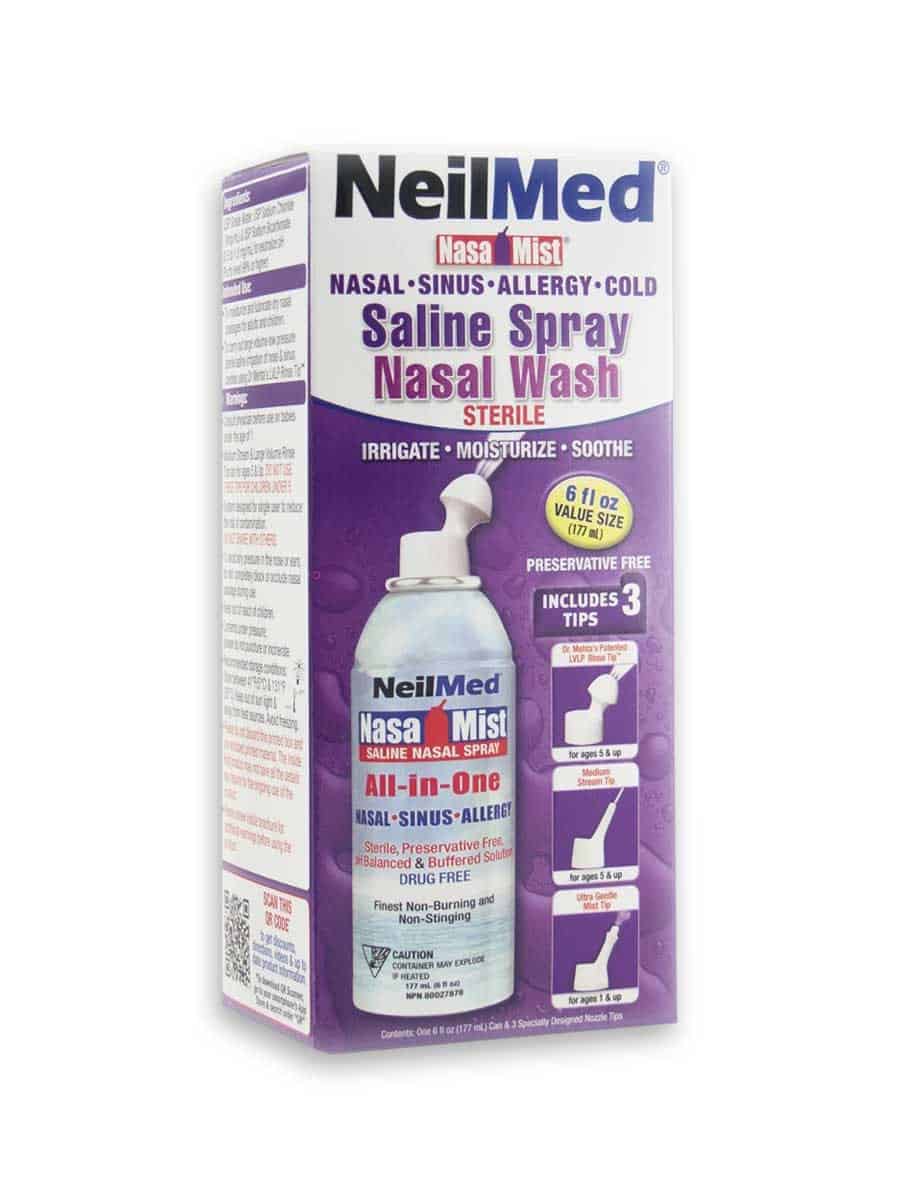
- Rinse away the allergens. Whenever you come home after a long spell outdoors, wash the pollen out of your nasal passages with a saline rinse. A product such as the NasaMist saline rinse mechanically flushes the trapped grains from your mucosa before they can trigger a major histamine release.
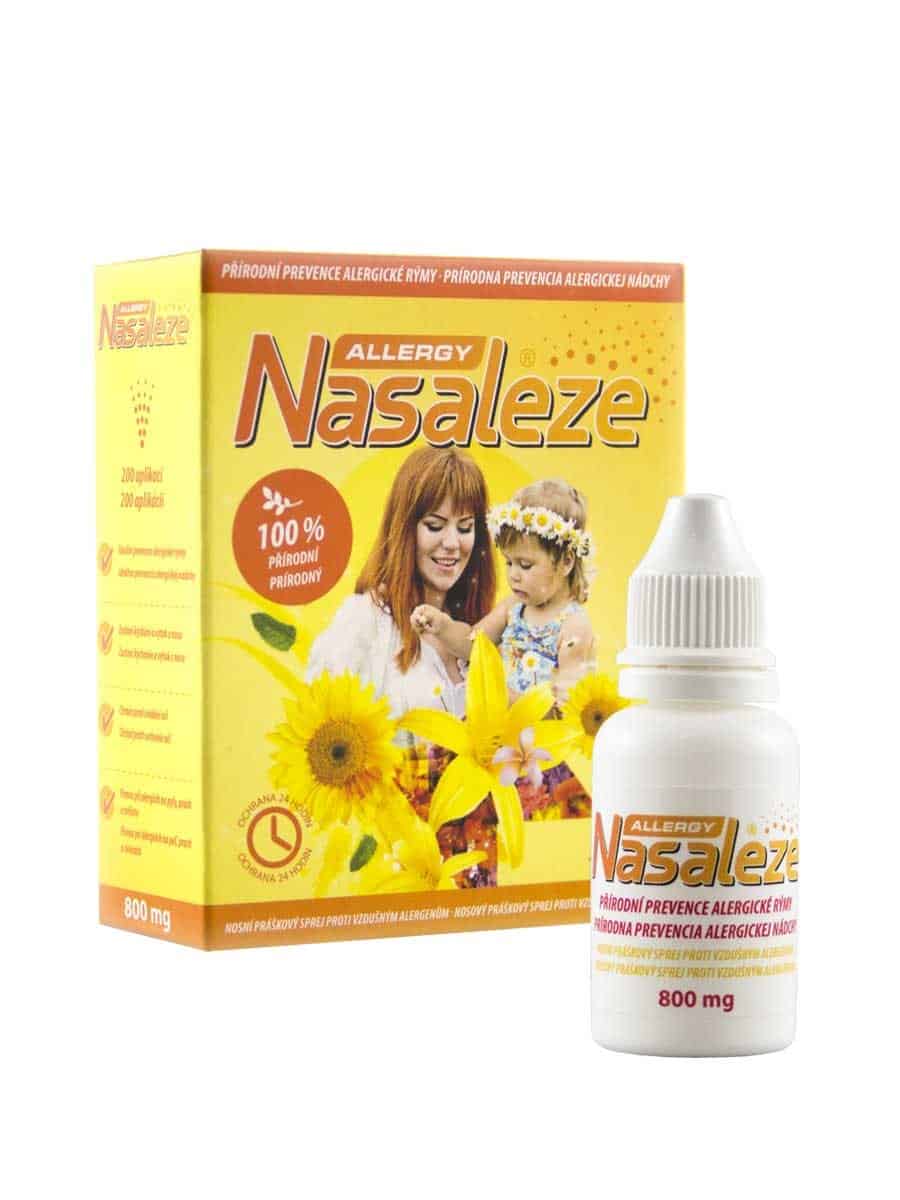
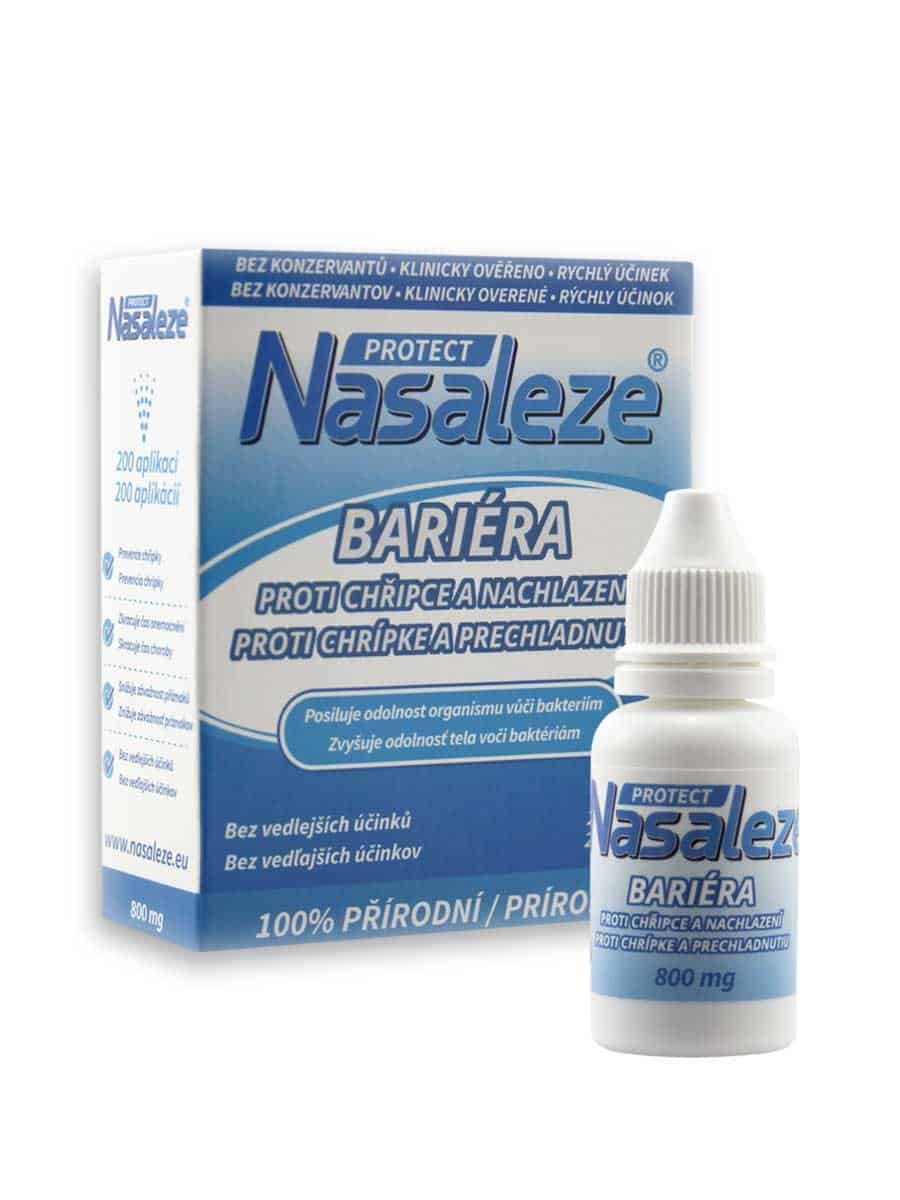
- Build a physical shield. Before you even step outside, apply a cellulose-powder barrier spray to your nasal passages. Products such as the Nasaleze Allergy barrier spray react with the natural moisture in your nose to form a protective gel film. This physically traps pollen grains and stops them reaching your immune cells. It's an excellent preventative measure with virtually no side effects.
- Purify your indoor sanctuary. Your home should be your safe haven. We can't control the air outside, but we can control it indoors. Running a high-quality air purifier with a true HEPA H13 filter in your living room and, above all, your bedroom will actively remove 99.95% of airborne pollen grains from your environment.
- Never dry clothes outdoors. Hanging wet laundry on the line in summer turns your clothes and bedsheets into pollen traps. The damp fabric catches every grain that blows past. Always dry your laundry indoors during peak season, ideally in a room where a HEPA filter is running.
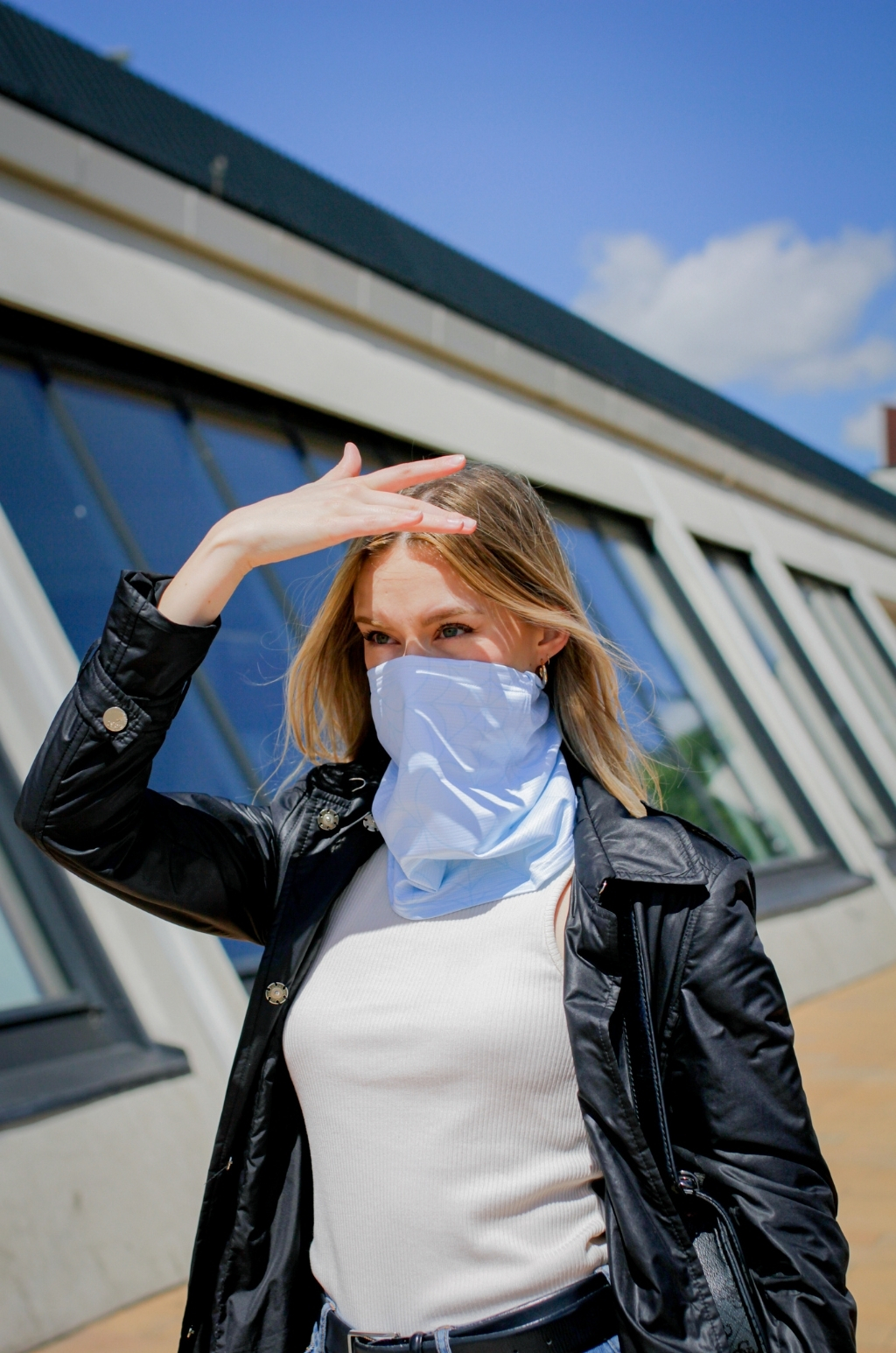
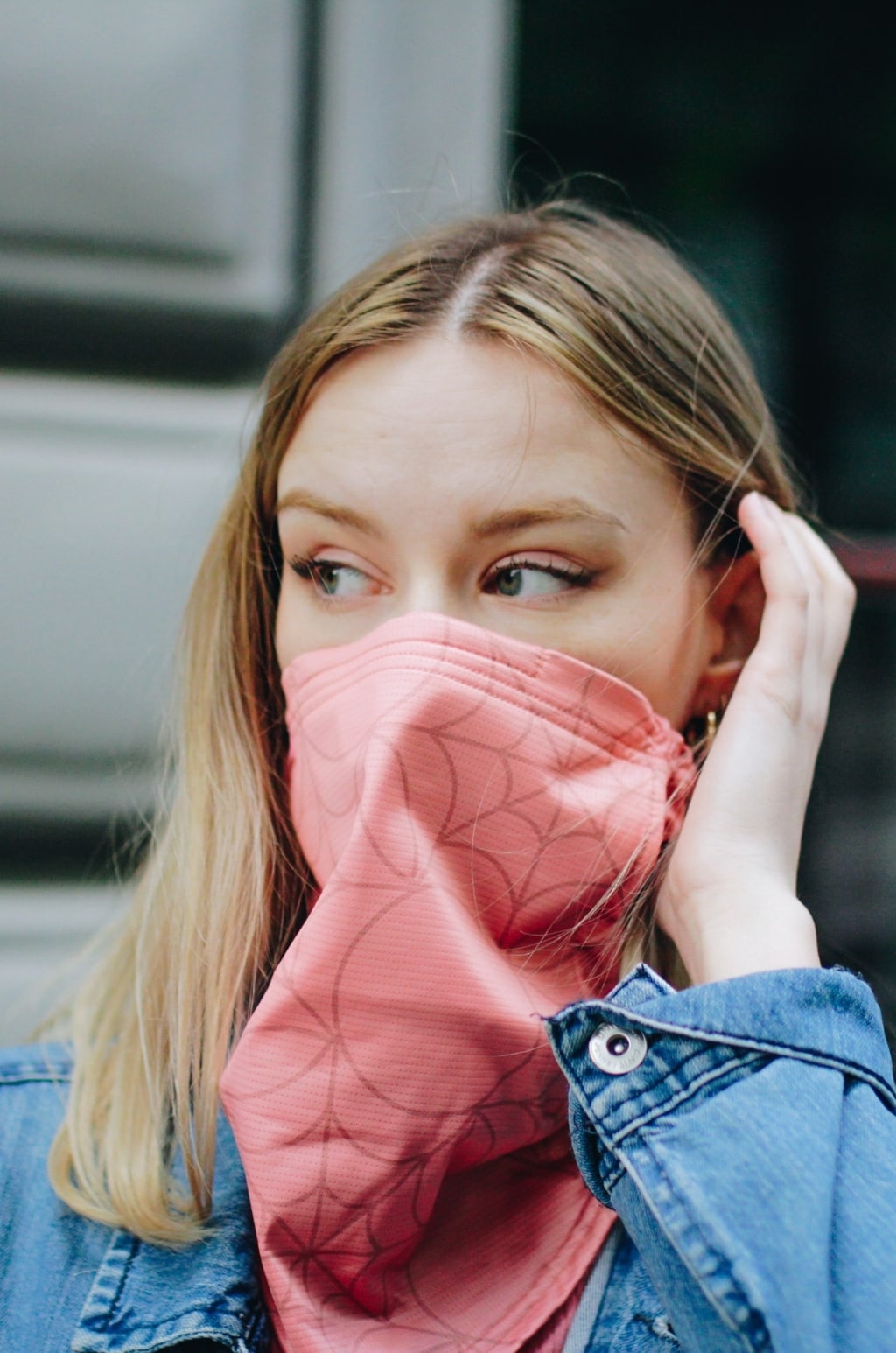
- Protect your airways during exercise. A hay fever diagnosis doesn't mean giving up your outdoor fitness routine. To cycle or run, you simply need the right gear. A breathable nanofibre neck gaiter works as a wearable filter: the membrane captures up to 99.9% of submicron particles, including pollen, so you breathe clean air without restricting your oxygen intake while you exercise.
- Stick to a strict decontamination routine. Make it a firm rule: the moment you get home, take off your outdoor clothes, jump in the shower, wash your hair and change into fresh loungewear. This simple, non-negotiable habit stops you spreading invisible pollen dust all over your furniture and your bed.
Protect your nose before the symptoms start
Climate Change and the Future: Why Every Grass Pollen Season Feels Worse
Do you often catch yourself saying that your grass pollen allergy seems to get worse every year? Rest assured, it isn't your imagination; it's a scientifically documented reality. Human-driven climate change is having a measurable impact on aerobiology, and allergy sufferers are on the front line.
A landmark study published in the journal The Lancet Planetary Health (Ziska et al., 2019) analysed decades of data from pollen monitoring stations around the world. The researchers found that, driven by rising global temperatures, the pollen season is lengthening by nearly a full day every year. Over a decade, that adds up to more than an extra week of exposure to airborne allergens.
Rising temperatures are only half the problem. The increasing concentration of atmospheric carbon dioxide (CO₂) acts as a potent fertiliser for plants. Botanical experiments have clearly shown that when grasses are exposed to higher CO₂ levels, they don't just grow faster and produce more pollen; the pollen grains themselves change chemically. They contain significantly higher concentrations of the allergenic proteins (such as Phl p 1). The pollen is, quite literally, becoming more aggressive and more likely to trigger severe immune responses.
In the UK, this is made worse by the "urban heat island" effect. Concrete, tarmac and dense buildings absorb and hold heat, creating microclimates in cities that further extend the growing season of urban grasses. Combine this heat with urban air pollution — where exhaust particulates bind to pollen grains and let them reach deeper into the lungs — and you create a perfect storm for respiratory distress. The scientific consensus is clear: future pollen seasons will be longer, heavier and more allergenic. That makes building a strong, preventative defence more important now than ever.
Breathe freely outdoors: a nanofibre filter you can wear

Children and Grass Pollen Allergies: Why Early Intervention Matters
A grass pollen allergy most often appears for the first time in early school age, typically between 6 and 12. Managing the condition in children, though, calls for a different approach than in adults, because their immune systems are still developing and the disease can progress in very dynamic ways.
The biggest clinical risk for allergic children is a phenomenon known as the "allergic march" (or atopic march). This is a well-documented progression in which one allergic condition naturally develops into another over time. It often begins with atopic eczema in infancy, moves on to food allergies or allergic rhinitis (hay fever) in toddlerhood, and finally culminates in bronchial asthma during the primary school years. Crucially, children with untreated, severe hay fever have a much higher risk of going on to develop asthma than adults do.
This is exactly why early, accurate diagnosis and prompt medical treatment in children matter so much. Allergen immunotherapy (AIT) is highly effective in children. In fact, it's currently the only known medical treatment that can halt the allergic march in its tracks, or at least slow it down significantly. The earlier a child starts AIT, the higher the chance that their developing immune system will learn to tolerate the allergen, and thereby avoid the onset of chronic asthma. For more guidance, read our dedicated article on allergies in children.
The Bedroom Sanctuary: Why Restorative Sleep Shapes Your Allergy Severity
Night-time is when the body does its most vital restorative work. It's when your overactive immune system is meant to calm down and your inflamed mucosal tissues begin to heal. But if you aren't careful, a bedroom can easily turn into a concentrated, microscopic minefield for anyone with a grass pollen allergy.
Throughout the day, your hair, skin and clothing act like magnets, collecting thousands upon thousands of invisible pollen grains. If you don't shower before bed, you carry this whole allergenic load straight onto your pillow. You then press your face into these allergens and breathe them in deeply for eight hours straight. The inevitable result is badly broken, unrefreshing sleep, waking up with a completely blocked nose, and violent sneezing fits before you've even got out of bed — leaving you drained for the day ahead.
Creating an allergen-free sanctuary is essential. Beyond showering before bed and keeping the windows shut, upgrading your sleep environment is a highly effective strategy. Advanced anti-dust-mite bedding creates a physical barrier that stops allergens building up inside your mattress and pillows, so the air you breathe while you sleep stays exceptionally clean.

Editor's pick
Anti-Dust Mite Bed Linen Nanocotton®
Our certified organic cotton bedding features a nanofibre membrane that acts as an impenetrable shield, stopping pollen and dust mites in their tracks. Tested by independent institutes to guarantee a 99.9% allergen capture rate, it stays highly breathable, for a clean, restful night's sleep even at the peak of the pollen season.
from €556
View product
Conclusion: You Can't Cure It Overnight, but You Can Thrive in Summer
A grass pollen allergy is a chronic, systemic condition. There's no magic pill that will wipe it out overnight. But that absolutely doesn't mean you have to resign yourself to misery, give up your active lifestyle, and suffer through the best months of the year. A strategic, multi-layered approach that combines modern medical treatment with sensible daily prevention is highly effective.
Your action plan begins with seeing your doctor or allergist to discuss every viable treatment option, particularly the long-term benefits of allergen immunotherapy. Take your prescribed medication with strict consistency, starting well before the season officially gets under way. At the same time, master the environmental variables: check the Met Office pollen forecast, rinse your nasal passages, protect your airways during outdoor exercise, and turn your bedroom into an impenetrable, allergen-free sanctuary.
Every one of these steps is an important piece of the puzzle. The more pieces you put in place, the stronger your defensive wall becomes. The ultimate aim isn't to achieve an impossible 100% avoidance of pollen, but to bring your total allergenic load below the threshold that triggers a severe immune reaction. Armed with this knowledge and these tools, you can get through the summer months actively, with clear eyes and open airways. For even more detailed strategies, read our guide on how to prepare for allergy season.
Frequently asked questions
How can I tell the difference between a grass pollen allergy and a summer cold?
The main differences come down to three things: itching (intense itching of the eyes, nose and palate is a hallmark of an allergy, but rare with a cold), the nature of the nasal discharge (allergic rhinitis produces clear, watery mucus, whereas a cold's mucus thickens and turns yellow or green), and the duration (an allergy lasts for weeks or months across the season, while a viral cold usually clears up within 10 days). Crucially, an allergy never causes a fever.
When should I start my medication — preventatively or once symptoms appear?
You should start preventatively. It's best to begin taking your antihistamines and, above all, using your intranasal corticosteroid sprays about two weeks before the grass pollen season is forecast to begin. This pre-emptive approach keeps the baseline inflammation in your body suppressed, so that when the pollen does arrive, your symptoms will be much milder or delayed altogether.
Can I use Nasaleze Allergy instead of antihistamines, or is it an add-on?
Nasaleze Allergy is a medical device that works purely on a physical-barrier principle. It forms a protective cellulose gel over your nasal lining, physically blocking pollen from ever reaching your immune cells. For people with very mild symptoms, it may be enough on its own. For moderate to severe hay fever, though, it works best alongside your antihistamines and steroid sprays — it sharply reduces the amount of allergen your body has to deal with, which in turn can help lower your overall reliance on oral medication.
Is it safe to exercise outdoors during the peak pollen season?
Yes, but it takes some planning. Always check the Met Office pollen forecast and avoid outdoor workouts during peak pollen-release times — usually between 10am and 4pm, especially on hot, dry, windy days. The best times to exercise are early morning, late evening or just after rain. If you are cycling or running, wear a nanofibre neck gaiter to filter the air you breathe, and shower the moment you finish.
Why do my mouth and throat itch when I eat tomatoes or melon in summer?
You're probably experiencing Oral Allergy Syndrome (OAS), a form of cross-reactivity. Certain proteins in fresh fruit and vegetables (such as tomatoes, melon, kiwi and oranges) have a molecular structure very similar to the allergenic proteins in grass pollen. Your immune system confuses the two and triggers a localised allergic reaction — typically mild tingling, itching or slight swelling of the lips, mouth and throat. Because these proteins are fragile, cooking or heating the food usually destroys them, so you can often eat the cooked version with no problem.

Sources
- Bousquet, J. et al. (2024) 'ARIA classification' — Clinical and Translational Allergy — https://link.springer.com/article/10.1186/s13223-024-00923-6
- Bousquet, J. et al. (2016) 'United Airway Disease and asthma progression' — JACI — https://pmc.ncbi.nlm.nih.gov/articles/PMC4872272/
- Ziska, L. H. et al. (2019) 'Temperature-related changes in airborne allergenic pollen' — Lancet Planetary Health — https://www.sciencedirect.com/science/article/pii/S2542519619300154
- Met Office (2024) 'UK Pollen Forecast' — https://www.metoffice.gov.uk/
- Thermo Fisher Scientific (2024) 'Allergen Encyclopedia — g5 Phleum pratense' — https://www.thermofisher.com/phadia/wo/en/resources/allergen-encyclopedia/g5.html
- European Aeroallergen Network (EAN) — https://ean.polleninfo.eu/Ean/
- EAACI (2023) 'Allergic Rhinitis Pocket Guide' — https://www.eaaci.org/